
Germasogeia, Limassol: What the District Offers and How to Visit It

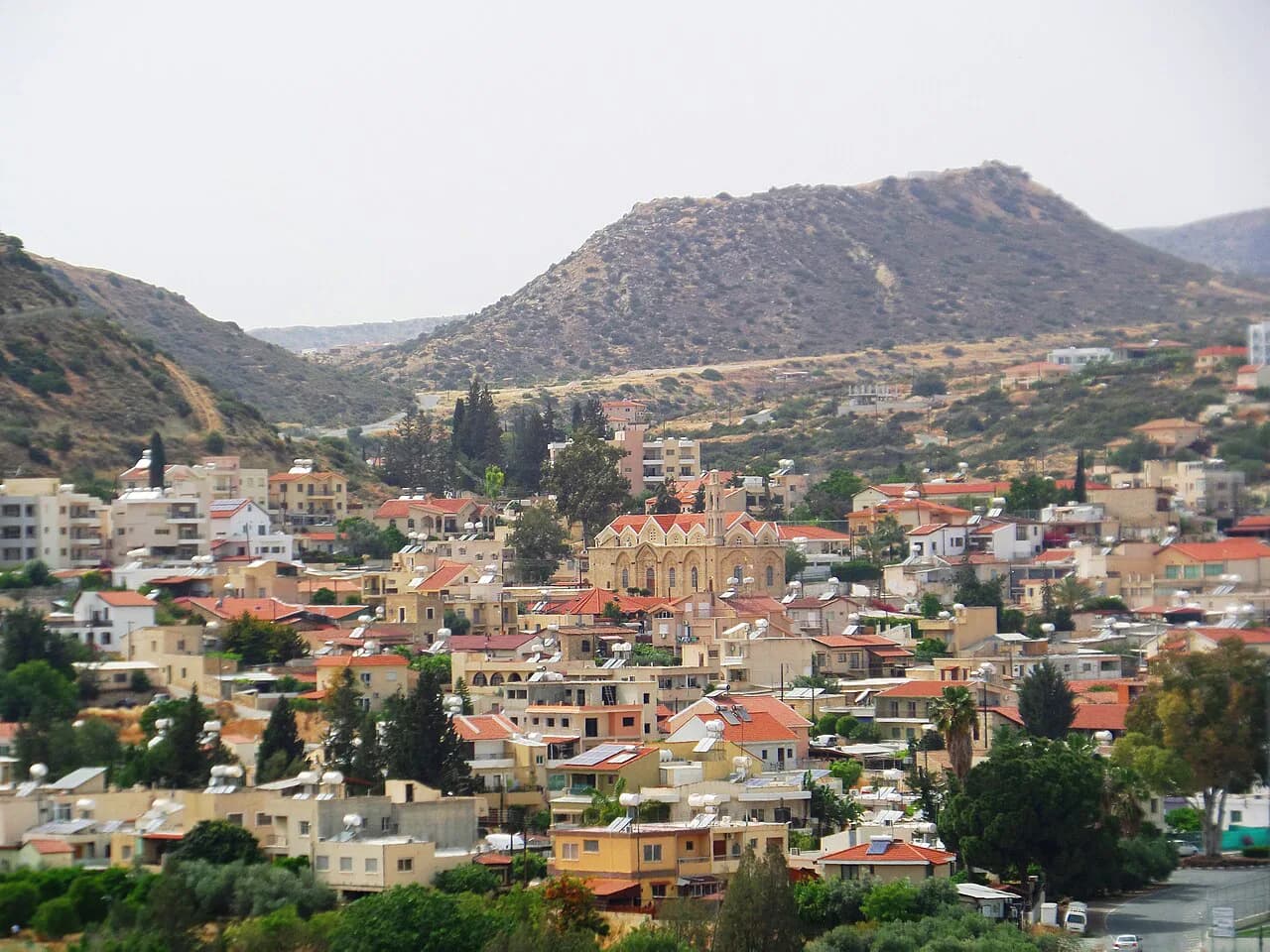
Germasogeia is best treated as two places in one: a coastal strip close to the highway and the sea, and an inland village that climbs towards the hills, with the reservoir as the district's standout sight. Allow half a day for the reservoir and the Finikaria nature trail, and use the coast end for errands, food and the seafront rather than sightseeing. This guide sets out how the district is laid out, what to see, how to reach it and what the summer heat does to a day here.
Where Germasogeia sits in Limassol
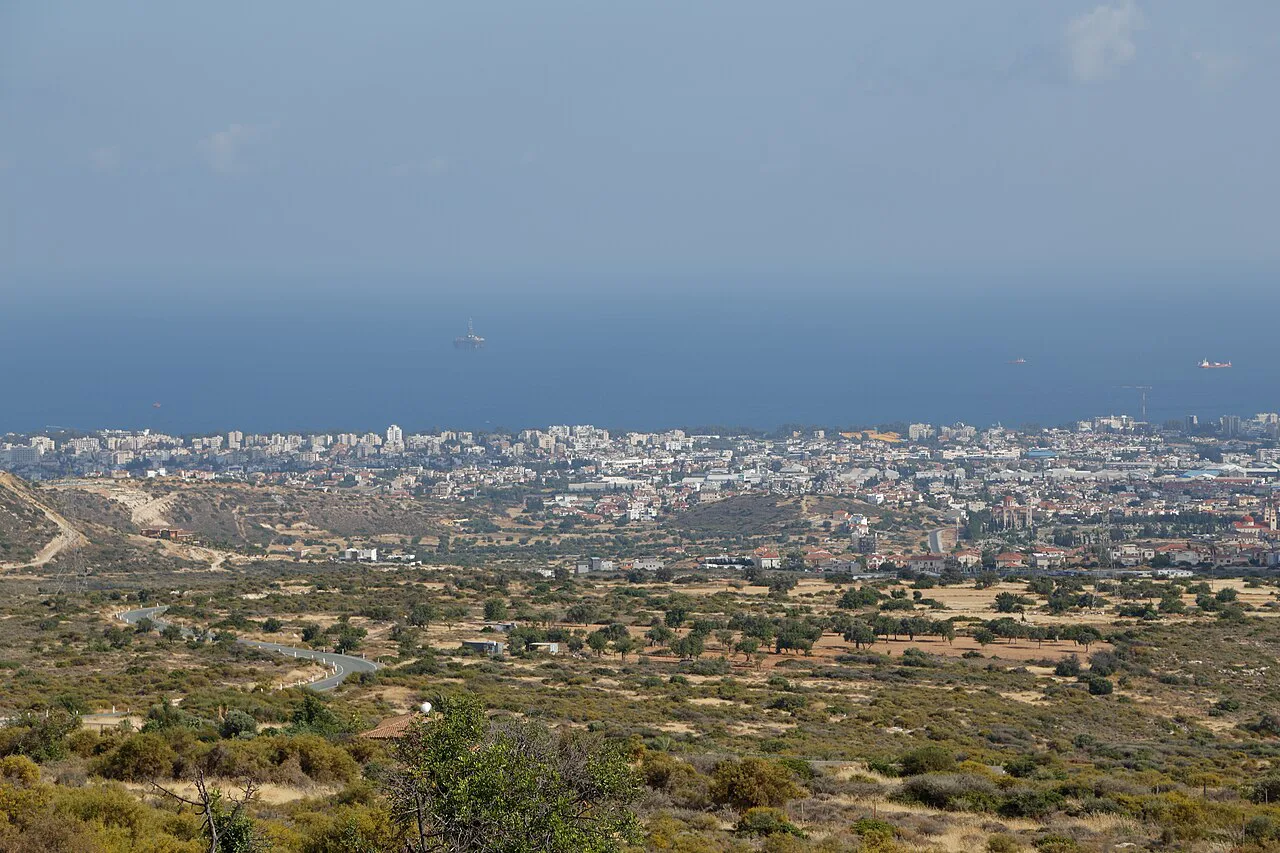
The district stretches from low ground near Limassol's coast and highway up into hilly, greener terrain, so where you base yourself changes what you can walk to. The coastal end gives quick access to the sea, shops and the road network; the upper end is quieter, more spacious and better placed for the reservoir and the chapels above it. For a short break, stay low and drive up; for a longer stay with a car, the upper village is the calmer base.
That split also decides your agenda. From the coast you can reach Limassol Marina and the city centre without much trouble, while the inland side is where the walking and the viewpoints sit. Do not expect a single compact centre to wander: Germasogeia rewards a car and a loose plan rather than a fixed walking route.

Getting there: which airport and whether you need a car
Germasogeia has no airport of its own. Larnaca airport is roughly 52 km away and Paphos airport roughly 61 km, so the choice comes down to flight times and hire-car availability rather than distance alone, and Germasogeia sits reasonably between the two.
A hire car is the practical choice. The reservoir, the Finikaria trailhead and the hillside chapels are spread out and not walkable from one another, and the district's layout rewards door-to-door driving. Booking sites quote daily rates and fuel figures that shift constantly, so compare live prices for your dates rather than budgeting from any average you read.
Cyprus drives on the left and the Republic uses the euro, which keeps a self-drive day straightforward for UK and Irish visitors. If your trip also takes in Zakaki, Limassol's western district, plan that as a separate drive rather than trying to combine it with the reservoir in one loop.
The reservoir: the district's main sight
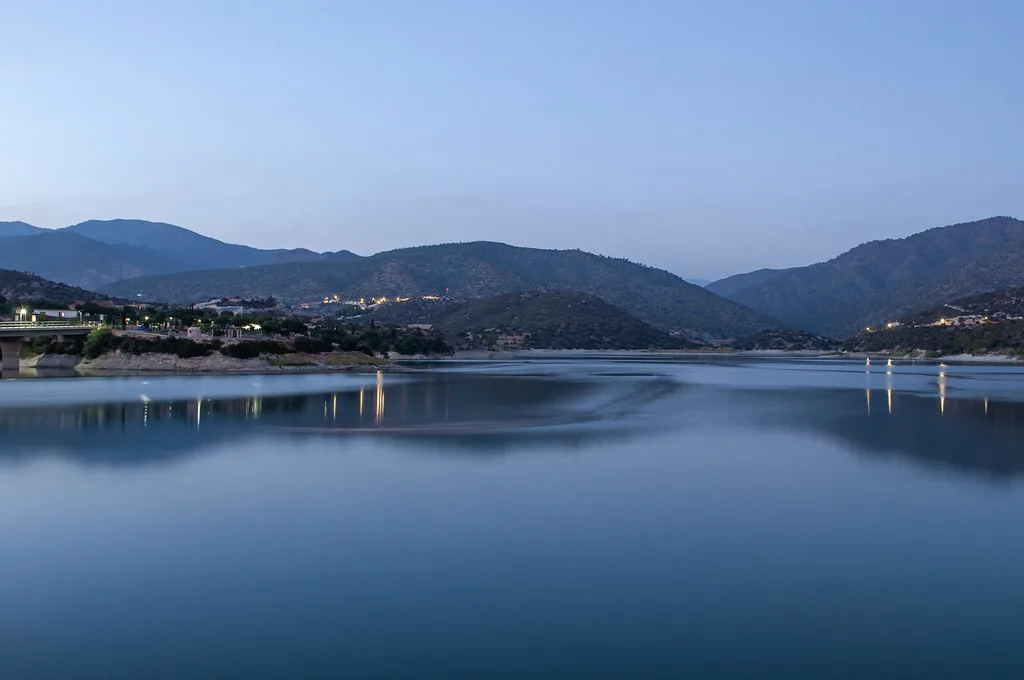
Germasogeia Reservoir was built in 1968 above the Amathos River, whose estuary reaches the Limassol coast. The dirt-built tank reaches a height of 49 metres and can hold up to 13,500,000 cubic metres of water. It lies about ten minutes from Limassol city centre, which makes it the easiest countryside escape attached to the city.
The draw is the setting rather than the dam structure itself: a biotope has formed around the perimeter, with rich flora and a perimeter walk that people use for strolling and exercise. Canoeing takes place on the water and anglers fish it, so you may share the edges with activity rather than finding pure solitude.
Walking the perimeter: seasons and water levels
Winter and spring are the months to walk the reservoir edge, when the greenery around the water is at its best. Migratory birds pass through at particular times of year, so a pair of binoculars earns its place alongside walking shoes. Summer visits are still possible but the appeal shifts to early mornings, when the heat is manageable and the light is best.
Water level matters more than most visitors expect. In prolonged drought the reservoir can sit notably low, which changes the scene from a full lake to exposed banks and a narrower channel; treat a dramatic waterline as luck rather than a guarantee. Build the stop into a wider driving day rather than making it the sole target.
Finikaria: the dam nature trail and picnic site
Pair the reservoir with the Yermasoyia Dam nature trail at Finikaria, which starts from the village side and adds a proper walk to what would otherwise be a viewpoint stop. The Finikaria picnic site sits close by, making a natural lunch halt between the trail and the water. Together they fill a half-day comfortably, and the combination is the strongest reason to bring the car up from the coast.
Short inland detours
Once you are up here, several small stops cluster within a short drive. Saint Loucas chapel at Akrounta and the Monastery of Panagia Sfalaggiotissa near Agios Athanasios are both close to the reservoir, and Hunters' Park at Yermasoyia gives another place to stretch your legs. None needs long, but stringing two or three together turns the reservoir run into a varied morning.
The coastal side: Dasoudi and the seafront
Down on the coast, the Dasoudi pedestrian street and Dasoudi beach form the district's seafront, with the beach carrying the CTO designation. This is the end for an easy stroll, a swim and a coffee rather than a sightseeing programme, and it balances the hill country nicely on a hot day. If you want the fuller city waterfront, the Limassol seafront and marina are a short drive west.
Eating and shopping in the district
Food here is functional rather than a destination in itself. The Yermasoyia Farmer's Market is the local shopping stop, and Columbia Confectionery in Yermasoyia covers the sweet-tooth break. For a proper sit-down meal, tavernas in Mouttagiaka and Fasoula are a short drive from the reservoir road, with Yialousa and Forsos among the options around Mouttagiaka.
If you want a wider choice of restaurants and shops, Limassol's city centre is the answer; see the Limassol Neighborhoods: 5 Area Guides for where each district fits. Treat Germasogeia as a base with useful local stops and the city as the dining draw.
Summer heat, hills and driving: the honest trade-offs
The main constraint is heat. The reservoir perimeter and the Finikaria trail have little shade, so walking them in the middle of a July or August day is a poor plan; go early, carry water and keep the coastal swim for the afternoon. The hills themselves are mild, but the driving between stops adds up, and a car is close to essential.
Germasogeia also works as a quieter alternative to staying in the busier coastal districts, at the cost of needing to drive for dinner and the beach. If you want a village base with a square and a bay instead, Pissouri village to the west is the comparison worth making before you book.
Should you base yourself in Germasogeia?
Yes, if you want a calm, car-based base with the reservoir and hills on your doorstep and Limassol's coast a short drive down. No, if you want to walk out of your door to restaurants, the marina and a beach. Decide which of those two trips you are actually taking, then pick the coastal strip or the upper village accordingly.
Explore more Limassol guides
Frequently Asked Questions
Which airport is closest to Germasogeia?
Larnaca airport is about 52 km from Germasogeia and Paphos airport about 61 km, so neither is dramatically closer. Compare flight times and car-hire pick-up options at both before deciding, since the drive times on the day will matter more than the headline distance.
Do you need a car to visit Germasogeia?
A car makes the district far easier. The reservoir, the Finikaria trail and the hillside chapels are spread out and not connected on foot, and the coastal strip sits below the village. Without a car you are limited to the lower district and taxis or lifts up to the water.
When is the best time to walk around Germasogeia Reservoir?
Winter and spring give the greenest surroundings and the most birdlife, while summer walks are better started early before the heat builds. Water levels vary with rainfall, and a dry spell can leave the reservoir noticeably low, so the walk is worth doing for the setting rather than a guaranteed full lake.