
Pissouri Village: What to See, Where to Eat and How to Get There

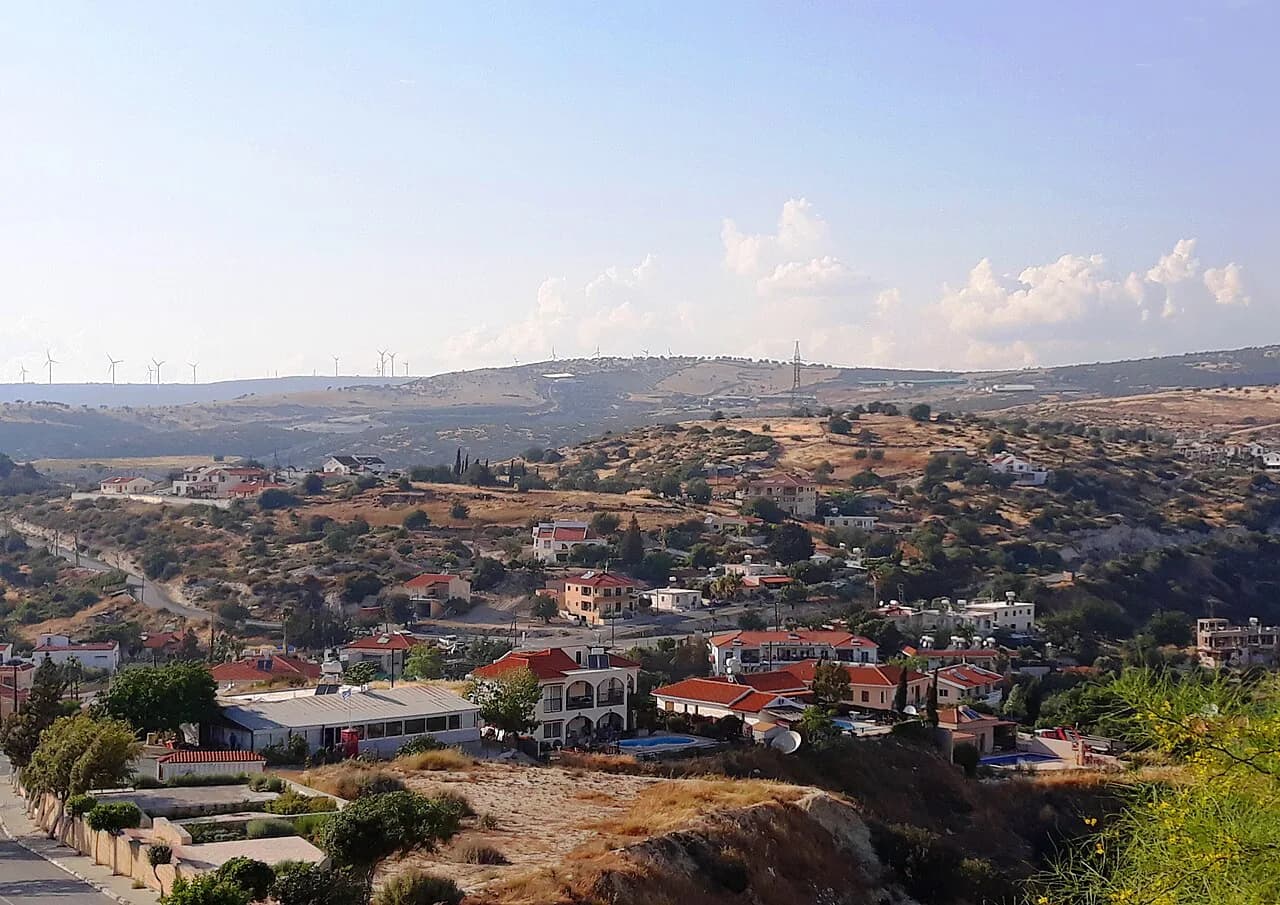
Pissouri village delivers its appeal in about a half-day: a cobbled pedestrian square ringed by whitewashed houses, lanes that drop down a hillside, and a coast at Pissouri Bay a few kilometres below. The village sits roughly 30 kilometres west of Limassol's centre, in Limassol district, which is the single most useful thing to know before you plan a route. This guide covers the village core, the choice between the hill village and the bay, eating and sleeping in the area, and how to reach it by road.
Anyone touring the Limassol district will find Pissouri an easy add-on rather than a destination in its own right, and a car makes the difference: the square rewards a short stop, while the countryside holds the Sanctuary of Apollon Hylates near Kourion. Treat the village as a half-day and the wider area as a fuller one.
What Pissouri Village Is and Where It Sits
Pissouri is a traditional village of whitewashed houses stacked on a hillside around a cobbled central pedestrian square, packed tightly enough that the lanes read as steps in places. Because the square is pedestrian, the core is walked rather than driven, and the reward is the small-scale street pattern rather than a headline monument.
By road it lies about 30 kilometres west of Limassol's centre, which places it firmly in Limassol district despite the village sitting closer to the Paphos side of the island on a mental map. That boundary matters: Pissouri belongs in a Limassol itinerary, not a Paphos one, even though Paphos is the natural next stop west.

Pissouri or Paphos? Getting the District Right
Travellers often assume Pissouri is a Paphos village because of where it falls on a coast-to-coast drive. It is not: the village is in Limassol district, and that shapes which regional guide you read and how you group the day's stops. From a Limassol base it is a western excursion; from Paphos, an eastern one.
The practical consequence is route order. Coming from Limassol, the village works as the turning point of a loop that also takes in Kourion and the Sanctuary of Apollon Hylates, which lies 3km west of the Kourion archaeological site on the road towards Paphos and about 22km west of Limassol itself.

The Village Core: Square and Hillside Lanes
Plan the visit around the village square. It is compact, pedestrian and lined with places to eat, both on the square itself and in the lanes just off it, so it functions as the village's living room rather than a sight to tick off. Park below or beside the core and walk in.
From the square, the interesting walking is upward and sideways: whitewashed lanes climb the hillside in a higgledy-piggledy layout that rewards slow wandering rather than a fixed route. Give the core an hour on foot, longer if you stop for coffee, and accept that you will see most of it without trying.
Pissouri Village vs Pissouri Bay
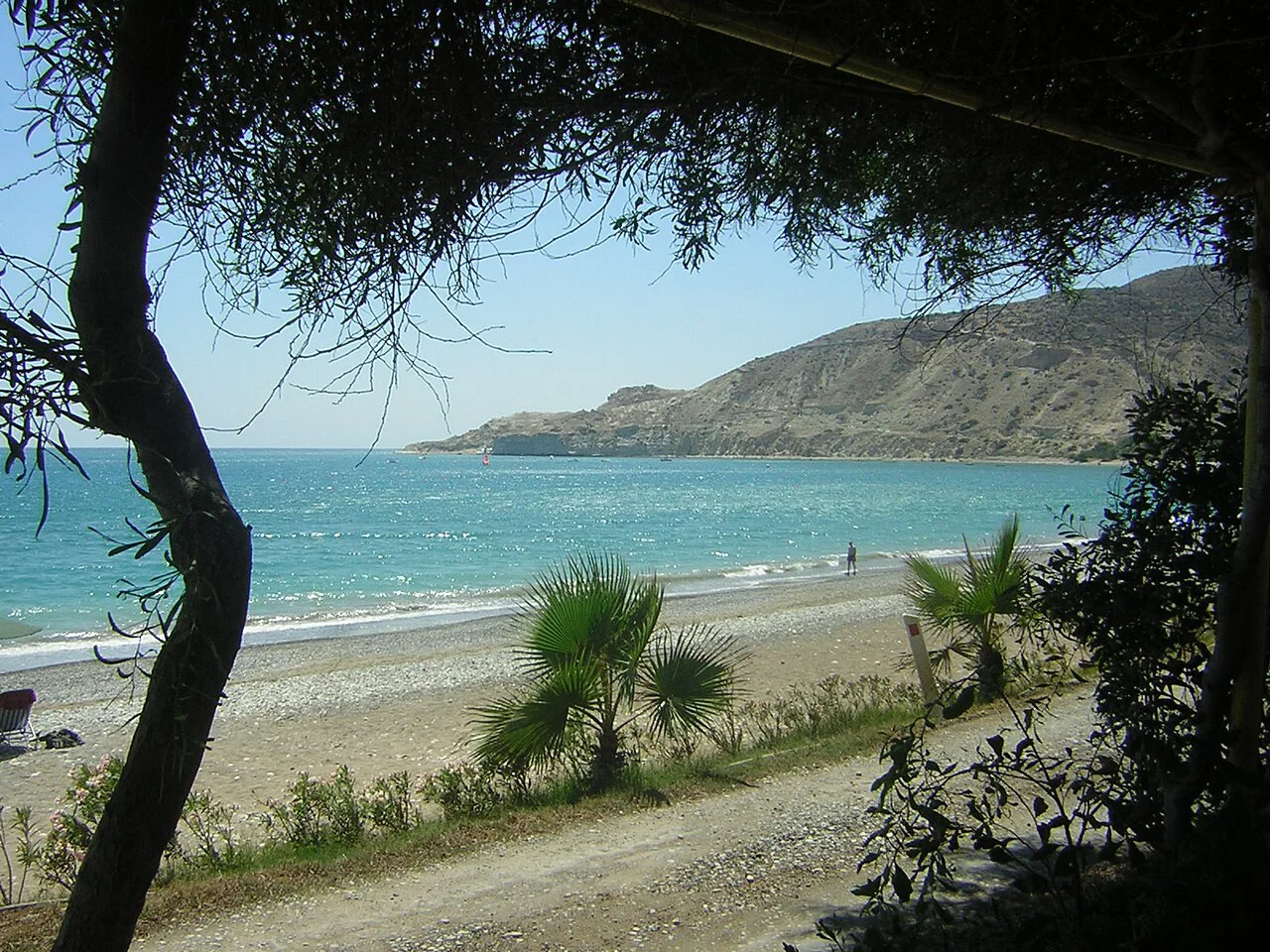
The hill village and Pissouri Bay are different bases with different jobs. The village gives you the square, the lanes and a genuine year-round settlement around you; the bay, a few kilometres downhill, gives you the coast. Choose the village for atmosphere and evening walks to dinner, and the bay if proximity to the water is the priority for the whole stay.
For a short break the split rarely matters, since the two are close enough to sleep in one and spend time in the other. For a longer stay, be honest about your days: a car makes either base workable, while without one, staying where you plan to eat and swim removes a daily transport problem.
Who Pissouri Suits, and Who It Does Not
Pissouri suits travellers who want a quiet village base with a walkable core, a short drive to archaeological sites and the option of the coast nearby. It also suits anyone building a Limassol-district itinerary who wants a contrast to the city: the pace drops once you leave the motorway.
It suits less well anyone who wants everything on the doorstep without driving, because the hill village has a small core and the surrounding ancient sites assume wheels. If you want a city base with restaurants and a seafront on foot, look at Limassol's districts instead, from Germasogeia to Zakaki.
Getting There and Around by Car
Pissouri is a driving destination, reached from Limassol to the east or Paphos to the west along the coastal run. Cyprus drives on the left, so British and Irish drivers will find the road rules familiar; the approach climbs from the plain, and the last stretch into the village is on narrower lanes.
Once you are in the village, the core is the easy part: the square is pedestrian and the lanes are walked, so you need no vehicle to see Pissouri. Everything outside it, from the bay down the hill to the sanctuary and Kourion further east, assumes private transport, and that is the honest trade-off against a city base such as Anexartisias Street, which works entirely on foot.
Where to Eat Around the Square
Eating in Pissouri centres on the square and the lanes just off it, where restaurants cluster within a short walk of the pedestrian centre. That concentration is the practical advantage of the core: you can look over the options on foot before committing rather than driving between them.
The square also holds a shop, useful if you are self-catering or picnicking, though the retail offering stays small-village scale. Do not expect Limassol-style choice: you pick from what is open on the square that evening, and the trade-off for the limited choice is the setting.
Where to Stay in and Around the Village
Accommodation divides along the same line as everything else here: rooms and small places in the hill village, or options down at Pissouri Bay. A village stay puts the square and lanes on your doorstep for an evening walk; a bay stay puts the coast there instead, with the village a short drive uphill.
Which you pick depends on the hours outside your room. A village stay suits a short break built around walking the core and driving out to sites; a bay stay suits a slower trip where the sea is the point. Either way, confirm arrival details with the property, since the village lanes are not designed for casual parking.
Nearby Ancient Sites: Apollon Hylates and Kourion
The Sanctuary of Apollon Hylates is the strongest reason to give Pissouri more than a stroll. Apollon Hylates was the protector of Kourion and was worshipped at the site from the 8th century BC to the 4th century AD; what you see today is largely the 1st-century AD restoration, with a partly restored temple, pilgrim halls, a palaistra, a bath complex and a holy precinct.
The Department of Antiquities sets the visiting pattern. The site opens daily from 08:30, closing at 17:00 between 16 September and 15 April and at 19:30 between 16 April and 15 September, and entry is €2,50, with a 20% reduction for organised groups of more than ten people. It closes on Christmas Day, New Year's Day and Greek Orthodox Easter Sunday, and one-day, three-day and seven-day entry cards cover its museums and monuments.
Pair the sanctuary with Kourion itself, since the two sit close together on the same road towards Paphos and reward a single outing. If your trip also takes in the city, Limassol Marina makes an urban counterpoint to the ruins, with its own dining and shopping to close the day.
How Long Pissouri Needs
Give the village a half-day. An hour on foot around the square and lanes, plus a meal, fills the core comfortably, and anything more starts repeating the same streets. The half-day becomes a full day once you add the Sanctuary of Apollon Hylates and Kourion.
An overnight stay makes sense if you want the village quiet in the evening and an early start at the sites, or if you are breaking the Limassol–Paphos run in two. With only a day, do not over-schedule: the village is small, and padding it with extra stops misses the point.
Summer Heat and Crowd Trade-offs
The village is a hillside settlement of lanes with little shade between buildings in the middle of the day, and the nearby archaeological sites are exposed. In high summer, plan the village walk for the morning or late afternoon and the sites for the opening hours, when the light is kinder and the ground cooler.
Crowds are less of a problem here than at the coast's bigger draws, which is part of the appeal of a Limassol-district village stop. The trade-off is that some places around the square may keep limited hours outside the main season, so treat the square as the anchor and stay flexible about everything else.
Practical Notes: Currency and Planning
The Republic of Cyprus uses the euro, so the sanctuary's entry fee and anything you buy around the square are priced in euros. Carry some cash for small purchases in the village and check card acceptance where you eat.
Confirm the day's timings with the Department of Antiquities before you drive out; the Visit Cyprus page for the sanctuary lists the seasonal hours and the departmental entry cards in one place.
Is Pissouri Worth the Detour?
Yes, if you are already driving the Limassol district and want a village stop with real texture rather than a manufactured one. The cobbled square and whitewashed lanes earn an hour, and the Sanctuary of Apollon Hylates nearby turns that hour into a proper half-day out.
No, if you want a car-free break or a base with plenty on the doorstep. In that case, stay in Limassol, where the centre, the seafront and the districts connect on foot, and treat Pissouri as a day out by hire car.
Explore more Limassol guides
Frequently Asked Questions
Is Pissouri in Paphos or Limassol district?
Pissouri is in Limassol district, despite sitting towards the Paphos side of the island on a map. It lies roughly 30 kilometres west of Limassol's centre, so it belongs in a Limassol itinerary and works as a western excursion from the city.
What is the closest airport to Pissouri?
Pissouri sits between Limassol and Paphos, so both of the island's main international airports are plausible arrival points depending on your route. Compare transfer options and driving distances for your dates directly with your car hire company or transfer provider before booking.
Do you need a car to visit Pissouri village?
Not for the village core itself, which is pedestrian and walkable once you arrive. You do need transport to get there and to reach the Sanctuary of Apollon Hylates and Kourion, which lie a few kilometres away along the Paphos road.
How much is entry to the Sanctuary of Apollon Hylates?
The Department of Antiquities publishes the current entry fee and any group reduction on its Visit Cyprus listing, along with one-day, three-day and seven-day cards covering its museums and monuments. Check that page before you travel for the latest figures.