Things to Do in Limassol: Old Town, Castles and Ancient Sites
Plan your time in Limassol with the old town and castle, the Molos seafront, Kourion, Kolossi and Amathus, plus how long each needs and how to reach them.
On this page
Give Limassol one full day for the city on foot and a second for the ancient sites and castle west of town; with only a single day, stay in the centre and forget the car. The city rewards a slow loop from the castle through the old town to the sea, then a coastal drive to Kourion, Kolossi and Amathus on another morning.
This guide groups Limassol by area so you can sequence a route rather than chase a checklist: the old town and castle, the Molos waterfront, Amathus on the eastern coast, then Kourion and Kolossi to the west, with the hill village of Lofou as an inland add-on. Each section says what the place is and how long it realistically takes.
What there is to do in Limassol, in short
Limassol's appeal is a compact historic centre beside a long seafront promenade, backed by one of the densest concentrations of ancient and medieval sites on the island. In town you have the castle and its medieval collection, the cathedral and market hall in the old streets, and Molos park along the water.
Outside the city the pattern is archaeological and coastal: Amathus to the east, Kourion and its mosaics and theatre to the west, and Kolossi Castle between Limassol and Kourion. Kourion sits 19 km west of the city and Lofou 25 km northwest, so the out-of-town half of the trip is a driving day rather than a walking one.
Limassol is the busiest city on the island and its skyline is dominated by tall buildings, so treat the centre as a place to walk rather than drive between stops. Park once near the seafront or the old town edge and cover the middle on foot.
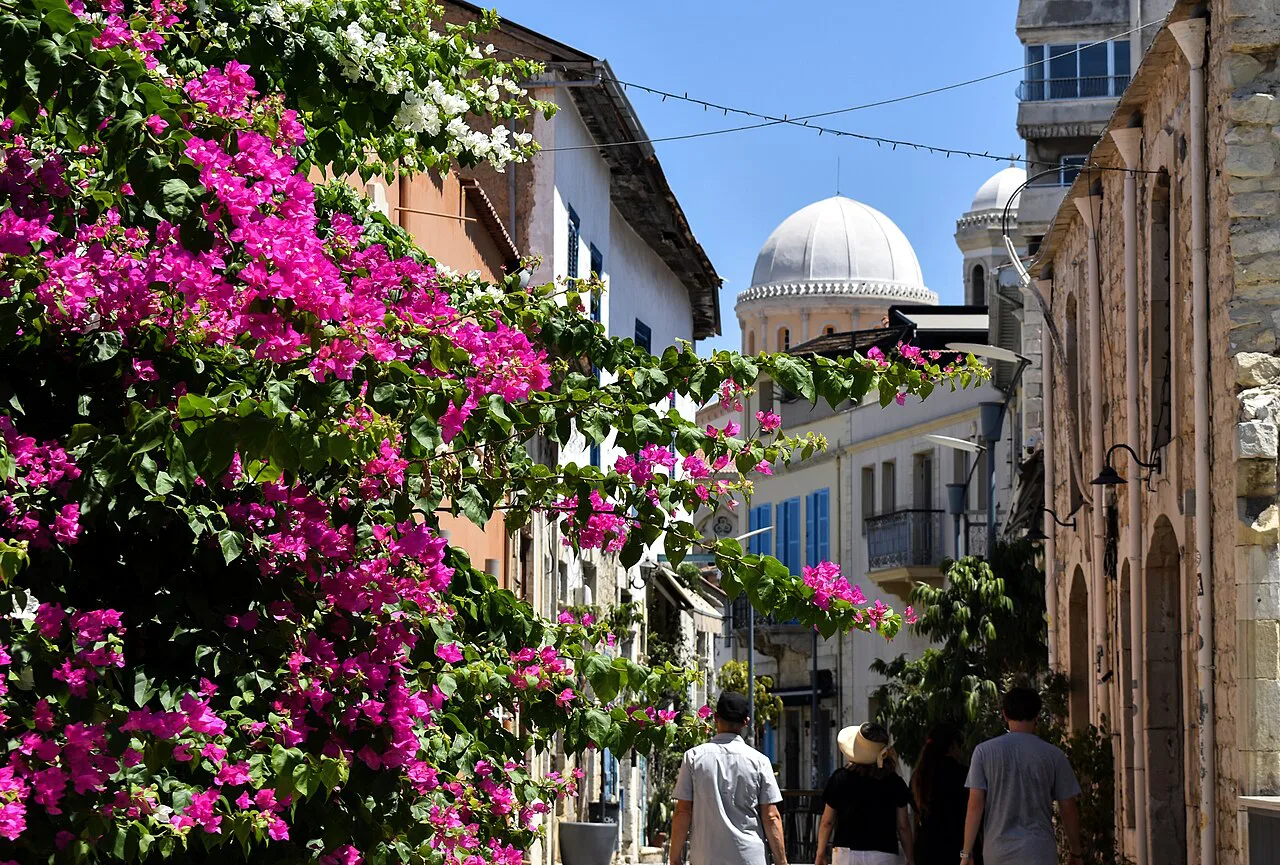
How Limassol is laid out: old town, seafront and the coast either side
The historic core clusters around the old port and the castle, with traditional architecture and modern life sharing the same streets. South of the castle the ground runs down towards the water, where the promenade takes over as the city's main promenade.
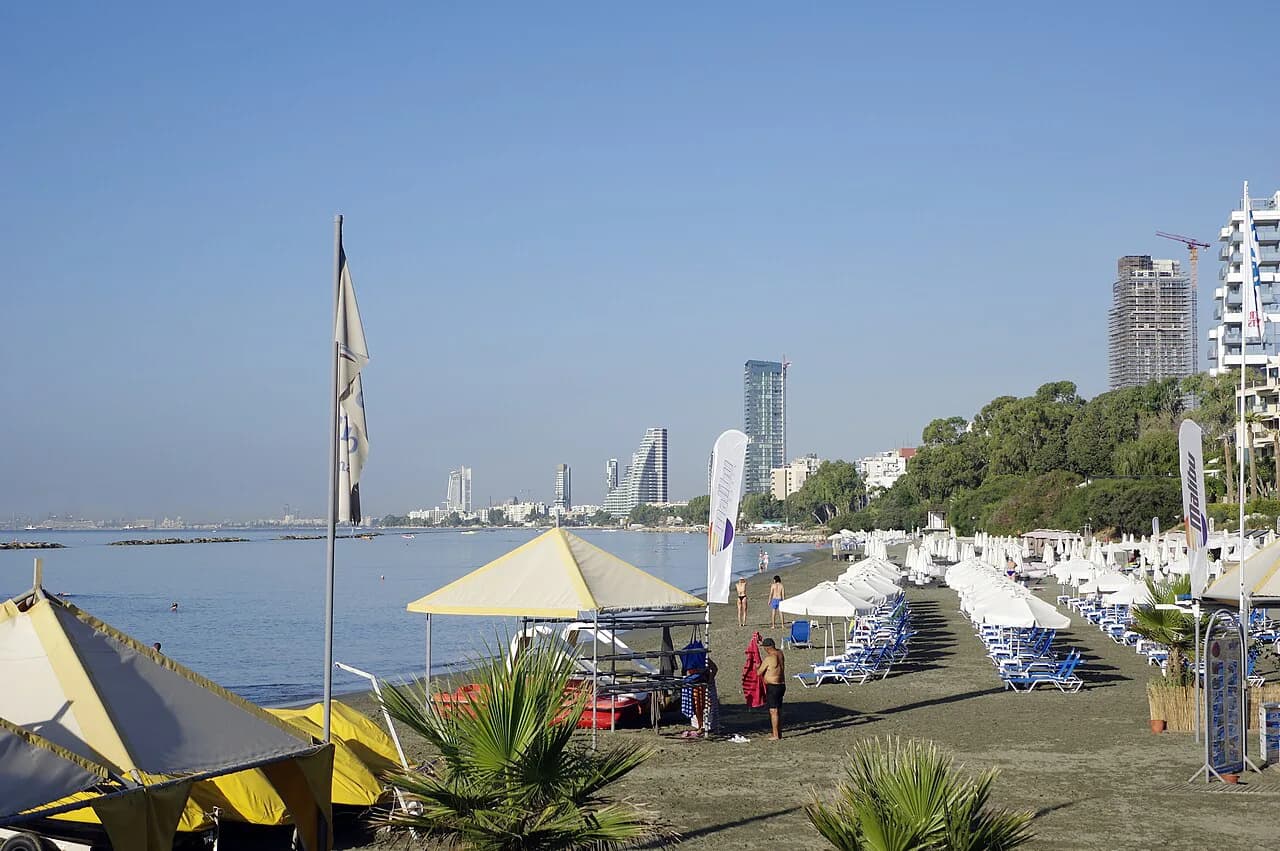
Molos park runs directly along the sea and is laid out with sculptures by various artists, playgrounds, small piers reaching into the water and cafés and snack stands for a break. It is the natural starting point for a day on foot because you can leave the car there and walk straight into the old town and harbour quarter.
East of the centre, the ancient kingdom of Amathus sits beside the coast, and the modern marina area forms a separate waterfront quarter of residences, dining and promenades. West of the city the road runs out towards Kolossi and Kourion, which is where you want a car.
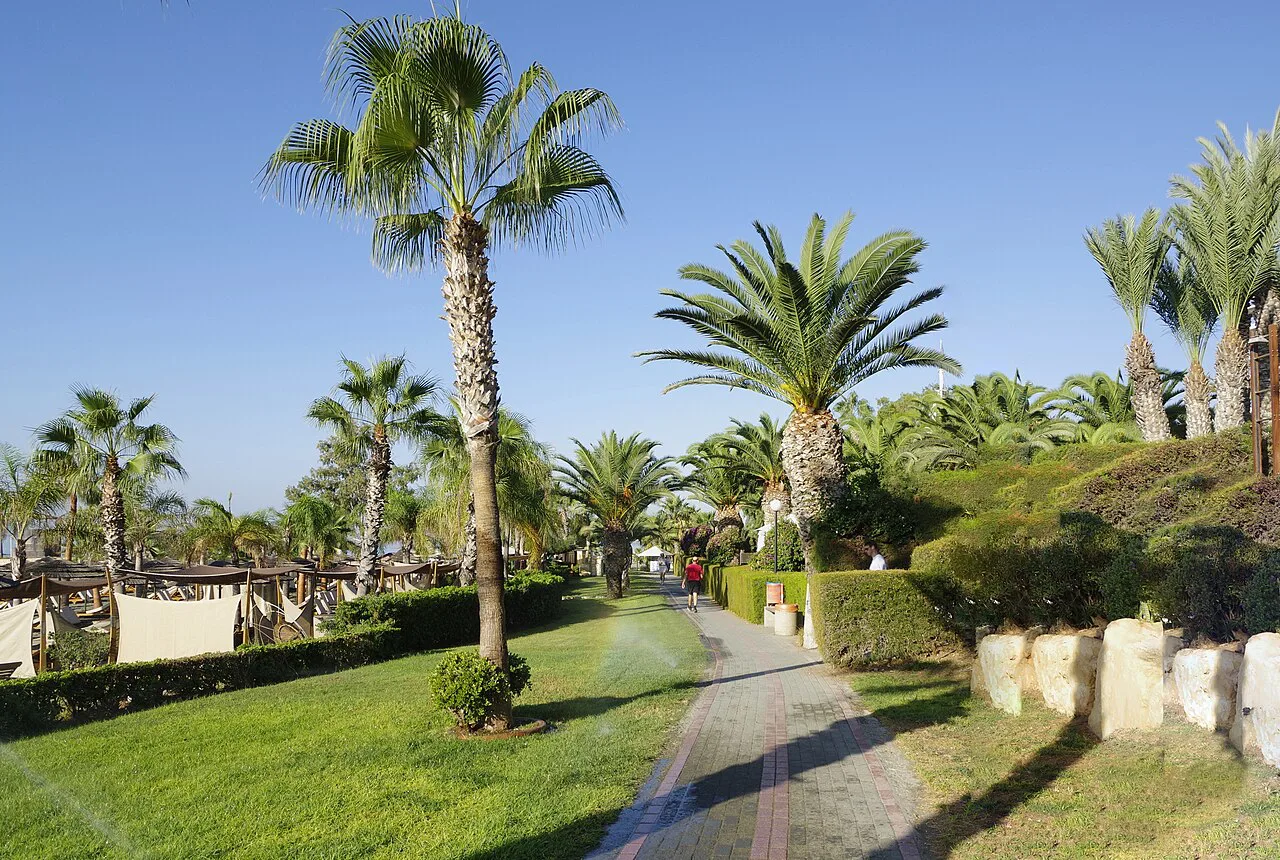
The old town: Limassol Castle and the Medieval Museum, Ayia Napa Cathedral and the market hall
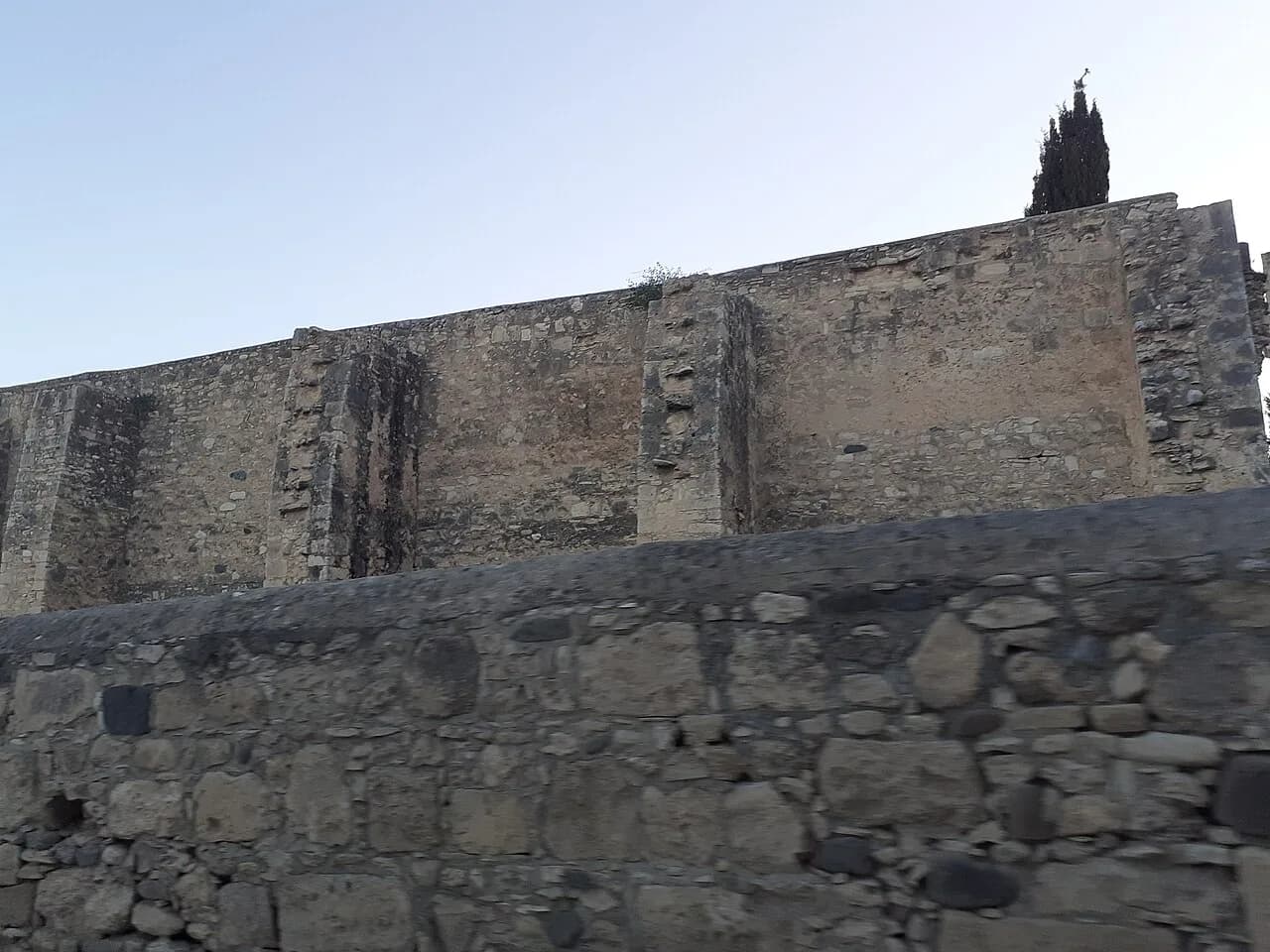
Start at Limassol Castle, a compact but historically significant landmark in the heart of the old town that now houses the Cyprus Medieval Museum, with armour, weapons and everyday objects from different periods. The castle also has the city's most dramatic historical association: Richard the Lionheart took Limassol in 1191 during the Third Crusade and married there.
A few hundred metres south of Molos stands Ayia Napa Cathedral, valued for its architecture and its position right in the middle of the old town. Churches in Cyprus keep their own rhythms, so time your visit around a service rather than expecting the doors to be open whenever you pass.
Beyond the cathedral, the surrounding lanes hold shops and a bustling market hall selling local products and souvenirs, which is the best place to spend an unhurried hour when a church is shut. Saripolou Street, in the same historic quarter, has restored buildings and a concentration of cafés that make a natural pause before you head back to the water.
Allow half a day for the castle, cathedral and market together, and keep the walking route tight rather than criss-crossing the centre. If you want the lanes ordered for you, a self-guided loop through the old town keeps the sequence logical and the distances short.
Molos promenade and the seafront walk
Molos is the city's front room: a long waterfront promenade with public art, play areas and piers that reach out over the water, busy with locals in the evening and quiet in the middle of a hot day. Walk it early or late, and use the cafés along the way as markers rather than destinations. For the practical details, see the Limassol promenade. If you want to compare waterfront promenades, the seaside walks in Ayia Napa are covered in this guide to things to do in Ayia Napa.
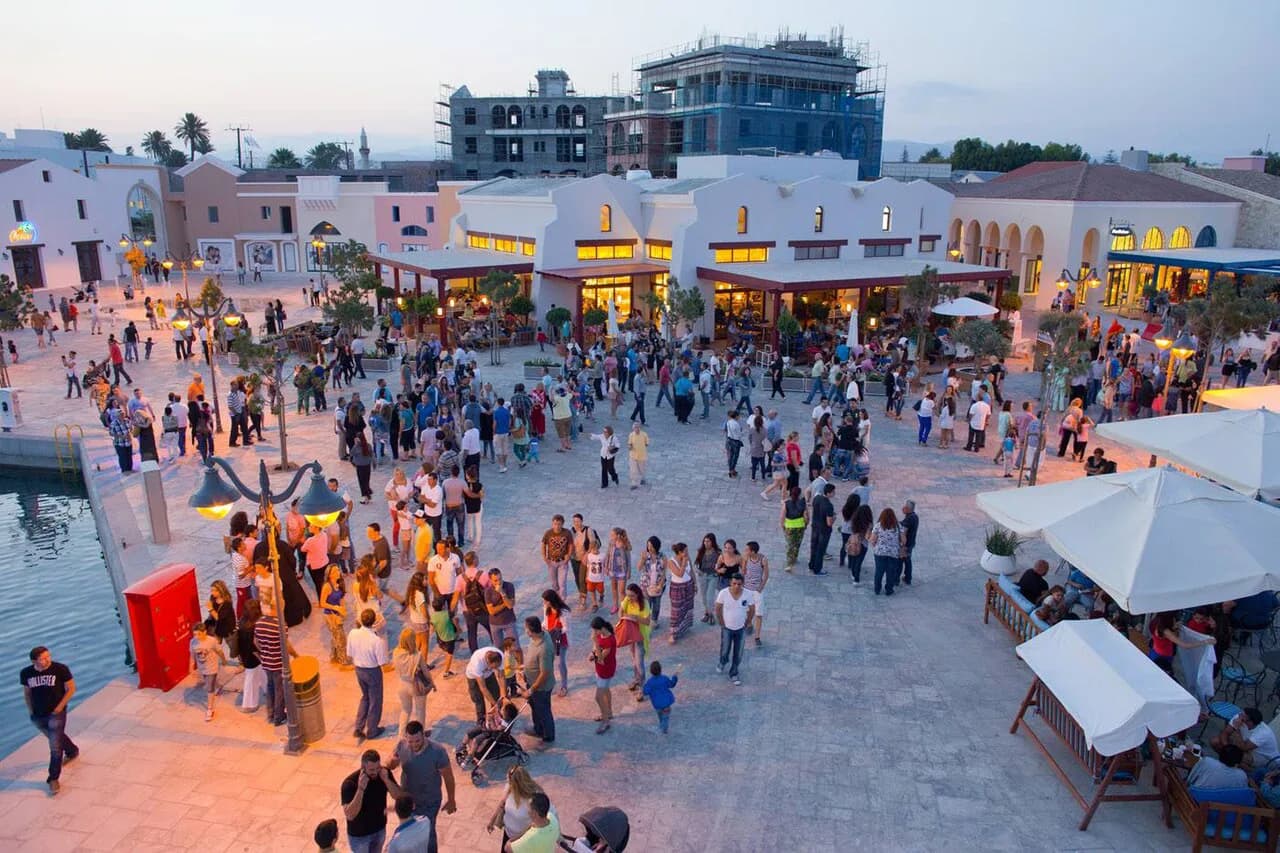
The seafront changes character as you head east towards the marina, where the waterfront becomes a modern development of residences, dining and a serviced marina. It is a different kind of stroll from the old town, and worth an hour if you like watching boats and city life together.
For a fuller picture of the waterfront, including where the piers, viewpoints and crossings sit, use a map before you set out so you do not double back along the same stretch. Two hours covers Molos comfortably at walking pace, with time for coffee.
Ancient Amathus and the coast east of the city
Amathus was one of the ancient city-kingdoms of Cyprus, and its ruins show its importance from the Archaic through to the Roman period, with temples, an agora and early harbour remains. The site lies next to the coast east of the centre, which makes it the easiest archaeological stop to combine with the city itself.
Because it is close to the city rather than out in the countryside, Amathus works as a short morning or late-afternoon visit rather than a half-day outing. Pair it with the marina quarter on the same coastal stretch so the driving is minimal.
Kourion and its mosaics and theatre, west of the city
Kourion is the big set-piece: a hilltop site above the Mediterranean with intricately preserved mosaics and a restored theatre once used for performances. The grounds are well developed, with a visitor centre and ample parking, so it suits a half-day rather than a quick stop.
The site sits 19 km west of Limassol, and Kourion Amphitheatre is noted for its acoustics and panoramic coastal views as well as its archaeology. Come for the position as much as the ruins: the view over the sea is the reason many people rate it the highlight of a Limassol trip.
Allow two to three hours on site, plus the drive each way, and go early in summer because the hilltop offers little shade. In November the site can be almost empty, which is the strongest argument for travelling outside high season.
Kolossi Castle and its rooftop view
Kolossi Castle is a 13th-century fortress built as a base for the Knights of the Order of St John and later used for sugar production, which explains its economic importance in the region. It sits about 20 minutes west of Limassol, and Kourion is roughly ten minutes further on, so the two combine naturally.
Inside, the rooms are simple and sparsely furnished, so the building itself takes less time than you might expect; the rooftop terrace is the real reward, with views over fields and vineyards. Budget around an hour, and treat it as the warm-up to Kourion rather than a destination in its own right.
Villages within reach: Lofou and the Limassol countryside
Lofou is a well-preserved traditional village of stone houses and narrow alleys 25 km northwest of Limassol, and it gives you the rural Cypriot counterpart to the city's ancient sites. Come for the architecture and the slower pace rather than a list of attractions.
The wider Limassol district spreads into countryside of viewpoints and small villages, so a car turns an afternoon into a loop rather than an out-and-back. Pick one or two stops and drive between them; the pleasure is in the road, not in ticking off every village.
Getting around: car hire, driving times and parking
The city half of Limassol is a walking proposition: park once at Molos or near the old town and cover castle, cathedral, market and promenade on foot. Traffic in Limassol is noticeably heavier than in other Cypriot cities, so driving between sights in the centre wastes time you could spend walking.
For the western sites, a hire car is the practical choice: Kolossi is about 20 minutes from the city, Kourion about ten minutes beyond it, and Kourion's own car park is large. Cyprus drives on the left, and the Republic uses the euro.
If you would rather not drive, base yourself centrally and treat the out-of-town sites as a separate day with an organised transfer, checking departure points and return times when you book. For the waterfront end of the city, the marina area is walkable from the promenade.
How many days Limassol needs
One day covers the old town, castle and Molos on foot with time for the market hall and a long lunch. A second day gives you Kourion and Kolossi without rushing, and a third lets you add Amathus and a drive into the countryside towards Lofou.
If you are squeezing Limassol into a wider island trip, prioritise Kourion over everything else and do the old town the same evening; the castle and cathedral are close enough to combine after the heat drops. This city rewards sequencing more than volume.
Summer heat, crowds and timing your day
Summer in Limassol is hot and exposed, particularly on the hilltop at Kourion and along the unshaded stretches of Molos, so walk the city early and save the archaeological sites for the first hour of the day. Off-season is the opposite trade-off: fewer people, easier parking and sites you may have almost to yourself.
The city's events calendar also changes the feel of the centre, and the carnival period brings crowds and noise to the streets. Check what is on before you book if you want a quiet old town.
Is Limassol worth a day of your trip?
Yes, if you give it two nights rather than a stopover: the old town and seafront are genuinely pleasant on foot, and Kourion alone justifies the western drive. The honest trade-off is that Limassol is a busy, modern city with traffic, and the best of it lies outside the centre.
If you have only a few hours, do the castle, cathedral and Molos and leave Kourion for a trip based nearer Paphos. If you have a full day and a car, reverse it: Kourion and Kolossi in the morning, old town in the evening.
Explore more Limassol guides
- Churches in Limassol
- Free Things to Do in Limassol
- Limassol Boat Trips
- Limassol History
- Limassol Map
- Limassol Marina
- Limassol Marina
- Limassol Old Town
- Limassol Promenade
- Limassol Sunset
- Limassol Walking Tour
- Limassol Weather in August
- Limassol Weather in July
- Limassol Weather in October
- Limassol Weather in September
- Museums in Limassol
- One Day in Limassol
- Shopping in Limassol
- Things to Do in Kyrenia
- Things to Do in Ayia Napa
- Things to Do in Larnaca
Frequently Asked Questions
Is Limassol Greek or Turkish?
Limassol is in the Republic of Cyprus, in the Greek-speaking south of the island, and uses the euro. The divided capital, Nicosia, is the place to see the Green Line; Limassol itself is well inside the Republic.
Can you see Limassol's main sights without a car?
The castle, cathedral, market hall and Molos are all within walking distance of each other in the centre. Kourion and Kolossi are west of the city and need a car or an organised transfer, so plan them as a separate day.
Sources
Notes for your Cyprus trip
Optional updates to our Cyprus guides.
You might also like
Continue reading
More guides you'll find useful