
Kolossi Castle: A Visitor's Guide to the Crusader Keep Near Limassol

Kolossi Castle is a small, square Crusader keep that makes a focused stop of under an hour rather than a half-day out. It stands on the south-west edge of Kolossi village, about 14km west of Limassol on the road towards Paphos, and it is run by the Department of Antiquities. This guide covers what the site is, how to reach it, what you will see inside, and how to fit it into a drive along the coast.
What Kolossi Castle is
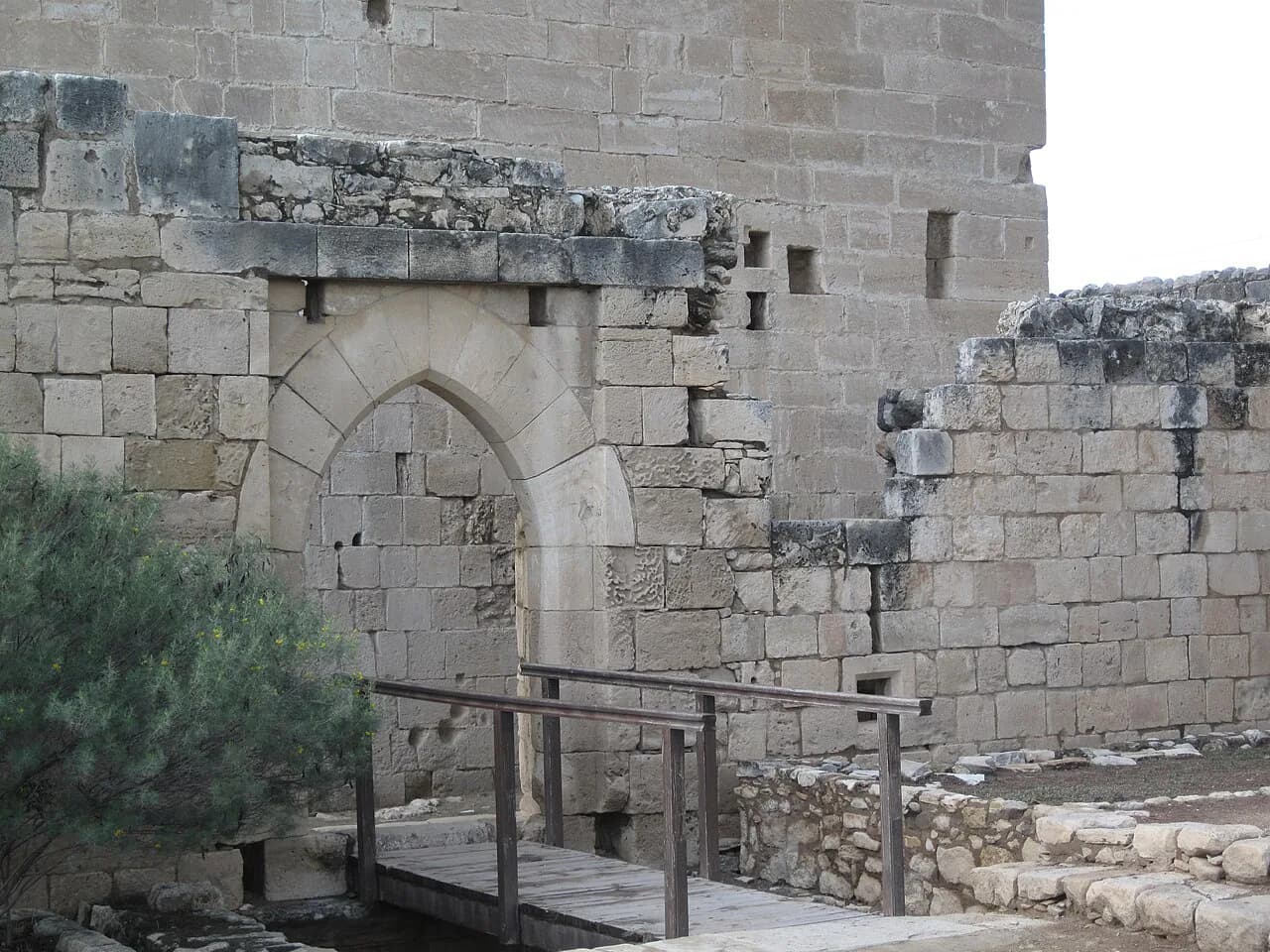
The castle began as a 13th-century stronghold and was rebuilt in its present form in the 15th century; Visit Cyprus describes it as a fine example of military architecture. After the fall of Acre in 1291 it served as the Grand Commandery of the Knights of the Order of St. John of Jerusalem, and in the 14th century it came under the Knights Templar. The keep you see today is the later rebuild, so treat the site as a 15th-century structure on a much older foundation rather than a ruined sprawl.
Size is the thing to understand before you go. This is a single tower with a small surrounding area, not a walled town or a castle complex with several courtyards, so the visit is short and the interest is concentrated. If you are weighing it against the bigger antiquities sites around Limassol, the wider Limassol Attractions: 10 Visitor Guides collection puts Kolossi alongside Kourion and the Sanctuary of Apollo in perspective.

Where it is and how to get there
The address is Kolossi, 14km west of Limassol on the road towards Paphos, and the site sits at the south-west edge of the village. A car is the practical option: the castle is a straightforward roadside stop on the Limassol–Paphos route, and driving yourself lets you pair it with other stops without waiting on connections. Cyprus drives on the left, so allow a little time to settle in if you have just picked up a hire car.
From central Limassol the drive is short, typically a quarter of an hour or so depending on traffic leaving the city. Coming from Paphos the castle works as a first or last stop on the coastal road into Limassol. Because this is a village-edge location rather than a city centre, a car makes the logistics simpler, and the village sits directly on the Limassol–Paphos road.

Opening hours and entry fee
Visit Cyprus publishes two seasonal schedules: from 16 September to 15 April the castle opens daily 08:30–17:00, and from 16 April to 15 September daily 08:30–19:30. The entrance fee is €2,50, with a 20% reduction for organised groups of more than ten people. The site operates all year round but is closed on Christmas Day, New Year's Day and Greek Orthodox Easter Sunday.
The Department of Antiquities also issues multi-day entry cards covering its museums and ancient monuments: one day for €8,50, three days for €17,00 and seven days for €25,00. If you plan to see Kourion, the Sanctuary of Apollo and Kolossi in the same trip, the cards can make sense, though you need to do the arithmetic against the individual fees for the sites you will actually visit. Hours and fees are subject to alteration, so confirm with the Department of Antiquities before a long detour.
What to see inside and around the keep
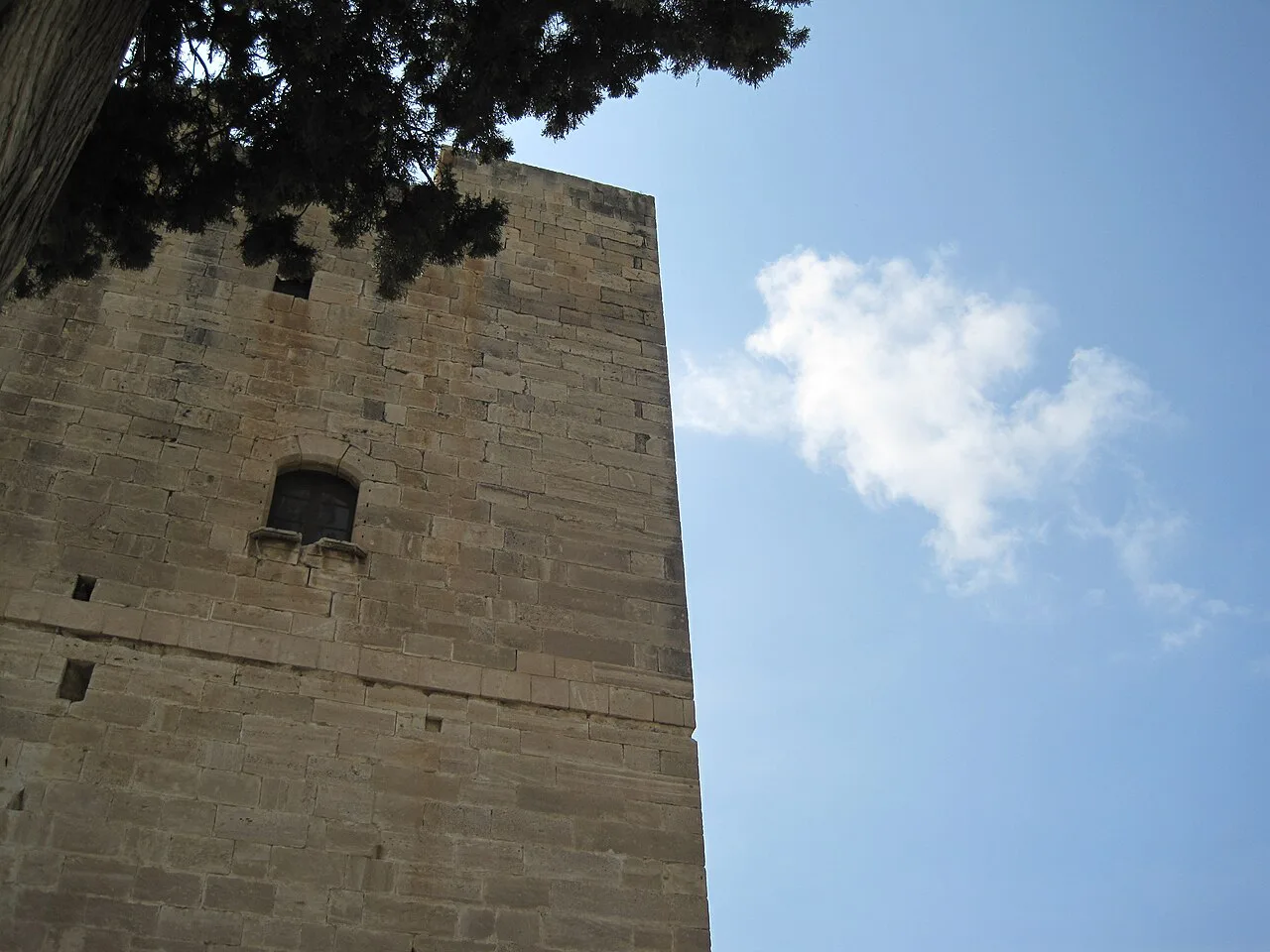
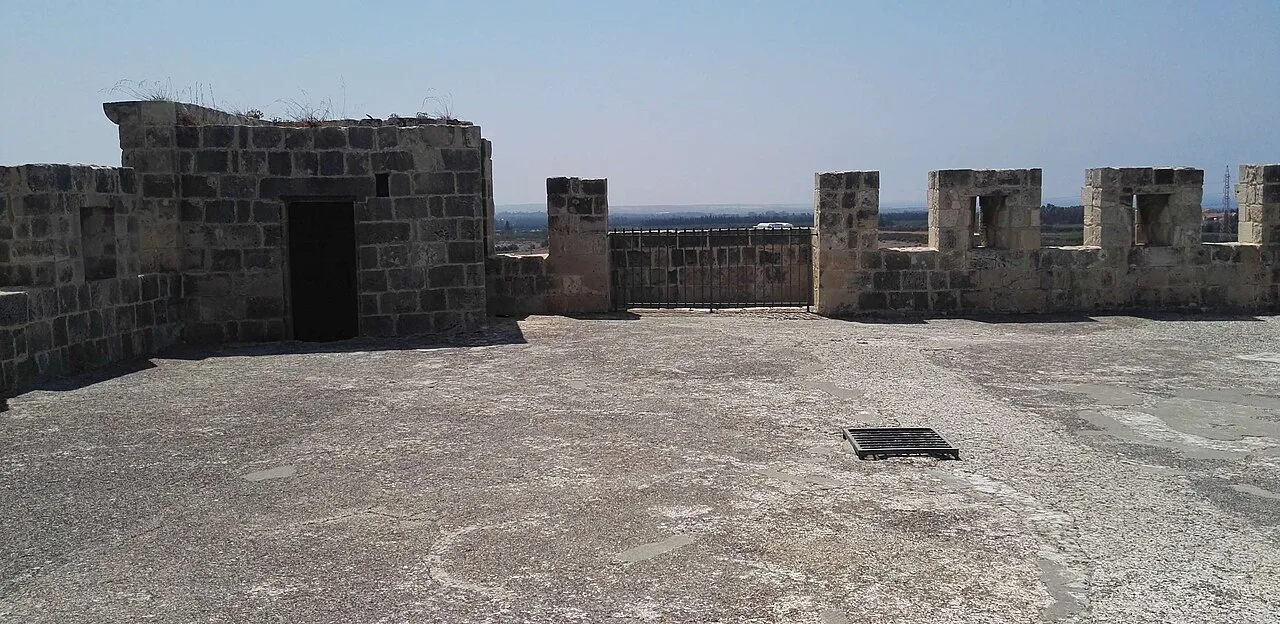
The keep itself is the main event: a 15th-century Gothic tower whose thick walls and narrow windows show the military purpose of the building. Because it is small, you will spend your time looking at the structure and the views from the top rather than working through galleries. Set aside roughly half an hour to an hour for the castle and its immediate surroundings.
Next to the castle are the ruins of a 14th-century sugar mill, a reminder that this was a working agricultural estate as well as a fortress. The mill is a low ruin rather than a reconstructed building, so read it as an archaeological trace and pair it with the castle's history. There is no invented café or visitor centre to plan around; the stop is about the masonry and the setting.
The Commandaria connection
During their stay in Cyprus the Knights produced and exported a sweet wine known as 'vin de Commanderie', and that name is the ancestor of today's Commandaria. Visit Cyprus notes that Commandaria has kept the same name for eight centuries, making it one of the oldest named wines in the world. The castle's importance is bound up with that trade, which is why a small keep on a village edge carries more weight than its size suggests.
How long to allow and when to go
Treat Kolossi as a 30–60 minute stop and build the rest of the day around it. The site's ruins and grounds are outdoors, so summer middays are hot and the light is harsh; early morning or late afternoon is more comfortable and better for photographs. The longer summer opening until 19:30 gives you a late-afternoon slot that the winter schedule does not.
Spring and autumn are the easiest seasons for combining several outdoor sites in one day without overheating. In high summer, plan the castle as an early or late stop and keep the middle of the day for something shaded or indoor. Because the castle is small and quick, it works best as a link between bigger visits rather than a destination in its own right.
What to pair with Kolossi on the same drive
Kourion is the obvious partner: the Kourion archaeological site, with its mosaics and cliff-top theatre, is a short drive west and deserves several hours of its own. The Sanctuary of Apollo Hylates, part of the same ancient city complex, adds a quieter archaeological stop. Together they make a natural half-day or full-day loop from Limassol, with Kolossi as the compact opener or closer.
Petra tou Romiou, the rock associated with Aphrodite, lies further along the same coastal road towards Paphos and is a scenic viewpoint stop rather than a long visit. If you are based in Limassol, the old town's Limassol castle and its Cyprus Medieval Museum make a wet- or hot-weather counterpart to the exposed ruins. For a change of pace with children, the Limassol zoo on Vyronos Avenue is a separate city-centre option rather than part of this drive.
Is Kolossi Castle worth the stop?
Yes, if you are already driving the Limassol–Paphos road and want a quick, inexpensive look at a Crusader keep with a good story behind it. It is not a destination on its own: the site is compact, the ruins are modest and the pleasure comes from the tower, the Commandaria history and the ease of the stop. Pair it with Kourion or the Sanctuary of Apollo and it earns its place in the day.
Check the seasonal timings with the Department of Antiquities before setting out, particularly around the three annual closure days, and carry euros for the small entrance fee. Driving on the left and parking at the site keep the logistics simple, leaving you free to spend your time on the coast's larger sites.
Explore more Limassol guides
Frequently Asked Questions
Who built Kolossi Castle?
The castle was originally built in the 13th century and rebuilt in its present form in the 15th. It served as the Grand Commandery of the Knights of the Order of St. John of Jerusalem after the fall of Acre in 1291, and in the 14th century came under the Knights Templar.
How long should I spend at Kolossi Castle?
Allow roughly 30 to 60 minutes. The site is a single compact keep with the ruins of a 14th-century sugar mill next to it, so it works as a short stop rather than a half-day visit.