Things to Do in Ayia Napa: Cape Greco, Boat Trips and the Old Town
Plan things to do in Ayia Napa, from Cape Greco and the sea caves to harbour boat trips, Nissi Beach and the old town, with practical timings and trade-offs.
On this page
Ayia Napa works best as a short break split into three zones: the old town around the monastery, the beach coast along Nissi and Makronissos, and the rocky Cape Greco headland to the east. One full day covers the centre and one beach; two to three days let you add the cape, a boat trip and a lazy day. This guide plans the resort by area, with honest notes on heat, crowds and seasonality.
The centre is small and walkable, the beaches sit a few kilometres west along the coast road, and Cape Greco lies a few kilometres east. That compact geography is why a car, a scooter or a tour makes the cape easy, while the town and the nearest sand need nothing more than your feet.
What Ayia Napa is actually like
Ayia Napa is a small resort town on the south-east coast of Cyprus, in the Famagusta district, with a working harbour, a monastery at its heart and a string of sandy beaches stretching west. It is compact enough that the older centre and the harbour sit within a short walk of each other, while the resort's hotel strip runs along Nissi Avenue.
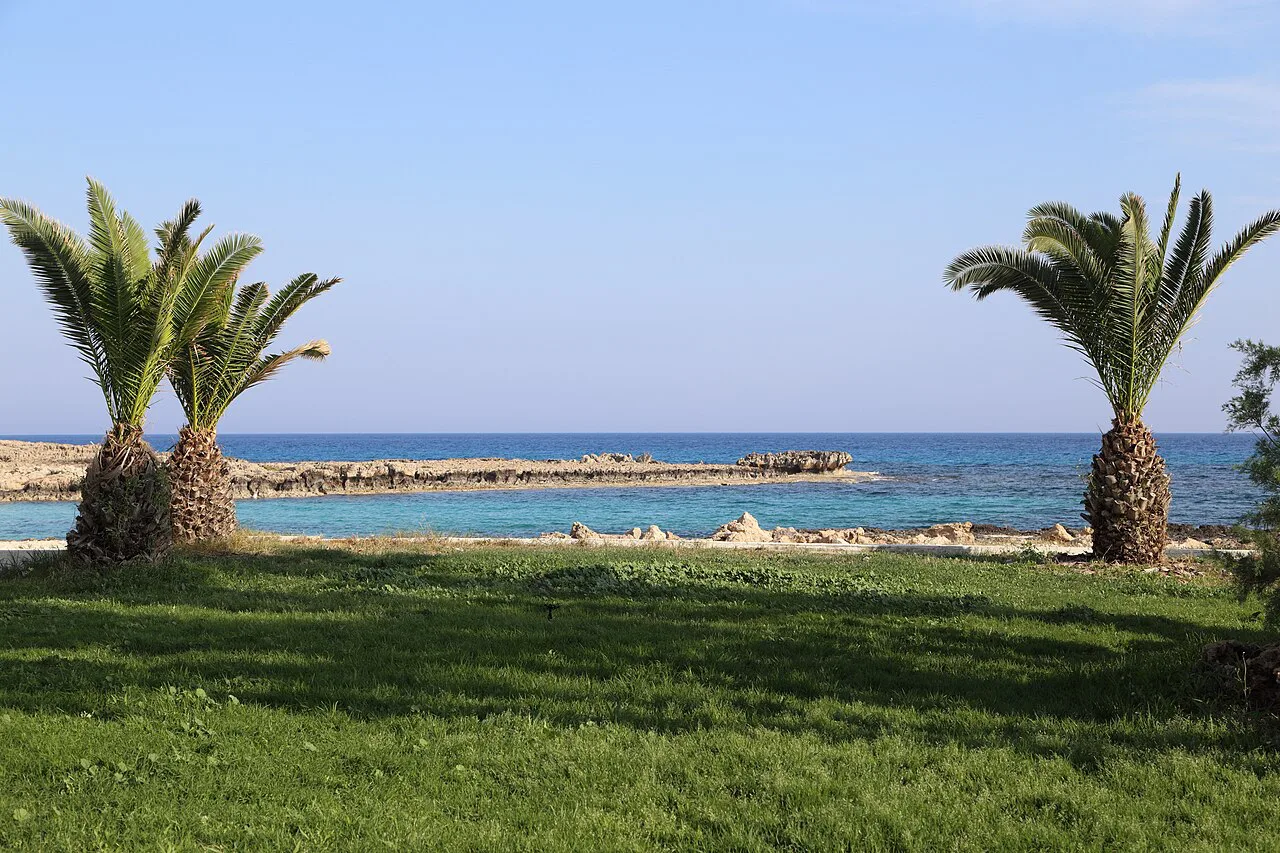
Beyond its reputation, the draw is the coastline: clear water, white sand at Nissi and Makronissos, and the sculpted cliffs and sea caves of Cape Greco. The old town supplies the sightseeing weight, with the monastery, the square and a small museum, so a day that pairs both halves gives you a rounded picture.
How long you need in Ayia Napa
A half-day is enough for the monastery, the square, a stroll to the harbour and a coffee, which suits anyone passing through from Larnaca. A full day adds one beach, ideally Nissi or Makronissos, with a swim and a late lunch.
Two to three days is the comfortable shape: one day for the old town and harbour, one for a beach plus Cape Greco by car or tour, and one for a boat trip or a slower beach day. A fourth day opens up Protaras, Paralimni and the road towards Larnaca.
The old town and harbour
Start on Makariou III Avenue, the main commercial street, and work towards the monastery, whose courtyard, fig tree and small chapel sit right beside the busy square. The Ayia Napa old town rewards an hour of wandering, with the square as the natural pause for a drink and the lanes around it holding the older houses.
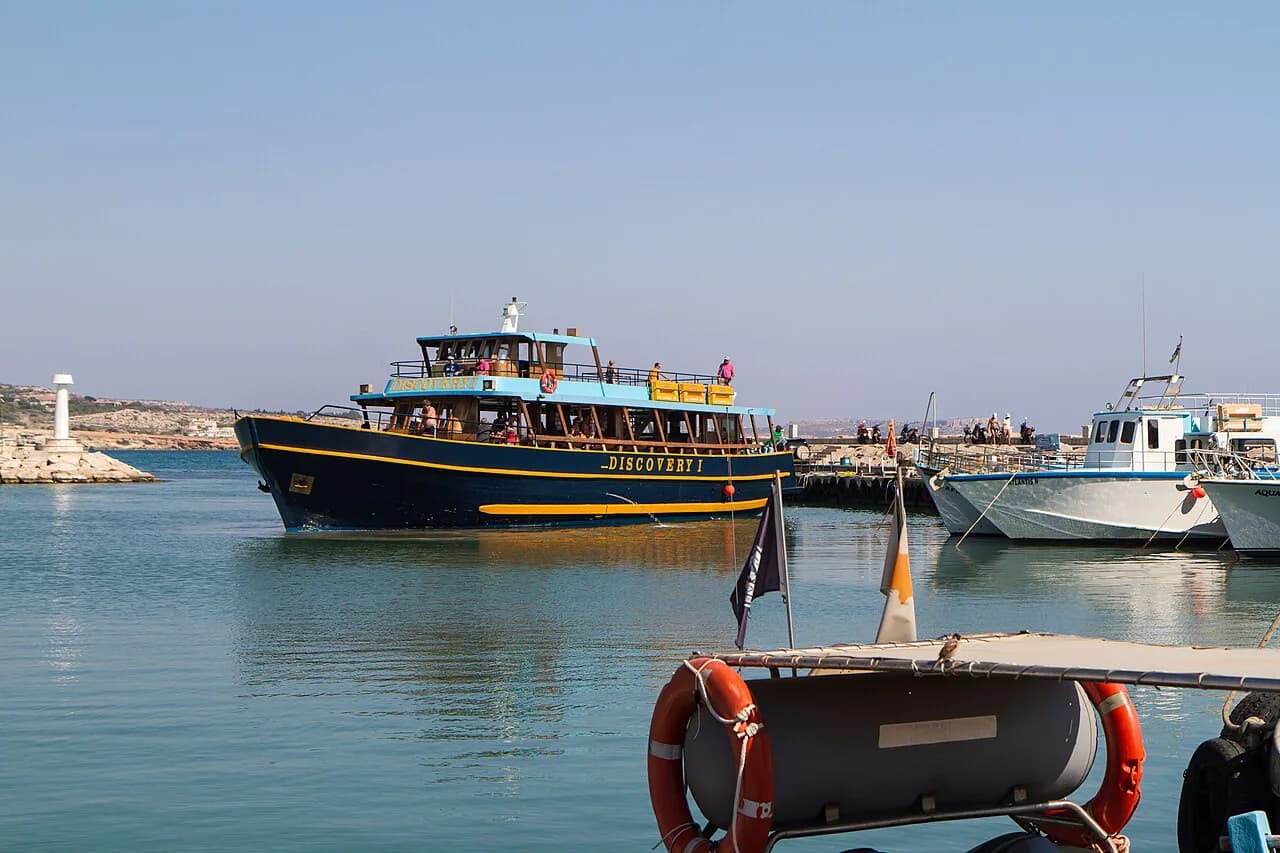
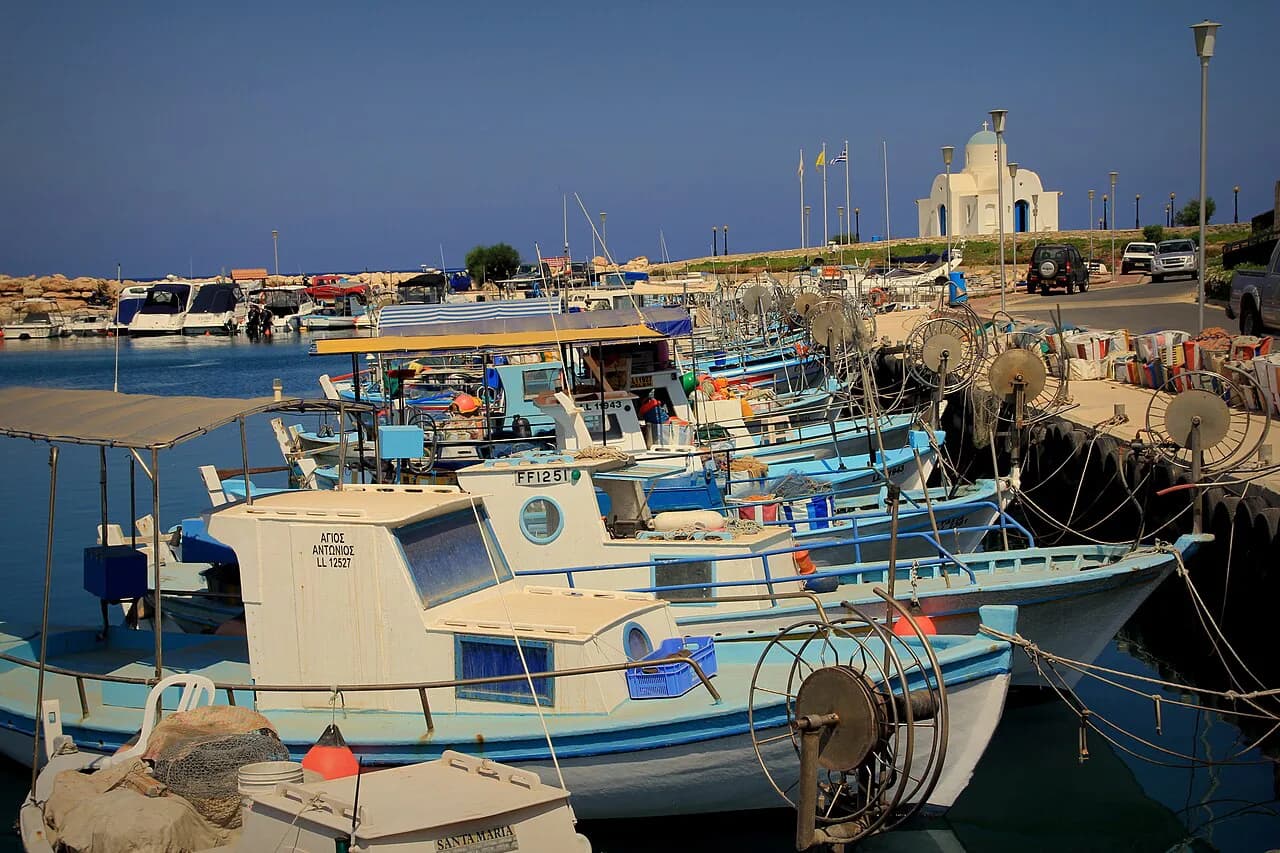
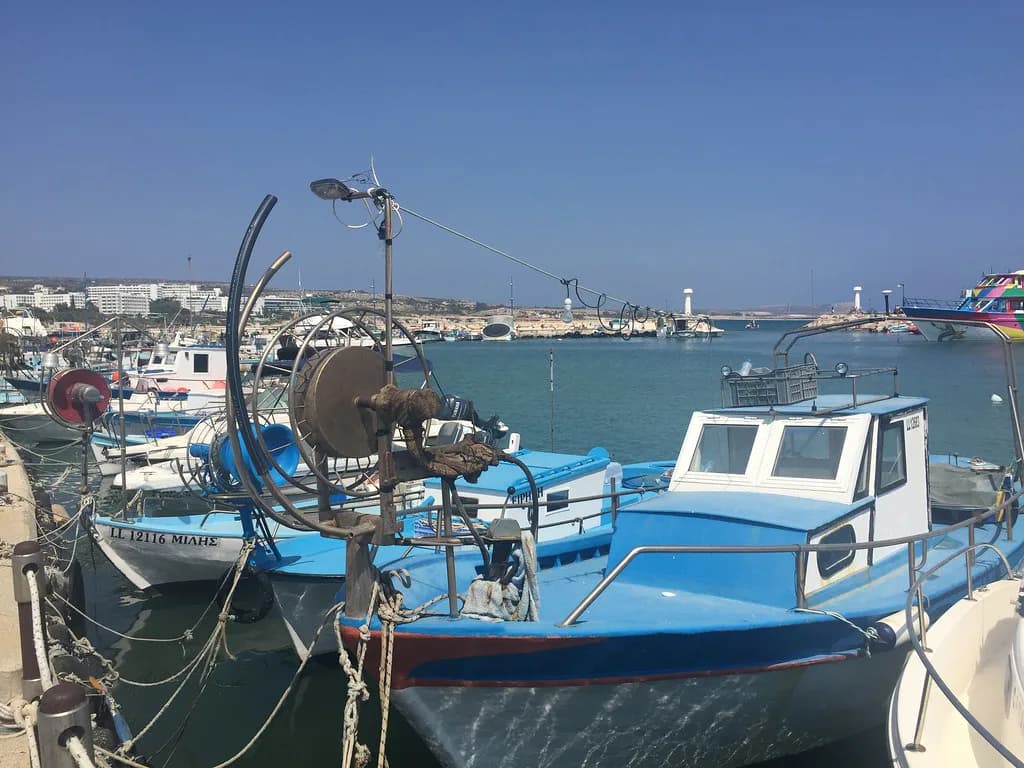
From the centre, walk down to the harbour, where fishing boats and excursion boats share the quay and the water is calm enough for a morning swim off the rocks. The Ayia Napa harbour is the departure point for many of the cruises, so it makes sense to check sailing boards here before committing to a day on the water.
A self-guided loop linking the monastery, the square, the harbour and the seafront takes a couple of hours at an easy pace. If you want the history filled in, a walking tour or the small Ayia Napa museum adds context on the town's fishing and farming past.
The coast: Nissi, Makronissos and Landa beaches
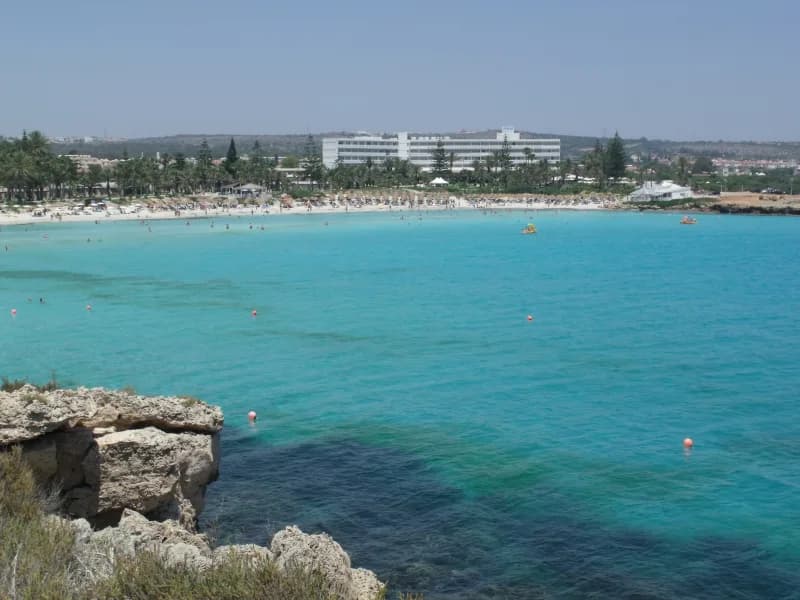
Nissi Beach is the postcard: a shallow sandbar, bright water and a long curve of sand backed by beach bars. It is also the busiest stretch in high summer, so arrive early or come in the late afternoon if you want space. Makronissos Beach, a little further west, has sand and rock in equal measure and tends to feel calmer.
Landa Beach sits between the two and suits anyone staying on Nissi Avenue who wants a swim without the full Nissi crowd. All three are sandy and family-friendly, with sunbed and watersports operators active in season, though the busy strip means noise from beach bars is part of the deal.
Cape Greco and the sea caves
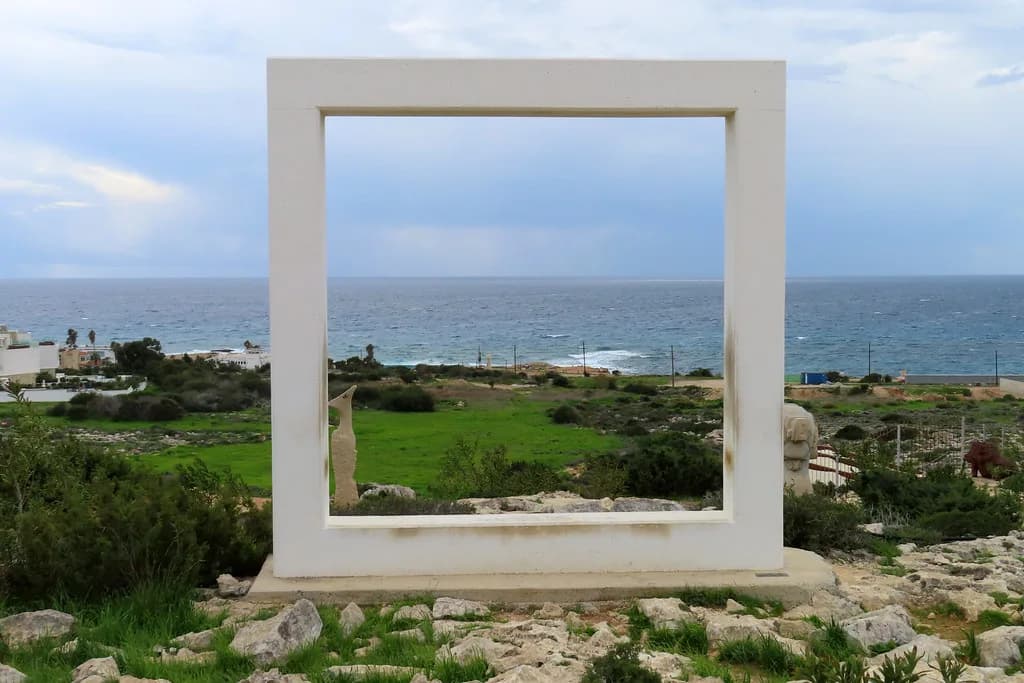
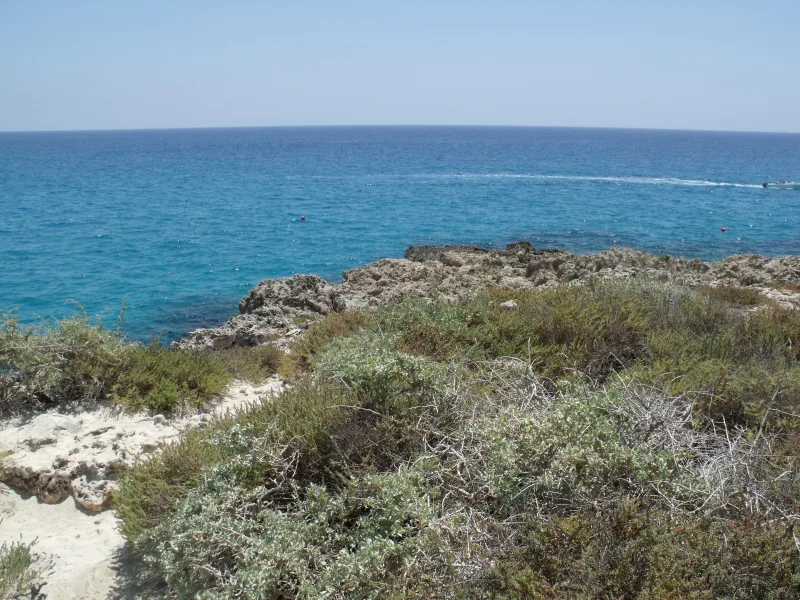
Cape Greco National Forest Park is the wildest scenery near the resort: limestone cliffs, arched sea caves, a rock arch and walking paths over low scrub. The Ayia Napa sea caves and the cape's viewpoints are best reached by car, because the coastal road east has little public transport and the paths involve some rough ground.
Be honest about the trade-off: Cape Greco has no shade and no cafes, so bring water, a hat and sturdy shoes, and go early or late rather than at midday. The light on the cliffs is best in the morning, and summer heat is punishing on the exposed rock, so check current conditions before setting out.
Sunset at the cape is a popular finish, and the drive back to the resort is short enough to do after dark if you are comfortable on unlit roads. If you are not driving, a half-day tour covering the cape and the sea caves is the practical alternative.
Boat trips: Blue Lagoon, Turtle Cove and the sea caves
The headline cruises from the Ayia Napa and Protaras area include the Blue Lagoon, Turtle Cove and the sea caves, usually run as half-day or full-day sailings with swim stops. The Blue Lagoon cruise, sea caves and Turtle Cove are the standard combinations, and these excursions are seasonal, running through the warmer months rather than all year.
Compare whether your departure is from Ayia Napa harbour or from Protaras, because the transfer changes your morning and the return time. Booking ahead matters in July and August, when the popular swim-stop cruises fill up, and a choppy day can mean a cancelled sailing, so keep a beach day as a flexible backup. See the Ayia Napa boat trips guide for route options.
WaterWorld Themed WaterPark: one optional day
WaterWorld Themed WaterPark is the big family draw, built around a Greek mythology theme with slides and pools on the edge of town. It suits children, teenagers and anyone who wants a full day off the beach, and it is best treated as one optional day rather than the headline of a trip.
Adult couples and travellers more interested in archaeology and coast will get little from a waterpark, so skip it without guilt. If you do go, plan around the hottest part of the day, book ahead in high season and expect to spend most of a day there.
Getting around without a car
Buses and taxis connect the centre, Nissi Avenue and the harbour, with local services running along the main coast road. For Cape Greco and the sea caves, a taxi or an organised tour is the sensible route without a car, because the headland has no regular bus service to its viewpoints.
Cyprus drives on the left, so UK and Irish visitors will feel at home behind the wheel, and hiring a car from Larnaca airport gives you the most flexible access to the cape and the villages. The Republic of Cyprus uses the euro, so budget in euros for fuel, parking and entry fees.
Villages and coast within reach
Protaras lies a short drive north-east and offers its own beaches, a livelier strip and more boat departures. Paralimni, inland from Protaras, is the market town for the area and gives a glimpse of everyday life away from the resort, while the road towards Larnaca passes through low hills and villages.
For a wider day, Larnaca is within comfortable reach for its seafront and salt lake, and Famagusta and Kyrenia/Girne in the north need a border crossing and a full day. If you plan the northern half of the island on another trip, the things to do in Kyrenia run from the harbour and castle to the mountains.
Practical points: euros, heat and crowds
Cyprus uses the euro in the Republic, so cards are widely accepted but small notes help at kiosks and rural tavernas. Summer heat peaks in July and August, making early starts and shaded afternoons the sensible rhythm, while the coast at Nissi and Cape Greco is busiest in the same weeks.
Boat trips and the waterpark benefit from booking ahead in high season. Weekdays are calmer than weekends at the beaches, and the shoulder months offer warm sea with fewer crowds.
Is Ayia Napa worth two days or three?
Two days gives you the essential Ayia Napa: monastery, harbour and a beach on day one, then Cape Greco and a boat trip on day two. Add a third if you want the waterpark or a slower day at Makronissos, and use the town as a base for Protaras and Larnaca.
Book the boat trip and the waterpark first, plan the cape for an early or late slot, and keep the rest flexible around the heat. Check current departure points and seasonal schedules at the harbour before you commit.
Explore more Ayia Napa guides
- Ayia Napa Boat Trips
- Ayia Napa Harbour
- Ayia Napa History
- Ayia Napa Itinerary
- Ayia Napa Map
- Ayia Napa Old Town
- Ayia Napa Promenade
- Ayia Napa Sunset
- Ayia Napa Walking Tour
- Ayia Napa Weather in August
- Ayia Napa Weather in July
- Ayia Napa Weather in October
- Ayia Napa Weather in September
- Churches in Ayia Napa
- Free Things to Do in Ayia Napa
- How Many Days in Ayia Napa? 1, 2 or 3 Days
- Museums in Ayia Napa
- Shopping in Ayia Napa
- Things to Do in Paphos
- Things to Do in Limassol
- Things to Do in Nicosia
Frequently Asked Questions
What should you not miss in Ayia Napa?
The monastery and square in the old town, a swim at Nissi or Makronissos, and the cliffs and sea caves of Cape Greco. A Blue Lagoon or Turtle Cove cruise from the harbour is the best way to see the coast from the water.
Is Ayia Napa still a party town?
It has a strong nightlife reputation, but the day is dominated by beaches, the old town and Cape Greco, and the resort works well for couples and families who ignore the clubs. Daytime Ayia Napa is calm, walkable and coast-focused.
Is 30 too old for Ayia Napa?
No. The old town, the monastery, the beaches and Cape Greco suit any age, and the party scene is concentrated in specific strips you can simply avoid. Couples and adult travellers will find plenty to do without the clubs.
What is there to do in Ayia Napa when it rains?
The monastery, the small museum and the cafés around the square are the obvious indoor options, and a hire car lets you drive to Larnaca or Paralimni for the day. Boat trips may be cancelled in bad weather, so treat a rainy day as a chance to explore inland.
Sources
Notes for your Cyprus trip
Optional updates to our Cyprus guides.
You might also like

Continue reading
More guides you'll find useful