Ayia Napa Weather in July: Typical Heat, Sea and Crowds
Ayia Napa in July typically brings highs near 30°C, a warm sea and almost no rain. Here is how the heat and peak-season crowds shape a day out.
On this page
Expect real heat in Ayia Napa in July, with an average high of about 30°C at the resort, while across Cyprus July highs typically range from 32°C to 38°C and sea temperatures sit at roughly 24°C to 28°C. That combination of hot air and warm water makes July a month to plan around the sun rather than against it. This guide sets out typical conditions, how the day tends to feel, and how to organise sightseeing in the heat.
Typical July weather in Ayia Napa: the numbers that matter
Ayia Napa's July average high of roughly 30°C understates a typical day: across the island, July maximums commonly run from 32°C to 38°C, while nights stay warm at around 21°C to 25°C. The sea is the bigger draw, sitting between about 24°C and 28°C, so a long swim is comfortable rather than bracing. Treat all of these as climate averages, not a forecast for your dates.
Rain is close to irrelevant in July. Precipitation averages only around 1mm to 3mm for the month, and sunshine runs at about 12 to 13 hours a day, according to the same Cyprus-wide July figures.
The trade-off is ultraviolet radiation: the UV index peaks at around 10, which counts as very high, so a hat, high-factor sunscreen and a shirt over shoulders matter more here in July than they would in the cooler months. Build shade and water into the plan rather than relying on willpower at noon.
How the July heat feels through the day
Mornings are the gentlest window. Before the heat builds, outdoor sightseeing and any longer walks are far more comfortable; keep the middle of the day for air-conditioned interiors, a long lunch or a swim.
Early afternoon is when the heat peaks. With island highs potentially pushing towards the upper thirties and UV at its maximum, walking exposed ground at 13:00 to 15:00 is the least rewarding part of the day. Shift any longer walk to late afternoon, when the light softens and the heat begins to ease.
Warm nights are the compensation. Night-time minimums around 21°C to 25°C, with the sea still in the mid-twenties, mean evening walks through the centre and along the waterfront stay comfortable without a jacket.

Peak season in Ayia Napa: what the crowds mean
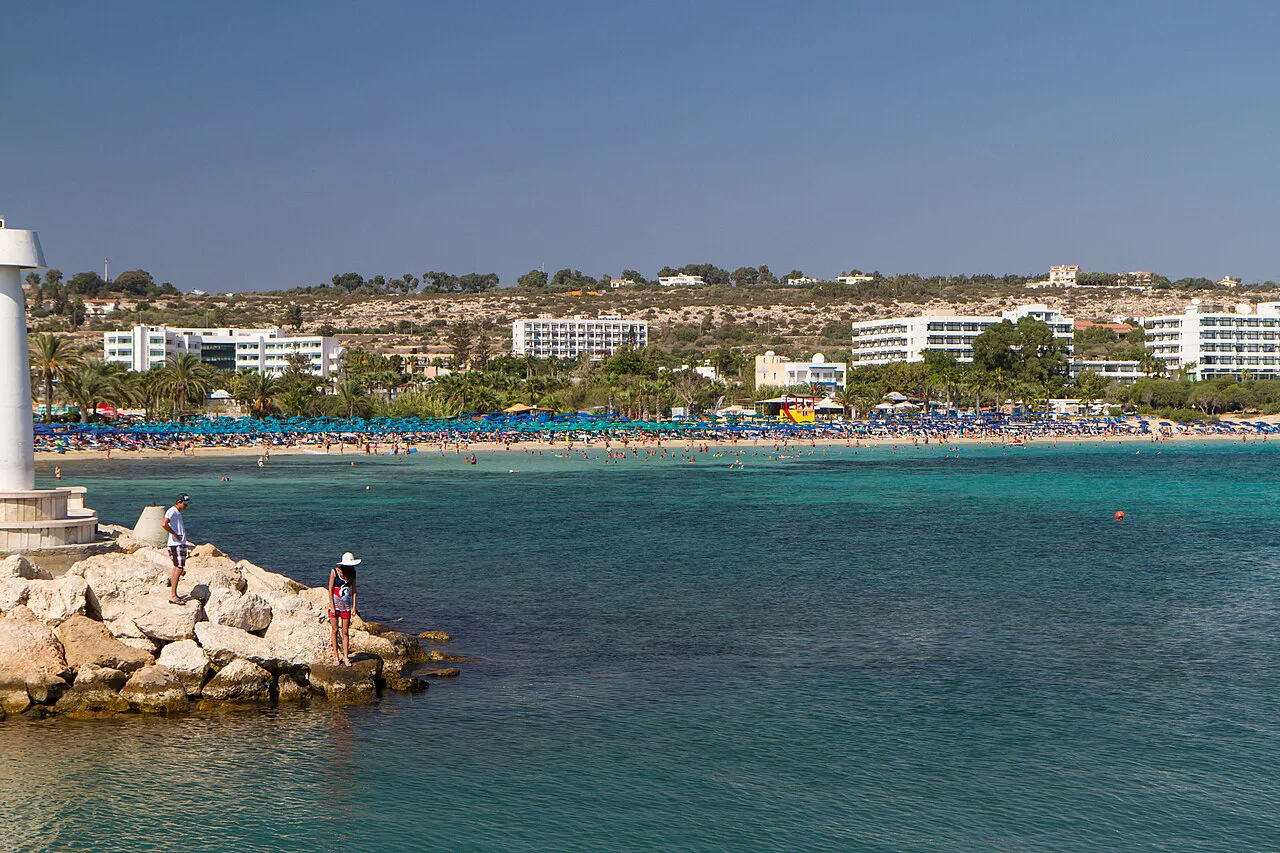
July is a peak month at Ayia Napa, partly because it is the warmest: the resort's average high of about 30°C makes summer the most popular time to visit. Expect central streets to be at their busiest from late morning through the afternoon.
Crowds matter most on the coast and in the centre. Starting early and taking a midday break changes the experience more than any other single decision in July, and it is a planning trade-off rather than a reason to skip the coast.
What to see in July, timed around the heat
The compact old town is the easiest sight for a hot day, with lanes close together so you can retreat indoors when the sun sharpens. See what is on in the area through these Things to Do in Ayia Napa before you fix a route.
Cape Greco rewards an early or late outing: the coastal scenery is the draw, but exposed ground offers little cover at midday, so go with water and avoid the hottest hours.
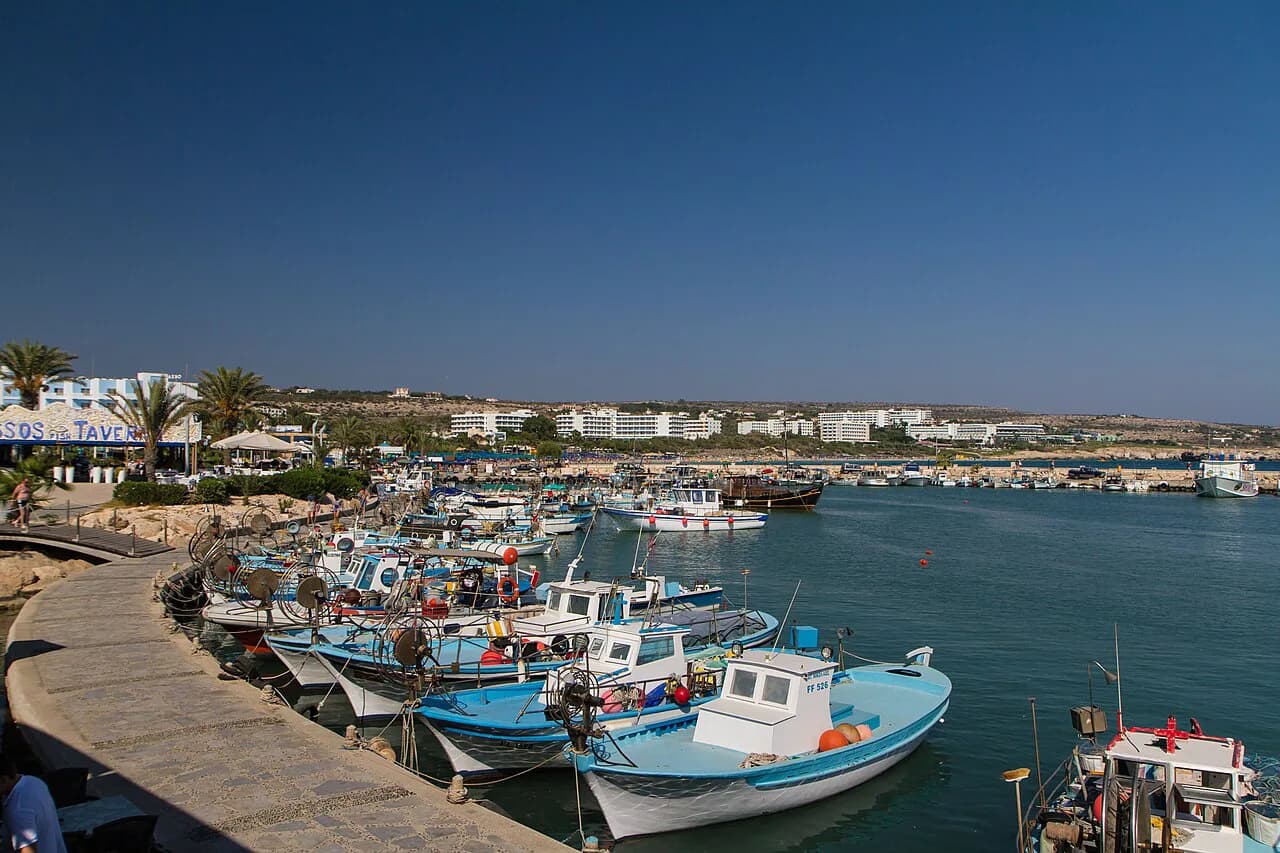
If your timing slips and you end up in the centre at the hottest hour, indoor options are the fallback; check a museum's current hours before travelling, since summer schedules vary. If you want a structured route, Ayia Napa Old Town can be walked in short stages around a midday break.
Getting around in July without a car
The centre and waterfront are walkable, and doing them on foot avoids the July parking squeeze entirely. In the early evening, when the heat eases, the Ayia Napa Promenade is at its most pleasant.
For Cape Greco and the wider coastline, a hire car buys flexibility on timing, which is exactly what a hot month rewards. Check that your hire agreement and insurance cover where you intend to drive before you set out, and confirm current rates directly with the rental company.
Boat trips are another car-free way to see the coast. Operators' July schedules and departures change seasonally, so confirm the day's sailings at Ayia Napa harbour rather than assuming a fixed timetable.
What the heat costs you: water, shade and fuel in euros
The practical costs of July are not tickets but consumables: bottled water, shaded cafe stops and fuel if you drive. Budget in euros and treat water as a daily line item, because a family can get through several litres on an outing. Confirm any prices locally, as they change.
If you hire a car, parking near the busiest sights can be scarce in peak July, so an early start saves both temper and, in some cases, money where charges apply. Confirm local rates and charges before you rely on them.
Is July the right month for you?
July suits travellers who want dependable summer sun, a genuinely warm sea and long evenings outdoors, and who are happy to reorganise the day around heat. Rain is rare, so the odds of a rained-off day are low.
It suits less well if you dislike crowds or want to walk long distances at midday. Late spring and autumn bring warm temperatures without the heat being quite so overwhelming, per Thomas Cook's summary for Ayia Napa, and they ease both the temperature and the pressure on parking and paths.
Should you book Ayia Napa for July?
Book July if you want dependable summer sunshine, a sea warm enough for long swims and evenings that never need a jacket, and you are willing to start early and rest at midday. Skip it if queue-free sights and cool walking weather matter more than heat.
Whatever you decide, check the current ticket hours and transport times for the specific places you plan to visit, and keep the plan loose enough to move outdoors early and indoors late.
Explore more Ayia Napa guides
Frequently Asked Questions
What is the weather like in Cyprus in July?
Across Cyprus, July brings maximum temperatures typically between about 32°C and 38°C, night-time minimums around 21°C to 25°C and sea temperatures of roughly 24°C to 28°C. Rainfall is minimal, at only a few millimetres for the month, and sunshine averages 12 to 13 hours a day. The UV index is very high, so protection matters.
What is the best time to go to Ayia Napa?
Late spring and autumn give warm temperatures without the heat being as overwhelming, which many visitors prefer. July is the warmest and most popular month, with an average high of about 30°C in Ayia Napa, so it suits anyone prioritising guaranteed sun and a warm sea over cooler walking conditions.
How warm is the sea in Ayia Napa in July?
Cyprus-wide July figures put sea temperatures at roughly 24°C to 28°C, warm enough for comfortable long swims. Treat these as typical climate averages rather than a forecast for your dates.
Sources
Notes for your Cyprus trip
Optional updates to our Cyprus guides.
You might also like


Continue reading
More guides you'll find useful