Museums in Ayia Napa: Thalassa, Sculpture Park and MUSAN
Thalassa Municipal Museum anchors Ayia Napa's indoor sights, with the free Sculpture Park and the MUSAN underwater museum as the outdoor alternatives.
On this page
Ayia Napa has one conventional museum worth planning around: the Thalassa Agia Napa Municipal Museum, which holds a life-size replica of the Kyrenia II ship and a marine life basement. Everything else is open-air or water-based, so the realistic museum half-day is Thalassa first, then the free Sculpture Park, with MUSAN as a separate booking for swimmers.
This guide covers what each sight holds, the seasonal timetables that decide when you can go, how long to allow, and how the sights fit around Ayia Napa Square and the fishing harbour. Ticket details appear only where the operator or tourism authority publishes them.
What museums and museum-style sights Ayia Napa has
Thalassa is the only purpose-built museum building in the resort, housed in a cultural centre and focused on Cyprus's marine heritage from prehistory onwards. The Agia Napa Sculpture Park is an open-air collection of pieces by more than 50 artists who took part in the municipality's sculpture symposia, with a neighbouring cactus and succulent garden, so it behaves like a free sculpture trail rather than a gallery.
MUSAN, the Museum of Underwater Sculpture Ayia Napa, is a submerged sculpture site visited by snorkelling and freediving rather than a building with rooms. The municipality also lists the Makronisos archaeological site, with tombs from the Hellenistic and Roman periods, among the village's sights of interest, which suits travellers who want antiquities without an indoor display.
If your group wants a single museum stop, Thalassa wins on content; if you want a low-cost hour outdoors with panoramic views, the Sculpture Park is the better fit and costs nothing. The mistake to avoid is turning up at the Sculpture Park expecting exhibition halls, or at MUSAN expecting to stay dry.
Thalassa Municipal Museum: the Kyrenia II replica and the marine life basement
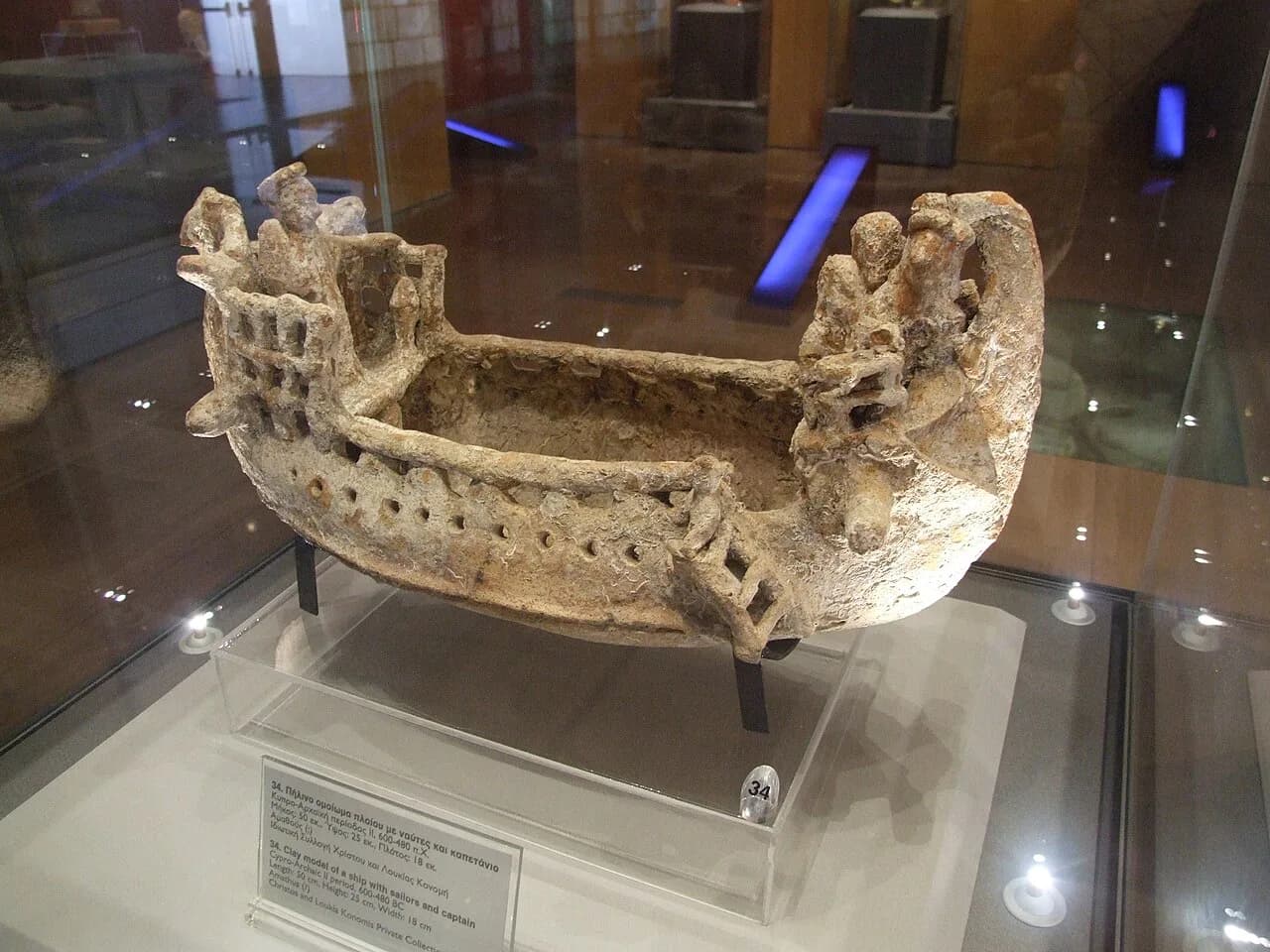
The centrepiece is a full-size replica of the Kyrenia II, a fourth-century Greek trading ship that sank off Kyrenia around 300 BC. The building is designed so you can see the vessel from several levels, including a view down from above, alongside pottery and other antiquities.
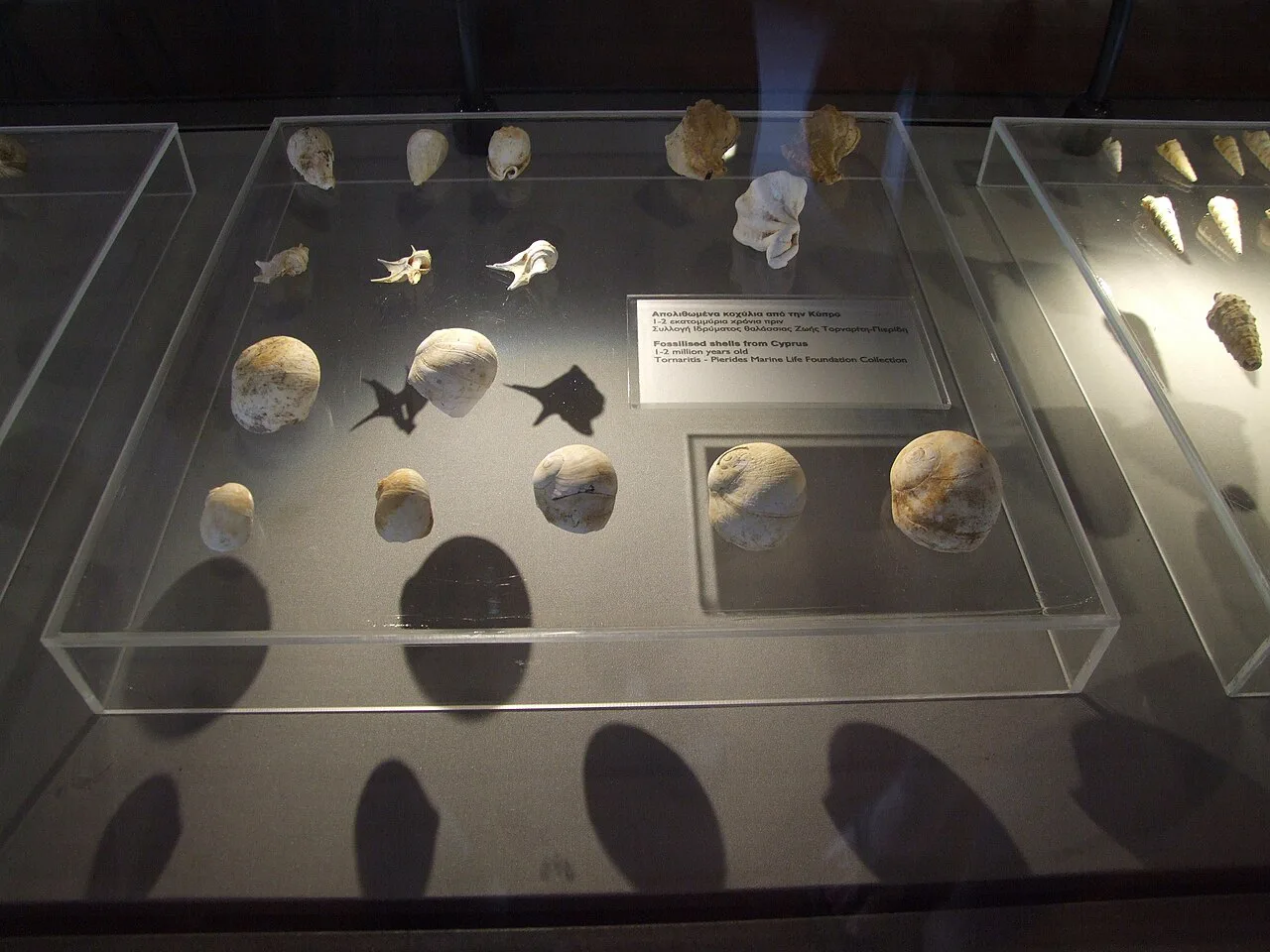
Downstairs, a marine life section covers fish, sea mammals, crustaceans, corals, shells and fossils, with some specimens dated to around 130 million years ago. That makes it a workable stop for a mixed group where not everyone wants ship timbers, and the museum is wheelchair accessible according to the tourism authority's listing.
The museum also doubles as an arts exhibition centre and events hall, so parts of the building can be busier or partly occupied at times. The address is Leoforos Kryou Nerou 14, Agia Napa.
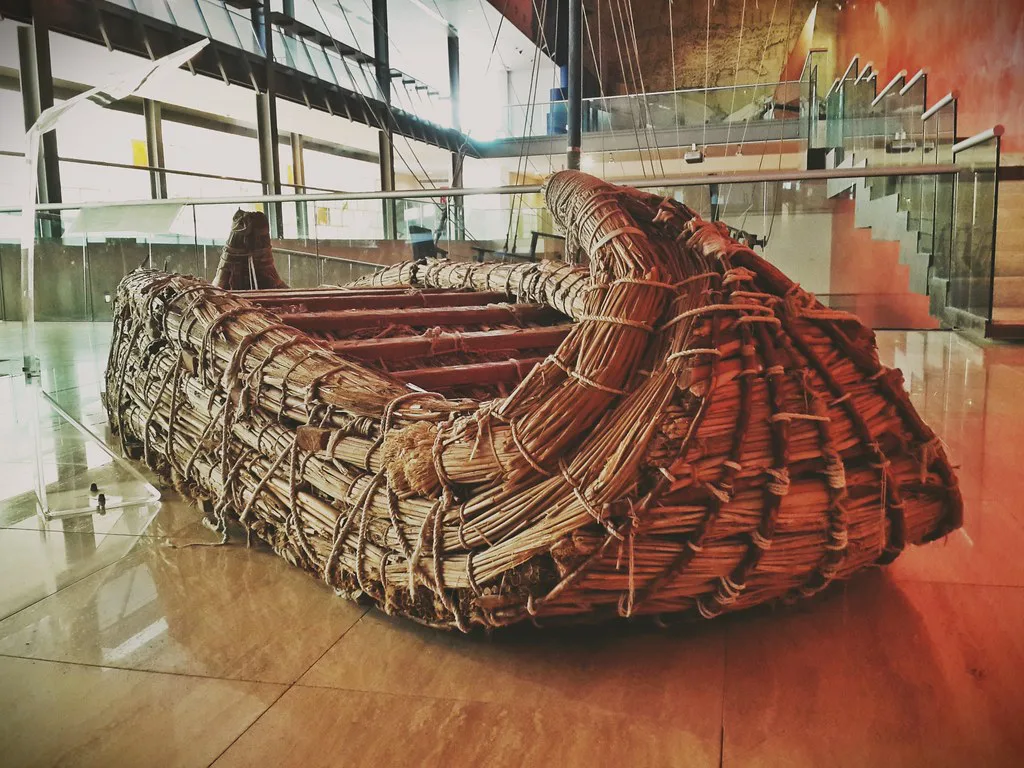
Thalassa opening hours by season and the ticket price
The tourism authority lists two timetables. From October to May the museum opens Monday 09:00–13:00 and Tuesday to Saturday 09:00–17:00, and stays closed on Sundays; from June to September the weekday hours stay the same but Sunday opens 15:00–19:00.
Admission is €4.00 for adults and €1.50 for children, with student and group rates available. The museum closes on public holidays, which is the detail most likely to catch out a short break built around a Monday or a bank holiday weekend.
The museum's own site posts slightly different summer hours, so confirm the day's opening before you set out.
How long Thalassa takes and when to go
Allow around an hour to 90 minutes. The ship is the draw, but the multi-level layout means you will circle it more than once, and the basement marine section adds another 20 minutes or so if you read the displays.
Thalassa earns its place on the hottest afternoons, when air-conditioned interiors beat another hour on the sand, and it is the obvious choice on the one overcast day of a summer week. Mornings are quieter than the middle of the day in high season, and a Sunday visit only works between June and September, when the museum opens in the late afternoon.
Sculpture Park and the cactus garden: free, sunrise to sunset
The Agia Napa Sculpture Park spreads across 20,000 square metres and holds work by more than 50 artists from around the world, made during the municipality's annual sculpture symposiums. In 2015 artists carved pieces on site over three weeks, turning the grounds into an open-air workshop; the collection has continued to grow since.
Entry is free, and the park opens from sunrise to sunset all year round, with benches along the paths and wide views over the surrounding coast. The adjoining Park of Mediterranean Plants, Cacti and Succulents extends the walk and showcases the island's cacti and dry-climate plants, so give the two together at least an hour at an easy pace.
Because there is no roof and no closing gate to meet, this is the sight to keep for early morning or the last hour of daylight, when the heat drops and the light on the sculptures is best.
Where the Sculpture Park sits relative to Cape Greco and Kryou Nerou Avenue
The park stands at the junction of the Cape Greco road and Kryou Nerou Avenue, on the eastern edge of the resort, which puts it on the natural route between the centre and the cape. Drivers heading for the Cape Greco trails or the sea caves pass the entrance, so it works as a 45-minute stop rather than a dedicated trip.
If you are on foot, the walk from the centre along Kryou Nerou Avenue is straightforward but exposed, with little shade on the road itself. Pairing the park with a taxi or bus ride back towards the harbour is the more comfortable option in July and August.
MUSAN, the Museum of Underwater Sculpture Ayia Napa
MUSAN is an underwater sculpture museum visited through snorkelling and freediving, so it belongs with water-based activities rather than indoor sightseeing. The operator's site sets out the experience and how to arrange a visit; there is no walk-in gallery, and anyone who will not put their face in the water should skip it.
The operator publishes the visiting arrangements, and prices and timings are not listed here because they change with the season and the type of visit. Check directly with the operator before building a day around it, especially if you are booking for a group.
Pairing Thalassa with the monastery square and the fishing harbour
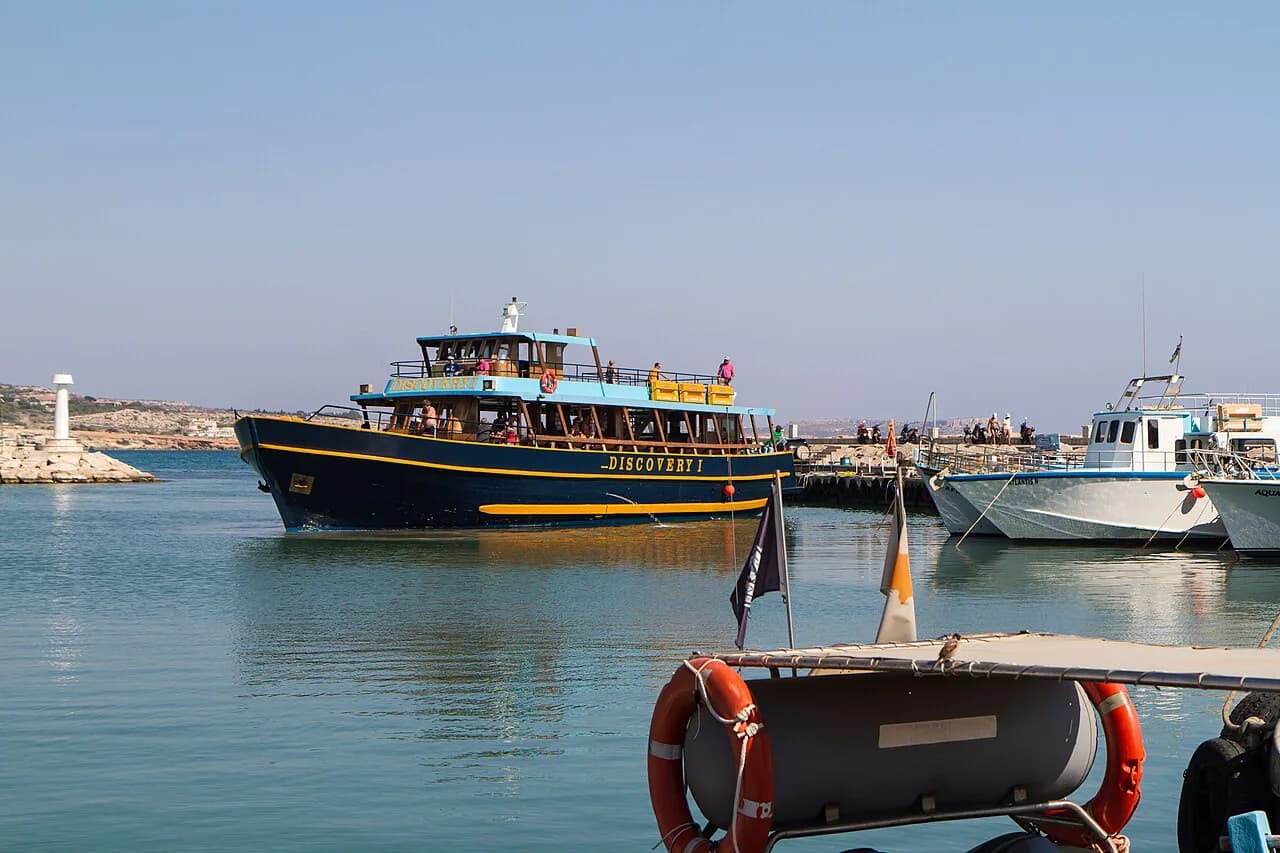
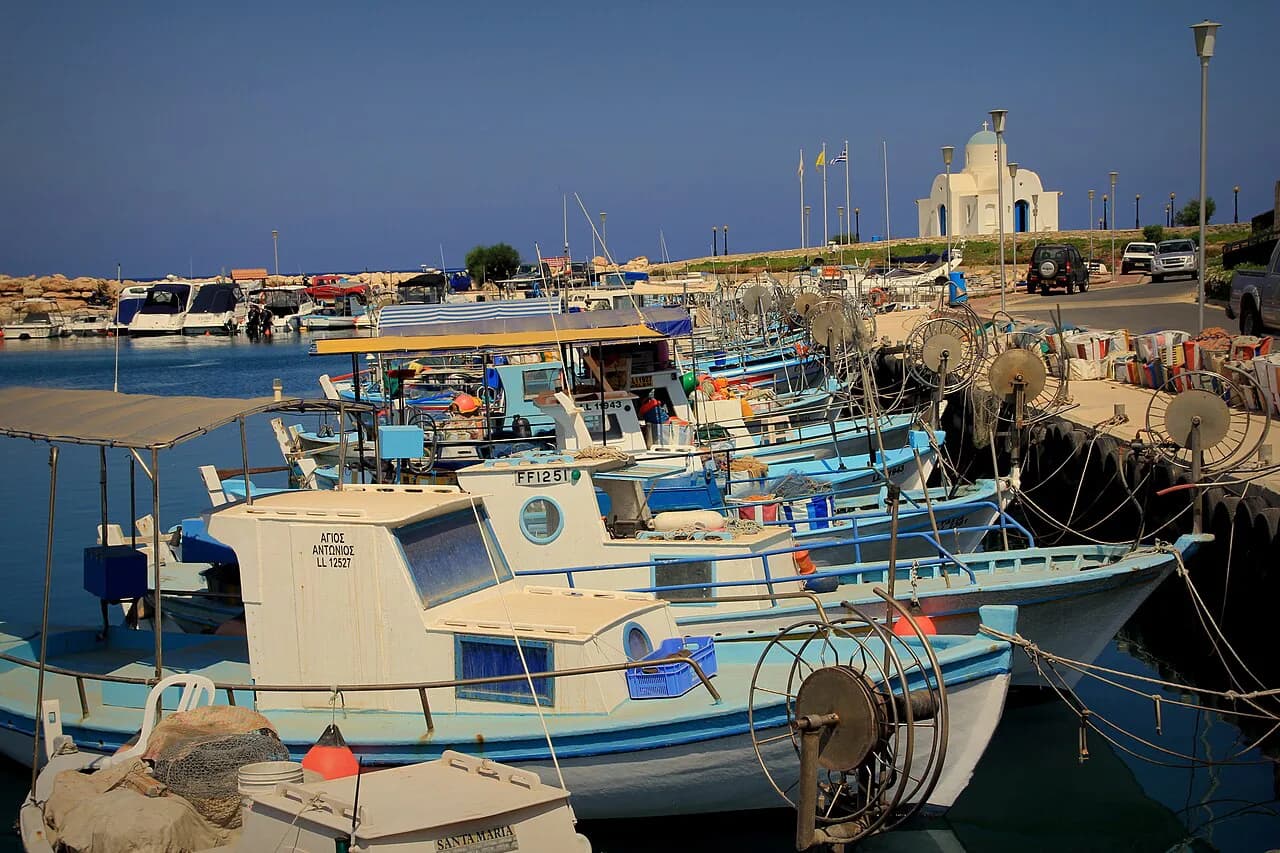
The heart of the village is its square, where the Medieval Monastery stands as a calm landmark by day, with bars and clubs taking over in the evening; the square also hosts cultural events through the year. Thalassa and the square sit close enough to combine into one unhurried morning, and the small fishing harbour makes a natural end point for a loop back through the centre.
The village's other sights include the old aqueduct, Lovers Bridge with its love locks, several sea caves and the small fishing harbour, which makes a natural end point for a loop back through the centre. A workable plan is Thalassa at opening time, a walk through the old town and square, then the harbour for a late lunch.
Practical points: public holidays, access and paying in euros
Plan around two different patterns: Thalassa charges an entry fee and is shut on public holidays and on Sundays from October to May, while the Sculpture Park has no ticket and no seasonal closure, running from sunrise to sunset. A public holiday is therefore the day to put the park first.
The Republic of Cyprus uses the euro, so the Thalassa ticket and any cafe stop nearby are paid in euros; carry small notes for the ticket desk and for parking. Thalassa is wheelchair accessible per the tourism authority, while the Sculpture Park's sloping paths and gravel sections deserve a look at the map before committing a buggy or wheelchair to the full circuit.
Thalassa first, sculpture park second
For most visitors the answer is both, in that order: Thalassa for the Kyrenia II replica and the marine basement, then the free Sculpture Park on the way towards Cape Greco. Budget around two and a half hours for the pair, and keep MUSAN as a separate water-based booking if snorkelling appeals.
Check the day's opening hours with Thalassa and the visiting terms with MUSAN before you travel, since both publish their own seasonal arrangements.
Explore more Ayia Napa guides
- Ayia Napa Boat Trips
- Ayia Napa History
- Ayia Napa Itinerary
- Ayia Napa Map
- Ayia Napa Sunset
- Ayia Napa Walking Tour
- Ayia Napa Weather in August
- Ayia Napa Weather in July
- Ayia Napa Weather in October
- Ayia Napa Weather in September
- Churches in Ayia Napa
- Free Things to Do in Ayia Napa
- How Many Days in Ayia Napa? 1, 2 or 3 Days
Frequently Asked Questions
Is the MUSAN Underwater Museum free?
MUSAN is run as a bookable underwater experience rather than a free public gallery, and its operator publishes the current terms. Confirm the price and what is included directly with the operator before you commit, as arrangements vary by visit type and season.
How deep is the underwater museum in Ayia Napa?
The depth and the level of swimming ability required are set by the operator, not by the general tourism listings, so ask before booking if you are not a confident snorkeller or freediver. Anyone who prefers to stay dry should treat MUSAN as optional and spend the time at Thalassa instead.
What is Ayia Napa famous for?
Ayia Napa is known for its coastline and its nightlife reputation, but the village also holds a compact group of cultural sights: the Medieval Monastery on the square, the Thalassa museum, the Sculpture Park, the fishing harbour, Lovers Bridge and the Makronisos tombs. That mix lets you build a half-day away from the beach.
Can I visit the Sculpture Park when Thalassa is closed?
Yes. The Sculpture Park is free and open from sunrise to sunset throughout the year, so it is the sensible choice on a Sunday between October and May or on a public holiday, when Thalassa stays shut.
Sources
Notes for your Cyprus trip
Optional updates to our Cyprus guides.
You might also like
Continue reading
More guides you'll find useful