How Many Days in Ayia Napa? 1, 2 or 3 Days
One day in Ayia Napa covers the monastery, harbour and Cape Greco; two or three days add the Thalassa Museum and Konnos Bay at a slower coastal pace.
On this page
One full day is enough for Ayia Napa if you want the monastery, the harbour and a drive out to Cape Greco National Forest Park. Two days give you the Thalassa Museum and a second, unhurried coastal afternoon at Konnos Bay or back at the sea caves. This guide sets out what each length of stay realistically covers, which stops need a car or taxi, and when Ayia Napa makes a better base than a quick stop.
What one day in Ayia Napa covers
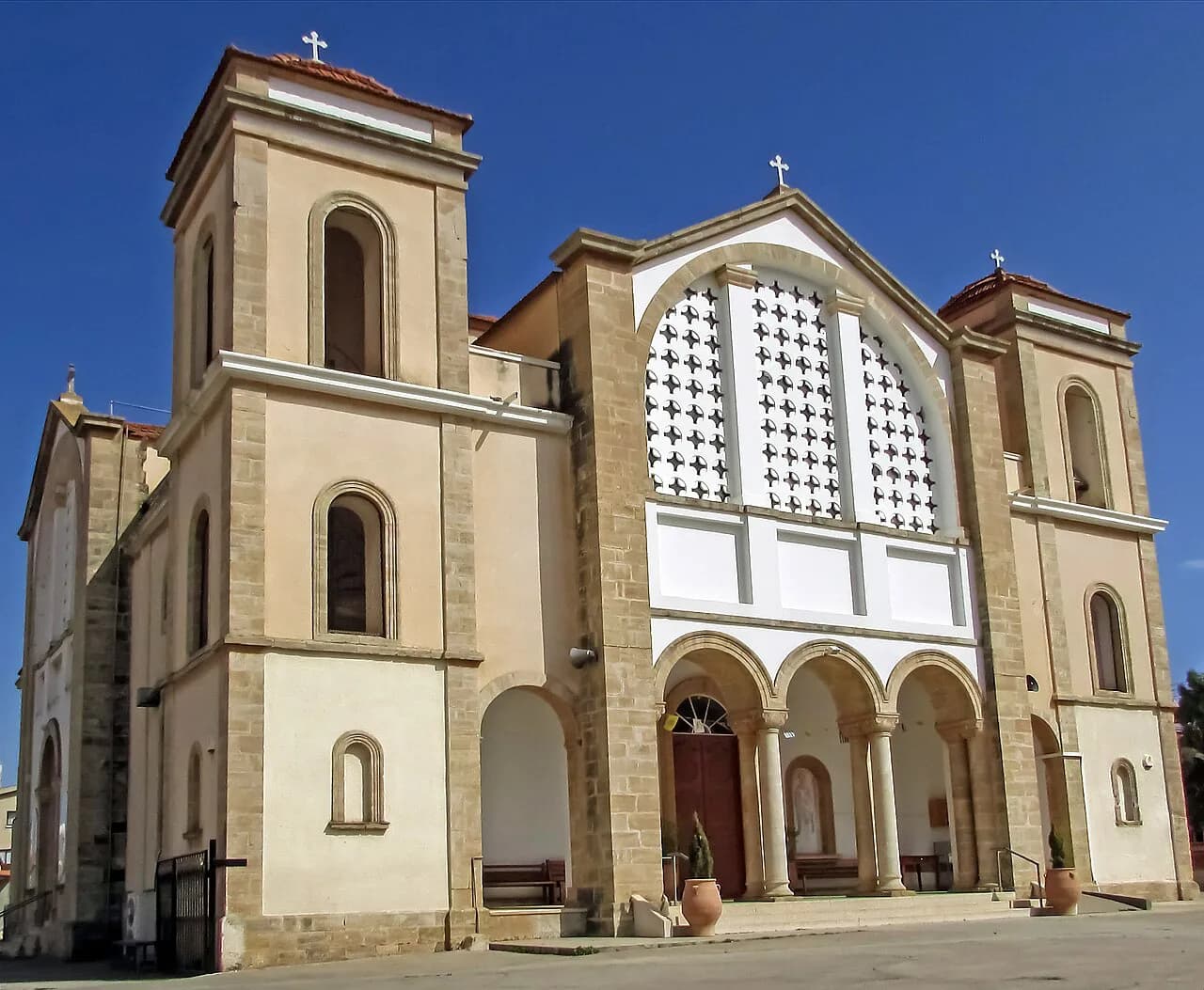
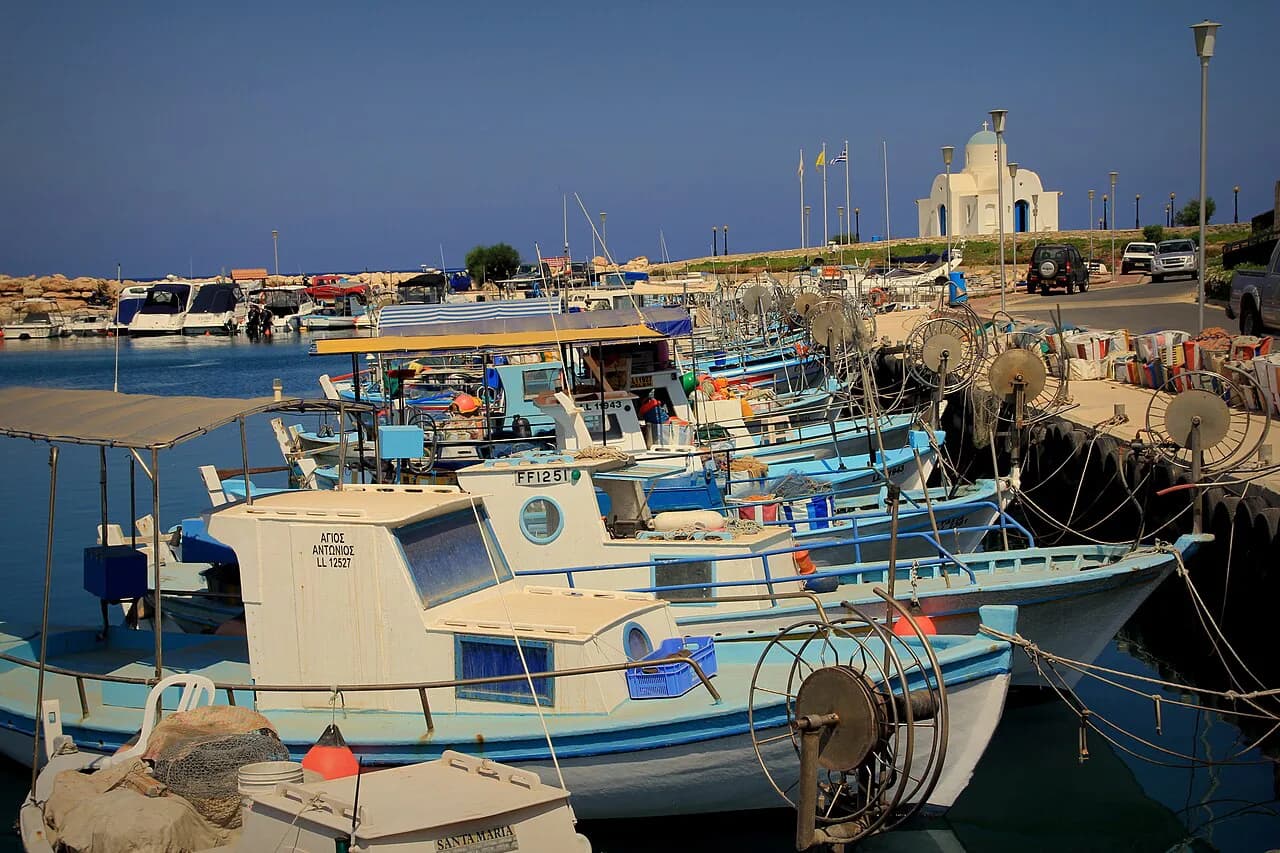
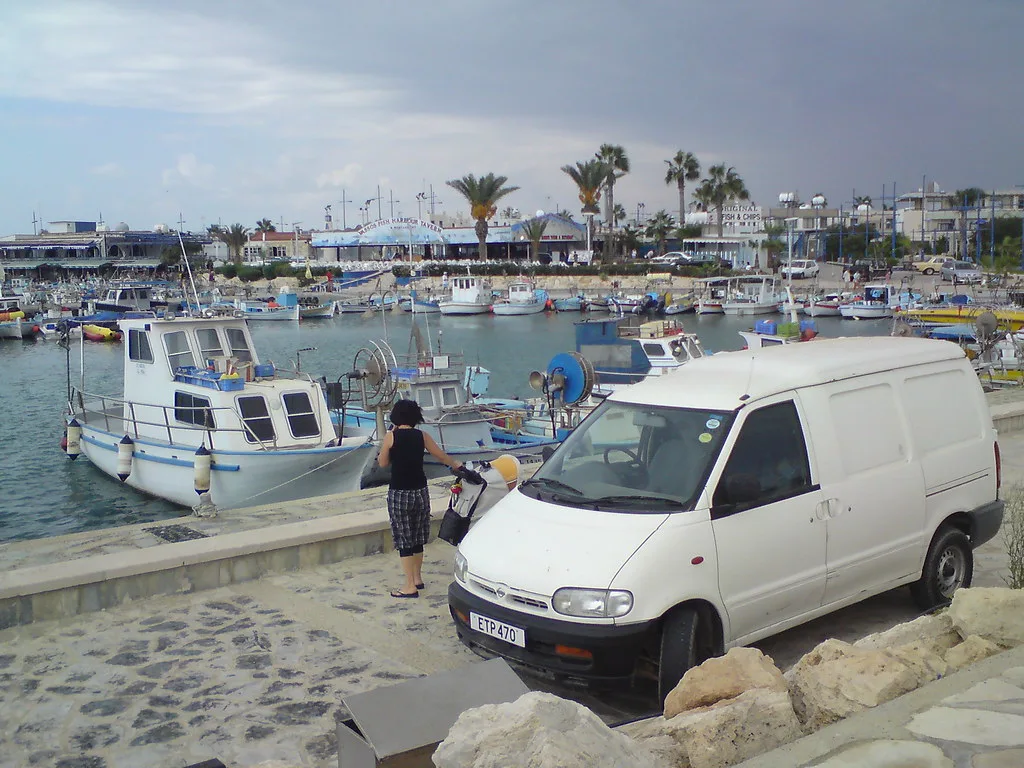
Start in the centre with the Ayia Napa Monastery, a walled complex with a sycamore tree and a stone courtyard a short walk from the main square. It is a compact visit rather than a half-day, so pair it with a wander through the surrounding lanes before the heat builds, then walk down to the harbour for a look at the fishing boats and the open sea. For a fuller list of stops in and around town, see things to do in Ayia Napa.
The afternoon belongs to the coast east of town. Cape Greco National Forest Park and the Ayia Napa sea caves sit outside the built-up area, and both are reached by car, taxi or a rental buggy rather than a stroll from your hotel. A driving loop linking Larnaca Salt Lake, Hala Sultan Tekke, Cape Greco and the Ayia Napa coast fits inside a single day behind the wheel, and travellers who hire a car should note that Cyprus drives on the left.
Where the time actually goes
The monastery and harbour take an hour or two together, and the morning is the coolest window for both. The sea caves walk is the longer stop, because the clifftop paths and viewpoints pull you further along the coast than you plan for. Cape Greco is the element that eats the day: it needs transport, a bit of walking and time to look, so treat it as a half-day rather than an add-on.
That split is the reason one day feels tight. Fitting the monastery, the harbour, the sea caves and the cape into a single day means spending most of it in the car and seeing each stop briefly. Keep one day to the centre plus one coastal run, and the pace stays comfortable.
Two days in Ayia Napa
Use the second morning for the Thalassa Museum, which covers Cyprus's maritime history and sits within walking distance of the centre. Check the current ticket price and opening days with the museum before you build your morning around it.
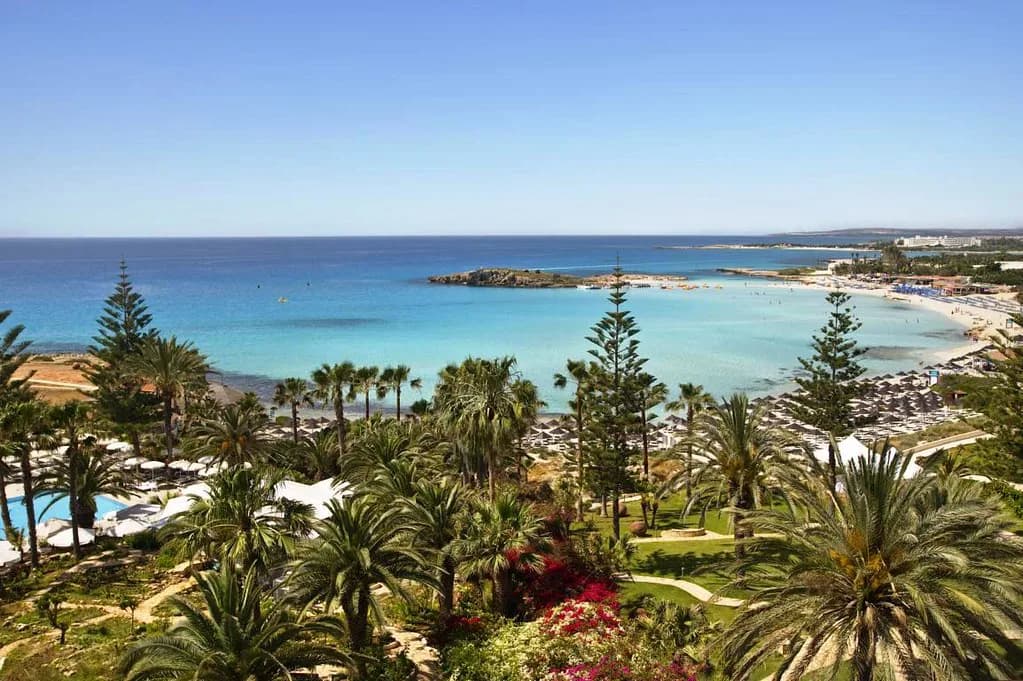
Spend the second afternoon on the coast again, either swimming at Konnos Bay or returning to the sea caves with more time to walk the clifftop paths. Konnos Bay sits beyond Cape Greco and rewards a car or taxi rather than a bus-and-walk combination. Two days also leave room for an unhurried evening in the Ayia Napa old town, where the lanes around the monastery are pleasant after the day visitors leave.

Three days in Ayia Napa
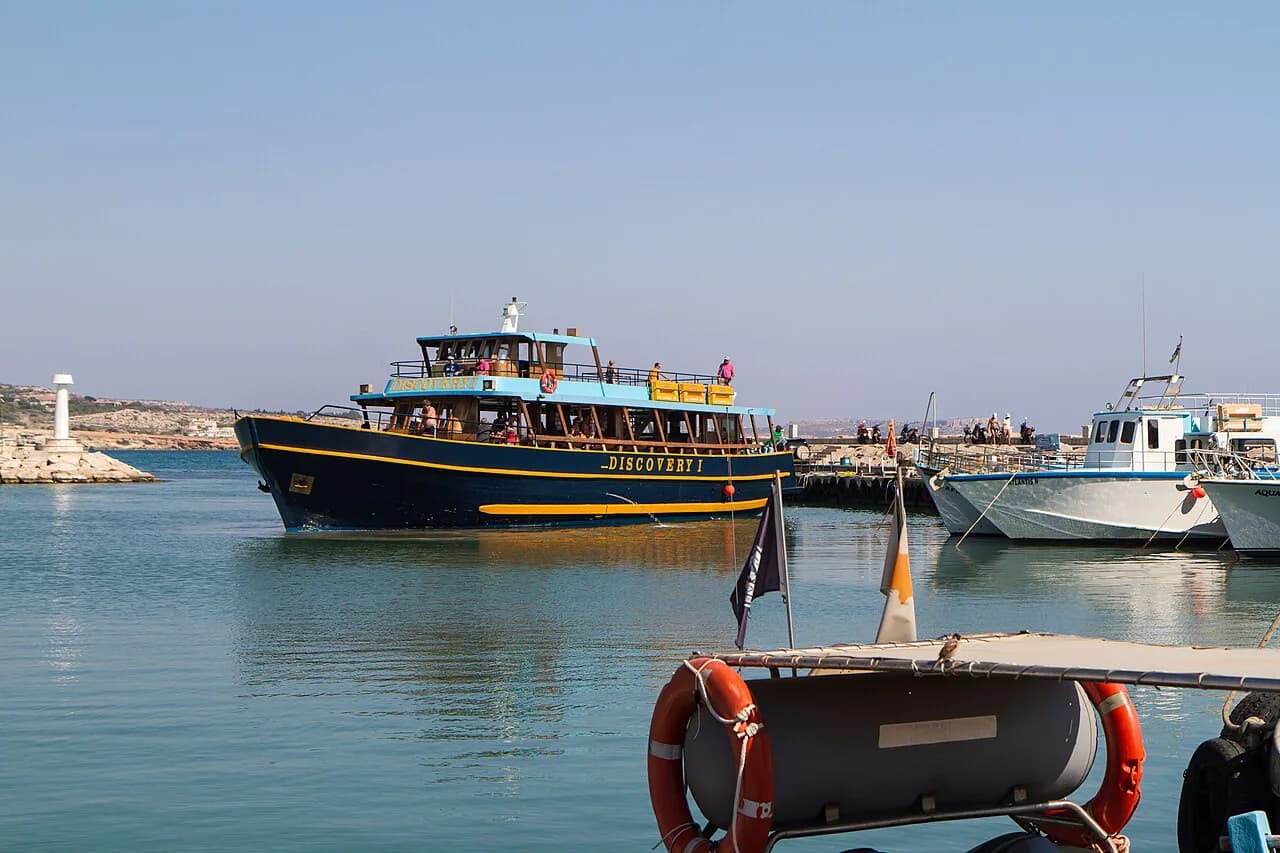
The third day buys you a slower Cape Greco visit: an early start, a proper walk along the trails, and time at the sea caves without watching the clock. It also allows an evening in the centre and boat trips from the harbour if one is running during your stay. Operators set their own schedules and seasons, so check what is sailing before you commit a day to it.
Three days also suit travellers who want Konnos Bay and Cape Greco on separate mornings, with the hot middle of the day spent at the museum or back at the hotel. That rhythm matters in July and August, when exposed coastal paths are punishing by midday. It is a comfortable length for a short break, not just a pass-through.
When Ayia Napa works as a base
Ayia Napa sits on the south-east coast, within easy reach of Larnaca and the beaches and capes of the far east. From here, Cape Greco and the sea caves are short drives, and Larnaca's salt lake and Hala Sultan Tekke fit into a half-day outing. That makes it a sensible base for a south-east-focused trip of two or three nights.
It is a poor base for the west of the island. Paphos, Kourion and the Troodos mountains sit across the island, and driving there and back in a day leaves little time at any of them. If your list is heavy on Paphos mosaics or Troodos villages, plan to move west and stay there rather than day-tripping from Ayia Napa.
When one night is enough
If your itinerary is built around Limassol, Paphos and the Troodos mountains, Ayia Napa is the wrong base and a single night covers it: see the monastery, walk the harbour, drive to Cape Greco, then move on towards Larnaca or west along the coast. One night also works at the start or end of a wider Cyprus trip, when the airport run shapes the schedule. Treat it as a first or last stop rather than a mid-island hub.
Summer heat and how to schedule around it
Ayia Napa gets very hot in high summer, and the practical response is to start early at Cape Greco and the sea caves while the cliffs are still in shade and the car park is quiet. Keep the monastery and the museum for the hotter middle of the day, when stone courtyards and indoor galleries offer relief, and carry water and sunscreen for the exposed paths above the sea. Popular spots are best visited in the early morning or late afternoon.
Getting around without a car
Buses serve the centre and parts of the coast, and they are reliable enough for getting into town or along the main road. They are not a practical way to reach Cape Greco and Konnos Bay, which are far easier with a hire car or a taxi. Budget for taxis if you are not driving, especially for the return leg when you are tired.
Hiring a car gives you the most freedom, and rentals are widely available in the resort. Remember that Cypriots drive on the left, as in the UK, and check your insurance cover before taking a rental onto unmade tracks near the sea caves.
Where Ayia Napa fits in a wider Cyprus trip
The cleanest fit is a first or last stop after Larnaca, using the short transfer to settle in and see the coast before heading west. A two-night stay covers the monastery, the harbour and a Cape Greco morning without pressure. From there, drive to Limassol or Paphos and base yourself closer to the sites you came for.
Avoid treating Ayia Napa as a mid-island hub. The far west and the Troodos mountains are long drives from the south-east coast, and you lose hours in the car. If you want one coastal base and one mountain base, put Ayia Napa in the coastal half and keep the west for a separate stay. For the full set of local guides, browse Ayia Napa Attractions: 9 Visitor Guides.
So how long should you give Ayia Napa?
Give Ayia Napa one full day if you want the monastery, the harbour and a drive to Cape Greco, and two days if you want the Thalassa Museum and a slower coastal afternoon. Choose three days only if you want Cape Greco and Konnos Bay without rushing, or if you plan a boat trip from the harbour. Anyone whose list is Paphos, Kourion and Troodos should treat Ayia Napa as a one-night stop and move west.
Explore more Ayia Napa guides
Frequently Asked Questions
Is Ayia Napa worth visiting if you do not drink or party?
Yes, if you plan around the coast rather than the nightlife. The monastery, the harbour, the Thalassa Museum, Cape Greco National Forest Park and the sea caves give a full day and more without touching the bar scene.
Can you see Cape Greco without a car?
It is awkward. Buses reach the centre and parts of the coast, but Cape Greco and the sea caves are far easier by hire car or taxi, and you will want transport for the return leg. Budget for a taxi if you are not driving.
Is Ayia Napa a good base for visiting Paphos and Kourion?
No. Paphos and Kourion sit across the island and the drive from Ayia Napa and back in a day leaves little time at either. Base yourself in the west for those sites and keep Ayia Napa for the south-east coast.
Sources
Notes for your Cyprus trip
Optional updates to our Cyprus guides.
You might also like
Continue reading
More guides you'll find useful