How Many Days in Larnaca? One, Two or Three Days
Two to three days in Larnaca covers the city's main historic sites, while one day suits a taster. Here is what each length of stay really covers.
On this page
Two to three days in Larnaca is enough to cover the city's main attractions, including its historic sites, without rushing. One day is a taster rather than a proper visit: fine between flights, thin as a holiday. This guide sets out what each length of stay covers, when Larnaca works better as a base than a stopover, and when to move on.
How many days in Larnaca: the short answer
Plan two days minimum and three if you want the old town and the seafront without clock-watching. One day suits an airport stopover or a first evening, not a holiday in its own right. Anything longer starts to depend on day trips rather than Larnaca itself.
The reason is scale. Central Larnaca is compact and walkable, so the fixed sights fill roughly a day and a half, and the rest of your time goes on the pace you want: a slow morning on the seafront, a wander through the old town, an afternoon by the water. Adding days only pays off if you use Larnaca as a base for the rest of the island.
What one day in Larnaca covers
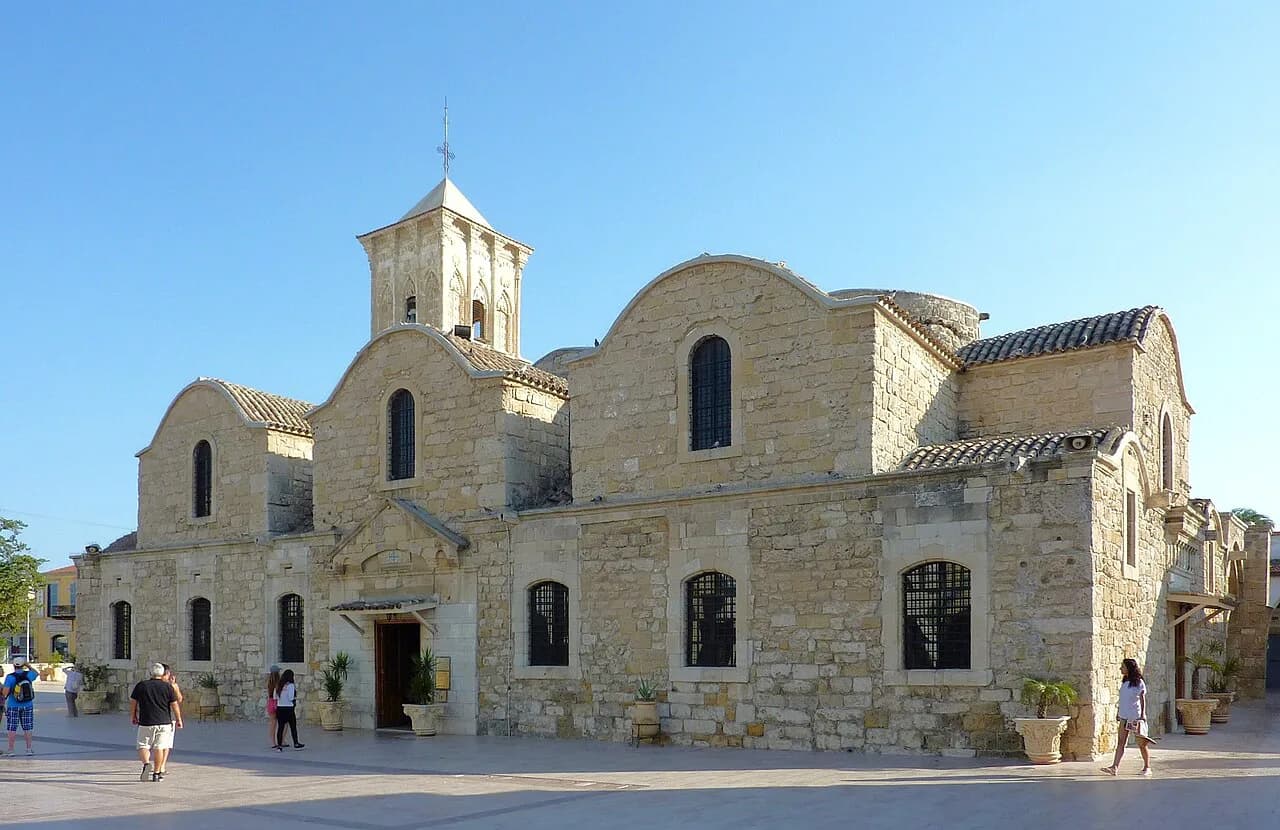
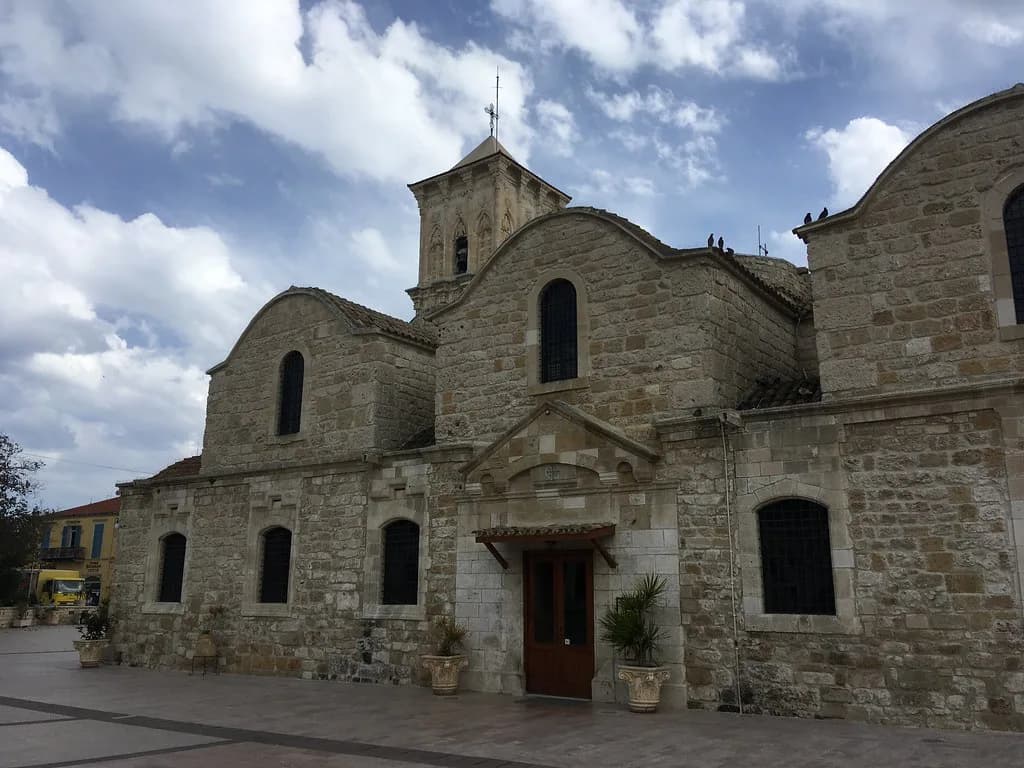
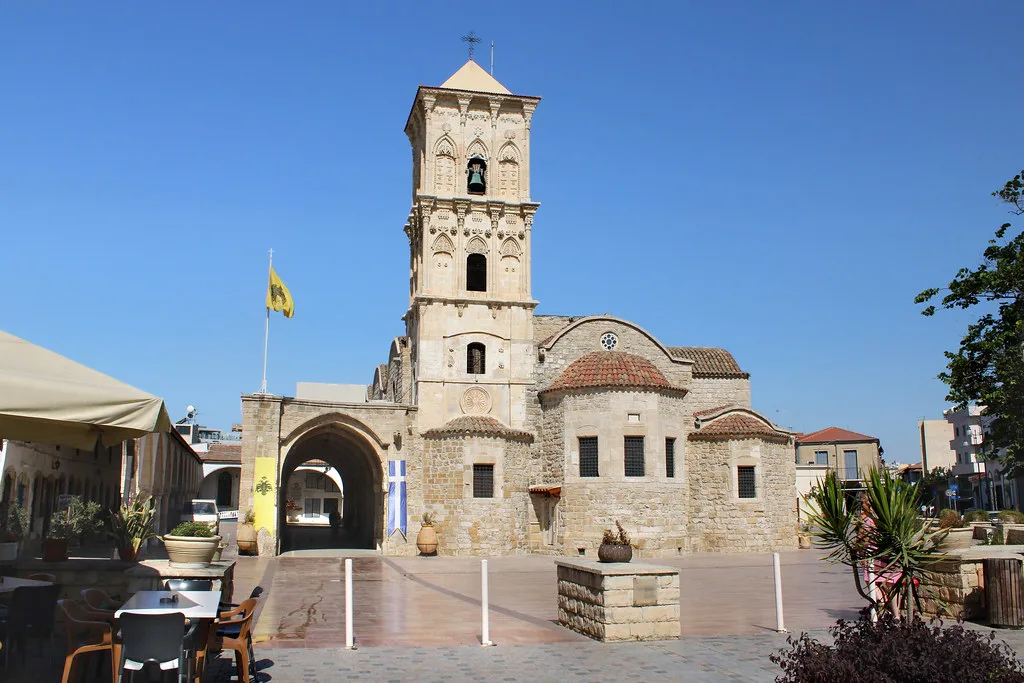
A single day is a seafront day. Start on the Finikoudes Promenade, where the palm-lined strip runs between the town and the beach, then walk inland into the old town for the church-and-lane quarter that gives Larnaca its character. You will pass the harbour end of the promenade on the way.
That is a comfortable half-day of walking with time to sit down. Use the afternoon for one more stop rather than three: the salt lake on the edge of town is a different landscape entirely, and it suits a short detour better than a full outing. One day works when your flight leaves the next morning, not when you have a week to fill.
What two days adds
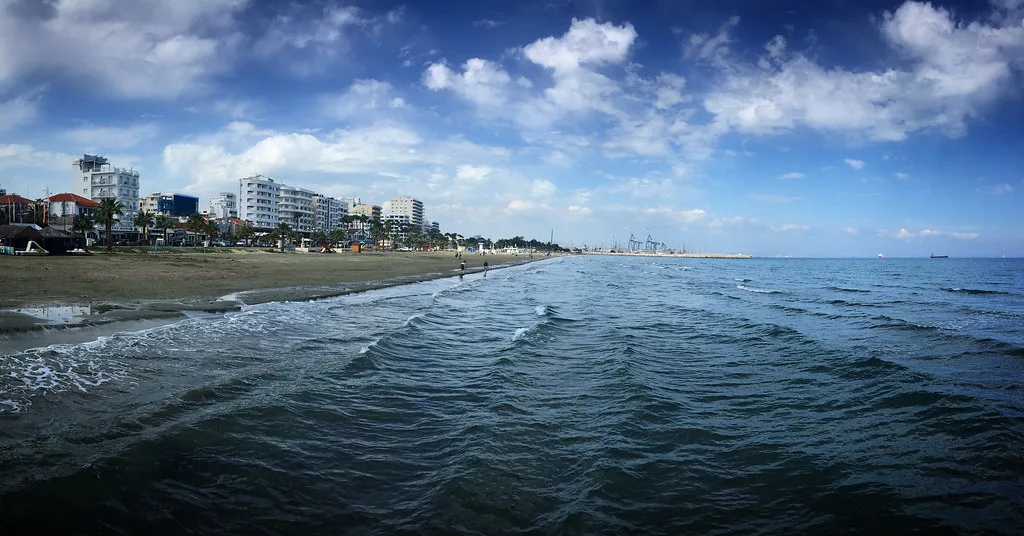
The second day is what turns a stopover into a visit. It gives you time for a proper look at the old town's churches and lanes, a walk along the promenade in the evening light, and a slow lunch rather than a sandwich between sights. It also absorbs the arrival day, which is usually lost to transfers and settling in.
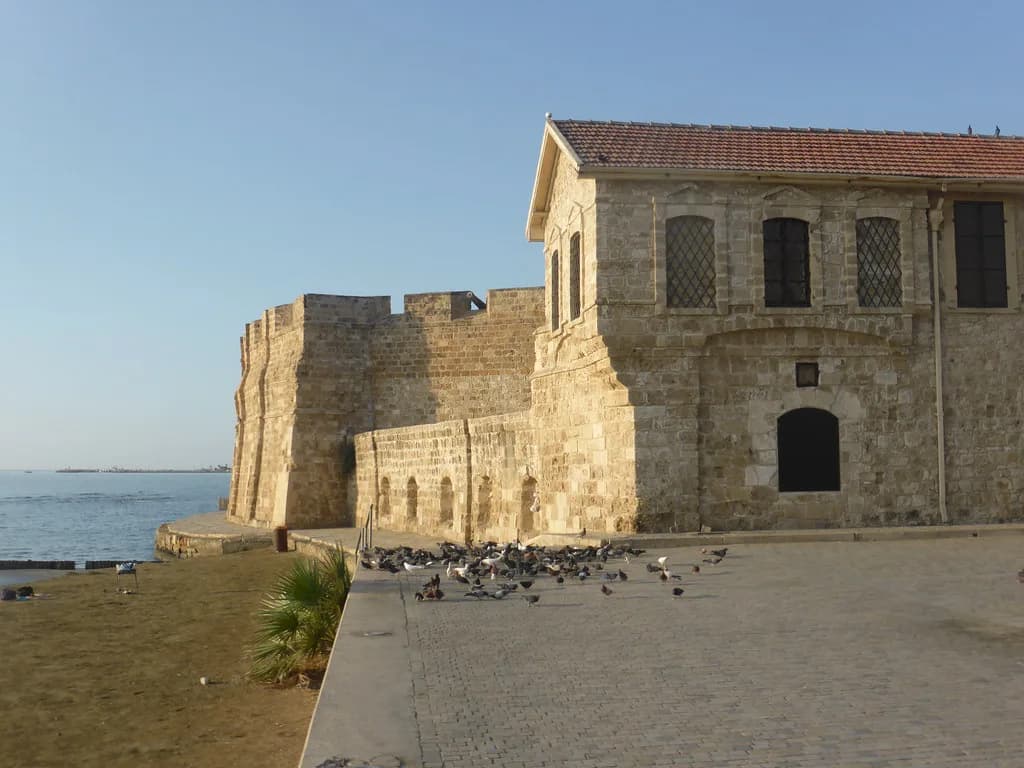
Two days is the point at which a structured walk earns its keep. A self-guided route through the centre stitches the seafront, the old town and the castle area into a couple of hours, leaving the rest of the day free; it also stops you doubling back across the same streets.
What three days adds without overfilling the days
A third day buys breathing room, not more tick-boxes. Keep one day light: a morning in the old town, an afternoon on the waterfront, dinner near the marina. The other days carry the walking and the one longer outing you have chosen.
If you want the water, the third day is the natural slot for a boat trip from the marina, since sailings depend on the season and the operator's schedule rather than on your plans. Ask the operator directly about departures, duration and cost when you book.
The other good use of day three is a day trip to Nicosia, reachable from Larnaca and a striking contrast to the coast: a divided capital whose southern centre you explore on foot and whose northern half sits across the Green Line. It is a full day out, so do not stack it onto a day that already has a walking route in it.
When Larnaca works better as a base than a stopover
Larnaca earns its keep as a base when you want a single room for the week and day trips out of it. The airport is on the doorstep, the town centre is walkable, and the road and bus network puts the rest of the Republic within reach. That is a different trip from a two-night city break.
Treat it as a base only if you are happy to drive or take buses. A car makes the Troodos villages and the archaeological sites practical; without one, you are tied to the bus network and to tours. Neither is wrong, but the choice decides how much of the island a Larnaca base actually delivers.
When to move on to Paphos, Limassol or Ayia Napa
Move on when your interests lie elsewhere. Paphos has the mosaics and the Tombs of the Kings, Limassol has Kourion within easy reach, and Ayia Napa and Protaras have the eastern beaches. None of these is better than Larnaca; they are simply different days out, and each deserves its own stay rather than a rushed half-day from Larnaca.
A practical split for a week is two or three nights in Larnaca and the rest elsewhere, using one move rather than several. The common shape is Larnaca first, then west to Limassol and Paphos, or east to Ayia Napa, with the airport at the start or end of the loop.
Summer heat and how it changes the pace
Summer reshapes a Larnaca day more than any other factor. The middle of the day is best spent indoors or in shade, with the promenade and old town walked early and late. That pushes a three-day plan closer to what two days would cover in cooler months.
Build the day around two outdoor blocks rather than one long one: a morning walk and an evening walk, with the afternoon given over to a museum, a long lunch or a siesta. Trying to hold a full sightseeing schedule through the afternoon is how people end up remembering Larnaca as exhausting rather than easy.
Getting around Larnaca on foot and by bus
Central Larnaca is a walking town. The seafront, the old town and the harbour sit within a compact area, which is why one and two-day visits work without a car. Wear proper shoes for the old town's uneven lanes.
For anything beyond the centre, buses are the fallback and a hire car the flexible option. Check current routes and fares with the operator before you rely on a particular service, since these are the details most likely to change between seasons.
A hire car pays off from the third day onwards, when day trips start to matter; below that, parking and pick-up time eat the advantage. Cyprus drives on the left, and the Republic uses the euro.
Where Larnaca fits with Larnaca airport arrivals and departures
Larnaca airport is close enough to the town that a late arrival or an early flight does not need a wasted night. That is what makes the one-day version viable: land, sleep, spend a day in the centre, and fly out without crossing the island.
If the airport is at the end of your trip rather than the start, do the reverse and put Larnaca last, keeping the final day light so a delayed flight or a slow transfer does not cost you a sight. Confirm transfer times with your accommodation when you book.
Two days, three days or straight through?
Book two days if Larnaca is one stop on a wider Cyprus trip, and three if you want the old town, the seafront and one boat trip or day out without hurrying. Keep it to a single day only when the airport, not the town, is the reason you are there.
Decide next whether Larnaca is your base or your first stop. If it is the base, add the car and plan day trips to Kourion, Paphos or Nicosia; if it is the first stop, book the onward move early and keep the last morning free.
Explore more Larnaca guides
Frequently Asked Questions
Is Larnaca worth visiting in Cyprus?
Yes, as a short stay of two to three days built around the old town, the seafront and the harbour, or as a first and last stop tied to the airport. It is a working town rather than a resort, so it suits travellers who want a walkable centre and easy day trips rather than a beach holiday.
Is Larnaca nicer than Paphos?
They are different trips. Larnaca is compact and walkable, with the airport close by; Paphos has the archaeological sites and mosaics and a larger resort sprawl. Choose Paphos for antiquities and beaches, Larnaca for a short, easy city stay.
Which is better, Larnaca or Ayia Napa?
Larnaca suits a city break with history and transport links; Ayia Napa and nearby Protaras suit a beach-based summer holiday. If you want both, split the week rather than day-tripping between them.
Sources
Notes for your Cyprus trip
Optional updates to our Cyprus guides.
You might also like
Continue reading
More guides you'll find useful