Kalavasos, Cyprus: Village Guide, Tenta and How Long to Stay
Plan a visit to Kalavasos in the Larnaca district: the village lanes, Neolithic Tenta, the Vasilikos valley and how to get there and how long to allow.
On this page
Kalavasos is worth a half-day rather than a full day: a compact village of lanes and old houses with a Neolithic settlement, Tenta, on its doorstep. It sits in Larnaca district on the Vasilikos river, about 40 kilometres southwest of Larnaca and 6 kilometres north of Zygi, and this guide covers what to see, how to get there and how long to allow.
The village is not a resort and does not pretend to be one. Its appeal is the combination of a lived-in hill village, two archaeological sites of real importance and a copper-mining landscape that explains why the valley looks the way it does.
What Kalavasos is and where it sits
Kalavasos lies in the Larnaca district, built on the west bank of the Vasilikos river at roughly 80 metres above sea level. The community council describes the village as sitting 40 kilometres southwest of Larnaca, and it is around 25 minutes by car from Limassol.
That position makes it a natural stop between Larnaca and Limassol rather than a destination in its own right. The village is small enough to walk end to end quickly, so the archaeology and the surrounding valley do most of the work of filling a visit.
It sits in the same cluster of inland Larnaca district villages as Lefkara, Tochni and Choirokoitia, which makes it easy to string two or three together in one drive. If you want the fuller picture of the region first, start with the guide to Lefkara.
Why go: Tenta and Ayios Dhimitrios
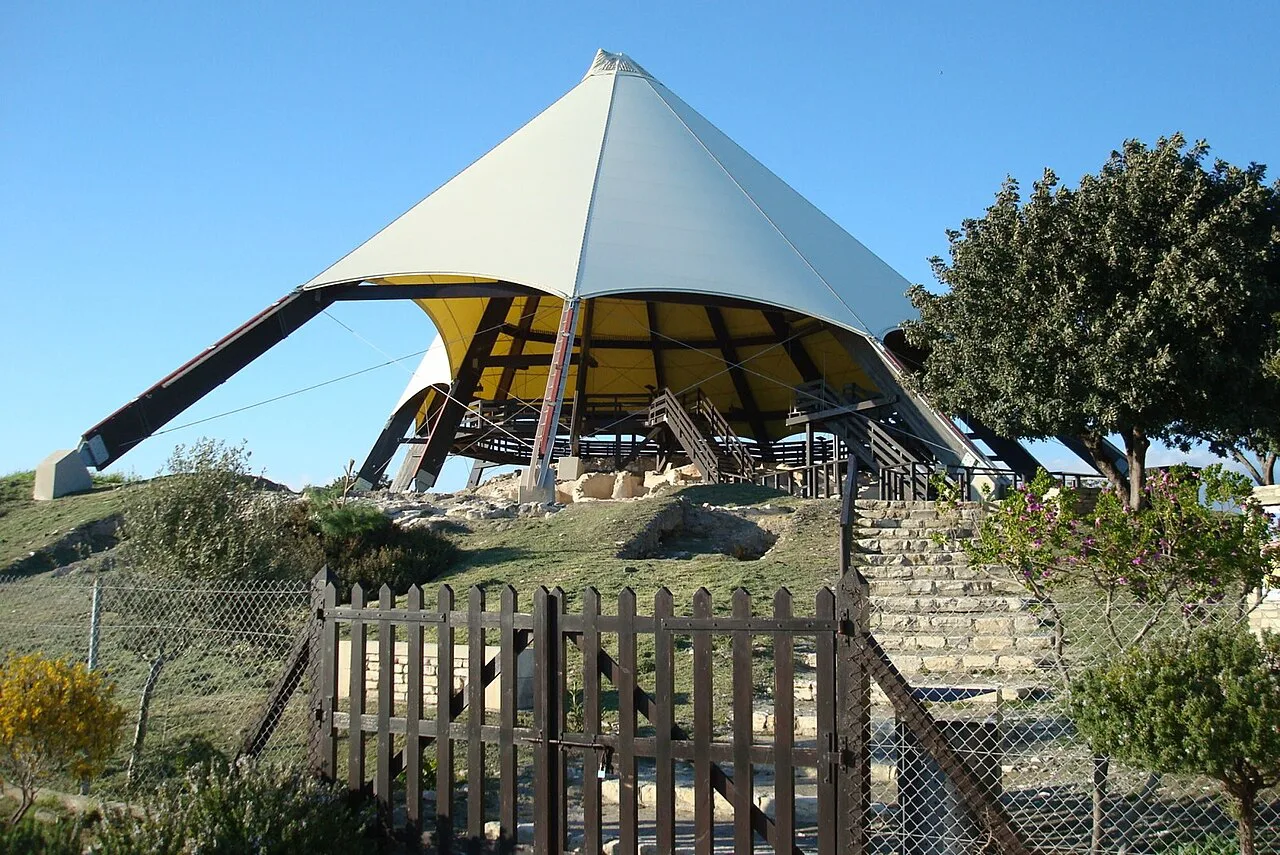
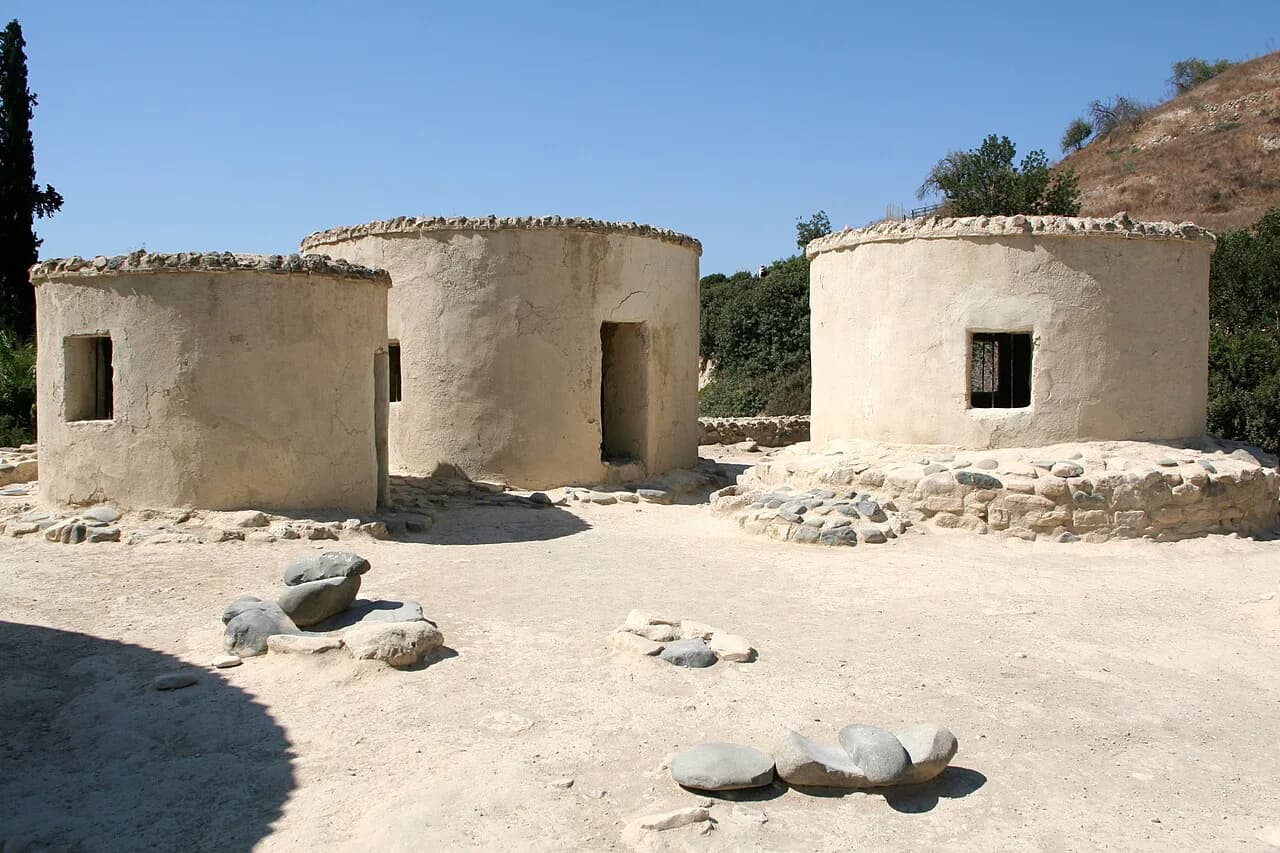
The main reason to detour to Kalavasos is Tenta, the Neolithic settlement in the village's surroundings. The community council presents it as evidence of the village's prosperous ancient past, and it is the site most visitors come for.
The second site is Ayios Dhimitrios, a Bronze Age settlement that the village website lists alongside Tenta as one of its two significant archaeological locations. Together they give Kalavasos a longer and denser history than most villages of its size.
If you are comparing prehistoric sites in the region, Choirokoitia is the larger, better-known Neolithic settlement and lies further along the same corridor towards Larnaca. Tenta is the smaller and quieter of the two, which is part of its appeal if you want to avoid coach traffic.
The village itself: lanes, old houses and the square
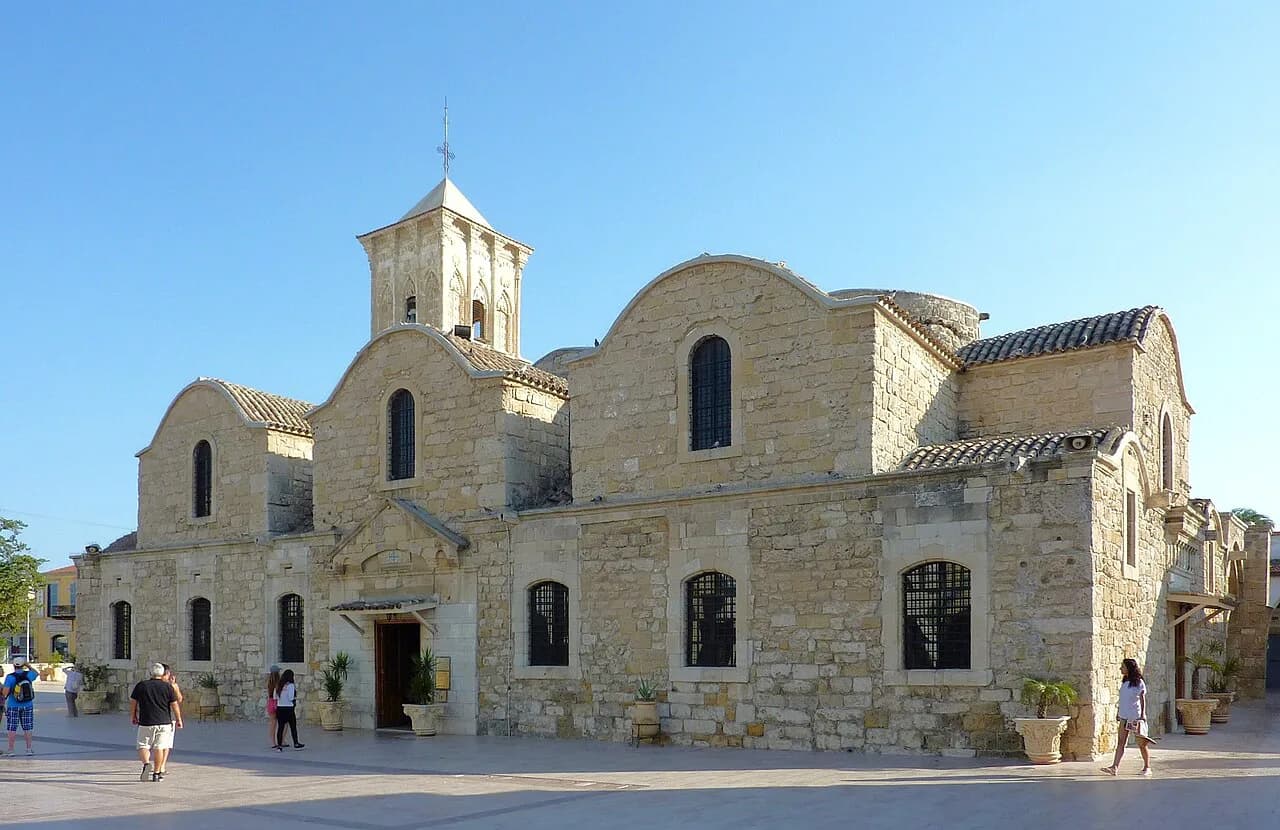
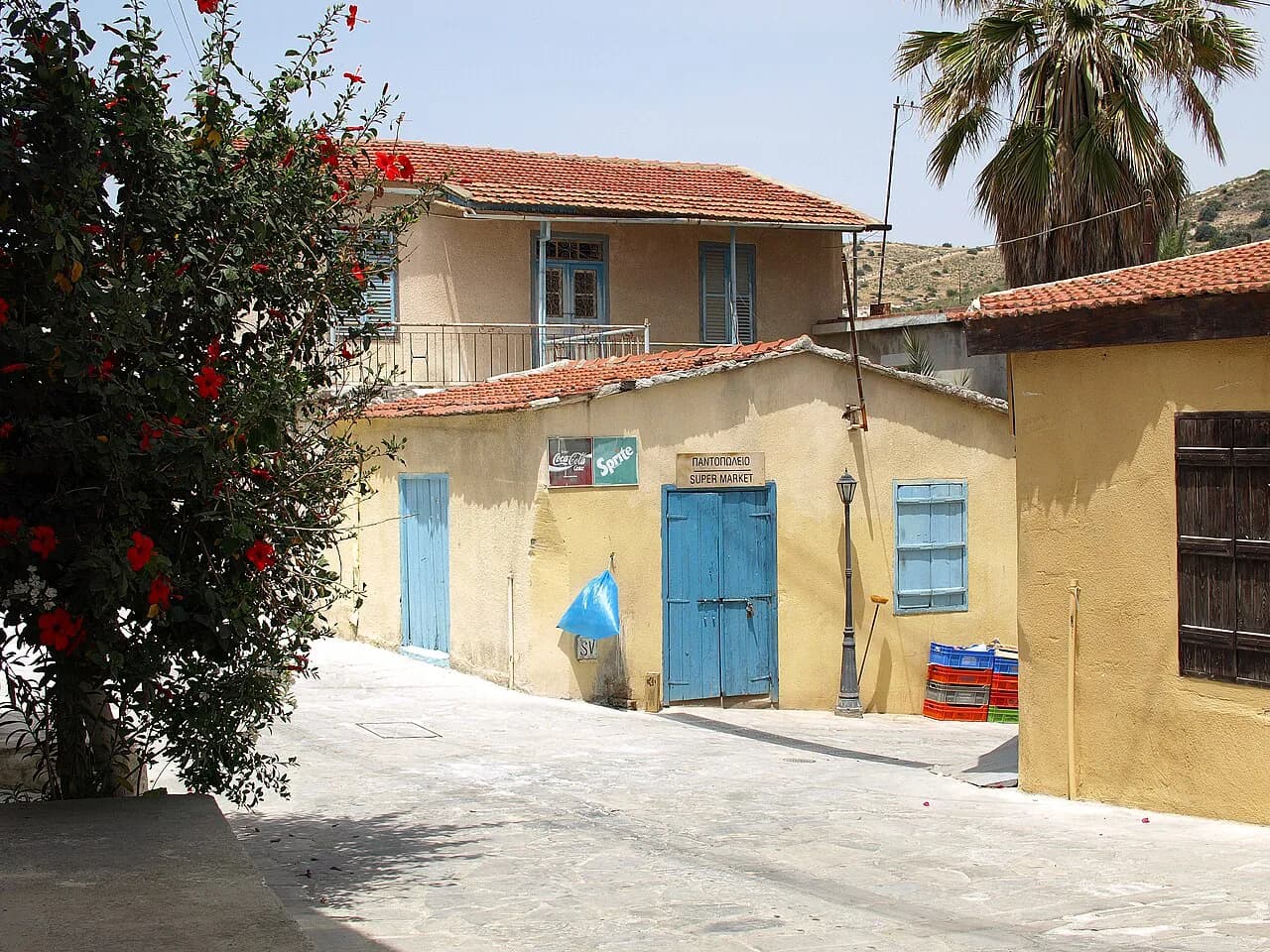
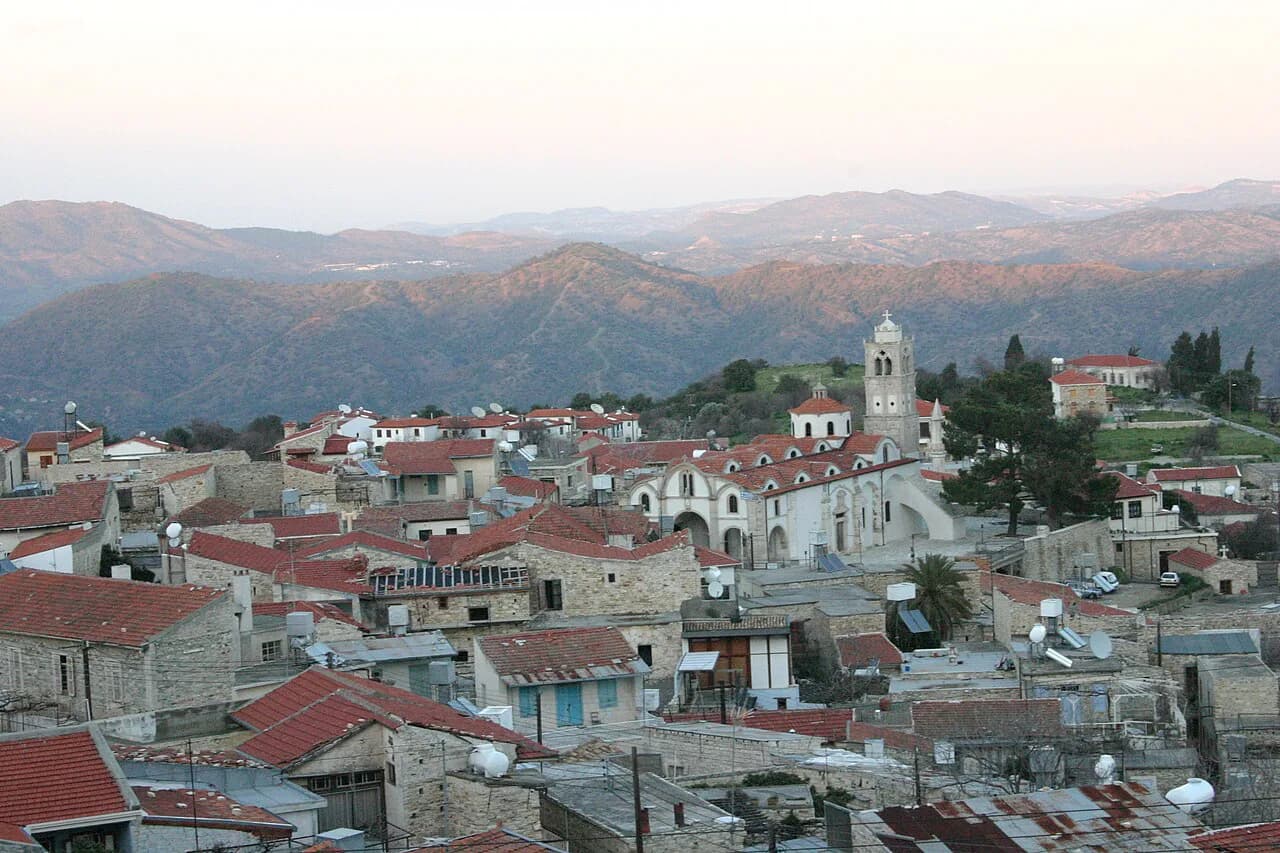
Kalavasos is a village of narrow lanes, older houses and a central square where local life happens. The community council frames it as a place that has kept its heritage while modernising, with a square that serves as the heart of the village.
On the approach by car there is an observation point that gives you the valley and the village in one view before you drop into the streets. It is the kind of stop that takes five minutes and sets up everything you see afterwards, so take it rather than driving straight to the square.
Lanes inside a village this size are narrow, with tight corners. Many travellers park on the edge of the centre and walk in rather than trying to thread a car through the tightest streets.
Kalavasos Tenta: what you actually see
Tenta is a prehistoric settlement site, and the village website treats it as the centrepiece of Kalavasos's ancient history. It is an outdoor archaeological site rather than a museum with display cases, so plan it as a landscape to look over rather than a room to walk through.
Because Tenta is exposed ground, the visit is short and weather-dependent. Go early in the morning in summer, when the light is better and the heat is lower, and avoid the middle of a heatwave afternoon. Access arrangements are set by the heritage authorities, so confirm them before relying on entry.
For context on how these sites were excavated and presented, the virtual museum on the village website walks through both the Neolithic and Late Bronze Age phases. Reading it before you arrive makes the stones in front of you legible.
Copper mining and the Vasilikos valley
Kalavasos grew up around agriculture and copper, and the village website is explicit that mining and copper production shaped its history. The copper mines in the vicinity are what put the village on the map long before tourism did.
This is landscape history rather than a museum visit: you read the valley by knowing that the surrounding hills were worked for copper. Treat the industrial past as background to the drive rather than a scheduled stop.
The result is a valley that looks more worked-over than the postcard Cyprus of beaches and marinas. That is exactly why it is worth the detour if you have any interest in how the island actually made its living.
Churches and chapels around the village
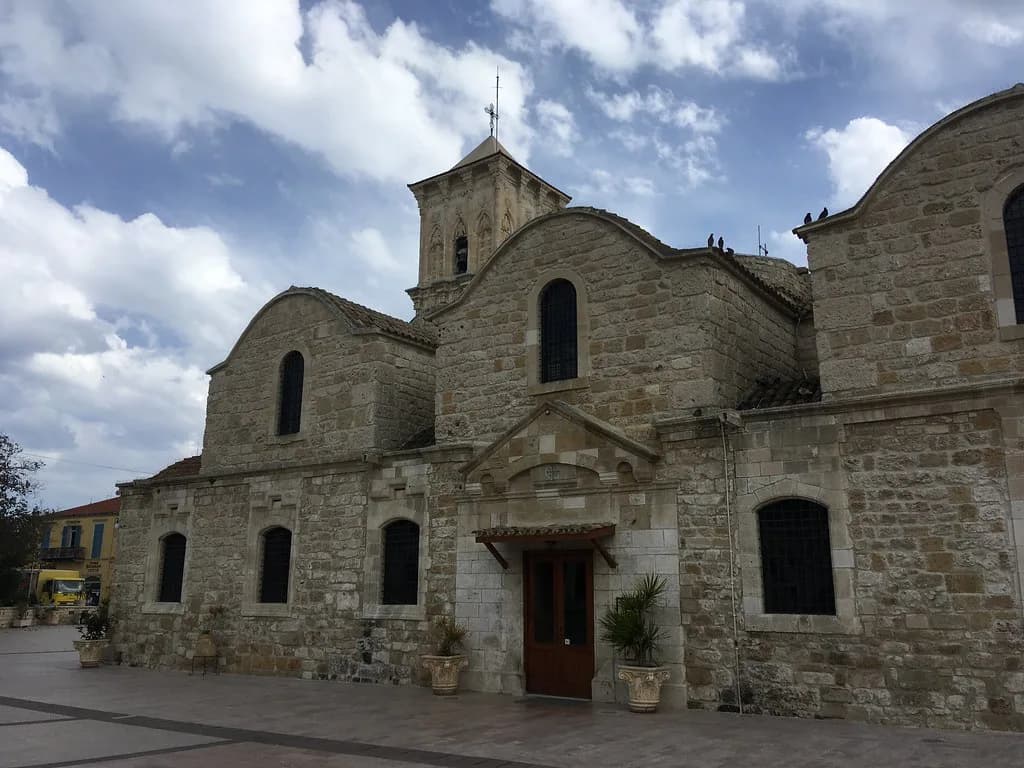
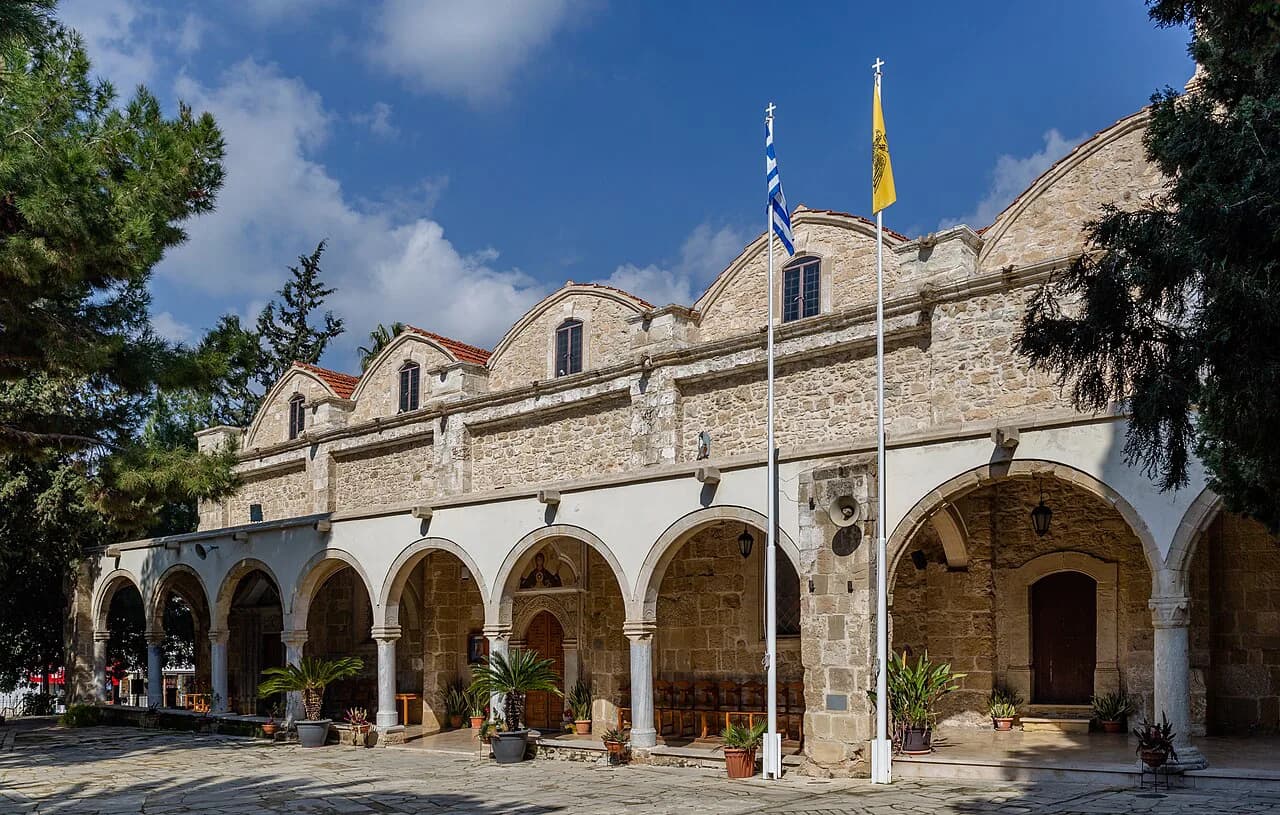
The community council gives religious heritage its own section of the village website, describing churches and chapels scattered around Kalavasos. They are part of the village walk rather than a separate excursion.
Treat these as working village churches: check the door, look at the interior if it is open, and do not expect opening hours posted for visitors. Modest dress is the sensible default in any Cypriot village church.
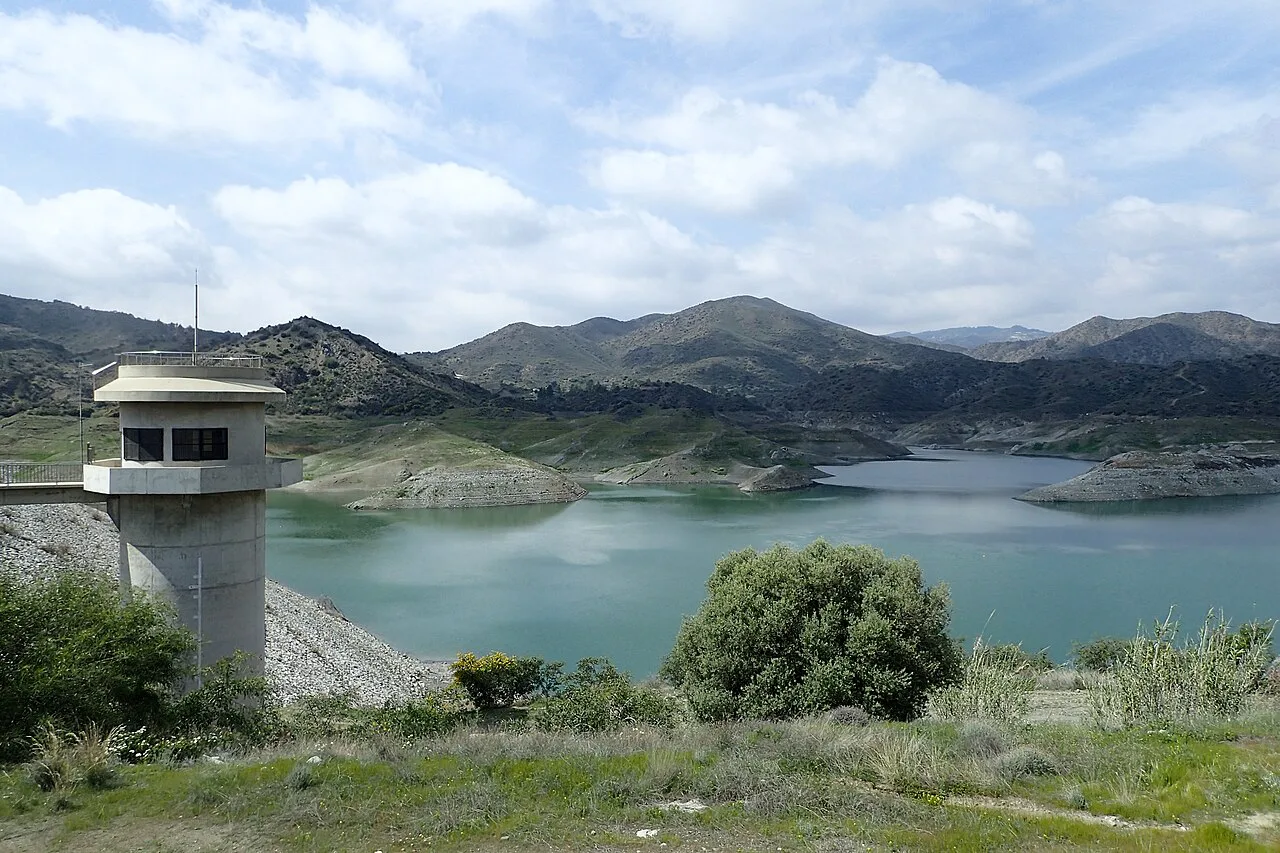
Kalavasos Reservoir and the dam
The reservoir and dam lie about ten minutes away by car and are a short add-on rather than a village sight. The drive in the area takes in views over the water and the surrounding hills.
Treat the reservoir as a brief look rather than a half-day outing. It pairs naturally with Tenta on the same morning.
Getting there: driving times and the car question
Kalavasos is easiest by car, and the valley sites around it are not realistically walkable from one to another. The village is around 40 kilometres southwest of Larnaca and roughly a 25-minute drive from Limassol, so it slots into a coastal transfer or a day out from either city.
Cyprus drives on the left, and the roads into the village narrow as you climb, so take the approach steadily rather than treating it as a motorway run.
From the coast, Zygi is only 6 kilometres south and makes a natural first or last stop on the same drive. Pair the two if you want a full day out of the valley.
Inland neighbours fill out the rest of a village day: Tochni sits in the same stone-village cluster, and Kiti makes a sensible stop on the way back towards Larnaca.
How long Kalavasos needs
A half-day covers Kalavasos properly: Tenta, the village lanes and square, and the reservoir area. If you are stopping en route between Larnaca and Limassol, ninety minutes gets you the square and a look at Tenta and little else.
Add time if you want to linger over Tenta or explore the chapels, and cut Tenta if you are travelling with people who do not enjoy ruins. Plan the archaeology as its own stop rather than assuming a single combined ticket.
A slower version of the day links Kalavasos with one of its neighbours rather than trying to stretch the village itself. Larnaca district rewards that approach, and the wider Larnaca attractions guide is a useful way to choose the second stop.
When to go
Kalavasos is an outdoor village, so the shoulder months are kinder than high summer. Spring and autumn give you reasonable temperatures for walking the lanes and the archaeological sites without the full July and August heat.
Summer visits work best early in the morning, before the sun hits the open ground at Tenta. Evenings are pleasant in the square once the heat drops, and the village is small enough that you will not be queuing for anything.
Practical points: euros, driving and parking
Cyprus uses the euro, and card payment is common but not universal in small village businesses, so carry some cash. The nearest sizeable services are on the coast at Zygi and in Larnaca.
The streets tighten quickly around the centre. Drive in as far as feels comfortable, then walk the rest of the village on foot.
Pairing Kalavasos with Lefkara and the lace villages
The strongest pairing is Kalavasos with Lefkara, half an hour or so further inland, where the village is known for lace and silver rather than prehistory. Together they give you two very different inland village days.
If the lace tradition is what draws you, the dedicated Lefkara lace guide explains what to look for and how to tell the real thing.
Is Kalavasos worth the detour?
Yes, if you drive and have a spare half-day between Larnaca and Limassol. Tenta alone justifies the detour for anyone interested in prehistoric Cyprus, and the mining valley gives the drive a purpose beyond another village square.
Skip it if you are relying on public transport or want a beach day; the village rewards people with their own wheels. Confirm current access details with the community council before you set out.
Frequently Asked Questions
How far is Kalavasos from Larnaca and Limassol?
Kalavasos is around 40 kilometres southwest of Larnaca and roughly a 25-minute drive from Limassol. It also sits about 6 kilometres north of Zygi on the coast.
Do I need a car for Kalavasos?
A car makes the visit far easier. The village itself is walkable, but Tenta, the reservoir and the surrounding valley sites are spread out and not practical on foot.
Sources
Notes for your Cyprus trip
Optional updates to our Cyprus guides.
You might also like
Continue reading
More guides you'll find useful