Lefkara, Cyprus: Lace, Silver and the Village Lanes Worth Your Time
Plan a visit to Lefkara in Cyprus, the mountain village known for lefkaritika lace and silverwork, with advice on what to see, how long to allow and getting there.
On this page
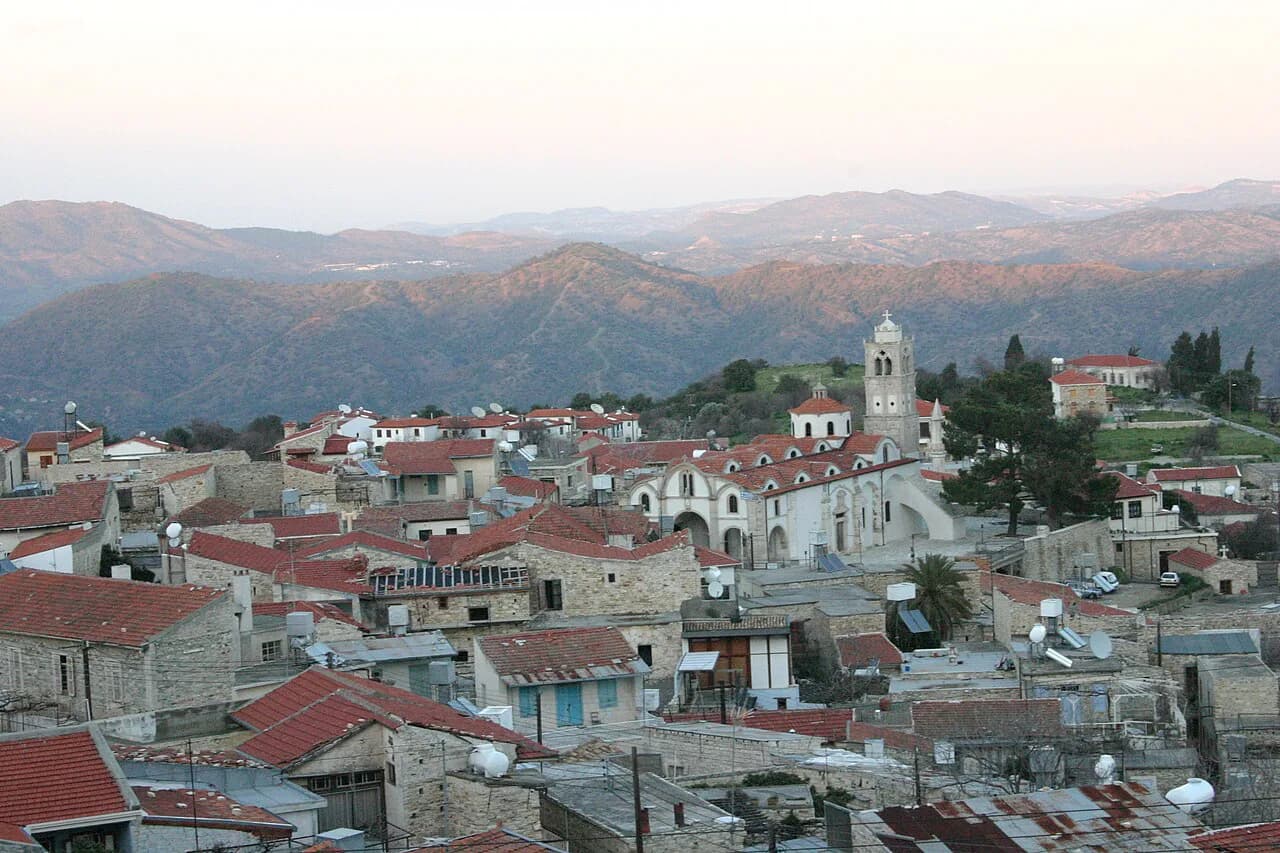
Lefkara is a hill village in the Larnaca district foothills, known for handmade lace called lefkaritika and for silverwork sold from workshops around its central square. Allow half a day for the lanes, the square and at least one workshop; the drive from Larnaca takes under an hour. This guide covers what the village is known for, how Pano Lefkara differs from Kato Lefkara, what to see on foot and how to arrive by car or bus.
What Lefkara is known for
Lefkara's reputation rests on two crafts: lace, known in Greek as lefkaritika, and silver handicrafts. The village name is usually explained as a combination of the Greek words for white and mountains or hills, a reference to the pale silica and limestone of the area.
Lace-making here is not a recent tourist invention: it has been produced in the village since Venetian times, combining local techniques with Greek and Byzantine pattern-making and embroidery methods associated with Venetian women who spent time in the village. A popular story credits Leonardo da Vinci with buying a lace altar cloth for Milan Cathedral in the 15th century; treat that as legend rather than record. What you can see today is the craft itself, demonstrated and sold in the workshops around the square.
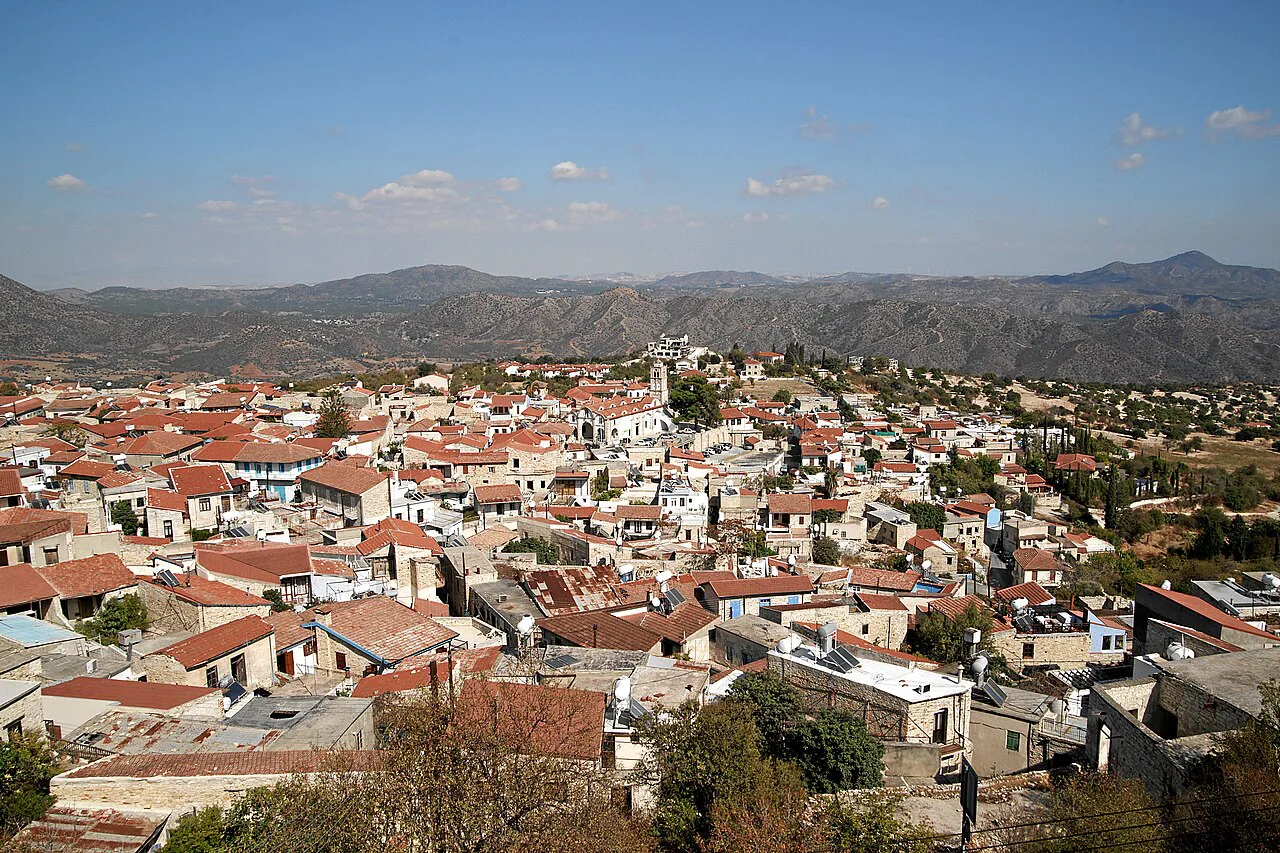
Pano Lefkara or Kato Lefkara: which village you want
Lefkara is split into two villages, and most visitors mean Pano Lefkara, the upper village where the square, the lace and silver workshops and the main churches are. Pano Lefkara sits on the slope with the stone-built centre and the cafes; it is where the tour buses stop and where parking is tightest. Kato Lefkara lies lower down and is quieter, with fewer craft shops and less visitor infrastructure — a sensible add-on on foot or by car if you have time left after the upper village.
If you are coming for the lace and silver, head straight for Pano Lefkara and park as close to the centre as you can; if you are coming for a quiet walk through stone lanes, either village works, but the upper one has the facilities. Check the village name on your navigation before you set off, because the two are distinct destinations on the same hillside.
Lefkara square: the heart of the village
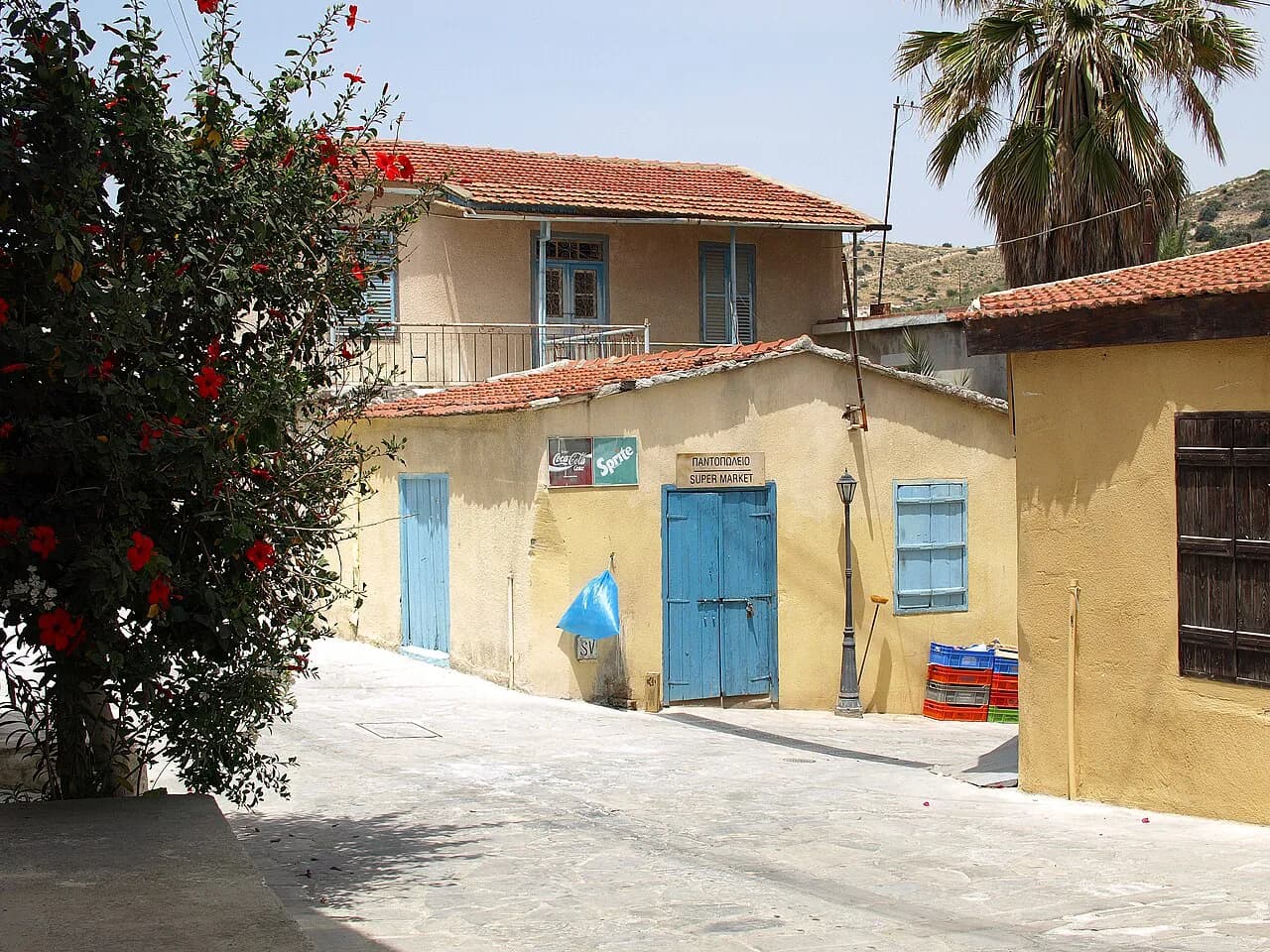
The square is framed by traditional stone buildings with terracotta roofs and flower-hung balconies, and it works as the village's meeting point: artisan workshops, small cafes and locals playing backgammon over Cypriot coffee. Arrive early in the morning and you will see the artisans setting up before the day's visitors arrive, which is also the easiest time to talk to them about the work.
The lanes branching off the square are where the workshops and older architecture are concentrated, so treat the square as a base and walk out from it rather than circling it once and leaving. Parking near the square is free but limited in peak season, so an early arrival pays off twice.
Lace and silver workshops: what you are looking at
Lefkara lace is made in a single-thread method, usually in white or beige, with hemstitching, cutwork, satin stitching and needlepoint edging among the techniques used. Knowing that helps you tell a hand-made piece from a machine copy: look at the regularity of the cutwork and the finish of the edging. Silverwork in the village runs to filigree jewellery, sold alongside lace in the workshops around the centre.
Buying directly from the maker is the point of a visit here; workshops line the square and the side streets, and many artisans will explain the process if you ask. Prices vary by piece and by maker, so compare a few shops before committing to a larger purchase. For more on the craft and where to see it, see the guide to Lefkara Lace.
The churches of Pano Lefkara
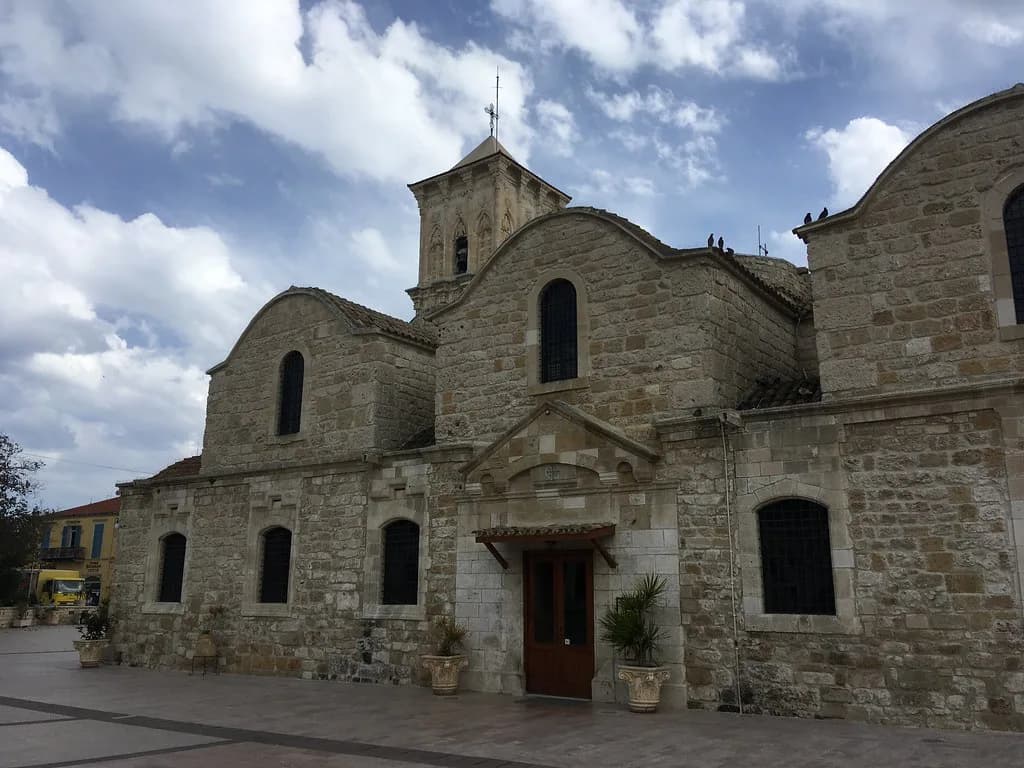
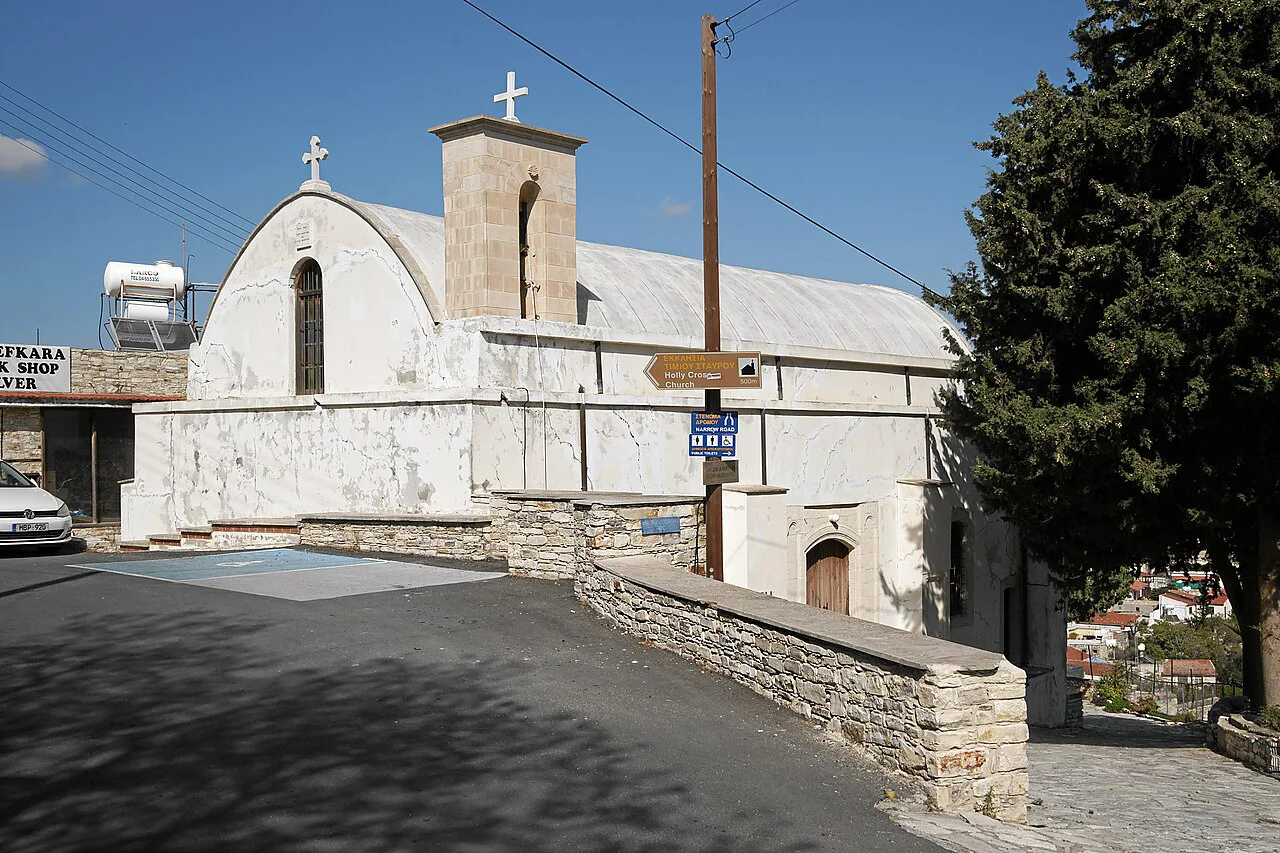
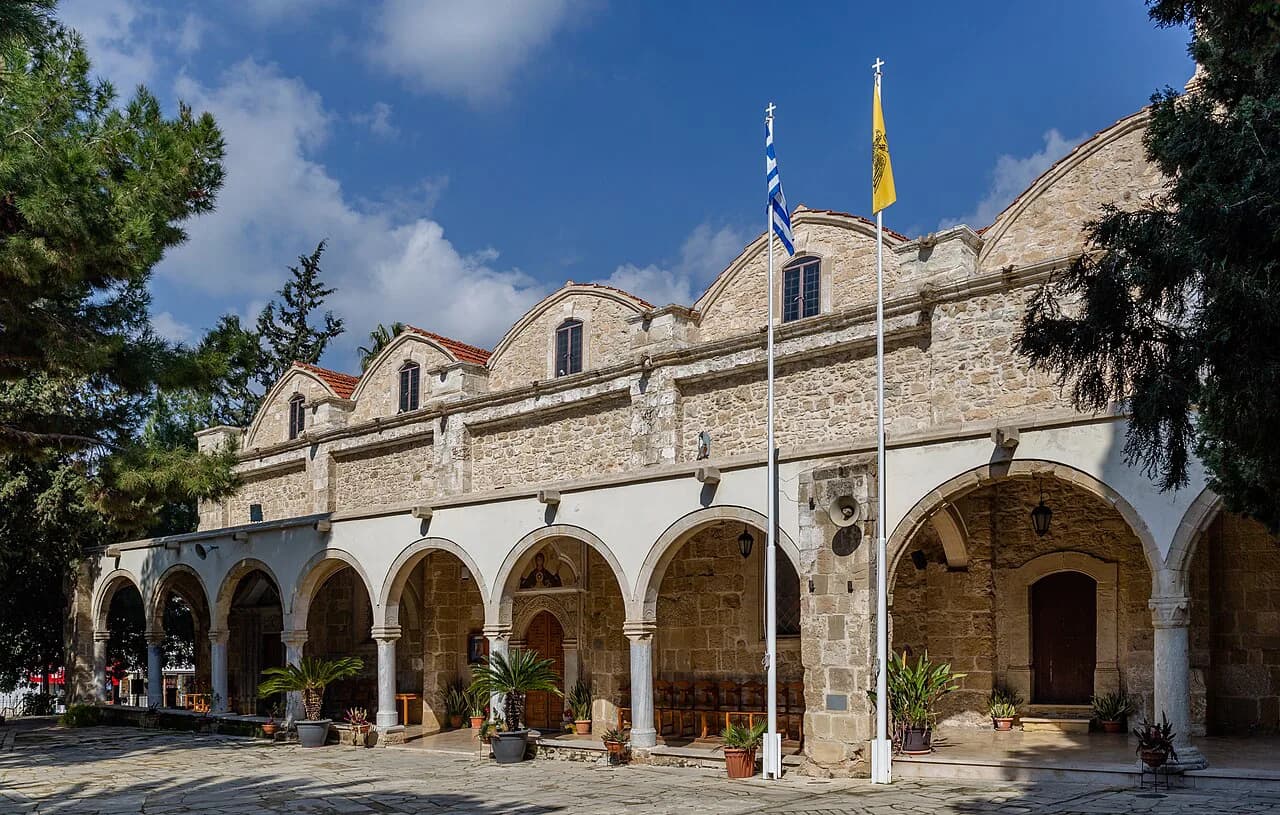
Two churches anchor the village's religious heritage: the Church of the Holy Cross and the small chapel of Saint Paraskevi. Both are part of the fabric of the old centre rather than separate attractions, and they are best visited as you walk the lanes rather than as a standalone stop. Opening hours and any entry charge are set locally and vary; confirm at the door or with the village's visitor information before building your day around a church interior.
The Church of the Holy Cross is the larger of the two and the one most visitors photograph against the stone houses and mountain backdrop. Saint Paraskevi is a modest chapel, easily missed if you are moving quickly. Combine them with the square and the workshops rather than treating them as a separate outing.
Walking the lanes and viewpoints
The pleasure of Lefkara is the walking: cobbled streets, stone houses with overhanging balconies and views over the foothills once you climb away from the square. The lanes are steep in places and the cobbles are uneven, so wear shoes with grip rather than sandals. An hour or two on foot covers the centre comfortably, with more if you push up to the higher lanes for the outlook.
Photographers should aim for the lanes off the main square in the morning, when the light reaches the stone facades and the workshops are opening. Midday summer heat makes the uphill sections harder work than the distance suggests, so plan the climbing for the cooler ends of the day.
How long Lefkara needs, and when to arrive
Half a day is the honest allowance: two to three hours in the village itself for the square, the workshops, the churches and a walk through the lanes, plus the drive each way. Arrive early in the morning to see the artisans at work and to park near the square before the coaches arrive. A late-afternoon visit is quieter but leaves less time in the workshops.
Lefkara sits in the Larnaca district foothills, within reach of the Troodos mountain villages, so it fits naturally into a day that combines a hill village with a drive through the foothills rather than into a beach day. If you are building a Larnaca-district itinerary, pair Lefkara with one nearby village rather than trying to add three. Choosing where to base yourself on the coast is its own decision, so compare the Larnaca Neighborhoods guides before you book.
Getting there by car and parking
From Nicosia or Limassol, take the A1 motorway and leave at the B1 exit signposted for Lefkara; from there, follow the signs up to Pano Lefkara. From Larnaca the drive is shorter and signposted through the foothills, so it is worth knowing your way around the coast and inland before you set off — the Larnaca Neighborhoods: 5 Area Guides help there. Once in the village, designated parking areas sit near the square, and they fill up in peak season — arriving early is the practical fix.
Cyprus drives on the left, and the final approach climbs through narrow village streets, so a smaller car is easier to place than a large one. If you are combining Lefkara with other inland villages, Kalavasos and Tochni are both Larnaca-district stops on a similar loop through the stone villages.
Getting there by bus from Larnaca
The bus route runs in two legs: take the 408 from Larnaca to Kofinou Station, then transfer to the 405 towards Lefkara and get off at the Lefkara High School stop. From there it is a walk of about ten minutes into the centre of the village. Fares are low — quoted at around 1.50 to 3 euros per leg — but treat these as indicative and confirm the current fare and timetable before you travel.
The bus is the cheapest way to reach the village, but the two-leg connection means the journey takes considerably longer than driving, and the service is not designed around a short visit. If your time in Cyprus is tight, a car gives you the flexibility to arrive before the coaches and leave when you are ready.
Taxi and transfer costs from Larnaca
A taxi or ride-share from Larnaca to Lefkara takes roughly 35 to 45 minutes and is quoted at around 40 to 60 euros depending on traffic and time of day. Agree the fare with the driver before setting off, especially for a return trip where you may need to arrange a pickup time. For a group of three or four, the taxi can compare reasonably with the bus once the two-leg connection and waiting time are counted.
There is no station or rank at the village itself, so if you take a taxi out, fix the return leg in advance rather than relying on finding a car in the square. The quoted figures are an indicative range, not a fixed tariff.
Lefkara with Omodos and the wider Larnaca district
Lefkara works best as a half-day stop combined with one other village rather than as a full-day destination on its own. Pairing it with a second village in the foothills gives you lace, silver, stone lanes and mountain scenery in a single loop. A car makes that pairing straightforward; by bus, connections between villages are slow enough that one village per day is the realistic plan.
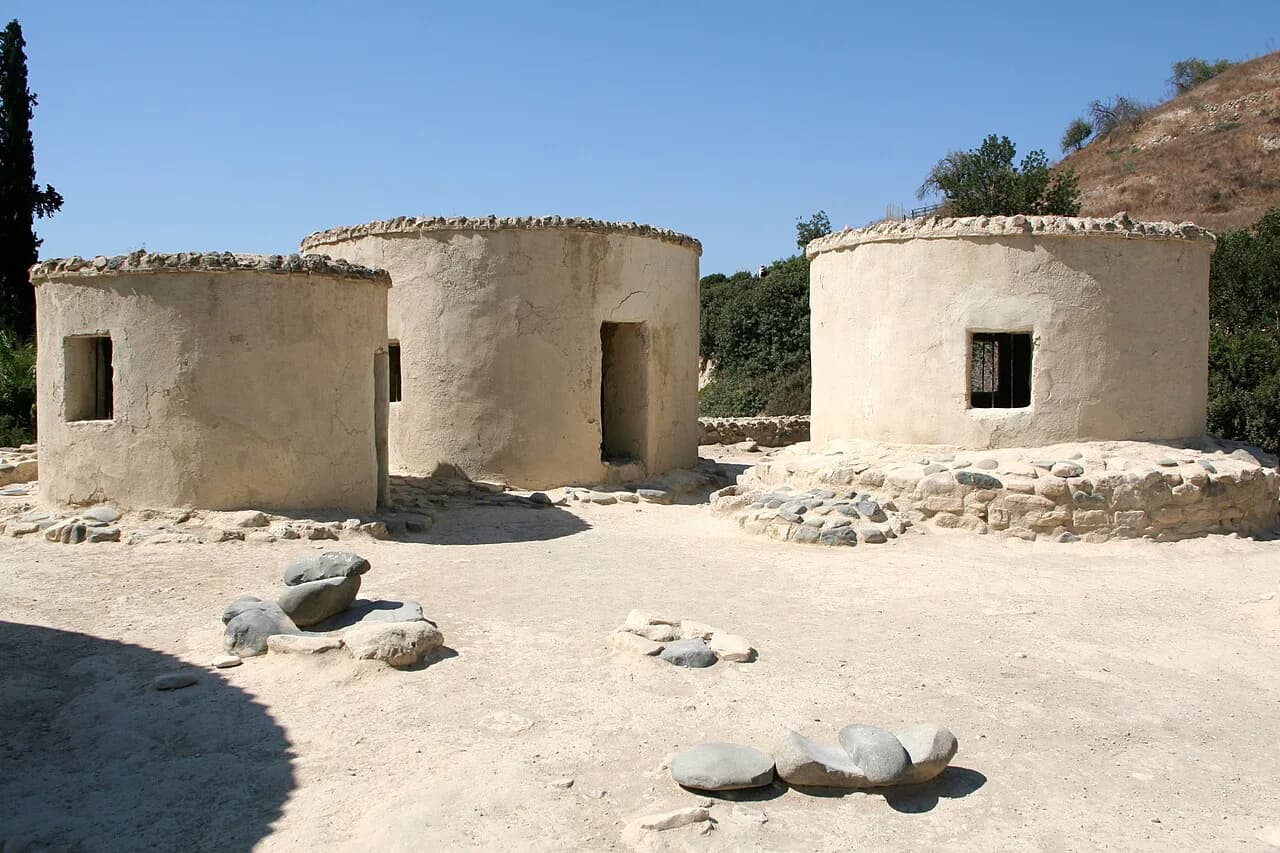
The village sits within reach of the archaeological sites of the Larnaca hinterland. Choirokoitia and Kalavasos are separate outings rather than add-ons to a Lefkara morning. For a wider view of what to do in the area, see the Larnaca attractions guide.
Where Lefkara fits in a Cyprus itinerary
If you are based in Larnaca, Lefkara is an easy inland half-day that breaks up the coastal stops. If you are based in Limassol or Nicosia, it is a natural stop on a drive through the foothills rather than a destination in its own right. Treat it as a craft-and-lanes village, not a ticketed heritage site with timed opening hours, and build in slack for the drive and parking. Picking where to stay on the coast is a separate choice, so weigh the options in these Larnaca Neighborhoods: 5 Area Guides before booking.
Travellers combining coast and mountains often pair Lefkara with the Troodos villages on a long day out; keep the number of stops modest and let the village be the anchor rather than one of five quick photo pauses. The Larnaca attractions hub is a useful starting point for the rest of the district.
Is Lefkara worth the drive inland?
Yes, if you want to see lace and silver made by hand and walk a stone village that has not been rebuilt around tourism. Half a day is enough, the drive from Larnaca is short, and the workshops reward an early start. If you are looking for a beach day or a ticketed heritage site, Lefkara is the wrong stop; if you want craft, lanes and a hill village, it is a rewarding one in the Larnaca district.
Explore more Larnaca guides
- Choirokoitia Neolithic Settlement
- Kalavasos, Cyprus
- Lefkara Lace (Lefkaritika)
- Tochni, Cyprus
- Mackenzie, Larnaca
- Stavrovouni Monastery
- Pierides Museum, Larnaca
- Finikoudes, Larnaca
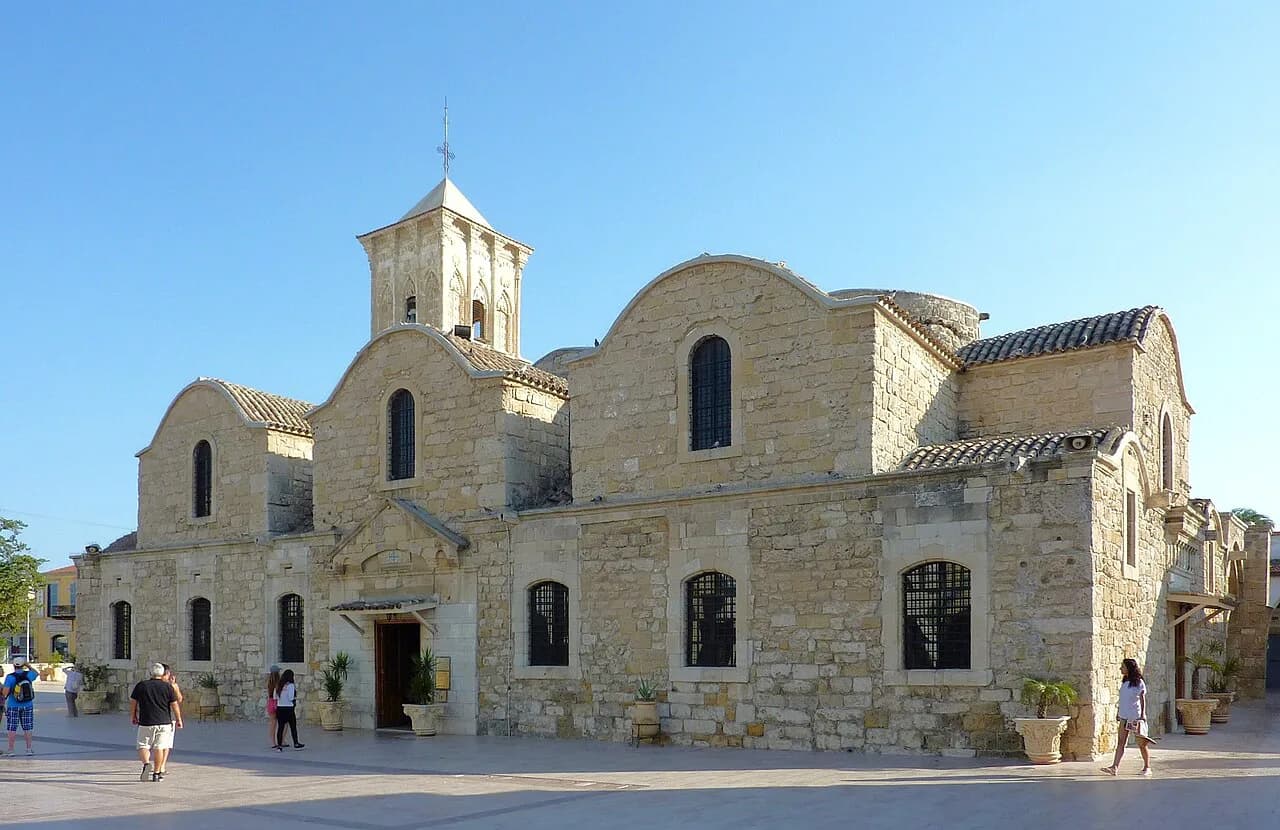
- Church of Saint Lazarus, Larnaca
- Hala Sultan Tekke, Larnaca
- Pervolia, Cyprus
- Kamares Aqueduct, Larnaca
- Zenobia Wreck, Larnaca
- Oroklini, Larnaca
Frequently Asked Questions
What does the name Lefkara mean?
It is usually explained as a combination of the Greek words for white and mountains or hills, referring to the pale silica and limestone of the area.
Do you need a car to visit Lefkara?
A car is the most flexible option and lets you arrive before the coaches. By bus, the route runs from Larnaca to Kofinou Station and then on to Lefkara, with a short walk from the stop into the centre; check the current timetable before you travel.
What is the difference between Pano Lefkara and Kato Lefkara?
Pano Lefkara is the upper village with the square, the workshops and the main churches. Kato Lefkara is the quieter lower village with fewer facilities, so most visitors head for Pano Lefkara first.
Sources
Notes for your Cyprus trip
Optional updates to our Cyprus guides.
You might also like
Continue reading
More guides you'll find useful