
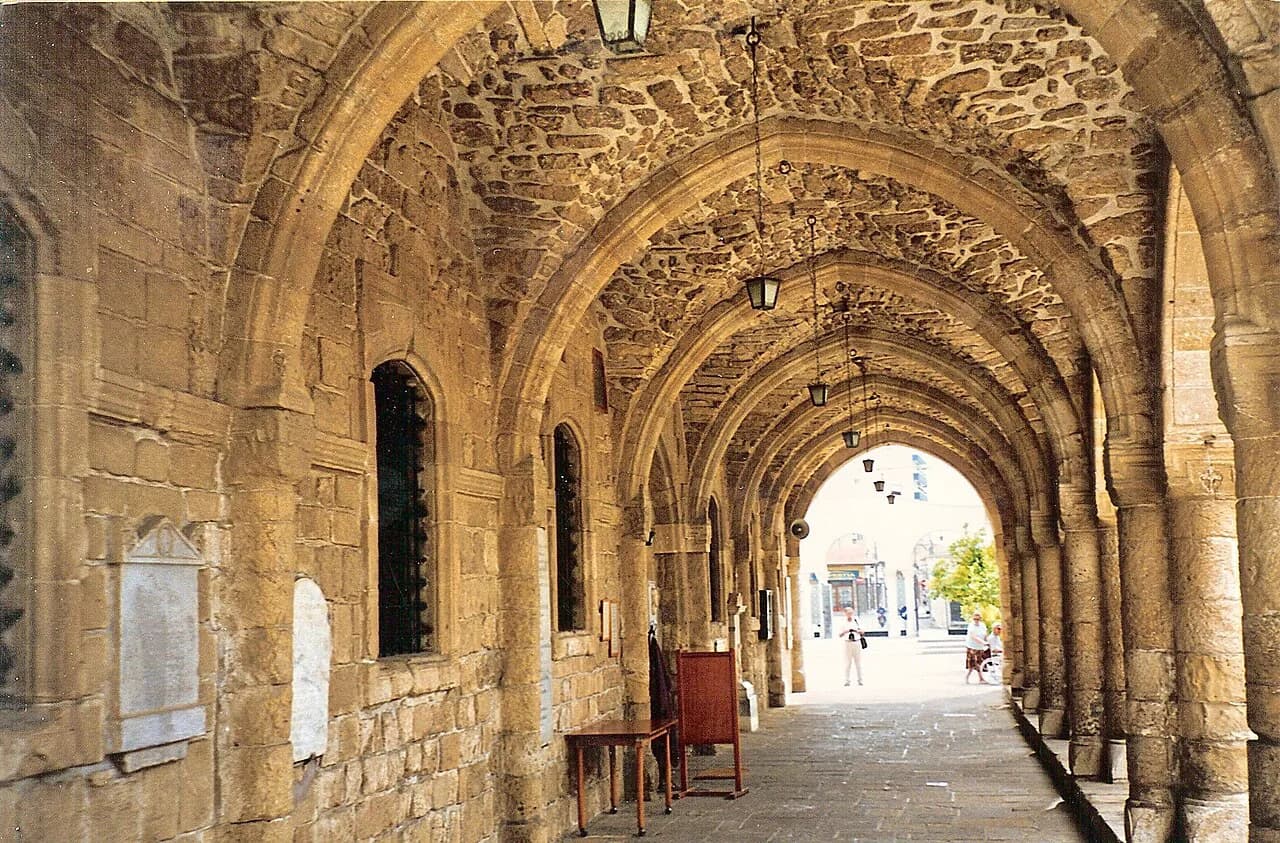
Church of Saint Lazarus, Larnaca: A Visitor's Guide to Agios Lazaros

Allow around 30 to 45 minutes for the Church of Saint Lazarus, the stone church at the centre of Larnaca's old town, built over the tomb of Lazarus. It suits a short, focused visit slotted between the seafront and the castle rather than a half-day outing. This guide covers where the church sits, what to look for inside, dress and behaviour during services, and what is within a few minutes' walk afterwards.
Treat it as a working parish first and a sight second. The church's own site describes it as built on the tomb of the saint, who by tradition became the first Bishop of Kition, and publishes a monthly programme of services. That combination of active worship and open doors shapes how you should plan the visit: check the monthly programme before setting a time, then build the rest of your old-town wander around it.
What the Church of Saint Lazarus is and why it matters in Larnaca
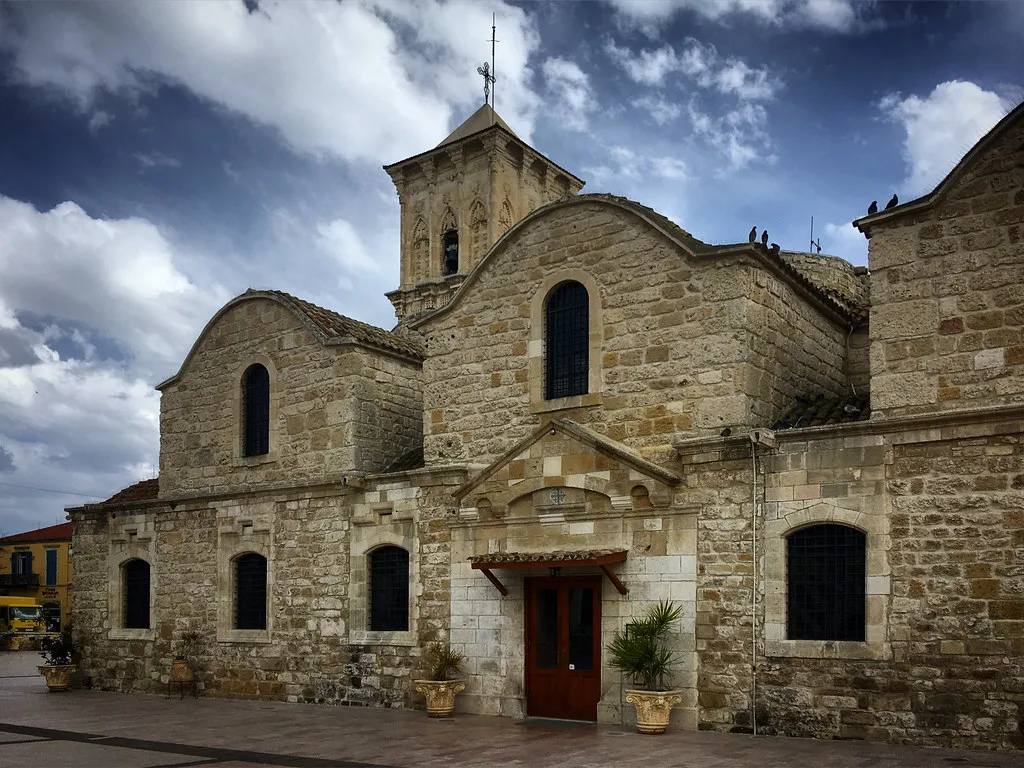
The Church of Saint Lazarus, or Agios Lazaros, is the church Larnaca is built around in the popular imagination: a tall, stone-built Orthodox church standing on the site of the saint's tomb. The parish's own account links the building directly to Lazarus of Bethany, the friend of Christ raised from the dead, and to the early Christian community at Kition, the ancient city beneath modern Larnaca.
It is a parish church rather than a museum, and that matters for timing. Sunday mornings bring a congregation and a service, so quiet weekday slots are easier for looking at the interior. The church publishes its monthly programme, so look at that before you fix a day.
One caution worth repeating: the claim that this is Cyprus's oldest church circulates widely online, but it is not something the parish states. Do not build a visit around that label; come for the tomb, the interior and its setting in the old town instead.

Where the church is in Larnaca old town and how to reach it on foot
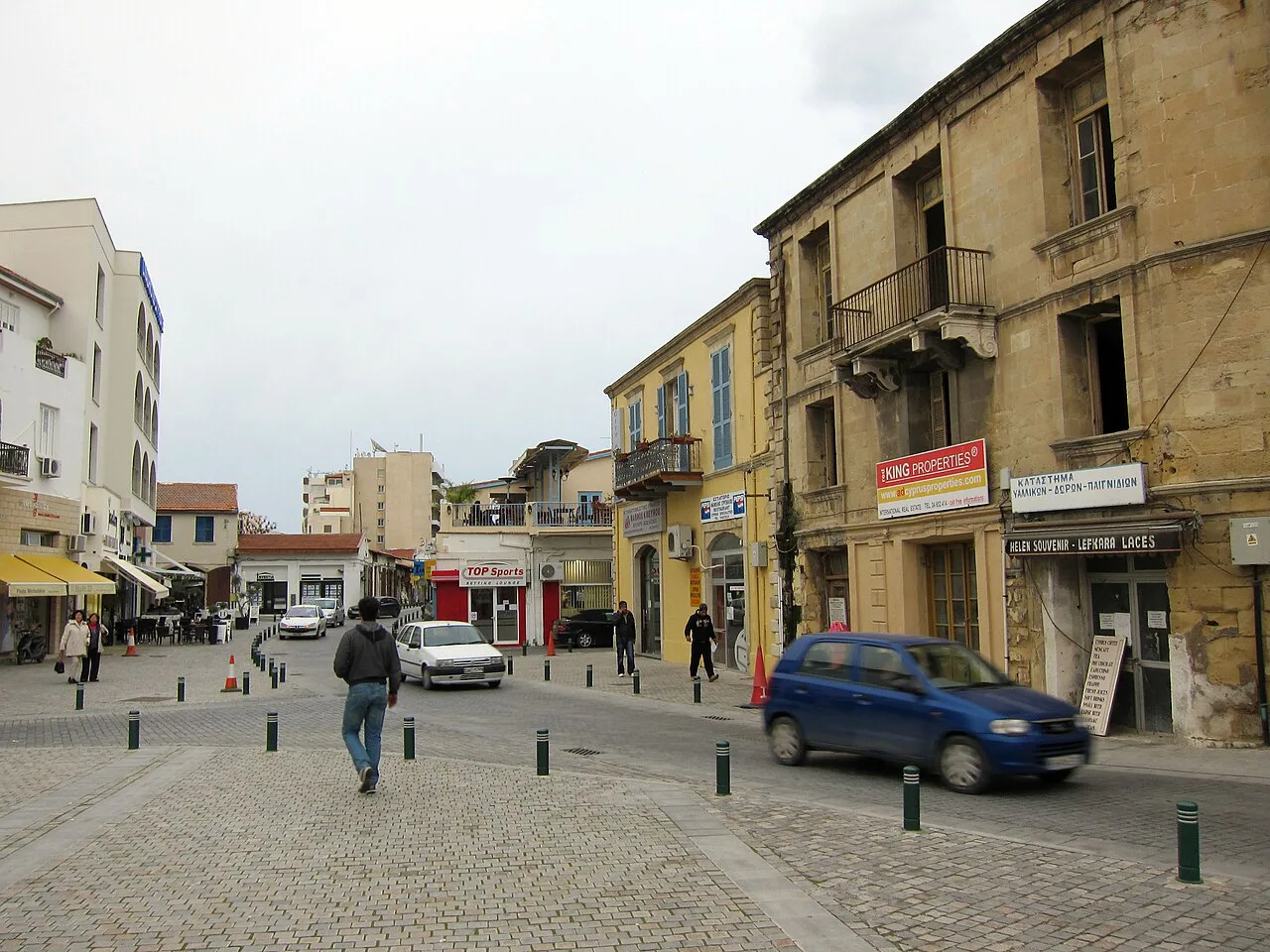
The church stands in the old town, a few minutes inland from the Finikoudes seafront, in a knot of narrow streets that is easily walked. From the seafront promenade, head inland past the shopping streets and look for the church square; the building's height and stone tower make it a landmark you can navigate by.
Most visitors reach it on foot from the seafront hotels, the marina or the bus stops along the waterfront, which makes a car unnecessary for this part of town. If you are driving, park near the seafront or the old town edge and walk in, since the streets around the church are tight and one-way in places. The wider selection of nearby sights is set out in the Larnaca Attractions: 11 Visitor Guides, which puts the church in context with the castle, the museums and the salt lake.
Because the church sits in the middle of the old town, it pairs naturally with a general wander. If you are weighing up what else to do on the same day, the things to do in Larnaca list covers the seafront, the salt lake and the museums without dragging you out of the centre.
The church's history in brief: the tomb of Lazarus and the see of Kition
The traditional story ties the church to Lazarus of Bethany, who according to the parish account came to Cyprus and served as the first Bishop of Kition. The church is built over what tradition identifies as his tomb, which is the reason the building exists on this spot rather than elsewhere in town.
That link to Kition is what gives the church its weight in Larnaca: the ancient city lies beneath the modern town, and the church is the most visible Christian monument in that story. The present building is often described online as ninth-century Byzantine in origin, but the parish's own account does not date it, so treat the exact date as background rather than a fact to quote at the door.
What to see inside: the tomb, the iconostasis and the church treasures
The tomb of Lazarus is the focal point, usually reached by a short descent, and it is the one thing to make sure you see before leaving. Above it, the nave is dominated by a tall iconostasis, the screen of icons separating the sanctuary from the congregation, which is the visual centrepiece of an Orthodox church of this size.
Allow time to look slowly at the icons, the carved woodwork and the hanging lamps, which are the details most visitors rush past. Keep voices low and avoid flash photography during services. The church is an active place of worship, so behave as you would in any parish church at prayer rather than as a museum visitor.
Opening hours and entry: what to confirm before you go
One third-party visitor listing gives opening hours of 8am to 6.30pm, but the parish does not publish visitor hours, so treat those times as a rough guide. Check the church's own site or ask at your accommodation on the day, particularly on Sundays and feast days when services take precedence.
Entry is not something the parish publishes in a way you can rely on from a distance, so do not budget a ticket price and do not assume the church is free either. If a charge applies on the day, it will be clear at the door.
How long to allow and the best time of day to visit
Thirty to forty-five minutes covers the tomb, the nave and a slow look at the iconostasis without hurrying. Add another fifteen minutes if you want to sit quietly, and longer if a service is in progress and you stay to listen. The church is small enough that two hours would be padding.
Mornings are calmer and cooler, and weekday visits avoid the Sunday congregation. In high summer the old town bakes by early afternoon, so pair the church with a shaded walk to the castle rather than a long stretch in the sun. Service times follow the parish programme rather than a fixed tourist timetable, so check the monthly schedule before picking your slot.
Dress and behaviour inside an active Orthodox church
Cover shoulders and knees, take hats off, and keep voices down; this is a parish at prayer, not a gallery. Women often cover their heads with a scarf in Orthodox churches, though it is not always required, and the safest approach is to follow what the congregation around you is doing. Photography is generally tolerated outside services but should be quiet, without flash, and never in someone's face during prayer.
If a service is underway, stand near the back and do not walk through the centre of the nave. Sunday liturgy draws a full church, and visitors are welcome to observe but not to treat it as a photo opportunity. The parish's monthly programme tells you when services are scheduled so you can plan around them.
What is nearby: Larnaca Castle, the seafront and the old town streets
Larnaca castle sits at the seaward end of the old town, a short walk from the church and a natural next stop if you want another slice of the town's history. The streets between the two are full of small shops and coffee stops, so the walk itself takes longer than the distance suggests.
The seafront at Finikoudes is a ten-minute walk away and makes an easy finish, with the promenade and its palm-lined front providing the classic Larnaca view. If you have a car, the Larnaca salt lake and its trail, and the Hala Sultan Tekke on its shore, are a short drive out of the centre and fit neatly into the same afternoon.
The Pierides museum Larnaca, a private collection in the old town, is another short walk and a good indoor option when the heat peaks. Farther afield, the Zenobia wreck in Larnaca Bay draws divers, and the Mazotos camel park is a family stop on the road towards Larnaca Airport, both of which need a car and a half-day rather than an hour.
Is the Church of Saint Lazarus worth the detour?
Yes, if you are already in Larnaca: the church is central, the tomb of Lazarus is an unusual thing to stand beside, and half an hour is enough to see it properly. It is not worth a special journey from Paphos or Ayia Napa on its own, but as part of an old-town morning with the castle and the seafront it earns its place.
Build the visit around a weekday morning, dress modestly, and check the parish's monthly programme before you go so you do not arrive mid-liturgy. Keep the rest of the day light: the seafront, the castle and one museum are a full and satisfying Larnaca day without adding anything else.
Explore more Larnaca guides
Frequently Asked Questions
Why did Lazarus go to Cyprus?
By tradition, Lazarus of Bethany left the Holy Land after the raising of Lazarus and came to Cyprus, where he became the first Bishop of Kition. The parish of Agios Lazaros in Larnaca maintains that tradition and identifies the church as built over his tomb.
Is the Church of Saint Lazarus the oldest church in Cyprus?
That claim circulates online but is not something the parish states, so it is safer not to treat it as established. The building is often described as ninth-century Byzantine in origin, but the parish's own account does not date it, so check at the church itself if the date matters to you.
Can you visit the tomb of Lazarus inside the church?
Yes, the tomb is the focal point of a visit and is usually reached by a short descent from the nave. Access can be affected by services, so time your visit for a quiet weekday slot rather than a Sunday morning.
What should I wear to the Church of Saint Lazarus?
Cover shoulders and knees, remove hats, and keep voices low. Women often cover their heads with a scarf in Orthodox churches, though it is not always required, so follow the congregation around you. Avoid flash photography during services.