
Stavrovouni Monastery: What to See and How to Visit

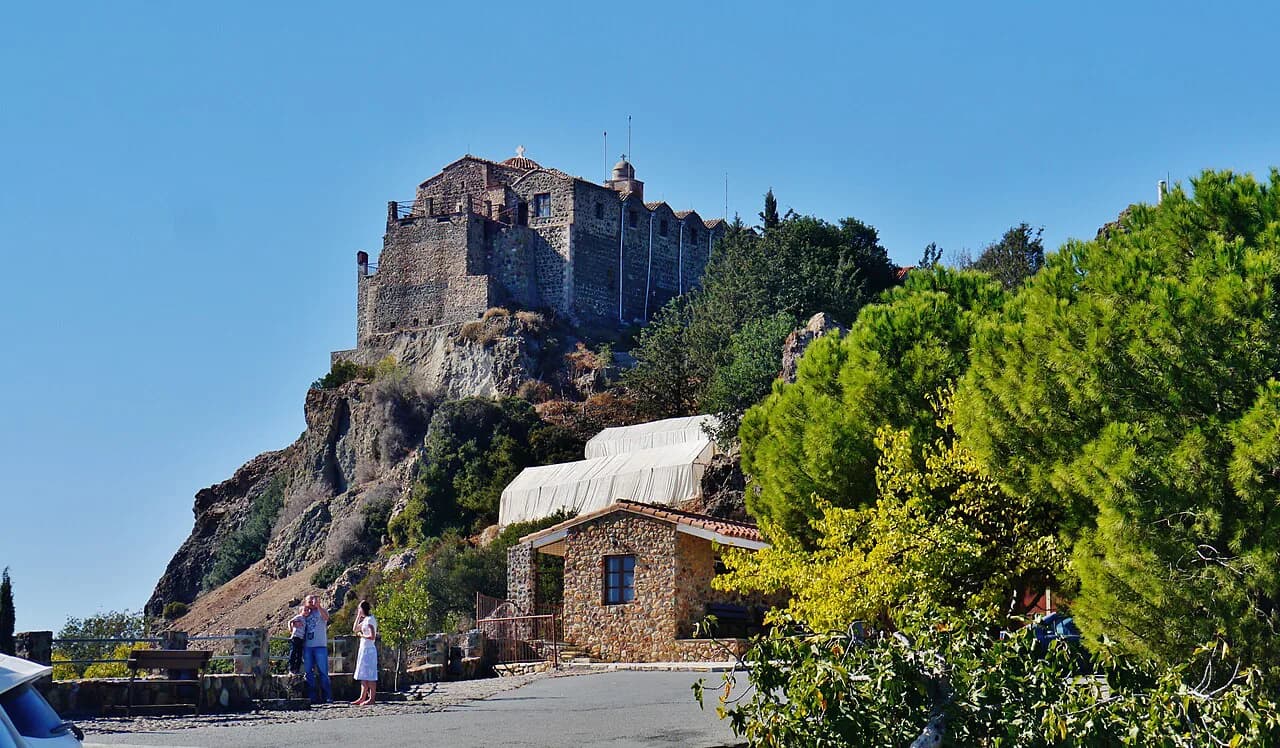
Stavrovouni Monastery is a Greek Orthodox monastery on a hilltop in Cyprus, founded in the 4th century by Saint Helena, mother of Constantine the Great, and traditionally associated with a fragment of the True Cross. Men may enter the monastery itself; women are welcome at the chapel nearby but not inside the monastic enclosure, a rule to know before you set out. This page covers where the monastery sits, how to drive there from Larnaca, what you can see, and how much time to allow.
What Stavrovouni Monastery is and why it matters
The name means "Mountain of the Cross", and the monastery is one of the oldest in the world, dating to roughly 327 to 329 AD according to the traditional founding account linked to Saint Helena. It is a working Greek Orthodox monastery, not a museum: monks live here in isolation, following centuries-old Orthodox traditions of prayer and contemplation. For Orthodox Christians it is a place of pilgrimage; for other travellers it is a quiet, historically weighty stop with a panoramic position.
Tradition holds that the monastery once housed a fragment of the True Cross, the cross on which Jesus was crucified, and it remains one of the few places where a piece of the Holy Cross is said to be kept. Treat that as the site's tradition rather than a verified fact, and keep expectations modest: the monastery is small, austere and atmospheric rather than richly decorated. The appeal lies in the setting, the silence and the sense of continuity. That is the reason to come, and the reason to give it time rather than rush through.
Where it is: the summit above the Mesaoria plain
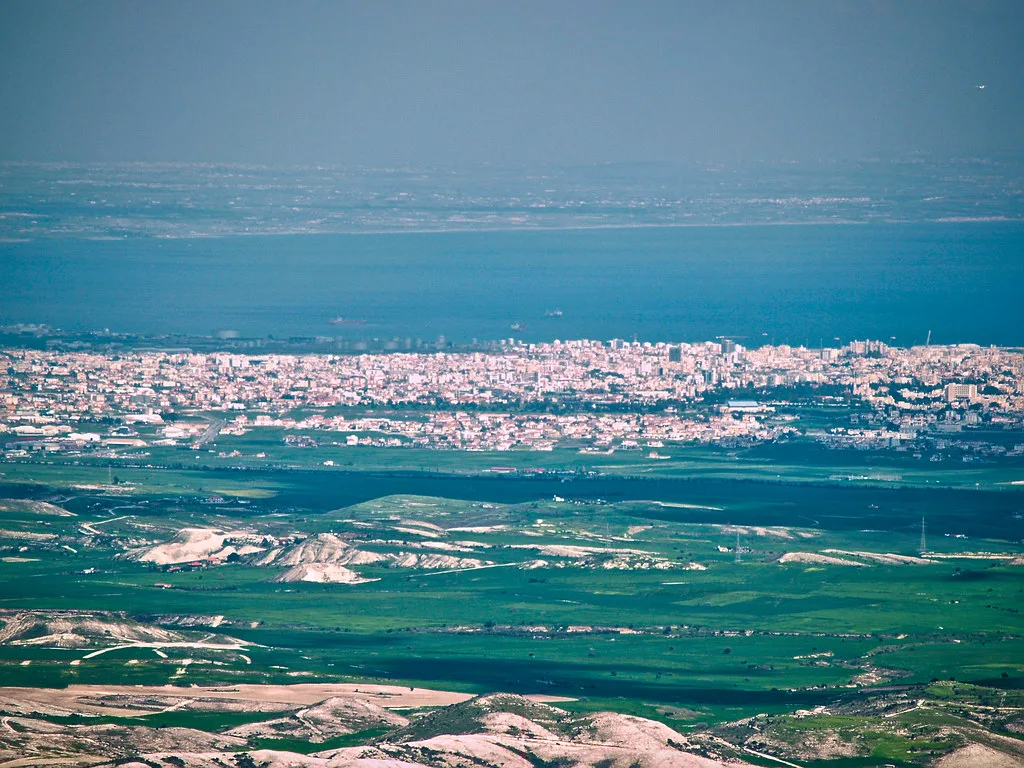
Stavrovouni rises over 700 metres above sea level on a solitary hill, with views across the Mesaoria plain and down to the southern coastline of Cyprus. The monastery sits at the top, reached by a winding mountain road, so the approach is part of the experience rather than a formality. Coming from Larnaca, the drive climbs inland into the hills; the exact distance and drive time depend on your route, so check a map before setting off. The reward at the summit is that wide, open panorama, best on a clear day.
Because the site is inland and uphill, it pairs naturally with a day based around Larnaca, the obvious base for the drive. If you are planning several stops on the coast around the city, see the Larnaca Attractions: 11 Visitor Guides for the wider set of places to slot around the monastery. The monastery itself is a half-day excursion at most, so build the rest of the day around it rather than the other way round.
How to get there: self-drive is the practical choice
The monastery is reached by a winding mountain road, and a car is the sensible way to do it: you control the timing, and you can stop for the views on the climb. Drive on the left, as in the UK and Ireland, and take the ascent steadily; the road bends and climbs for much of the approach. Fuel up before you leave the coast, since services thin out once you are on the mountain road. No bus route or timetable for the monastery is covered here, so do not plan around public transport without confirming it locally.
To plan the surrounding drive, keep the coast landmarks in mind. The Mazotos Camel Park sits inland from the coastal road south of Larnaca Airport, which makes it a plausible add-on before or after the climb if you are coming from that direction. Allow for slower driving on the mountain section rather than treating the monastery as a quick detour.
Who can enter: the men-only rule and the chapel
Inside the monastery, entry is restricted to men; women are not permitted to enter the monastery itself but are welcome at the chapel nearby. This is a religious rule of a living monastic community, not a ticketing quirk, so check before you travel who in your group can go where and plan the stop around that. Men who do go in will find a strict monastic environment that still follows centuries-old Orthodox traditions. The chapel gives women in the party a place to visit while the men go inside.
If the split affects your plans, think about who is driving and how the group will wait; the chapel area is small, so do not assume there is a visitor centre or cafe to fill an hour. The visit is short for everyone, which makes the restriction easier to work around. Come with that expectation and the stop works for mixed groups.
What to see: the monastic setting and the views
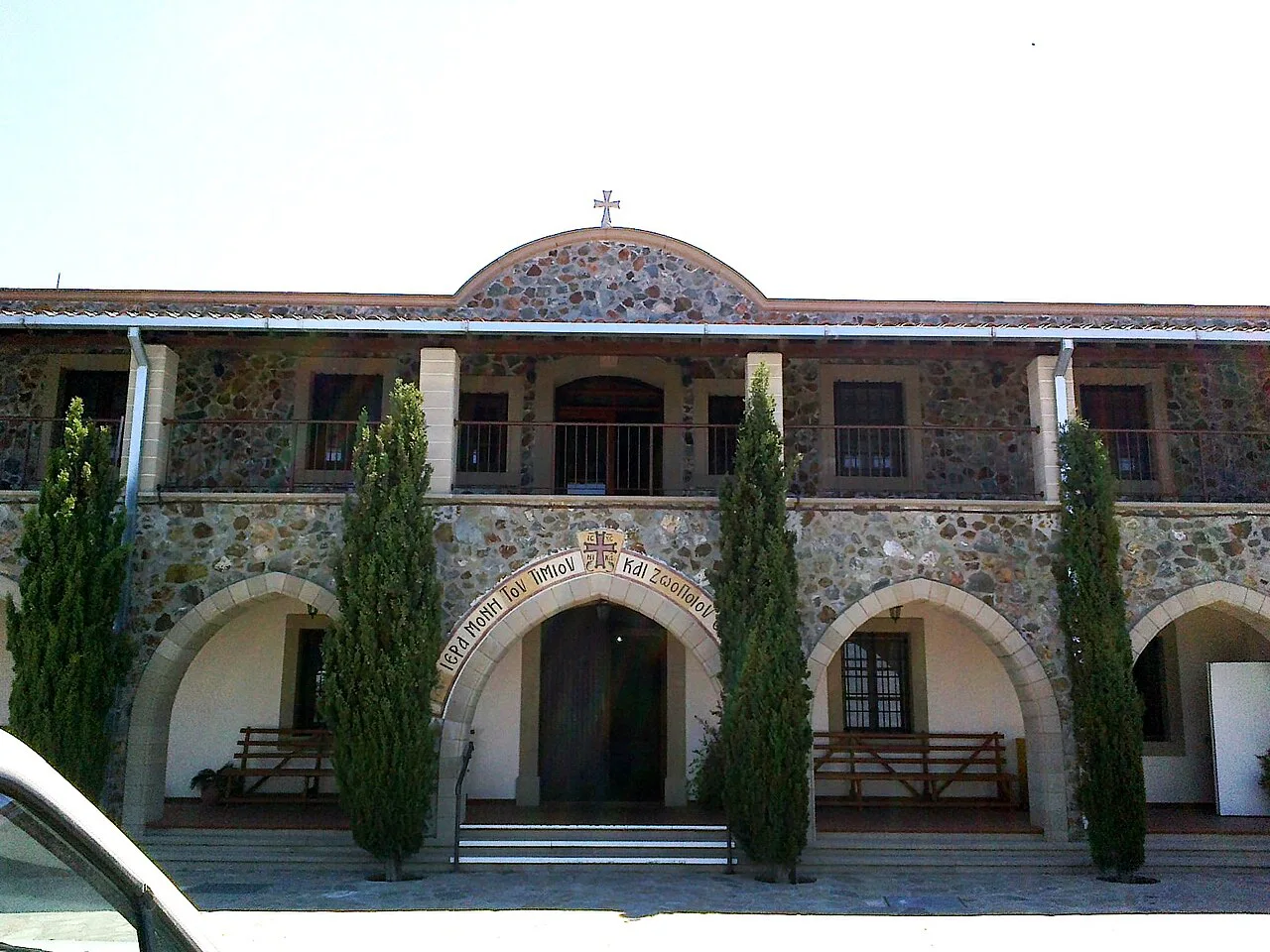
Inside, expect stone walls, incense, simplicity and silence rather than a sequence of sights to tick off; the corridors and chapels give a glimpse into a spiritual world largely untouched by tourism. The relic tradition is the devotional heart of the place, but the experience is contemplative rather than interpretive, so go slowly and look rather than read. Outside, the hilltop position delivers the views across the plain and coastline that justify the climb.
The summit and its outlook are the obvious subjects for photographs of the place; a stock collection of Stavrovouni Monastery images gives a sense of the building and its setting before you go. Keep the camera respectful inside the monastery and follow any instructions from the monks on where photography is permitted. The building is modest in scale, so the outer views and the mountain setting carry much of the visit.

How long to allow and when to go
Budget a short visit: the monastery is small, and an hour or so at the summit covers the chapel, the enclosure and the views. The larger cost is the drive up and back, so treat the trip as a half-day from Larnaca rather than a full-day outing. Summer heat on the exposed summit is the main practical complaint; the hill is high and open, with little shade on the approach and around the outside of the building. Go early in the day, carry water, and avoid the middle of a hot afternoon.
The atmosphere is quiet and monastic, so aim for a calm visit rather than a busy one and keep voices low. Check opening hours and any closed days with the monastery before you commit to the drive, since hours for general visitors are not confirmed here. Weekday mornings are the least rushed choice for a contemplative site like this.
Etiquette and dress for an active monastery
This is a working monastery, so dress modestly: shoulders and knees covered, and no beachwear, for men and women alike. Keep voices low, do not photograph monks without permission, and accept that some areas are closed to visitors as part of the monastic rule. Women should expect to stay in the chapel rather than the monastery itself. The monks live in isolation and dedicate their lives to prayer, so behave as a guest in someone's home rather than a tourist at an attraction.
What to pair with the visit
Because Stavrovouni takes only a short part of the day, plan the rest around Larnaca. In the city, the Church of Saint Lazarus is the obvious companion stop: a historic Orthodox church in the town centre with a different, more urban atmosphere than the mountain monastery, and an easy add-on to a Larnaca day.
On the coast, the Zenobia Wreck, Larnaca is a famous dive site rather than a land stop, so it suits travellers who plan to dive on another day. Back on land, Hala Sultan Tekke sits by the Larnaca salt lake and makes a calmer, easy pairing with the city's church sites.
Opening hours, tickets and access: where to check
Hours and any closed days are set by the monastery, so confirm them directly before you drive out rather than relying on an old listing. The same goes for any access restrictions around feast days or religious services, when the community's own observance takes priority over visitors. Check with the monastery itself for the day you plan to visit.
Is Stavrovouni worth the drive from Larnaca?
Yes, if you go for the setting and the silence rather than a packed sightseeing list: the climb, the summit views and the sense of a place in continuous use since the 4th century are what make it memorable. Go with a mixed group only if the women in your party are content with the chapel, and give it a half-day with the drive included. Check the day's opening details with the monastery before you set out.