Things to Do in Larnaca: Old Town, Seafront and Sites
What to do in Larnaca, grouped by area: the old town and Finikoudes seafront, Larnaca Castle, Agios Lazaros, the Kamares aqueduct and the salt lake.
On this page
Larnaca suits a single well-planned day, and a comfortable two if you add the salt lake, the aqueduct and the villages towards Cape Kiti. Almost everything worth seeing sits within a walkable band between the Finikoudes seafront and the old town, so you can build a route on foot rather than a taxi itinerary. This guide groups the sights by area, marks which are free and which are ticketed, and explains where the castle and museums eat into your time.
The seafront and Finikoudes: promenade, palm-lined strip and Larnaca Castle
Start on the palm-lined Finikoudes Promenade, the strip that runs along the sandy town beach with Europe Square and its Municipal Art Gallery set just behind it. It is the natural orientation point for a first morning: the sea on one side, cafes and benches on the other, and the medieval castle waiting at the end of the strip. Walk it once without stops to fix the layout, then double back to whatever caught your eye.
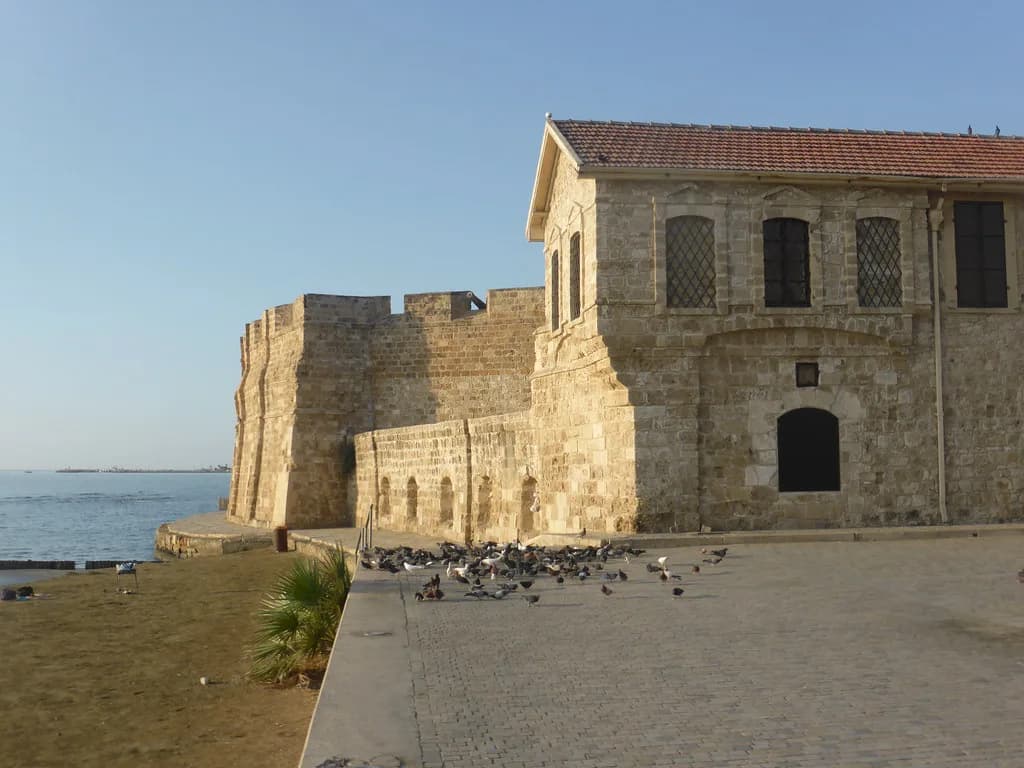
Larnaca Medieval Castle sits right on the waterfront close to the centre, a Crusader foundation rebuilt by the Ottomans in the 17th century and later used as a fortification and prison. Today it holds an archaeological museum with exhibits tracing the city's history, so the ticket buys you both the walls and the collection. Opening hours vary, so confirm times with the castle before you build your day around it.
The stretch is also where the town's free sightseeing lives: the promenade, the fishing boats at the old harbour and the storytelling statues along the front, where QR codes on monuments such as Hippocrates and Cypriot Pan play audio on your phone. Budget an hour for the walk alone and longer if you enter the castle. For a structured route with the stops in order, follow a self-guided Larnaca walking tour rather than improvising.
The old town: Agios Lazaros church, Ermou Street and the Turkish Quarter
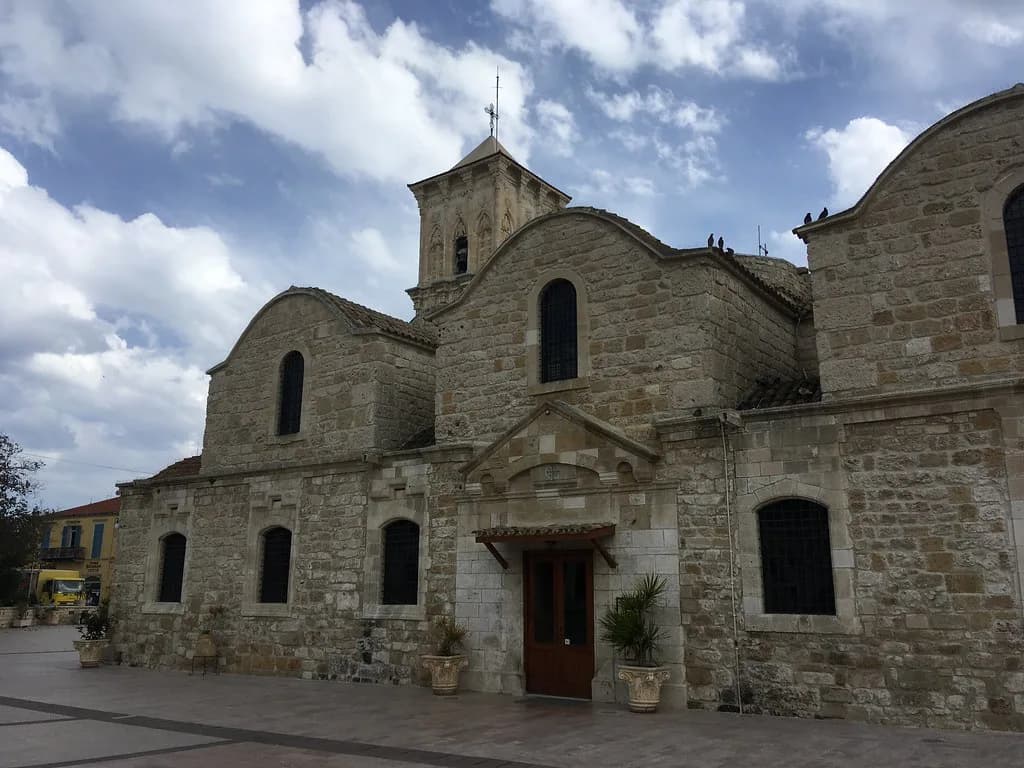
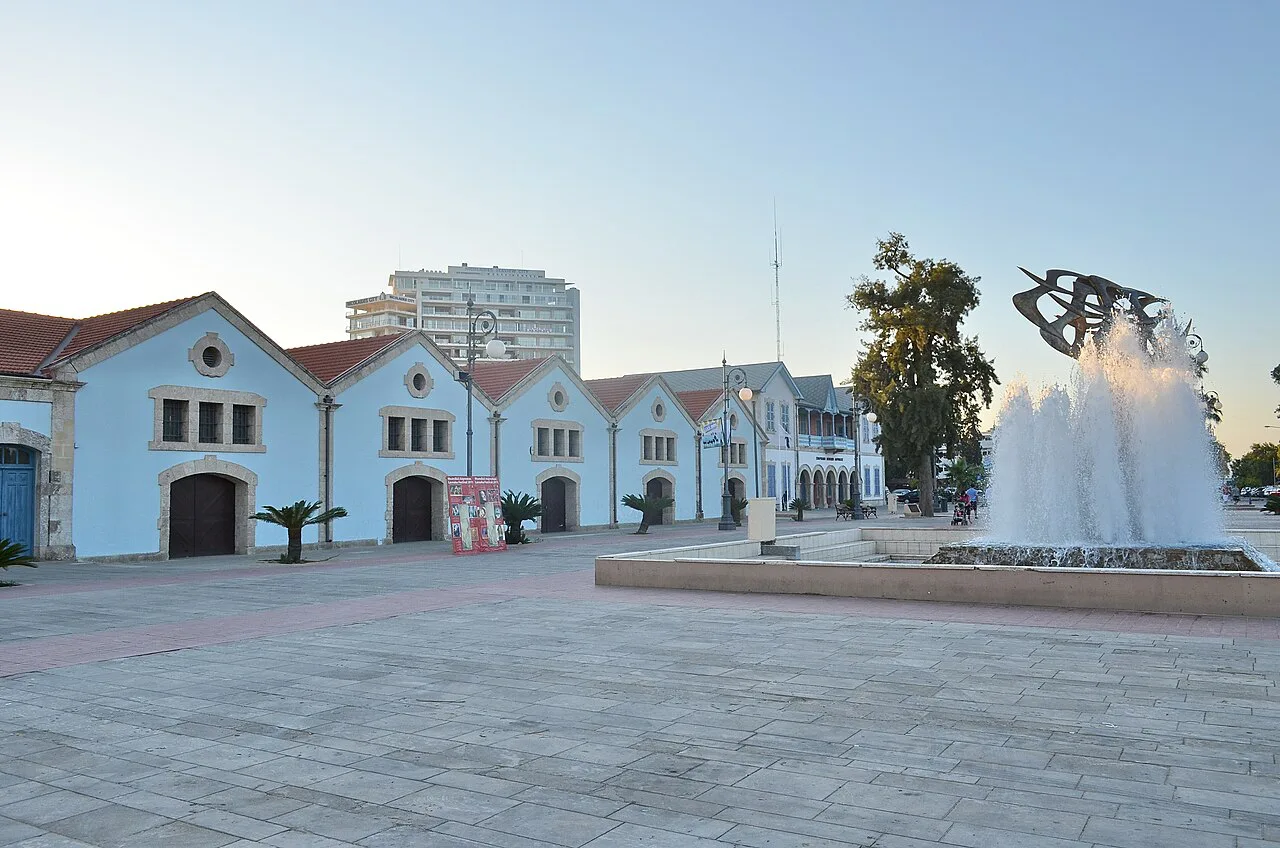
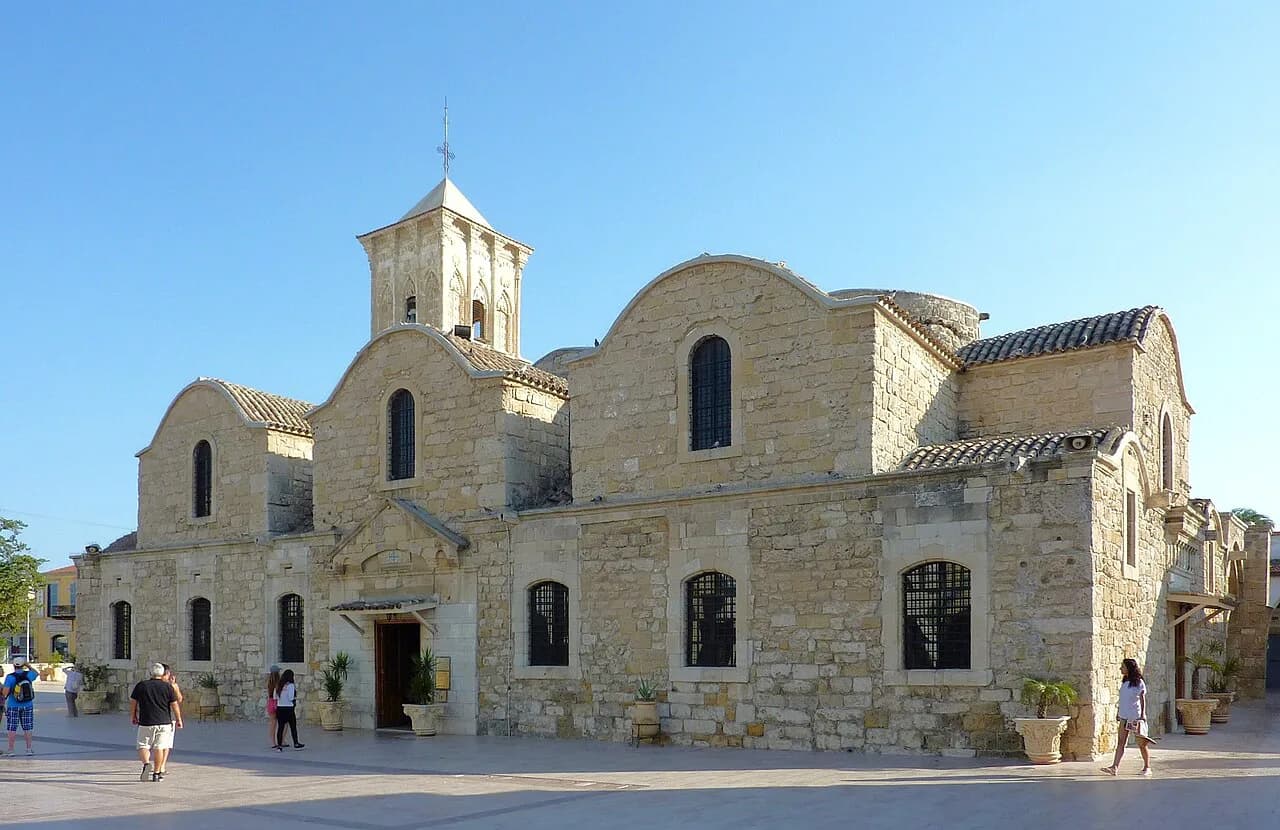
Inland from the seafront, the Larnaca old town is compact and best taken slowly. The Church of Saint Lazarus, an outstanding piece of Byzantine architecture built in the 9th century, is the anchor: step inside for the Orthodox icons and Catholic woodcarving that sit side by side in a town where Greek and Turkish Cypriot traditions meet. Allow twenty minutes inside and a little longer to circle the surrounding lanes.
Ermou Street is the shopping spine, running through the centre with designer shops and the Larnaca Art Workshops Neighbourhood nearby, where you can watch sculptors and painters at work and buy handmade lace, silverware or pottery. The old Turkish Quarter and the lanes around the church reward aimless wandering more than a checklist. If churches are your interest, there are several more small ones worth a look across the centre.
Museums: the castle museum, Pierides Museum and the Municipal Museum of Natural History
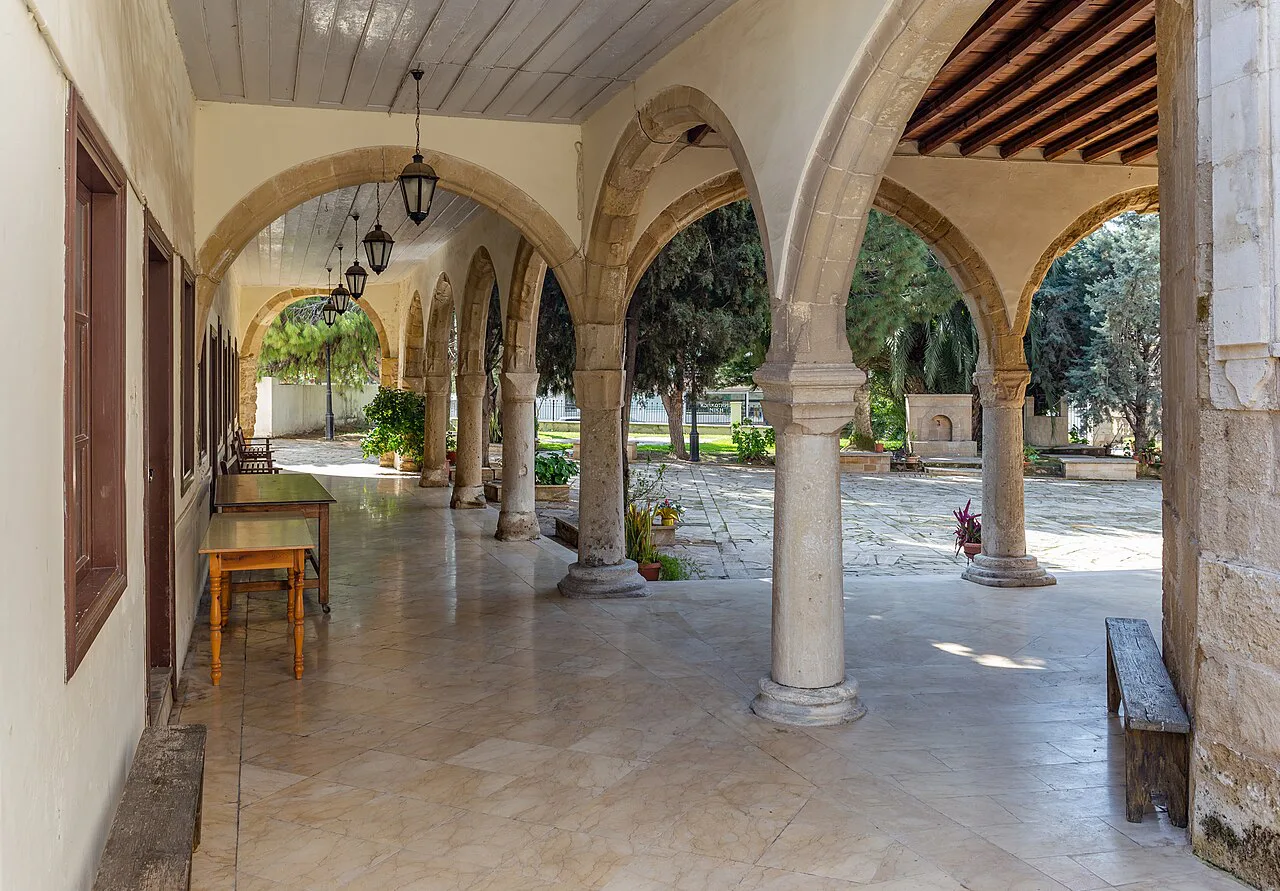
Larnaca's museums are small and individually quick, but together they can swallow a half day. The Pierides Museum is a private collection founded by the Pierides family and covers Cypriot history and culture through ceramics, jewellery, handicrafts and art from antiquity to modern times, which makes it the strongest single stop for context. The castle museum covers the same ground through the story of the town itself.
For something different, the Municipal Museum of Natural History in the Municipal Gardens displays Cypriot flora and fauna, including native birds and insects, and sits beside a playground that makes it an easy family pause. Skyscanner notes free entry at the Municipal Historical Archives Museum, where coin and photo displays cover local history, and lists quirkier options such as the Kyriazis Medical Museum and the Salt and Pepper Museum. Pick two of these rather than all of them.
Kamares aqueduct and the salt lake with Hala Sultan Tekke
West of the centre, the Kamares Aqueduct is an 18th-century Ottoman water channel whose stone arches are now a landmark and a popular spot for views over the surrounding area. It works best as a short stop en route to the salt lake rather than a destination in itself. Come for the arches and the photographs, not for an exhibition.
Larnaca Salt Lake surrounds Hala Sultan Tekke, an 18th-century mosque holding the tomb of Umm Haram, and the combination is the town's most atmospheric corner. Pink flamingos gather on and around the lake in winter, which Skyscanner treats as a seasonal reason to book a winter trip rather than a year-round fixture. Outside those months the lake is quiet landscape, not a wildlife spectacle.
Plan the two together: the aqueduct, then the lake and the mosque, which fills an afternoon if you linger. For route planning, a Larnaca Map for Visitors helps because the lake spreads over a wide area and the walking distances between its edges are longer than they look.
Diving the MS Zenobia and boat trips from Larnaca Marina
The MS Zenobia, a Swedish cargo ferry that sank in 1980, is one of the world's best-known dive wrecks and lies off the coast of Larnaca, now home to turtles, grouper and barracuda. Treat it as a licensed dive-site experience arranged through a dive operator from the marina, not a casual swim or snorkel. If you do not dive, glass-bottom boat trips offer a dry look at the same water.
Boat trips leave from the Larnaca Marina area, and many are seasonal, so match your dates to what is actually sailing rather than assuming a daily departure. A boat trip is the obvious way to see the coastline from the water if diving is not for you.
Pervolia and Cape Kiti beyond the centre
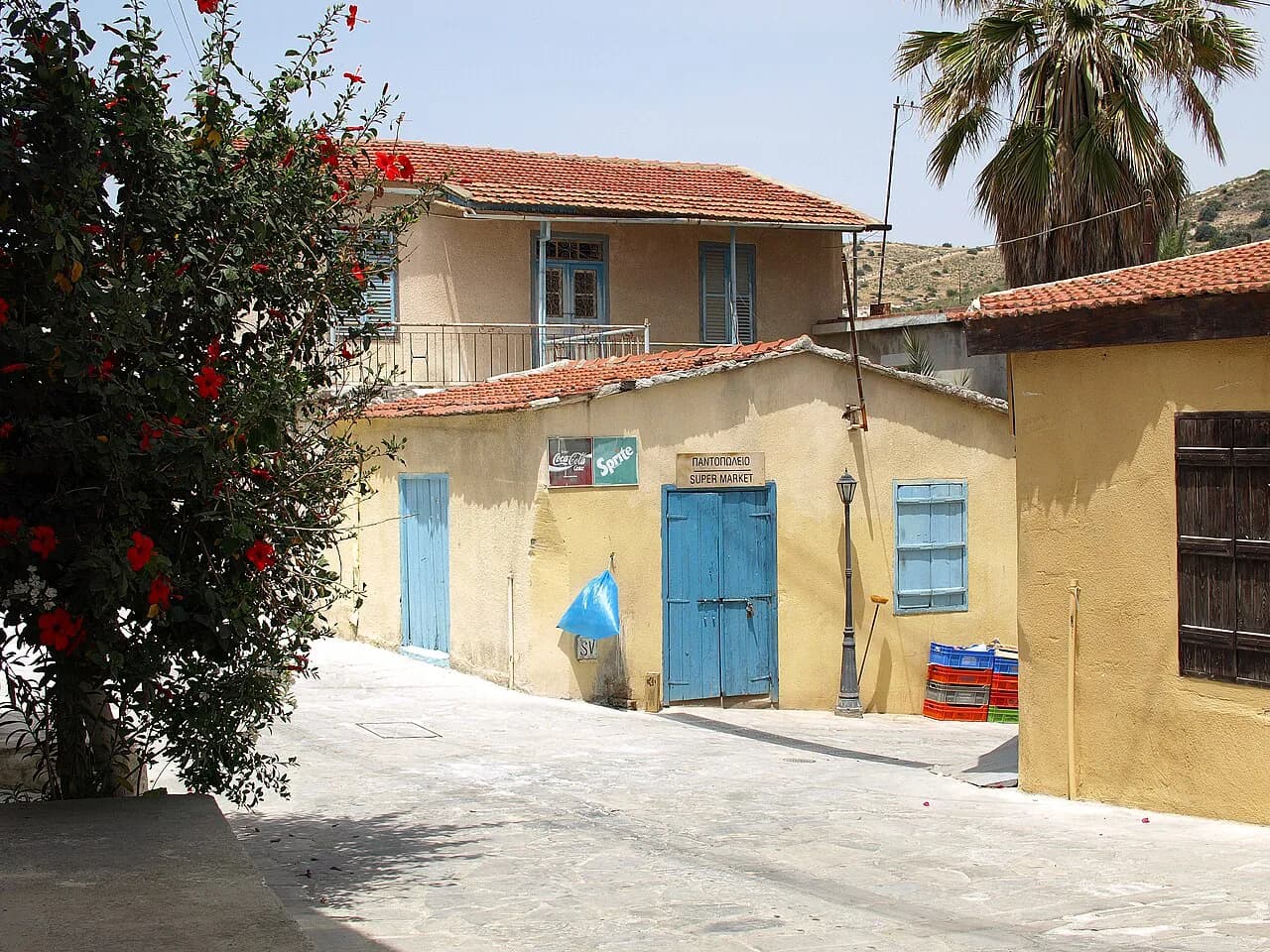
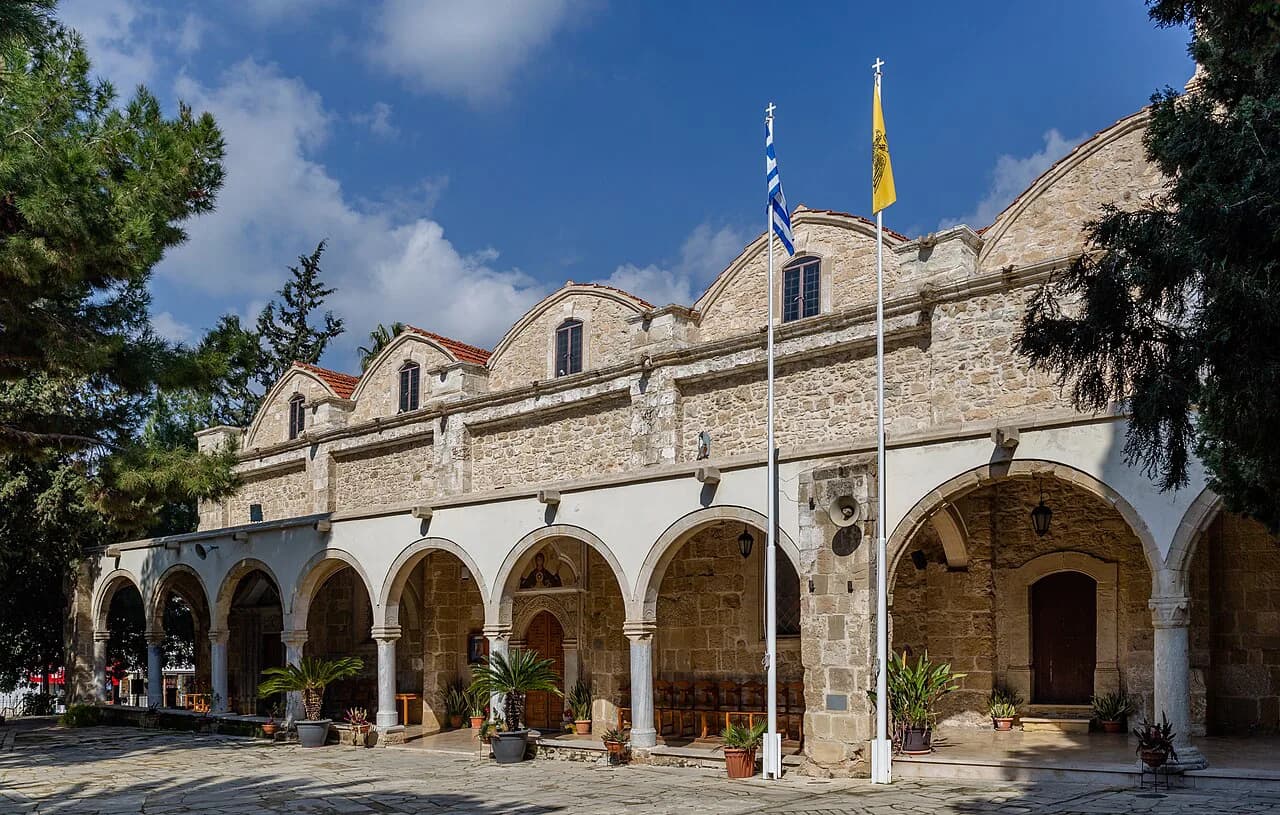
Past the airport to the south-west, the village of Pervolia makes a calm half-day out with historical landmarks including the Venetian Watchtower and the Faros Lighthouse on Cape Kiti. The Byzantine Agios Leontios church is the other reason to come, and a coastal pathway links the village to the sea for cycling or an easy walk. This is the Larnaca to choose when you want local life and quiet beach time instead of the town's bustle.
You need wheels for this one: the village is a drive from the centre rather than a walk, and the roads to Cape Kiti are not well served by a quick bus hop. Combine Pervolia with the salt lake on the same loop so the car earns its keep.
How long Larnaca needs, and when to go
For the centre alone, a full day covers the promenade, the castle, Agios Lazaros, Ermou Street and a museum or two at a comfortable pace. Three hours is enough only to see the sights from outside without entering the castle or any museum, which is a real trade-off rather than a shortcut. Add a second day if you want the salt lake, the aqueduct and Pervolia without rushing.
May to October is high season and June to August is hot and humid, so plan the walking and the castle for the morning and keep the middle of the day for museums or the beach. September and October stay warm with cooler evenings as the month turns, and the shoulder months bring pleasant temperatures and occasional rain. Winter is mild and quieter, and it is the only window for the flamingos on the salt lake.
Getting around Larnaca and where the areas sit
The seafront and old town sit side by side and are walkable, so most of a day needs no transport at all. The salt lake and aqueduct are a short drive west, and Pervolia is a longer drive south-west, which is why a hire car is the practical option for the outer sights rather than relying on buses. The centre is a maze of one-way lanes, so park once and walk.
Cyprus drives on the left and the Republic uses the euro, so UK and Irish drivers settle in quickly and prices are quoted in euros. Waterfront parking fills early in summer, and the marina and harbour area is the obvious base for anything on the water.
If you are staying in Larnaca and want a contrast, the beaches and Cape Greco at the eastern tip of the island make an easy day out by car. Larnaca works as a base for that corner of the island as well as for its own sights.
Half day or full day in Larnaca?
Choose a half day only if you are passing through: walk the promenade, see Agios Lazaros and stop at the salt lake and aqueduct by car. A full day buys you the castle museum, the Pierides Museum and a slower old-town wander, which is where Larnaca rewards you most. Confirm the castle's opening hours before you commit to that plan.
For a second day, add Pervolia and Cape Kiti, or a boat trip from the marina if one is sailing during your stay.
Explore more Larnaca guides
- Churches in Larnaca
- Free Things to Do in Larnaca
- How Many Days in Larnaca? One, Two or Three Days
- Larnaca Boat Trips
- Larnaca Flamingos
- Larnaca Harbour
- Larnaca History
- Larnaca Itinerary
- Larnaca Map for Visitors
- Larnaca Marina
- Larnaca Old Town
- Larnaca Promenade
- Larnaca Sunset
- Larnaca Walking Tour
- Larnaca Weather in August
- Larnaca Weather in July
- Larnaca Weather in October
- Larnaca Weather in September
- Museums in Larnaca
- One Day in Larnaca
- Shopping in Larnaca
- Things to Do in Kyrenia
- Things to Do in Limassol
- Things to Do in Nicosia
Frequently Asked Questions
Is Larnaca expensive?
Museums and the castle charge modest entry fees, while the promenade, the aqueduct arches and the salt lake cost nothing to see, so a day can be as cheap or as costly as you make it. Check current ticket prices with each site before you go.
What are some free things to do in Larnaca?
The Finikoudes Promenade, the storytelling statues along it, the Kamares Aqueduct arches, the salt lake and the fishing boats at the old harbour all cost nothing. Entry to the Municipal Historical Archives Museum is also free.
What is there to do in Larnaca in winter?
Winter is the only time pink flamingos gather on the salt lake, which makes it the seasonal highlight. The town is mild and quieter, and museums and the castle remain open.
Where is the best area to stay in Larnaca?
Finikoudes puts you in the middle of the promenade, the beach and the castle, while Mackenzie suits beach time and Pervolia suits a quiet break. Where you base yourself depends on whether you want town life or a calmer coastal stay.
Sources
Notes for your Cyprus trip
Optional updates to our Cyprus guides.
You might also like
Continue reading
More guides you'll find useful