Larnaca History: What to See of Cyprus's Oldest Living City
Larnaca history for visitors: a short timeline from ancient Kition to the modern town, tied to the sites, churches and streets you can still see today.
On this page
Larnaca's history is best read on foot: the city has been continuously inhabited at the same location for more than 4,000 years, and its historic core is flat and compact enough to cross in an afternoon. This guide links each layer of that past to a named site you can visit, from the ancient kingdom of Kition to the church of St Lazarus, the salt lake and the lanes behind the seafront.
Expect a working town rather than a museum set piece. The ancient city lies under and beside modern streets, the medieval and Ottoman centuries survive mainly in a handful of buildings and place names, and the landscape at the town's edge carries as much history as the centre. Plan the day around what survives, not around a complete sequence of monuments.
What Larnaca's history means for a visit
The practical advantage of Larnaca for a history-minded visitor is geography. The city abides by the sea on its east side, with the salt lakes and the international airport to the south, and it is relatively flat, which the municipality presents as ideal conditions for walking and cycling. That makes the historic centre and the waterfront easy to combine on foot rather than by car.
The surviving fabric is spread across three zones: the seafront and the streets immediately behind it, the church of St Lazarus in the commercial centre, and the salt lake with Hala Sultan Tekke on the town's southern edge. Treat them as one loop rather than separate excursions, and leave the middle of the day out of your walking plan in high summer.
For the full spread of sites, including museums and the castle, start with our guide to the things to do in Larnaca and use this page to put them in order.
Ancient Kition: the city beneath the modern streets
Larnaca stands on ancient Kition, also rendered Cition or Citium, and the city's long occupation of one site is the reason archaeology turns up in the middle of ordinary streets. Larnaca became part of the European Union with the rest of Cyprus on 1 May 2004, and today it is the easternmost city of the enlarged union.
The city's ancient pedigree is unusually well documented in its own claims: Larnaca is the birthplace of Zenon of Kition, a major philosopher of the ancient world, and of Apollonios of Kition, a physician of the first century BCE. Both names are worth knowing because local signage and museum labels use them freely, and they anchor the abstract idea of ancient Kition to real people.
Expect to meet the ancient layers in fragments, in the archaeological collections and in the street plan, and plan your time accordingly rather than saving a whole morning for one excavation.
Roman and early Christian Larnaca: St Lazarus
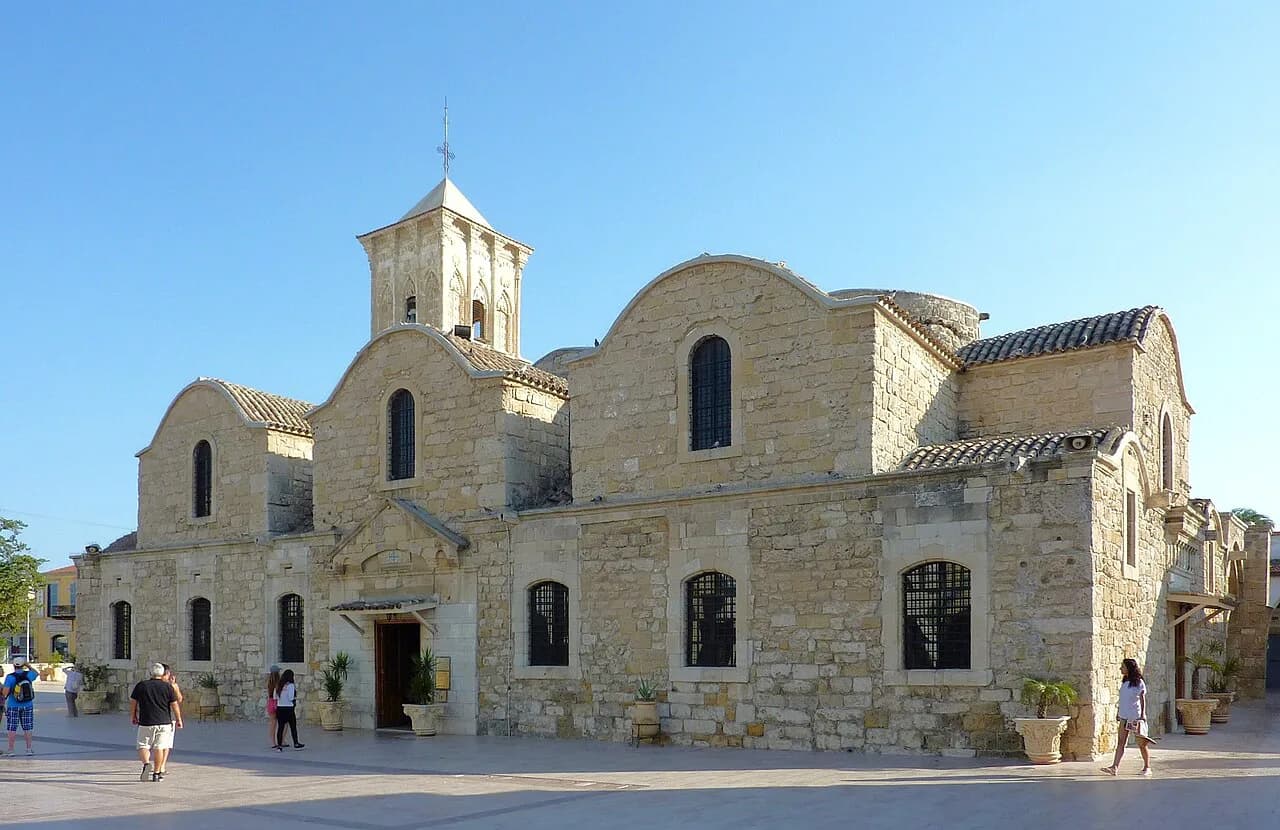
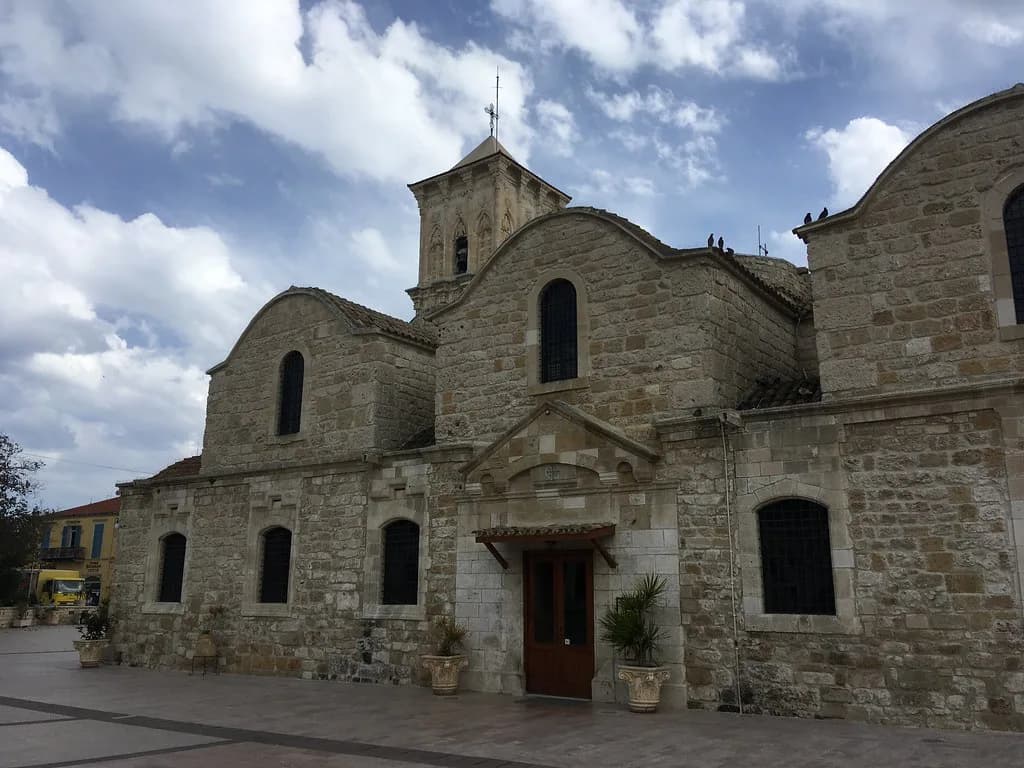
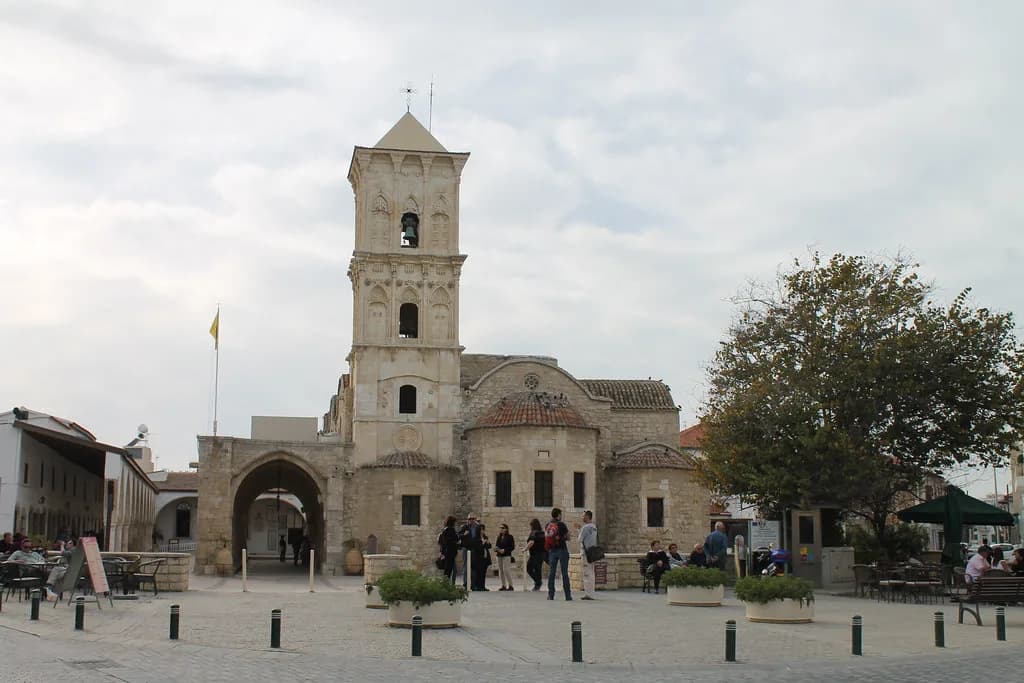
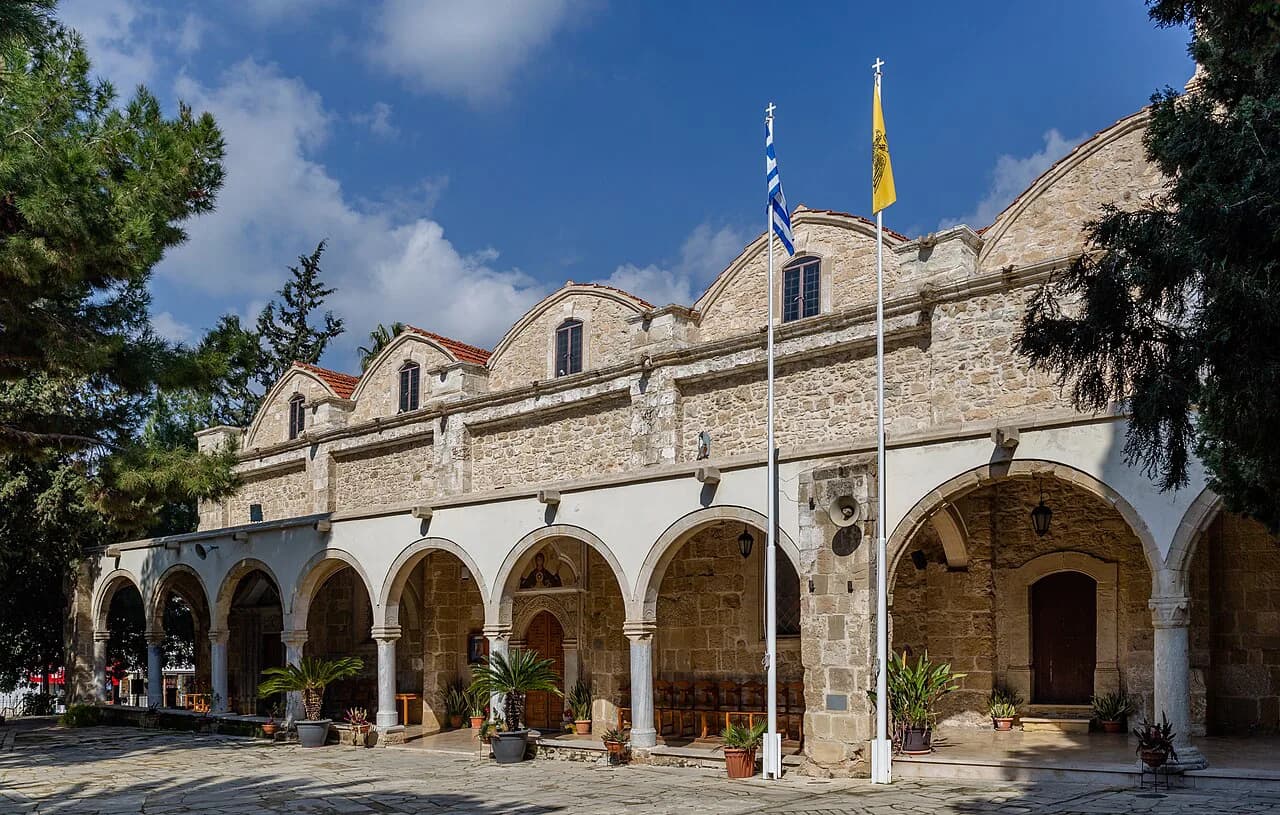
The strongest single anchor of Larnaca's early Christian story is St Lazarus, who according to the city's own account chose to live here after his resurrection. The church dedicated to him sits in the commercial centre, and the lanes around it work as the hinge of the old town as much as the waterfront does.
Use the square as your starting point for a walk, then work downhill towards the sea through the commercial streets. This route puts the church first, when it is quietest, and delivers you to the promenade for the second half of the day.
Medieval and Byzantine layers beyond the centre
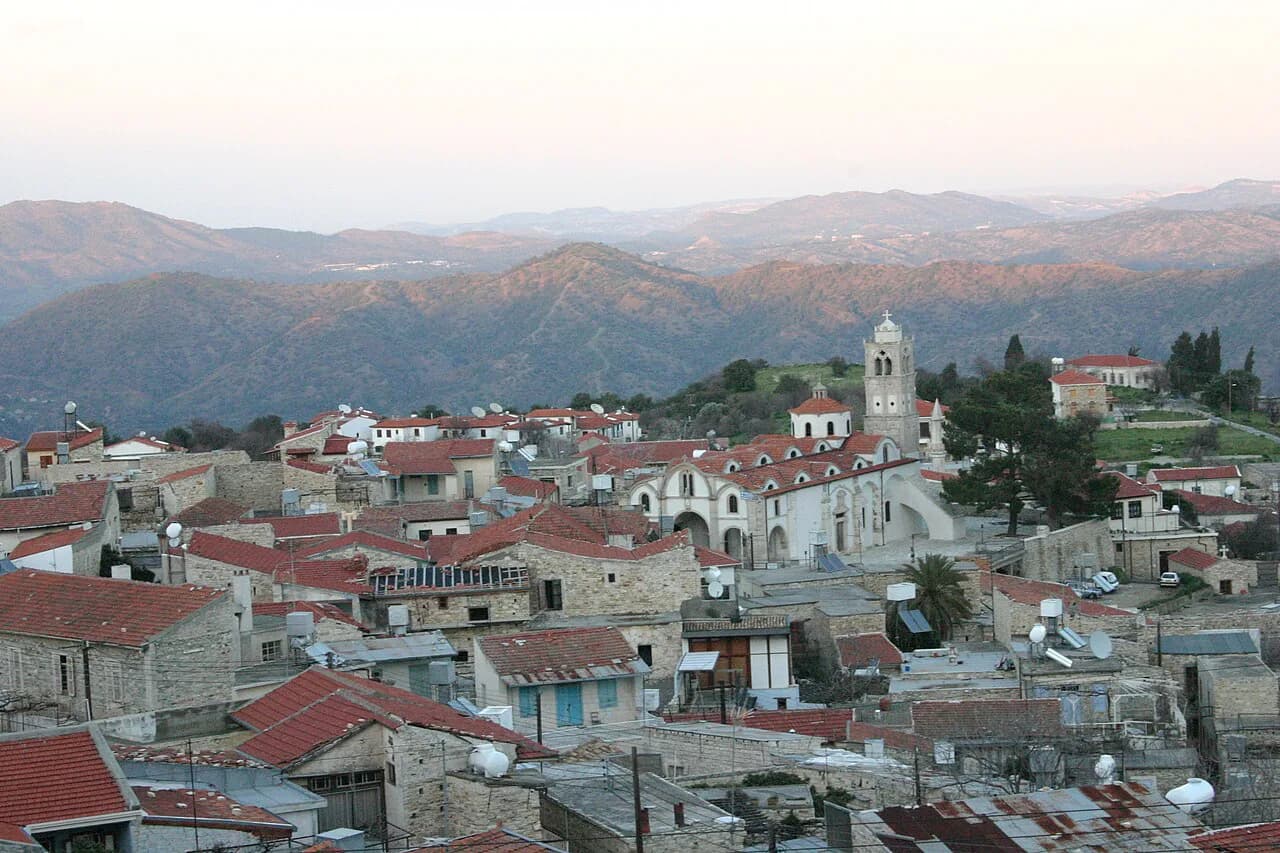
Some of the island's finest Byzantine art sits outside Larnaca itself. Kiti, about 11 km southwest of the city, is presented by a local operator as one of the island's finest showcases of Byzantine art, and the surrounding villages towards Lefkara carry further medieval layers. A half-day by car covers the village churches comfortably; buses are slower and need checking against the route you want.
Guided excursions that combine the town with Kiti are offered commercially by local operators, so compare a private tour price against the cost of a hire car if there are more of you.
If you would rather keep the history inside the town, our Larnaca old town guide covers the streets around the church and the market in detail.
Venetian, Ottoman and British Larnaca: harbour and salt lake
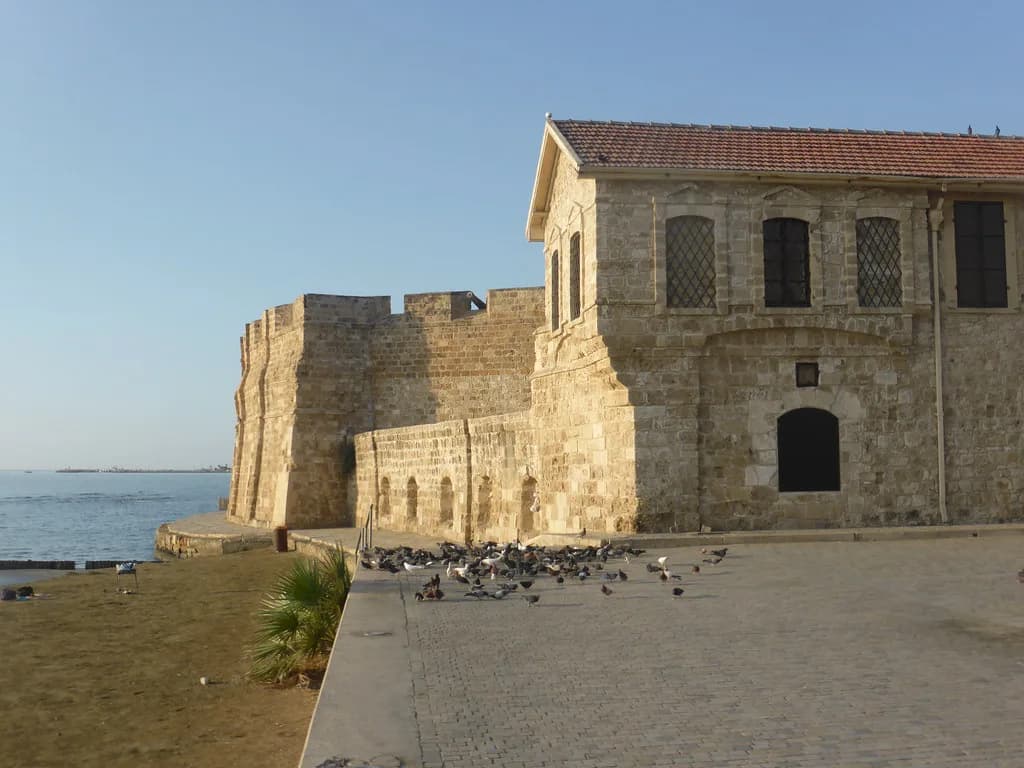
The modern shape of Larnaca was set by its port and its hinterland. The city has a port and a marina within its boundaries alongside the country's main airport, a combination the municipality promotes as the basis of a fly-and-cruise economy. The waterfront you walk today, with its working harbour and marina, is the direct descendant of that maritime function.
On the southern edge, the salt lakes are the town's other historic landscape. They are protected under the Natura 2000 and Ramsar treaties and hold their own flora and fauna, which is why the lake edge has stayed open ground while the city has grown upwards rather than outwards.
The Ottoman period left its most visible mark at Hala Sultan Tekke, a mosque on the shore of the salt lake that remains a significant pilgrimage site for Muslims. Its setting, between the water and the town, makes it a natural counterpart to a walk through the centre, and the surrounding ground is calm.
The British period is harder to pin to a single building than the Ottoman one. Read it instead in the port, the airport and the low grid of streets behind the seafront, and in the town's role as the island's transport gateway.
Walking the historic core: Finikoudes and the marina
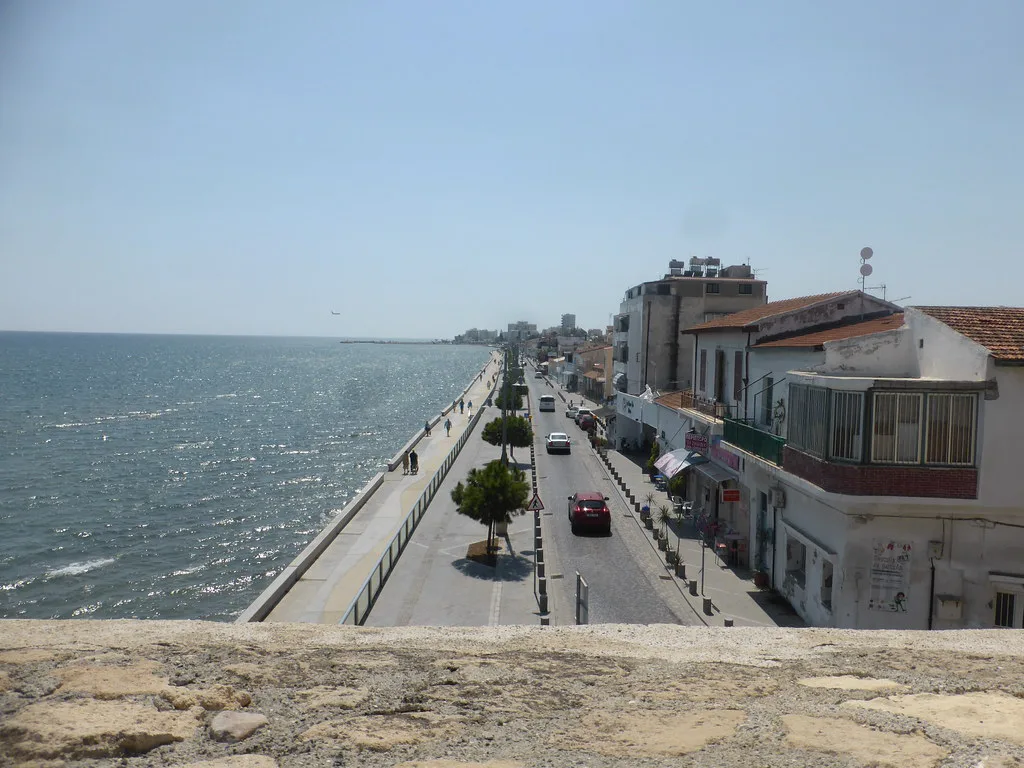
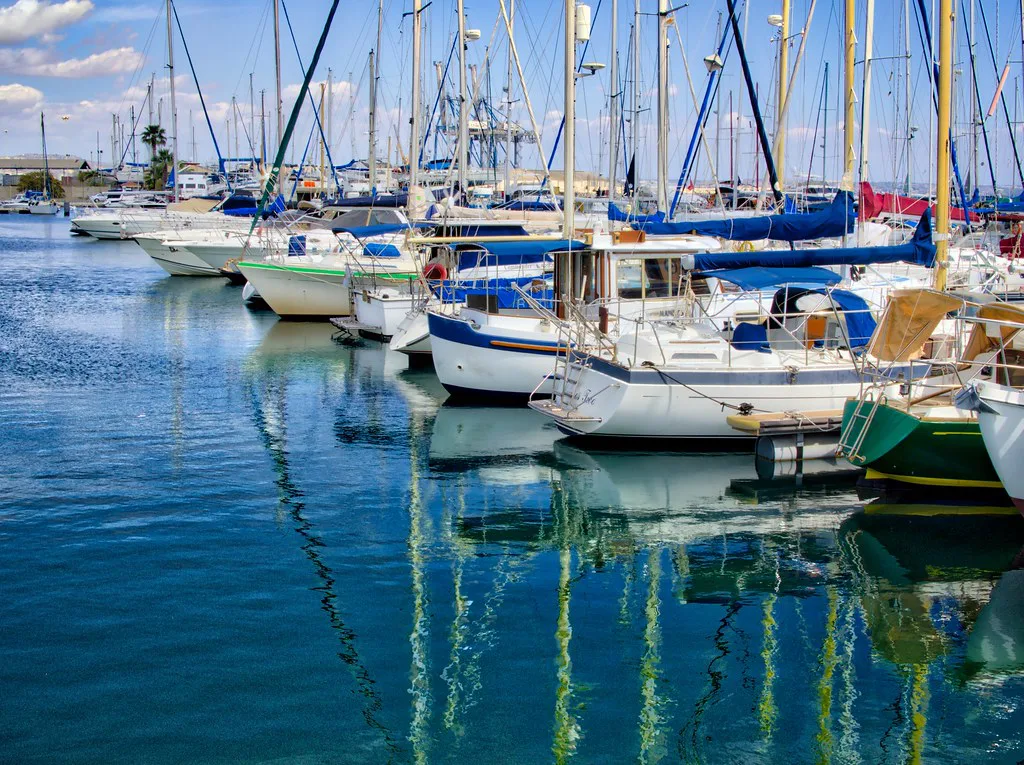
Finikoudes Promenade is the obvious spine of a walking day: a palm-lined seafront with cafés and restaurants looking over the water, ending at the marina where boats are moored. Start there early, walk the promenade end to end, then turn inland into the lanes rather than treating the seafront as the whole town.
The lanes behind the waterfront hold the everyday historic town, and the flatness of the centre means you can extend the walk without planning transport between stops. Our Larnaca walking tour page sets out what a guided version adds.
The harbour and marina are a short continuation of the same walk and are best seen late in the day, when the light comes across the water. If you want to see the town from the sea, check what the Larnaca boat trips operators are running before you commit a half-day to it.
Larnaca Salt Lake and Hala Sultan Tekke: the town's edge
The salt lake is the reason a history-minded visitor should leave the centre. In winter it fills with pink flamingos and other migratory birds, which is the season to bring binoculars; in summer the same ground is dry and the visit becomes a short landscape stop rather than a wildlife one.
Pair the lake with Hala Sultan Tekke on the same outing, since the mosque stands on its shore and the two together explain why this edge of town was never built over. Larnaca's climate helps here: the city averages highs of around 33°C in August and is almost completely dry from April to October, so a winter or early-spring lake visit is both cooler and livelier.
Allow a couple of hours for the lake and mosque together, plus transport. The bus network and taxi costs change, so check the current options locally rather than relying on a figure from a guidebook.
How long the historic sights need, and when to go
Two days is a fair allocation: one for the centre, taking in St Lazarus and the lanes, and one for the waterfront plus the salt lake and Hala Sultan Tekke. A single day works if you start at the church, walk to Finikoudes and finish at the lake by car or taxi.
Timing matters more than most visitors expect. Larnaca has around 3,357 hours of sunshine a year, roughly 77% of daylight, so shade is scarce on the promenade and around the lake; January lows average about 7.5°C, which makes winter walking comfortable and coincides with the flamingo season.
Ancient sites and museums on the island keep seasonal hours, and the lake's birdlife is a pattern rather than a promise, so confirm current opening times and conditions locally before setting out.
Which half of Larnaca should you give the afternoon to?
If you have one afternoon, give it to the centre: St Lazarus and the lanes around it, then Finikoudes and the marina on foot. The Roman and medieval story is concentrated there, and the flat streets make it easy to cover without transport.
Choose the salt lake and Hala Sultan Tekke instead if you are travelling in winter, if you want the town's Ottoman layer and its landscape in one view, or if you have already walked the seafront. Whichever you pick, keep the other for a second visit rather than rushing both.
Explore more Larnaca guides
Frequently Asked Questions
Is it Larnaca or Larnaka?
Both spellings are in use. Larnaca is the common English form, Larnaka is a transliteration closer to the Greek, and you will see the second on some local signage and transport timetables. The city also appears in historical sources as Kition, Citium or Cition, referring to the ancient city on the same site.
What is Larnaca known for historically?
Larnaca is known for continuous habitation on one site for more than four thousand years, for the ancient kingdom of Kition, as the birthplace of the philosopher Zenon of Kition and the physician Apollonios of Kition, and for St Lazarus, who according to the city's tradition lived here after his resurrection. Its church in the commercial centre remains a focal point of the old town.
Can you see the ancient city of Kition?
Ancient Kition lies beneath and among the modern streets rather than in a single excavated park, so you meet it in fragments and in the city's archaeological collections. Plan the centre on foot and treat the ancient layer as part of the walk rather than as a separate ticketed stop.
Sources
Notes for your Cyprus trip
Optional updates to our Cyprus guides.
You might also like
Continue reading
More guides you'll find useful