Larnaca Itinerary: Two to Three Days, Planned by Area
A realistic Larnaca itinerary for two or three days, grouping the old town, Finikoudes, the salt lake and Mackenzie Beach, with walking and driving times.
On this page
Two days is the right shape for Larnaca: one on foot through the old town and along the seafront, one out to the salt lake and Mackenzie Beach. The city's sights are close together, so you spend your time looking rather than travelling, and a third day only makes sense if you want a gentler pace. This plan groups everything by area so you never cross town twice, and separates the walking stops from the ones that need a car.
The old-town circuit takes in the Church of Saint Lazarus, the narrow lanes of Skala and the Djami Kebir Mosque, then the castle and the seafront promenade. Everything beyond that — the salt lake, Hala Sultan Tekke, Mackenzie Beach and the Kamares Aqueduct — sits a couple of miles out, where public transport thins out and a hire car earns its keep.
How Larnaca is laid out
Larnaca runs along the coast in a fairly straight line. The old town sits just inland, Skala spreads between it and the water, and the palm-lined promenade at Finikoudes runs north from the castle towards the marina. Larnaca Airport lies about five miles south of the centre, which makes the city an easy first or last stop on a Cyprus trip even if you arrive late.
That compactness is the whole reason this itinerary works without a car for the first day. If you want the wider map before you start, a Larnaca map makes the two zones — town and lake — obvious at a glance, and you can see why the afternoon stops need wheels.
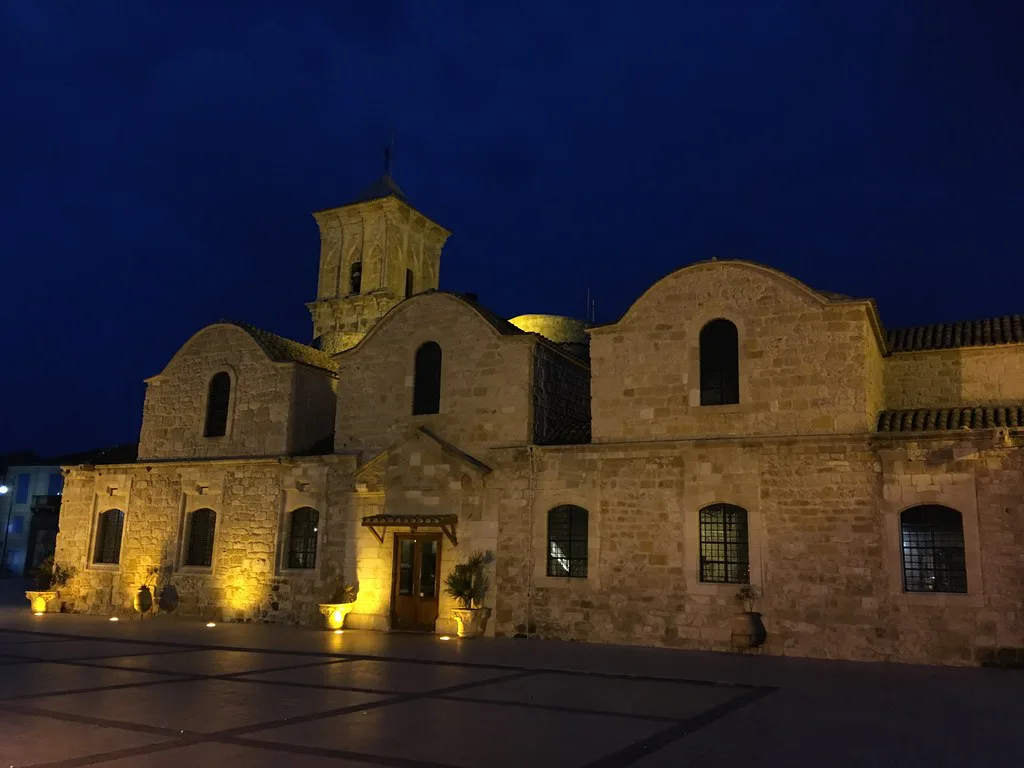
Day 1 morning: the Church of Saint Lazarus, Skala and Djami Kebir Mosque
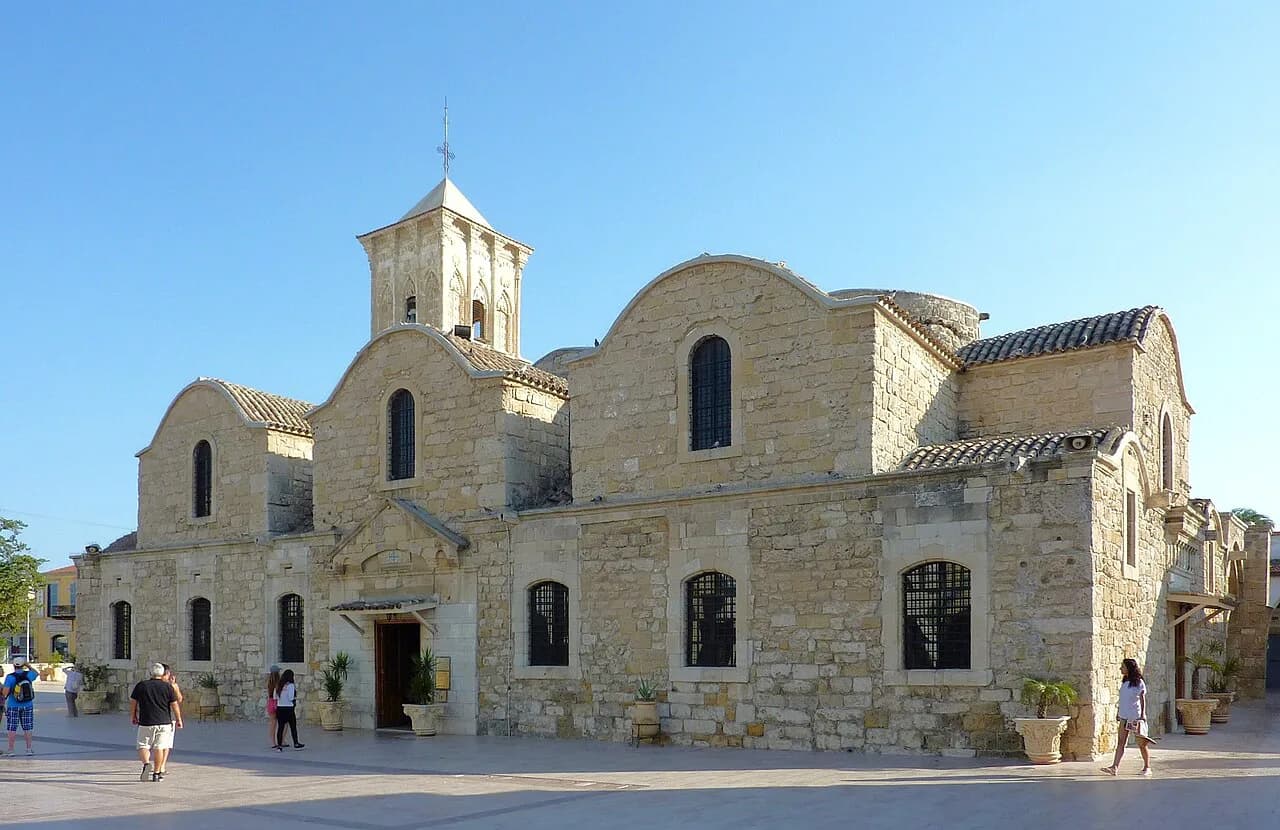
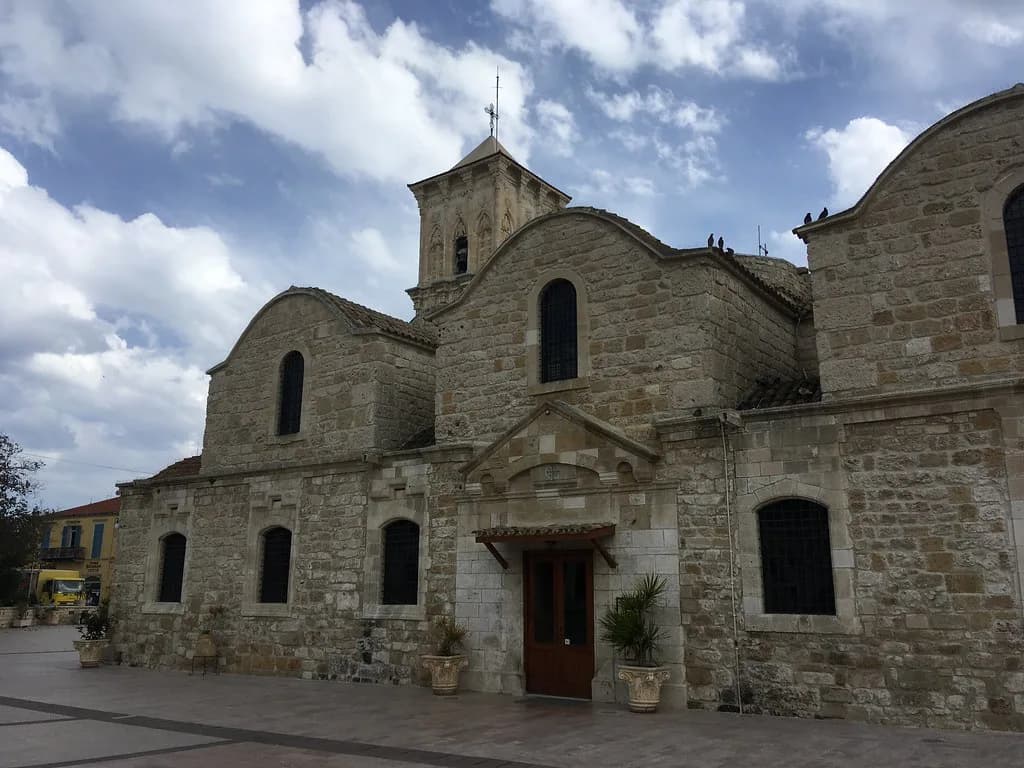
Start at the Church of Saint Lazarus, a ninth-century church with a heavily gilded interior and carved woodwork, refurbished in the seventeenth century. A small Byzantine Museum sits in the courtyard. The church opens daily from 8am to 12.30pm and from 2.30pm to 5.30pm, with slightly different Sunday hours, and entry is free; the museum costs one euro.
From there, wander into Skala, the old Turkish quarter, where narrow streets carry souvenir shops, food stalls and ceramics workshops. The Djami Kebir Mosque began as a church in the sixteenth century and was converted under the Ottomans a century later; old Christian graves remain in the courtyard.
This morning loop — church, quarter, mosque — is short and shaded in parts, which matters in summer. Build in a coffee stop, and keep the walk loose rather than timed; the pleasure here is the lanes rather than any single sight.
Day 1 afternoon: Larnaca Castle and the Finikoudes promenade
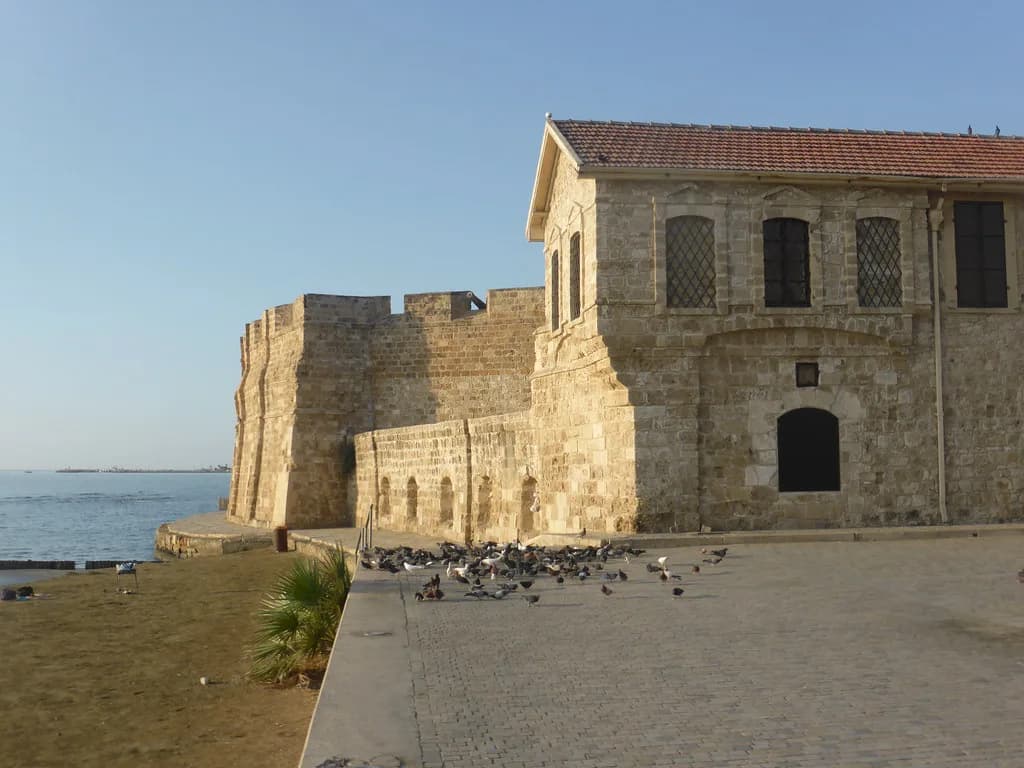
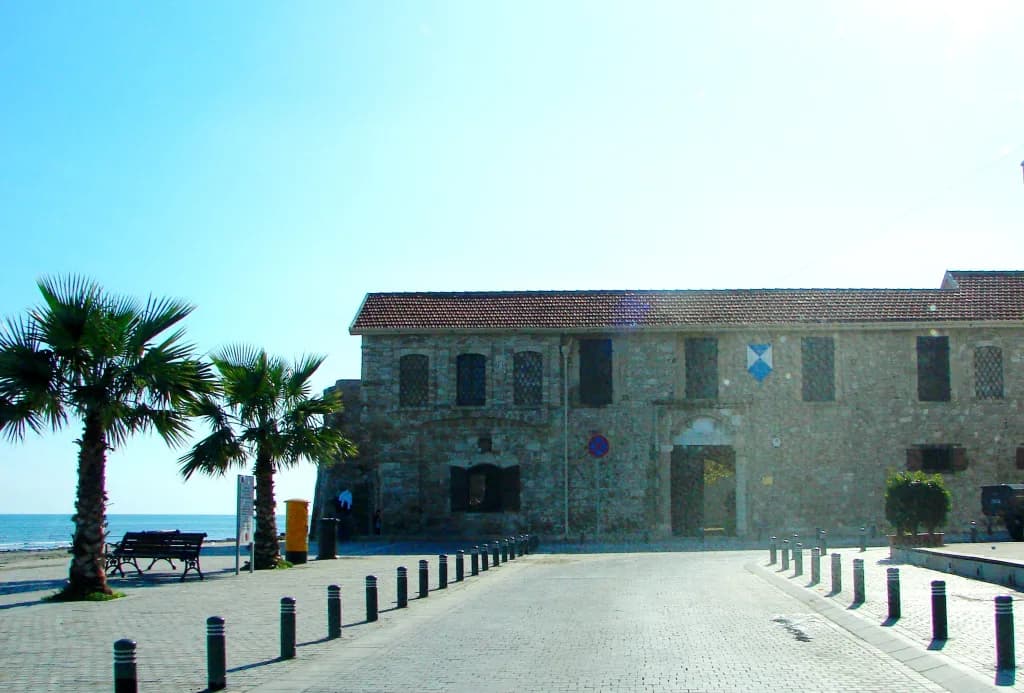
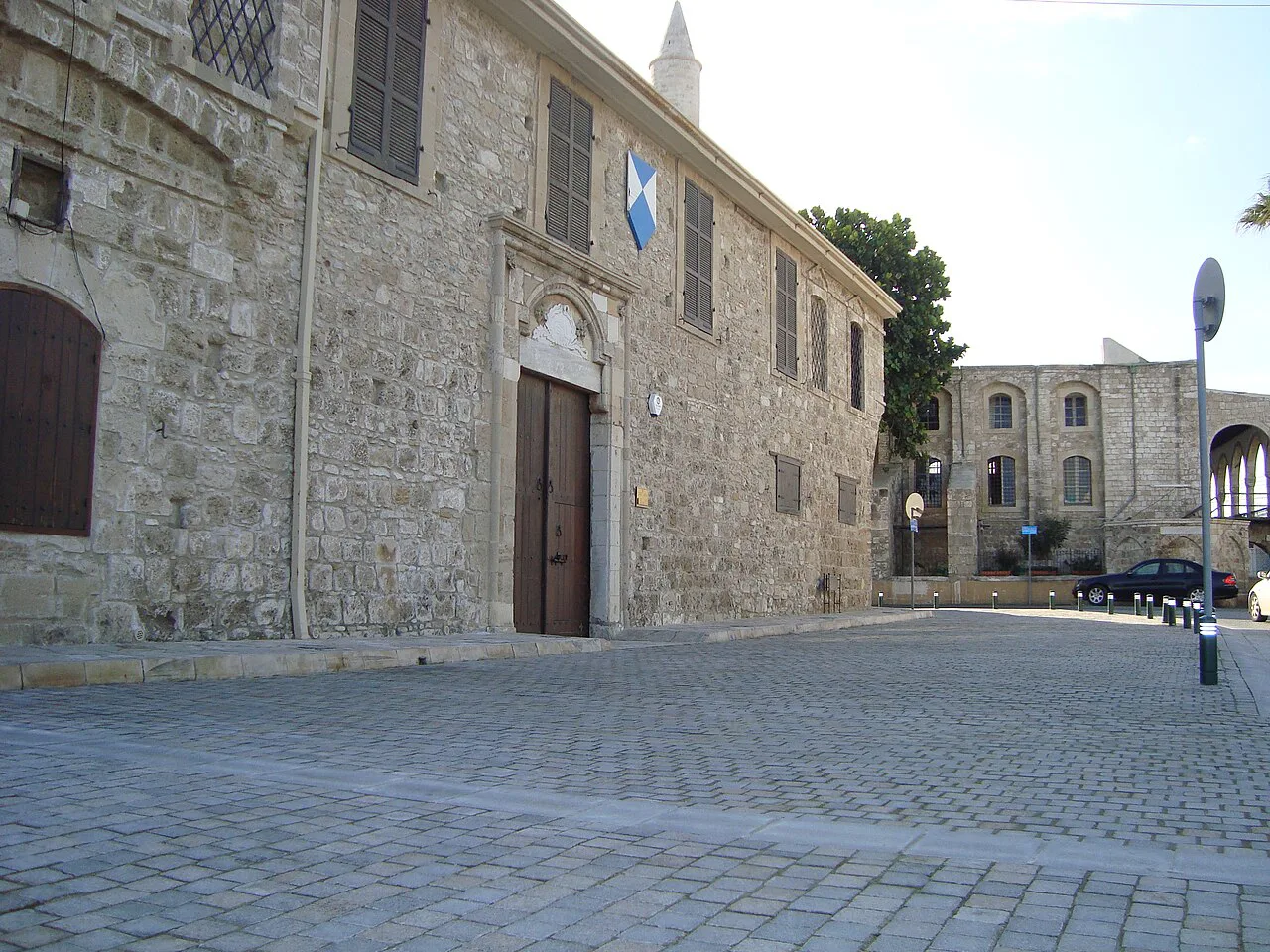
Larnaca Castle is a short stop, not a half-day. The twelfth-century seaside fortress was remodelled by the Ottomans and later used as a prison under British rule, and it now holds a small museum. It opens daily from 8am, or 9.30am at weekends, until 5pm, and entry costs two euros fifty.
Then follow the seafront north. The promenade runs from the castle to the marina, backed by palm trees, bars and restaurants, and the sand at Finikoudes makes an easy place to sit out the late afternoon. The whole morning and seafront stretch covers roughly 2.5 miles on foot, so comfortable shoes do more for this day than any planning.
Day 2: the salt lake, Hala Sultan Tekke and Mackenzie Beach
Day two heads west and south, and this is where a hire car pays off. Larnaca Salt Lake lies just west of the city as a nature reserve with a walking trail round the edge; the full loop with Hala Sultan Tekke and Mackenzie Beach runs to about 14 miles of driving. Buses to the lake and aqueduct are limited, so without a car you are looking at a taxi or a long walk.
Hala Sultan Tekke stands on the shore of the lake, a mosque complex with a mausoleum, minaret, cemetery and living quarters, and an important pilgrimage site for Muslims that is open to visitors of any faith. The lake itself changes character completely with the season — a salt flat in summer, water and visiting flamingos in winter.
Finish at Mackenzie Beach, where the water is shallow and the mood is relaxed, making it a sensible place to end a driving day rather than squeezing in another sight. If you are travelling without a car, make this the day you take a taxi out and back, and keep the stops to the lake, the mosque and the beach.
Day 2 evening: dinner in the old town
Return the car, change, and eat in the old town rather than on the seafront strip. Eu Kouzin is a named option in the old town, a useful anchor if you want somewhere specific to aim for after a day of driving rather than deciding on the hoof. Book ahead in high season, and confirm the evening's hours directly with the restaurant.
Day 3 options: aqueduct, boat trip or a slower morning
With a third day, choose one direction rather than three. The Kamares Aqueduct, the old aqueduct outside the centre, is the obvious add-on if you already have a car, since it sits with the car-dependent stops rather than in the walkable core.
Alternatively, look at boat trips leaving from the marina area and pick one that matches your remaining time and the sea conditions on the day. Schedules and departures vary by operator and season, so compare what is actually running before you commit a half-day to it.
The third and quietest option is a slow morning on Finikoudes: swim, walk the promenade again without a schedule, and leave the afternoon free. After two full days, this version asks the least of you.
How long Larnaca needs
One day covers the core sights — church, mosque, castle, promenade — comfortably on foot. Two days add the salt lake, Hala Sultan Tekke and Mackenzie Beach, and three days give you room for the aqueduct or a boat trip without rushing. Beyond that, Larnaca becomes a base for the wider island rather than a destination in itself.
The trade-off is depth against breadth. A single day here is genuinely enough for the town's headline sights, so if your time in Cyprus is short, give Larnaca one full day and spend the rest elsewhere rather than stretching it thin.
Getting around without a car
The centre is walkable, and the morning and seafront stops on this plan need no transport at all. The salt lake, Hala Sultan Tekke, Mackenzie Beach and the aqueduct all sit a couple of miles out, where public transport is limited and a car or taxi is the practical choice.
If you hire at the airport, note that off-airport rental shuttles are picked up from the departures level upstairs. Cheap deals can mean older cars, so check the vehicle and the insurance cover before you drive away.
When to go and how the heat shapes the day
Summer heat decides the shape of a Larnaca day more than anything else. Do the church, lanes and mosque early, take the castle and seafront in the late afternoon, and save the exposed salt lake and beach for a morning when the sun is lower.
Autumn is the gentler window: October still brings warm sea and softer light, which suits a walking-heavy first day. Whichever month you pick, check seasonal opening hours at Department of Antiquities sites such as the castle before you go.
Two days or three?
Two days is the honest answer for most visitors: one on foot through the old town and along Finikoudes, one by car around the salt lake and Mackenzie Beach. Add a third only for the aqueduct, a boat trip or a deliberately slow morning by the sea.
Book the car for day two rather than the whole trip, keep the first day walkable, and check the castle's hours and ticket price with the Department of Antiquities before you set out.
Explore more Larnaca guides
Frequently Asked Questions
Is Larnaca worth visiting in Cyprus?
Yes, particularly as a first or last stop. The old town, the Church of Saint Lazarus, the castle and the Finikoudes seafront fit into a single walkable day, and the salt lake and Mackenzie Beach add a second day by car.
Is Larnaca nicer than Paphos?
They suit different trips. Larnaca is compact and easy on foot, with the airport five miles away; Paphos spreads between Kato Paphos, with its mosaics and harbour, and Ktima. Choose Larnaca for a short, low-fuss break and Paphos if you want a longer base with more archaeological sites.
Sources
Notes for your Cyprus trip
Optional updates to our Cyprus guides.
You might also like
Continue reading
More guides you'll find useful