Larnaca Old Town: Streets, Squares and Sights to Walk
Plan a walk through Larnaca old town, from Finikoudes and Piale Pasha to Agios Lazaros and the fort, with a route, timings and honest trade-offs.
On this page
Larnaca old town is compact, and a walk linking the waterfront, the Church of Saint Lazarus and the fort takes around 60 to 90 minutes at an easy pace, allowing time to stop at small local cafés. The route joins the Church of Saint Lazarus, the lively Finikoudes Promenade and the historic Larnaca Fort, so you can see the core without a car. This guide sets out the order to walk them in, what each stretch is like, and where the salt lake fits in.
Where the old town sits
Larnaca is the longest continually inhabited region of Cyprus, with a history stretching back around 4,000 years, according to the island's official tourism portal. That depth sits in a compact, modern city where tourists find no distinction between resort and town: locals and visitors share the same seafront and the same shopping streets. Ancient Kition lies beneath the modern centre, and the philosopher Zeno of Citium, founder of Stoicism, was born here.
Think of the old town as a triangle. The sea edge runs along Finikoudes and then Piale Pasha; behind the promenade a parallel shopping centre carries the everyday city; and inland lanes climb gently towards the fort, the church and older residential blocks. Once you have that shape in mind, orientation is simple and you can wander without a map.
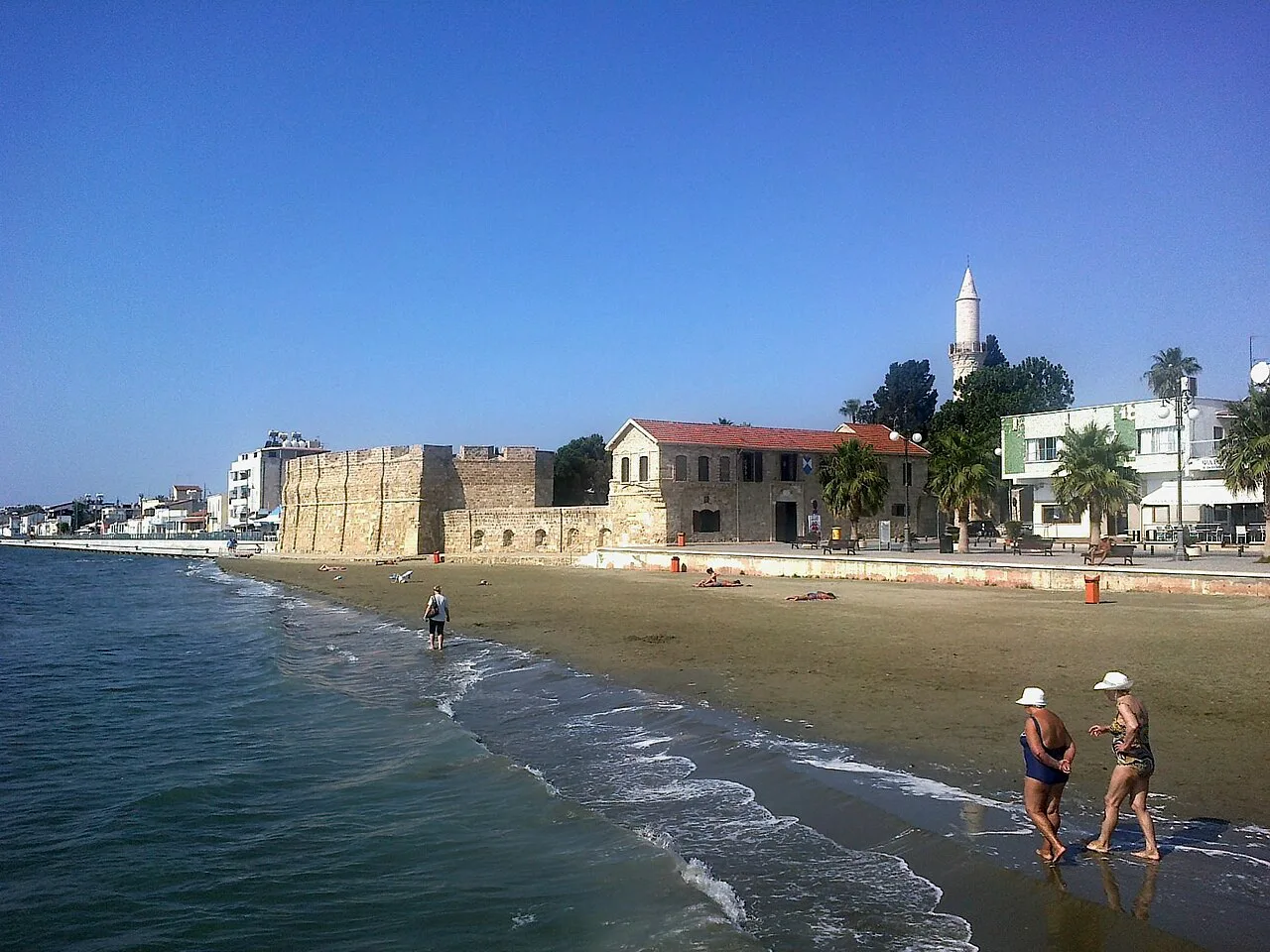
Finikoudes and Piale Pasha: the two waterfronts
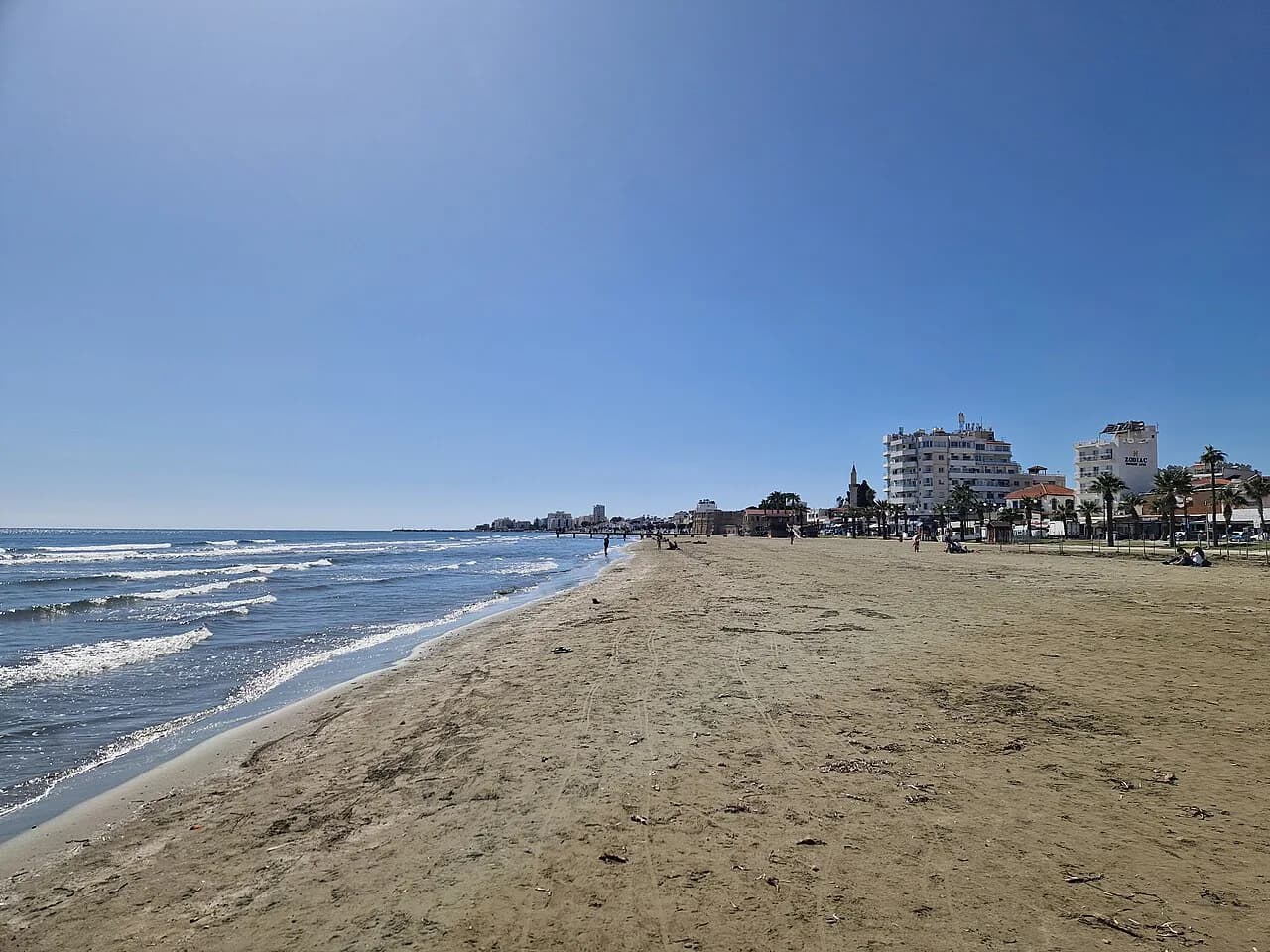
Finikoudes is the bustling palm-lined promenade, flanked by beach, eateries and entertainment, and it is where most visitors start. Its coast then joins the sea walkway of Piale Pasha, which passes quaint old neighbourhoods and fresh fish taverns. The two stretches feel different: Finikoudes is open, sandy and busy, while Piale Pasha is narrower and more residential.
Walk Finikoudes first thing or late afternoon, when the light is softer and the promenade is easier to cross. The parallel shopping centre sits right behind it and puts everything within reach, so you can duck inland for a bank, a pharmacy or a coffee without losing your bearings.
The walk: a simple order
Start on Finikoudes, head inland to the Church of Saint Lazarus on the parallel shopping street, then work back down to the fort and follow Piale Pasha south. That order keeps the sea on your left for the second half and puts the historic lanes in the cooler part of the morning. It also means you finish near the water, where the tavernas and cafés are.
Late afternoon to early evening works well, and the walk typically takes around 60 to 90 minutes, allowing time to stop at small local cafés and enjoy the relaxed coastal atmosphere. If you want the walk led and explained rather than self-guided, a Larnaca walking tour covers the same ground with context.
Church of Saint Lazarus and the lanes around it
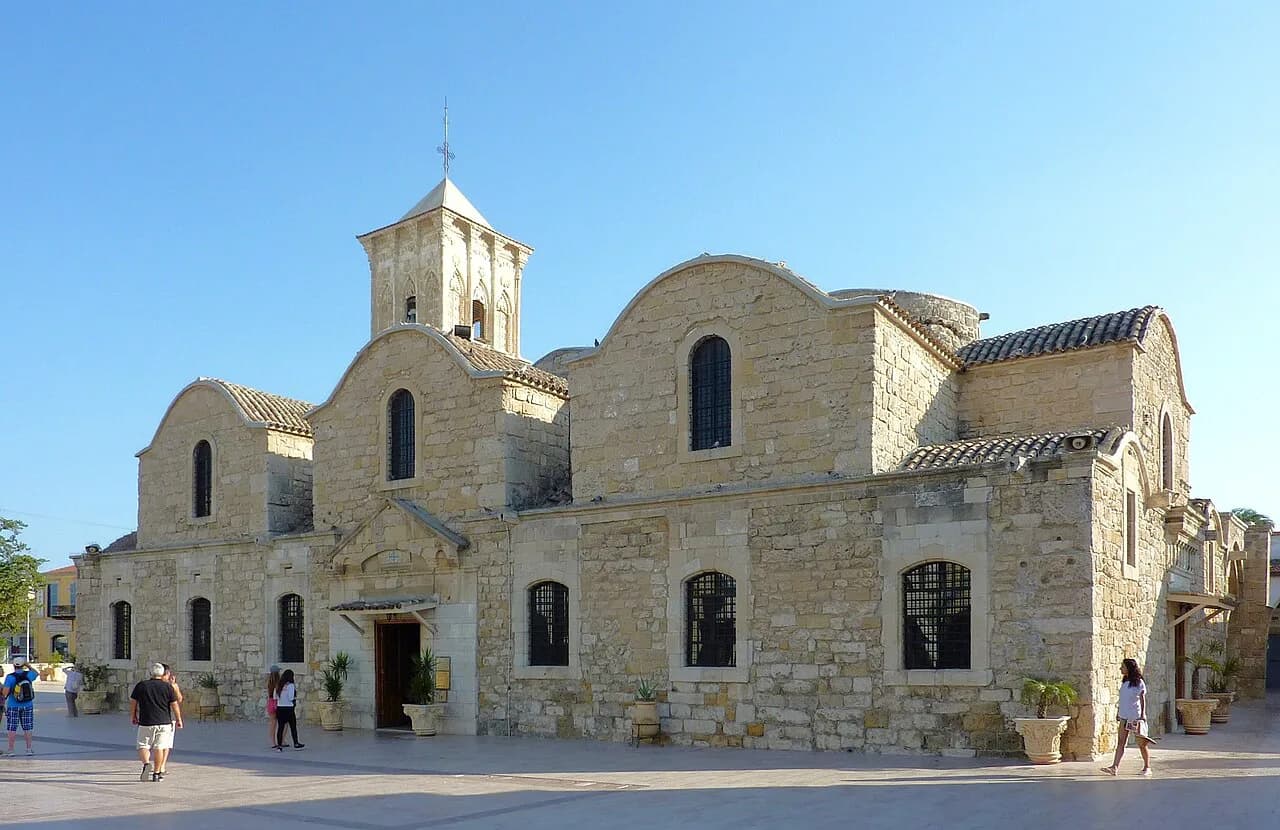
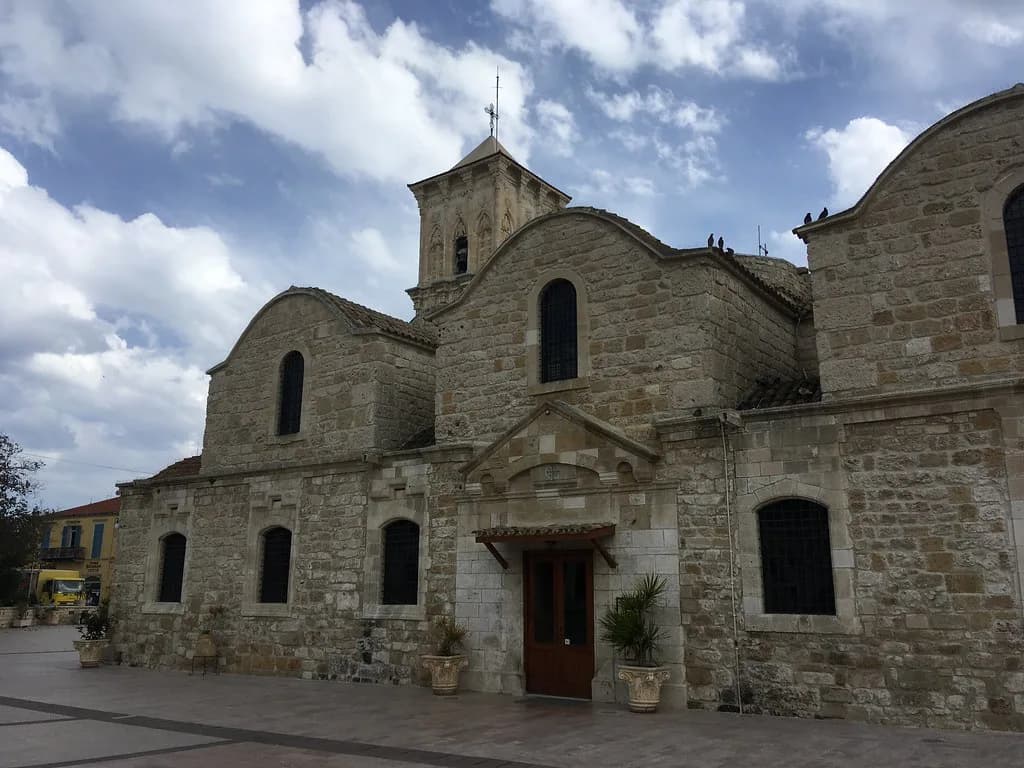
Agios Lazaros is the grand cathedral church on the shopping street behind the promenade, and Saint Lazarus is the town's patron saint. The story and monument of Saint Lazarus serve as an enduring symbol of Larnaca's religious history, and the church anchors the inland half of the old town. Step inside if it is open, then use the surrounding lanes to loop back towards the sea.
The lanes here are the everyday commercial centre rather than a museum quarter, so expect shops, offices and cafés rather than signed heritage trails. Allow 20 to 30 minutes for the church and the streets immediately around it before rejoining the waterfront.
Larnaca Fort and the harbour below it
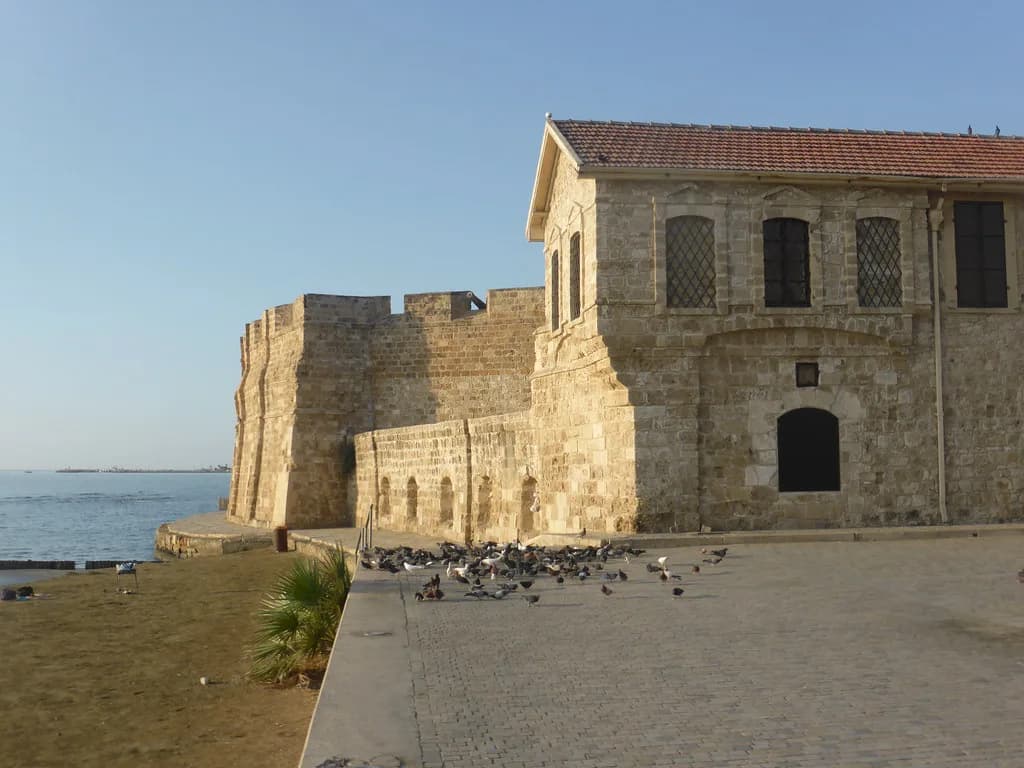
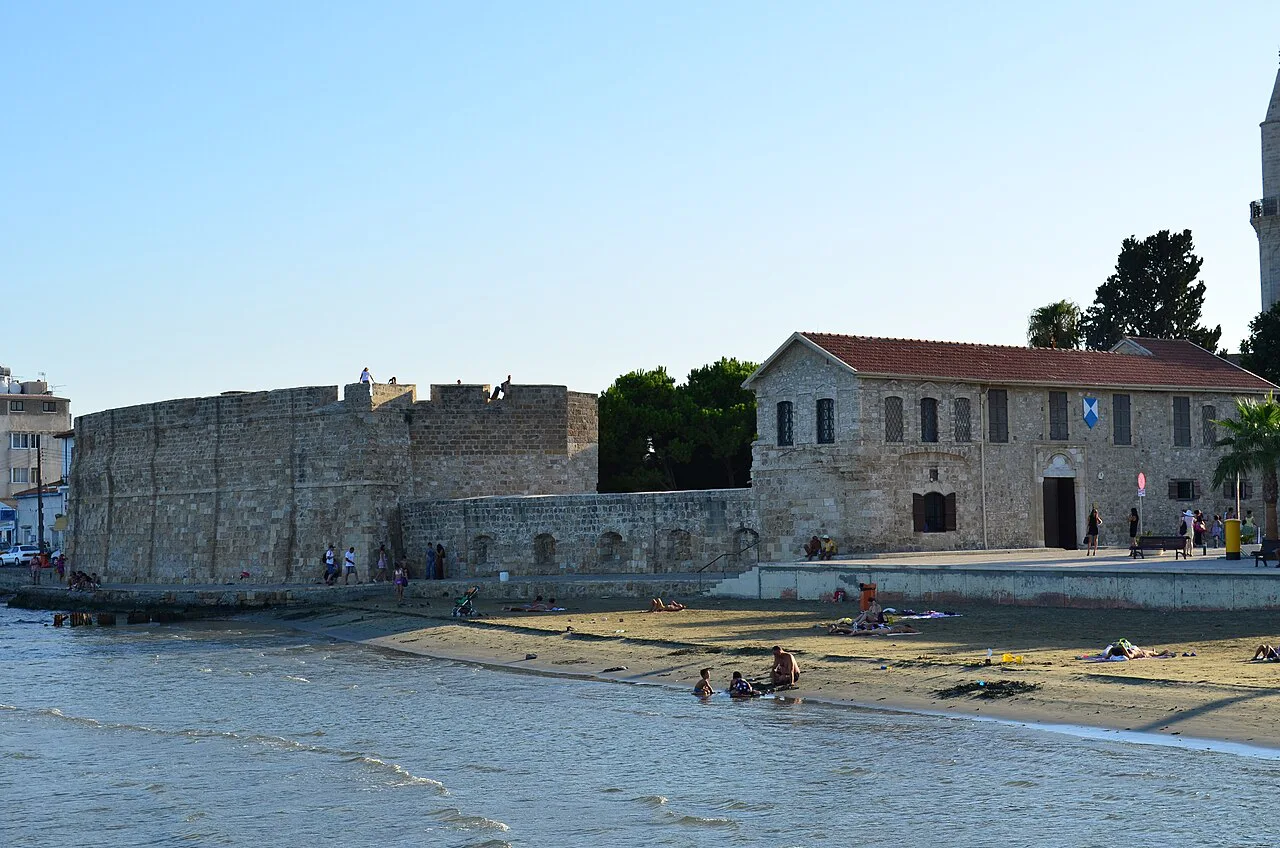
Larnaca Fort, also called Larnaca Castle, is one of the key landmarks on the old-town walking route, and it marks the natural finish of the core walk. The fort and the harbour area below it are the point where the old town gives way to the marina and the boat quays. Read the Larnaca Harbour guide before you go if you want the waterfront context rather than just the view.
The castle and fort area is the hinge of the day: the old town walk ends here, and the marina, the salt lake and the beaches all radiate from it. For museums and collections elsewhere in town, the museums in Larnaca page explains which are worth the stop.
Old neighbourhoods along Piale Pasha
South of the fort, Piale Pasha runs past older houses and neighbourhood streets that show the city before tourism reshaped the seafront. This is the quietest part of the walk and the best place to notice doorways, balconies and small workshops. It also links naturally towards Mackenzie Beach, which sits next to Larnaca International Airport and makes an easy final stop before a flight.
Hala Sultan Tekke and the salt lake
The Larnaca Salt Lake dries into a white salt crust in summer and fills with water in winter, when migratory birds including large flocks of flamingos arrive. That is a seasonal occurrence, not a guarantee, so time a lake visit for the winter months and go early morning or late afternoon. Adjacent to the lake stands Hala Sultan Tekke, one of the most important Islamic sites in Cyprus, and the site can be comfortably explored in about 45 to 60 minutes.
This is a separate outing from the old town walk: the lake and the Tekke are reached by road, so plan a car, taxi or bus rather than adding it to a walking loop. Read the Larnaca flamingos guide for the seasonal picture before committing a morning to it.
How long you need, and splitting a hot day
Give the core walk 60 to 90 minutes without stops, or half a day if you go inside the church and the fort and pause for coffee. In summer, split it: promenade and church before the heat peaks, a long indoor or shaded lunch, then the fort and Piale Pasha in the evening. The walk is flat, but there is little shade inland at midday.
If you only have an afternoon, choose the Finikoudes-to-fort stretch and skip the salt lake entirely. If you have a full day, add the lake and the Tekke in the morning and keep the town for the evening.
When to walk it
Late afternoon to early evening is the ideal window for the old town, with softer light and a relaxed coastal atmosphere. Winter brings the flamingos to the salt lake and cooler walking weather, while summer demands an early start or a post-sunset stroll. Check typical climate averages rather than a forecast if you are planning around swimming.
Getting there and getting around
The old town is walkable end to end, so park once and leave the car. The one-way seafront streets are easier on foot than in a hire car.
Larnaca is the most centrally positioned of the island's main towns, which makes it a practical base for reaching other regions. For the wider picture of what sits around the centre, see the Things to Do in Larnaca guide.
Boat trips from Larnaca Bay
Boat tours run along Larnaca Bay, and some boats offer sunset sails or glass-bottom rides with views of the city and sea. Compare what each operator includes before booking, and confirm departure times and prices directly with the operator.
Boat departures can thin out outside the main season, so check what is running when you plan to go. Start from the Larnaca boat trips page for the operators and what to check before you pay.
Practical notes: money and ticketed sights
The Republic of Cyprus uses the euro, so carry some cash for small cafés and kiosks along the promenade.
Opening hours at ticketed sites such as the fort shift with the season, and the same applies to boat departures. Confirm times and any entry fee on the day at the site itself. Outside the old town, Lefkara is a mountain village known for its lace and silverwork, roughly 40 km southwest of Larnaca; it sits in the hills and justifies a separate half-day rather than an add-on.
Is the old town walk worth your afternoon?
Yes, if you want the shape of Larnaca in a single stretch of walking rather than a checklist of separate sights. The 60 to 90 minute route from Finikoudes through Agios Lazaros to the fort and down Piale Pasha gives you the waterfront, the church and the old neighbourhoods in one go.
Skip the salt lake on the same day unless you have a car and a winter morning to spare. Check current opening times at the fort and church before you set out.
Explore more Larnaca guides
Frequently Asked Questions
Is it Larnaca or Larnaka?
Both spellings are in use: Visit Cyprus lists the city as Larnaka, while Larnaca is the common English form. The place is the same, and you will see both on maps and booking sites.
What is the history of Larnaca?
Larnaca is the longest continually inhabited region of Cyprus, with a history going back around 4,000 years, according to the official tourism portal. Ancient Kition lies beneath the modern city, and Zeno of Citium, the founder of Stoicism, was born here.
Who was Zeno of Citium?
Zeno founded Stoicism and was born in ancient Kition, on the site of modern Larnaca. His philosophy emphasised logic, self-control and resilience, and his influence shaped Roman thought and later Western philosophy.
Sources
Notes for your Cyprus trip
Optional updates to our Cyprus guides.
You might also like
Continue reading
More guides you'll find useful