Museums in Larnaca: What to See and How Long to Allow
Larnaca's museums include the castle museum on Foinikoudes and the District Archaeological Museum. Here's what each holds and how long to allow.
On this page
If you have time for one museum in Larnaca, make it Larnaca Castle: a compact medieval fort on the Foinikoudes seafront whose upper floor holds three small rooms of Early Christian, Byzantine and medieval pieces. The rest of the town's museums are modest, and most visitors see the best of them in half a day. This guide sets out what each one holds, how long to allow, and where the castle slots into a walk along the seafront and into the old town.
What museums Larnaca has, and which to prioritise
Larnaca's museums fall into two groups. The first is Larnaca Castle, a Department of Antiquities site on the southern end of the palm-lined Foinikoudes avenue, with a museum upstairs and a courtyard of cannon below. The second is a cluster of small town museums: the Larnaka District Archaeological Museum, the Byzantine Museum of St. Lazarus, the Kyriazis Medical Museum and the Larnaca Municipal Natural History Museum.
Prioritise the castle if your time is short. It combines a harbour-side fort, a view over the seafront and a genuine collection in one stop, and it sits directly on the route of most things to do in Larnaca. The District Archaeological Museum is the stronger pick for anyone who wants prehistoric and ancient finds from the Kition area, but treat it as a second visit rather than a substitute.
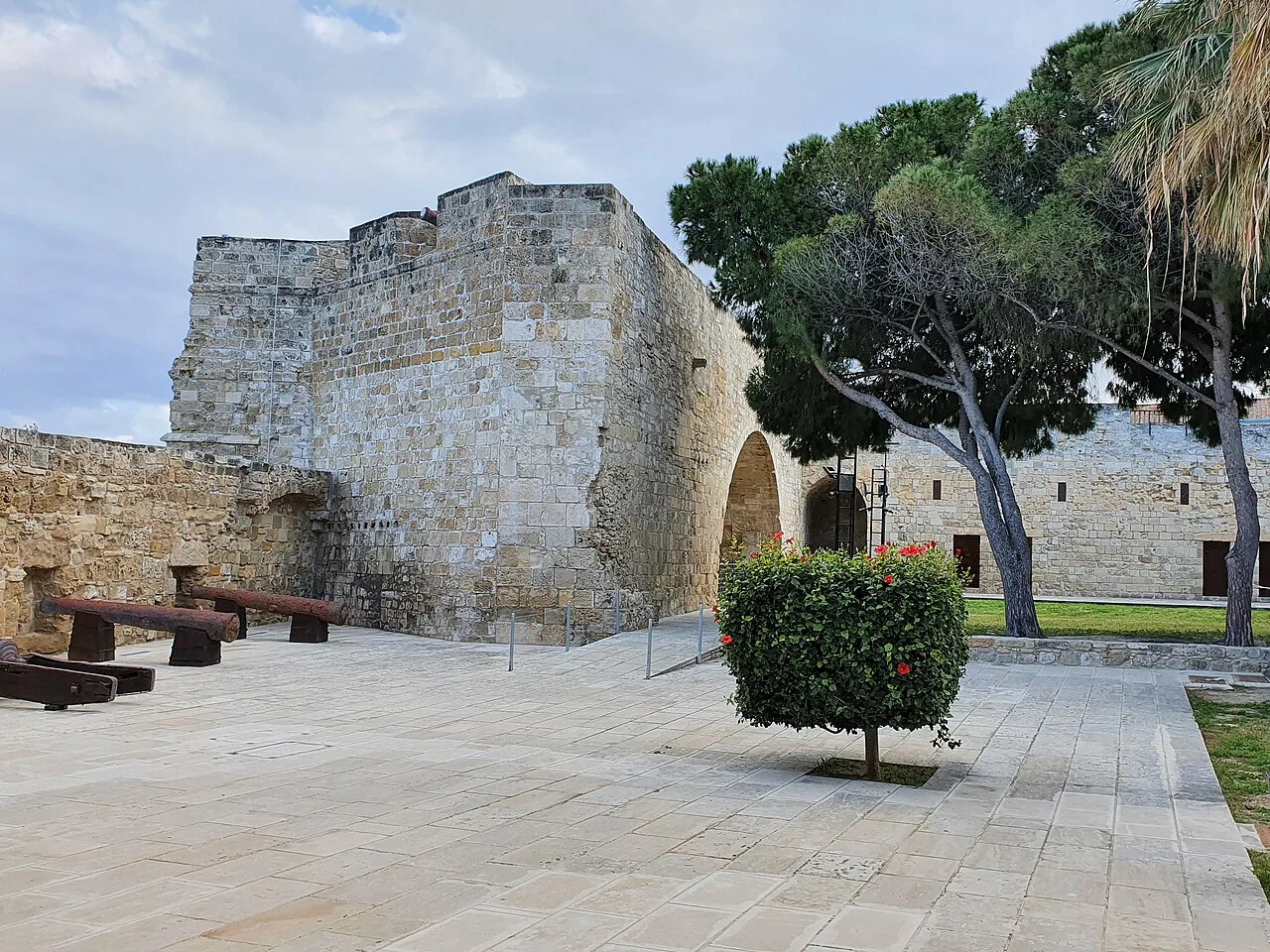
Larnaca Castle: the medieval fort on Foinikoudes
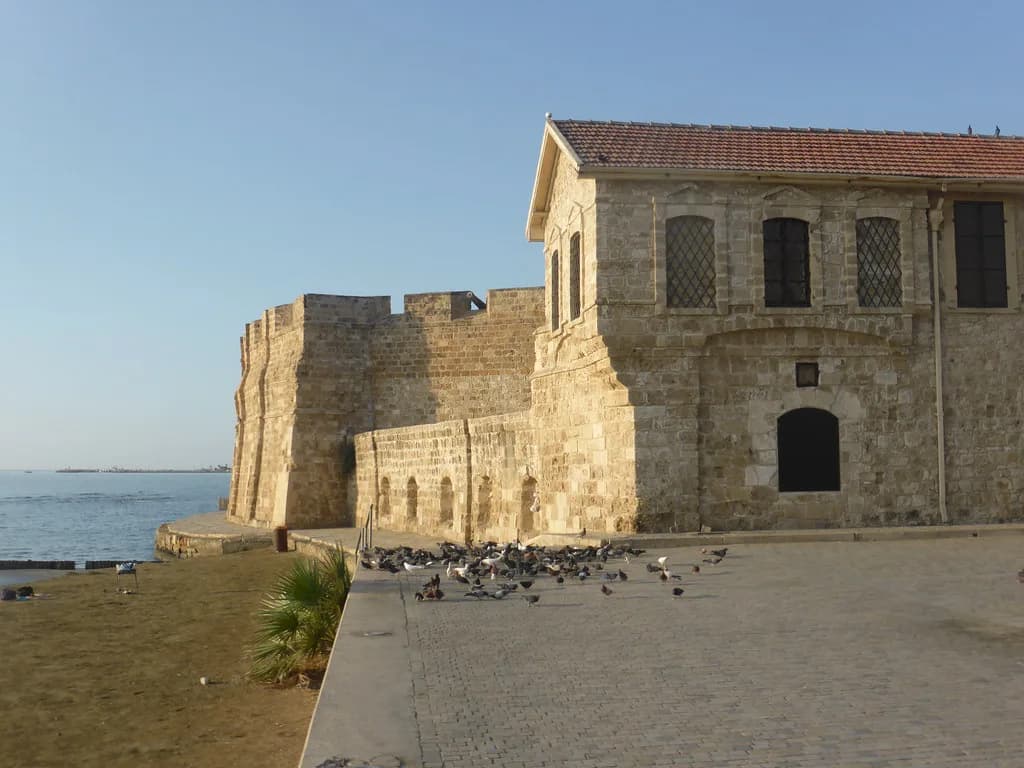
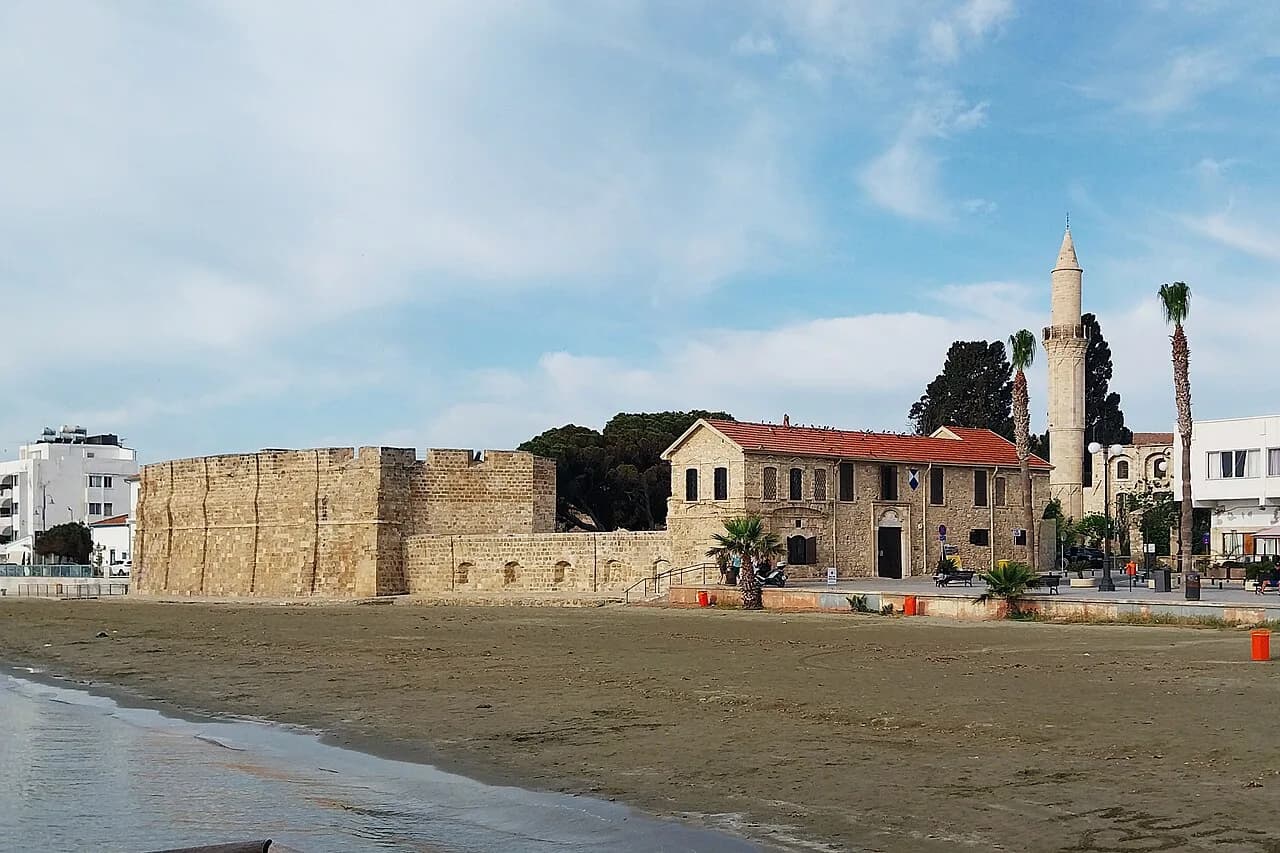
The castle stands at the southern point of the coastal avenue known as Foinikoudes, which puts it at the end of a straight seafront walk from the town centre. The Department of Antiquities describes a complex of buildings from different periods: a two-storey Ottoman-era block on the north side, with a Turkish inscription above the entrance, and earlier east and south wings. Written sources it cites link the castle's origins to the reign of King James I between 1382 and 1398, when it was built to protect a harbour that had become the island's main port after the capture of Famagusta.
Allow roughly an hour for the castle including the courtyard. Approach it from the promenade so the fort reads as part of the seafront rather than a separate stop, and check the seasonal hours before you set out, since the Department of Antiquities publishes different summer and winter timetables.
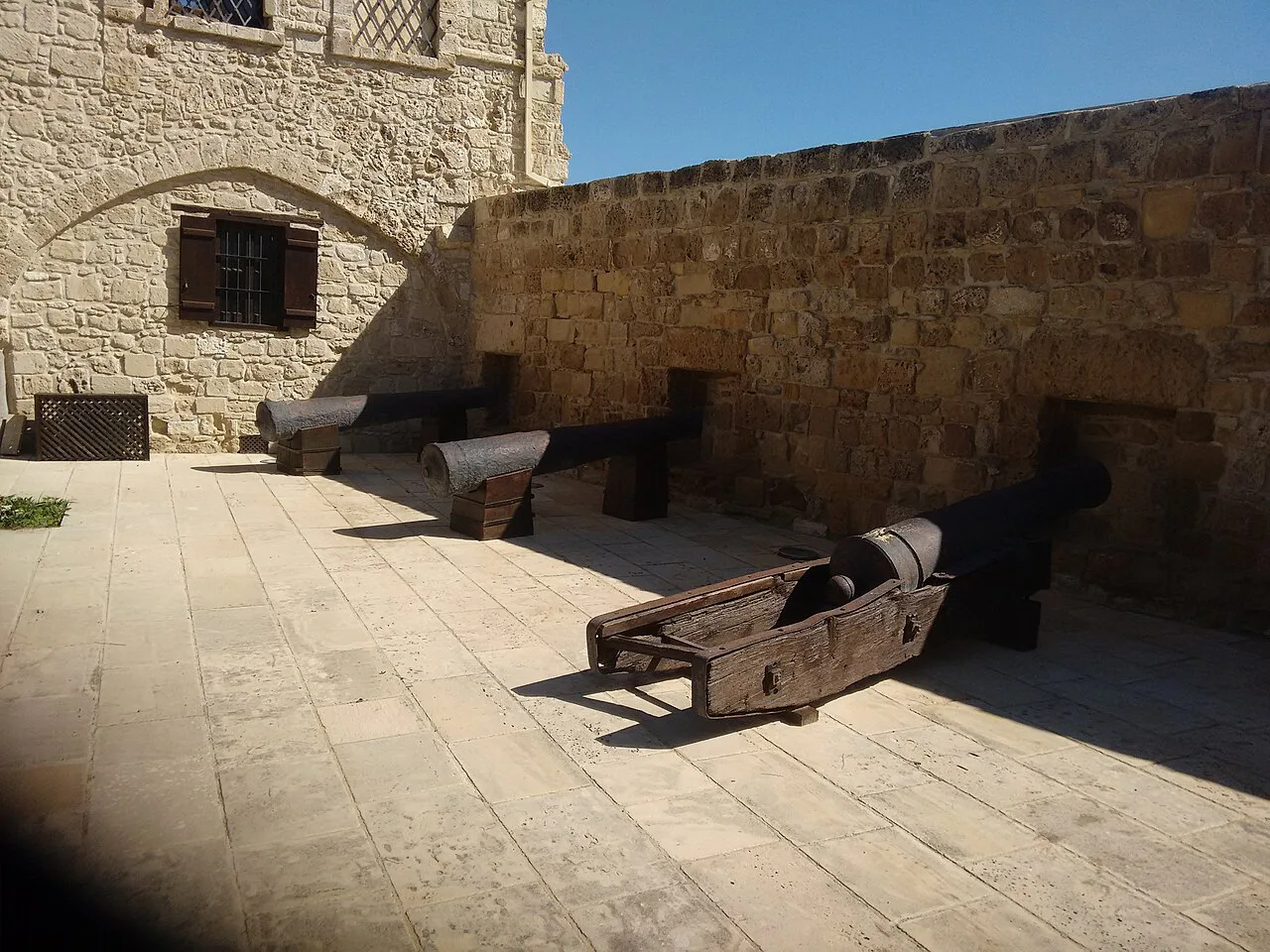
What is displayed inside Larnaca Castle
Manage expectations: the museum is three rooms on the upper floor of the main building, directly above the entrance. The western room holds antiquities from Early Christian, Byzantine and Post-Byzantine monuments of Cyprus, spanning the 4th to 16th centuries. The central room displays photographs of Byzantine wall paintings from the 11th to 16th centuries.
The large eastern room is the fullest. It holds medieval glazed Sgraffito pottery from the 12th to 18th centuries, metal cooking utensils and guns from the 18th and 19th centuries, and helmets and swords from the 15th and 16th centuries, alongside photographs of defensive structures and of Gothic and Renaissance architecture in Cyprus. The far end of that room has been furnished as an 18th- to 19th-century Ottoman ontas, a domestic reception room. Down in the inner courtyard, a collection of cannon is on display, some of them medieval.
The building's later history is part of the visit. The Department of Antiquities records that the British Administration used the western chamber of the ground floor in the east wing for executions, and that the gallows in the room remained in use until 1948. That detail sits alongside the Ottoman inscription and the mixed periods of the wings, so the castle reads as layers of use rather than a single-era monument.
Larnaca Castle opening hours, admission and access
Admission is €2.50, as published by the Department of Antiquities. Hours run on two seasons. In winter, from 16 September to 15 April, the castle opens Monday to Friday 08.00–17.00 and Saturday and Sunday 09.30–17.00. In summer, from 16 April to 15 September, it opens Monday to Friday 08.00–19.30 and weekends 09.30–19.30.
Access is the main caveat. The Department of Antiquities states the castle is not wheelchair accessible, which matters because the museum rooms are upstairs; anyone with limited mobility should plan for the courtyard and exterior only, or skip it in favour of a ground-level museum. The site also closes or restricts parts of itself for works from time to time, so confirm the day's opening against the Department of Antiquities page before travelling across town.
Larnaka District Archaeological Museum: what the galleries hold
The Larnaka District Archaeological Museum is the town's district archaeological collection and the natural companion to the castle if you want a deeper archaeological story than the castle's three rooms can offer. It is listed among Larnaca's museums alongside the Byzantine, medical and natural history collections.
Set aside an hour here. It is a district collection rather than a national one, so an hour or so is a fair estimate for a focused visit.
The other small museums in Larnaca, in brief
Three smaller museums fill out the picture. The Byzantine Museum of St. Lazarus sits with the church of the same name and holds religious art from the Orthodox tradition. The Kyriazis Medical Museum covers the history of medicine and pharmacy on the island, and the Larnaca Municipal Natural History Museum focuses on the island's wildlife and geology. All three are town museums rather than state sites, and each is a short stop rather than a half-day.
Treat these as fillers for a hot afternoon rather than headline sights. If you only have a day in Larnaca, the castle and the archaeological museum will use it well; the smaller collections are best when you are already in the old town and have an hour spare.
How long to allow and how to combine the museums with the old town
A realistic plan is a morning at the castle, a walk north along the seafront, then an hour at the District Archaeological Museum in the afternoon. The castle sits on Foinikoudes, so it combines naturally with the beachfront and the streets behind it; a self-guided walking tour of the centre will pass close to both the castle and the old town's church of St. Lazarus.
If you are staying near the marina, the castle is a short walk south along the waterfront and the archaeology museum is inland from the old town. Allow half a day in total for both, plus walking time between them, and keep the smaller museums for a second visit.
When to go: summer heat, cruise crowds and closed days
Summer hours run later, which helps: from mid-April to mid-September the castle stays open to 19.30 on weekdays and weekends, so you can visit in the cooler evening rather than the middle of the day. Winter hours close earlier, at 17.00, and weekend opening starts at 09.30.
The upper rooms are small, and the castle sits at the busiest point of the Foinikoudes seafront, so an early or late slot keeps the visit calmer than the middle of the day. If your dates fall in a public holiday period, check the Department of Antiquities home page, which publishes holiday opening hours separately from the seasonal timetable.
Larnaca is in the Republic of Cyprus, in the south of the island, and uses the euro. The castle's admission is €2.50; check each museum's own listing for the day you plan to visit rather than assuming a single ticket covers several sites.
Castle first, museum second
Start with Larnaca Castle on Foinikoudes: it is the town's one must-see museum, with an admission fee the Department of Antiquities publishes, and it is small enough to fit into a seafront walk. Add the Larnaka District Archaeological Museum if you have a spare hour and an interest in Kition, and treat the Byzantine, medical and natural history collections as optional extras.
The trip is easy to plan around the seasons: summer gives you long evening hours, winter gives you a shorter day, and the castle is not wheelchair accessible, so plan accordingly. Confirm the day's opening on the Department of Antiquities page before you go.
Explore more Larnaca guides
Sources
Notes for your Cyprus trip
Optional updates to our Cyprus guides.
You might also like
Continue reading
More guides you'll find useful