Larnaca Weather in August: Typical Heat, Sea Temperature and Crowds
Larnaca in August brings the year's hottest weather, a warm sea and long sunny days. Here are typical temperatures and how to plan around the heat.
On this page
August is the hottest month in Larnaca, with typical daytime highs of about 32C, nights around 21C and roughly eleven hours of sunshine a day. Rain is negligible, so you can plan outdoor time with confidence. This guide sets out the typical August climate, what the warm sea means for swimming, and how to shape days around the heat when visiting the old town, Finikoudes and the salt lake area, and it sits alongside the wider set of things to do in Larnaca.
Figures here are climate averages, not a forecast for your dates. AccuWeather's Larnaca monthly page runs day-by-day values that swing well above and below the averages, so treat a hot week as normal rather than exceptional.
Typical August temperatures in Larnaca
Expect average highs of about 32C and average lows of about 21C, giving an average temperature of roughly 26C across the month. Thomas Cook puts the August daytime figure at 33C with evening lows near 21C, which is close enough to plan the same way: hot afternoons, warm evenings.
The practical consequence is that the middle of the day is the least comfortable time to be on foot in the open. Larnaca's coastal position moderates things slightly compared with inland Cyprus, but there is no meaningful relief until the sun drops. Build your day around a long, shaded lunch and a late-afternoon restart.
Larnaca sits on the south coast of Cyprus and has very hot summers with long spells of sunshine through August. If your trip mixes Larnaca with other parts of the island, expect the same hot, dry pattern to dominate wherever you go, so plan outdoor time for the cooler ends of the day.
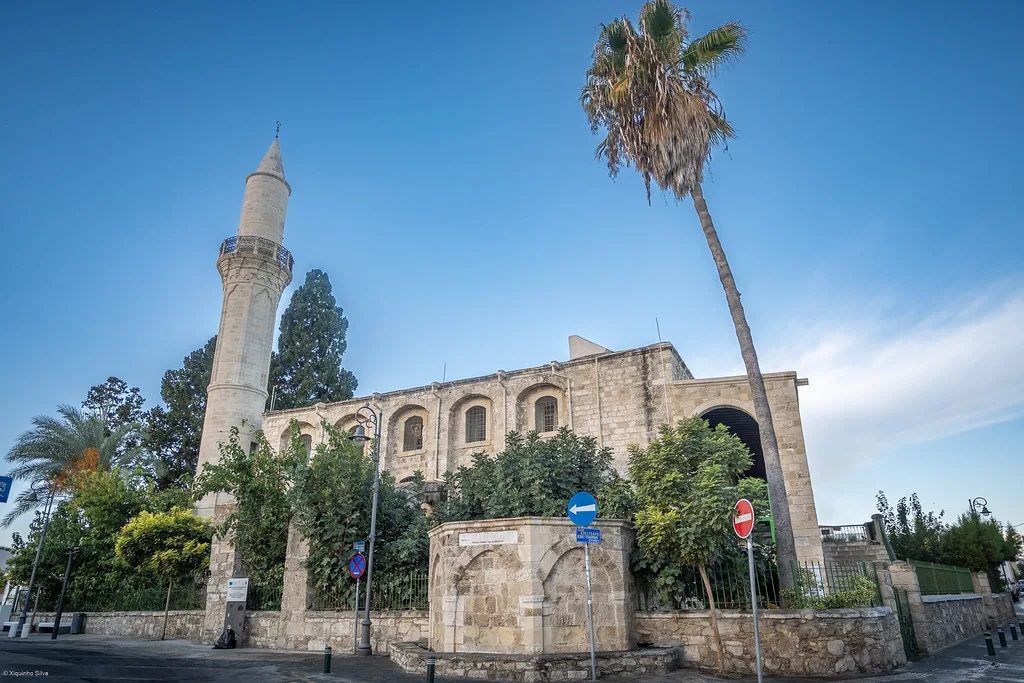
How warm the sea is in August
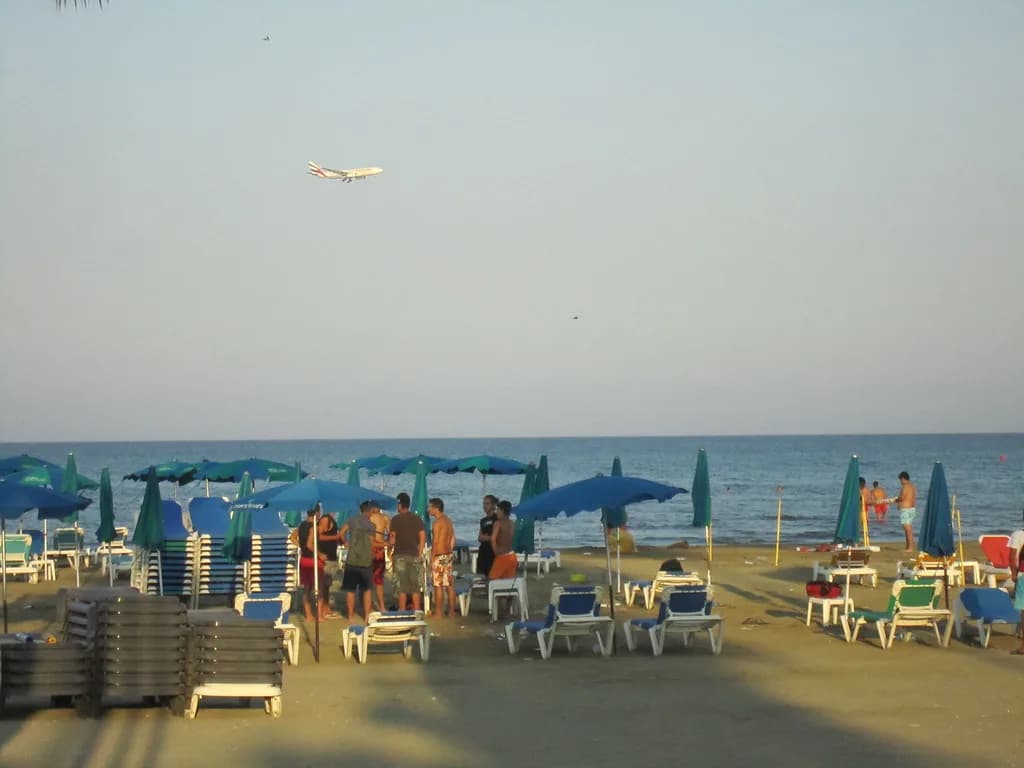
The Mediterranean off Larnaca averages around 30C in August by one set of climate averages, while Thomas Cook gives an average sea temperature of 26C. Both point to water that needs no acclimatising: you can walk in and stay in for a long time.
Warm water is a genuine trade-off. It is wonderful for lingering swims and for children, but it takes the edge off the heat less than cooler water does, so a swim refreshes you without cooling you down for long. Swimming early or late in the day is more comfortable than at midday.
Organised time on the water fills a hot afternoon neatly. Larnaca boat trips leave from the harbour area, and a few hours at sea is often more bearable than a few hours on hot pavement.
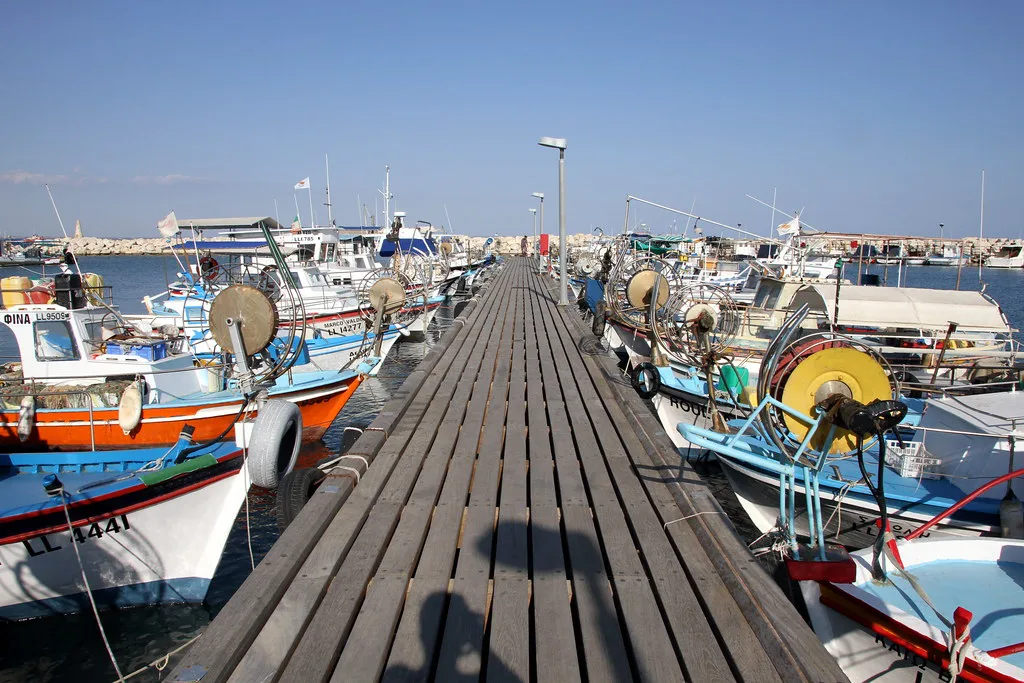
Sunshine and rainfall in August
Sunshine hours average about eleven a day in August, and rainfall is negligible: the same climate averages record 10mm across the month with effectively no rain days, and Thomas Cook gives just 3mm. You do not need to plan around showers.
What that does mean is unbroken sun exposure. Shade becomes the scarce resource, and the difference between a comfortable day and an exhausting one is usually how much of it you find between stops.
Is August too hot for sightseeing in Larnaca?
August is workable if you split the day. Walk the old town in the early morning, when streets are quieter and temperatures are lower, then retreat between roughly midday and four in the afternoon. Restart in the evening, when the light softens and the seafront fills up.
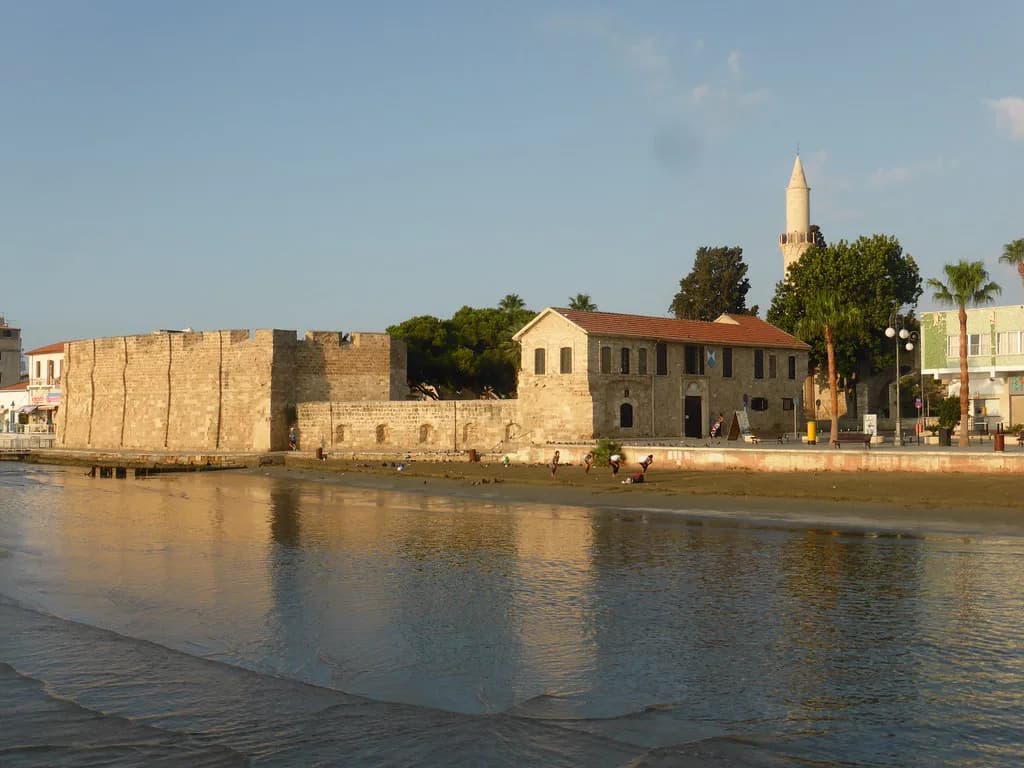
The same logic applies to the seafront. Palm trees and sea breezes help, but there is little continuous shade, so a slow early walk beats an afternoon march along it; the Larnaca promenade guide sets out the full stretch between the castle and the marina.
Keep indoor stops for the hottest hours. The museums in Larnaca give you a reason to be off your feet and out of the sun, and the castle area is a short walk from the seafront if you go early.
August compared with July and September
July and August are close cousins, both very hot and dry. August is the peak of the season, and it also falls in the school holidays, so the seafront and the popular stops can be busier than at other times of year.
September is the month to choose if heat is your main worry. Larnaca weather September eases off from the August peak while the sea stays warm from the summer's accumulated heat, so swimmers lose little.
October is a further step down in temperature and a good compromise for walking. If you are flexible, shifting a fortnight later buys noticeably gentler afternoons, and the weather October brings is worth comparing before you commit.
The old town, Finikoudes and the salt lake in the heat
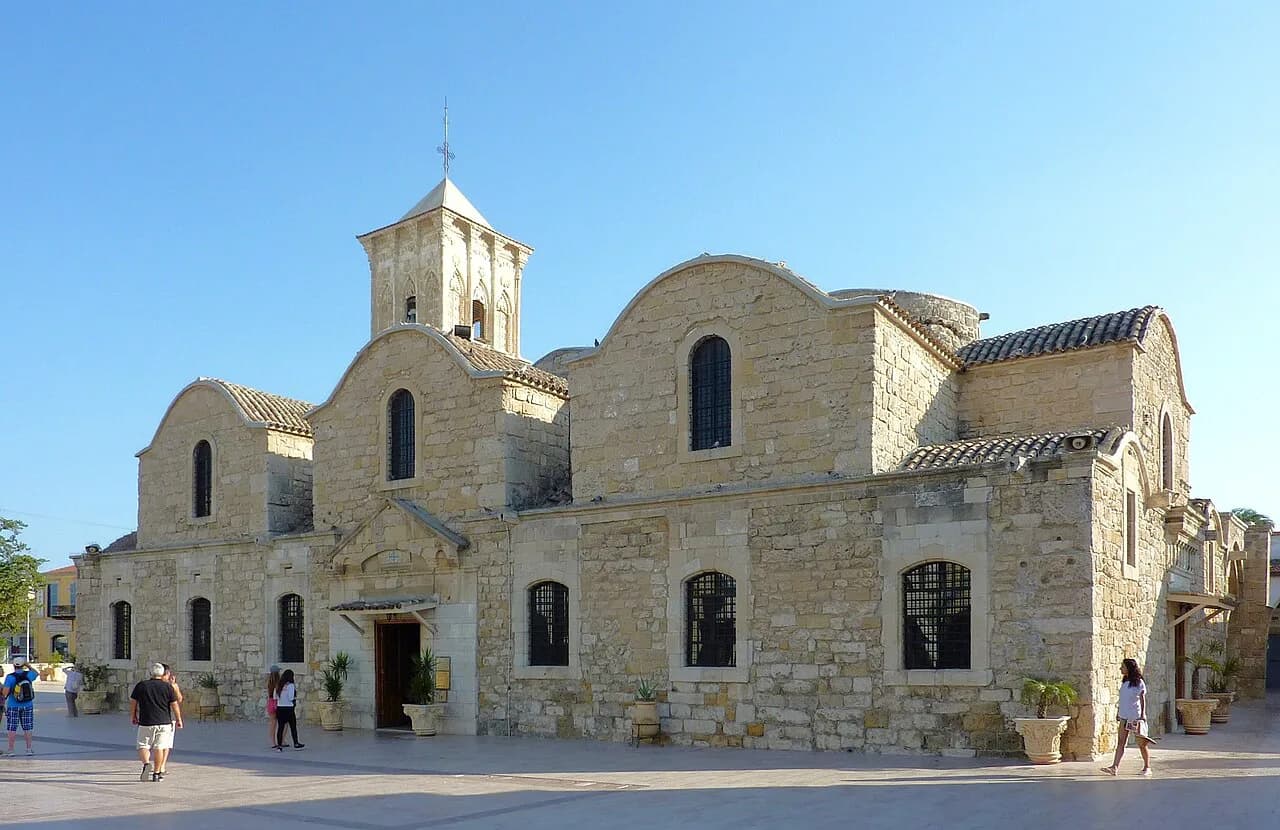
The old town's narrow lanes give you broken shade, and its churches offer quiet pauses away from the open street. Aim to be there soon after opening time rather than in the afternoon.
Along the seafront, the most exposed part of the centre runs past the castle and the palms. Walk it before breakfast or after sunset, when the heat lifts and the waterfront is at its best.
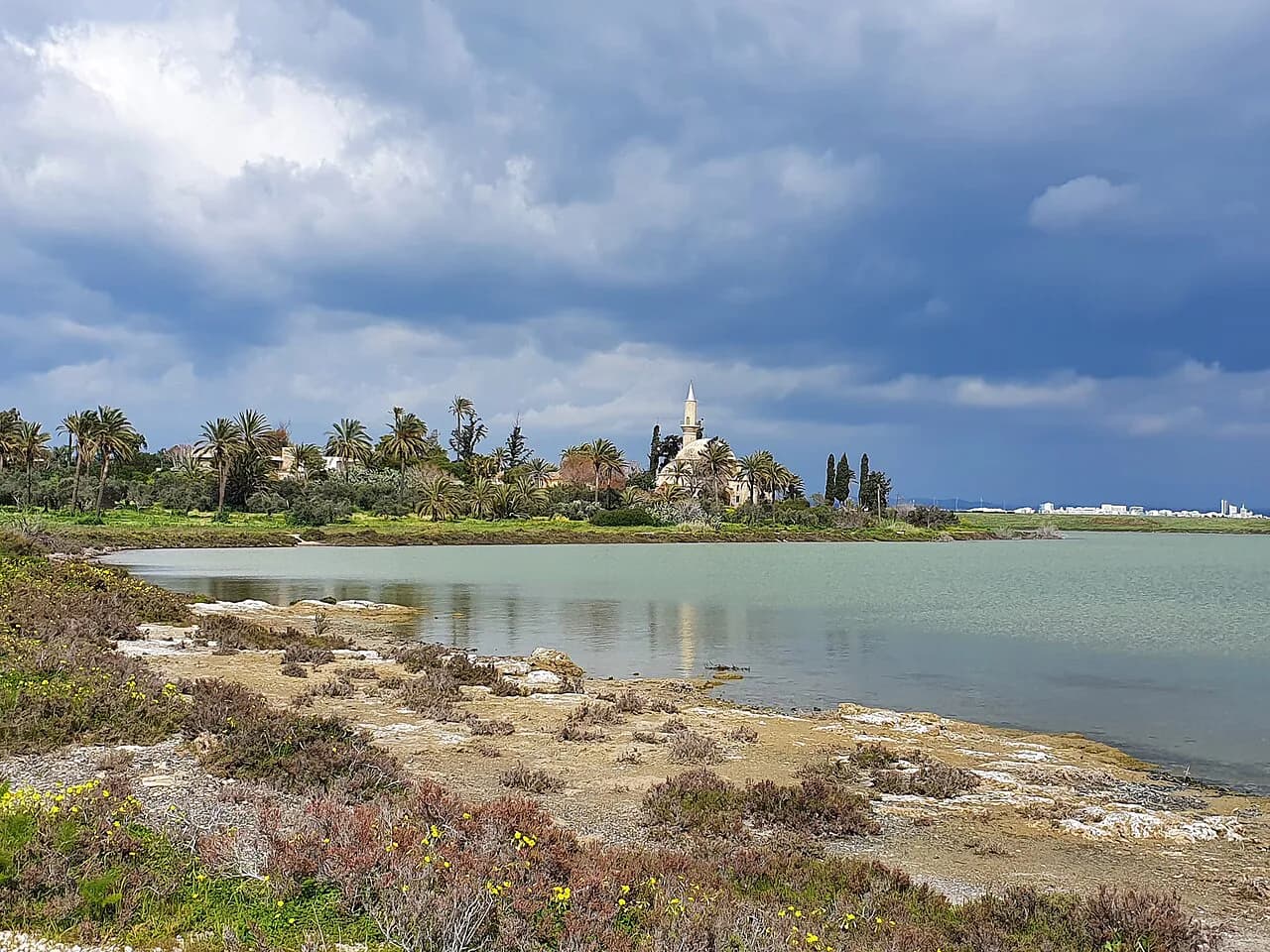
The salt lake area is open and shadeless, which makes it an early-morning or evening destination in August. It is a short drive or bus ride out of the centre, so pair it with another stop rather than making a separate trip.
If your budget matters more than comfort, do the free stops at the edges of the day: the seafront costs nothing and takes little time, and it is at its best before breakfast or after sunset.
Getting between sights in August
Larnaca's sights are spread out, which is where the heat really bites: the gap between two stops can be a twenty-minute walk in full sun rather than a few steps. Group nearby places into one outing instead of criss-crossing the centre.
Air-conditioned transport is a reasonable luxury in August. A hire car makes the salt lake and the outlying stops easy, and returning to a cool car between stops changes the whole day; local buses are cheaper but mean waiting at stops in the sun.
A structured morning walk works best, before the pavements heat up. Plan one for your first day and leave the afternoons free.
What to wear and carry in August
Light, loose clothing in cotton or linen, a wide-brimmed hat and sunglasses are the basics. Footwear matters too: pavements and stone squares radiate heat, so closed sandals protect your feet better than thin soles.
Carry more water than feels necessary, and refill rather than relying on buying bottles all day. A light layer helps for air-conditioned museums and buses, where the contrast can feel sharp.
Sun cream and a folded umbrella for shade are worth the bag space. Neither is glamorous, and both make an afternoon on the seafront far more manageable.
Should you book Larnaca for August?
Book August if you want reliably hot, dry weather, a very warm sea and long sunshine, and you are happy to structure days around early mornings and late evenings. The month typically delivers the warmest sea of the year, which makes it the best choice for long swims.
Choose late September or October instead if sightseeing on foot matters more than sea temperature. You give up some heat and gain hours of comfortable walking.
Explore more Larnaca guides
Frequently Asked Questions
Is August the hottest month in Larnaca?
It is the peak of the summer in Larnaca, with average highs of around 32C to 33C and nights near 21C. The difference between July and August is small; August also falls in the school holidays, so the seafront and popular stops can be busier.
Can you swim in the sea in Larnaca in August?
Yes. The Mediterranean is at its warmest, averaging around 26C to 30C depending on the climate source, so long swims are comfortable. Early morning and evening are the most refreshing times to be in the water.
Does it rain in Larnaca in August?
Hardly at all. August averages only a few millimetres of rain across the whole month, with effectively no rain days, so you can plan outdoor activities without a wet-weather backup.
Sources
Notes for your Cyprus trip
Optional updates to our Cyprus guides.
You might also like
Continue reading
More guides you'll find useful