Larnaca Weather in July: Typical Heat, Sea Temperature and What to Plan Around
Larnaca in July typically brings a daytime high near 33°C and a sea around 24–28°C. Sightsee early, then swim or find shade in the hot middle of the day.
On this page
July in Larnaca typically brings a daytime high near 33°C (about 92°F) and an overnight low around 23°C (73°F), with a monthly mean of roughly 28°C (83°F). Rain is effectively absent, so the real planning question is not whether it will be sunny but which hours you spend outdoors. This guide sets out typical July climate averages for Larnaca, the sea temperature, and how to shape a day around the heat, with the main things to do in Larnaca mapped onto the cooler ends of the day.
What July weather in Larnaca typically feels like
Treat the July figures as climate averages, not a forecast: the average low sits near 23°C at night and the average high near 33°C in the afternoon. The mean for the month sits near 28°C, which tells you even the cooler parts of the day stay warm.
Across Cyprus more broadly, July highs are often quoted between 32°C and 38°C, with nights between 21°C and 25°C, so Larnaca sits toward the more comfortable end of the island's July range. Coastal breezes help, but the exposed seafront offers little natural shade at midday. Plan for the upper end of the range if you are walking between open squares rather than following a shaded route.
Sea temperature in July and swimming at the seafront
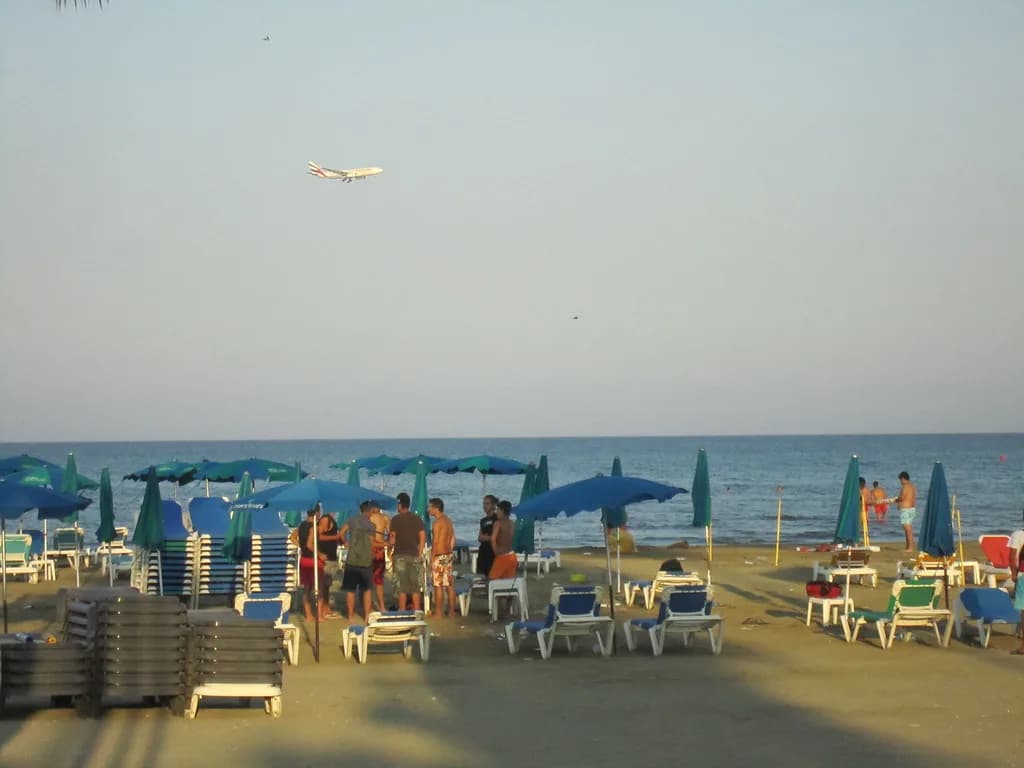
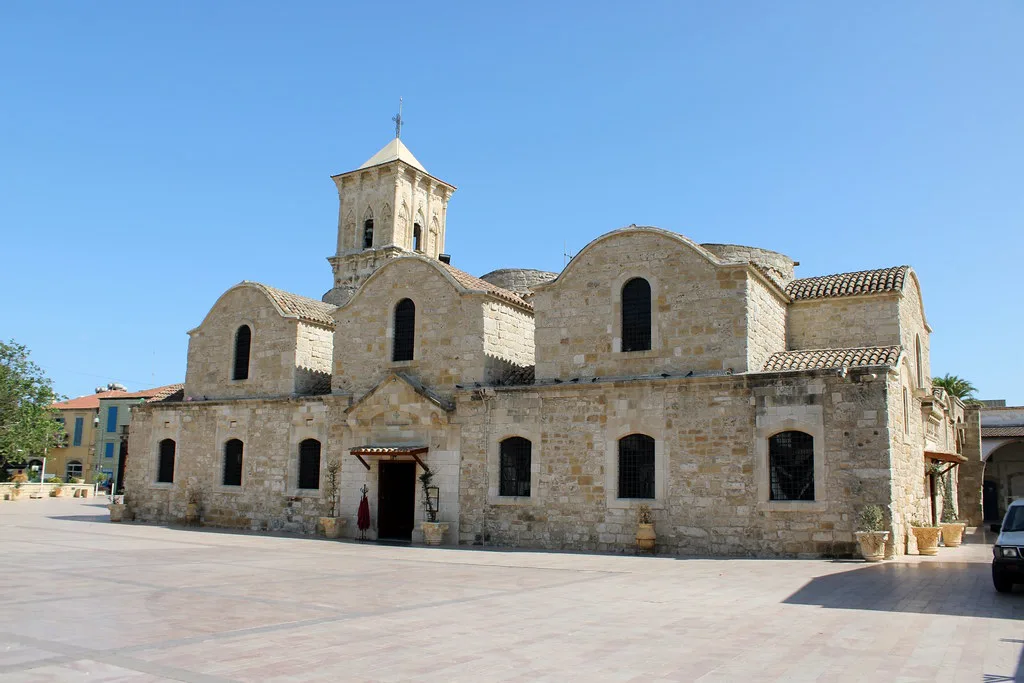
The Mediterranean off Cyprus typically reaches 24–28°C in July, warm enough for long, comfortable swims without a wetsuit. That matters because the sea is often more pleasant than the land at 3pm, when the promenade and open squares radiate heat. Early evening is the sweet spot: the water holds its warmth while the air cools slightly.
The sheltered Larnaca bay keeps the water calm on most days, which suits casual swimmers and anyone who prefers to stay close to shore. If you want a straightforward swim-and-stroll day, base yourself along the Finikoudes Promenade, where the beach sits directly against the town.
Sunshine, heat and why the number understates it
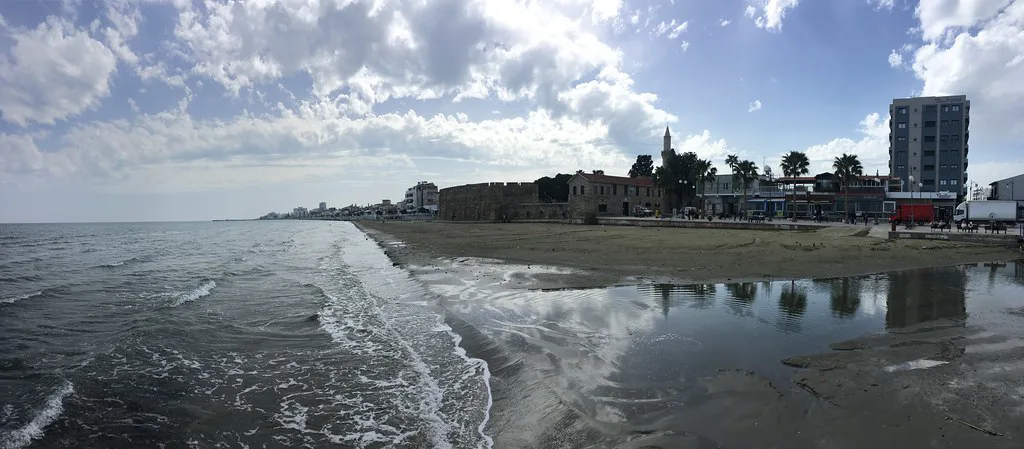
July is the driest, sunniest stretch of the Cypriot year, with long clear days and almost no cloud cover to break the glare. The heat builds through the morning and peaks in mid-afternoon, so an 11am start on an exposed archaeological site feels considerably harsher than the same walk at 8am. Reflective surfaces near the seafront add to the effect.
Build your day around shade rather than around the clock: churches, museums and covered arcades in the Larnaca old town give you somewhere cool to reset between outdoor stretches. A hat and water bottle matter more in July than any other piece of kit.
Rain in July: how little to expect
July rainfall in Larnaca is negligible, averaging about 0.03 inches across the month, and island-wide precipitation is often put at just 1–3 mm. You can leave the umbrella at home and pack for dry heat instead. The trade-off is that there is no passing shower to cool the streets in the afternoon.
When to go out: mornings for the old town, afternoons for shade or water
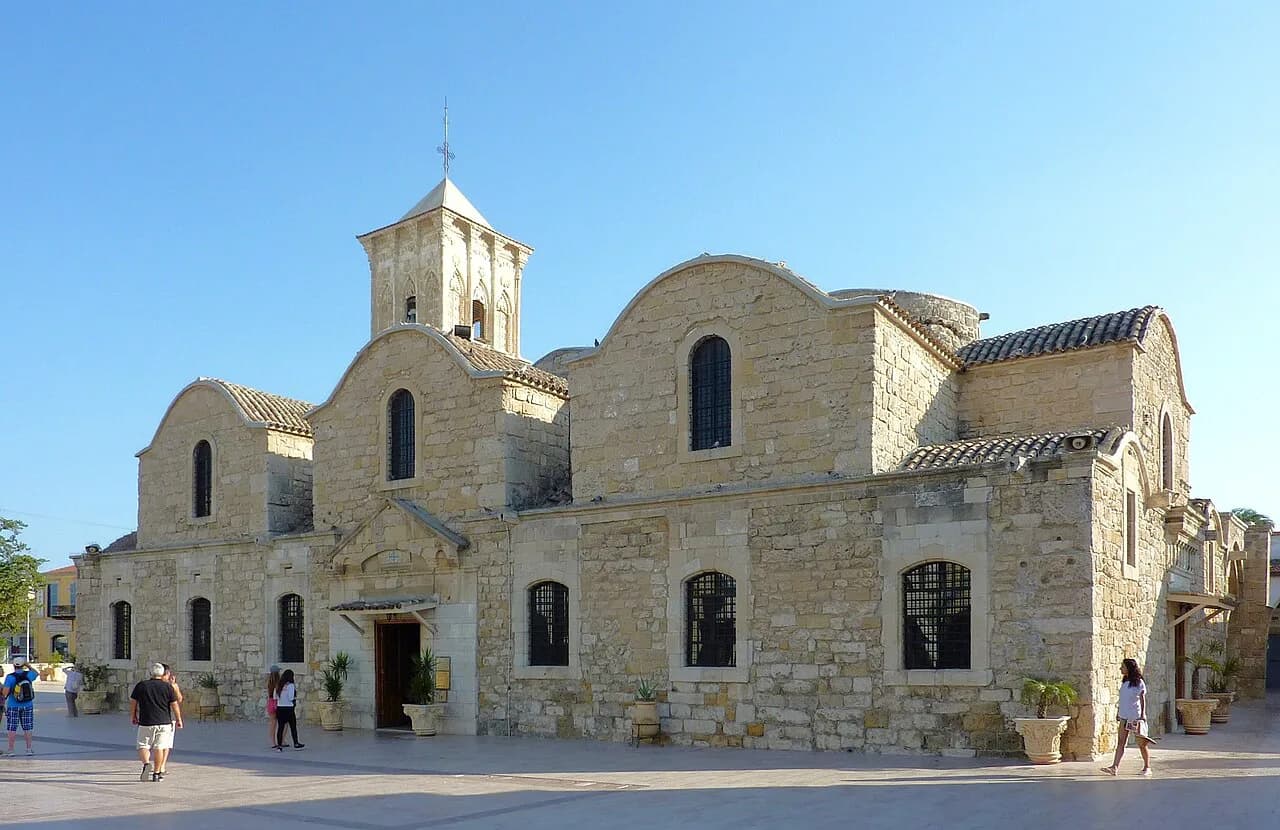
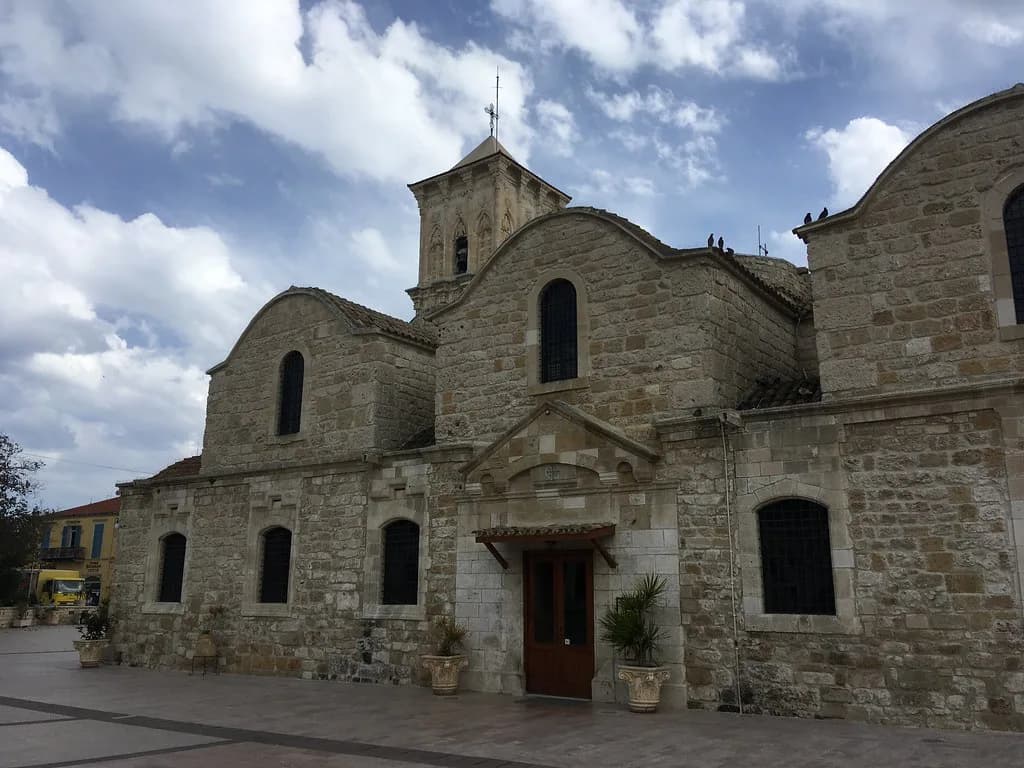
Aim to be walking by 8am if you want the old town at its most usable: the streets around the church of Saint Lazarus and the lanes behind the seafront are far more comfortable before the sun climbs. By late morning, shift to indoor stops or the covered market area. Two hours of early walking covers more ground than four hours after lunch.
Afternoons belong to the water or to air-conditioned interiors. A swim off the central beach, a slow drink under an awning, or a museum visit all make better use of 2–5pm than another walking loop. Save the harbour and marina area for the evening, when the light softens and the heat lifts.
How to structure a July day in Larnaca around the heat
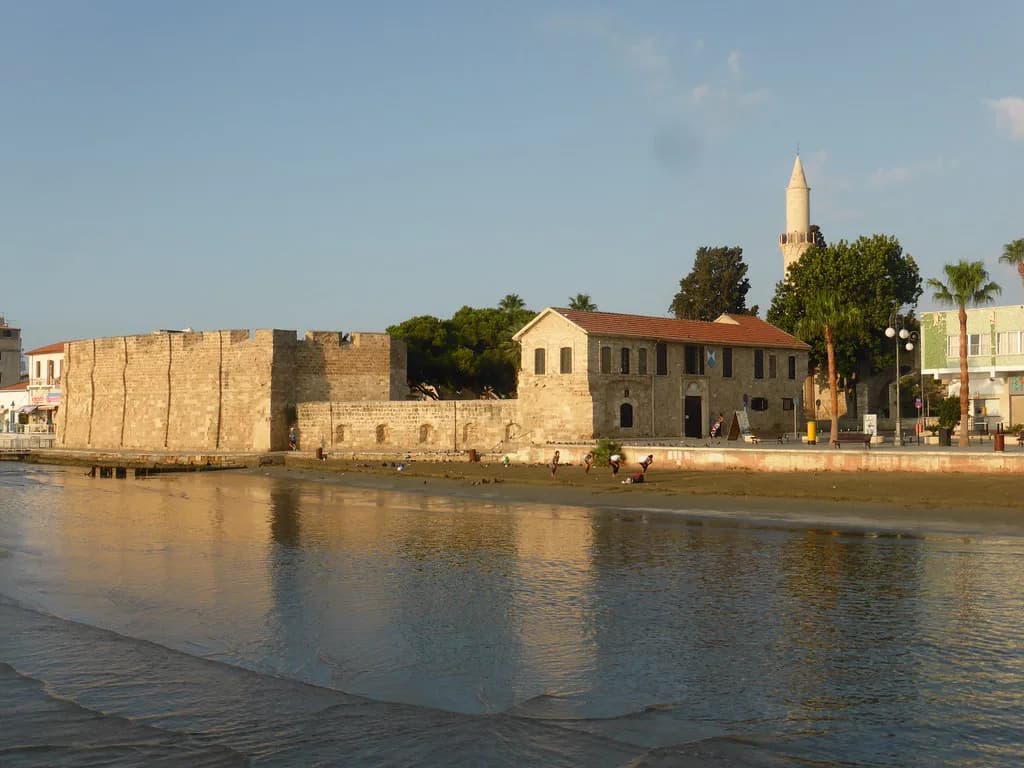
A workable July pattern is early walk, late lunch, long swim, evening stroll. Start with the old town lanes and a church or two before 10am, retreat indoors or into shade through the middle of the day, then return to the seafront after 5pm for the promenade and the castle end of town. This spreads the outdoor hours across the two cool ends of the day.
If you only have one day, keep it compact: the old town, the seafront and the harbour are all within walking distance, so you avoid spending the hottest hours in a hot car. A self-guided walking tour keeps you in control of when to stop for shade.
Being on the water is one of the few ways to stay cool while still sightseeing in July, the island's peak season.
What to wear and carry for a July day of sightseeing and swimming
Light, loose clothing, a wide-brimmed hat, sunglasses and high-factor sunscreen are the essentials, plus footwear you can walk in on hot paving. Carry more water than you think you need, and plan refill stops rather than relying on buying cold drinks all day. A light layer helps in aggressively air-conditioned interiors.
Bring swimwear you can change into easily and a quick-dry towel, because the sea will likely be the most comfortable place in Larnaca by mid-afternoon. Churches and religious sites still expect covered shoulders and knees, so keep a light shirt or scarf in your bag.
Is July the right month for your Larnaca trip?
July suits travellers who want guaranteed sun, warm sea and long evenings, and who are happy to sightsee in short early bursts rather than all day. If you would rather walk for hours without heat breaks, choose a shoulder month instead. If you do come in July, build the day around morning and evening outdoors and let the middle of the day go to water, shade or air conditioning.
Explore more Larnaca guides
Sources
Notes for your Cyprus trip
Optional updates to our Cyprus guides.
You might also like
Continue reading
More guides you'll find useful