Cyprus in July: Weather, Sea Temperatures and Where to Go
Cyprus in July is the island's hottest month, with average highs around 34°C. See typical temperatures, crowds, sea conditions and where to go for cooler air.
On this page
July is Cyprus at its hottest and busiest, with average high temperatures around 34°C and very little rain. Plan around early mornings and shaded afternoons, and expect peak-season crowds in the big resorts. This guide covers typical July temperatures by region, the sea, how to cope with the heat, where to go and what the month means for sites, transport and money.
Figures here are climate averages rather than a forecast, and they vary a lot between the coast, the central plain and the mountains. The Troodos Mountains are the reliable escape when the coast feels too hot.
July in Cyprus: the short answer on heat, crowds and sea
July is one of the two hottest months of the year in Cyprus, alongside August, with average maximum daytime temperatures around 34°C. It is also peak season, so coastal resorts are at their busiest and pools, beaches and shaded terraces fill early. If you want heat and reliable sunshine and can tolerate crowds, July delivers; if you want to walk or sightsee comfortably, late spring and autumn are easier.
The heat is not uniform. The central plain around Nicosia is the hottest part of the island, the coast is moderated by the sea, and the north benefits from cooling breezes off the Kyrenia mountains. Nicosia is also the sunniest capital in Europe, receiving around 3,400 hours of sunshine a year. Choosing where you base yourself matters as much as the month itself, which our month-by-month guide to the best time to visit Cyprus sets out.
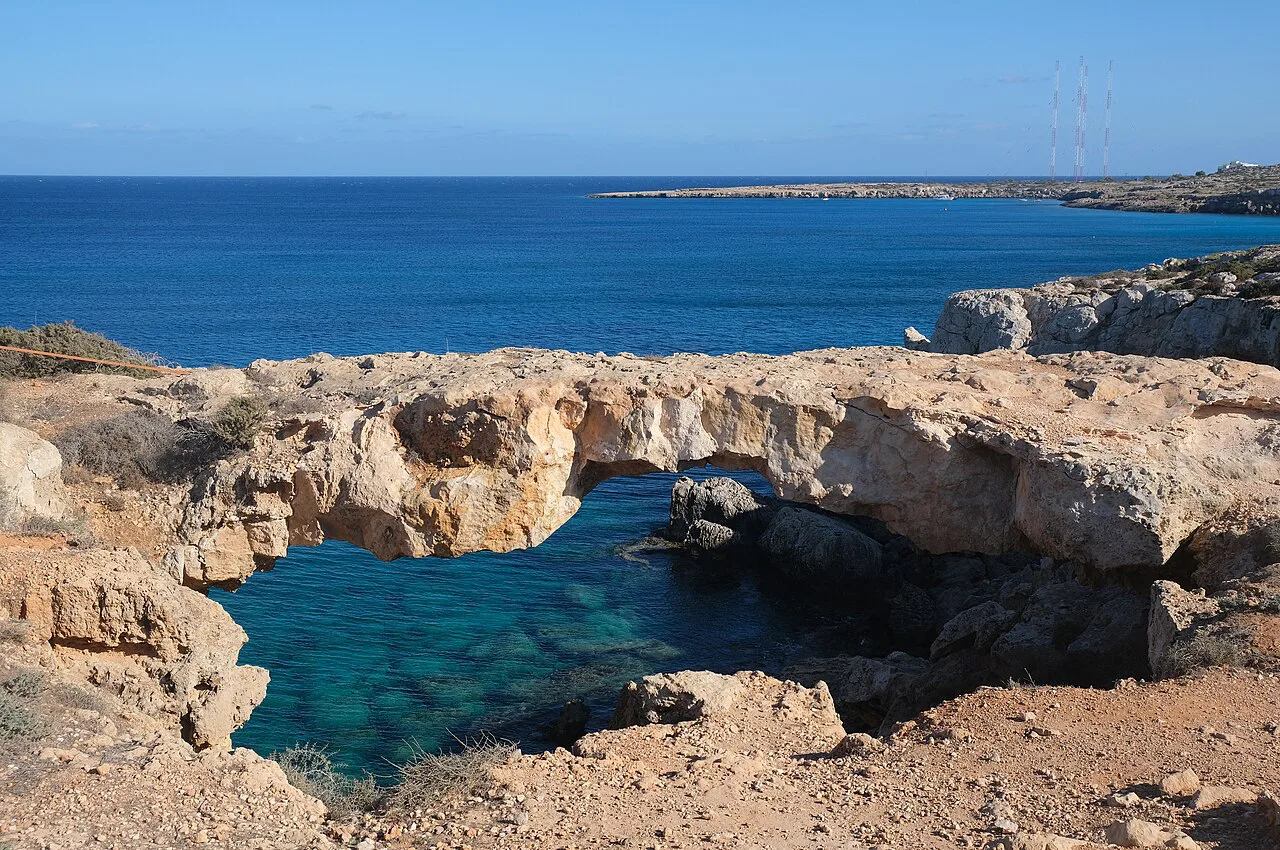
Typical July temperatures: coastal resorts, Nicosia and the Troodos Mountains
In July the average maximum day temperature across the island sits around 34°C, though coastal resorts such as Limassol and Larnaca usually feel a few degrees gentler than inland Nicosia because of the sea breeze. The central plain is where the heat concentrates, so a day trip to Nicosia is best done early. Treat every figure as a long-term average, not a promise for your week.
Daily routine: The practical routine in July is to sightsee before about eleven in the morning, retreat to shade, a pool or an air-conditioned museum in the afternoon, and go out again in the evening.
Ancient sites: Department of Antiquities sites such as Kourion, the Paphos mosaics and Choirokoitia have little shade, so July visits are best made at opening time.
Money: The Republic of Cyprus uses the euro, while north Cyprus uses the Turkish lira, and travellers crossing the Green Line should carry both.
From June to September, Cyprus enjoys warm, dry summer weather with temperatures typically ranging from 25°C to 35°C, and July is the warmest, driest and sunniest month. The Troodos Mountains are markedly cooler than the coast and are where residents head when the heat peaks; the same applies on the Kyrenia mountains in the north. If cool air is a priority, plan at least a day or two at altitude rather than staying on the coast throughout.
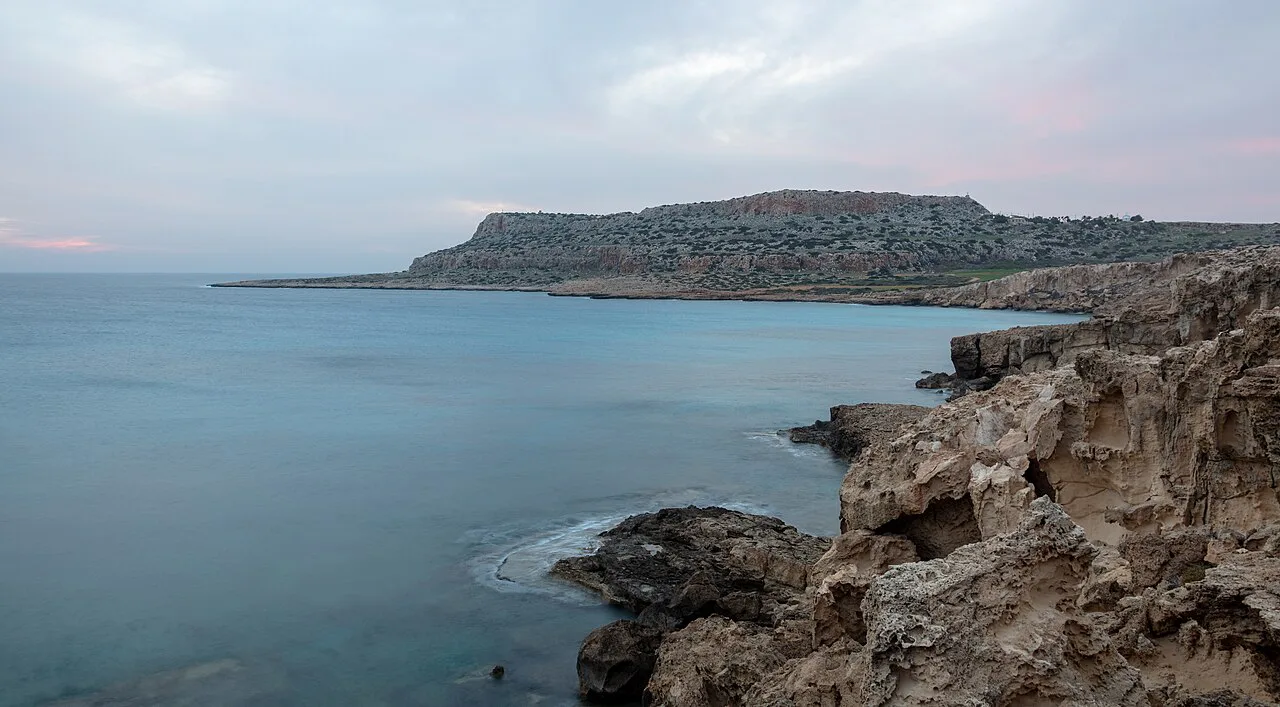
Sea temperatures and swimming in July
By July the sea has had months of strong sun and is typically at its warmest, so swimming is comfortable for most people, including early in the morning and after sunset. The coast is also cooler than inland, which makes a late-afternoon swim a sensible way to end a hot day. Sea temperatures vary around the coast, so treat any single figure with care.
If swimming is the main point of the trip, July is a strong bet for warm water. Our guide to Cyprus in August covers the month that follows, when the sea stays warm but the heat and crowds are at their height.
Coping with the heat: early starts, shade and water supply
The practical routine in July is to sightsee before about eleven in the morning, retreat to shade, a pool or an air-conditioned museum in the afternoon, and go out again in the evening. Carry more water than you think you need and drink it steadily rather than in one go. Hats, loose clothing and high-factor sun cream are not optional at these temperatures.
Water is a genuine constraint in summer. Cyprus suffers from water insecurity, and reservoirs run low as the dry season progresses, so keep showers short and avoid unnecessary washing. Heat exhaustion is a real risk on exposed archaeological sites with little shade, so build in breaks and carry water.
Where to go in July: coast versus Troodos versus the Kyrenia mountains
The coast is the default in July: breezier than inland, with swimming on hand and plenty of places to shelter from the midday sun. Limassol, Larnaca and the Ayia Napa and Protaras area all work well as bases, though each has a different feel and crowd level. For a mix of sea and shade, split your stay between the coast and higher ground.
The Troodos Mountains are the island's most reliable escape from the heat, with cooler air, forest cover and altitude. In the north, the Kyrenia mountains above Kyrenia/Girne do the same job, catching breezes that keep the coast and foothills more comfortable. Both are worth at least a day if the heat is the main worry; our guide to Cyprus in summer covers the whole season for anyone weighing up dates.
Crowds and peak season: Kato Paphos, Ayia Napa and the north
July is peak season, so book accommodation well ahead and expect the main resorts to be busy. Kato Paphos and Ayia Napa are among the busiest, with packed beaches, queues at popular sites and full car parks. If your trip centres on either, choose your days tactically: go early, or pick a quieter alternative for the peak hours.
The north is generally less crowded than the southern resorts, though Kyrenia/Girne and Famagusta/Gazimağusa still fill up in July. Prices in the north are in Turkish lira, and the same peak-season logic applies: book ahead for the most popular weeks. The month that follows is even busier, so Cyprus in August is worth reading if your dates are flexible.
What July means for archaeological sites and museums
Department of Antiquities sites such as Kourion, the Paphos mosaics and Choirokoitia have little shade, so July visits are best made at opening time. Many museums are air-conditioned, making them a sensible afternoon option when the sun is at its strongest. Opening hours change by season, so check the site's own notice or the Department of Antiquities listings before you set out.
A sensible July pattern is one major site in the morning, a museum or long lunch in the early afternoon, and a gentle walk or harbour stroll in the evening. Guided tours often run early for the same reason. Avoid booking two exposed sites on the same day.
Getting around in July: car hire, buses and driving on the left
Cyprus drives on the left, which suits UK and Irish drivers, though the road style and mountain bends still take getting used to. A car is the most flexible way to reach the Troodos Mountains and less-visited sites, but hire cars need booking early in peak season. Air conditioning is essential rather than a luxury in July, so check that the car has it before you drive away.
Intercity buses link the main towns, but services to mountain villages and remote sites are thinner, and a car is easier for early starts. Park in the shade where you can, and never leave anyone or anything living in a parked car in July heat. Fuel stations are common on main roads but sparser in the mountains, so fill up before heading up.
Money in July: euros in the Republic, Turkish lira in the north
The Republic of Cyprus uses the euro, while north Cyprus uses the Turkish lira, and travellers crossing the Green Line should carry both. Card acceptance is common in the main resorts but less reliable in small village shops and remote sites, so keep some cash. Prices and card policies change, so check the day before you travel.
Budget for peak-season accommodation and car hire being noticeably higher than in spring or autumn. Rather than quoting a rate that may have changed, check current prices directly with the operator or hotel when you book. If you are splitting your trip between north and south, keep the currencies separate and plan where you will change money.
Is July right for your trip? Trade-offs against spring and autumn
July trades comfort for reliable heat, warm seas and long evenings. Late spring brings wildflowers, green hillsides and walking weather, and the official tourist season starts in April; autumn brings falling prices and still-warm seas. If you want active days and long walks, late spring and October are easier; if you want guaranteed swimming and sunshine, July is hard to beat.
The rival month is August, which is just as hot and busier still. The best time to visit Cyprus page on this site sets out the full year, and our Cyprus in September and Cyprus in October guides show how quickly the heat eases. Choose July if you can plan around early starts and shade; otherwise move your dates a month either side.
Should you book July or shift your dates?
Book July if you want the island at its hottest and the sea at its most inviting, and you are happy to sightsee early and rest in the afternoon. Shift to late spring or autumn if you want to walk, visit exposed sites comfortably and avoid peak-season crowds and prices. Either way, build shade and water into every day.
Before booking, confirm the current opening hours of any Department of Antiquities site you plan to visit, and check live prices for car hire and accommodation rather than relying on typical figures. The right month depends on whether heat is the attraction or the obstacle.
Sources
Notes for your Cyprus trip
Optional updates to our Cyprus guides.
You might also like
Continue reading
More guides you'll find useful