Cyprus in October: Weather, Sea Temperature and Where to Go
Plan a Cyprus holiday in October with typical daytime highs, a warm sea for swimming, thinner crowds and outdoor days in Paphos, Limassol and the Troodos.
On this page
October is one of the best months to swim in Cyprus. Days typically reach about 25–30°C, evenings fall to roughly 15–20°C, and the Mediterranean stays around 24°C, so a beach morning and an evening in a light layer both work. This guide sets out typical conditions, how busy the island gets, which regions suit October best, and how to plan days in Paphos, Limassol, Larnaca, Ayia Napa and Protaras.
Treat all of those numbers as climate averages rather than a forecast. Neither air nor sea temperature can be predicted for a given date, so build flexibility into your plan: a warm spell rewards a swimming day at Konnos Bay or Fig Tree Bay, while a cooler stretch suits the Troodos or a long afternoon among the mosaics at Kato Paphos.
October weather in Cyprus: typical highs and evenings
Expect mild, sunny days and noticeably cooler nights. Daytime highs average between 25 and 30°C and evenings sit around 15 to 20°C, with plenty of sunshine across the month. That gap between afternoon and evening matters: a T-shirt is fine at lunchtime in Larnaca or Limassol, but a jumper or light jacket earns its place after sunset.
October marks the shift from summer to autumn, so the month is rarely uniform. Some days feel like an extension of summer; others bring cloud and a breeze that makes shade welcome. Plan outdoor sightseeing for the morning, keep the middle of the day for the sea or a shaded courtyard, and hold a museum or monastery visit in reserve for a cooler afternoon.
Sea temperature in October: is it warm enough to swim?
Yes: the sea typically averages around 24°C in October, warm enough for comfortable swimming rather than a quick plunge. The water holds the heat of the summer months, which is what makes October swimming realistic. Shelter matters as much as temperature, so pick a bay that faces away from the prevailing swell if the wind picks up.
Weather: Daytime highs average between 25 and 30°C and evenings sit around 15 to 20°C, with plenty of sunshine across the month.
Packing: Pack for two seasons in one day: light clothing for daytime, plus a light jacket or sweater for cooler evenings, along with swimwear, sunscreen, sunglasses and a hat.
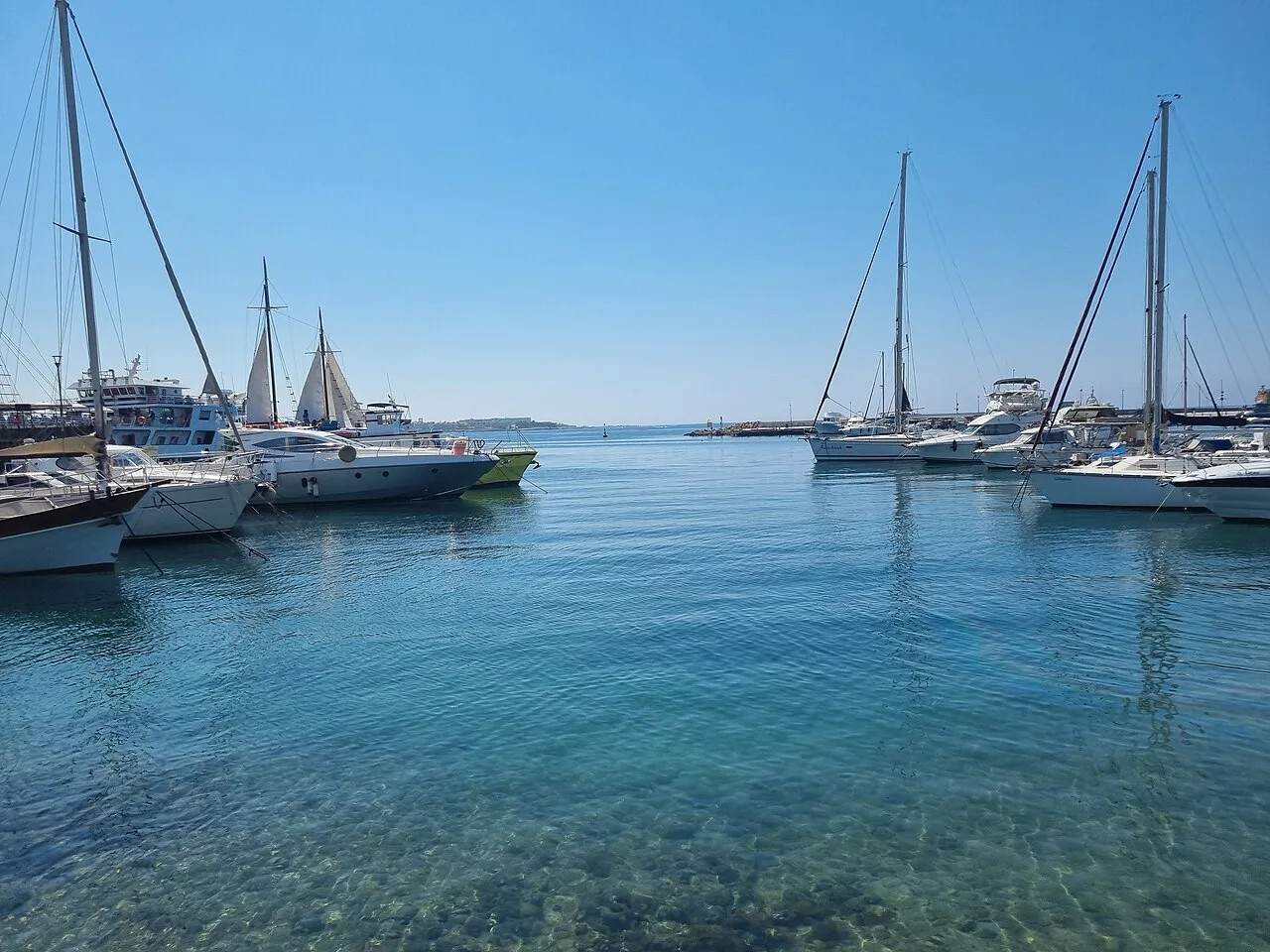
Swim in the morning or early afternoon, when the air is at its warmest and drying off is pleasant. Konnos Bay near Protaras and Nissi Beach at Ayia Napa are among the spots the October guide names for a swim, and Fig Tree Bay is the long-standing family beach on the same coast. Around Paphos, the beaches sit within easy reach of the archaeological sites.
Coast or Troodos: choosing your October base
The coast is the safer bet for a sun-led trip, but the Troodos gives October its best contrast. When the coast feels too warm or the evenings turn cool, a day in the mountains brings pine shade, village squares and monastery visits, with Kykkos within reach on a long loop. The trade-off is driving: mountain roads are slow, and a coast-to-Troodos return is a full day rather than an afternoon.
A split stay solves the problem neatly. Base yourself on the coast for swimming and antiquities, then spend a night or two higher up so you can start early at Kykkos or walk a village before the afternoon cloud builds. If you are weighing months, the best time to visit Cyprus page sets October against spring and high summer so you can see which fits your priorities.
How busy Cyprus is in October
October is quieter than July and August, which changes how a day feels rather than what is open. Popular spots such as Kato Paphos, the Limassol waterfront and the Ayia Napa and Protaras coast remain active, but you are less likely to queue for a car park or a ticket counter. Restaurants, bars and attractions in tourist areas generally stay open through the month.
If you want the heat but not the peak-season pressure, compare this with Cyprus in July to see how different the same harbours and sites feel. October rewards the traveller who books late mornings at archaeological sites and keeps afternoons loose: the crowds are thinner, but the sun still dictates the pace.
What October is good for
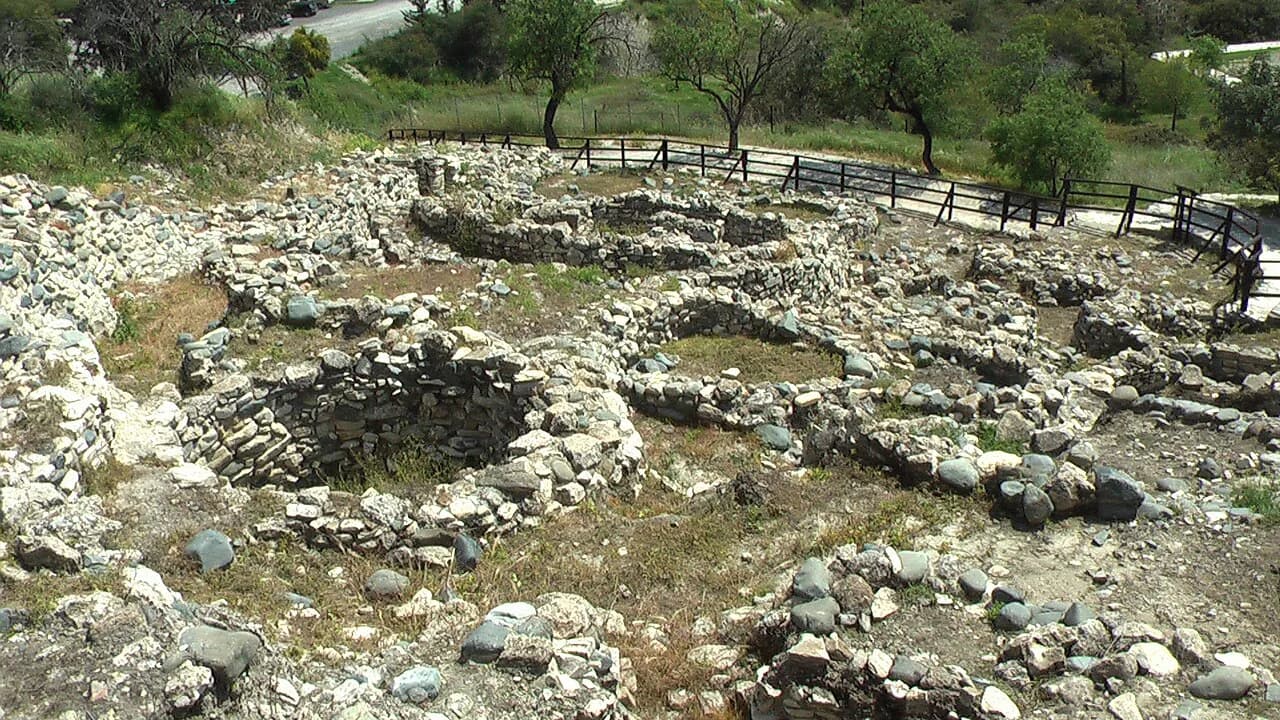
October suits swimming, archaeological sites and mosaics, castles, monasteries and unhurried time in villages. Kato Paphos gathers the archaeological park and the Tombs of the Kings near the harbour, while Kourion near Limassol gives you a cliff-top theatre and mosaics in a single morning. Ayia Napa Monastery offers a calm counterpoint to the coast, and Cape Greco is at its best outside the summer crush.
Department of Antiquities sites and museums run their own seasonal hours, and ticket prices change between sites, so confirm the day and entry cost with the site or the Department before you set out. The same applies to boat trips, which depend on weather and operator schedules rather than a fixed October timetable. Build a loose itinerary with one anchor sight a day and you will not lose a morning to a closed gate.
What to wear and carry
Pack for two seasons in one day: light clothing for daytime, plus a light jacket or sweater for cooler evenings, along with swimwear, sunscreen, sunglasses and a hat. Comfortable shoes matter more than you might expect, because archaeological sites are uneven underfoot and harbour old towns are paved and often polished.
Carry water and a refillable bottle on any site day, and keep a light rain layer for the odd unsettled afternoon. This is a practical habit rather than a prediction: October can bring a cloudier, breezier day between the sunny ones.
Paphos in October
Paphos splits neatly into two October days. Kato Paphos gives you the archaeological park, the Tombs of the Kings and the harbour within walking distance, best tackled early before the sun climbs. Then head up to Ktima for the evening, where it is cooler and the pace is local rather than touristic.
The shoulder season is the argument for October here: fewer coach groups at the mosaics, easier parking, and a sea warm enough for a late-afternoon swim. If you want a benchmark for how much busier it gets, the Cyprus in August guide shows the difference a month makes.
Limassol and Larnaca in October
Limassol works as a harbour-and-old-town day with Kourion as the archaeological anchor. The castle and old town suit a morning stroll, the seafront takes the afternoon, and Kourion is an easy drive out of the city if you have a car. Larnaca is quieter and more compact: the palm-lined seafront, the old town and the salt lake area fill a relaxed day.
Both cities make good October bases because you can mix urban time with swimming. From Limassol you can reach Kourion and the coast in one day; from Larnaca the airport is close, which suits a short break. If your dates are flexible, compare Cyprus in September, when the sea is at its warmest but the air is still summery.
Ayia Napa and Protaras in October
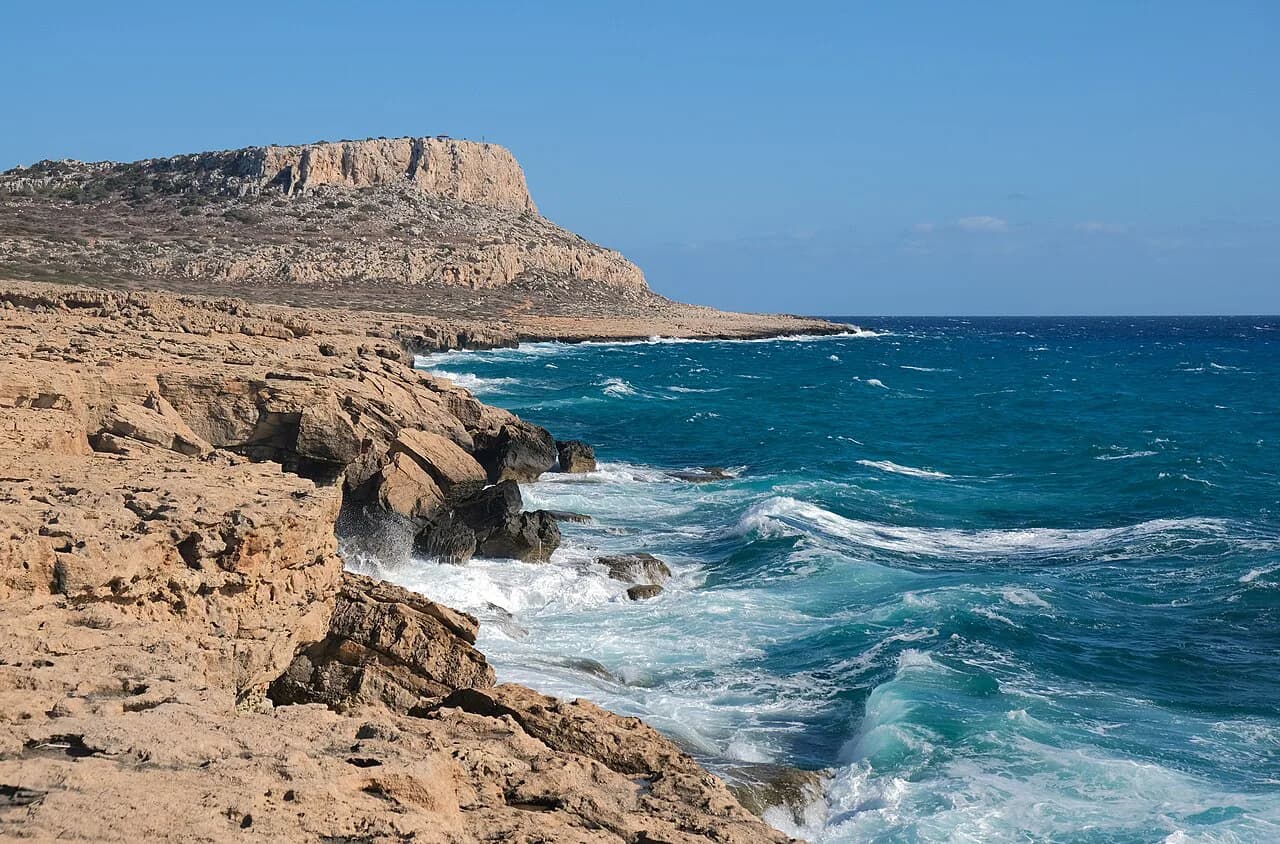
This is where October pays off most. Fig Tree Bay, Konnos Bay and Cape Greco are the same places they are in summer, but without the high-season crowd. The Ayia Napa Monastery is a short walk from the centre, and the coastal paths around Cape Greco are far more pleasant when the temperature sits in the high twenties.
Use the cooler month to spread out: a morning swim, a monastery visit at midday, then a late afternoon at Cape Greco for the light. The swimming is the reason to come now rather than in Cyprus in July, when the same bays are at their most crowded and the heat is at its least forgiving.
How to get around in October
Cyprus drives on the left, which is familiar for UK and Irish drivers. A hire car is the most flexible way to link Paphos, Limassol, Larnaca and the south-east coast, but you should book early for an automatic and confirm the insurance terms with the rental company if you plan to cross the Green Line. Buses run between the main towns and coastal resorts.
October is good for driving because the heat is less punishing and the roads are quieter. Distances look short on the map but winding roads and village speed limits add time, so allow a full day for a coast-to-Troodos loop. If you are planning a summer trip instead, Cyprus in summer explains why the same drives need an earlier start.
What an October trip costs in euros
The Republic of Cyprus uses the euro, so you can budget in one currency across Paphos, Limassol, Larnaca and Ayia Napa. October is shoulder season rather than high season, so expect more choice on accommodation and car hire than in July or August, and confirm current prices with the operator before you commit. Check entry charges with the Department of Antiquities for each site you plan to visit.
Keep a little cash for small village places and car parks, and pay by card where you can. If your trip crosses the Green Line into the north, check the currency and card arrangements with your bank or the operator before you travel. If you are comparing months for value, the best time to visit Cyprus overview puts October alongside spring and high summer.
Should you book Cyprus for October?
Yes, if you want warm sea, softer heat and fewer people. October gives you typical daytime highs of 25–30°C, a sea near 24°C for swimming, and an island that is busy without being packed. Base yourself on the coast for swimming, take one mountain day in the Troodos, and keep one anchor sight a day rather than three.
The risks are small and manageable: cooler evenings, the chance of an unsettled day, and site hours that shift with the season. Check Department of Antiquities opening days and hire-car crossing rules before you travel, then leave room for the weather to decide whether you swim or head for the mountains.
Sources
Notes for your Cyprus trip
Optional updates to our Cyprus guides.
You might also like
Continue reading
More guides you'll find useful