Best Time to Visit Cyprus: Month by Month
The best time to visit Cyprus depends on heat, sea temperature and crowds. Here is how the island's months compare for sightseeing, coast and mountains.
On this page
The best time to visit Cyprus is late April to May and September to October, when daytime temperatures sit in the low to high twenties and the archaeological sites are comfortable to walk. July and August suit swimmers best, with the sea at its warmest, but they also bring the peak crowds and the fiercest heat. This guide sets out each month's typical figures, what the weather means for Paphos, Nicosia, Larnaca and the Troodos Mountains, and which months to pick for ruins, old towns or the coast.
How Cyprus's climate works
Cyprus has a Mediterranean climate of long, dry summers and mild, wetter winters, and the coastal resorts such as Protaras see more than 340 days of sunshine a year. The figures below are typical monthly averages rather than a forecast, so treat them as a planning guide. The key split for visitors is between the coast and the mountains: the Troodos range runs much cooler than Paphos, Limassol or Ayia Napa, and carries snow in winter.
That difference matters most in July and August. A day that is punishing at Kourion or the Tombs of the Kings can be pleasant an hour's drive up in the pines, and winter visitors can ski on Mount Olympus while the coast stays mild. Build the mountain day into the hottest stretch of your trip rather than saving it for a cooler week.
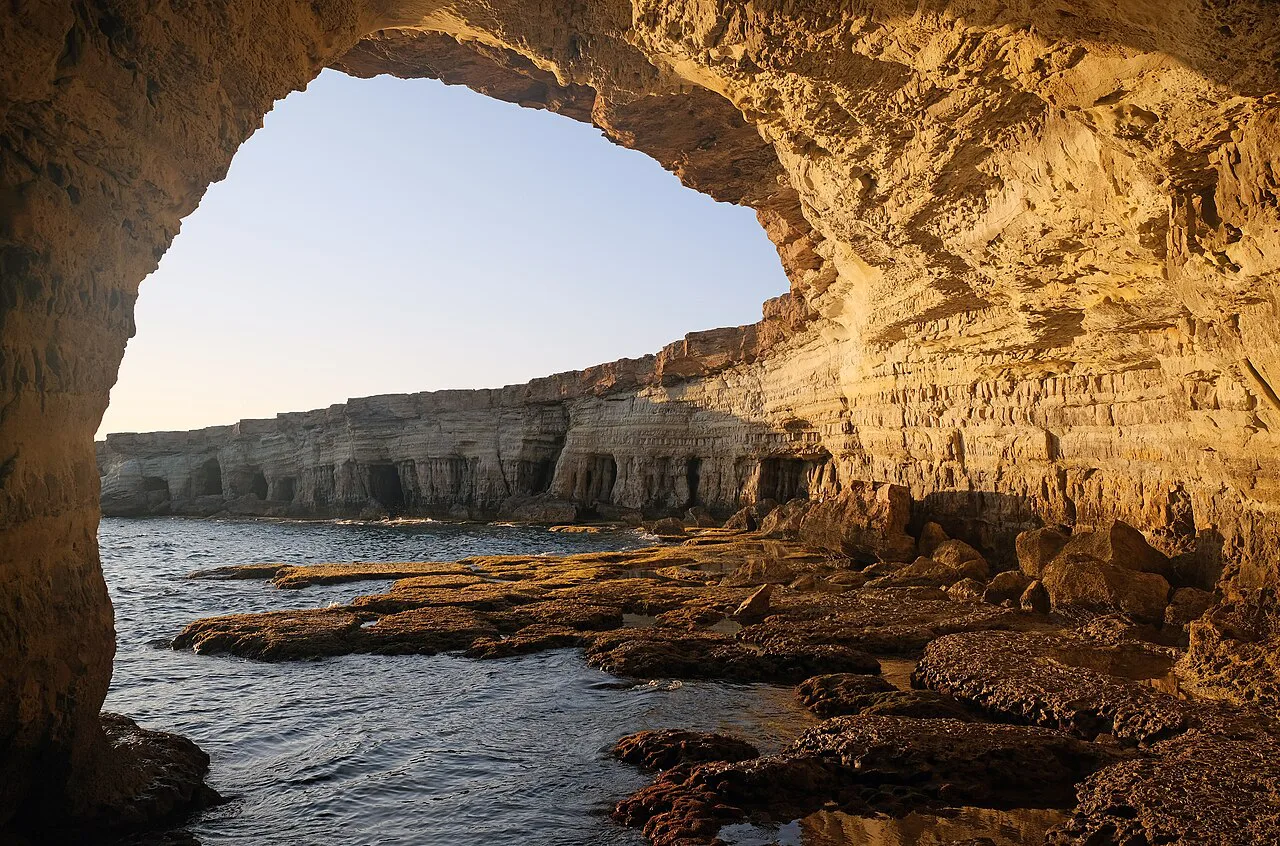
Cyprus weather month by month
Average highs climb from 17°C in January and February to 33°C in July and August, then fall back to 19°C in December. Rainfall is concentrated between November and February, when December averages around 90mm and January around 97mm, while June, July and August are effectively dry. Sea temperatures lag the air, peaking at around 28°C in August and staying near 27°C into September.
Best all-round month: May averages 27°C by day with only 6mm of rain and around 11 hours of sunshine, which makes it one of the best all-round months on the island.
For swimming: For most travellers, the comfortable swimming window runs from late May to mid-October.
For ancient sites: For the island's archaeology, April, May, October and November beat midsummer hands down.
Sunshine hours follow the same curve, from about six hours a day in midwinter to 13 in midsummer. For sightseeing, the sweet spots are the months with highs in the low to mid twenties and low rainfall: April, May, October and November.
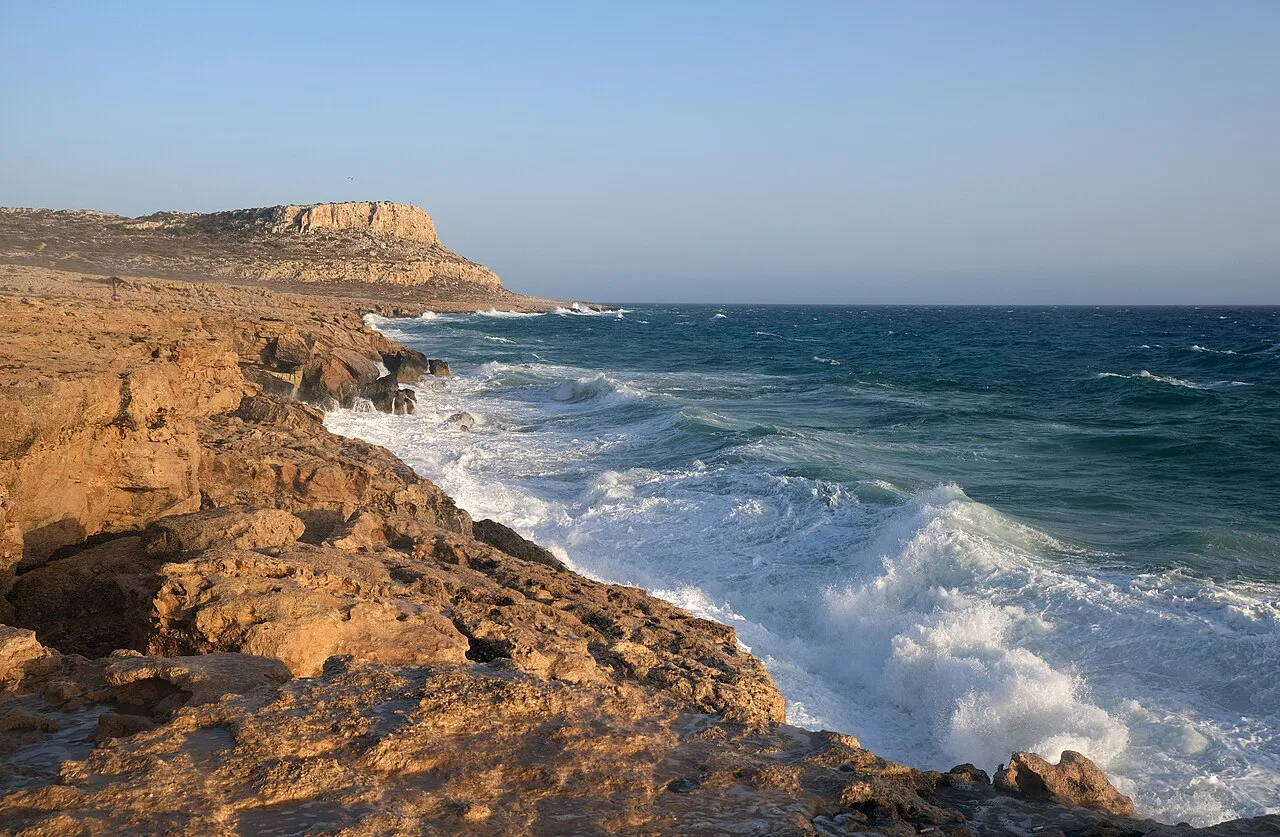
January and February: mild coastal days, wet and quiet
Midwinter on the coast means average highs of 17°C and lows near 9°C, with the wettest weather of the year and roughly eight rain days in January. It is sightseeing weather rather than beach weather, and the sea sits around 17–18°C. The upside is space: ancient sites, museums and old towns are quiet, and prices are at their lowest of the year. February is a touch drier than January, with around 74mm against 97mm.
In the mountains this is proper winter, with snow on Mount Olympus and a short ski season. Coastal days are short, so plan one major site or town per day rather than chaining several together.
March and April: warming, green countryside, fewer crowds
March averages 19°C by day and April 22°C, with rainfall dropping sharply from 35mm to 17mm. The countryside is at its greenest and the coast is quiet before the Easter and summer rush. This is one of the most comfortable windows for Paphos Archaeological Park, Kourion and the painted churches of the Troodos, where the cooler air helps on the climbs.
Swimming is for the hardy in March, when the sea is around 18°C, but by late April it reaches 19°C and the first warm afternoons arrive. Carry a light rain layer for the odd spring shower and something warmer for evenings in the hills.
May: warm coast and mountains before the summer heat sets in
May averages 27°C by day with only 6mm of rain and around 11 hours of sunshine, which makes it one of the best all-round months on the island. The sea warms to about 22°C, so swimming becomes genuinely pleasant by the end of the month. It is warm without the punishing highs of high summer, and the crowds have not yet peaked.
Use May to combine coast and mountains in one trip: a morning at a coastal site, an afternoon in the Troodos villages, and a sea swim before dinner. Book accommodation earlier for the UK half-term week, when demand rises.
June: hot, dry and reliable sunshine
June jumps to an average high of 31°C with effectively no rain and 13 hours of sunshine a day. The sea reaches around 25°C, which is warm enough for long swims and water time at Larnaca or Protaras. It is a reliable month for a beach-focused holiday with sightseeing slotted into mornings and late afternoons.
Treat midday at exposed sites such as Choirokoitia or the Tombs of the Kings with care, and shift walks to before 10am or after 5pm. Air conditioning and shade become part of the itinerary rather than a luxury.
July and August: the hottest and busiest months
July and August both average 33°C by day and 24°C at night, with no rain and the warmest sea of the year at 27–28°C. This is peak season for European school holidays, and the resort strips at Kato Paphos and Ayia Napa fill up accordingly. Expect the highest prices and the biggest queues at the most popular sites and beaches. For the peak weeks in detail, see Cyprus in July.
If you travel in these months, front-load sightseeing into the early morning and keep the middle of the day for the sea, a museum or a siesta. The mountains offer a genuine escape, with noticeably cooler air and pine shade. For a detailed look at the peak weeks, see Cyprus in July and Cyprus in August.
September: still hot, with a sea that stays warm
September holds an average high of 31°C with only 3mm of rain, and the sea stays around 27°C, warmer than in July. The summer crowds begin to thin once schools return, so you get near-summer weather with calmer sites and easier parking. It is the strongest month for combining sightseeing with proper swimming.
Be aware that the heat is still real, so a September city day in Nicosia is best done early. Our Cyprus in September guide covers the month in more detail.
October: mild, comfortable sightseeing weather
October drops to an average high of 28°C with lows of 18°C, 17mm of rain and a sea still at 25°C. This is some of the best walking weather of the year for Kourion, Paphos and the old towns of Limassol and Larnaca. It is also far quieter than August, with better rates outside half-term.
Evenings cool enough for a light jacket, and the first autumn rains usually arrive late in the month. October is a strong choice if you want to see the island rather than lie on it. Cyprus in October sets out the month in full.
November: cooler, wetter and cheaper
November averages 23°C by day and 14°C at night, with rainfall jumping to around 59mm and the sea cooling to 22°C. Swimming is still possible in the first half of the month but becomes bracing later. This is a value month for city breaks in Nicosia and Limassol, with museums and indoor sites coming into their own.
Expect short showers and cooler evenings, and check whether coastal boat trips are still running before you build a day around one.
December: short mild days on the coast
December averages 19°C by day and 11°C at night, with around 90mm of rain, the wettest month alongside January. It is mild by northern European standards, so coastal sightseeing and walking are perfectly viable between showers. The mountains are cold and can carry snow.
Days are short, so plan one or two stops each day and keep them close together: Paphos's Kato Paphos district, for instance, pairs the archaeological park with the harbour.
The best months for ancient sites and old towns
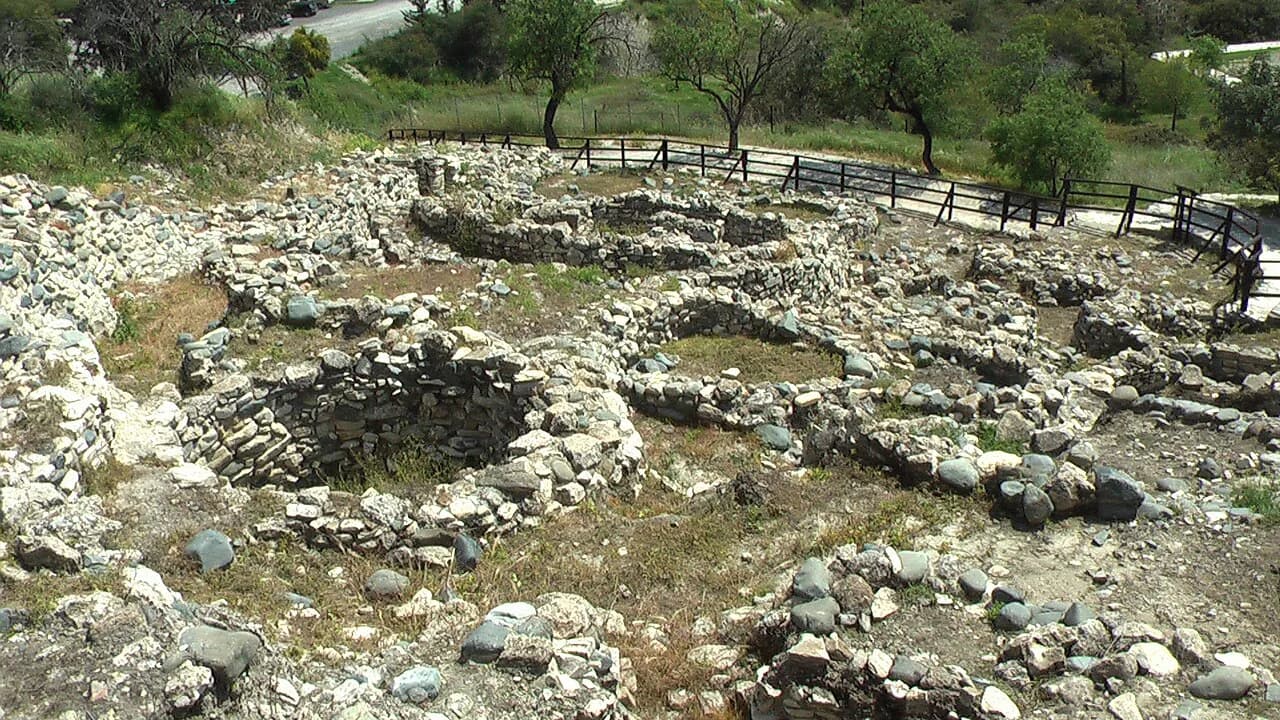
For the island's archaeology, April, May, October and November beat midsummer hands down. At Paphos Archaeological Park, the mosaics and Roman ruins are exposed to the sun, and the same goes for the tombs at Kourion and the Neolithic settlement at Choirokoitia. In high summer, start at opening time and finish by late morning. If you're deciding how much time to give those sites, a quick primer on Cyprus history can help you prioritise which ruins deserve the best weather.
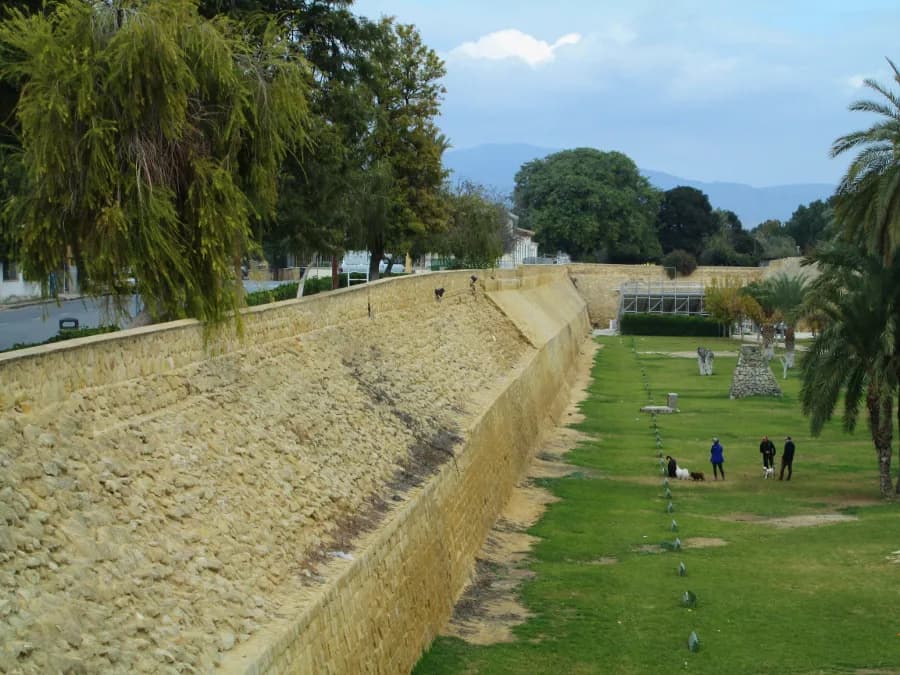
Nicosia's old town and the Cyprus Museum work in any month, partly because the indoor collection gives shelter from the heat, and partly because the capital's inland position can make summers hotter than the coast. Winter is the quietest season for all of these sites.
The best months for the Troodos Mountains
The Troodos are at their best from April to June and again in September and October. In spring the slopes are green and the villages of Pedoulas and Platres are pleasant bases for visiting the painted churches. Even at the height of summer, the pine forests give cooler walks than the coast, with Mount Olympus the highest point on the island.
Winter in the mountains means snow and a short ski season, so check road conditions before driving up between December and March. Whatever the season, mountain driving is slow, with winding roads, so a hill day needs more time than the distance suggests.
When the sea is warm enough to swim
The sea climbs from around 18–19°C in March and April to 25°C in June, peaks at 28°C in August and stays at 27°C in September. For most travellers, the comfortable swimming window runs from late May to mid-October. If you visit in winter, the coastal sea sits at 17–19°C, which is fine for a bracing dip but not for long sessions.
Swimmers who prioritise water temperature over crowds should choose late August or September, when the water is at its best and the peak-season crush has eased.
Summer heat and crowds: what to plan around
July and August combine the hottest air, the warmest sea and the largest crowds, with higher prices around Paphos and Ayia Napa. If summer is your only option, plan an early start, a shaded afternoon and an evening walk. Coastal breeze helps, but it can be deceptive: you can burn without noticing.
Autumn is the trade-off worth considering: September keeps summer heat without the school-holiday peak, and October is mild enough to tour ruins and old towns all day. For an overview of the whole season, see Cyprus in summer.
Which month should you book?
Book April, May, late September or October if your trip is built around archaeological sites, old towns and the Troodos Mountains. Choose July or August only if warm sea swimming is the priority and you can live with the crowds and the heat. January and February suit quiet coastal sightseeing on a budget, not the beach.
Whichever month you pick, let the climate shape the day: early starts at exposed sites, midday indoors or in the water, and the mountains as the escape from the hottest days.
Explore more Cyprus guides
Sources
Notes for your Cyprus trip
Optional updates to our Cyprus guides.
You might also like
Continue reading
More guides you'll find useful