Cyprus in Summer: Heat, Crowds and How to Plan Around Them
Cyprus in summer means hot, dry days and peak crowds. See typical temperatures by month, where to find cooler air inland, and how to time sightseeing.
On this page
Summer in Cyprus is hot, dry and bright, with average temperatures climbing from around 30°C in June to roughly 35°C in August, so plan sightseeing for the cooler ends of the day. This guide sets out typical monthly averages, the difference between coastal heat and the Troodos Mountains, and how peak-season crowds shape where you go and when. It is about planning around the weather rather than chasing a forecast.
What summer in Cyprus is like: June to August
The season is reliably dry, with little rainfall and long hours of sunshine, which makes it ideal for the coast but punishing for exposed archaeological sites in the middle of the day. The same clear skies that make the sea inviting also mean very little cloud cover, so shade and water matter more than in spring or autumn. If you want warm weather without the full August intensity, the shoulder months either side of summer are the usual compromise.
Average temperatures cited for summer run from about 30°C in June to about 35°C in August, described as hot and dry with little rainfall. Treat those as climate averages rather than a forecast for your dates. Travellers weighing a July trip against a June one can see the gap in the monthly breakdown below.
Month by month: June, July and August typical averages
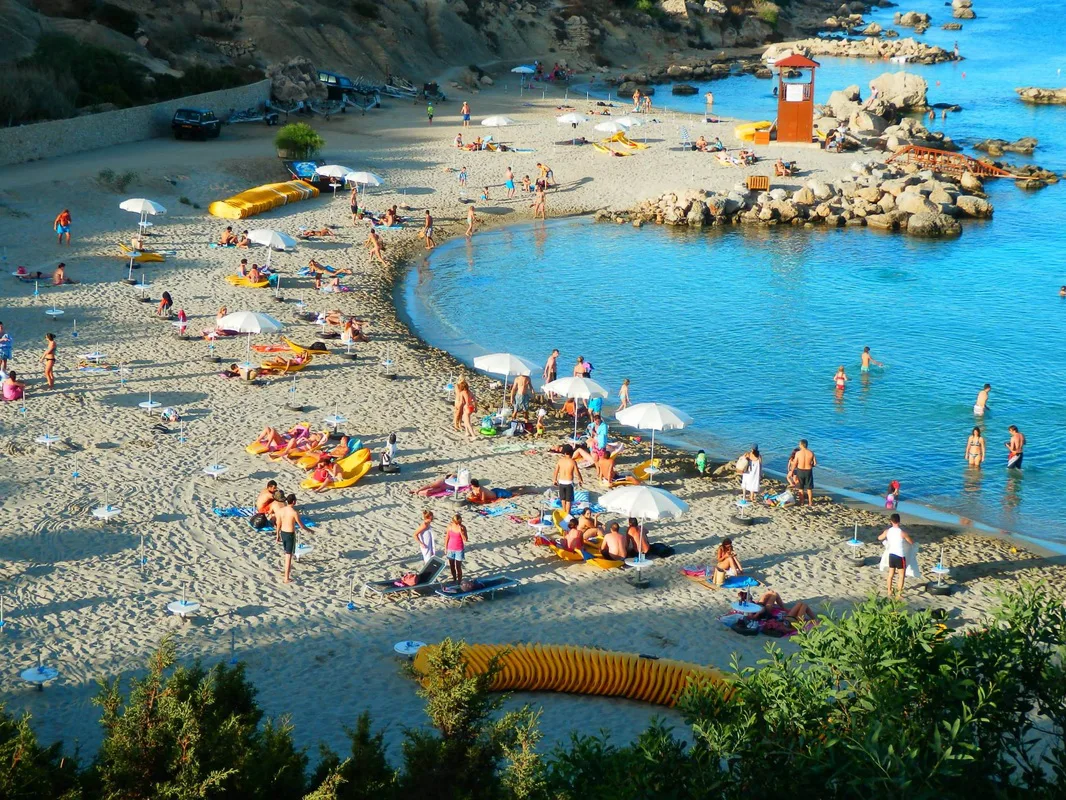
June is the gentlest of the three months, averaging around 30°C, and it suits travellers who want sea swimming without the peak of the heat. Days are long, the sea has warmed, and the main coastal sites are busy but not yet at their August level. It is the month to pick if your plan leans on outdoor sightseeing rather than pool time.
Is Cyprus too hot in July? July is hot, and some visitors find midday uncomfortable. You can still sightsee comfortably by starting early, resting through the middle of the day and going out again in the late afternoon.
Can you swim in Cyprus in summer? Yes. Summer is the main sea-swimming season, with warm coastal water and long beach days through June, July and August.
Does it rain in Cyprus in summer? Summer is described as hot and dry with little rainfall, so rain is unlikely to interrupt a June, July or August holiday. Long spells of sunshine are the norm, which is why shade and hydration matter more than a rain plan.
July is the month most often asked about by visitors worried the heat will be too much. The practical answer is to shift sightseeing to early morning and late afternoon and keep the middle of the day for shade, sea or air conditioning. Evenings are long and pleasant once the midday heat has passed.
August is the hottest month, with averages around 35°C. Bookings are heaviest and resort areas are at their fullest, so this is the month where planning ahead pays most. If you have flexibility, June gives you most of the summer experience with lower temperatures.
Coastal heat versus the Troodos Mountains
The coast is where most summer holidays are spent, and sea breezes take the edge off in places like Limassol, Larnaca and the Ayia Napa and Protaras strip. The trade-off is humidity and crowds: the popular coastal stretches fill up first. Inland Nicosia is best toured early or late in the day rather than at midday. For the wider seasonal picture, see our guide to the Best Time to Visit Cyprus.
The Troodos Mountains are the practical heat escape. Higher ground around Mount Olympus and the villages below it gives noticeably cooler air and pine shade, and places like Pedoulas make a sensible base for a day away from the coast. The drive up takes time, so treat it as a full day rather than an afternoon errand. If you are weighing July against another month, see Cyprus in July.
The Akamas Peninsula and the coast around Paphos and Kato Paphos stay hot through summer, with little natural shade at exposed sites. If you want cooler air without leaving the west, plan the Troodos as a day out and keep the coastal archaeology for the early morning.
When to sightsee: early mornings, late afternoons and the midday gap
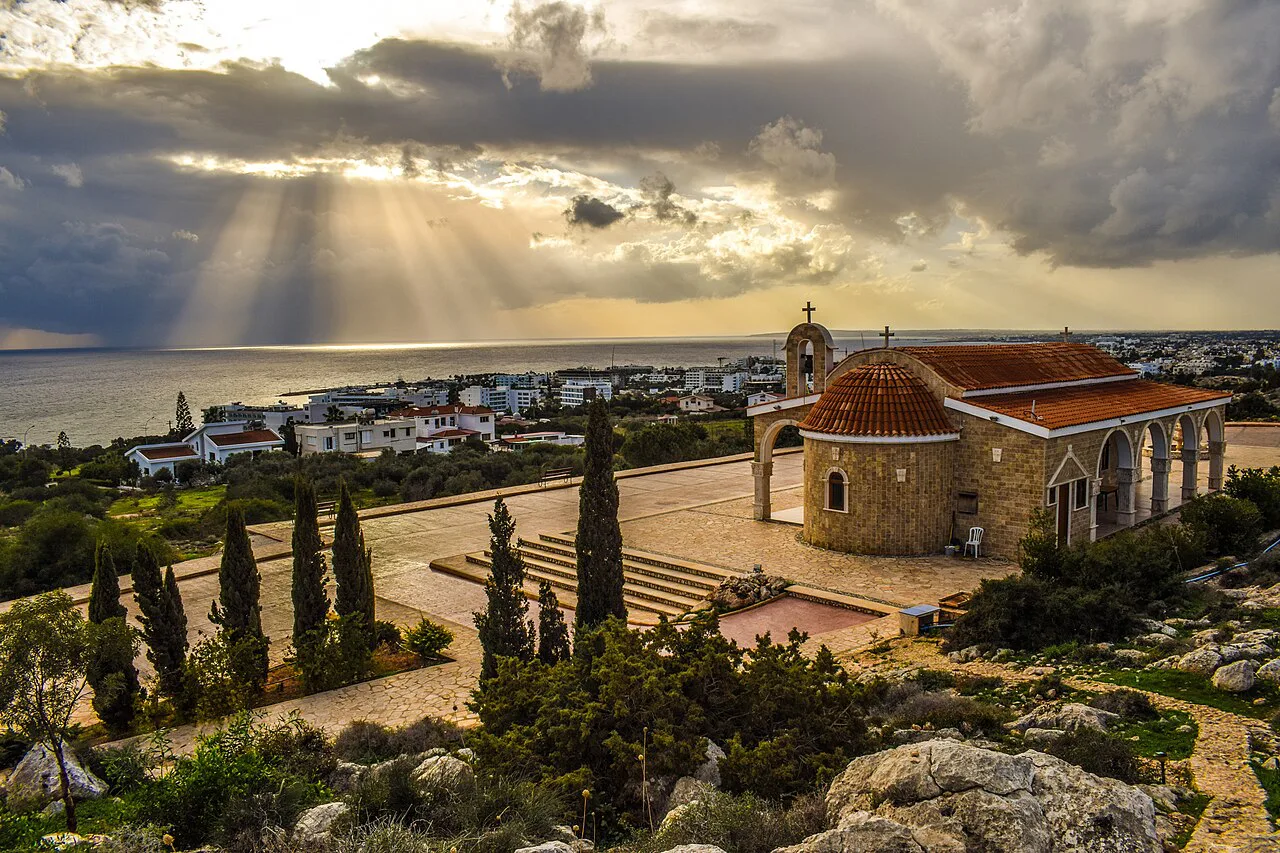
The most useful summer habit is to front-load the day. Start at Kourion or the Paphos Archaeological Park when the gates open, when the light is softer and the tour groups have not arrived, then retreat for the middle hours. Late afternoon is the second window, with long daylight and dropping temperatures.
Exposed sites such as the Tombs of the Kings and the ruins at Kourion have little shade, so carry water and wear a hat rather than relying on site facilities. Old towns are more forgiving because you can duck into covered streets and churches, but the stone squares still radiate heat at midday. If you are deciding between months, the cooler edge of the season changes how much walking you can comfortably do.
Opening hours for Department of Antiquities sites and museums vary by season, so confirm times for your dates before building a day around an early start. The same applies to boat trips, which run to their own seasonal schedules.
Peak-season crowds at the big coastal sites and how to work around them
Summer is the busiest season, with beach clubs, festivals and late-opening tavernas drawing the largest numbers to the coast. Arriving at opening time is the simplest way to see the headline sites with room to breathe.
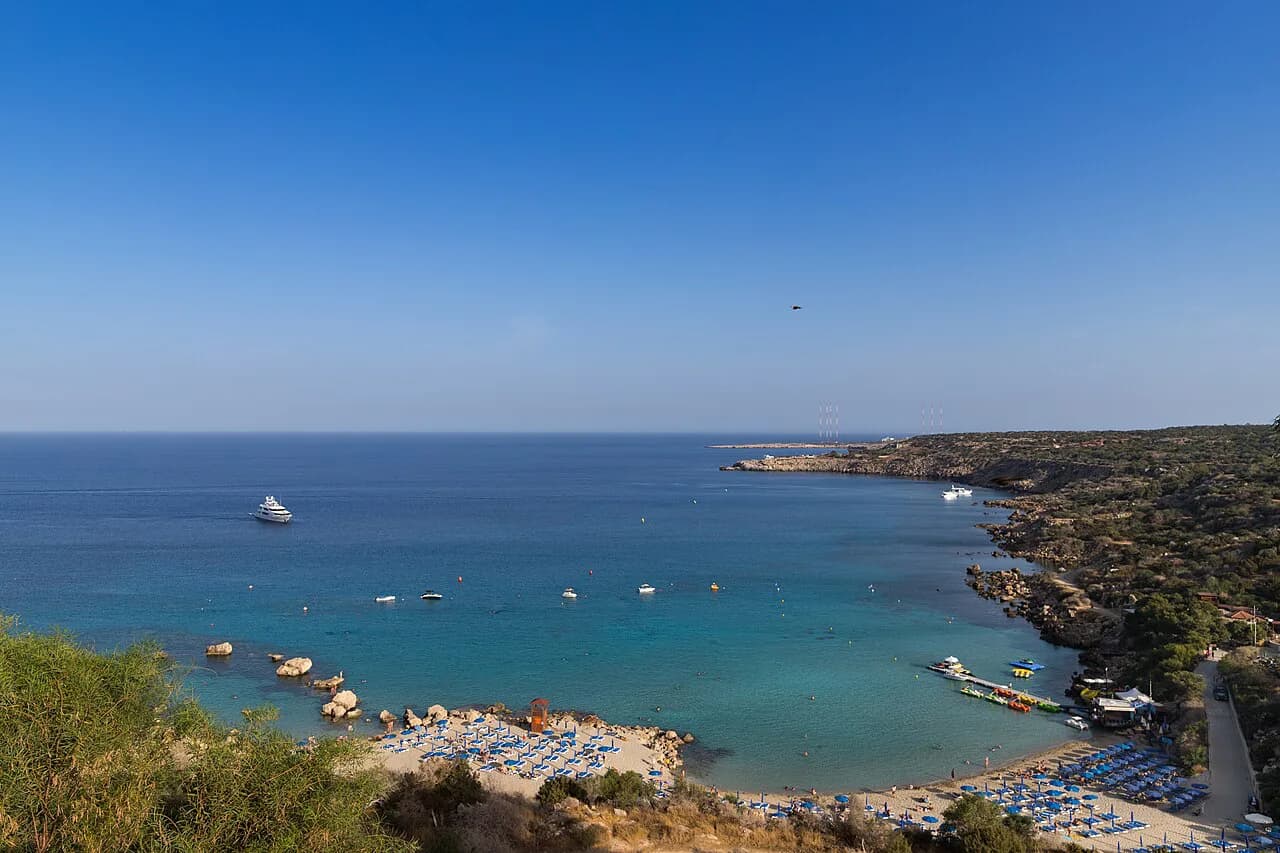
Ayia Napa and Protaras concentrate the coastal crowds in the east, and the resort strips are at their fullest in August. If you want the east with fewer people, June is generally quieter. Further west, Kato Paphos and the harbour area fill up in the evenings, so plan a late-afternoon visit rather than an evening one if you want space.
If your dates sit at the edge of the season, the crowd and heat picture shifts quickly. Cyprus in August is the peak, while September eases off without losing the warmth, and October turns comfortably cooler for walking.
Summer events and what they mean for noise and bookings
Summer brings a busy events calendar, including beach parties in Ayia Napa and the Limassol Wine Festival in late August, and those dates tighten accommodation and raise late-night noise in resort areas. If quiet matters, choose a base away from the main strips. If you want the atmosphere, book early and expect lively evenings.
The main summer draw is the coast itself rather than festivals, which keeps June relatively calm on the events front. Check what is on for your specific dates before you commit to a resort base.
Getting around in the heat: driving times, left-hand driving and hire cars
Cyprus drives on the left, and the Republic uses the euro, so British and Irish drivers settle in quickly. Distances between the coast and the mountains look short on a map but take longer than expected in summer traffic, so build slack into any day that combines a coastal site with a Troodos village. Air conditioning in the hire car is not a luxury in July and August.
Park in shade where you can, carry water in the car, and never leave anyone or a pet in a parked vehicle. For a summer itinerary that mixes coast and hills, plan one long drive day rather than several short ones.
Should you book Cyprus for July or wait for June?
For most travellers, June offers summer warmth with lower temperatures and lighter crowds, while July and August suit those who want the full heat and the peak atmosphere. Build your days around early starts and late afternoons, keep a Troodos day in reserve for the hottest stretch, and the season works well.
Frequently Asked Questions
Is Cyprus too hot in July?
July is hot, and some visitors find midday uncomfortable. You can still sightsee comfortably by starting early, resting through the middle of the day and going out again in the late afternoon. The heat is predictable rather than a reason to avoid the month.
Can you swim in Cyprus in summer?
Yes. Summer is the main sea-swimming season, with warm coastal water and long beach days through June, July and August. The trade-off is crowds at the most popular stretches, so choose your spot and timing with that in mind.
Does it rain in Cyprus in summer?
Summer is described as hot and dry with little rainfall, so rain is unlikely to interrupt a June, July or August holiday. Long spells of sunshine are the norm, which is why shade and hydration matter more than a rain plan.
Sources
Notes for your Cyprus trip
Optional updates to our Cyprus guides.
You might also like
Continue reading
More guides you'll find useful