Cyprus in August: Weather, Sea Temperatures and Where to Go
Cyprus in August means hot, dry days and warm sea, with real differences between inland Nicosia and the Paphos coast. Here is how to plan around the heat.
On this page
August is the month to treat Cyprus as a sea-and-shade destination rather than a sightseeing marathon. Paphos on the southwest coast typically reaches around 30°C to 33°C by day, with nights easing to roughly 22°C, so the coast is warm without being savage. Inland runs hotter, which changes how you should split a day between the coast and Nicosia. This guide covers typical weather, sea temperatures, the best hours for archaeological sites, old towns after dark, driving and Green Line crossings, and who August actually suits.
What August weather in Cyprus is actually like
The reliable August pattern is hot, dry and sunny, with the coast moderated by the sea. Paphos averages daytime highs of about 30°C and overnight lows near 22°C, which is warm enough that air conditioning and a pool matter more than a blanket.
Other Paphos-region figures put daytime temperatures in a slightly higher band, roughly 30°C to 33°C. Treat that spread as the realistic range for the southwest coast rather than a single fixed number, and expect the hottest hours to fall in the middle of the afternoon.
Inland is the part that catches people out. Nicosia and the Mesaoria plain sit away from the cooling effect of the sea, and when coastal Paphos is around 33°C, inland temperatures climb well above it during hot spells. Plan inland sightseeing for the morning and keep the afternoon flexible.
Sea temperatures and the long diving season
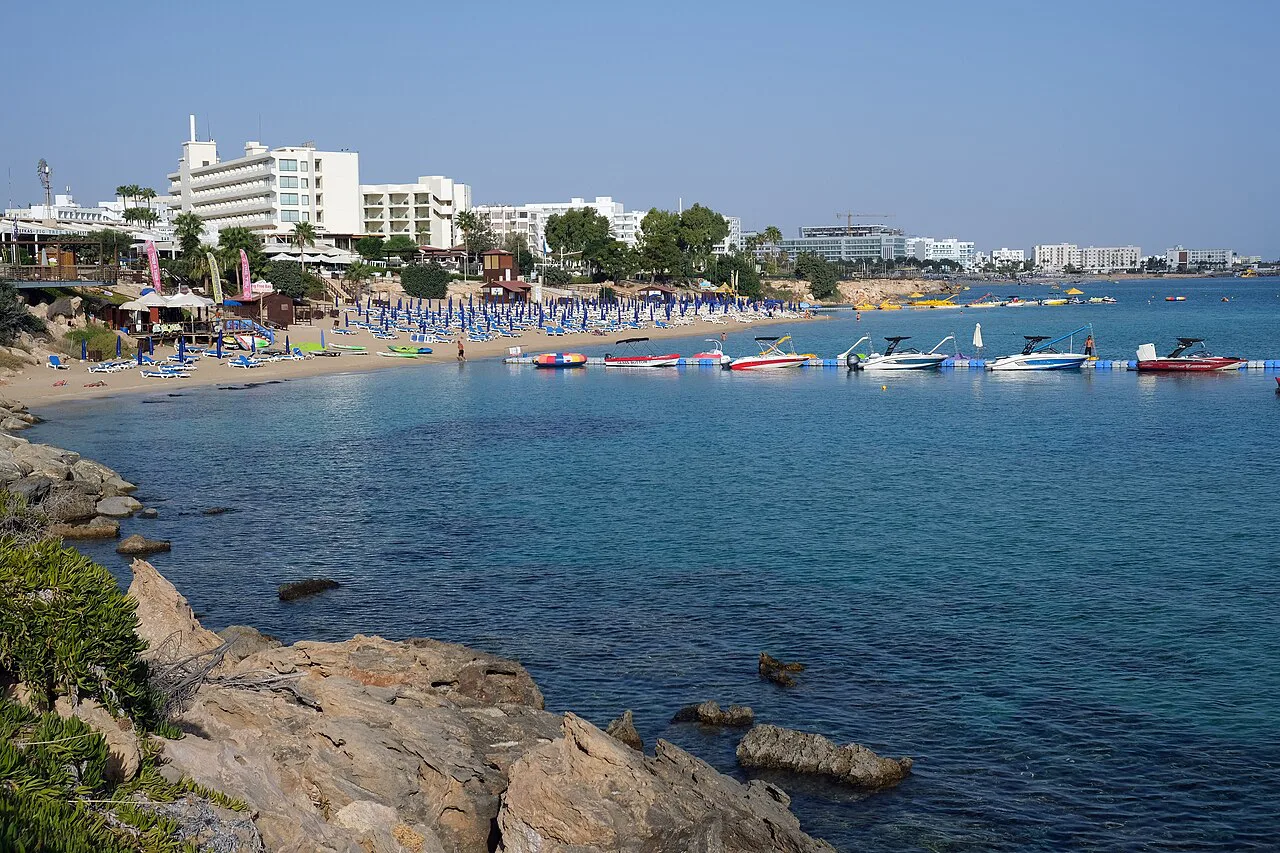
The sea is August's strongest card. Across the year Cyprus's waters range from about 16°C to 27°C, and by August they are generally at the warm end of that band, so swimming and long spells in the water are comfortable rather than bracing. That is an annual range rather than an August-specific measurement.
How hot does Cyprus get in August? On the southwest coast around Paphos, daytime highs typically sit at roughly 30°C to 33°C, with nights near 22°C. Inland Nicosia and the Mesaoria plain run hotter because they lose the sea's cooling effect, so plan inland sightseeing for the morning.
Is the sea warm enough to swim in Cyprus in August? Yes. Cyprus's sea temperature ranges from about 16°C to 27°C across the year, and August sits at the warm end, so swimming and diving are comfortable and the diving season is long.
Is August too hot for sightseeing in Cyprus? It is workable if you front-load the day. Give Kourion, Kato Paphos and Choirokoitia the first hours after opening, take a long shaded lunch, and save old towns such as Nicosia and Limassol for the evening.
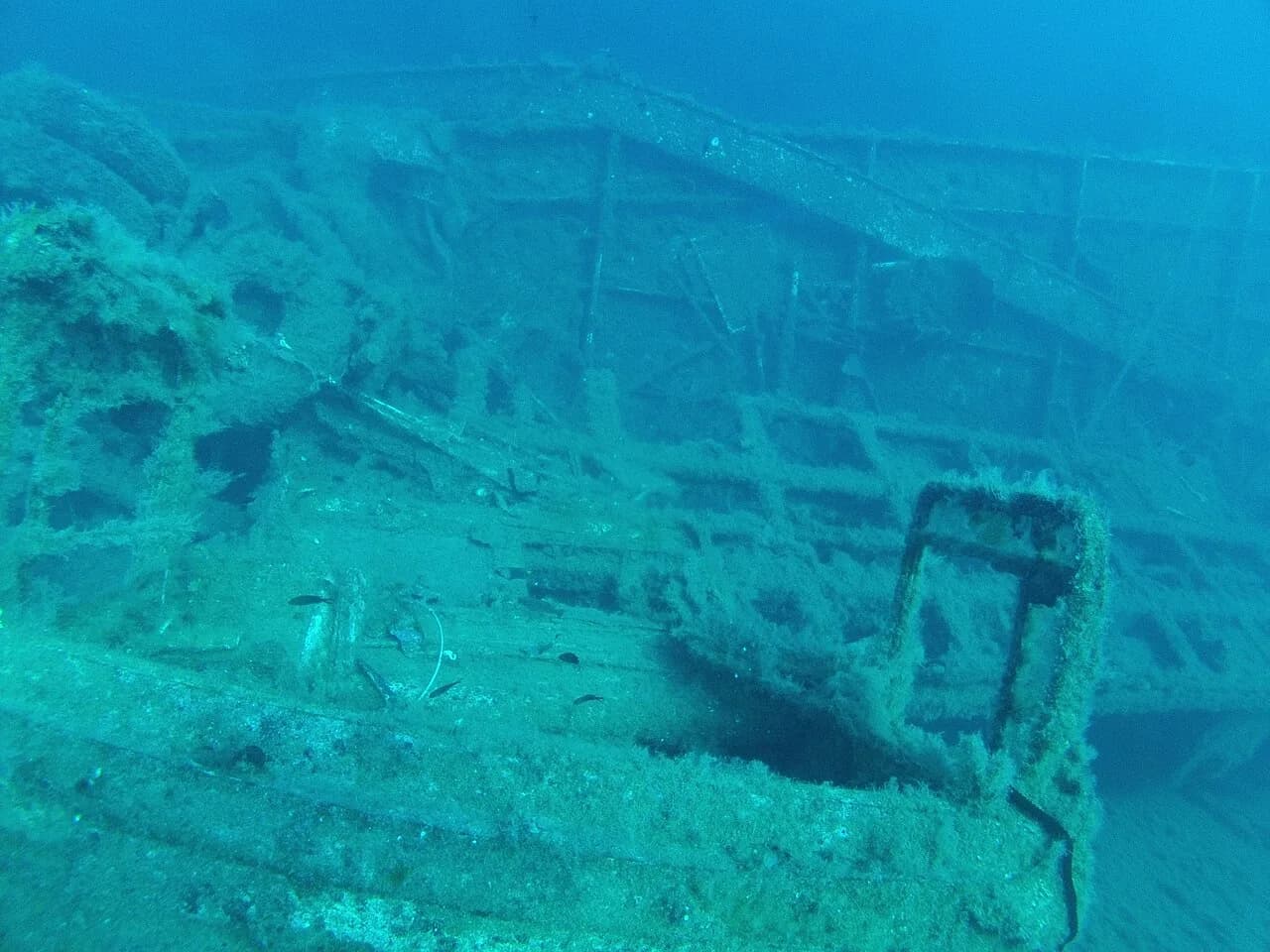
That warmth supports one of the Mediterranean's longer diving seasons, helped by clear water and good visibility. Named sites listed by the national tourism portal include the Alexandra Wreck, the Alexandria Shipwreck, Airport Reef, Amphora Cave, Cape Pyla Reef and the Blue Lagoon, spread across the island's regions and graded by depth, access and qualification.
Book diving and boat trips through operators rather than assuming a walk-up place in peak season, and confirm minimum certification and departure details directly with the operator you choose. If you are weighing August against cooler months for time in the water, the best time to visit Cyprus comparison sets out how the seasons differ.
Coast versus inland in August
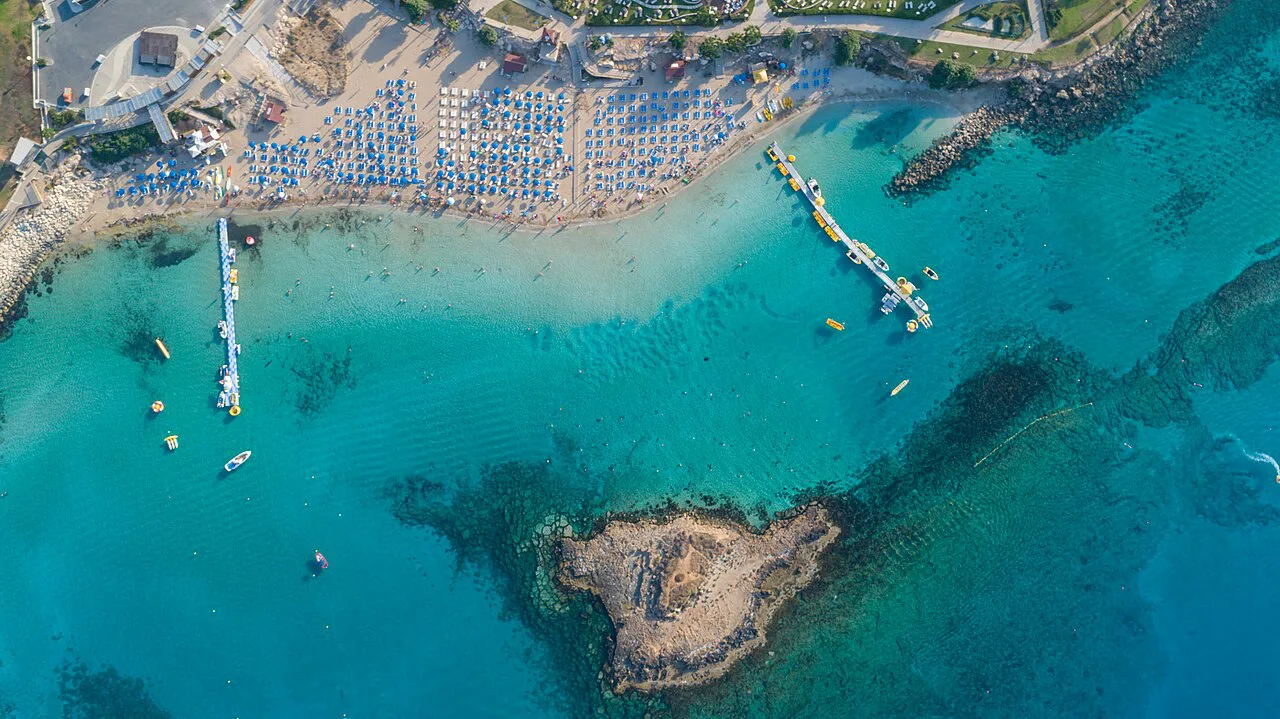
Build your trip around the coast and use inland days sparingly. Paphos splits into Ktima, the upper town clustered around the neoclassical town hall and Kennedy Square, and Kato Paphos, the lower town where the harbour, castle and main archaeological attractions sit. Staying or spending days in Kato Paphos keeps you close to the sea and shortens transfers in the heat.
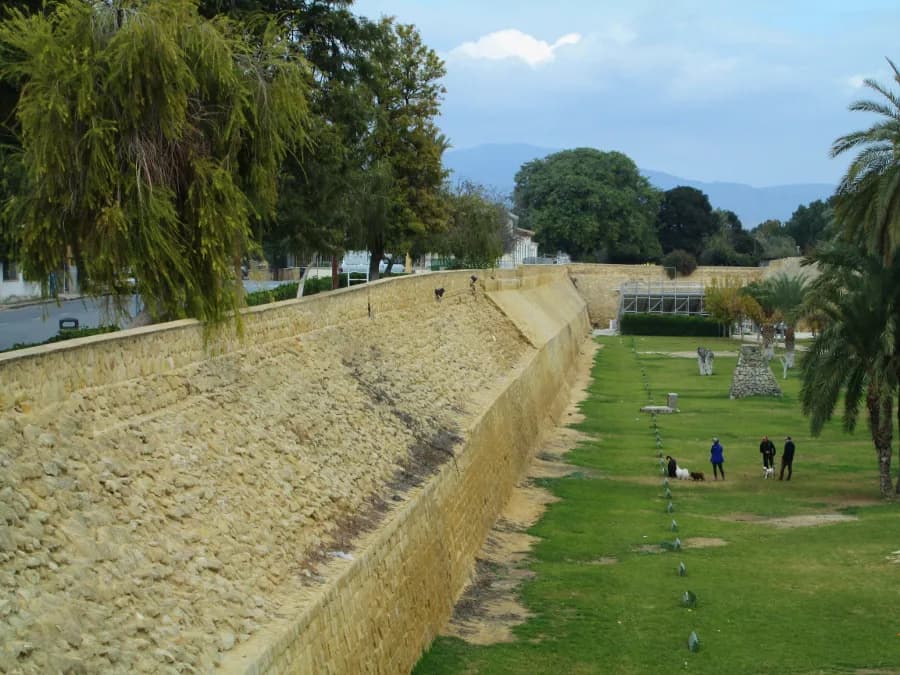
Nicosia rewards an overnight rather than a day trip. The old town inside the Venetian walls holds Ledra Street, Onasagorou Street and the preserved lanes of Laiki Geitonia, and the Cyprus Archaeological Museum gives context for everything you see elsewhere on the island. Arriving in the late afternoon and staying the night avoids the worst inland heat.
If your dates are fixed in August, accept that you will see fewer inland sites than a spring visitor and see the coast better. For a wider view of how the island's heat shifts month by month, the summer overview and Cyprus in July both help calibrate expectations.
Best time of day for archaeological sites
Give the big outdoor sites the first hours after opening. Kourion, on its hillside above the coast west of Limassol, combines a theatre, mosaics and wide sea views with almost no natural shade, so an early slot makes the visit far more comfortable than a midday one.
At Kato Paphos, the Archaeological Site holds Roman villas with mosaics, a Roman Odeon and a Lusignan castle within walking distance of the harbour. Go at opening, then retreat to the promenade, the castle area or a long lunch once the sun is high.
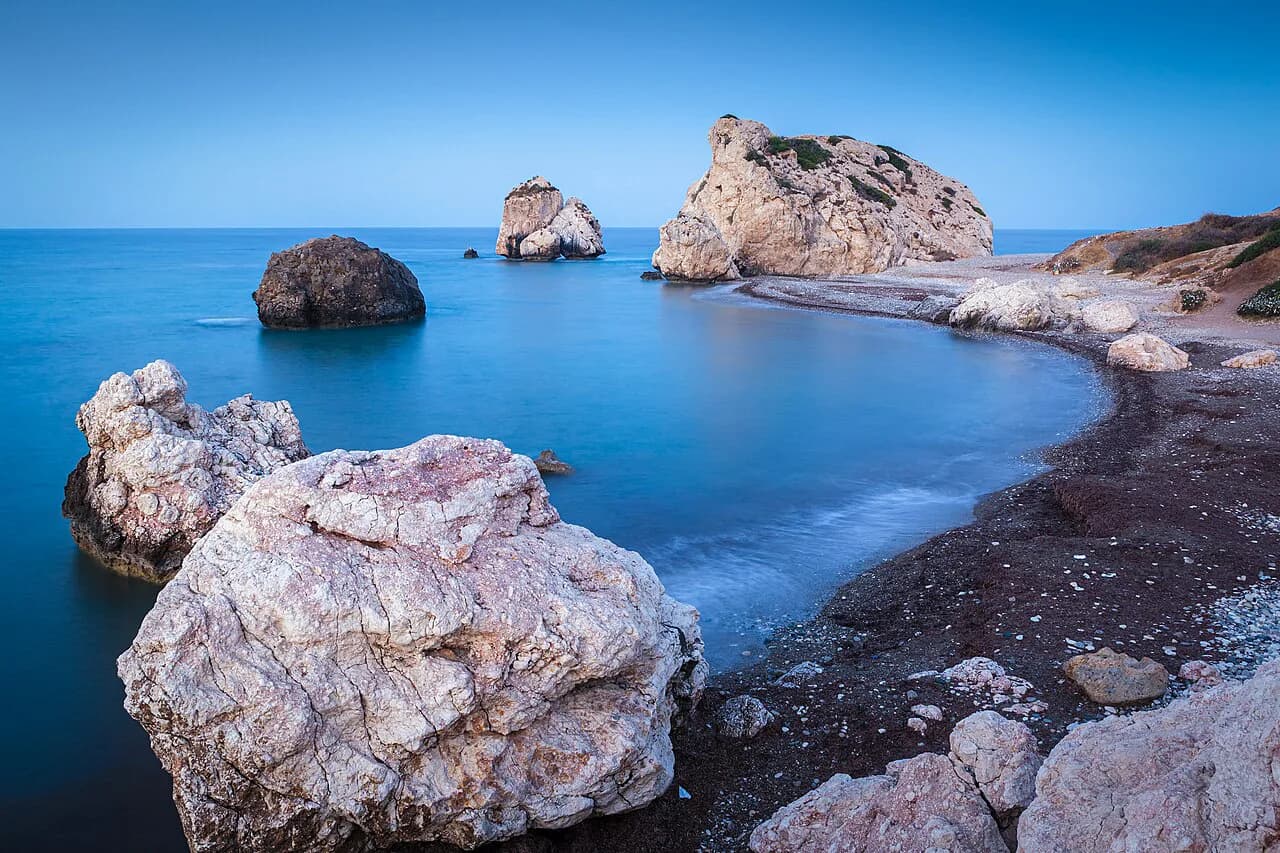
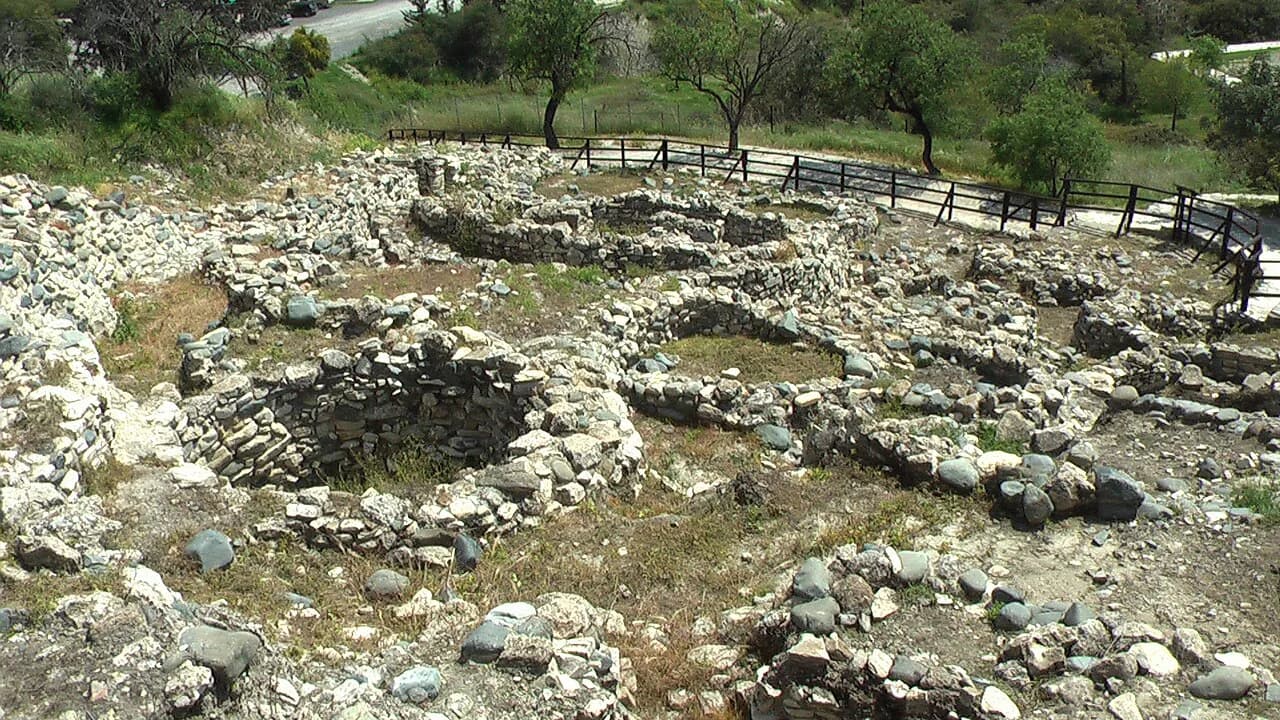
Choirokoitia, the Neolithic settlement site on the road between Larnaca and Limassol, is an exposed hillside stop that works best combined with an early start or a late-afternoon visit on a transfer day. Petra tou Romiou, Aphrodite's Rock, is a coastal viewpoint best seen in the evening light rather than at peak heat.
Opening hours and ticket prices for state archaeological sites are set by the Department of Antiquities and vary by season, so check the official Visit Cyprus site listing before you set an early alarm.
Where to go when it is hot
The Troodos mountains are the obvious escape from the coastal heat. The range, including Mount Olympus, Timios Stavros and the Caledonia waterfalls, is a well-established alternative to another beach afternoon, and the drive itself is part of the day.
A Troodos mountain day pairs naturally with a slower start and an early uphill drive from the coast. If you would rather not drive the curves yourself, guided day trips around the island are an option.
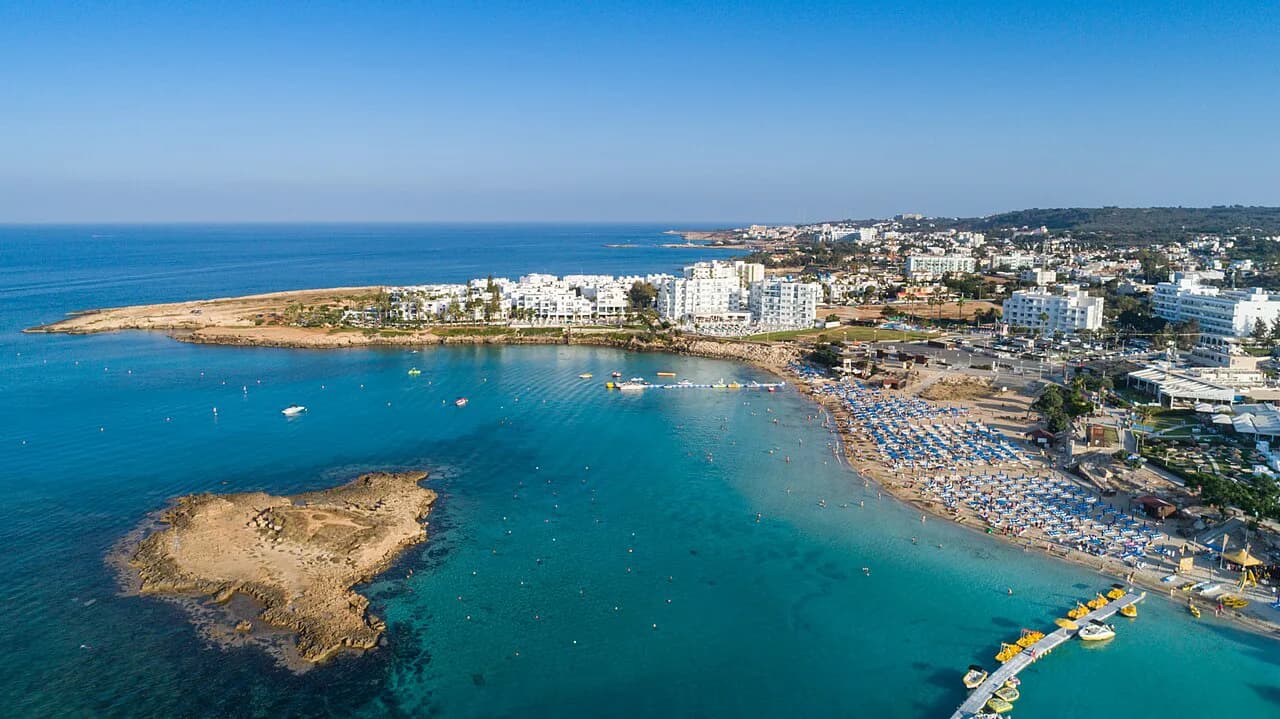
On the coast, promenades do the work. Larnaca's palm-lined Finikoudes starts at Europe Square and continues to the older Piale Pasha seafront, while Kato Paphos has a long seafront walk running roughly two kilometres to the medieval castle, with a quieter coastal path beyond it.
Old towns in August: save them for the evening
Nicosia's old town comes alive after the heat drops. Ledra Street and Onasagorou Street carry cafes, shops and restaurants, and Laiki Geitonia's narrow lanes of traditional houses reward a slow evening wander rather than a midday march.
Limassol works the same way. The fourteenth-century castle, the old town lanes and the tree-lined promenade are all more enjoyable once the sun is low, and the marina gives you a place to end the evening.
Larnaca's old character sits along Piale Pasha, with the small medieval castle and the Kition ruins nearby, and the seafront is at its best in the early evening. For a fuller breakdown of how the island's towns handle the colder shoulder months, see Cyprus in October, when the same streets become far easier to walk in daylight.
Getting around in August
Cyprus drives on the left, which most UK and Irish visitors find familiar. Mountain roads are slower than the map suggests, with constant curves and switchbacks, so build extra time into any Troodos day.
A small hire car suits the island best: village streets are narrow and winding, and parking is easier with a compact vehicle. Public buses are inexpensive but thin on routes and frequency outside the main towns, which matters most when you are trying to avoid standing at a stop in the afternoon heat.
Both Larnaca and Paphos have international airports, and Larnaca is the larger of the two with more flights and hire-car options. Base yourself in two or three places rather than unpacking nightly, and drive between bases in the morning.
For a month-by-month view of transport and weather trade-offs, the best time to visit Cyprus guide sets out how August compares with the shoulder seasons.
Crossing the Green Line in August
The Green Line divides Nicosia into south and north, and the city appears under both names, Nicosia and Lefkoşa. Crossing points in the capital let you walk between the two sides, and Ledra Street is the best-known crossing in the old town.
Bring your passport for any crossing, and check the current entry rules for the north before you travel, since the north is administered separately. If you plan to take a hire car across, confirm with the rental company in advance that the vehicle and its insurance are covered for the north.
Kyrenia, also called Girne, is the natural day trip from a Nicosia crossing, with its old harbour and castle. Allow a full day, cross early, and keep the return crossing well before evening so the day does not run into the hottest hours.
August costs, euros and the lira question
The Republic of Cyprus uses the euro. North Cyprus is administered separately and prices in the north are quoted in Turkish lira, so budget in two currencies if you cross the Green Line and check current pricing locally.
For boat trips, diving and guided days, ask the operator for the current price in euros and what is included before you commit. August is peak season, so book the trips you care about in advance instead of relying on same-day availability.
Archaeological site tickets are issued by the Department of Antiquities, and prices differ between sites, so check the official Visit Cyprus listing for each one rather than budgeting from an old figure.
Who August suits and who it does not
August suits travellers who want the sea first: warm water, long diving days, coastal promenades and evenings in the old towns. It also suits anyone happy to start early, rest at midday and go out again after five.
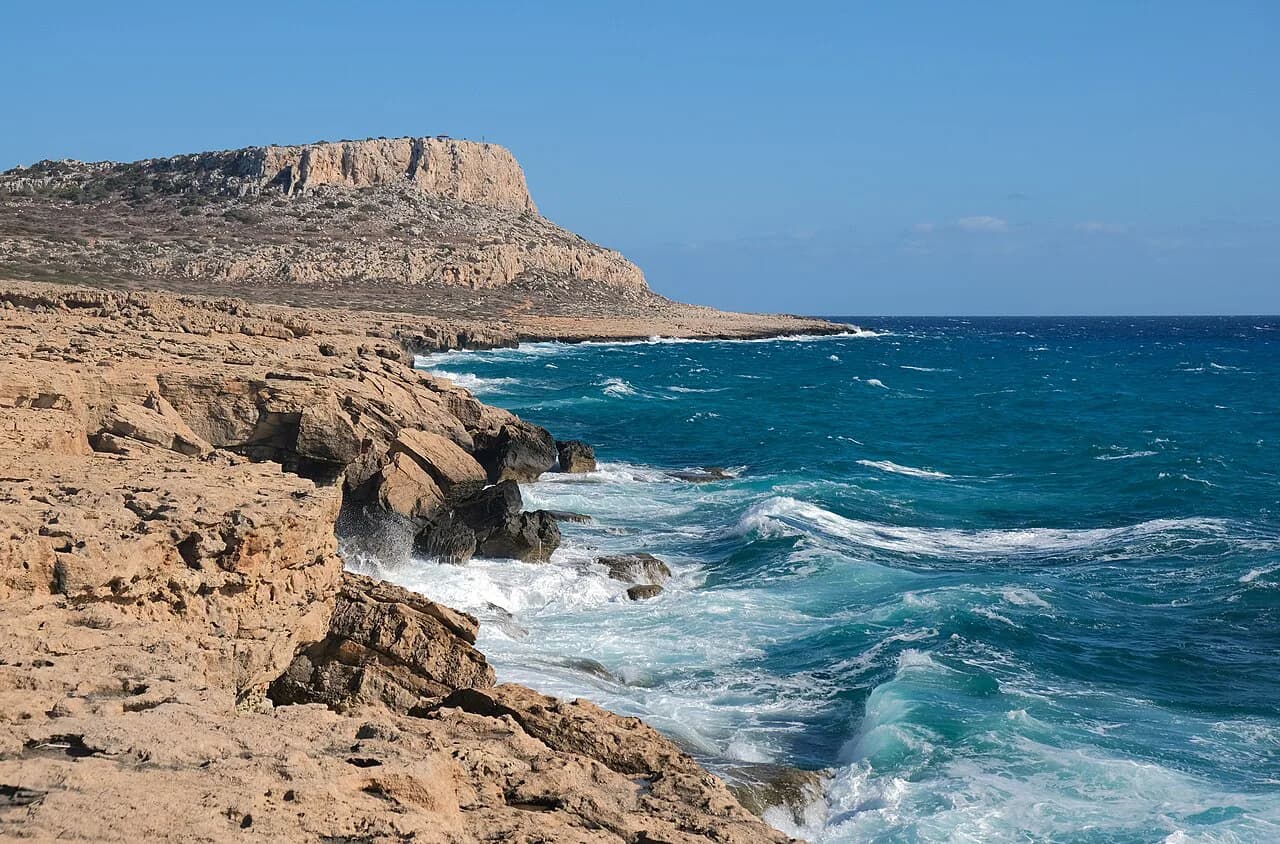
It suits people less well if you want long daylight hours at exposed sites or dislike crowds. Kato Paphos and the Cape Greco area near Ayia Napa are among the busiest spots in peak season, so plan either for the early morning.
If you can move your dates, September and October keep the sea warm while easing the heat and the pressure on the main sites. Cyprus in September and Cyprus in October set out what changes.
Should you book Cyprus for August?
Book August if the sea is the point of your trip and you are willing to shape days around heat: early site visits, a shaded or indoor middle, and coastal evenings. Choose Kato Paphos or another coastal base over inland stays, and keep any Nicosia time to an overnight.
If long days at Kourion, Choirokoitia or Cape Greco matter more than warm water, shift to September or October, which trade a little sea warmth for easier walking and thinner crowds.
Frequently Asked Questions
How hot does Cyprus get in August?
On the southwest coast around Paphos, daytime highs typically sit at roughly 30°C to 33°C, with nights near 22°C. Inland Nicosia and the Mesaoria plain run hotter because they lose the sea's cooling effect, so plan inland sightseeing for the morning.
Is the sea warm enough to swim in Cyprus in August?
Yes. Cyprus's sea temperature ranges from about 16°C to 27°C across the year, and August sits at the warm end, so swimming and diving are comfortable and the diving season is long. That range is an annual figure, not an August-specific measurement.
Is August too hot for sightseeing in Cyprus?
It is workable if you front-load the day. Give Kourion, Kato Paphos and Choirokoitia the first hours after opening, take a long shaded lunch, and save old towns such as Nicosia and Limassol for the evening. Inland sites are the ones to ration.
Do I need a passport to cross the Green Line in Nicosia?
Yes, carry your passport for any crossing between south and north. The north is administered separately, so check the current entry rules before travelling, and confirm with your hire-car company that the vehicle and its insurance are covered for the north.
Sources
Notes for your Cyprus trip
Optional updates to our Cyprus guides.
You might also like
Continue reading
More guides you'll find useful