Churches in Cyprus: What to See and How to Visit
Plan a visit to churches in Cyprus: Orthodox parish churches, Anglican congregations and named churches in Larnaca, Nicosia and Paphos, plus visiting etiquette.
On this page
Churches in Cyprus are best approached by deciding first whether you want to attend a service or simply look inside a building. The island's Christian landscape runs from Orthodox parish churches in every town and village to Anglican congregations that publish their own locations and service details. This guide covers the named churches most visitors look for, what a Greek Orthodox interior is like, and how to behave when a service is under way.
Service times and languages vary by congregation, so the individual church listing is the thing to check rather than a general timetable. It also helps to slot a church into a town day already built around a harbour, old town or archaeological site.
Where you find churches in Cyprus: Nicosia, Limassol, Larnaca, Paphos and the villages
Every main town has churches within walking distance of its historic centre, which makes them easy to add to a morning rather than a separate outing. Nicosia holds the Anglican hub church for the island, while Larnaca, Limassol and Paphos each have prominent Orthodox churches in their central districts. Ktima, the upper town of Paphos, and the villages of the Troodos foothills carry the smaller parish churches where you are more likely to find a service in progress.
A church directory organised by city and by service language is the quickest way to narrow the choice if you want to worship rather than sightsee. Entries typically give the location, contact details and time of service for each church, so you can match a congregation to where you are staying, which matters most in Limassol, Nicosia, Larnaca and Paphos.
A church is one layer in a longer story that runs through Byzantine basilicas, Frankish and Venetian building, Ottoman conversion and British-era additions. That sequence explains why a town may have a domed Orthodox church, a Gothic shell and a Victorian Anglican building within a few streets of each other, and the island's Cyprus history gives the chronology that makes those contrasts legible.
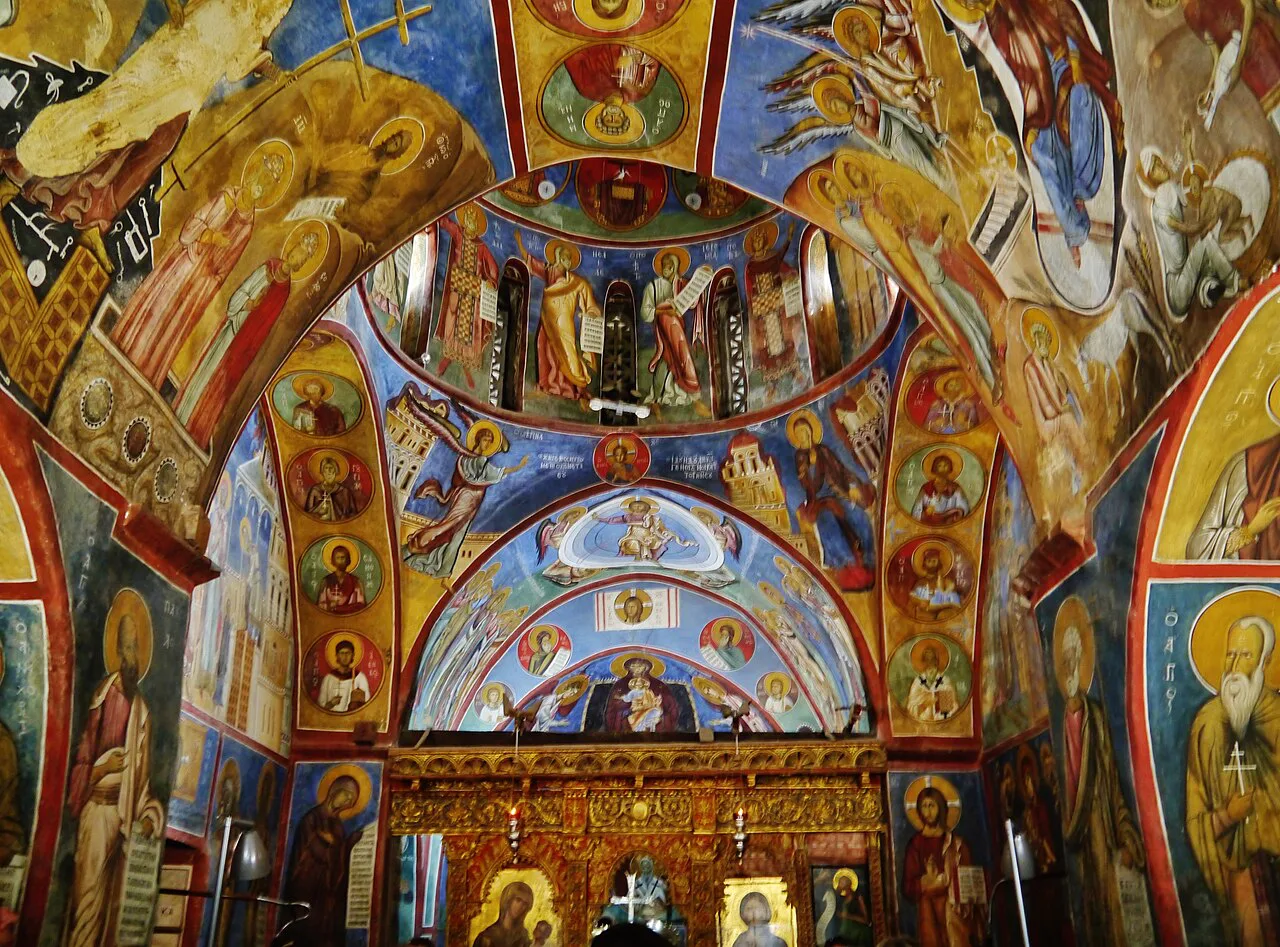
Orthodox churches: what a Greek Orthodox church looks like inside and what to wear
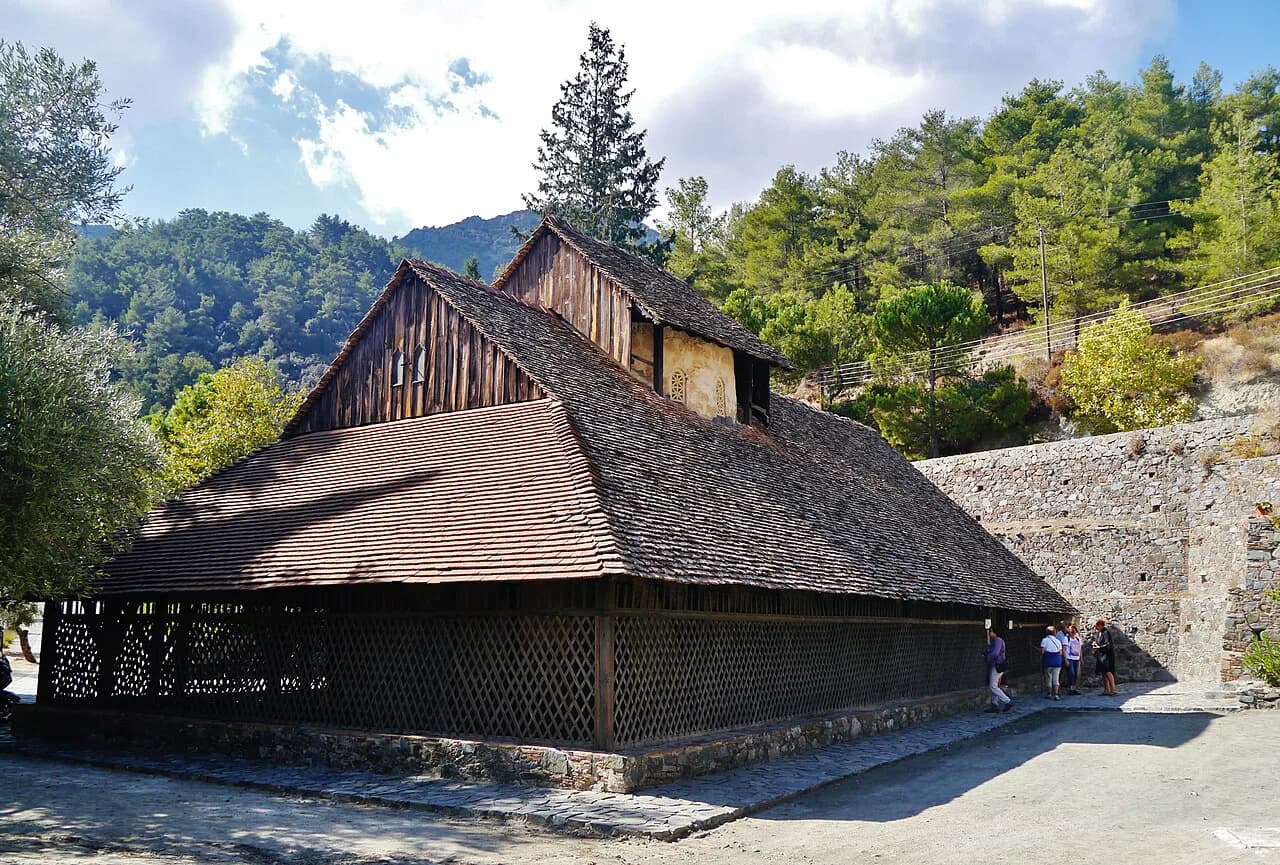
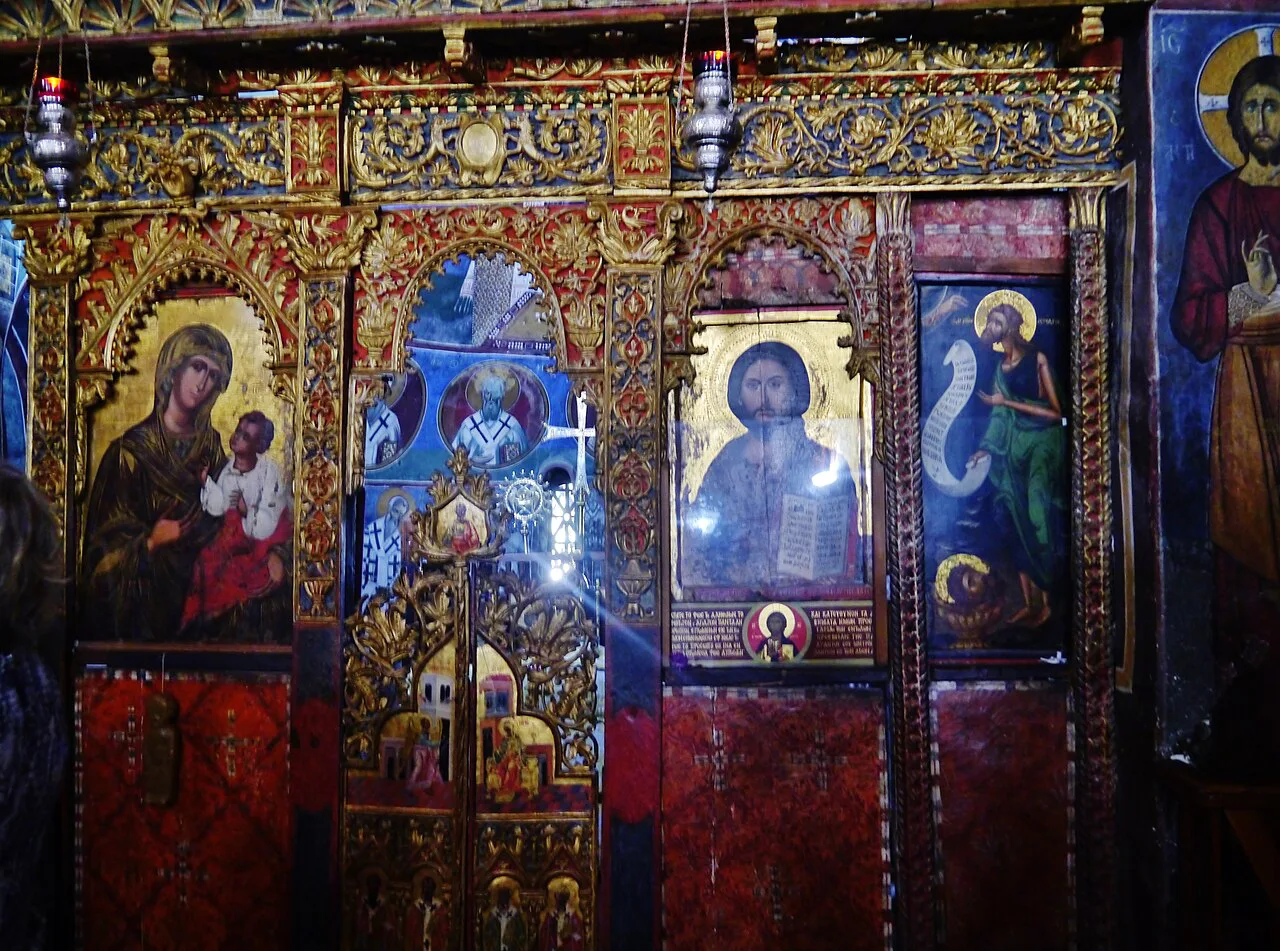
A Greek Orthodox church is built around the iconostasis, the screen of icons that separates the nave from the sanctuary, with the congregation standing in front of it rather than sitting in rows. Walls and ceilings usually carry frescoes or icons, and a candle stand near the entrance is where visitors and worshippers light candles. Expect people to come and go during a service and to venerate icons rather than treat the building as a museum.
How many churches are there in Cyprus? There is no reliable island-wide count to quote. A church directory is a better tool than a number: search by city and by language to see which churches are listed near where you are staying.
What is the main religion in Cyprus? The island's Christian life is dominated by the Greek Orthodox Church of Cyprus, with Anglican, Catholic and other congregations also present. For a visitor, the practical division is between Orthodox parish churches and the Anglican parishes that publish English-language service details.
Can I just walk into a church in Cyprus? Often yes outside service times, but parish churches are locked when no one is there. Look for an open door, enter quietly, and check the individual church listing if you want to attend a service.
Shoulders and knees covered is the safe standard in an active Orthodox church, and women often find a scarf useful though it is not always expected. Keep voices low, avoid walking across the centre of the nave during a service, and ask before photographing if a liturgy is in progress. Outside service times a parish church may simply be locked, so treat an open door as an invitation rather than a guarantee.
A monastery church is a different proposition from a parish church, with its own rhythm of services and its own rules for visitors. The larger houses such as Kykkos Monastery and Stavrovouni Monastery are destinations in their own right, and some restrict access to certain areas or require modest dress. Cyprus monasteries covers which houses welcome visitors and how to plan around them.
Anglican churches in Cyprus and who they serve
The Anglican presence in Cyprus is organised into a set of parish churches around the island, with St Paul's Cathedral in Nicosia as the hub. These congregations serve residents and visitors from Britain, Ireland and elsewhere, which is why English-language services are the norm rather than the exception. If a Sunday service in English is your priority, the Anglican structure is easier to navigate than the Orthodox one because the parishes and their locations are published together.
St Paul's Cathedral in Nicosia is the building to look for if you want the island's main Anglican church rather than a parish chapel. The same network publishes its other parish churches, so you can find the nearest congregation to Limassol, Larnaca, Paphos or the bases before you travel. Service times are set by each congregation, so confirm them with the parish rather than assuming a standard morning slot.
Named churches to look out for: Agios Lazaros in Larnaca, St Paul's Cathedral in Nicosia, the Church of Profitis Elias and the Church of Agia Kyriaki
Agios Lazaros in Larnaca is the church most visitors put on a shortlist, a stone church in the centre of town. It sits within easy reach of the seafront and the old town, so it fits naturally into a Larnaca morning rather than needing its own trip. Treat it as an active church first and a monument second, especially if a service is running.
The Church of Profitis Elias and the Church of Agia Kyriaki, the latter with the remains of a post nearby, appear alongside Agios Lazaros among the island's churches and cathedrals that visitors seek out, while Timios Stavros is another name that recurs in lists of churches worth a stop.
If your church-going is part of a broader interest in the island's medieval and religious buildings, pair a church visit with the fortifications that often share a town's history. Castles in Cyprus explains which are worth the detour and how they fit into a town day, which is useful when a church, a castle and an old harbour all sit within a few minutes of each other.
Attending a Sunday service as a visitor: times, languages and what to expect
Service times and languages vary by congregation, and the individual church listing is where the details sit: name, city, language and time of service. Look up the specific church you plan to attend rather than relying on an assumption about Sunday mornings. In towns with several congregations you may find a choice of languages on the same morning.
As a visitor, arriving a few minutes early and standing or sitting towards the back is the least intrusive approach. Orthodox liturgy involves standing for long stretches, so pick a spot where you can move without drawing attention, and follow the congregation rather than leading. Communion is normally for members of the church, so stay in place rather than joining the queue.
On a short break, a Sunday service can be a genuinely local hour rather than a sightseeing stop, and it is often the easiest way to see a church in use. A directory built for exactly that purpose lets you choose a church for Sunday service or find a conference or celebration during your stay.
Christian events and worship nights around the island
Beyond Sunday services, churches around the island run worship nights, conferences and family events that visitors can attend. These are organised by individual congregations rather than by a central body, so they appear on church and organiser listings with dates, locations and short descriptions. Check the date on the listing itself before planning around an event, because a published date is the only reliable guide to when it happens.
The range is wider than Sunday worship: listings have included worship evenings, movie nights, youth groups and branch openings in Limassol, Larnaca and Paphos. Each listing gives the date, the location and a short description. If you are travelling with a family or a group, a midweek youth or family event can be an easier fit than a full liturgy.
Etiquette: photography, dress, candles and behaviour during a service
Photography is the point where visitors most often get it wrong. Outside a service, a discreet photograph is usually fine; during a liturgy, put the camera away unless you have asked and been given a clear yes. Flash, tripods and posing in front of the iconostasis all draw attention for the wrong reasons.
Dress modestly, keep phone conversations outside, and leave candles to the candle stand rather than carrying them around the church. If you want to light a candle, follow what the people beside you do; a donation box is normally nearby and giving is optional.
If you are combining church visits with the island's other historic sites, the same habits carry over: check whether the site is an active place of worship or a managed monument, and follow the rules posted at the entrance. Cyprus archaeological sites and Cyprus museums explain how the Department of Antiquities manages its sites and museums, which is a different arrangement from a working parish church.
Planning around opening hours and seasonal changes at churches and religious sites
Active parish churches do not keep visitor opening hours in the way a museum does, so a locked door at midday is normal rather than a disappointment. Check the specific church's listing for service times and contact details, and plan a visit around a service if seeing the interior matters. Congregations set their own pattern, and it can change with the season.
Monasteries are more predictable because they are destinations with their own visiting arrangements, and a look at the published details is worth making before a long drive into the mountains. Machairas monastery in the Machairas Forest is a case where the journey is part of the visit, so timing matters more than in a town.
If your trip leans towards the island's historic buildings more broadly, it helps to know which town holds what before you commit a day. The Cyprus Museum in Nicosia covers the wider story if a single church leaves you wanting context.
Which church should you plan around?
Choose one church to attend and one to look at. Agios Lazaros in Larnaca or St Paul's Cathedral in Nicosia covers the sightseeing side, while a directory search by city and language gives you the congregation whose service you can actually join. That split stops a church visit from becoming a list of locked doors.
Check the individual listing for service times and dress expectations before you go, and treat an open door as an invitation to enter quietly rather than a guarantee of access.
Frequently Asked Questions
How many churches are there in Cyprus?
There is no reliable island-wide count to quote. A church directory is a better tool than a number: search by city and by language to see which churches are listed near where you are staying.
What is the main religion in Cyprus?
The island's Christian life is dominated by the Greek Orthodox Church of Cyprus, with Anglican, Catholic and other congregations also present. For a visitor, the practical division is between Orthodox parish churches and the Anglican parishes that publish English-language service details.
Can I just walk into a church in Cyprus?
Often yes outside service times, but parish churches are locked when no one is there. Look for an open door, enter quietly, and check the individual church listing if you want to attend a service.
Did Jesus ever visit Cyprus?
The New Testament places Paul and Barnabas on Cyprus, and the Church of Agia Kyriaki is associated with Paul's preaching on the island. Treat the connection as tradition rather than a recorded itinerary.
Sources
Notes for your Cyprus trip
Optional updates to our Cyprus guides.
You might also like
Continue reading
More guides you'll find useful