Cyprus Archaeological Sites: Which to See and How to Plan Them
Cyprus archaeological sites explained: what Paphos Archaeological Park, Kourion, the Tombs of the Kings and Choirokoitia each offer, and how to plan them.
On this page
Prioritise Paphos Archaeological Park, the Tombs of the Kings and Kourion if you have three days, and add Choirokoitia if you want the island's deep prehistory as well as its Roman showpieces. Those four give you mosaics, a clifftop theatre, rock-cut tombs and a Neolithic village. This guide sets out what each site offers, how long to allow, and how to combine them without spending your holiday in a car.
The smaller sites, Kition at Larnaca and Amathus near Limassol, work best as add-ons rather than headline stops. They reward travellers already in those towns who want an hour of ruins between other plans.
The shortlist: what Cyprus's archaeological sites cover
Cyprus compresses an unusual range of periods into a small island: Neolithic settlements, Greek and Roman cities, early Christian basilicas and medieval additions layered on the same ground. For a first trip, the sites that repay the effort most clearly are Paphos Archaeological Park in Kato Paphos, the Tombs of the Kings just outside it, and Kourion above the coast west of Limassol. Choirokoitia, between Larnaca and Limassol, covers the island's much earlier story.
Treat each site as a different kind of visit rather than another set of ruins. Paphos is about floor mosaics and a whole Roman town; the Tombs of the Kings is about architecture cut into rock and a coastal setting; Kourion is about a theatre on a cliff with views; Choirokoitia is about the foundations of a village.
Paphos Archaeological Park: the headline site
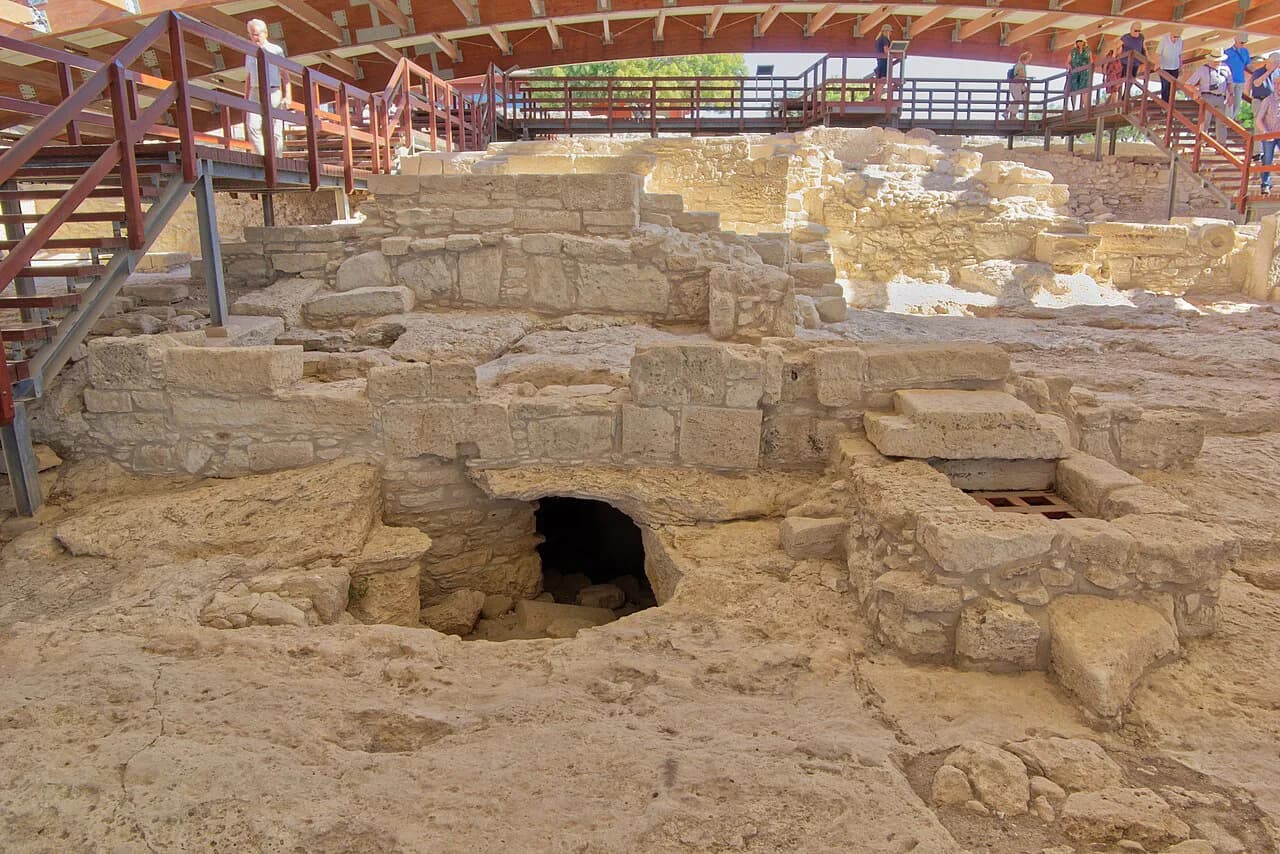
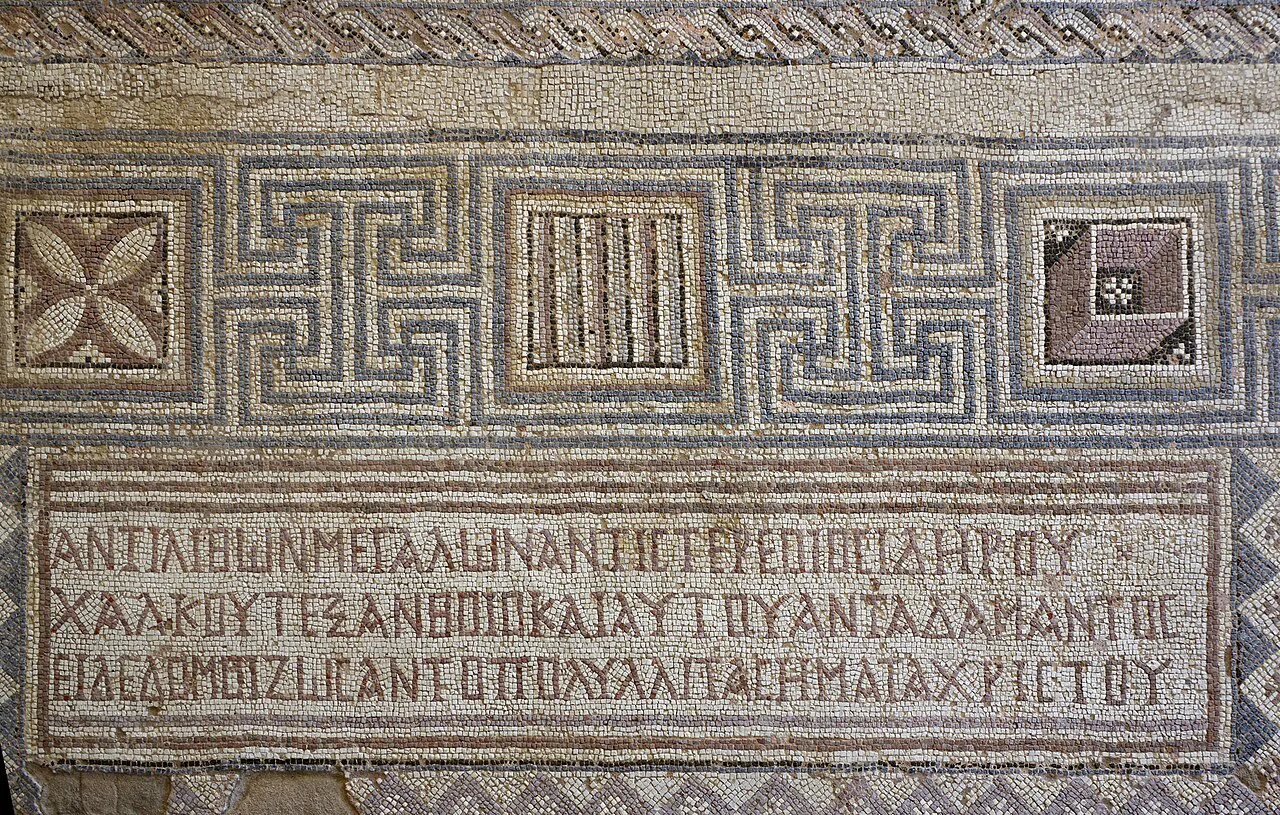
Paphos Archaeological Park holds the Roman mosaics most visitors come for and the remains of a substantial ancient city; it was declared a UNESCO World Heritage Site in 1980. It is widely regarded as the most important archaeological site in Cyprus, and the mosaic floors are its centrepiece.
Is Choirokoitia the oldest site covered here? Choirokoitia is the earliest settlement covered in this guide, with Neolithic round huts and stone foundations on a hillside between Larnaca and Limassol. It is a UNESCO World Heritage Site and takes about an hour to visit, which makes it an easy addition to a transfer day.
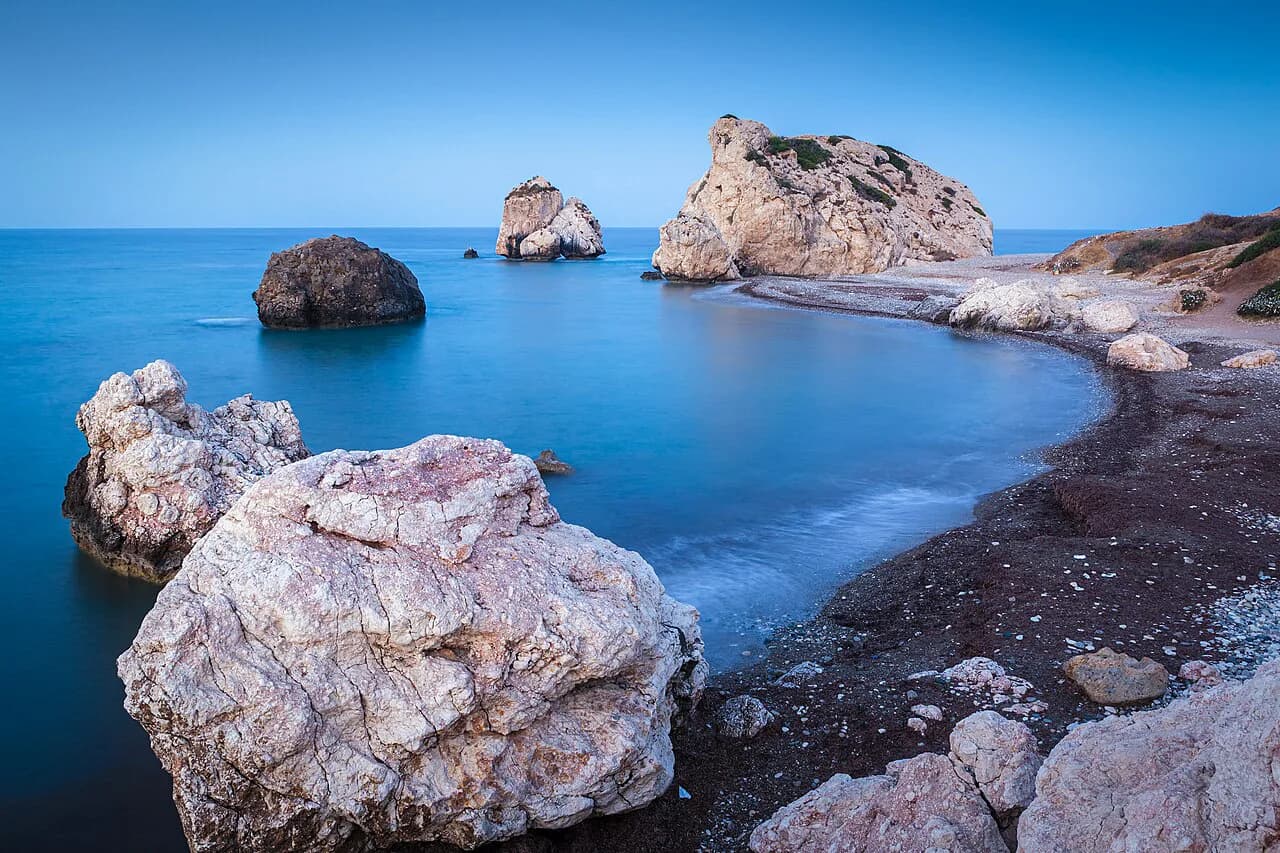
Are there archaeology tours that combine several sites in one day? Some tour operators sell day tours that take in Aphrodite's Rock, ancient Paphos, the Tombs of the Kings and Kourion, with free time in Paphos town, and these can be a sensible way to see several sites without driving. Check what each tour includes, and its price and departure point, with the operator before booking.
What are the ticket prices for Paphos Archaeological Park? No source here gives a current price, so check the Department of Antiquities listing for the park before you go. The same applies to the Tombs of the Kings and Kourion, which are separate sites with their own arrangements.
The site is exposed for most of its length, and the walk between the mosaic houses covers open ground. In July and August, start at opening time or come in the last couple of hours before closing, and carry water. The sheltered mosaic floors give you short breaks from the sun, but they are not air-conditioned.
For context on what came before and after the Roman city, it helps to know how Paphos fits the island's wider story. Pairing the park with the island's later Byzantine and medieval remains gives you a sense of continuity rather than a series of isolated ruins; a broad read of Cyprus History before you arrive makes the labels far more meaningful.
The Tombs of the Kings at Kato Paphos
The Tombs of the Kings is a burial ground of rock-cut tombs carved into the coastal limestone north of Kato Paphos harbour, dating from the Hellenistic and Roman periods. Despite the name, no Kings are known to have been buried there; the tombs belonged to senior officials and wealthy families. The larger examples have sunken courtyards and columns cut from the living rock.
It pairs naturally with the archaeological park because the two are minutes apart by car or a longer coastal walk. Do the park in the morning while it is cooler, rest through the middle of the day, then come to the tombs in the late afternoon when the rock faces are in softer light. Wear shoes with grip, because the paths and tomb floors are uneven.
Kourion: the clifftop theatre and site layout
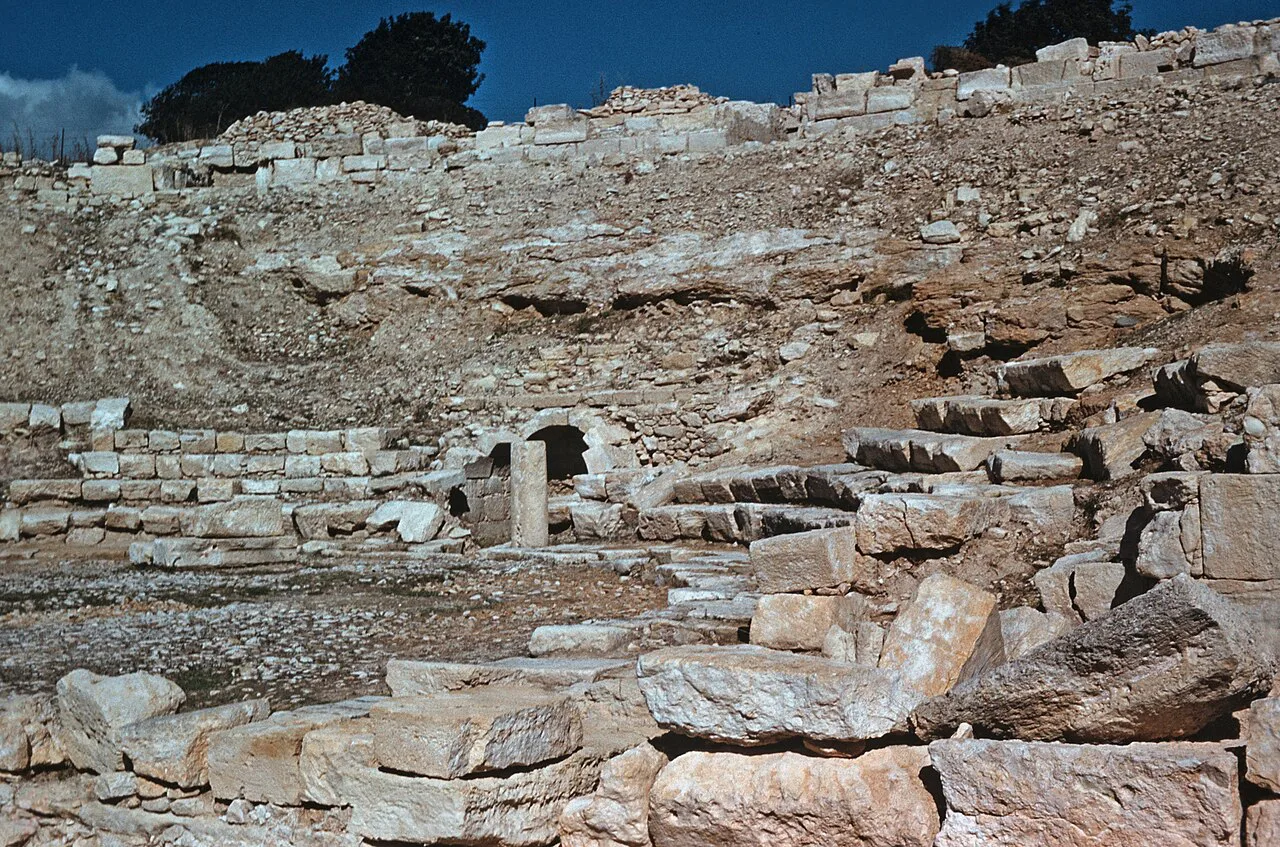
Kourion sits on a high bluff above the coast west of Limassol, and its restored theatre, looking out over the sea and the Kouris valley, is the image most people carry away. Beyond the theatre, the site includes a Roman house with mosaics, a bath complex and an early Christian basilica, laid out along paths that take an hour or two to cover.
Kourion makes an easy half-day from Limassol and a longer but doable day out from Paphos, since the drive follows the coast road east. Limassol's medieval castle and old town combine well with a morning at Kourion, and there are other Castles in Cyprus within reach if you want to build a full day of fortifications and ruins. Keep the theatre for early or late in the day, because the stone seating is hot and shadeless at midday.
Choirokoitia: the Neolithic settlement
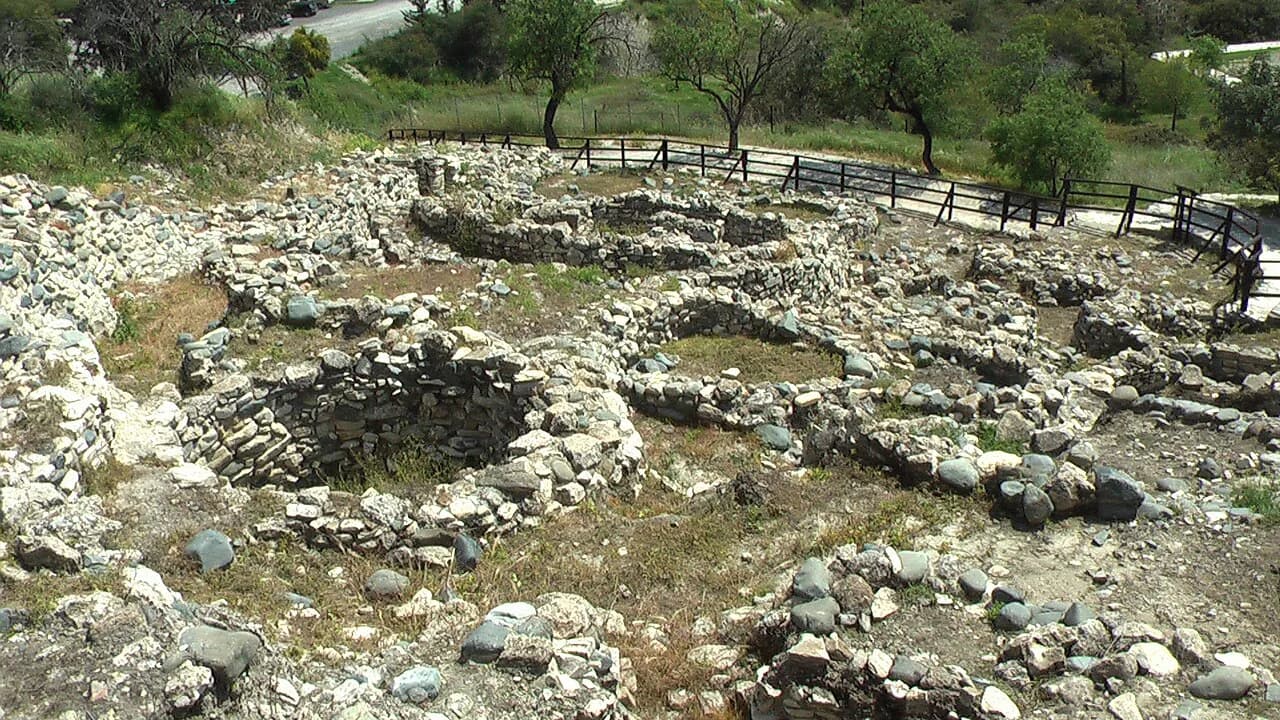
Choirokoitia, on the slope of a hill between Larnaca and Limassol, preserves the circular stone foundations of a Neolithic settlement and is a UNESCO World Heritage Site. Reconstructed round huts stand beside the excavated originals to show how the village would have looked, which makes the site easier to read than bare footings. About an hour covers the path, the huts and the viewpoint.
Come here if your trip would otherwise be entirely Roman and medieval, because it pulls the timeline back several thousand years. The climb from the entrance to the settlement is steady rather than steep, but there is little shade, so treat it as a morning stop. It slots neatly into a transfer day rather than needing a dedicated excursion.
Choirokoitia is managed by the Department of Antiquities, and its published information is the place to confirm opening hours before you travel. On state sites hours are not the same across the year, and a public holiday can alter them.
Kition at Larnaca and Amathus near Limassol
Kition lies under modern Larnaca, and its visible remains are scattered rather than gathered into one tidy park, with excavated sections near the town centre showing foundations and walls from the ancient city. It suits travellers already spending time in Larnaca who want a short, low-effort encounter with the past. Do not build a day around it.
Amathus, on the coast east of Limassol, is a spread of ancient city remains near the shore, with foundations and walls that reward a short wander rather than a long visit. It works as a stop on the coastal drive between Limassol and the east, or as a companion to Kourion. Both Kition and Amathus are optional extras rather than priorities for a first trip.
Getting between the sites by car or bus
Cyprus drives on the left, and a hire car is the most practical way to link Paphos, Kourion and Choirokoitia in a single trip. The motorway network connects Paphos, Limassol, Larnaca and Nicosia, so the drives between the main sites are straightforward, but the last stretches to Kourion and Choirokoitia are on smaller roads. Book an automatic if you are not confident with a manual gearbox on hill starts.
Buses reach Larnaca, Limassol and Paphos, and intercity services connect the main towns, but they will not drop you at every archaeological site. For Kourion and Choirokoitia you will still face a walk or a taxi from the nearest stop. If you are relying on public transport, pick one site per day rather than trying to chain two together.
The Republic of Cyprus uses the euro, which makes ticket prices and parking easy to budget once you know them. Ticket prices and opening hours are set by the Department of Antiquities, so check them on its official pages before you set out, since they can change.
Practical trade-offs: heat, hours and crowds
Summer heat is the biggest constraint on any ruins itinerary. Paphos Archaeological Park and Kourion are largely open ground, and the middle of the day in July and August is punishing. Plan park and theatre visits for opening time, use the middle hours for a long lunch or a museum, and return to the tombs late in the afternoon.
Opening hours at Department of Antiquities sites vary through the year, and some sites close earlier in winter. Check the Department of Antiquities listings for each site shortly before you go, and note that public holidays can change things at short notice.
Crowds at Kato Paphos peak when tour groups arrive mid-morning and again in the early afternoon. If you want the mosaic houses closer to empty, be at the gate when the park opens and head straight for the best-known mosaic floors, among them the Houses of Dionysos and Theseus, before the coaches catch up. Kourion's theatre is busiest in the same window.
Where the sites fit alongside castles, painted churches and the Green Line
Archaeology is only one layer of the island, and a short break is richer if you mix it with the castles at Limassol, Kolossi and Larnaca, and with the painted churches of the Troodos. Limassol castle pairs with Kourion and Larnaca fort with Kition in a single day without long drives.
Inland, the painted churches of the Troodos are a UNESCO-listed group, and monasteries such as Kykkos give you a different kind of stop from a ruin. A day that combines a Troodos church with a mountain monastery breaks up the driving.
If your trip takes in Nicosia, the Green Line is a practical detail to plan around: check current crossing rules, passport requirements and hire-car conditions with the relevant authorities before you travel.
Which site should you book your day around?
Build your first full day around Paphos Archaeological Park and the Tombs of the Kings, then give Kourion a half-day from Limassol. Add Choirokoitia only if the Neolithic period interests you more than another Roman site, and treat Kition and Amathus as optional stop-offs rather than destinations.
Confirm hours and ticket prices with the Department of Antiquities before you travel, and drive if you want to link more than one site in a day. Book the car early in peak season and plan around the heat.
Explore more Cyprus guides
Frequently Asked Questions
Is Choirokoitia the oldest site covered here?
Choirokoitia is the earliest settlement covered in this guide, with Neolithic round huts and stone foundations on a hillside between Larnaca and Limassol. It is a UNESCO World Heritage Site and takes about an hour to visit, which makes it an easy addition to a transfer day.
Are there archaeology tours that combine several sites in one day?
Some tour operators sell day tours that take in Aphrodite's Rock, ancient Paphos, the Tombs of the Kings and Kourion, with free time in Paphos town, and these can be a sensible way to see several sites without driving. Check what each tour includes, and its price and departure point, with the operator before booking.
What are the ticket prices for Paphos Archaeological Park?
No source here gives a current price, so check the Department of Antiquities listing for the park before you go. The same applies to the Tombs of the Kings and Kourion, which are separate sites with their own arrangements.
Sources
Notes for your Cyprus trip
Optional updates to our Cyprus guides.
You might also like
Continue reading
More guides you'll find useful