Cyprus Museums: Where to Go and What Each One Holds
Cyprus museums grouped by town, from the Cyprus Museum in Nicosia to Larnaca's Pierides collection, with what each holds and how to plan the day.
On this page
Choose your Cyprus museums by town, not by reputation. Nicosia carries the island-wide collections and Larnaca packs a family museum, a Byzantine gallery and a medieval castle into a few hundred metres, so each city rewards a half-day rather than a scattered hunt across the island. This guide sorts the main collections by place, says what each holds and gives honest time trade-offs.
One pattern runs through the list. A national or district archaeological museum explains centuries of finds from a whole region, while a small single-subject collection gives you one story in depth — medicine in Larnaca, embroidery and silverwork at Lefkara, sculpture in the open air at Mazotos. Pick one of each rather than three of the same type.
What Cyprus museums cover, and how to choose between them
Cyprus museums fall into four groups: the national antiquities collection in Nicosia, district archaeological museums that hold a single city's finds, religious collections attached to cathedrals and churches, and private or municipal museums built around one family, trade or subject. Each answers a different question, so decide first whether you want the island's story or one town's. For the wider sequence of periods and sites, the island's history is the better starting point than any single display case.
A useful rule is one big collection plus one small one per trip. The big museum gives you context for every ruin you see afterwards; the small one gives you a detail you will remember. Trying to tick off every municipal museum in Larnaca district in a single day means a lot of driving between villages for twenty-minute stops.
Larnaca is one of the island's oldest cities in continuous use, inhabited for more than 6,000 years, which is why its museums span everything from ancient Kition to twentieth-century medical instruments.
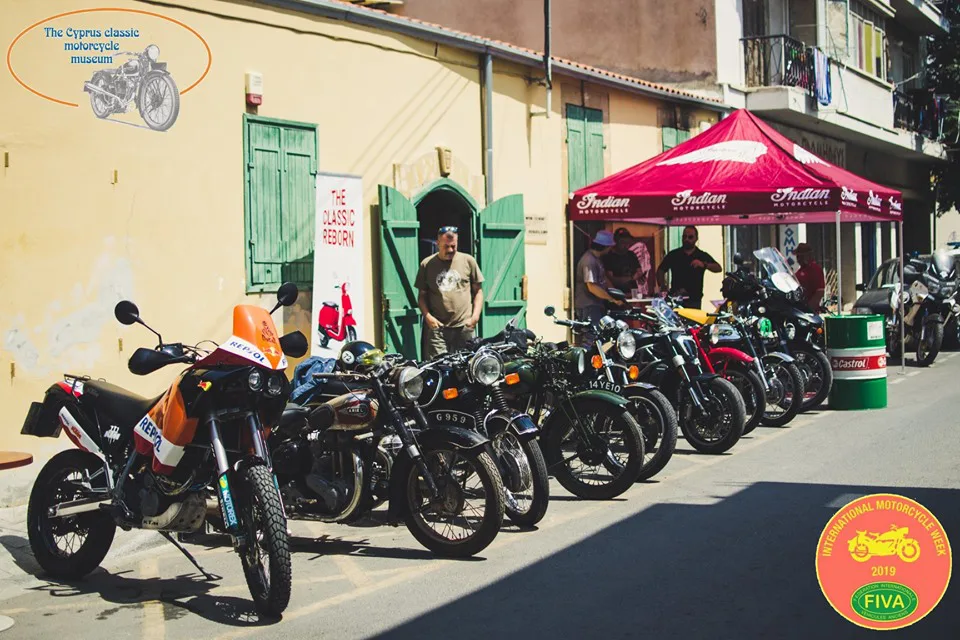
The Cyprus Museum in Nicosia: the island's archaeological collection
The Cyprus Museum is the archaeological collection in central Nicosia and the obvious stopping point for the island-wide sequence of finds. Nicosia's museum listings also include the Cyprus Folk Art Museum, the Cyprus Jewellers Museum and the Cyprus Museum of Natural History, which sit in the same compact centre. Confirm each one's opening days before setting out.
Is Larnaca the best base for museums? Larnaca is one of the island's oldest cities in continuous use and holds a strong cluster of museums, including the Pierides collection, the Archaeological Museum and the Byzantine Museum. It is the easiest town for museum-going on foot, though the island-wide archaeological collection is in Nicosia.
What kinds of material do Cypriot collections hold? The collections cover a long span: ancient pottery and sculpture in the archaeological museums, icons, relics, gospels and crosses in the Byzantine galleries, and weaving, lace and silversmithing in the folk and village museums. The Municipal Art Gallery on Finikoudes shows themed exhibitions by local and international artists.
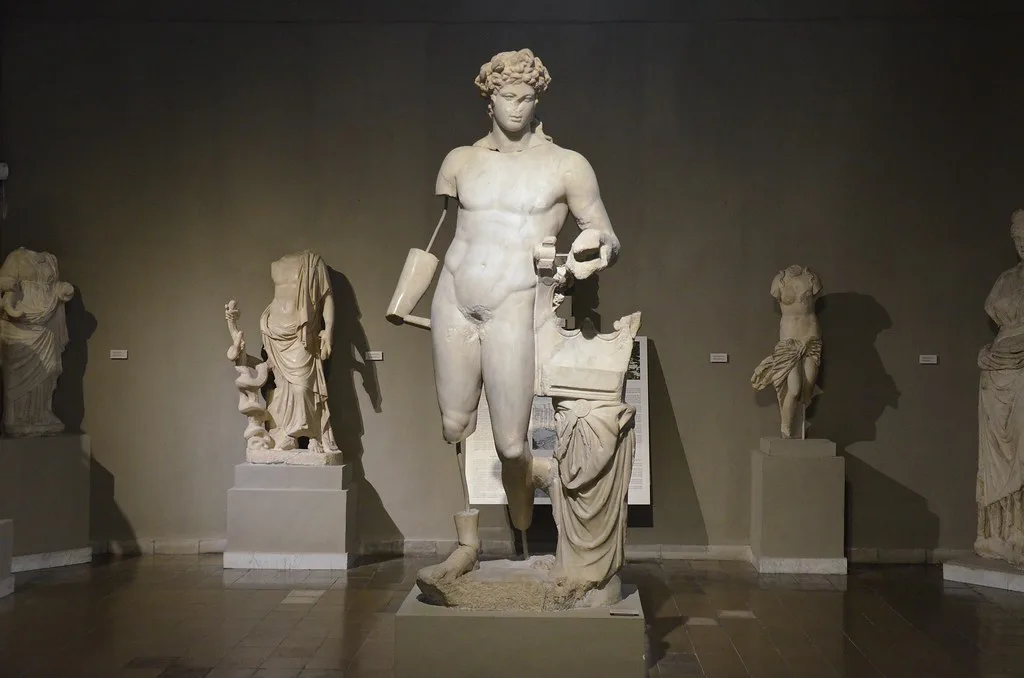
Pottery, sculpture and figurines from across the island are the kind of material that means little in isolation and a great deal once you have walked the relevant archaeological sites, so visit the museum before, not after, a trip to Kourion or Paphos.
It is a popular museum, so start early in the morning rather than mid-afternoon in summer.
Nicosia's other museums: folk art, jewellery and natural history
The Cyprus Folk Art Museum and the Cyprus Jewellers Museum give you the crafts the archaeological galleries leave out: weaving, costume, ecclesiastical silver and the goldsmithing that Cyprus was known for. Both are small, and paired with the Cyprus Museum of Natural History they make a second, lighter half-day in the same quarter of the city.
These are the museums to choose when you have already done the big antiquities collection or when the heat makes an indoor afternoon the sensible plan. They are also the ones to drop if your Nicosia time is short, because the Cyprus Museum repays hours and the folk collections repay an hour at most.
Larnaca: Pierides Museum, the Archaeological Museum and Kition-Bamboula
The Pierides Museum in Larnaca holds the Pierides family collection, assembled to protect Cypriot archaeological finds and covering around 10,000 years of the island's material. It is the city's best single introduction to Cypriot art and craft outside Nicosia, and it works well as a first stop before you look at the ancient city itself.
The Larnaca Archaeological Museum, inaugurated in 1969 and run by the Department of Antiquities, traces the evolution of ancient Kition and the later province. Its outdoor space looks onto the Kition-Bamboula archaeological area about 100 metres north, so the museum and the excavated ground are one visit rather than two; details are posted at the museum itself.
The Byzantine Museum beside Saint Lazarus Church, Larnaca
The Byzantine Museum occupies the space next to Saint Lazarus Church and holds icons, relics, gospels and crosses from the Christian heritage of the Larnaca province. It is a short visit that fits naturally with seeing the church itself, and it is the collection to choose if painted church interiors are what brought you to Cyprus.
Treat the two as a single stop on a walking route through the old town, and go early in the morning when the church interior is cooler and quieter. If your interest is specifically in painted churches of the Troodos rather than icons in cases, plan a separate drive into the mountains.
Larnaca's Medieval Castle and Municipal Art Gallery on Finikoudes
Larnaca's Medieval Castle stands south-west of the seafront area known as Finikoudes, and it is the city's most obvious landmark. The castle houses the city's medieval museum collection, so the fortification and the exhibits are one stop on a seafront walk.
The castle is one of the historic forts that frame the island's coastal towns, and it earns its place among the Cyprus castles for the setting as much as the display cases. A short climb here also sets up the rest of the seafront walk.
The Municipal Art Gallery sits in one of Europe Square's older buildings on Finikoudes and runs themed exhibitions by local and international artists, so what hangs there changes. Check what is on before you build a morning around it; the castle next door is the reliable anchor for that stretch of waterfront.
Smaller Larnaca district museums: Athienou, Aradippou, Kato Drys, Lefkara and Mazotos
Outside Larnaca town, the district's museums each hold one village's story. The Kallinikeio Municipal Museum in Athienou follows the village from antiquity to the present, the Costas Kaimakliotis Folklore Museum occupies a 1901 manor house in Aradippou with displays on traditional Cypriot life, and the Kato Drys Bee & Embroidery Museum explains lace, honey and zivania making.
At Pano Lefkara, the National Museum of Traditional Embroidery and Silversmithing in the Spiti tou Patsalou is the reason most travellers drive up into the hills; in Mazotos, the Petreon Sculpture Park shows carvings made from rock types gathered across Cyprus in an open-air setting. These are village stops, not town museums, so pair each with the village itself.
A single day covers two of these at most, given the driving between them. Pick by interest rather than by map: Lefkara for lace and silver, Kato Drys for food craft, Mazotos for sculpture outdoors.
The Kyriazis Medical Museum: a single-subject collection in central Larnaca
The Kyriazis Medical Museum occupies a 1927 townhouse in central Larnaca and traces the history of medicine in Cyprus from antiquity through the Ottoman period. It is a single-subject collection, so it suits travellers who want depth on something specific rather than another room of pottery.
Because it is small and central, it slots into a morning between the Pierides Museum and the seafront without a car. Check the day's opening before you walk over.
How long each museum needs and how to group them by town
For the Cyprus Museum, allow a good part of a day. The Pierides and the Larnaca Archaeological Museum need a focused hour or two each, and the smaller collections such as the Byzantine Museum, the Kyriazis and the Finikoudes gallery fit into shorter stops. Village museums cost you travel time more than visiting time.
In Nicosia, group the archaeological and folk museums on foot in a single day. In Larnaca, the Pierides, the Byzantine Museum, the castle and the Kyriazis all sit close enough to link on foot, with the Municipal Art Gallery on the same seafront walk. Save Athienou, Aradippou, Kato Drys, Lefkara and Mazotos for a day when you have a car.
A three-night stay on the island realistically fits one big collection and one town's museums. Anything more and you are choosing museums over the sites and churches that give them meaning, which is the wrong way round.
Practical points: opening days, tickets and summer heat
Opening days and ticket prices are set by whoever runs each museum, and they can change with the season. Summer afternoons are the least comfortable time for an indoor museum; mornings are cooler and quieter.
Several collections are municipal or private rather than state-run, so a public holiday closure at one does not mean the next is shut. Build a flexible second choice into each town day rather than a strict list, and keep a note of which museum sits nearest your last stop.
Which museum should you build your day around?
Build a Nicosia day around the Cyprus Museum and add the folk art and jewellery collections only if time allows. Build a Larnaca day around the Pierides Museum, then walk to the Byzantine Museum, the castle and the Kyriazis.
Add a village museum only when you are already driving that way, and keep your afternoon free for the ruins and churches the collections explain.
Explore more Cyprus guides
Frequently Asked Questions
Is Larnaca the best base for museums?
Larnaca is one of the island's oldest cities in continuous use and holds a strong cluster of museums, including the Pierides collection, the Archaeological Museum and the Byzantine Museum. It is the easiest town for museum-going on foot, though the island-wide archaeological collection is in Nicosia.
What kinds of material do Cypriot collections hold?
The collections cover a long span: ancient pottery and sculpture in the archaeological museums, icons, relics, gospels and crosses in the Byzantine galleries, and weaving, lace and silversmithing in the folk and village museums. The Municipal Art Gallery on Finikoudes shows themed exhibitions by local and international artists.
Sources
Notes for your Cyprus trip
Optional updates to our Cyprus guides.
You might also like
Continue reading
More guides you'll find useful