Diving in Cyprus: Wrecks, Reefs and Dive Sites
A practical guide to diving in Cyprus, from the Zenobia wreck off Larnaca to the Limassol wrecks, the Liberty off Protaras and the Paphos caves.
On this page
Diving in Cyprus is built around one world-class wreck and a spread of easier reefs, caves and purpose-sunk ships that suit everyone from a first Open Water dive to a technical penetration. The Zenobia off Larnaca is the headline, but the Limassol Marine Park, the Liberty wreck at Protaras and the shallow Amphora Caves at Paphos each give a different day out. This guide compares their depths, lengths and access so you can match a site to your certification and to the towns you are already visiting.
The island's main dive areas line up neatly with the coastal towns: Larnaca for the Zenobia, Limassol for its twin wrecks, Protaras and Ayia Napa for the Cape Greco coast, and Paphos for caves and boat-accessed sites. Visit Cyprus lists dozens of individual sites across all five districts, from artificial reefs to rocky drop-offs, so a week's diving is easy to fill without repeating yourself. What follows is a planning guide, not a dive-shop directory: it tells you what each site involves and where it sits on the map.
What diving in Cyprus is like
Cyprus has one of the longest dive seasons in the Mediterranean, helped by water that Visit Cyprus puts at 16–27°C almost year-round. Visibility is boosted by the absence of plankton, so you can often see far along a reef or wreck rather than peering through green haze. The practical upshot is that you can dive comfortably outside the UK summer, though the warmest water and busiest boats fall in the high season.
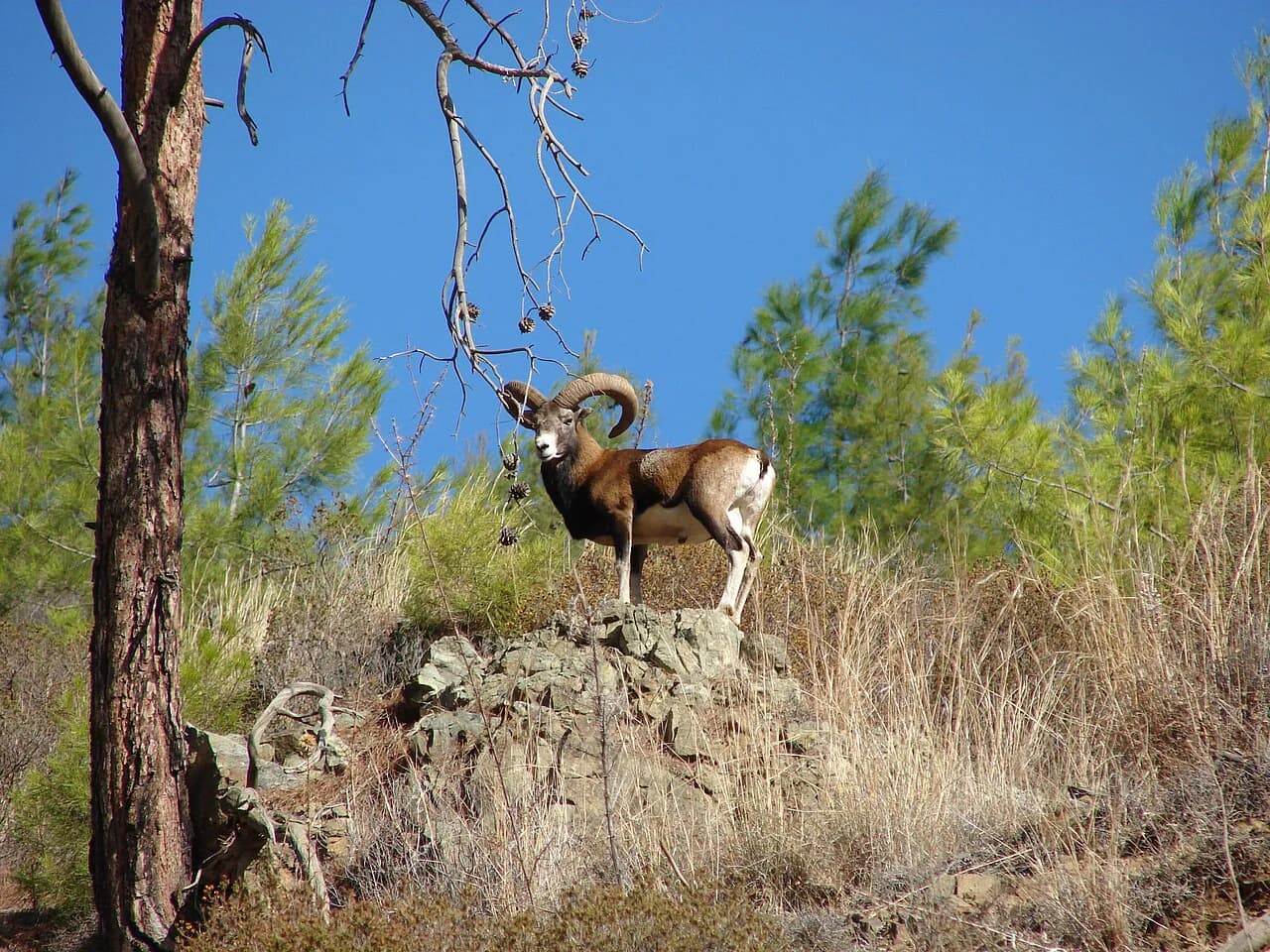
Below the surface the island mixes natural reefs with deliberately sunk artificial ones, both acting as feeding and breeding grounds for fish, sponges, Coral, anemones and octopus. Sea turtles turn up regularly and the rarer Mediterranean seal is occasionally seen. If you are timing a trip around conditions rather than a specific wreck, the wider question of when to travel is covered in our guide to the best time to visit Cyprus.
The Zenobia wreck off Larnaca
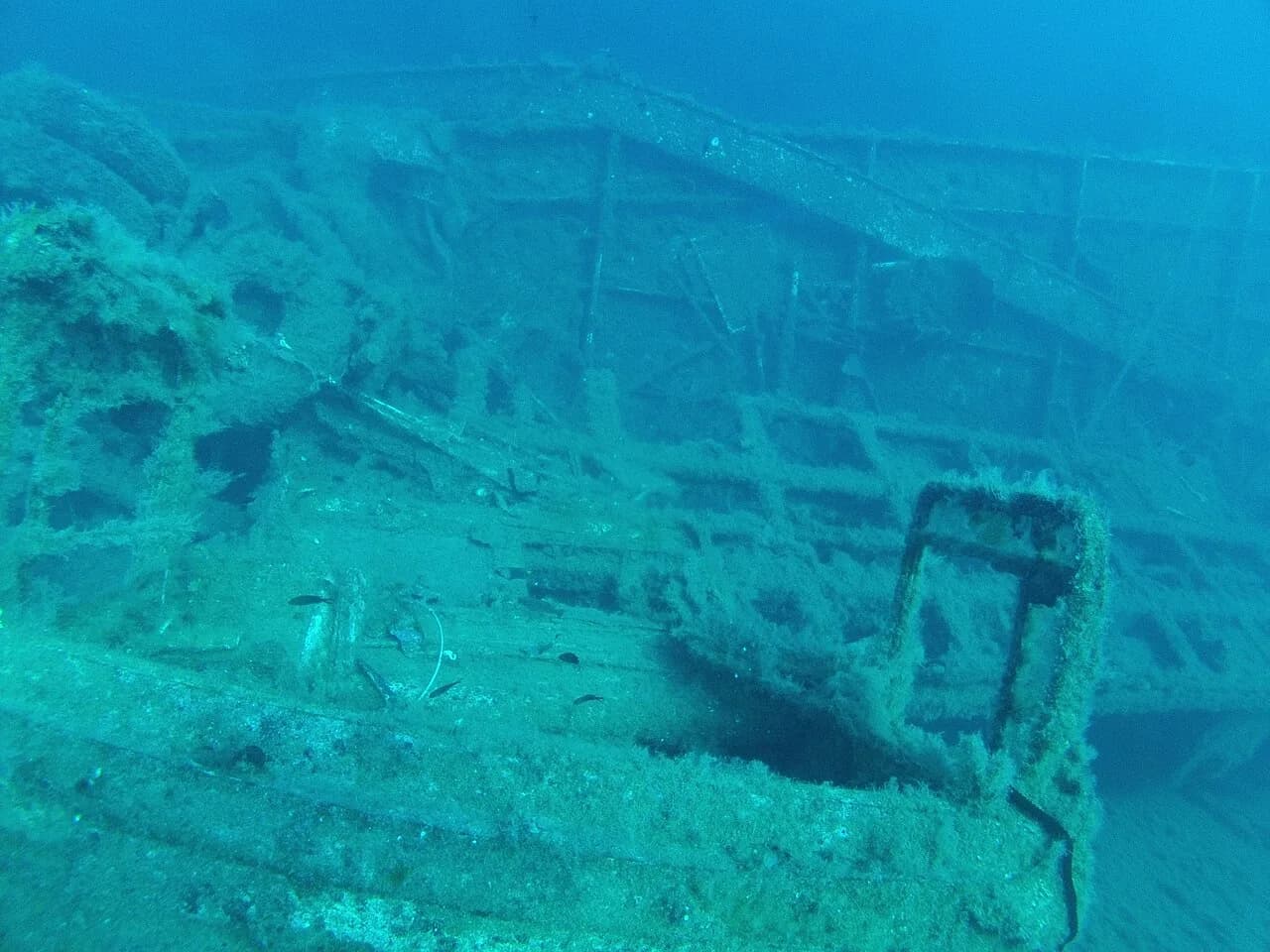
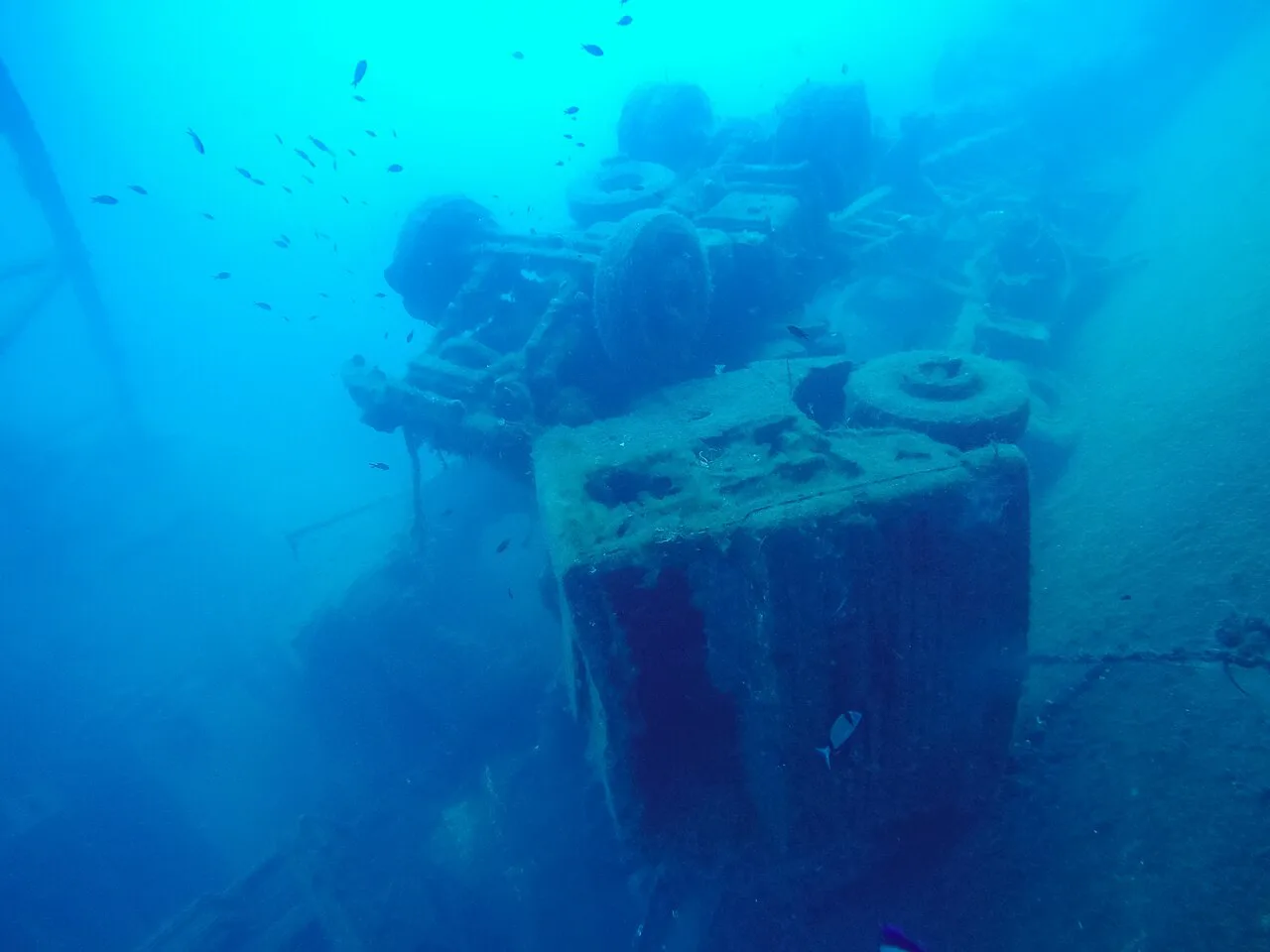
The Zenobia is the reason many divers come to Cyprus at all. The Swedish ferry sank on her maiden voyage in 1980 about 1.4 km off the Larnaca coast, and she lies on her port side on sand and rock. At 172 metres long, with the hull starting at 18 metres and the deepest point at 42 metres, she is a serious wreck rather than a gentle first dip. In good weather visibility can reach 30 metres.
Do you need a licence to dive in Cyprus? You need a recognised diving certification for the depth and type of dive you plan to do. The Zenobia's 42-metre depth and enclosed spaces call for advanced or technical training, while shallower sites such as the Amphora Caves at 5 to 12 metres are open to all certified divers.
Can you dive in Cyprus in winter? Yes. Visit Cyprus describes one of the longest dive seasons in the Mediterranean, helped by water temperatures of 16 to 27°C almost year-round.
Which Cyprus wreck is best for beginners? The Lady Thetis in the Limassol Marine Park is the gentlest of the named wrecks, sitting in around 18 metres with easy swim-throughs. The Constandis alongside her is deeper at 23 metres, and the Liberty at Protaras lies at 27 metres with cut penetration routes.
Because the wreck sits so deep and so large, she suits advanced divers and experienced technical divers planning penetration dives; the lorries and trucks she was carrying are still inside. The surrounding area is a Marine Protected Area, which is why the marine life is so dense: look for large dusky groupers, barracuda, moray eels, lionfish and schooling fish, plus turtles patrolling the hull. Read more about the local dive scene in our guide to diving in Larnaca, and note that Larnaca Marina is the obvious base for a Zenobia day.
The Limassol Marine Park wrecks
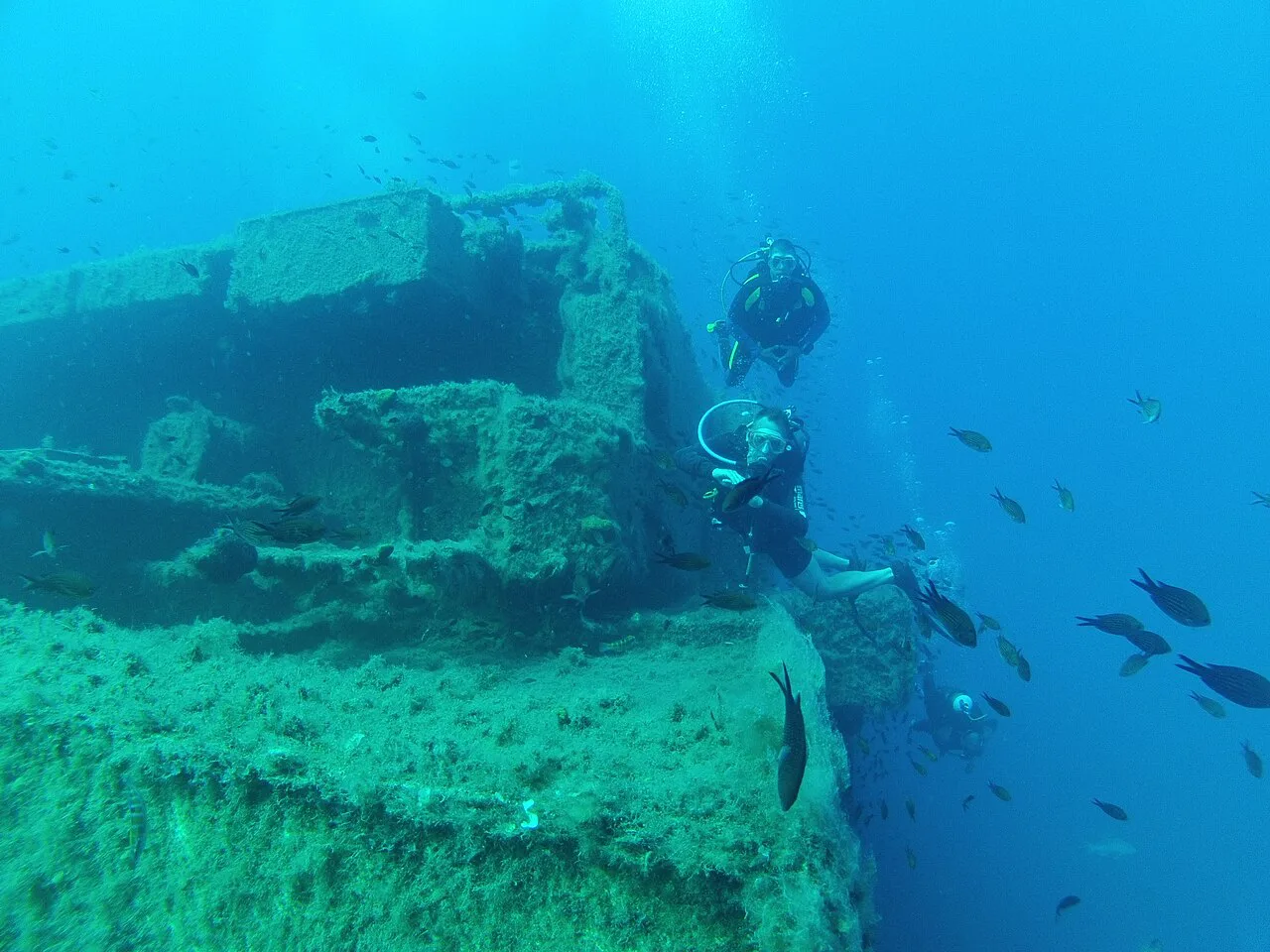
Limassol's marine park is a pair of purpose-sunk vessels about 1 km off the coast between the Crowne Plaza hotel and Dasoudi beach, both sent down in 2014. The Constandis, a 23-metre former fishing trawler, lies on sandy bottom at 23 metres with an open engine room you can look into and the trawling gear still in place. The Lady Thetis sits in roughly 18 metres of water with easy swim-throughs and penetration options for the more adventurous.
Together the two wrecks make a good training ground for beginners while still interesting for experienced divers, and the marine park draws damselfish, parrotfish, sea bream and groupers. Our guide to diving in Limassol covers the local operators and the nearby Amathus Ruins, which make a sensible non-diving half-day on the same trip.
The Liberty shipwreck off Protaras
The Liberty was deliberately sunk in May 2009 as an artificial reef for the Protaras area, roughly 1 km offshore near Pernera. The 37-metre cargo ship lies at 27 metres, and holes cut into the hull plus an engine left in place create some excellent swim-throughs. Because the area is closed to boat traffic, marine life has colonised quickly: expect tuna, a big shoal of amber jacks, sea bream, damselfish, rainbow wrasse and groupers.
The Liberty suits divers comfortable at recreational depth rather than absolute beginners, and it is a short boat ride from shore. Our guide to diving in Protaras sets out the local boat operators and how the Cape Greco coast fits into a stay in the resort.
The Amphora Caves at Paphos
The Amphora Caves are the gentlest headline site on the island: a set of caves and gullies between 5 and 12 metres deep, one of which has an Amphora set into its roof. The jars are ancient ceramic storage vessels, and they are thought to have ended up there through seabed movement over the past two thousand years. It is a boat-accessed site and suitable for all divers, which makes it a good choice for a mixed-ability group.
Life on the site includes stripped groupers, parrotfish, scorpion fish, octopus, squid and crabs scuttling over the rock. Paphos is a natural base for it, and our guide to Diving in Paphos covers the harbour area, the Kato Paphos dive shops and how the site fits alongside the town's archaeological sights.
The rest of the island's dive sites
Beyond the big four, Visit Cyprus lists a long catalogue of sites across all districts, including the Blue Lagoon, Cape Pyla Reef, Airport Reef, the Antennas and a run of caves, chapels and wall dives. Each listing carries its region, required qualification, access type and depth band, so you can filter for what suits you before you commit. That is far more reliable than choosing by name alone.
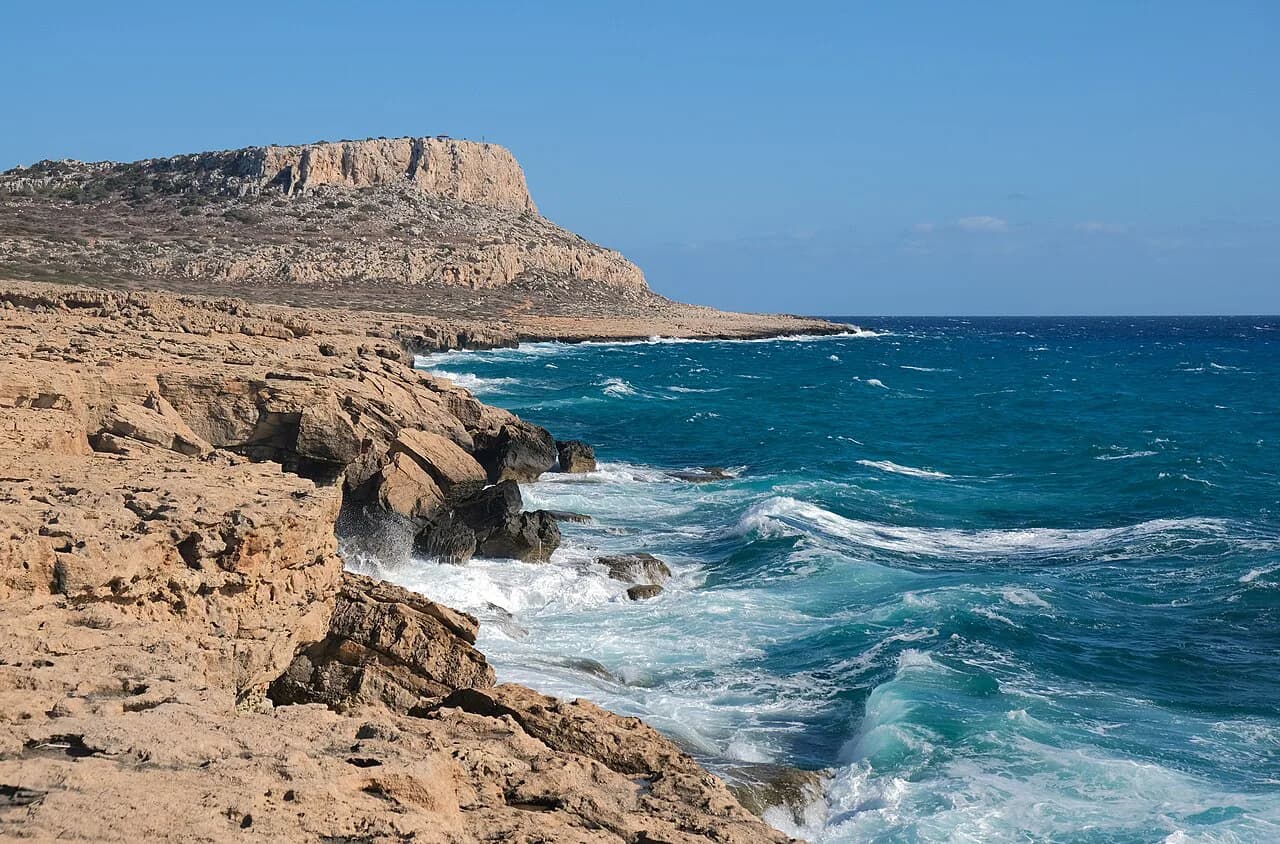
Ayia Napa's coast, with Cape Greco's caves and clear water, is the other obvious cluster for a diving day, and our guide to diving in Ayia Napa covers what is available locally. If you are staying further east, the same coast is within reach of Protaras and its Green Bay shore entry.
Which site suits which diver
Match the site to your certification before you book. The Zenobia's 42-metre depth and enclosed holds put her firmly in advanced and technical territory, while the Liberty at 27 metres and the Constandis at 23 metres sit within recreational limits for qualified divers. The Lady Thetis at around 18 metres and the Amphora Caves at 5–12 metres are the friendliest options for newer divers, and the caves in particular work for a first boat dive.
Access is the other deciding factor. Some sites are shore entries, some are boat-only, and Visit Cyprus flags each one in its listings, so check before you assume you can wade in. The Amphora Caves, for instance, are boat-accessed, whereas the Limassol Marine Park wrecks are close enough inshore to suit a short boat run.
Free diving, safety and doing it responsibly
Visit Cyprus publishes dedicated pages on free diving, safety and diving responsibly alongside its site directory, which is worth reading before you book a course or a guided dive. The safety guidance covers the basics of planning and supervision, and the responsible-diving pages set out how to behave around the marine protected areas.
The protected status of sites such as the Zenobia area, where fishing is banned within three miles, is the reason the marine life is so rich; treat that as a reason to keep your buoyancy tidy rather than an invitation to touch. If you are new to the sport, take a course with a certified centre rather than joining a fun dive unqualified.
Choosing a dive operator
Book through a certified enterprise, and use the Visit Cyprus certified-enterprises list as a starting point; PADI Adventures also lists Cypriot dive centres with location, duration, inclusions and cancellation policy so you can compare like for like. Ask whether the quoted trip is boat or shore, which wreck or reef it actually visits, and what certification it requires.
Prices are not published in the sources here, so compare quotes directly with each operator rather than relying on a figure you saw online. Confirm the current season's schedule, since boats run less often outside high summer, and check whether equipment hire is included in the quoted price.
Fitting diving into a Cyprus trip
Plan diving around the towns you are already visiting. The Zenobia sits off Larnaca on the south-east coast, the Limassol wrecks are just off the city's beach strip, the Liberty is a short hop from Protaras and Pernera, and the Amphora Caves need a boat from Paphos. A week split between Larnaca and Paphos covers the two most contrasting dives on the island with minimal driving.
If you are based in the east, Ayia Napa and Protaras share the same stretch of coast, so a couple of days there can cover both the Liberty and the Cape Greco caves without changing hotels. Divers staying in the west can pair the Amphora Caves with shore dives around Kato Paphos.
Which dive should you book first?
Book the Zenobia first if you are advanced or technical certified, because she is the dive that justifies the trip and is best done early while you are fresh. Everyone else should start with the Amphora Caves or the Lady Thetis and build up to the Liberty and the Constandis. Wherever you base yourself, leave a spare day for weather, since boat trips are the first thing to move when the wind gets up.
Explore more Cyprus guides
Frequently Asked Questions
Do you need a licence to dive in Cyprus?
You need a recognised diving certification for the depth and type of dive you plan to do. The Zenobia's 42-metre depth and enclosed spaces call for advanced or technical training, while shallower sites such as the Amphora Caves at 5 to 12 metres are open to all certified divers. Try-dives and courses are run by certified centres, which is the route for anyone without a qualification.
Can you dive in Cyprus in winter?
Yes. Visit Cyprus describes one of the longest dive seasons in the Mediterranean, helped by water temperatures of 16 to 27°C almost year-round. Boats run less frequently outside high summer, so confirm the schedule with your chosen operator before you build a trip around a specific wreck.
Which Cyprus wreck is best for beginners?
The Lady Thetis in the Limassol Marine Park is the gentlest of the named wrecks, sitting in around 18 metres with easy swim-throughs. The Constandis alongside her is deeper at 23 metres, and the Liberty at Protaras lies at 27 metres with cut penetration routes.
How much does a dive in Cyprus cost?
Compare quotes directly with each operator, since prices are not published in the sources here. PADI Adventures lists Cypriot dive centres with location, duration, inclusions and cancellation policy on each trip page, so you can compare like for like and ask whether equipment hire and boat fees are included before you book.
Sources
Notes for your Cyprus trip
Optional updates to our Cyprus guides.
You might also like
Continue reading
More guides you'll find useful