Diving in Larnaca: The Zenobia Wreck and What to Expect
Diving in Larnaca means the Zenobia wreck, 1.5 km offshore at 16–42 m. Here is the depth, the certification needed, the season and what a dive day costs.
On this page
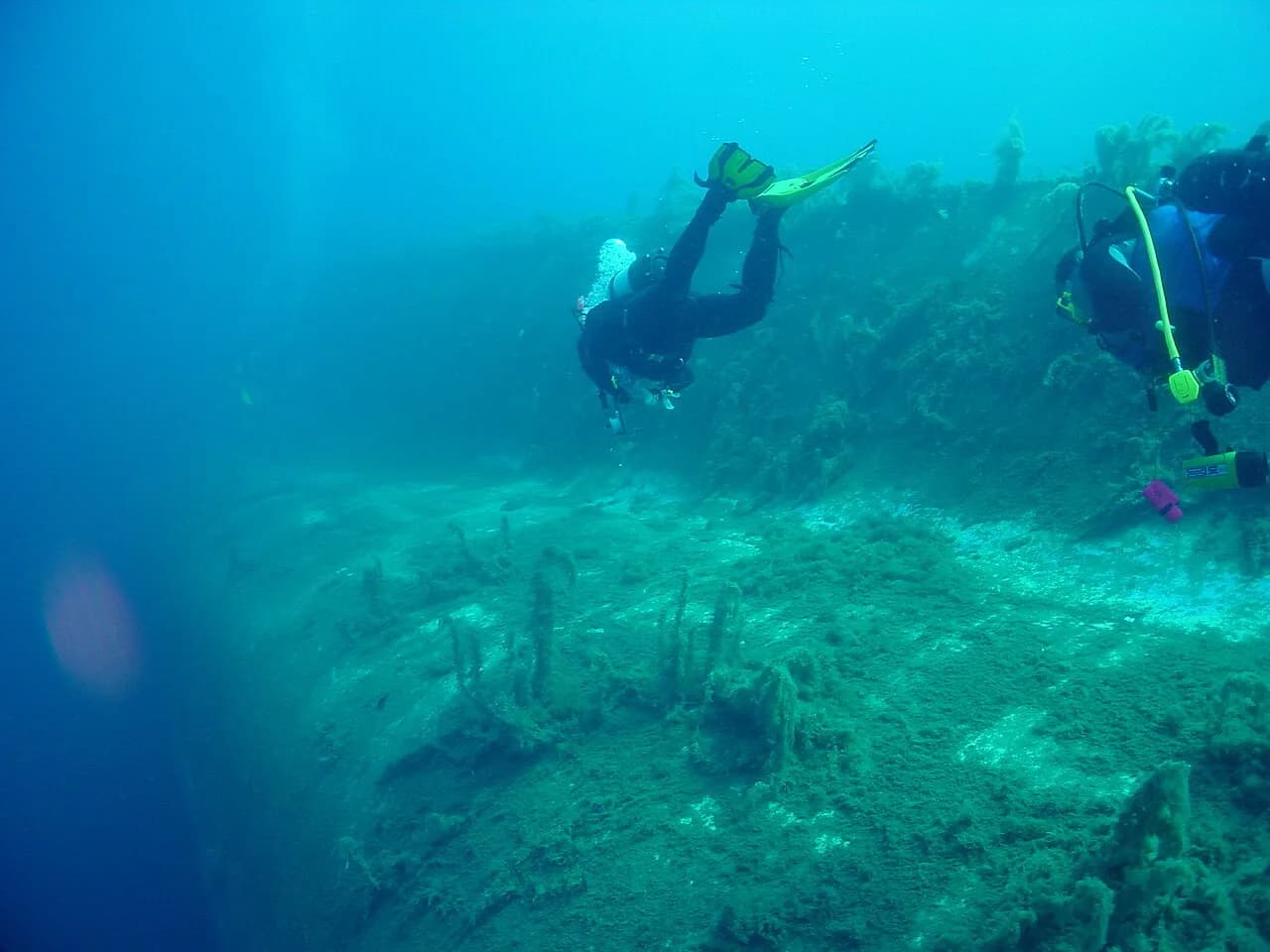
Diving in Larnaca means the Zenobia, a sunken ferry roughly 1.5 km off the coast that sits in 16–42 m of water and is the reason most divers come to this stretch of Cyprus. Visibility typically reaches 25–30 m, which makes the scale of the ship readable from the moment you drop in. This guide sets out where the wreck lies, which depths suit which certification level, what you actually see on deck, when to go and how a guided day is priced.
If you are weighing up the island as a dive destination, Larnaca is the wreck specialist's stop rather than a gentle reef-and-shore-dive base, though there is a second, smaller wreck nearby. Plan the Zenobia as the centrepiece of a day and treat everything else as a bonus.
What diving in Larnaca is known for
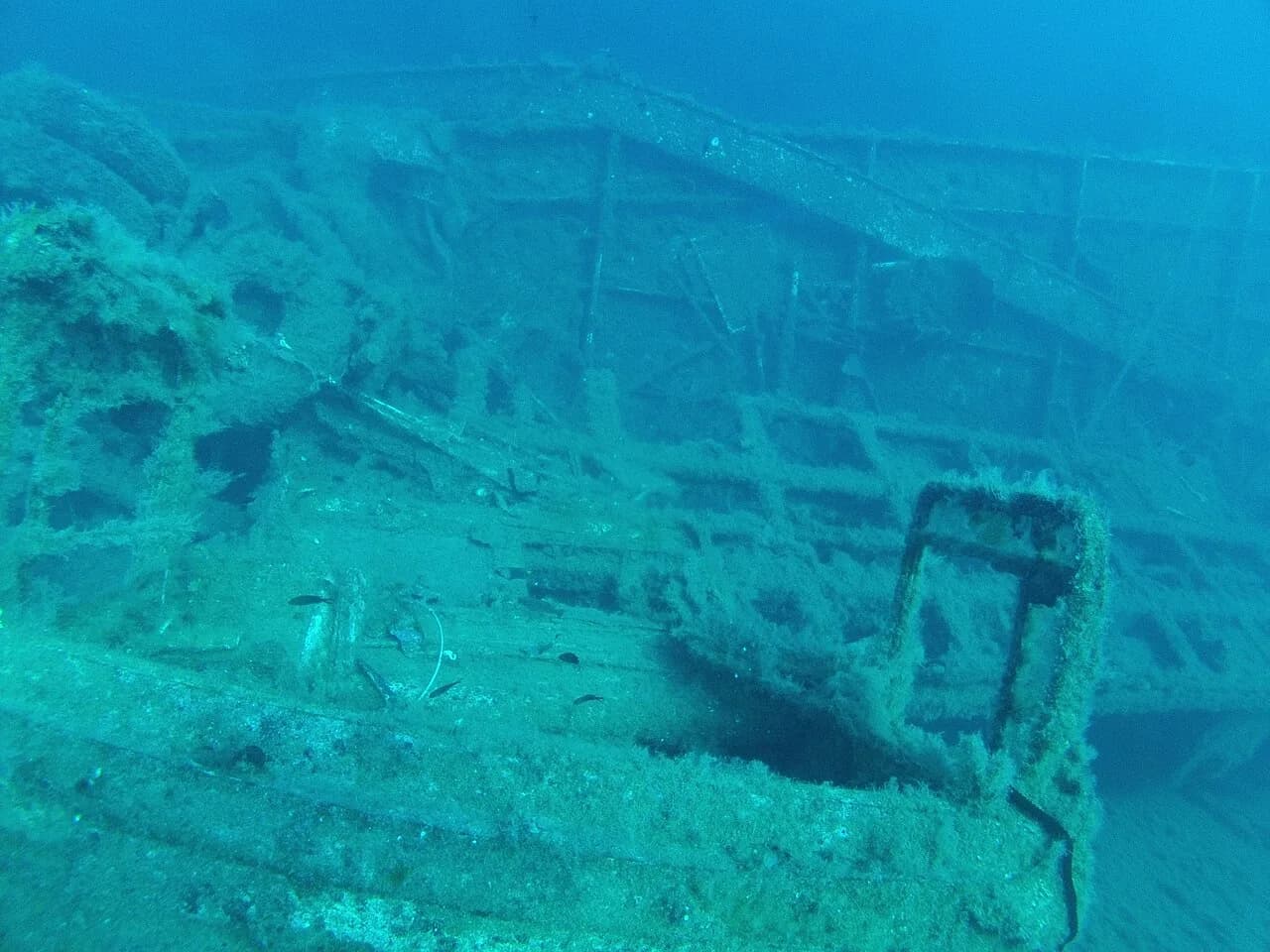
The Zenobia is a large sunken ferry, and the size is the point: the dive plan covers propellers, cargo decks stacked with lorries, the bridge, crew accommodation and the cafeteria in a single site. Marine life is dense, with groupers, barracudas, tuna and turtles reported around the structure, so even a diver with no interest in penetration has plenty to look at.
Because the wreck sits in open water rather than on a reef shelf, a boat is the normal way in, and the run out is short. That combination of easy access and serious depth is unusual, and it is why the site draws experienced divers from across the island. For the wider picture of sites, seasons and operators elsewhere on the island, see the guide to diving in Cyprus.
Where the Zenobia lies and how deep it goes
The wreck rests approximately 1.5 km off the Larnaca coast, and the depth range across the site runs from 16 m at the shallowest to 42 m at the deepest. Those two numbers describe very different dives: 16 m is comfortably within an Open Water limit, while 42 m is a deep dive that requires training and experience beyond the entry-level certification.
Your guide sets the plan for the day with a full briefing before departure, covering entry and exit procedures and what to expect at the site, so the maximum depth you reach depends on the qualification you hold rather than on the wreck alone. Divers holding only Open Water are taken to the shallower sections; the deeper structure and any penetration work are for those with the right training and logged experience.
Which certification level you need
The Zenobia is listed as suitable for Open Water and above, which means a newly certified diver can dive the site but not the whole of it. The wreck's structure offers numerous penetration opportunities for those with appropriate training, experience and qualifications, and those swim-throughs are a separate decision from simply seeing the ship.
Be honest with yourself about recency. A diver who certified years ago and has not been in the water since will find a 42 m wreck with 25–30 m visibility more demanding than the card suggests, and a refresher or a guided shallow dive first is the sensible order. For a second, easier boat day on the other side of the island, see the guide to Diving in Paphos.
What you see on the wreck
Start with the hardware. The propellers are the signature photograph, the cargo decks still hold more than 100 lorries, and the bridge, accommodation block and cafeteria give a diverting sense of the ship as a working ferry. Turtles and tuna turning up mid-dive is a normal part of the experience rather than a stroke of luck.
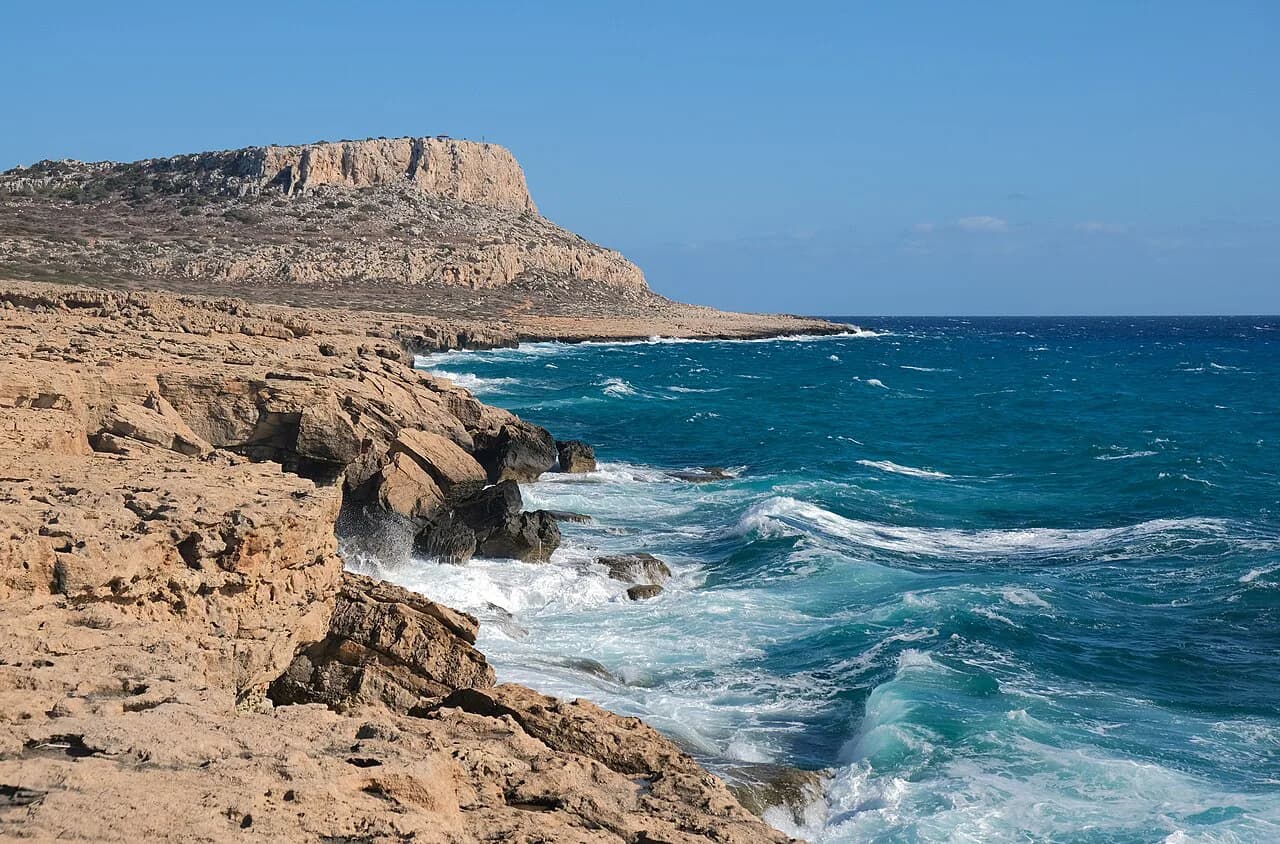
Penetration is where the wreck rewards training and punishes overconfidence. If you want to go inside the structure, take the wreck specialty or dive with a guide who knows the layout, and keep the deep sections for the second half of your trip rather than the first. Divers who prefer a gentler, shore-based introduction in clear shallows will find Green Bay and Cape Greco, covered under diving in Protaras, a better fit for the first day.
Best time of year and water temperature
April to October is the best time to dive here, and water temperature ranges from 17°C to 29°C depending on the season. Treat those as typical seasonal ranges rather than a forecast: late April and October sit near the cold end, which means a thicker wetsuit or a drysuit, while high summer is warm enough for a lighter exposure suit.
Summer brings the warmest water and the busiest boats, so book ahead if your dates are fixed. Outside that window, ask the operator directly about winter diving rather than assuming the schedule continues unchanged.
How a Larnaca dive day runs
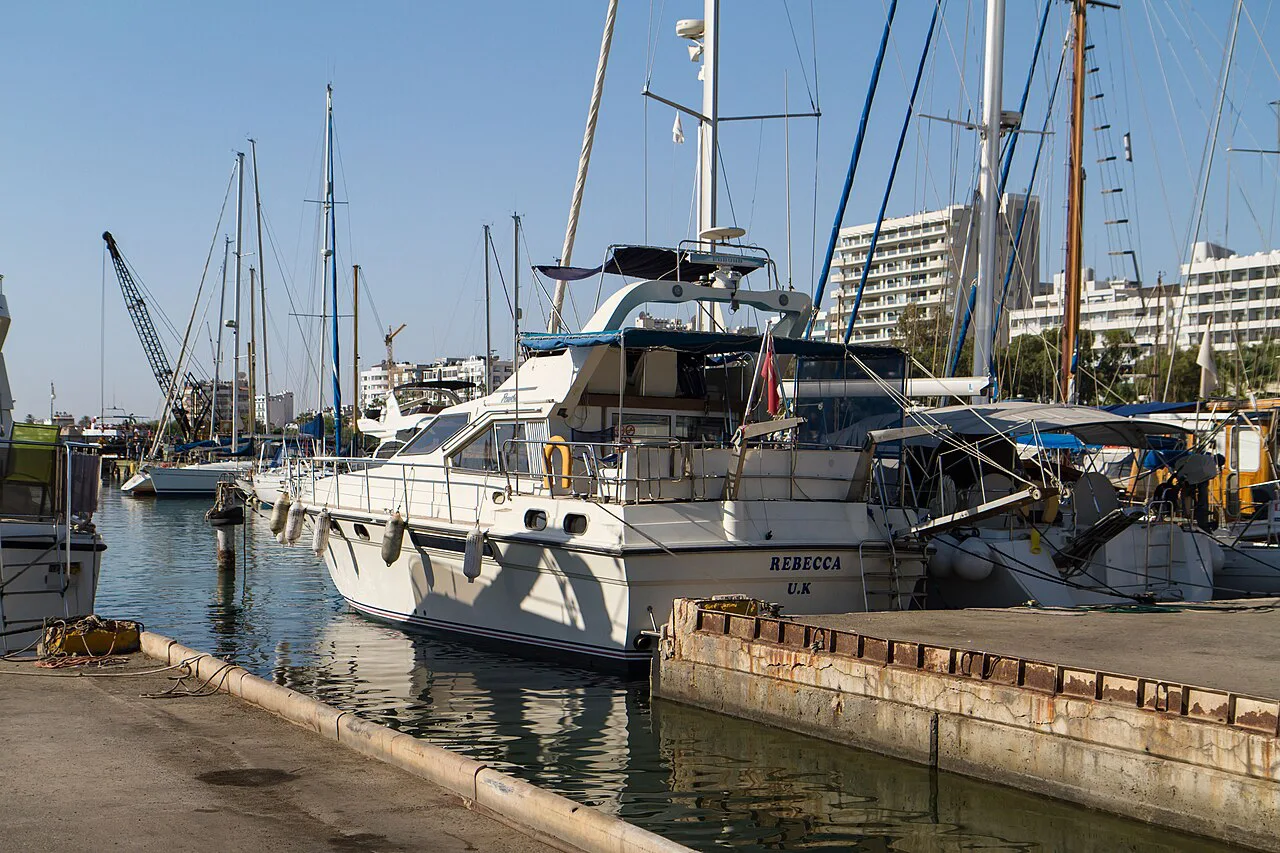
A guided day can start early, with a meeting at the dive centre at 0630 to check paperwork and certifications and sort out equipment such as a dive computer or torch. From there it is about an hour's drive to Larnaca Marina, with a possible stop for coffee on the way, followed by loading the boat and a comprehensive briefing before departure.
The crossing to the wreck is around 20 minutes, which leaves most of the day for the diving itself rather than travel. Afterwards the boat returns to Larnaca, and a full-day trip from a base further west can be back at the centre around 1500, which is worth knowing if you are staying outside Larnaca and travelling in for the day.
If you are based in Larnaca itself, the day is shorter and simpler: you join at the marina and skip the road transfer. Staying in the town also makes it easier to add a second boat day, and the promenade and old-town streets fill the surface interval without a car.
What a guided wreck dive costs
Pissouri Bay Divers lists a full-day guided Zenobia and Elpida wreck trip at €160.00, including the drive to Larnaca Marina and the boat dives, with the price shown per diver for that package. That is one operator's listed figure for one product, not a general Larnaca price, so compare it with other centres on what is included rather than on the headline number alone.
Ask whether equipment, tanks, weights, a dive computer and torches are inside the quoted price or charged as extras, and whether nitrox is available and at what supplement. A cheaper dive that excludes a full kit is rarely the cheaper day.
Booking ahead and checking the details before you travel
Availability is seasonal, and Pissouri Bay Divers takes bookings online, so reserve before you build the rest of the trip around a wreck day. It also runs the Elpida as a second wreck dive in the Larnaca area, which is worth asking about if you want two dives from one boat trip.
Larnaca has more than one dive operation, and Pineapple Dive Club is another local centre whose blog covers Zenobia planning and choosing a dive centre safely. Confirm the meeting time, what kit you must bring, your certification card and your insurance cover directly with whichever centre you book, since these details vary between operators.
If your holiday is split between coasts, the same trip can be planned from a Limassol base, where the guide to diving in Limassol covers the Amathus Ruins area and local centres. Divers heading east instead will find the wreck-free reefs around Ayia Napa covered separately under diving in Ayia Napa.
Is the Zenobia worth planning your Larnaca trip around?
Yes, if you hold at least Open Water and are comfortable in open water at depth, the Zenobia justifies a day of your holiday and, for many divers, the trip to Larnaca on its own. The 25–30 m visibility and the scale of the cargo decks make it a memorable dive even without penetration, though the 42 m sections demand training and recent experience rather than optimism.
If you are newly certified or rusty, dive a shallower site first and build up to the wreck later in the week. Whichever route you take, book through a named centre and confirm the meeting point, kit inclusions, certification requirements, insurance and current seasonal schedule with them before you travel.
Sources
Notes for your Cyprus trip
Optional updates to our Cyprus guides.
You might also like
Continue reading
More guides you'll find useful