Diving in Paphos: Wrecks, Reefs and What Suits You
Diving in Paphos explained: shore reefs, caves and caverns, an island wreck best reached from Larnaca, water temperatures and how to choose a certified dive centre.
On this page
Diving in Paphos suits open water divers who like reefs, rocky shore entries and small caves rather than a single headline wreck. The island's best-known wreck lies elsewhere, so a Paphos base works for coastal sites plus a separate boat day. This guide sorts the sites by access and certification level, then covers conditions, dive centres and how many days to allow.
Water temperatures typically range from 16–27°C almost all year round, supported by clear water with little plankton, which gives the island one of the Mediterranean's longer diving seasons. Treat those figures as climate averages rather than a forecast, and ask your chosen centre what exposure protection they issue for your dates.
What diving in Paphos is like
Paphos diving is coastal and largely shore-based: fringing rock, sandy patches, drop-offs and small caverns rather than long boat runs. Visible marine life includes colourful fish, sponges, anemones, octopus and sea urchins, with turtles and the rare Mediterranean monk seal occasionally spotted. Nothing is guaranteed on any given dive, so treat a turtle as a bonus rather than the plan.
The long warm-water window means you can usually dive outside high summer, when July and August heat makes suiting up and walking rocky entries tiring. Mornings are the easier half of the day for shore dives from Kato Paphos, with the afternoon left for the archaeological park or the harbour.
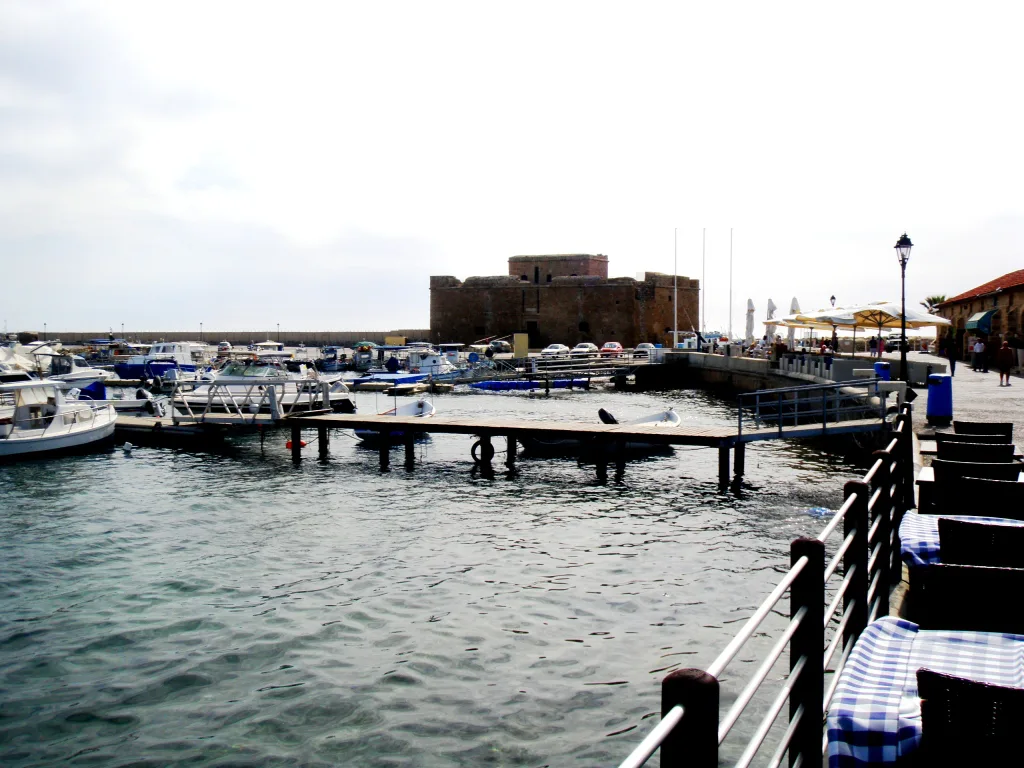
The best-known wreck is off Larnaca, not Paphos
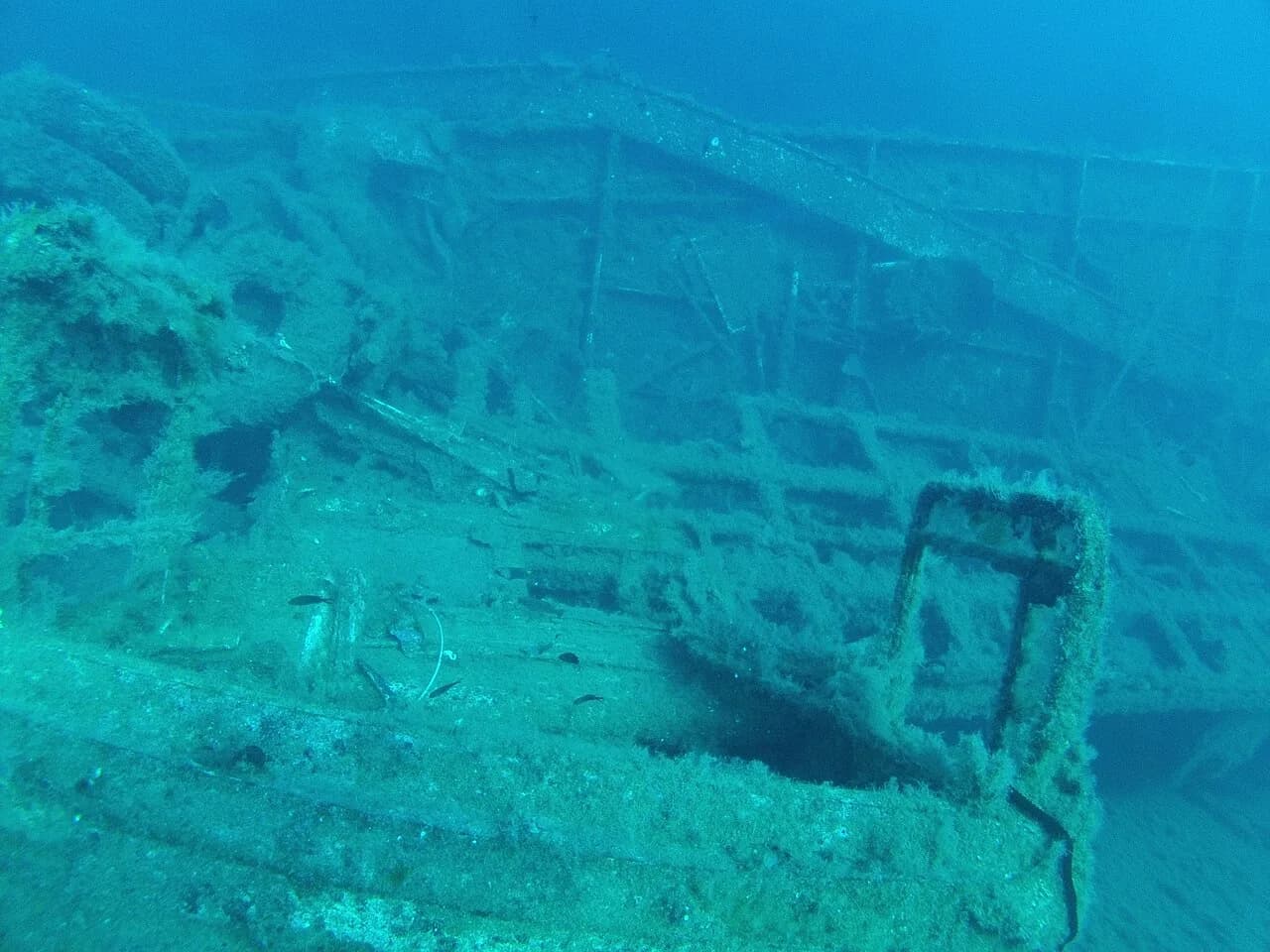
Cyprus's best-known wreck lies off Larnaca rather than Paphos, and it is not among the Paphos-area entries on the national dive-site index. A Paphos-based trip therefore needs a dedicated day east by hire car or an operator-run boat trip, and the drive is long enough that you should not bolt it onto a sightseeing day.
Wreck dives of this kind typically involve a boat and a depth that calls for more than entry-level certification, so confirm the prerequisite with the operator before booking. If the wreck is the reason for your trip, base yourself nearer Larnaca and read the separate guide to diving in Larnaca; if you are already committed to Paphos, keep it as one planned excursion rather than the whole holiday.
The same principle applies to the island's other named sites: an Amathunta entry sits close to Amathus on the Limassol coast, so a day towards Limassol pairs coastal ruins with a dive rather than adding another Paphos splash.
Reef, cave and cavern sites around Paphos and the wider region
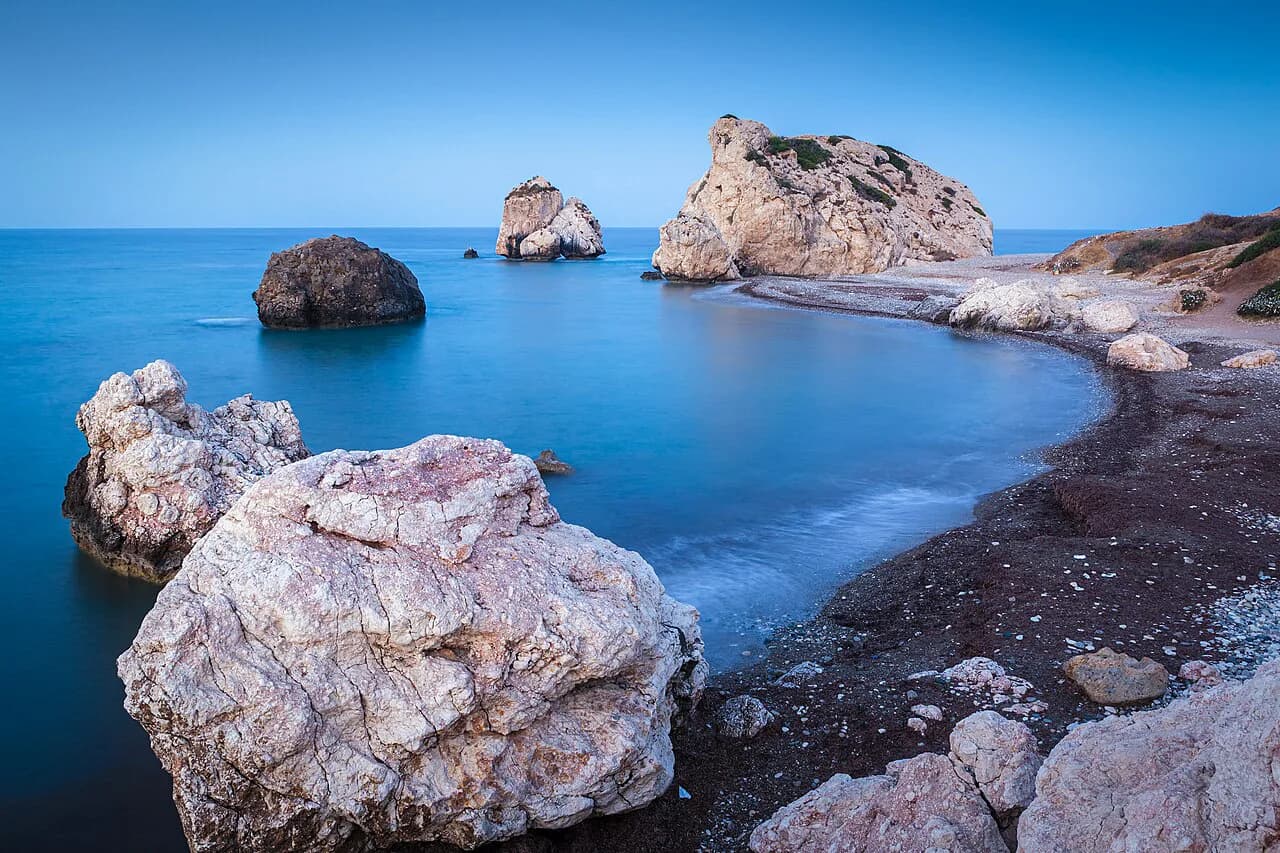
The national dive-site index names individual entries such as Airport Reef, Amphora Cave, Antennas, Caves and Chapel, alongside Aphrodites Rock and the Blue Lagoon further along the coast. Use its filters for region, qualification, access, visibility, depth and type of site rather than guessing from a name, since an entry listed as easy access with steps is very different from one listed as a rocky entrance or a drop-off.
Caves and small caverns appeal to divers who are comfortable in confined, dimly lit water, and several Cypriot entries are classed as caves or caverns rather than open reef. If your certification did not include cavern training, say so when you enquire and expect to be steered towards open sites instead.
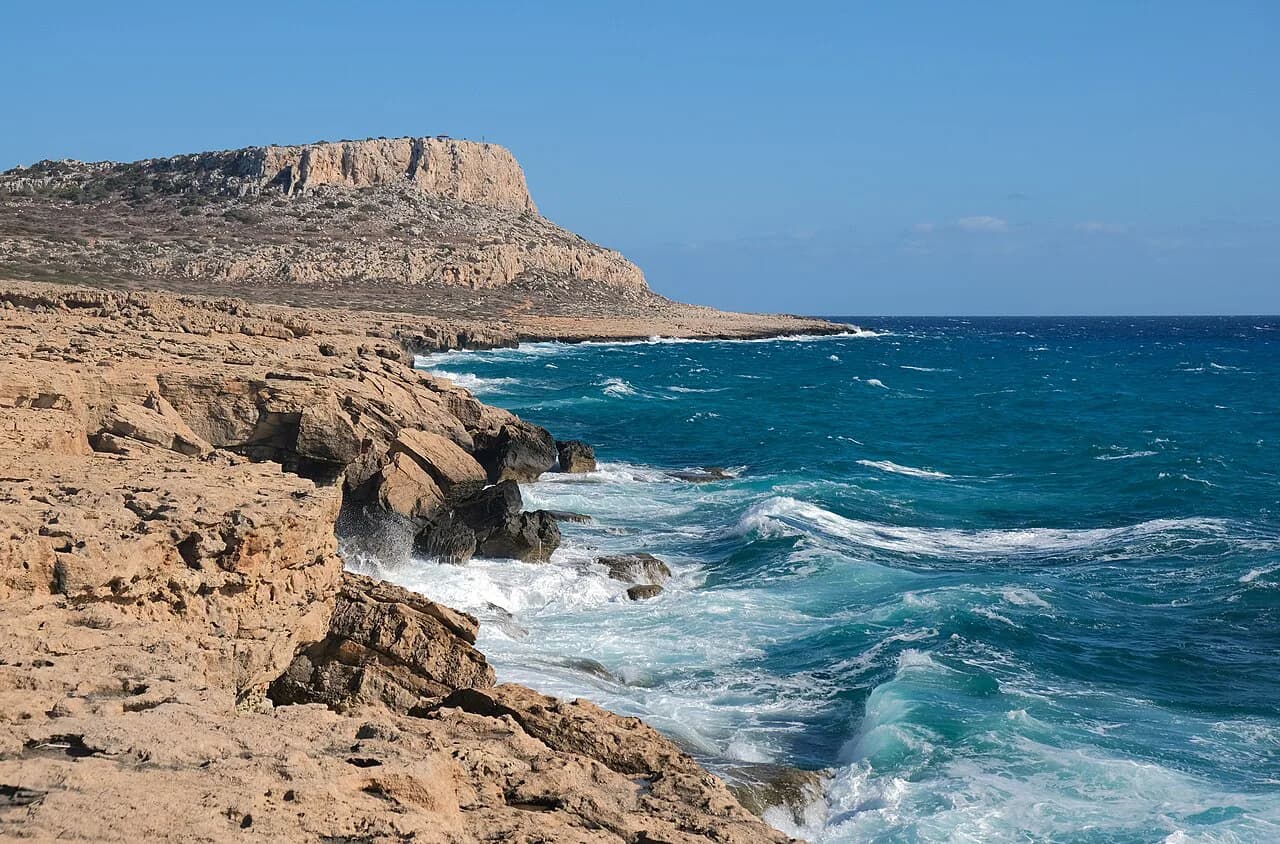
East of Larnaca, Cape Pyla Reef is another named site and pairs naturally with a day around Ayia Napa and Protaras, where Green Bay and Cape Greco draw shore divers. That is a separate trip from a Paphos base, but worth knowing if you are touring the island rather than staying in one place.
Shore entries versus boat dives
Shore entries dominate around Paphos, and the index distinguishes easy access up to the entry point (steps) from a rocky entrance and from a 1.5m or 3m drop-off. If you are newly certified or carrying your own kit, an easy-access entry saves energy and frees you from a boat timetable; if you want depth or a wreck, you will need a boat and usually a higher certification.
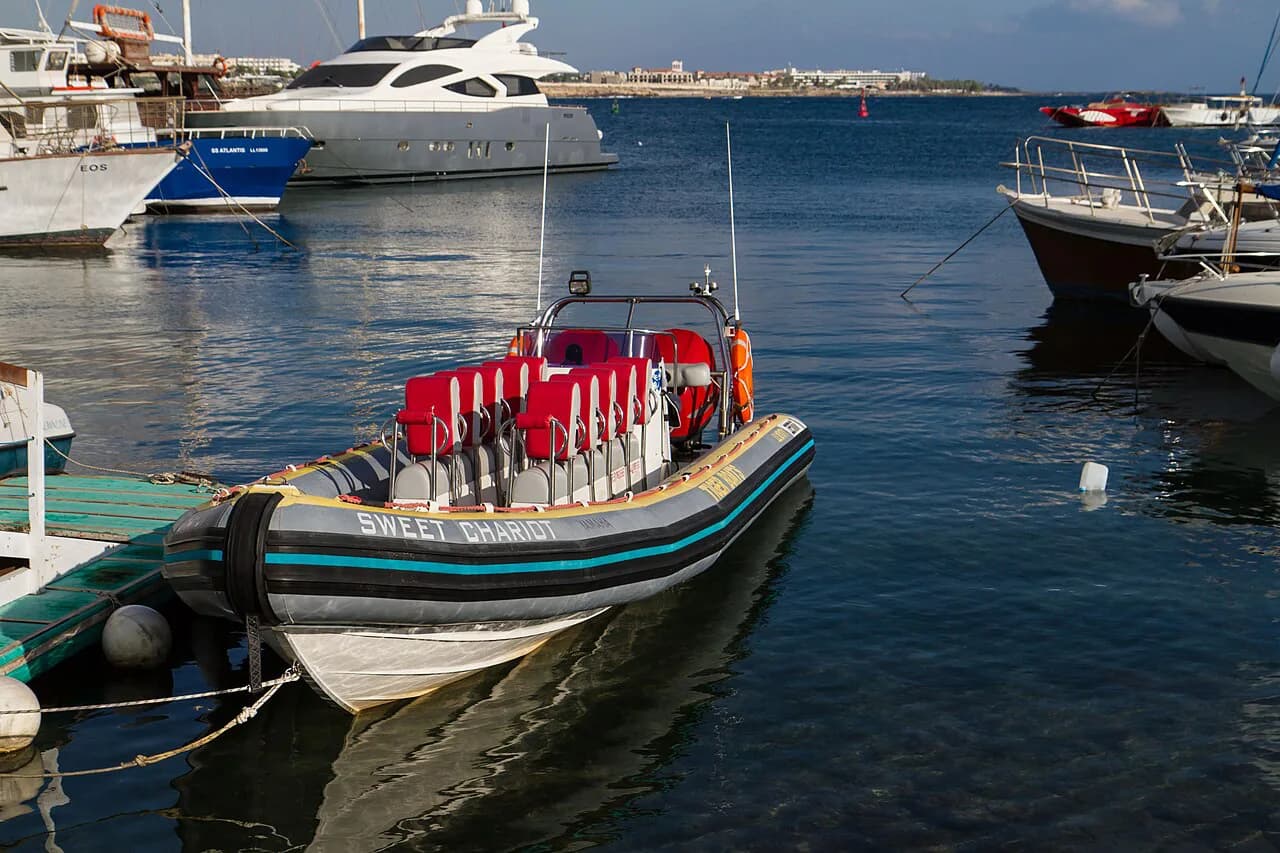
Boat diving from Paphos harbour is the practical route to offshore reefs and to deeper sites, and it also removes the walk across hot rock in August. Ask what the boat fee covers, whether tanks and weights are included and how many divers share a guide, because those details decide whether a cheap-looking trip is good value.
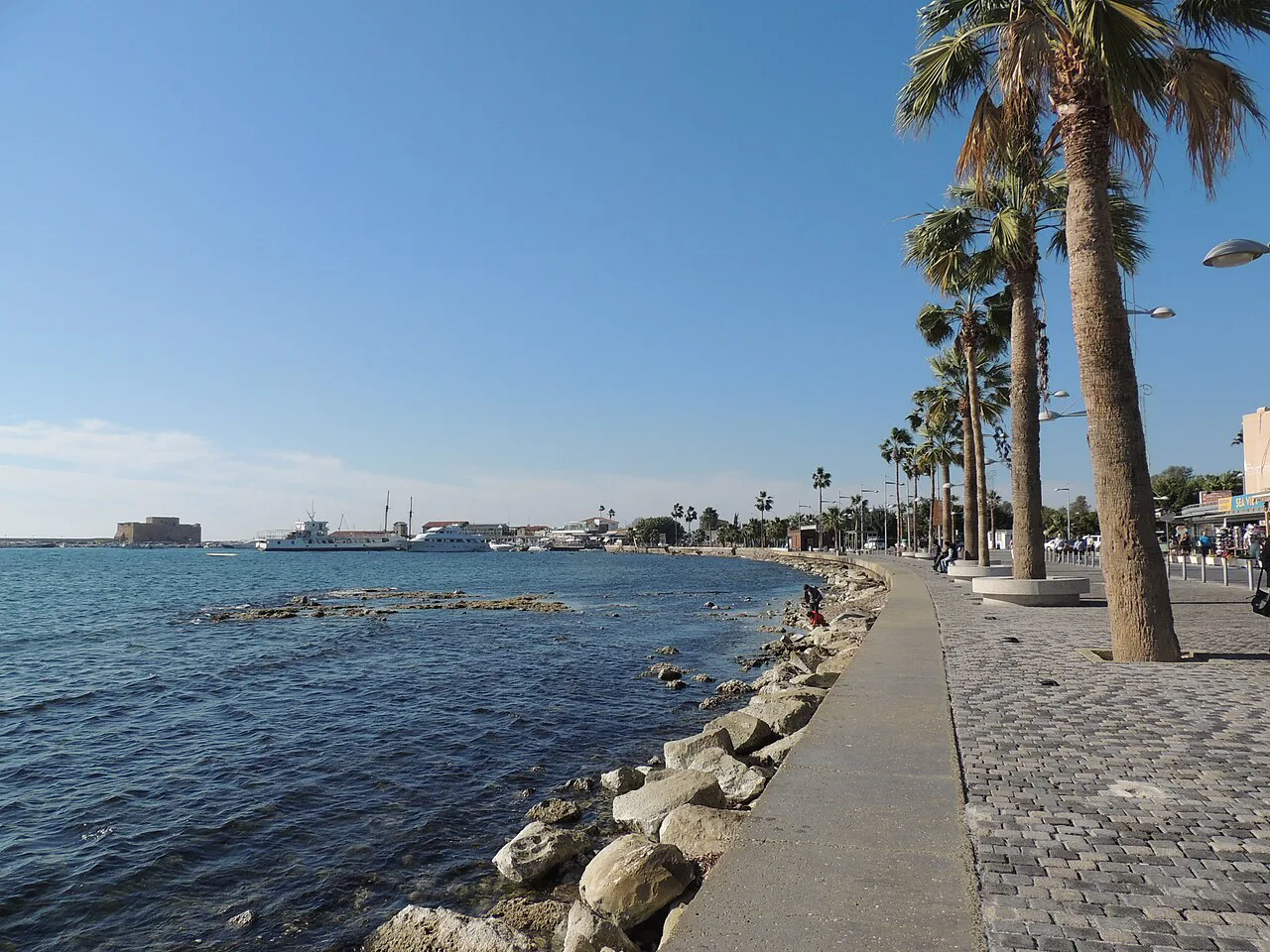
Free diving and first-timer options
Free diving is presented as its own discipline alongside scuba on the national portal, not as a taster for scuba, so book it with a centre that teaches it properly rather than joining a scuba boat. First-timers, by contrast, take a supervised introductory scuba session before any certification course.
Several Paphos operators run beginner programmes. Dive Point Diving Centre describes a full range of scuba activities from complete beginners through to instructor level, and CyDive is named by a diver who took a first scuba lesson in Paphos. For any of them, confirm the ratio of instructors to beginners and whether pool time precedes the sea dive.
Nereus Dive Center, based in Paphos, is another local option catering to divers of all levels. Compare two or three centres on group size, kit condition and language of instruction before you commit to a multi-day course.
Choosing a certified dive centre and what to ask before booking
The tourism portal lists certified enterprises, which is the first thing to check: a centre operating legally should appear there or hold equivalent recognised status, and instructors should be able to show their teaching qualification. Ask directly rather than relying on a website badge.
Before paying a deposit, ask four things: the maximum number of divers per guide, whether the price includes full kit, the dive site chosen for your level and the cancellation terms for rough seas. Course fees and equipment hire vary between centres and are not fixed island-wide, so compare quotes in euros rather than assuming a standard rate, and get the total confirmed in writing before you arrive.
Diving responsibly: marine life, turtles and protected areas
Turtles nest on Cyprus beaches in the warmer months, and divers and snorkellers are asked to keep their distance and avoid touching or chasing animals underwater. The same logic covers the monk seal: this is a rare animal, so a sighting should not be pursued or crowded.
The tourism portal carries a responsible-diving and safety section worth reading before you book if you have not dived in the Mediterranean before. In practice this means secured gauges, no contact with the reef and respect for anything historic you encounter underwater.
How many days to set aside for diving on a Paphos trip
Two shore-dive days gives you a reef plus a cave or cavern site and a feel for local conditions without eating the whole holiday. A course needs more: an open water certification runs over several days, so build it into the start of the trip rather than squeezing it in before departure.
A typical Paphos itinerary already spends a few days on the town, its archaeological park and the coast road, so slot diving into the mornings and leave the afternoons free. If you want the Larnaca wreck as well, add a full day for it.
Driving matters here: Cypriots drive on the left, and coastal runs between Paphos, Limassol and Larnaca take longer than the map suggests once you leave the motorway. A small hire car copes better with village streets and dive-centre parking than a large one.
Which Paphos dive should you book first?
Book a shore reef or easy-access entry for your first day in Paphos: it is cheap in time, forgiving on kit and shows you the local water before you commit to anything bigger. Add a cavern or drop-off site once you are comfortable, and keep the Larnaca wreck as a separate day only if you hold the right certification.
Choose a centre on group size and kit rather than a headline price, confirm the site suits your level, and treat water temperatures as typical averages rather than a promise. If you are still comparing bases across the island, the guide to diving in Ayia Napa covers the east-coast alternative.
Explore more Cyprus guides
Frequently Asked Questions
Does Cyprus have good diving?
Yes for warm water, a long season and clear visibility, with a mix of reefs, caves and wrecks across the island. Around Paphos the emphasis is shore diving; the best-known wreck lies off Larnaca and needs a separate trip.
Do you need a licence to dive in Paphos?
For supervised beginner sessions, no. Independent diving and courses require certification, and many boat or wreck dives ask for more than entry level. Check the requirement for each site before booking.
What water temperature should I expect?
Typical temperatures run from 16°C to 27°C across the year. That is a climate average, not a forecast, so ask your centre about exposure protection for your dates.
Sources
- Diving - Visit Cyprus
- 10 Day Itinerary - My Cyprus Travel | Imagine. Explore. Discover.
- Driving Around Cyprus: A 7-Day Itinerary
- 11 Unique Animal Species to Spot While Hiking - My Cyprus Travel | Imagine. Explore. Discover.
- Nereus Dive Center – Nereus Diving Center in Paphos
- I finally had my first scuba lesson in Paphos Cyprus! I used ...
- Dive Point Diving Centre, Paphos - All You SHOULD Know ...
Notes for your Cyprus trip
Optional updates to our Cyprus guides.
You might also like
Continue reading
More guides you'll find useful