Cyprus Dams: The Reservoirs Worth Seeing and How to Visit
Cyprus has 109 dams and reservoirs holding about 330 million cubic metres, according to a national list. Here is what the system is and how to approach a visit.
On this page
Cyprus dams are working water infrastructure first and landscape sights second, and the reservoirs most travellers actually notice are those crossed or skirted by main roads rather than the full national count. This guide explains the scale of the system, names some of the reservoirs you are most likely to pass, and sets out how timing and falling water levels change what you see.
Treat a reservoir stop as a short scenic pause of twenty to forty minutes rather than a half-day attraction. Pair one with a nearby village or archaeological site so the detour earns its fuel.
What Cyprus dams and reservoirs actually are
Almost every reservoir on the island is a storage basin built to hold winter rainfall for the dry summer, feeding household taps and irrigation rather than leisure. The Water Development Department is the authority responsible for the dams and off-stream ponds, and manages them as working water infrastructure.
That means the appeal is the engineering and the setting rather than visitor facilities. Do not count on facilities at the smaller dams.
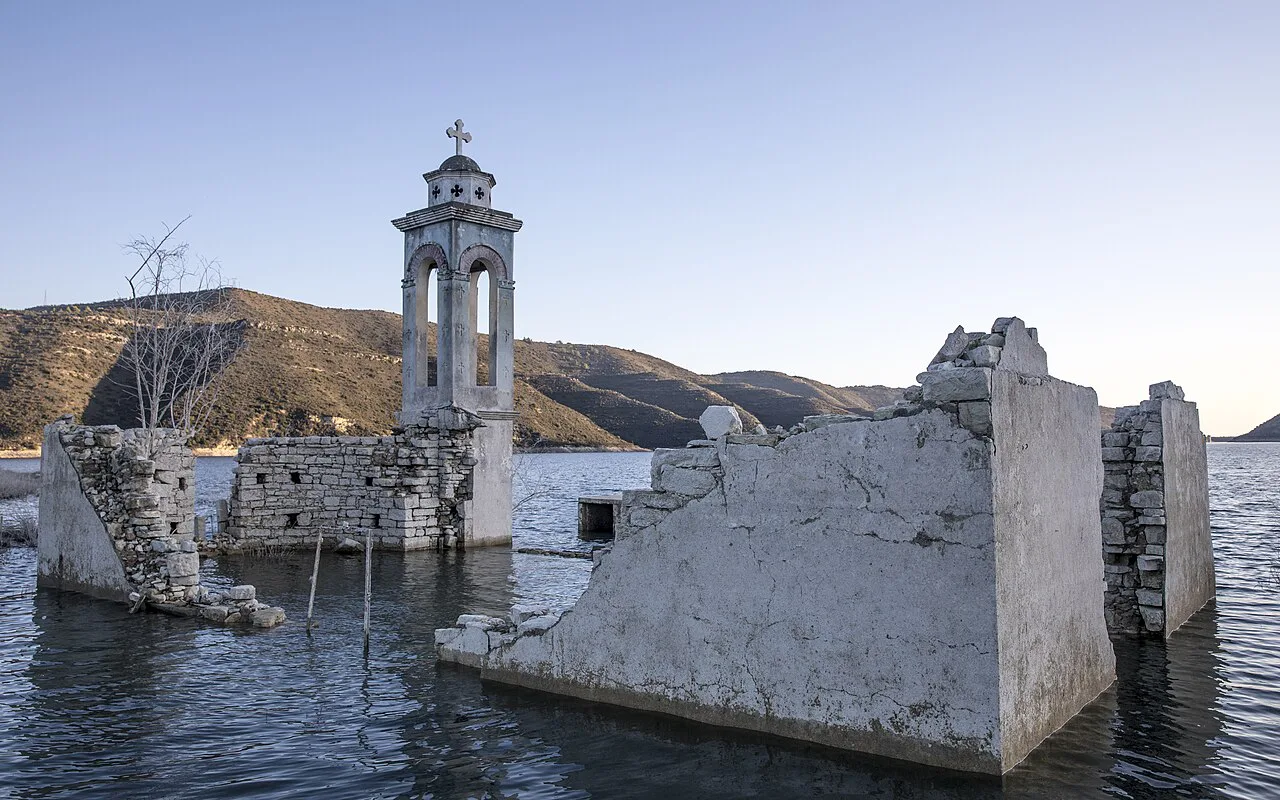
How many dams Cyprus has and how much water they store
Nationally, Cyprus has 109 dams and reservoirs with a combined storage capacity of about 330,000,000 cubic metres, according to a national list. That figure is a capacity number, not a guarantee of how much water is actually in the ground at any given moment.
What they are: Almost every reservoir on the island is a storage basin built to hold winter rainfall for the dry summer, feeding household taps and irrigation rather than leisure.
Time to allow: Add a reservoir to a driving day if it sits naturally on your route, and give it half an hour rather than a morning.
Season: Reservoir storage typically peaks after the winter rains and then falls through the long dry season.
The full list runs well beyond the handful of reservoirs a visitor notices. The ones that sit on or near main driving routes are a small fraction of the total, so treat a reservoir as a passing landscape sight rather than a destination in its own right.
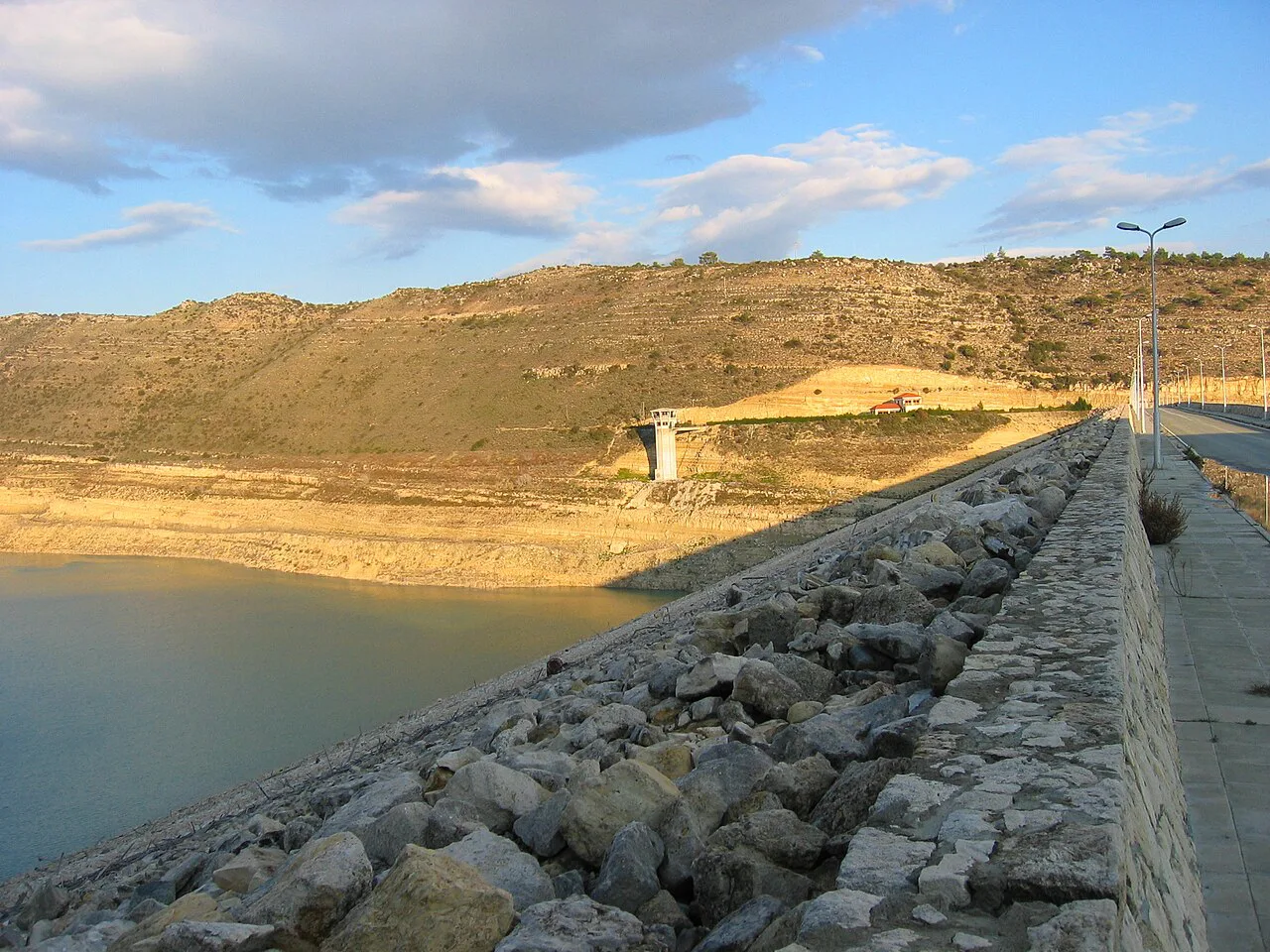
Reservoirs you are likely to pass on a driving route
Asprokremmos sits in the west of the island and is one of the reservoirs most holiday drivers pass.
Further west, Evretou is another reservoir in the Paphos district, approached on the roads towards Polis and the Akamas peninsula.
Near Limassol, the Germasogeia dam sits in the hills above the coastal strip and is a straightforward detour if you are based in the city.
Away from the big named reservoirs, many of the other dams on the national list are working water infrastructure rather than scenic highlights in their own right.
Why levels change through the year
Reservoir storage follows the island's rainfall, so how full a basin looks depends on the winter that preceded your visit.
That is why the same reservoir can look entirely different on two visits a year apart, and why a photograph or a friend's description tells you little about what you will find.
What you actually see at a reservoir: dams, spillways and views
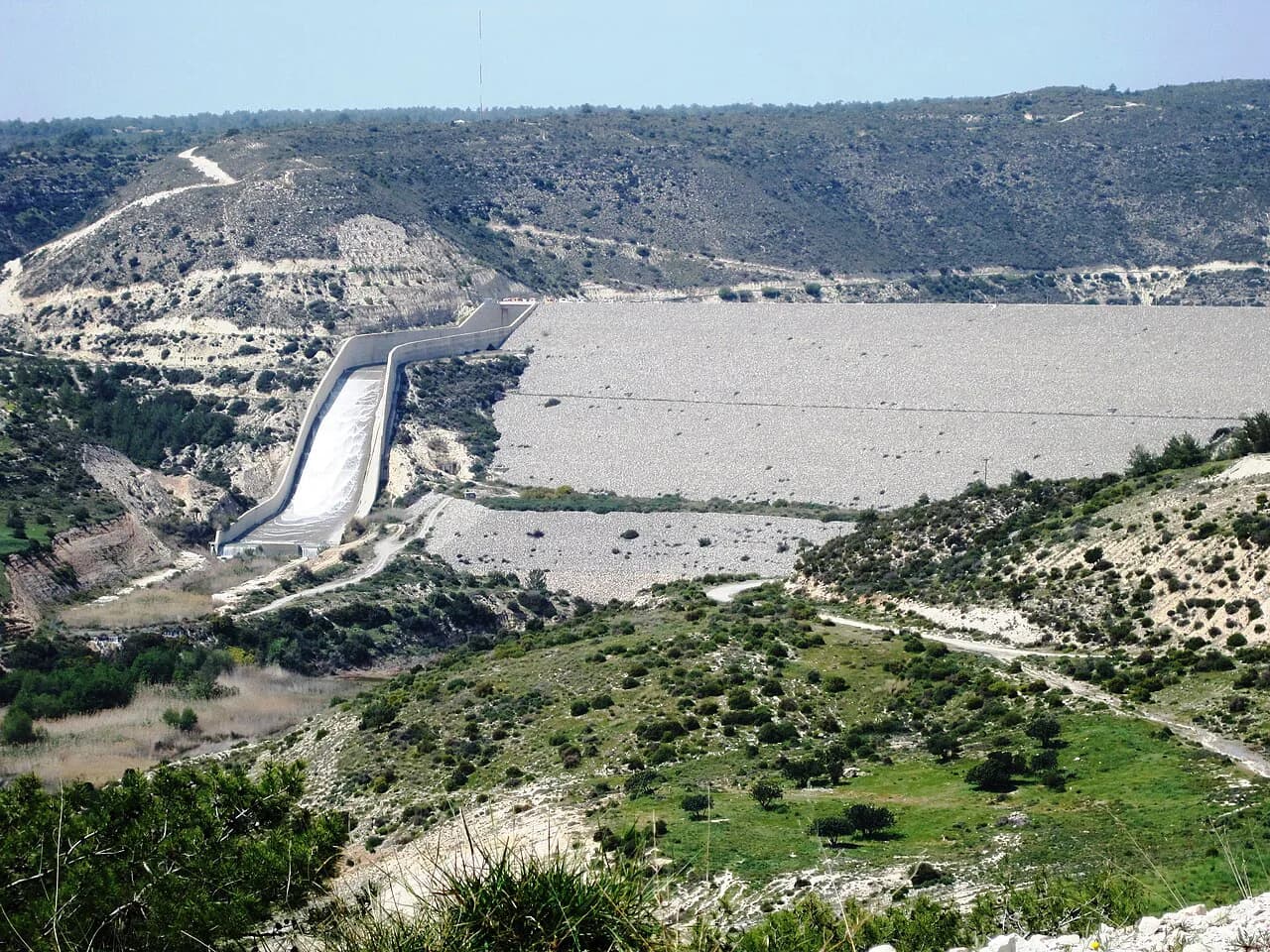
The visual reward is the dam structure itself, the spillway channel and the contrast between the water and the surrounding hills.
Low water exposes the bare earth of the basin, which is more interesting than a full lake to some travellers and disappointing to others. Set expectations accordingly and do not plan a picnic or a swim around a reservoir visit.
Asprokremmos: a western reservoir on many routes
Asprokremmos is the reservoir most travellers pass on a driving tour of the west, and needs little more than a viewpoint stop.
Treat the stop as roadside viewing and park clear of the carriageway. If you want a longer walk, look for a marked trail rather than following the shoreline, which can be soft and unstable when exposed.
Access and driving: why a car makes the difference
Public buses are inexpensive but routes and schedules can be limiting in smaller towns and rural areas, so a scheduled service is an awkward way to reach a reservoir and return in a sensible day. A hire car turns a reservoir into a short detour; without one, it is a long walk from a village stop.
Driving in the Republic is on the left and distances are short, but the approach roads to the smaller dams narrow into single-track lanes with blind bends. A compact car is easier in village streets.
If you are crossing into the north, remember that hire-car insurance cover and the paperwork required at crossing points are set by the rental company and the authorities. Confirm cover for the north before you set out rather than at the checkpoint.
When to go: water levels by season
Reservoir storage typically peaks after the winter rains and then falls through the long dry season. By late summer and autumn the same basins can be noticeably lower.
For photographs, full water gives the classic view, but shoulder months bring fewer people. Check the current storage position before you build a detour around a particular reservoir.
Birdlife and wildlife around reservoirs
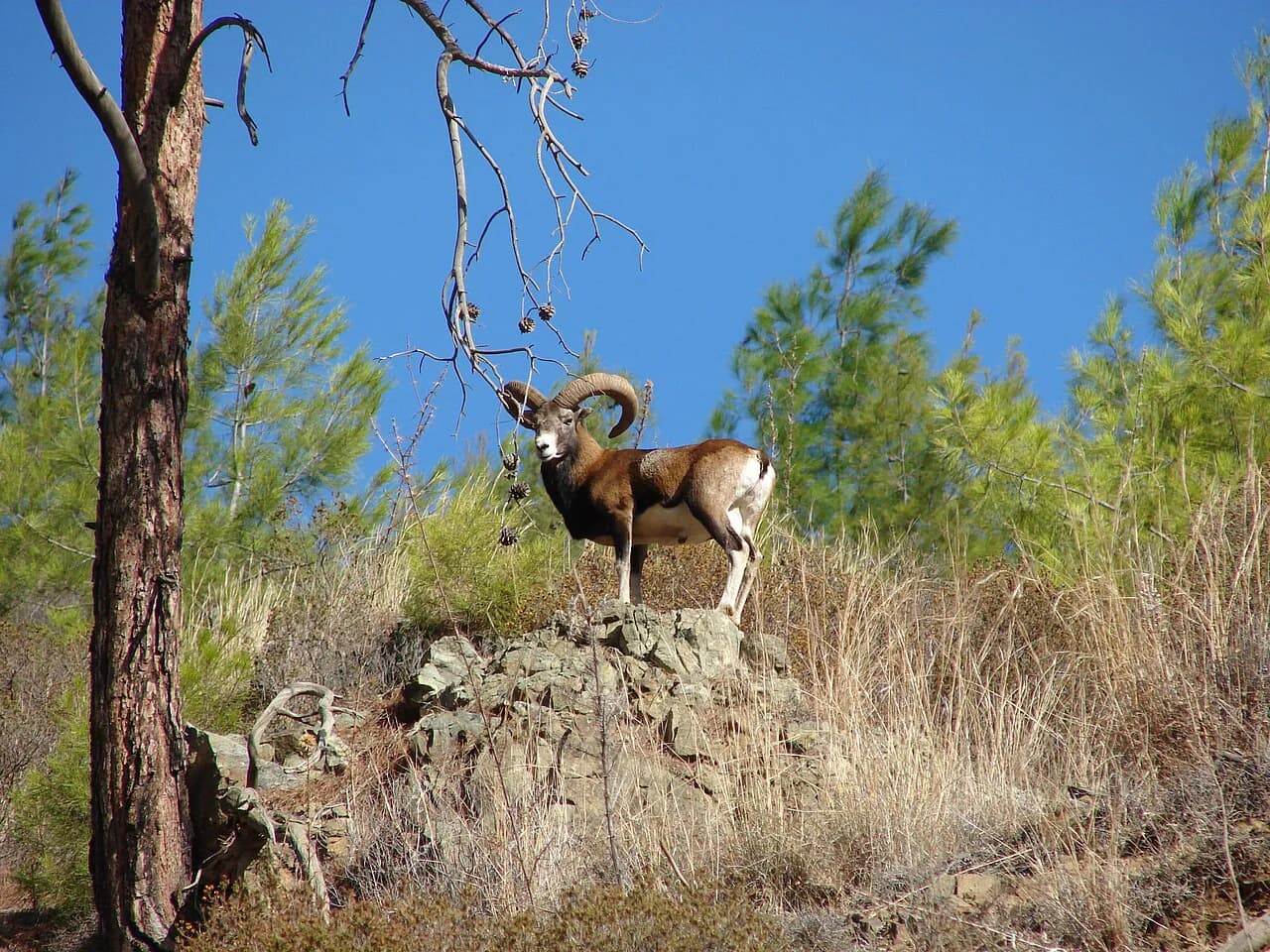
Reservoirs act as magnets for birds and insects in an otherwise dry landscape, and the exposed margins can be good for waders and dragonflies. The wider Cyprus wildlife picture includes shy species such as the Cyprus mouflon in the Troodos forests and turtles along the coast, though neither belongs at a dam wall.
Keep your distance from the water's edge and from any animals, and do not feed birds or fish. Quiet observation from the road or a lay-by is the most rewarding approach and the least disruptive.
Is a reservoir stop worth the detour?
Add a reservoir to a driving day if it sits naturally on your route, and give it half an hour rather than a morning. Asprokremmos repays a brief stop between Limassol and Paphos, while Evretou works best as part of a Polis and Akamas loop.
Skip the detour if you are short of time, travelling by bus, or hoping for facilities and a swim. The reservoirs are landscape and infrastructure, not attractions, and their appearance changes with the season rather than with the time of day.
Sources
Notes for your Cyprus trip
Optional updates to our Cyprus guides.
You might also like
Continue reading
More guides you'll find useful