Varosha: What Happened and How to Visit Famagusta's Ghost Resort
Varosha was sealed off after 1974 and closed to the public until 2021. Here is what happened, what you can see now and what to expect in Famagusta.
On this page
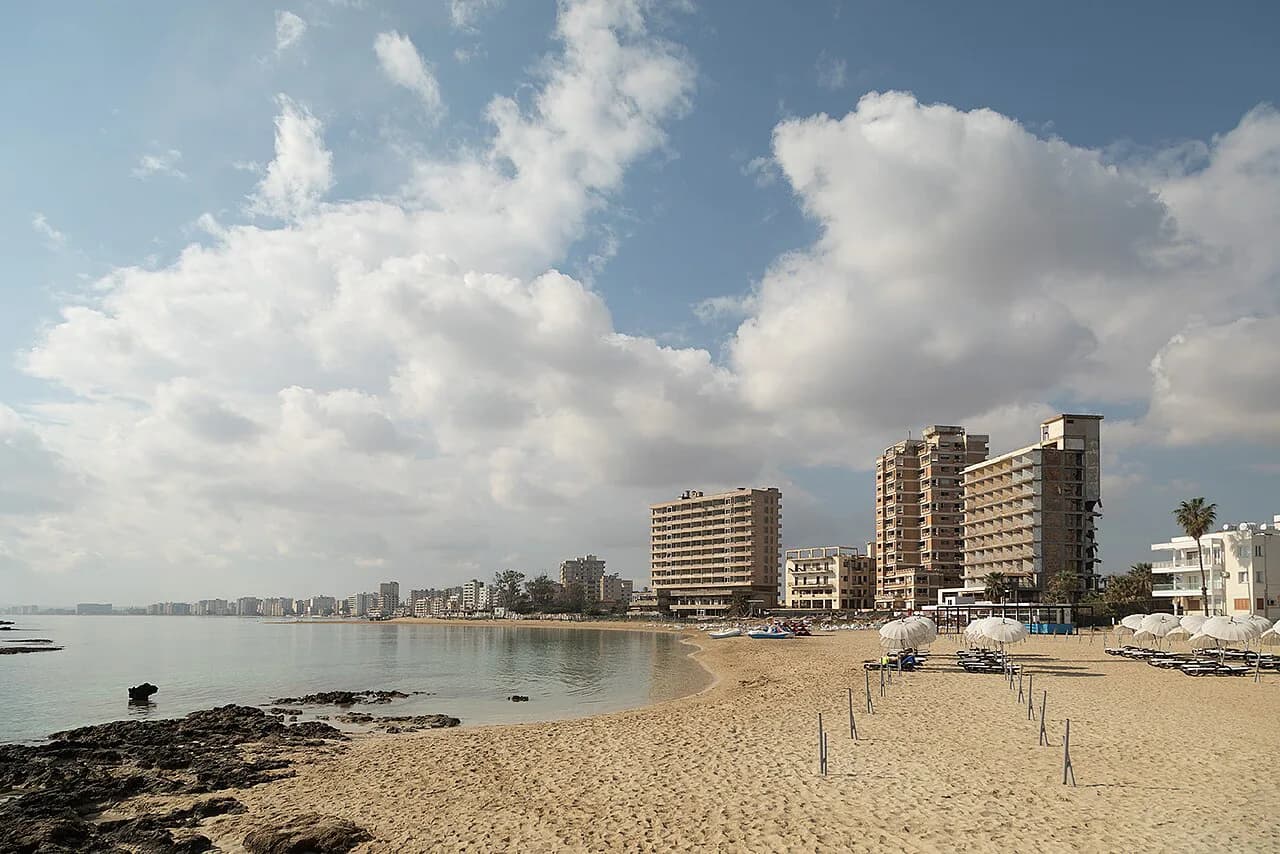
Varosha is the abandoned resort strip on the southern edge of Famagusta/Gazimağusa, emptied in 1974 and completely closed to the public until 2021. Treat it as one part of a Famagusta day rather than a standalone sight: the old walled city, the castle and the archaeological sites nearby carry the substance of the visit. This guide covers what happened, what the reopening did and did not change, and how to reach the district.
What Varosha is and where it sits in Famagusta
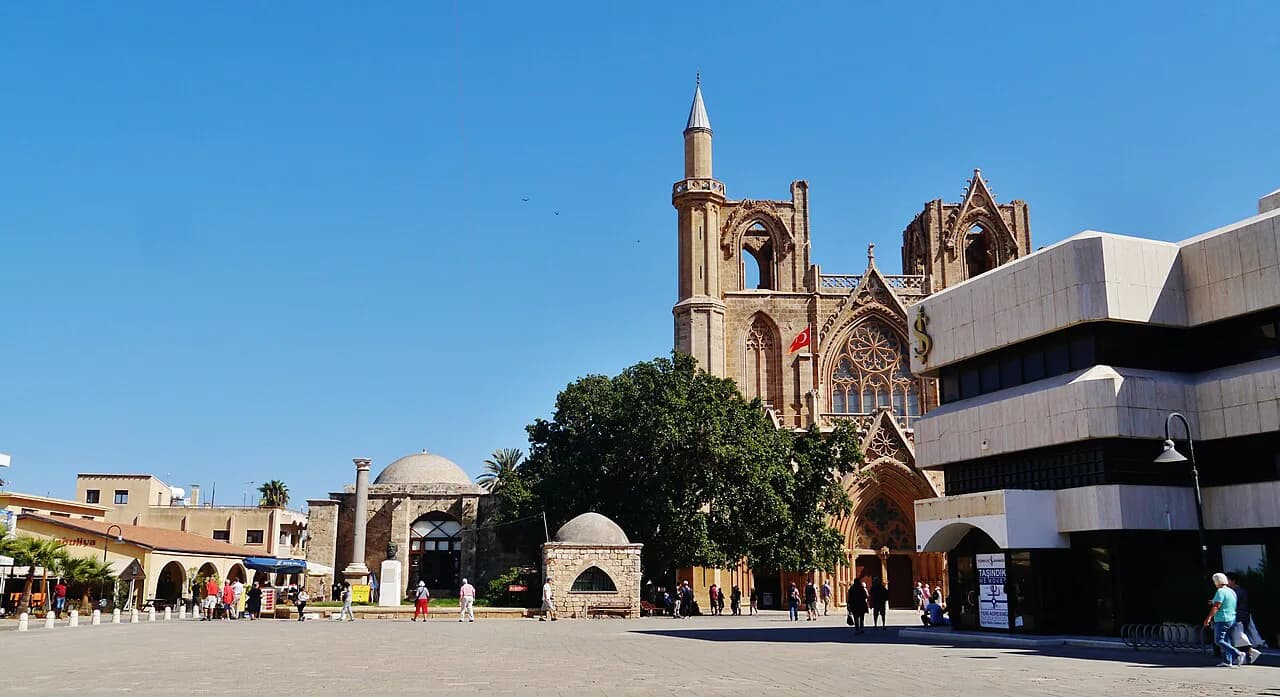
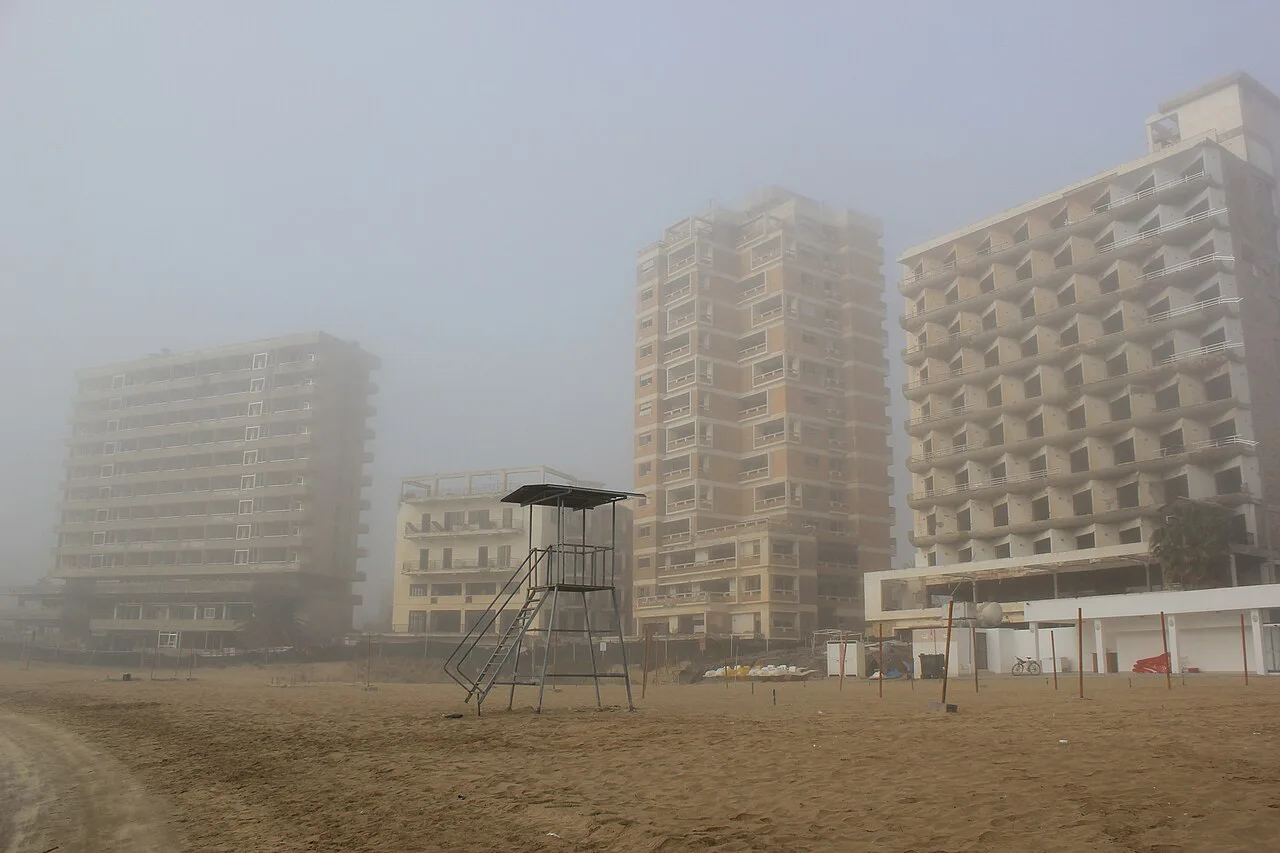
Famagusta divides into two very different halves. The walled old town holds the cathedral-turned-mosque, the Venetian castle and the grid of streets inside the Land Gate, while Varosha runs along the southern beachfront outside those walls. The old resort was a dense strip of hotels and shops facing the sea: the BBC describes the Argo Hotel on JFK Avenue and the seafront Ermou Street in Varosha.
That geography matters when you plan the day, because the two halves feel nothing alike. You walk the old town in an hour or two and stop for coffee; you look at Varosha from its edges, reading the skyline and the sealed streets rather than touring interiors. Knowing which half you are in keeps expectations honest.
What happened in 1974 and why the resort was fenced off
Before the division of Cyprus in 1974, Varosha was one of the Mediterranean's best-known resorts, attracting famous guests to its seafront hotels. After years of inter-ethnic violence and a coup, Turkey intervened and its troops advanced towards the district. Residents fled, expecting to return once things calmed, and the resort was instead fenced off by the Turkish military.
A 1984 UN resolution called for Varosha to be handed to UN control and barred resettlement by anyone other than those forced out. That framework, rather than any single later decision, explains why the district sat unused for four decades while Famagusta grew around it.
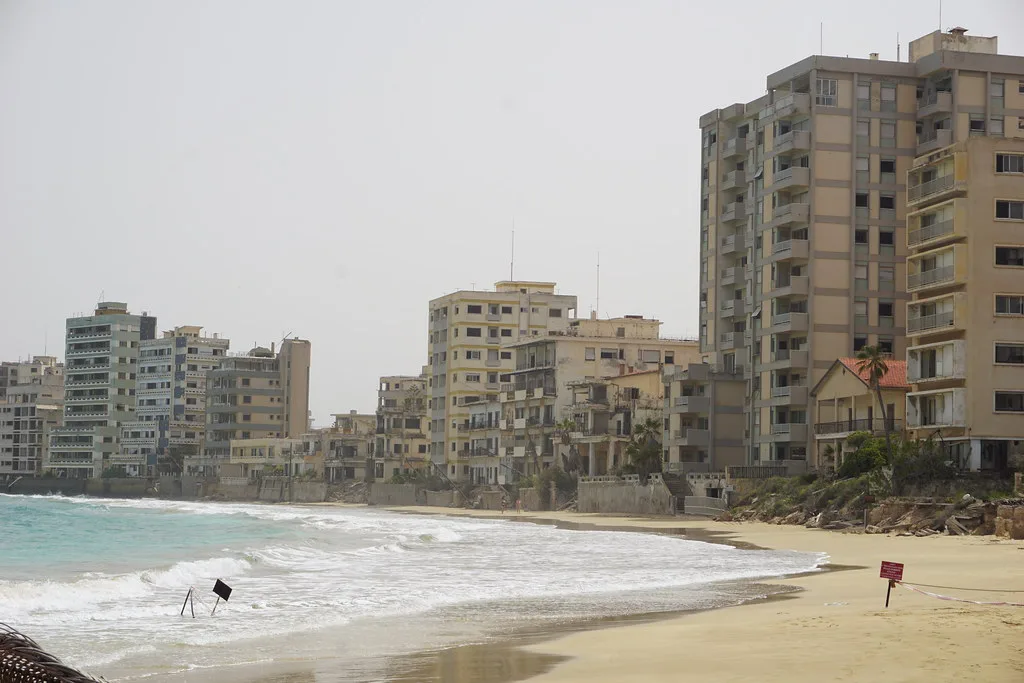
Forty years behind the wire: what stood in Varosha and what became of it
The district held some of the best beaches on the island and a dense stock of hotels, and its former residents describe it as the hub of art and intellectual life in Famagusta. When the BBC reported on Varosha in 2014, the area was still sealed, patrolled and marked with warnings that photographs were forbidden and trespassers risked death. Those warnings described a closed military zone, not anything a visitor should test.
Descriptions from that period are striking but should be read as history: nature reclaiming streets and interiors, sand drifting over the seafront. They tell you what decades of abandonment did to the fabric, not what you will find standing in front of you.
Reopening: Varosha was closed to the public until 2021
Varosha stayed entirely closed to the public until 2021, when parts of the district were opened, as documented in a 2024 study of the area. That is the single most useful date for a visitor: it marks the shift from a sealed strip visible only from behind fences to a place with defined public areas.
Opening part of the district has not turned Varosha into a conventional sight with a ticket desk, a route and a café at the exit. The academic account of the reopening focuses on how the area is presented and consumed rather than on visitor facilities, so plan on the basis of a partially accessible district and check current access arrangements before you travel.
What you can visit now and what stays fenced off
Since 2021, visitors can walk into defined sections of Varosha, but the district is not wholly open. The remaining sealed blocks should be treated as off-limits unless access is formally marked, and the boundary between the open sections and the closed zone can shift.
Read the barriers and signage rather than any guide, including this one. Where a fence or a sign forbids entry, it applies; the 2014 warnings about trespassers show how firmly the closed zone was once enforced, and there is no reason to test the line.
Access, rules and expectations on the ground
Expect a stark, quiet visit rather than a resort outing. The draw is the sight of an abandoned seafront in the middle of a working city, and the tone that suits it is restrained: look, photograph where permitted and keep to the opened streets. Few parts of the Mediterranean offer the same contrast within a single afternoon.
Practical facilities are thin, so carry water and use the old town for food, shade and a proper sit-down. Allow time to walk the open sections slowly, because the interest is in details — shopfronts, balconies, the sea at the end of a street — not in covering distance.
Getting there from the Republic's side: the Green Line and crossing points
Travellers based in the Republic reach Famagusta from the south through the crossing points on the Green Line, the UN buffer zone that separates the two parts of the island. Crossing has been possible since restrictions were eased in 2003, when Cypriots on both sides were first allowed to cross the buffer zone, and it is now a routine part of a north Cyprus trip.
Take your passport, and confirm current crossing rules and permitted entry points with the authorities before setting out; this page does not set them out. Be prepared for a change of currency on the northern side, with euros used in the Republic, and keep some cash on hand.
Hire-car insurance and driving in the north
Hire-car cover is the practical snag on any cross-line trip. Many policies exclude the north, so ask the rental company directly whether your agreement covers the crossing and the areas you plan to drive, and get the answer confirmed before you leave the depot. Insurance bought at a Green Line checkpoint is a poor substitute for a policy you have read.
Cyprus drives on the left, as in the UK and Ireland, which removes one source of stress for most readers. Roads around Famagusta are straightforward, but parking near the old town and Varosha fills up, so plan to park once and walk between the two halves.
How long Varosha needs and how to combine it with the rest of Famagusta
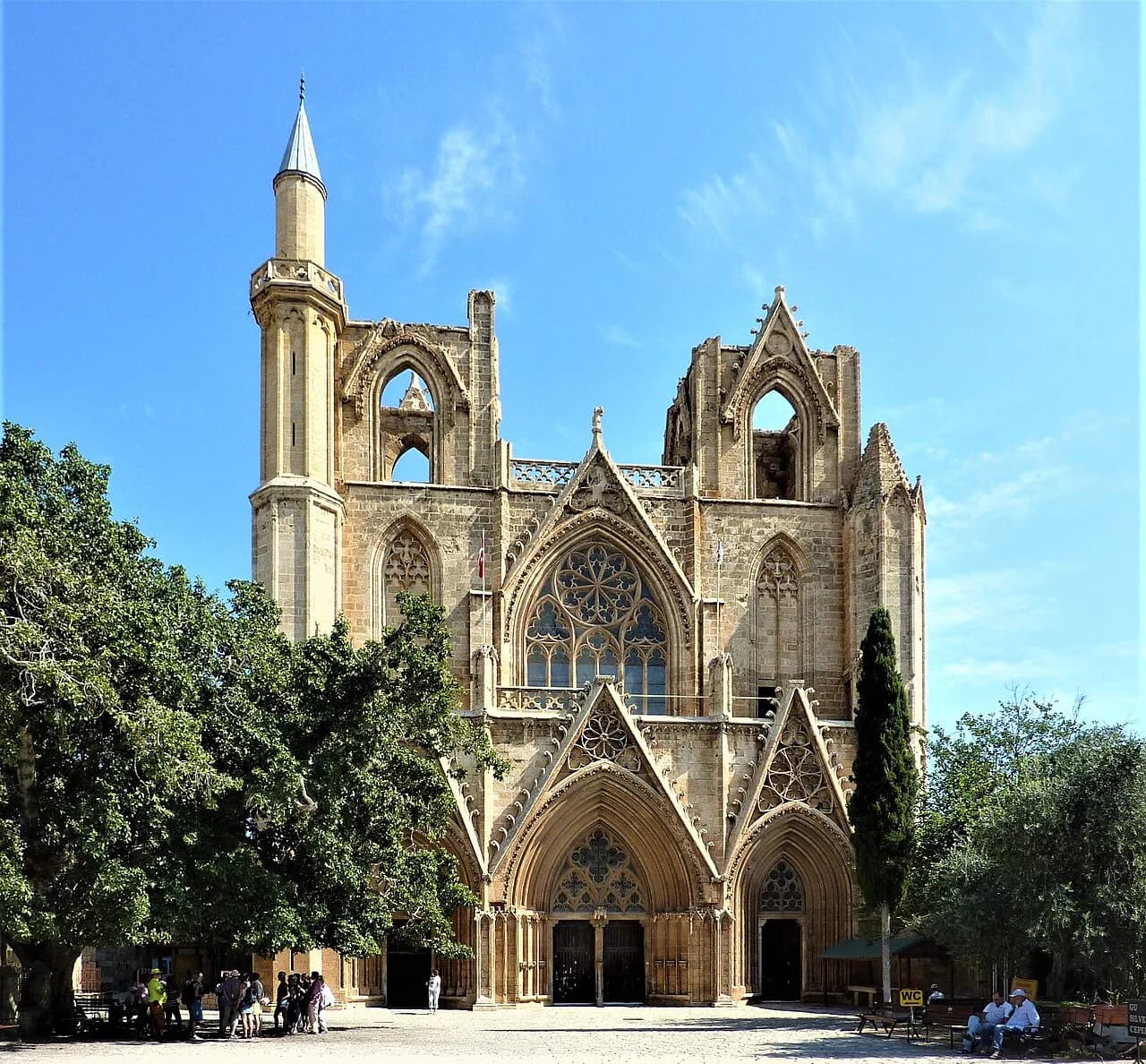
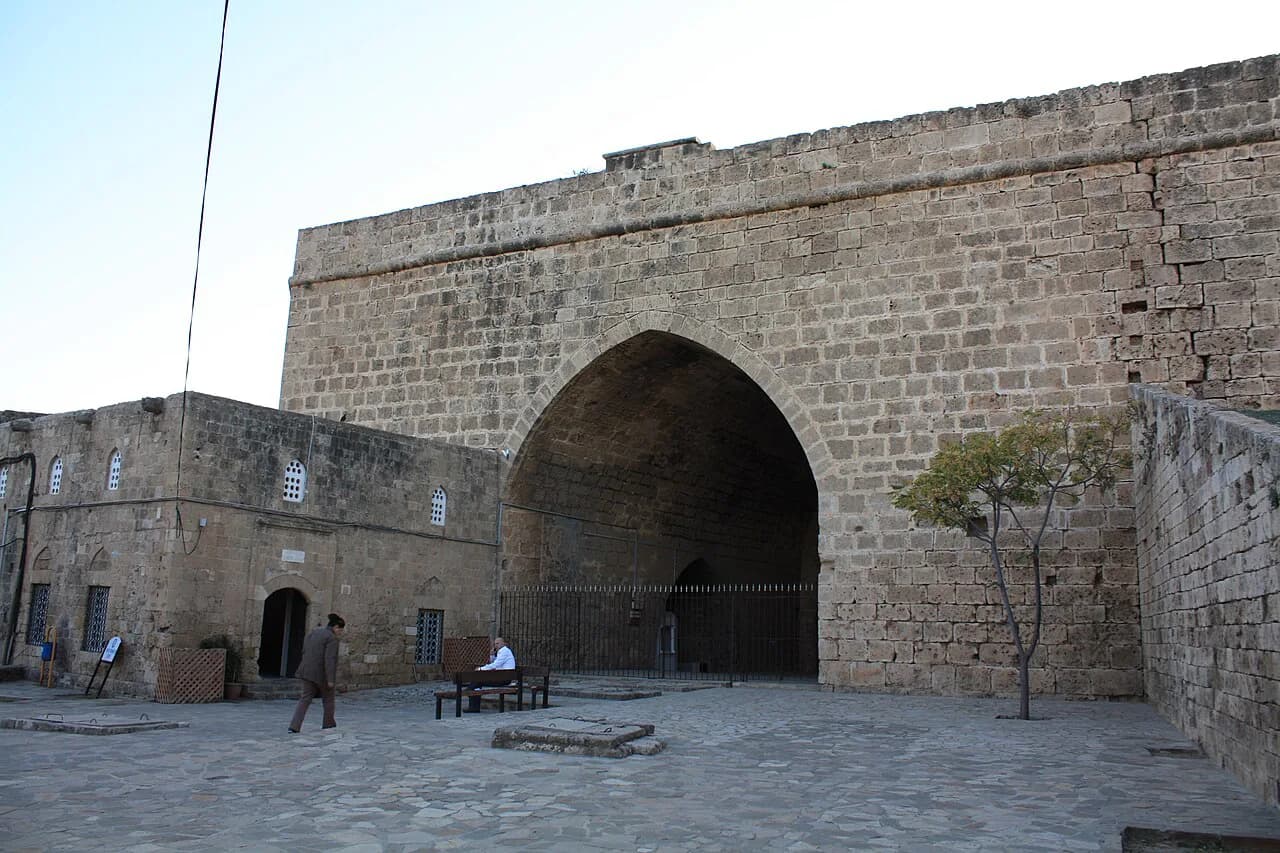
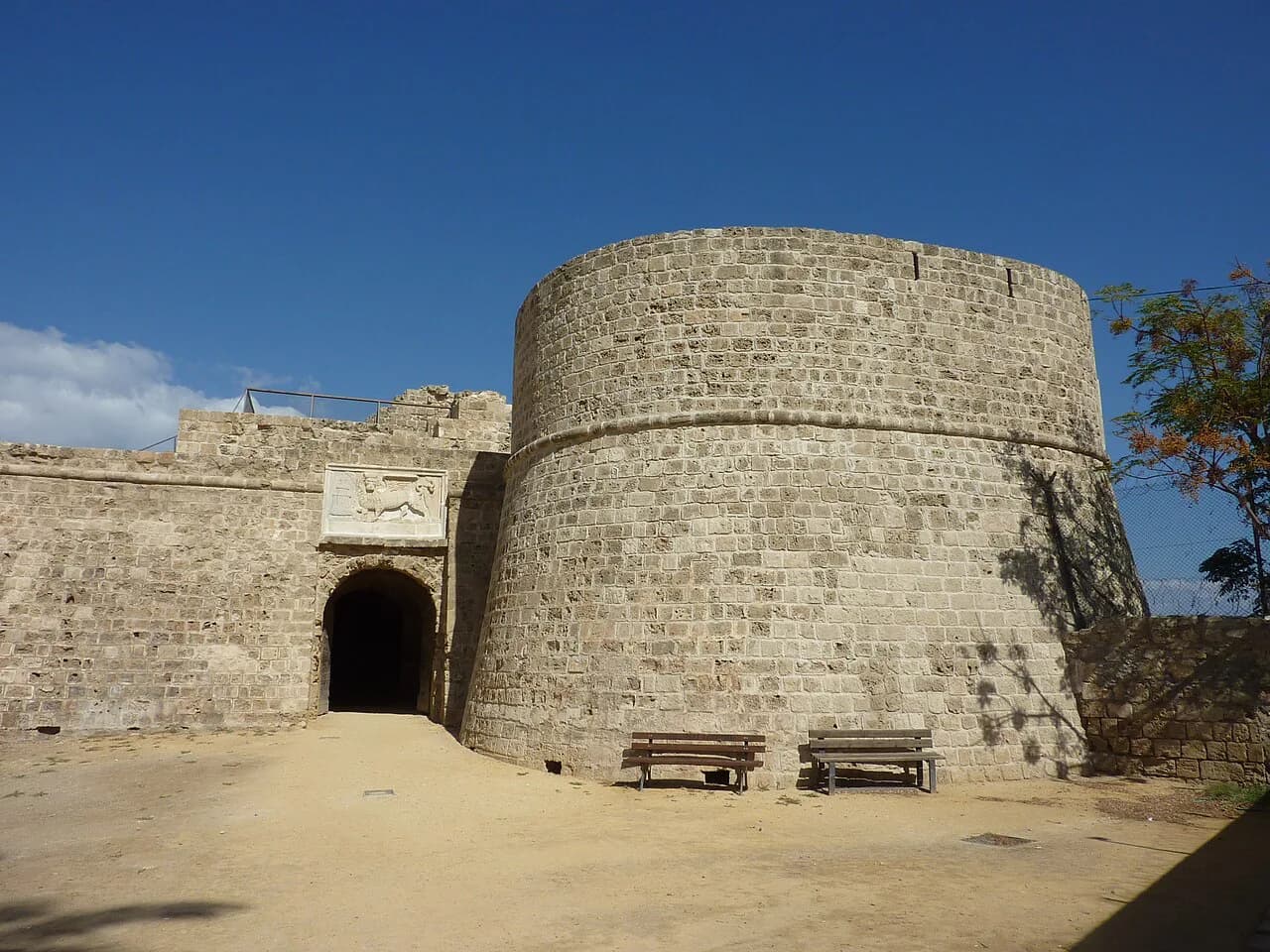
Give the open sections of Varosha around an hour on foot, then move on. The old town deserves the bulk of the day: the Lala Mustafa Pasha Mosque, converted from the Gothic St Nicholas Cathedral, and Othello Castle in the Venetian walls are the essential stops, with the Land Gate as the natural place to start a walk.
If you have a car and a second half-day, add Salamis, the Graeco-Roman city north of Famagusta, whose site is large enough to justify an early start. The St Barnabas monastery sits nearby and works as a short stop on the same run.
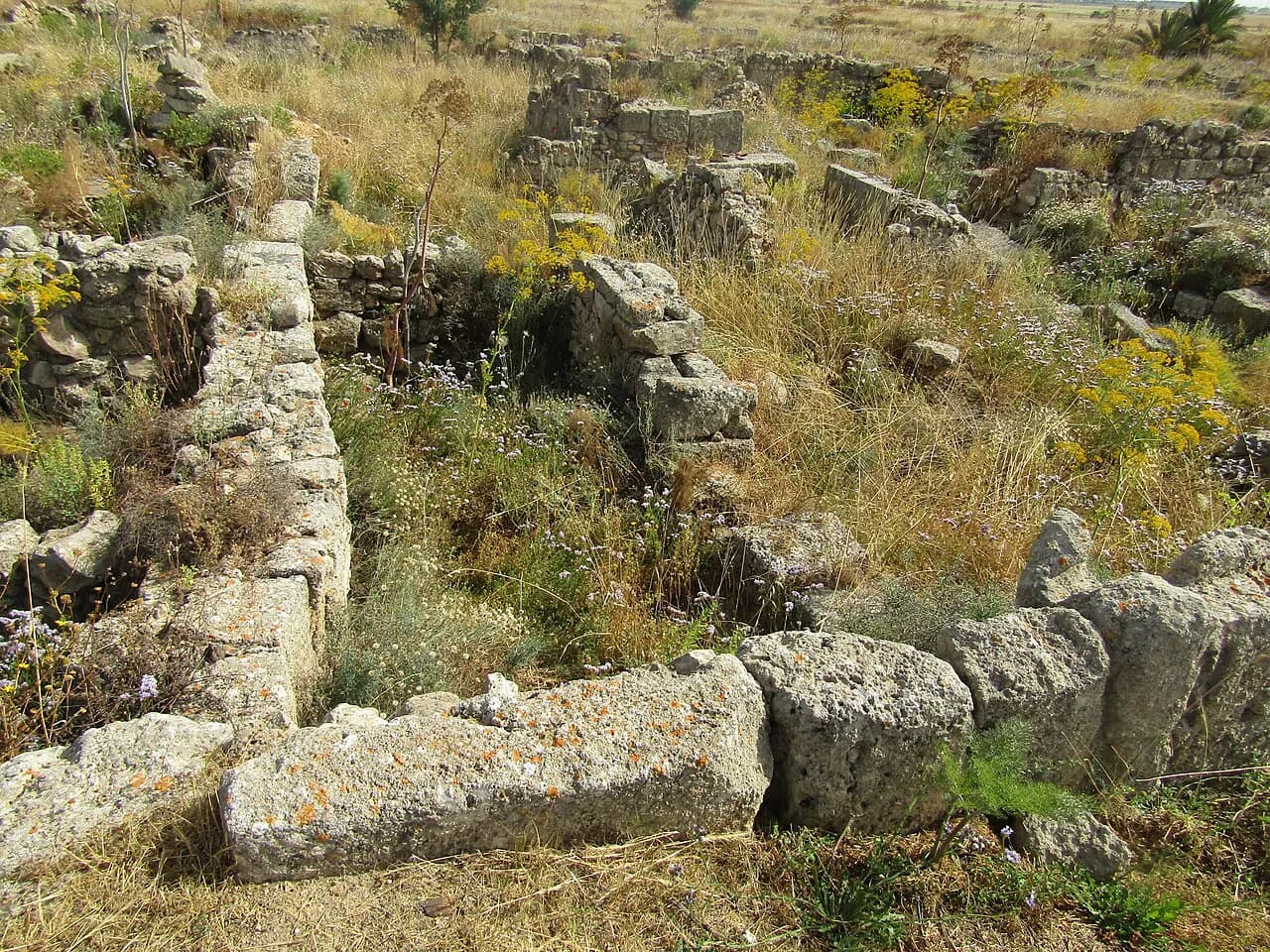
For a shorter final stop, Enkomi is the Bronze Age site just beyond the city and takes little time. Combining one archaeological site with the old town and Varosha gives a full but manageable day without rushing any of them.
Is Varosha worth the detour?
Yes, as a short addition to a Famagusta day rather than a destination in itself. The open sections give you a direct look at the resort's emptiness, and the old town carries the architecture, food and shade you will want afterwards.
Build the day around a morning crossing, park once, and leave the walking for the old town. Check the current extent of access before you go, because the boundary between the open sections and the sealed zone is the one detail that shapes the visit.
Explore more Famagusta guides
Frequently Asked Questions
Does anyone live in Famagusta now?
Famagusta is a working city with residents, students and businesses in the old town and the surrounding districts. Varosha, the resort district on the south side, is the part that was emptied and stayed closed off; since 2021 defined sections of it have been opened to visitors.
Is Varosha a dark tourism site?
It is often visited in that spirit, as a place people come to see because of what happened rather than despite it. Approach it quietly, keep to the opened streets and treat the sealed areas as closed.
Sources
Notes for your Cyprus trip
Optional updates to our Cyprus guides.
You might also like
Continue reading
More guides you'll find useful