Famagusta (Gazimağusa) Guide: Walled City, Othello's Tower and Varosha
Plan a visit to Famagusta (Gazimağusa) in north Cyprus: the Venetian walls, Lala Mustafa Pasha Mosque and Othello's Tower, plus Varosha and Salamis.
On this page
Famagusta rewards a full day rather than an afternoon: the walled city alone holds a Venetian circuit of walls, a Gothic cathedral now used as a mosque, a citadel and a bazaar quarter, while Varosha and the ruins of Salamis sit outside the walls in opposite directions. Allow at least half a day inside the old town and a second half for one of those two add-ons. This guide explains how the town is put together, where the gates and bastions are, and how to reach it from the Republic side.
The practical points matter here as much as the sights. Famagusta lies in the Turkish Cypriot-administered north of the island, so visitors arriving from Larnaca, Ayia Napa or Nicosia cross the Green Line by road, and hire-car insurance is the detail that decides how smoothly that goes. Everything below is arranged so you can plan a walking route inside the walls and slot in Varosha or Salamis without wasting the middle of the day.
What Famagusta is and where it sits
Famagusta, or Gazimağusa in Turkish, is a port city on the east coast of Cyprus and the island's deepest harbour. It has three distinct parts that visitors tend to blur together: the walled city, the modern town that has grown up around it, and the fenced resort area of Varosha immediately to the south. Knowing which part you are heading for shapes your whole day.
The old town is a compact fortified ring enclosed by walls roughly three kilometres in circumference, with the Land Gate as the main entrance at the south-western corner and a tourist information office just inside it. The modern city, with its port and commercial streets, spreads to the north. Varosha sits outside the walls to the south, and the archaeological site of Salamis lies north of town near the coast.
That geography is the reason a single visit can feel fragmented. You can walk the medieval core in a morning, cross to the Varosha fence line by car in minutes, and be standing among Roman columns at Salamis shortly afterwards, but each stop has its own access rules and its own pace.
Is Famagusta in Turkey or Cyprus?
Famagusta is in Cyprus, in the portion of the island administered by Turkish Cypriots since 1974, and it functions as the capital of the Gazimağusa District. It is not part of Turkey and it is not within the Republic of Cyprus's effective control. The Green Line that divides the island has separated the two sides since 1974, in part since 1964.
For travellers the consequences are concrete rather than abstract. You cross a controlled line by road, you pass through a checkpoint, and the currency and paperwork on the northern side differ from the Republic. Treat the crossing as a border-style procedure rather than a casual drive, and build 20 to 30 minutes of slack into your timing at peak periods.
Getting there: crossing the Green Line by road
From the Republic side the usual approach is by road from Larnaca, Ayia Napa or Nicosia, crossing at one of the permitted checkpoints and continuing north-east to Famagusta. Carry your passport for every person in the car, including children, and keep it accessible rather than buried in luggage. Crossing formalities are quicker when documents are already in hand.
Hire cars are the recurring sticking point. Many policies issued in the Republic exclude the north, so insurance bought at the airport may not cover you beyond the line, and cover arranged at the crossing or from a northern operator is a separate purchase. Confirm in writing before you set off whether your policy extends north, and if it does not, decide in advance whether to buy additional cover at the border or hire locally on the northern side.
Driving is on the left, as throughout Cyprus, and road signs inside the old town are of limited help because so much of the centre is pedestrian. Park outside the walls near the Land Gate and walk in. If you are combining Famagusta with other stops in the north, the Kyrenia attractions page covers the harbour town on the opposite coast as a separate base. For a different kind of day on the same island, our Ayia Napa Attractions guide covers the beaches and resort sights on the Republic side.
How the walled city is laid out
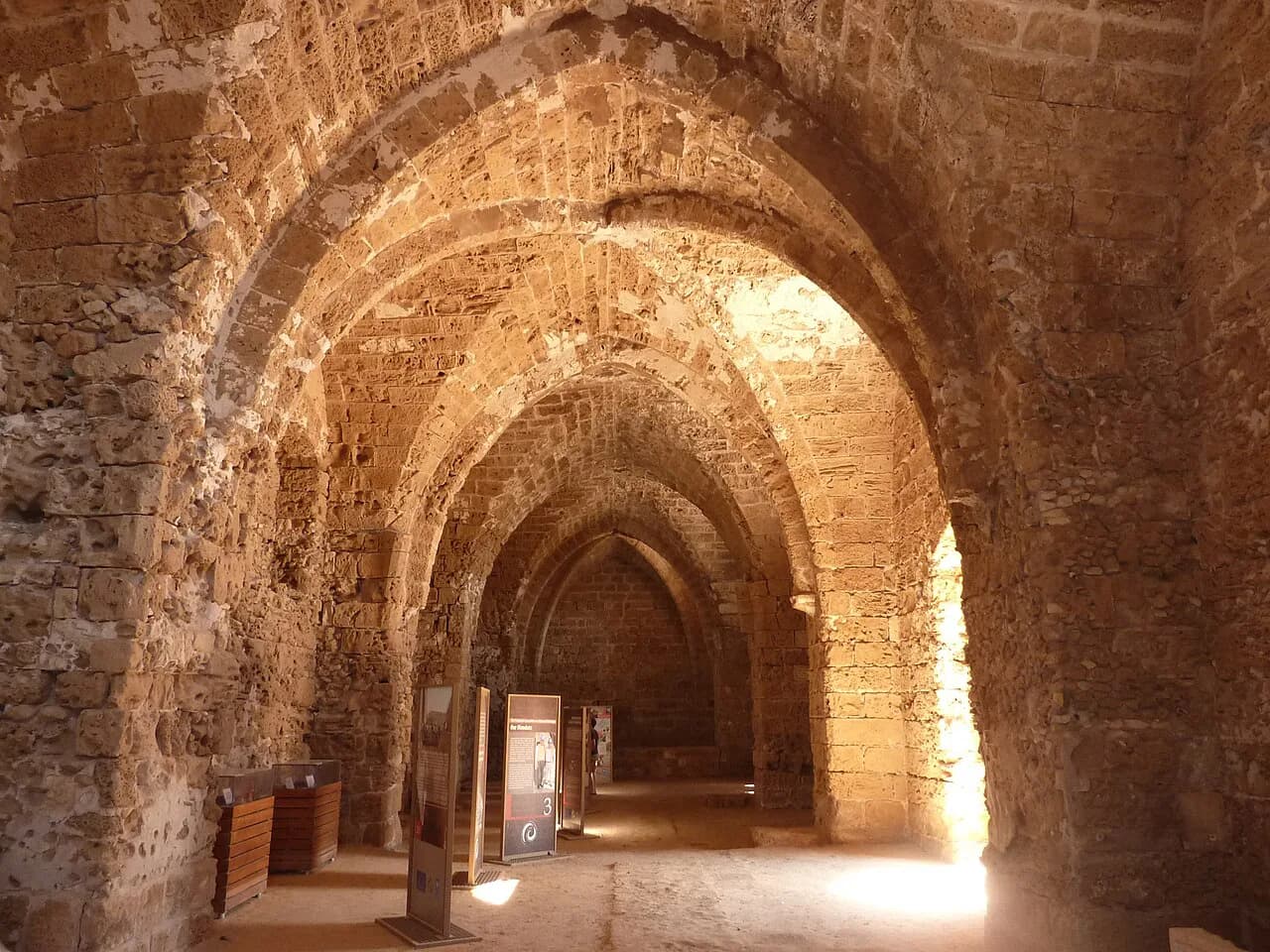
The Land Gate in the south-western corner is the natural place to start, and the Ravalin Bastion beside it gives you a first look over the walls and the rooms and dungeons built into them. Step into the information office by the gate for a printed map before you commit to a route; the street pattern inside is dense and easy to lose track of.
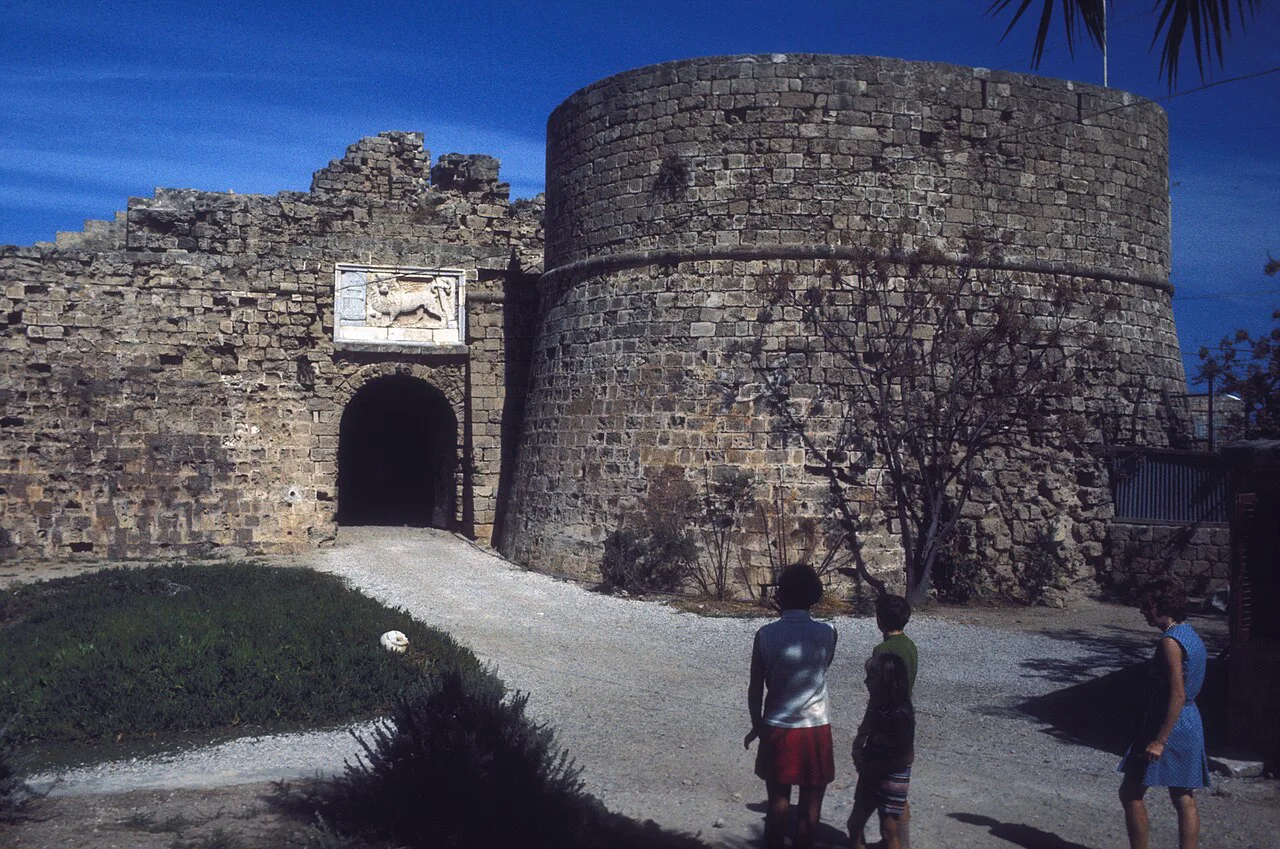
Othello's Tower, the citadel, stands on the walls, and the Sea Gate or Porta del Mare sits close by as the old approach from the harbour. The castle takes its popular name from Shakespeare's play rather than from any Venetian governor called Othello, and in the Venetian period it served as the city's principal defensive work.
The Venetian walls and the Ravalin Bastion
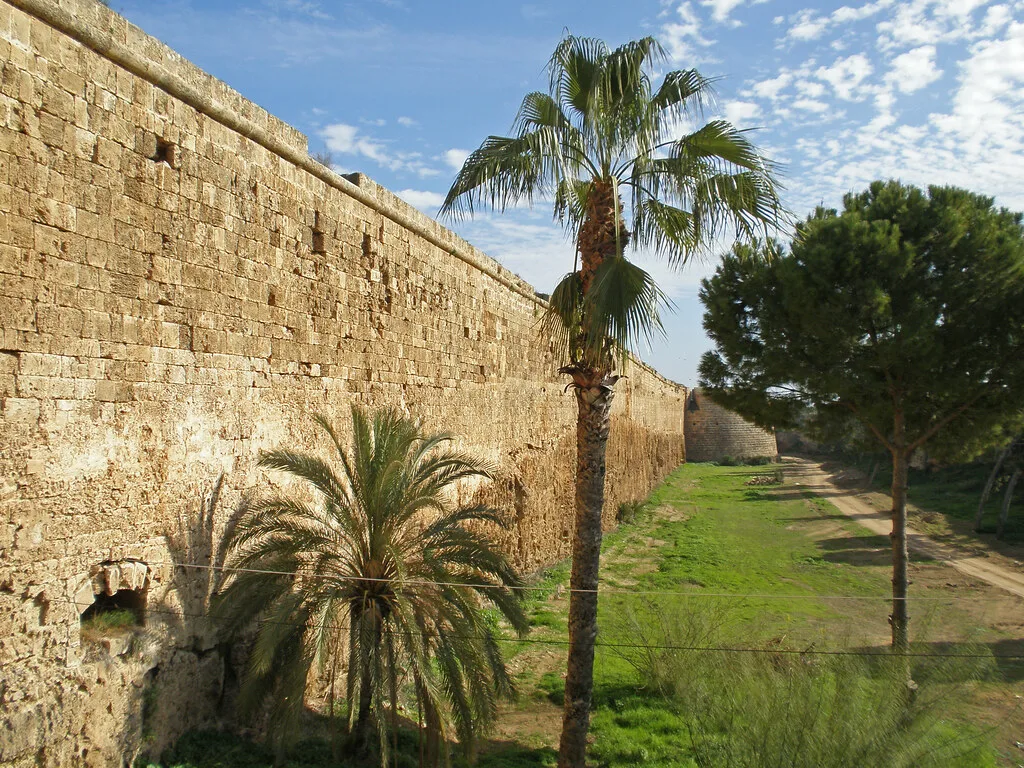
The fortifications are the reason the old town still reads as a single place. The circuit runs about three kilometres, with the Land Gate as one of the two original entrances, and the walls and bastions survive well enough to be walked in sections rather than treated as scenery. Start at the Ravalin Bastion for the clearest sense of how the defences worked.
Walking the full circuit is a hot, exposed undertaking for much of the year, with little shade on the ramparts. Do it early or late, carry water, and treat a partial walk as entirely sufficient: the stretch around the Land Gate and the seaward corner gives you the views without the fatigue. You can re-enter the streets at several points along the way.
Lala Mustafa Pasha Mosque, the former St Nicholas Cathedral
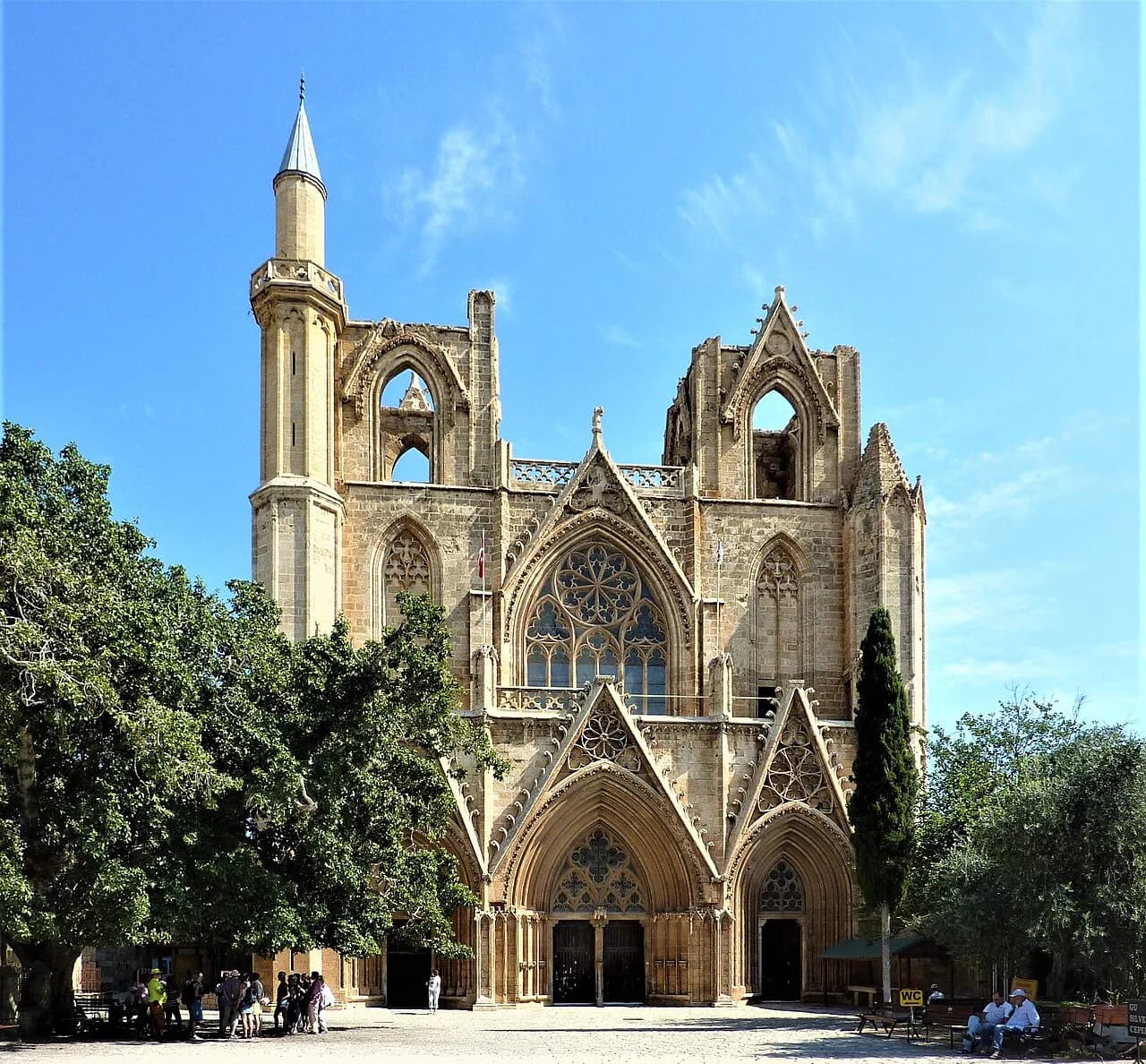
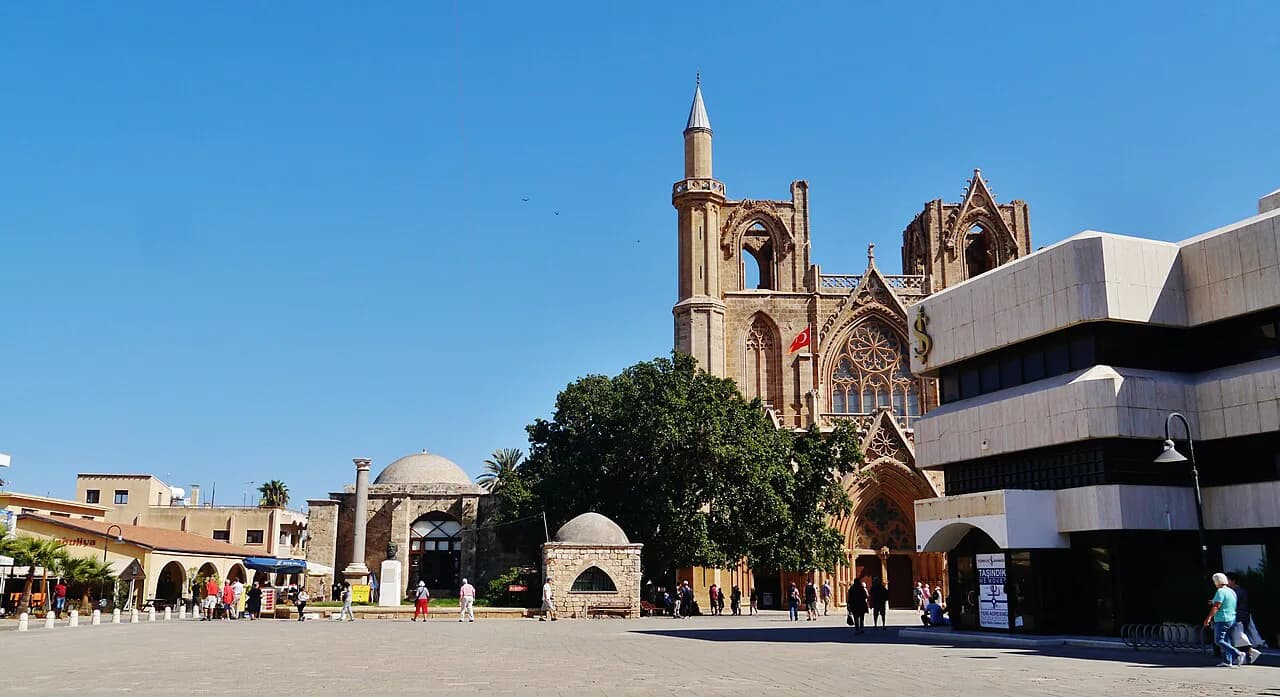
The Lala Mustafa Pasha Mosque began life as the Cathedral of St Nicholas, a Gothic building from Famagusta's medieval boom, and was converted after the Ottoman conquest of 1570, when the cathedral became a mosque and the city's layout was reshaped around a bazaar quarter. The west front, with its twin towers and traceried windows, is the image most visitors carry away.
It remains a working mosque, so dress modestly, remove shoes at the entrance and avoid visiting during prayers; women should cover hair and shoulders. The building's use takes precedence over tourism. Allow 20 to 30 minutes, more if you sit in the square outside, which is the social centre of the old town.
Othello's Tower and the Sea Gate
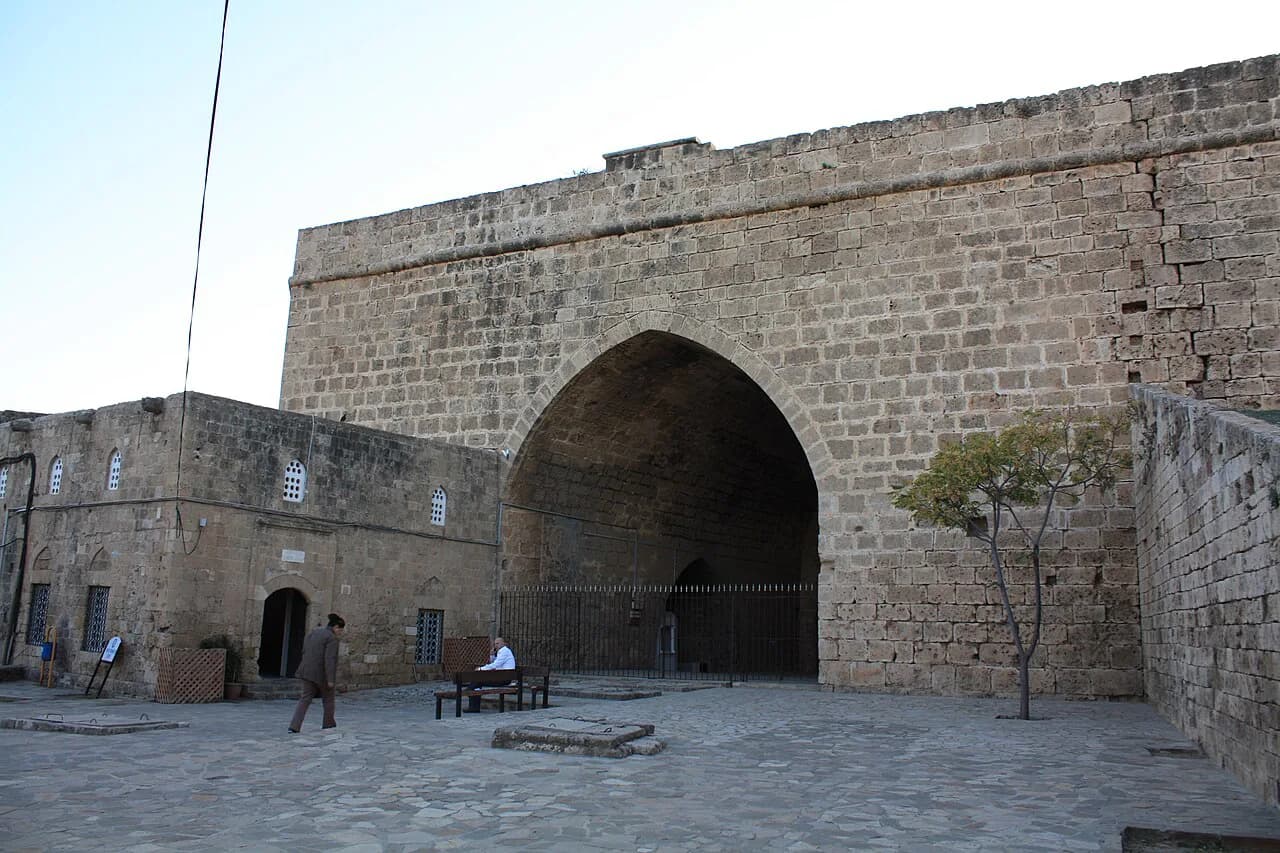
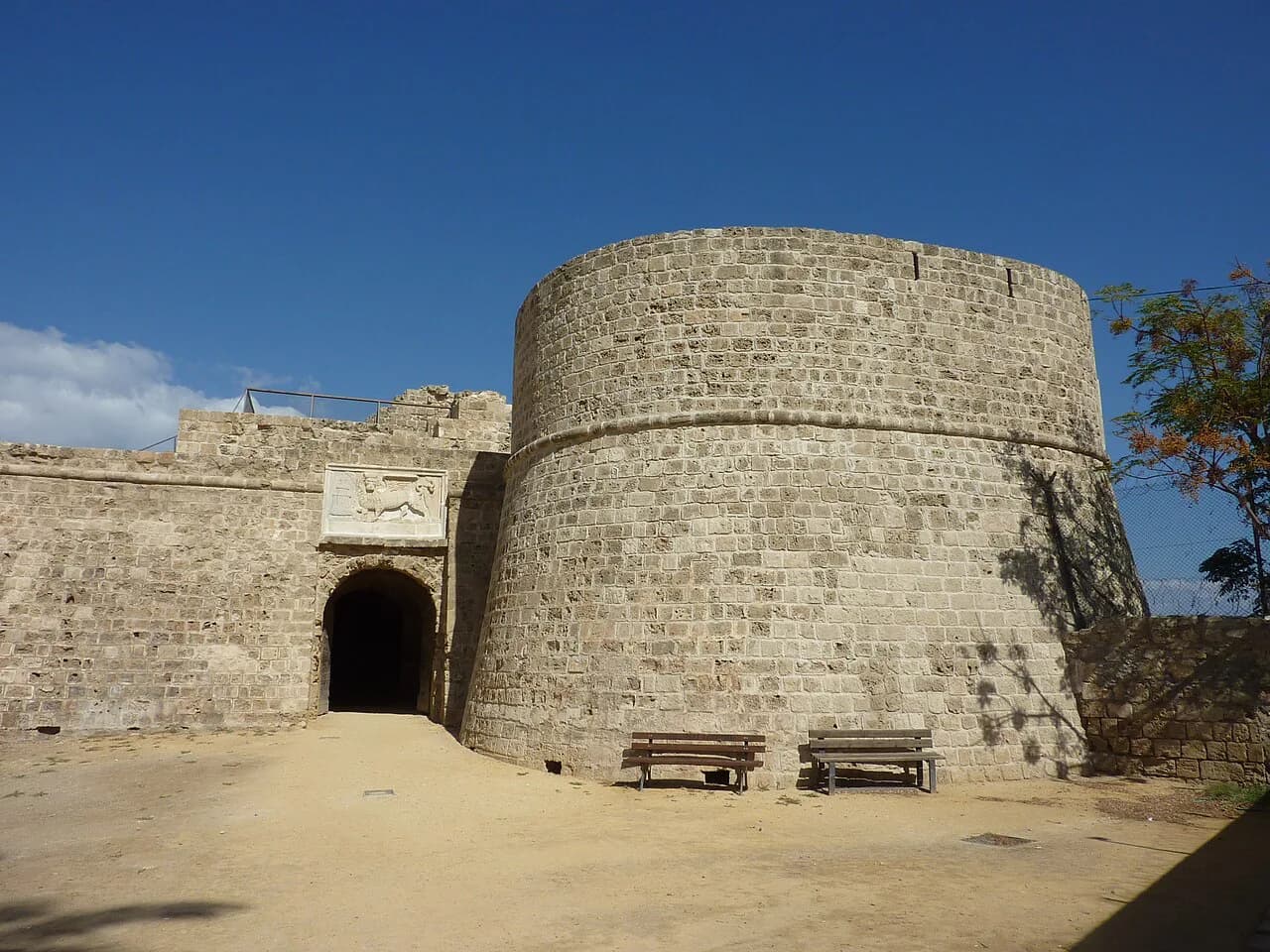
Othello's Tower, the citadel, occupies the north-eastern corner of the walls, and the Sea Gate or Porta del Mare sits close by as the old approach from the harbour. The castle takes its popular name from Shakespeare's play rather than from any Venetian governor called Othello, and in the Venetian period it served as the city's principal defensive work.
Inside, the courtyard, towers and ramparts give good views back over the old town and out to sea. Opening hours and any ticket price are set by the authority that manages the site and vary by season, so check at the ticket office or with the tourist information office by the Land Gate on the day. Allow 30 to 45 minutes.
Other medieval churches and the bazaar streets
Famagusta built a remarkable number of churches and palaces during the Middle Ages, when its natural harbour made it one of the eastern Mediterranean's busiest trading cities. Many of those buildings survive as shells and fragments scattered through the streets, which is why a simple walk between the mosque and the citadel passes Gothic arches, reused masonry and the traces of a much grander city.
The bazaar streets around the mosque are the place to slow down: covered passages, small shops and cafés fill the space the Venetians and Ottomans laid out. This is where a walking route pays off, because the individual buildings are less memorable than the density of them. Keep an eye on your map, since the lanes bend and the street names are not always posted.
How long the walled city needs
Half a day covers the essentials: the Land Gate, the Ravalin Bastion, the mosque, the citadel and a wander through the bazaar streets, with time to sit down once. A full day lets you walk more of the walls, look inside the smaller churches and add a proper lunch, and it is the better choice if you have come a long way to get here.
The constraint is heat and shade rather than opening times. In summer, plan the exposed ramparts and the walk between monuments for the morning, keep the middle of the day for the mosque, the citadel interior and the covered bazaar, and leave the Varosha fence line or Salamis for the late afternoon. With only three or four hours, the walled city is the pick.
Enkomi, the Bronze Age city near Tuzla
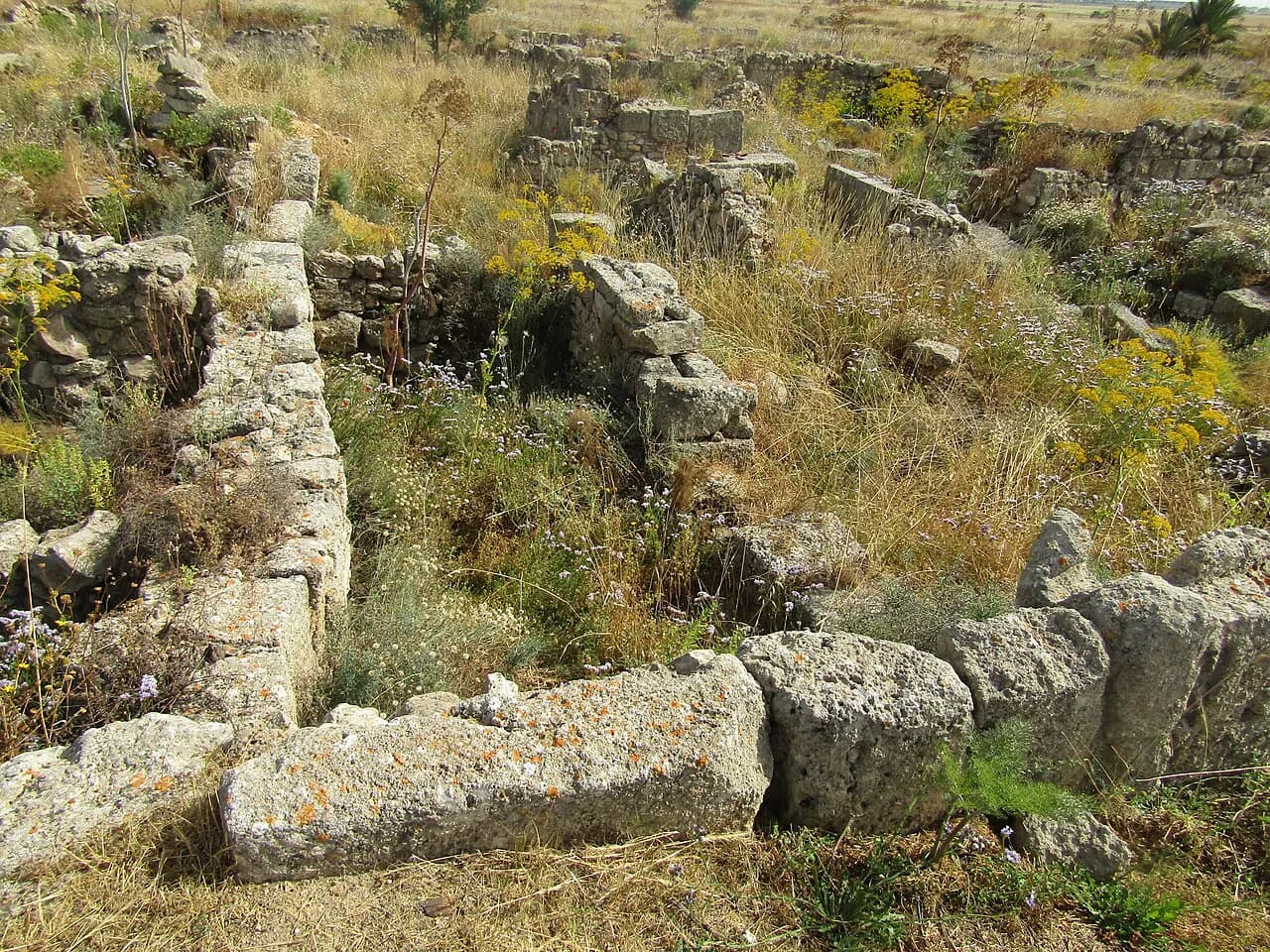
Enkomi, near the village of Tuzla north of Famagusta, is thought to have been the island's first capital, with origins reaching back to around 2000 BCE. It sat on the north bank of the Pedieos, then navigable, with an inland harbour that handled copper smelted and shipped for export. The visible remains are largely the grid-planned town rebuilt after the destruction of around 1200 BCE, and the site was abandoned by about 1000 BCE as the harbour silted and Salamis rose.
Most of the finds went abroad: around 1,800 objects and fragments from Enkomi are held in the British Museum, including the Bronze horned god and ingot god. On site you are reading foundations and street lines rather than admiring sculpture, so it suits travellers who already know the story. Combine it with Salamis in one northward loop.
Salamis and the Royal Tombs
Salamis, north of Famagusta near the coast, became the great city of this stretch of coast as Enkomi declined, and the last inhabitants of Enkomi migrated there. The archaeological site spreads over a wide area of columns, baths, a theatre and paved streets, with the Royal Tombs as a separate, striking stop nearby. It needs a couple of hours at least, and far more in the heat if you walk the whole circuit.
Ticket prices, opening hours and closed days for the site are published by the authority that runs it and change by season, so confirm before travelling rather than relying on an old figure. Take water and sun protection; the site offers little shade. St Barnabas Monastery and its icon museum is close enough to fold into the same outing.
Varosha: what it is and what visitors can do
Varosha was, before July 1974, one of the most fashionable resorts in Europe, with luxury hotels and a beachfront packed with visitors. When the Turkish army advanced, residents fled expecting to return within hours, leaving belongings behind, and the area was subsequently fenced off. For decades it remained sealed.
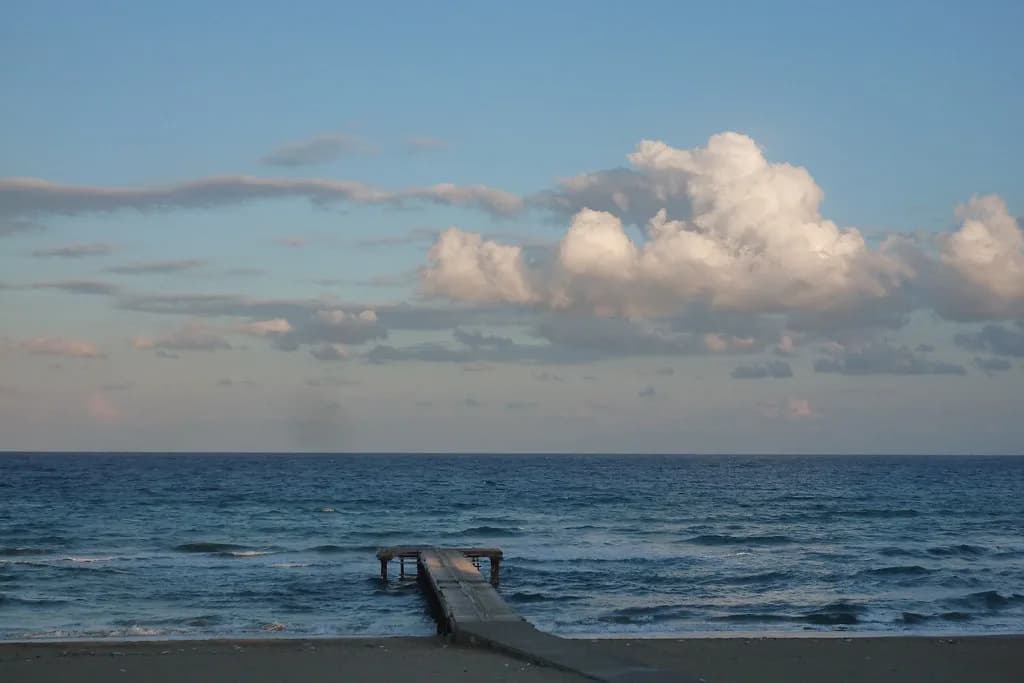
Because the area was walled off and its entry prohibited, the honest way to see it has long been as a skyline of abandoned hotels viewed from outside, most commonly from the Palm Beach area south of the walled city. Access rules have been reported to change, so check locally before travelling if entering matters to you. Treat it as a sight seen from a distance, not a site you tour. This guide has more on the area in our piece on Varosha: Famagusta's Abandoned Resort and How to Visit It.
That is why the ghost-town label sticks, and why it draws a steady stream of visitors to the fence line. It is also why Varosha should be a short stop rather than the centrepiece of your day: the walled city and Salamis reward time in a way that a view over a fence does not.
When to go: heat, shade and walking the walls
The old town is walkable year-round, but the experience changes sharply with the season. High summer makes the exposed ramparts and the open sites at Salamis and Enkomi genuinely hard work in the middle of the day, with little shade available. Spring and autumn give you the same sights at a fraction of the discomfort, and winter is quiet and cool enough for a long walking day.
Whatever the month, structure the day around shade. Do the walls and open ground early, retreat to the mosque, the citadel interior and the covered bazaar when the sun is high, and save the exposed archaeological sites for late afternoon, when the light is also better for the ruins.
Money, driving and other practical points
The Republic of Cyprus uses the euro, and north Cyprus uses the Turkish lira, so a day crossing the line can involve two currencies. Change or withdraw what you need before you travel, keep small notes for car parks and small purchases, and expect the exchange rate to shape how far your money goes on the northern side. Check current details with your bank before you cross.
Driving is on the left throughout Cyprus, and the crossing points are signposted from the main roads. Insurance for the northern side is the item to settle before departure, because cover bought in the Republic often does not extend across the line. If you are continuing west afterwards, the Kyrenia attractions guide covers the harbour town as a separate stop.
Which stop should anchor your day?
Make the walled city the anchor and choose one add-on. If you want medieval streets, a cathedral turned mosque and a citadel you can climb, give Famagusta the full day and take Varosha as a brief look from the fence line. If you want ruins under open sky, split the day between the old town in the morning and Salamis in the afternoon, with Enkomi on the way north.
Either way, fix the crossing and the car insurance first, because they determine how much time you actually have on the ground. Leave the exposed walls and archaeological sites for the cooler ends of the day, and confirm current opening times and ticket prices with the site authorities before you set out.
Explore more Famagusta guides
Frequently Asked Questions
Are tourists allowed in Famagusta?
Yes. The walled city is open to visitors and can be walked freely, with the main sights including the Lala Mustafa Pasha Mosque, Othello's Tower and the Venetian walls. Access is by road across the Green Line from the Republic side, with passport checks at the crossing. Varosha is the sensitive exception: for decades it was fenced off and could not be entered, and reports of changes to its access mean you should confirm locally before planning on entering.
Why is Famagusta called a ghost town?
The label comes from Varosha, the resort area south of the walled city. Before July 1974 it was one of Europe's most fashionable resorts; residents fled that summer expecting to return within hours, and the area was subsequently fenced off. The walled city itself is inhabited and busy, so the description really applies to Varosha rather than to Famagusta as a whole.
Does anyone live in Famagusta now?
Yes. The modern city and the walled old town are both lived-in, with a working port, shops, cafés and a population of over 40,000 in the urban area. It is Varosha, behind the fences, that emptied.
Do I need a car to see Famagusta?
A car makes the day much easier because the walled city, Varosha and Salamis are spread out and public transport between them is limited. If you are driving from the Republic, check before you travel that your hire-car insurance covers the northern side, since many policies issued in the south do not.
Sources
Notes for your Cyprus trip
Optional updates to our Cyprus guides.
You might also like
Continue reading
More guides you'll find useful