Famagusta Old Town: What to See Inside the Venetian Walls
Walk the walled city of Famagusta: the Land Gate, Ravalin Bastion, Othello's Tower, the Sea Gate and the Lala Mustafa Pasha Mosque, with Varosha seen from outside.
On this page
Famagusta old town rewards half a day, and a full day if you want to walk the whole circuit of the walls and take in the Gothic ruins properly. The walled city is the historic core of Famagusta (Gazimağusa) in north Cyprus, and almost everything described here sits inside the Venetian fortifications within easy walking distance of each other. This guide sets out a route from the Land Gate to the harbour, explains what each sight is, and separates the walled city from the fenced Varosha resort that people often confuse with it.
Plan around a single morning or afternoon rather than a rushed stop: the old town has a dense cluster of medieval buildings, and the main entrance at the Land Gate puts you straight into them.
What Famagusta Old Town Is, and Where It Sits
The walled city is a compact medieval town surrounded by fortifications three kilometres in length, entered through gates built into the ramparts. It sits beside the modern city that grew up to its north, and next to the fenced Varosha area to the south, which is a separate place with separate rules. Inside the walls you will find a cathedral-turned-mosque, several ruined Gothic churches, a citadel and a bazaar quarter, all within a walk of a few minutes.
The city developed as a trading port under Lusignan rule from the twelfth century, and grew rich enough in the Middle Ages to build a large number of churches and palaces. Genoese and then Venetian control followed, and the Venetian period left the fortifications and gates you walk through today. Famagusta was the last Venetian stronghold on the island to hold out against the Ottomans in 1570, resisting for thirteen months before surrendering.
Arriving at the Land Gate
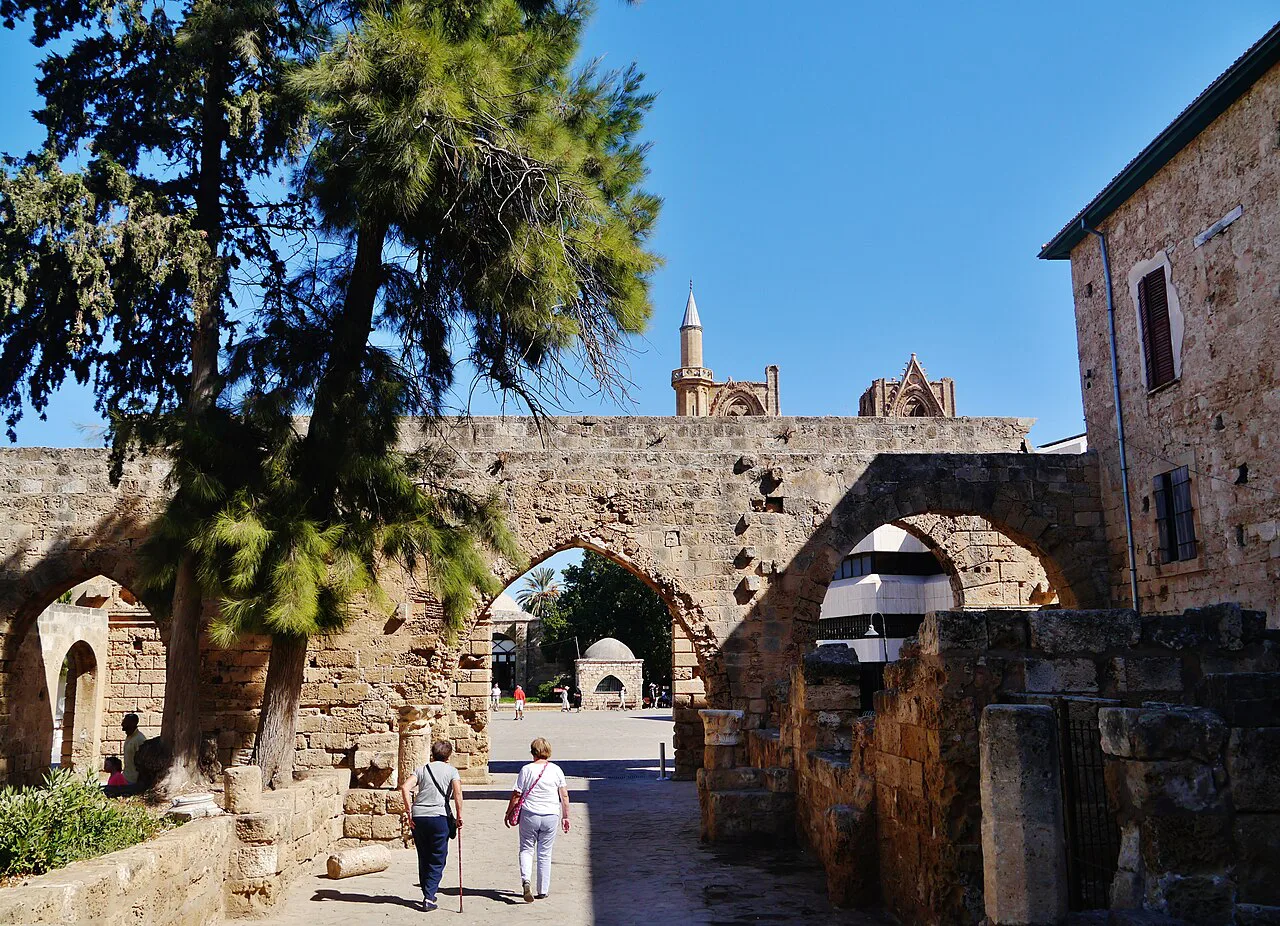
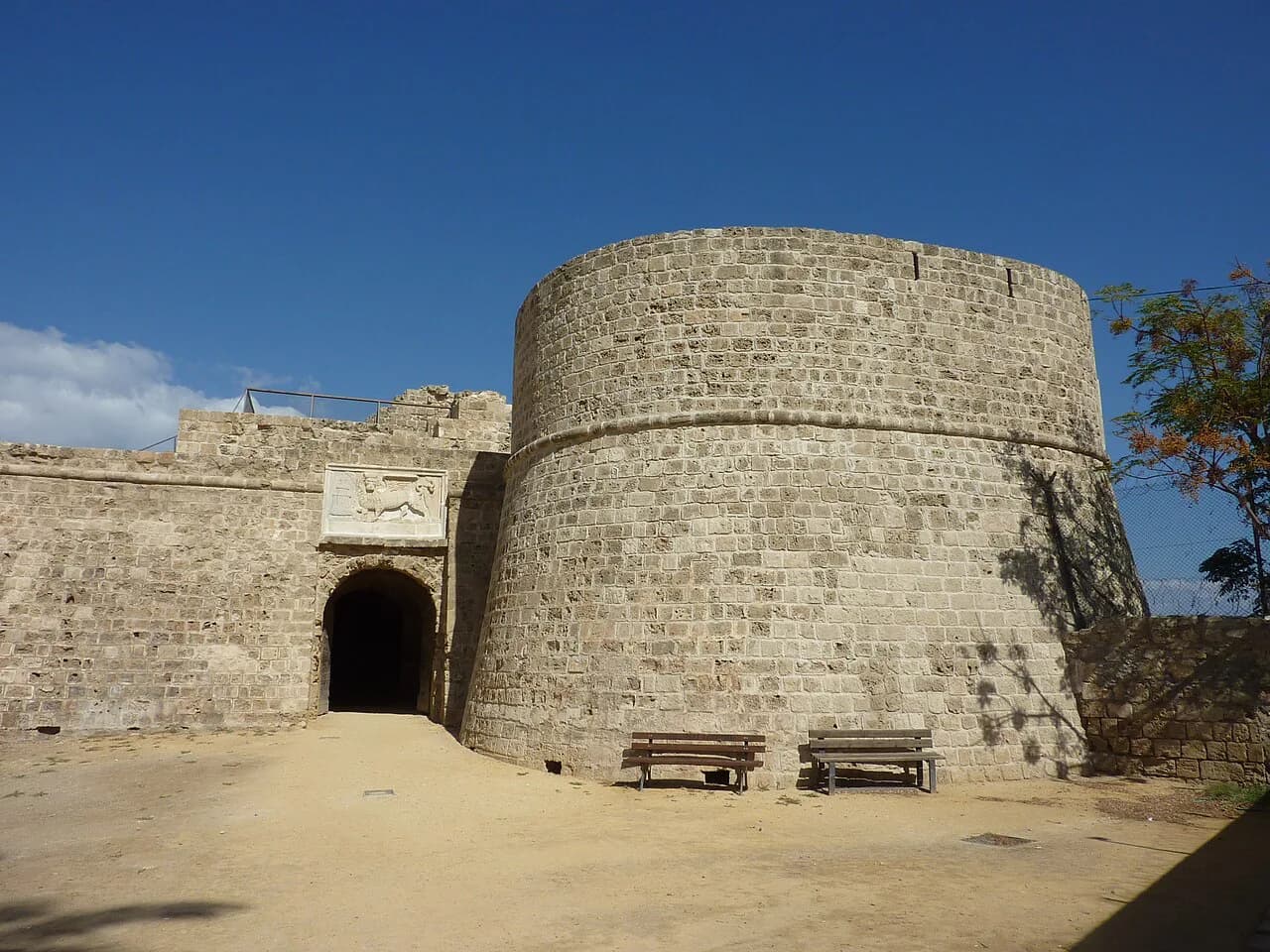
The Land Gate in the south-western corner is the main way into the walled city on foot, and one of the two original entrances. Just inside it sits the tourist information centre, where you can pick up leaflets and maps of the old town and the wider area before setting off. Collecting a map first is worth the few minutes: the sights are close together but the lanes between them twist.
If you are coming from the south of the island, Famagusta lies beyond the Green Line and requires a crossing at an official checkpoint with your passport. Check your hire-car insurance covers the north before you drive across, and confirm the current crossing arrangements with your rental company rather than assuming your policy extends.
Ravalin Bastion and the Views from the Walls
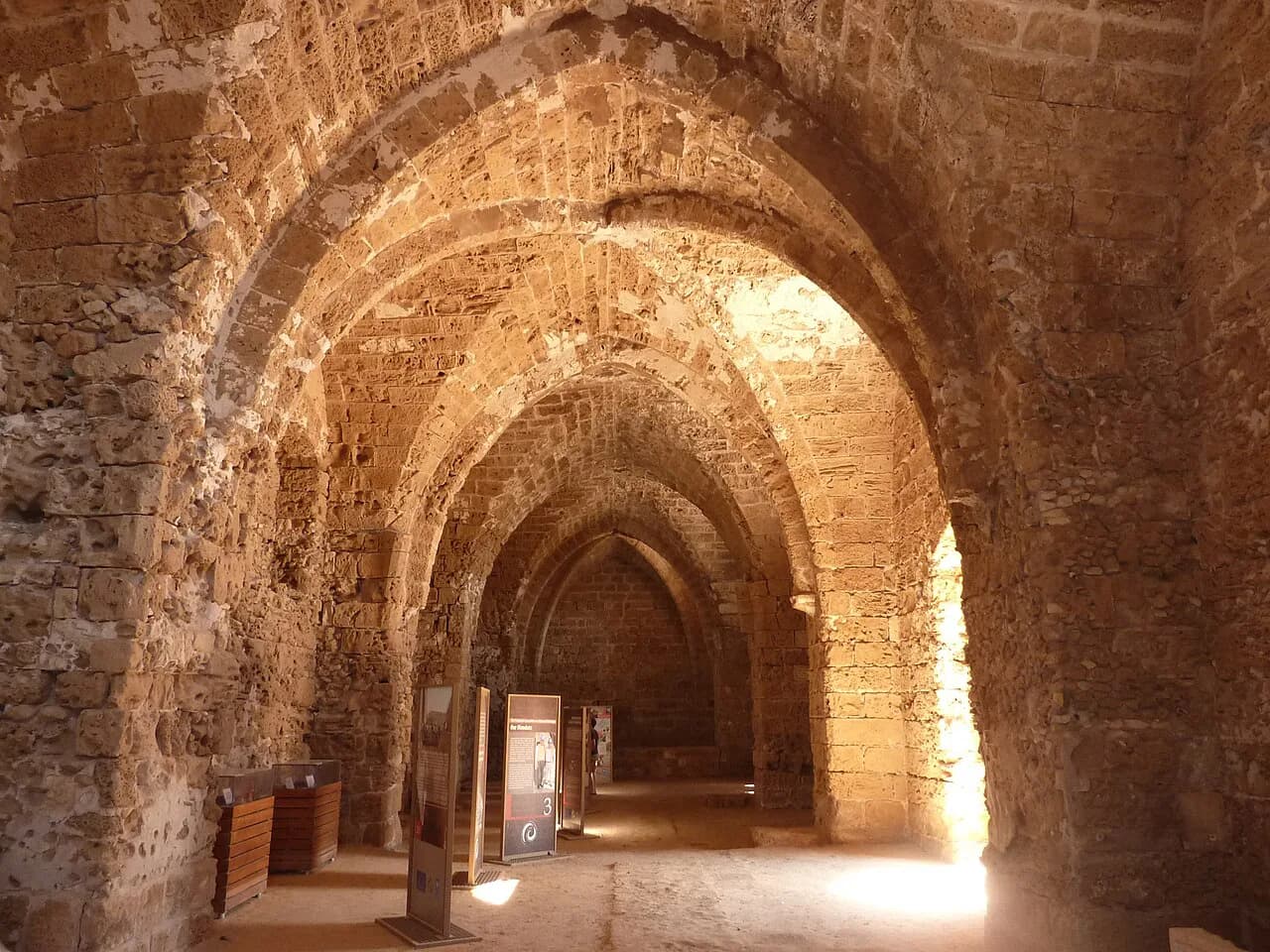
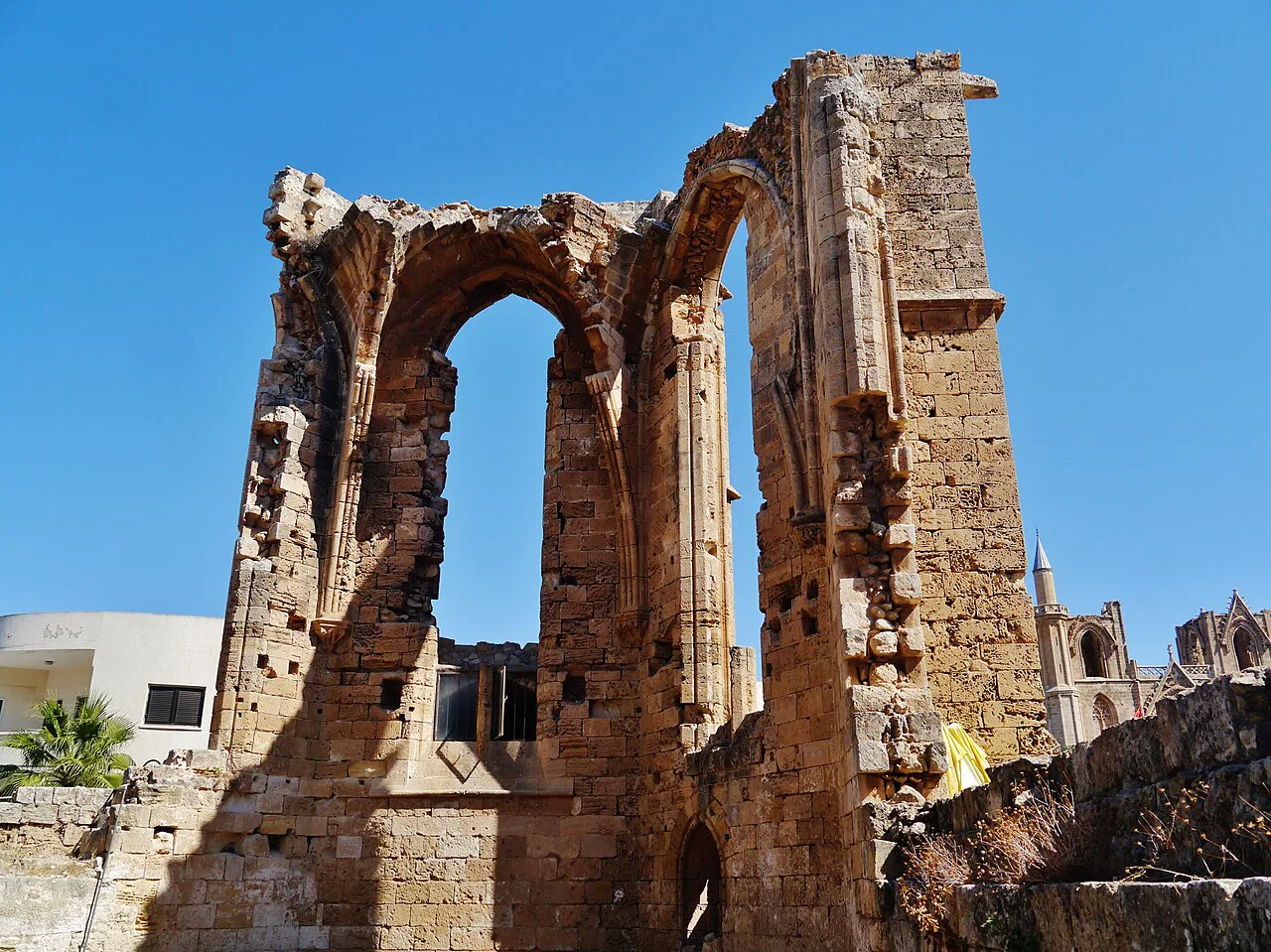
Step from the Land Gate into the Ravalin Bastion beside it, where you get a clear view of the ramparts and the structures built into them. The former rooms and dungeons inside the bastion are open to walk through, which gives you a sense of how thick the fortifications are. This is the natural first stop on any walking route because it explains the defensive logic of everything you see afterwards.
The walls run for three kilometres around the city, and walking the full circuit takes a good stretch of a morning on its own. Many visitors settle for the stretch between the Land Gate and the harbour, which takes in the best-known monuments and the sea views without committing to the entire loop.
Othello's Tower and the Citadel
At the harbour edge of the old town stands the citadel known as Othello's Tower, the fortified corner that guarded the port. It is one of the sights most closely tied to the city's medieval trading wealth, and it makes a natural turning point on the walk from the Land Gate. Give it proper time rather than treating it as a photo stop.
Pair the citadel with the stretch of wall running back towards the Land Gate so that your route forms a loop rather than doubling back through the same lanes twice. The old town is small enough that this costs little extra distance.
Porta del Mare and the Waterfront
Porta del Mare, the Sea Gate, is the second of the two original entrances and opens towards the water. Walking out through it connects the walled city to the harbour side and gives you the view back onto the ramparts that most photographs of Famagusta are taken from. Use it as the end of your circuit if you started at the Land Gate.
The harbour itself remains a working port and commercial hub, which is why the waterfront feels like part of a living city rather than a preserved monument. The modern town beyond the walls has a population of over 40,000 and is the administrative centre of its district.
Lala Mustafa Pasha Mosque, Formerly St Nicholas Cathedral
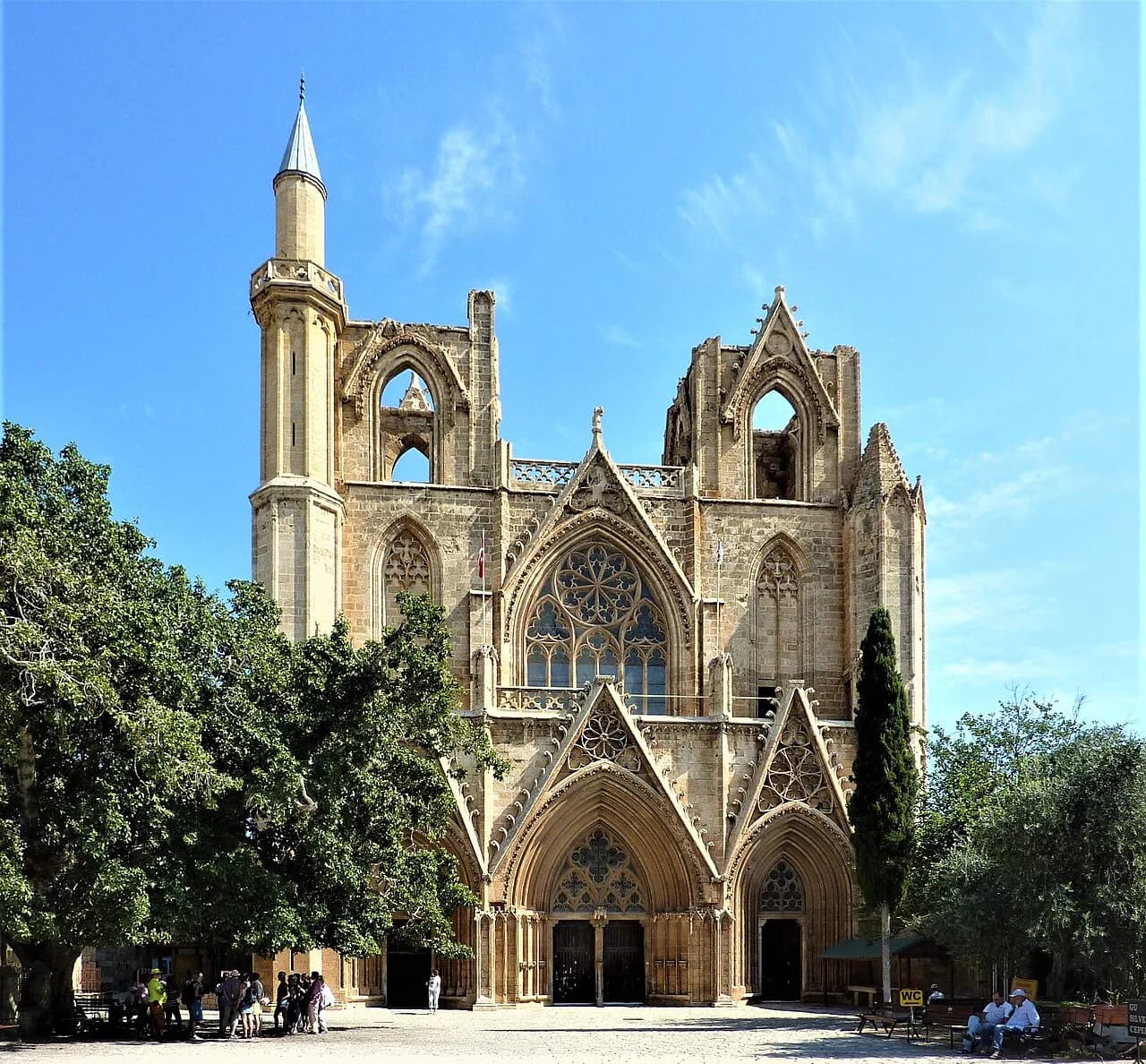
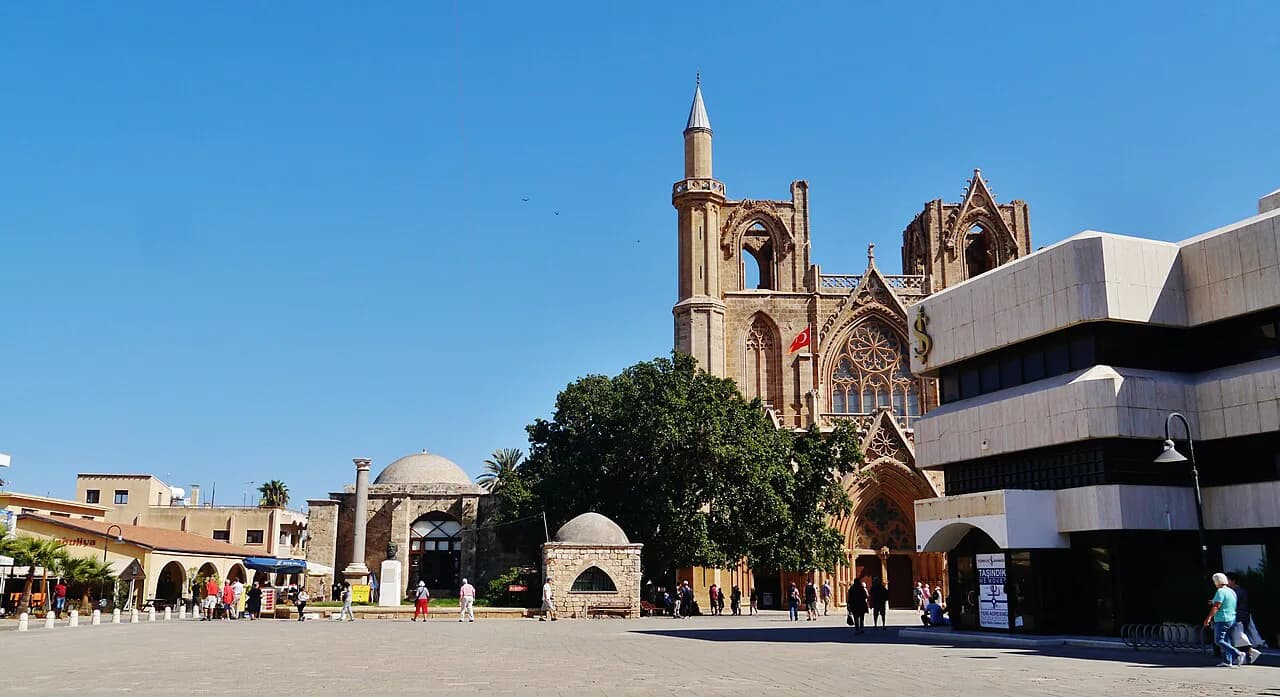
The Gothic Cathedral of St Nicholas was converted into a mosque after the Ottoman conquest, and it survives as the Lala Mustafa Pasha Mosque. The western facade is the piece to look at closely: it is one of the most complete pieces of Gothic church architecture on the island, and it reads clearly as a cathedral even with a minaret beside it.
Dress and behaviour inside follow mosque conventions, so cover shoulders and knees and expect to remove shoes at the entrance. Check prayer times locally before you go in, since access for visitors pauses around them. The square around the mosque is the heart of the old town and a sensible place to break the walk.
Other Gothic Ruins and the Bazaar Streets
Famagusta's medieval wealth left a large number of churches and palaces inside the walls, and several survive as roofless Gothic ruins you can walk among. The Ottoman period reshaped the town around a bazaar area, and those commercial lanes still form the everyday texture of the old town between the monuments. Wander them rather than plotting a strict route.
Recent renovation work has improved parts of the walled city, but it remains a lived-in place with ordinary shops and homes rather than a museum district. Before you leave the area, the archaeological site of Salamis Cyprus lies just to the north and makes an easy pairing with the old town if you have a car.
Half a Day or a Full Day?
The old town holds enough places of interest that half a day is the sensible minimum, and staying longer is worth it if the medieval buildings are your reason for coming. A half-day visit covers the Land Gate, the Ravalin Bastion, the cathedral-mosque and the Sea Gate comfortably.
If you add the full circuit of the walls, the citadel and a slow pass through the bazaar lanes, the day fills without difficulty. Keep a little slack for the heat, because the ramparts are exposed.
Summer Heat and Walking the Walls
The fortifications offer little shade, and the Gothic ruins are open to the sky, so the middle of a summer day is the least comfortable time to be up on the walls. Start early or come late, and use the mosque square and the covered lanes for the hottest hours. Carry water: the old town is compact but the walking is almost continuous.
Varosha Beyond the Fence
Varosha, the resort area south of the walled city, was one of Europe's most glamorous holiday destinations before 1974 and was fenced off after the Turkish Army took control of the area that year. Its former residents left expecting to come back within hours, and the district has stood empty behind barbed wire ever since.
The area behind the guarded fences cannot be visited, and photography there is prohibited, so plan to see it from outside rather than booking anything that promises entry. For the full picture, our Varosha: Famagusta's Abandoned Resort and How to Visit It guide sets out what you can and cannot do.
Currency, Driving and Crossing Practicalities
North Cyprus uses the Turkish lira, so change or withdraw lira for small purchases in the old town rather than relying on euro notes. The Republic of Cyprus in the south uses the euro, which makes the crossing feel like a change of country even though it is not one on paper. Cyprus drives on the left throughout, so the rules of the road stay the same once you cross.
Visitors who have been through the walled city often mention the state of the historic fabric alongside the walls themselves, which is a fair warning to wear shoes that cope with uneven stone.
Worth the Crossing for Half a Day?
Yes, if you want medieval architecture rather than beaches: the walled city packs a Gothic cathedral facade, a harbour citadel, Venetian gates and three kilometres of ramparts into a walk of a few hours. Budget half a day at minimum, start at the Land Gate, and finish at the Sea Gate with the mosque square in between.
Treat Varosha as a separate, fenced-off place seen from the outside, and keep your hire-car paperwork and currency straight before you cross the Green Line.
Explore more Famagusta guides
Frequently Asked Questions
Can I walk into Varosha from Famagusta old town?
No. The Varosha area behind the guarded fences cannot be entered, and taking photographs there is prohibited. You can see the abandoned buildings from outside, but it is not part of a walking route through the walled city.
Does anyone live in Famagusta old town now?
Yes. The walled city is a lived-in quarter with shops, homes and a bazaar area, and the modern city around it has a population of over 40,000. It is not an abandoned site; the empty district is Varosha, outside the walls.
How long does the walled city take to see?
Allow at least half a day. That covers the Land Gate, Ravalin Bastion, the Lala Mustafa Pasha Mosque and the Sea Gate, with time to walk part of the walls. A full day lets you add the citadel and the full three-kilometre circuit.
Sources
Notes for your Cyprus trip
Optional updates to our Cyprus guides.
You might also like
Continue reading
More guides you'll find useful