St Barnabas Monastery, Famagusta: Church, Icon Museum and Tomb
Plan a visit to St Barnabas Monastery near Famagusta, with its domed church and icon museum, the saint's tomb, opening hours and how to get there.
On this page
St Barnabas Monastery is a compact site about 10 km from Famagusta, close to the ruins of ancient Salamis, and it takes roughly an hour to see the church, the icon museum and the tomb chapel. Go for the three things you actually see: an 18th-century domed church, one of the strongest collections of Bronze and Early Iron Age antiquities in northern Cyprus, and the rock tomb of the saint who founded the island's church.
This guide sets out what each part of the complex holds, how the opening hours work, and how to reach it by car, taxi or dolmuş from Famagusta or İskele. It also covers pairing the monastery with Salamis and the practical points for drivers crossing the Green Line from the Republic.
What St Barnabas Monastery is and where it stands
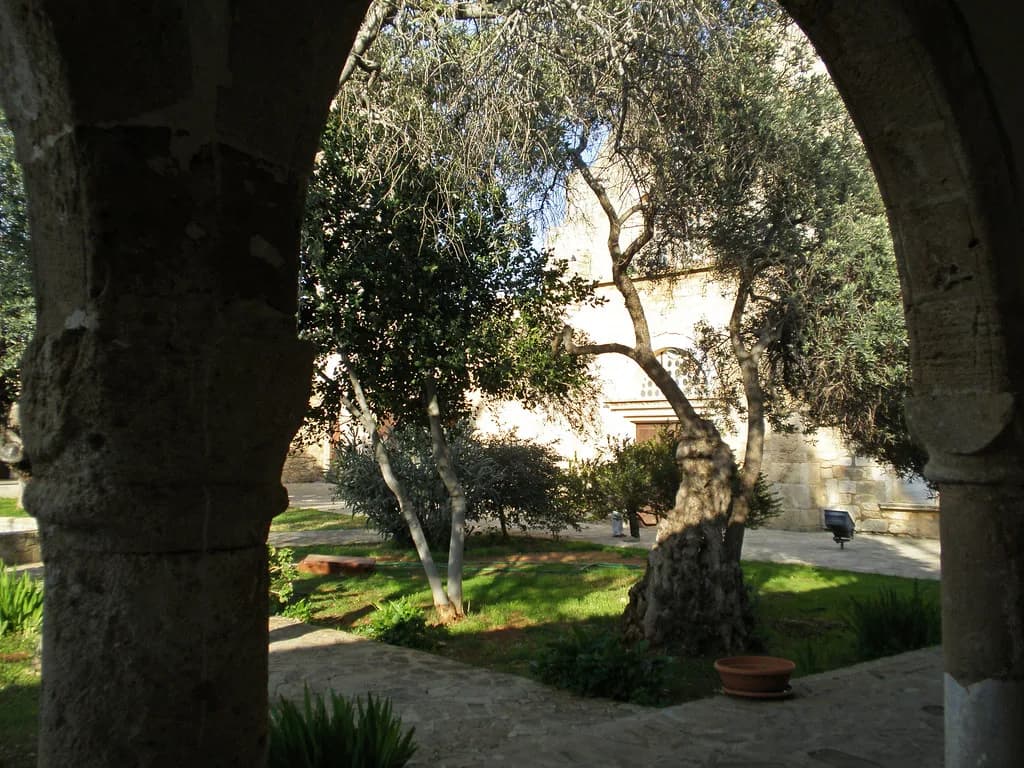
The monastery occupies a small elevation on the edge of Famagusta with a view across the plain towards Salamis, so the site reads as a religious stop attached to a much larger archaeological landscape. It is a working monument rather than a living monastic community: the church now functions as a museum and the former premises hold an archaeological collection as well as icons.
Allow an hour for the church, museum rooms and tomb chapel, and rather longer if you plan to continue to the Salamis ruins the same day. The monastery is not a large complex, so the visit is about looking closely rather than covering ground.
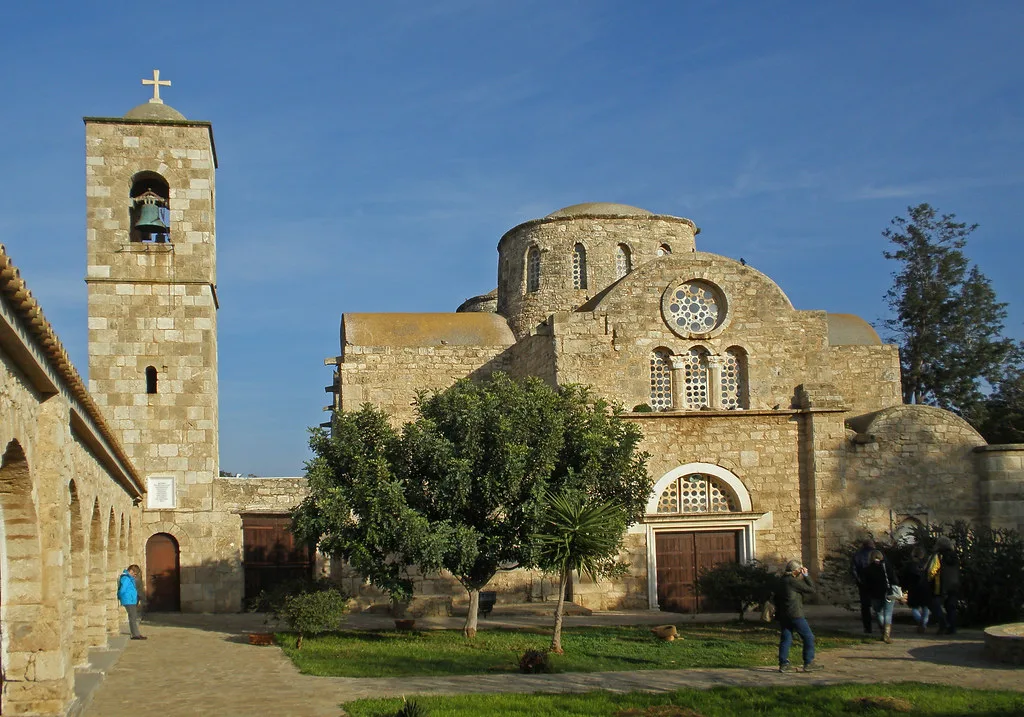
The church: Byzantine origins and the 18th-century rebuild
The first church here was founded at the end of the 5th century, possibly in 477, when Emperor Zeno financed a basilica near the spot where Archbishop Anthemios found Barnabas's tomb. It was built with a wooden roof and included cells, gardens, aqueducts and areas for pilgrims heading to Jerusalem; two more buildings were added under Justinian I in the 6th century. Arab raids in the 7th century left little standing beyond the original apse on the eastern side.
The monastery in its present form was rebuilt on those ruins in the 18th century with three domes. Soft ground and a weak foundation brought one dome and the apse down, and the repairs never replaced the third dome, which gives the church its unusually square outline today.
Inside, look for the fresco showing the bishop's dream, the discovery of the body and the presentation of the Gospel to the emperor. It is the one piece of narrative art that ties the building back to the story of the saint's burial.
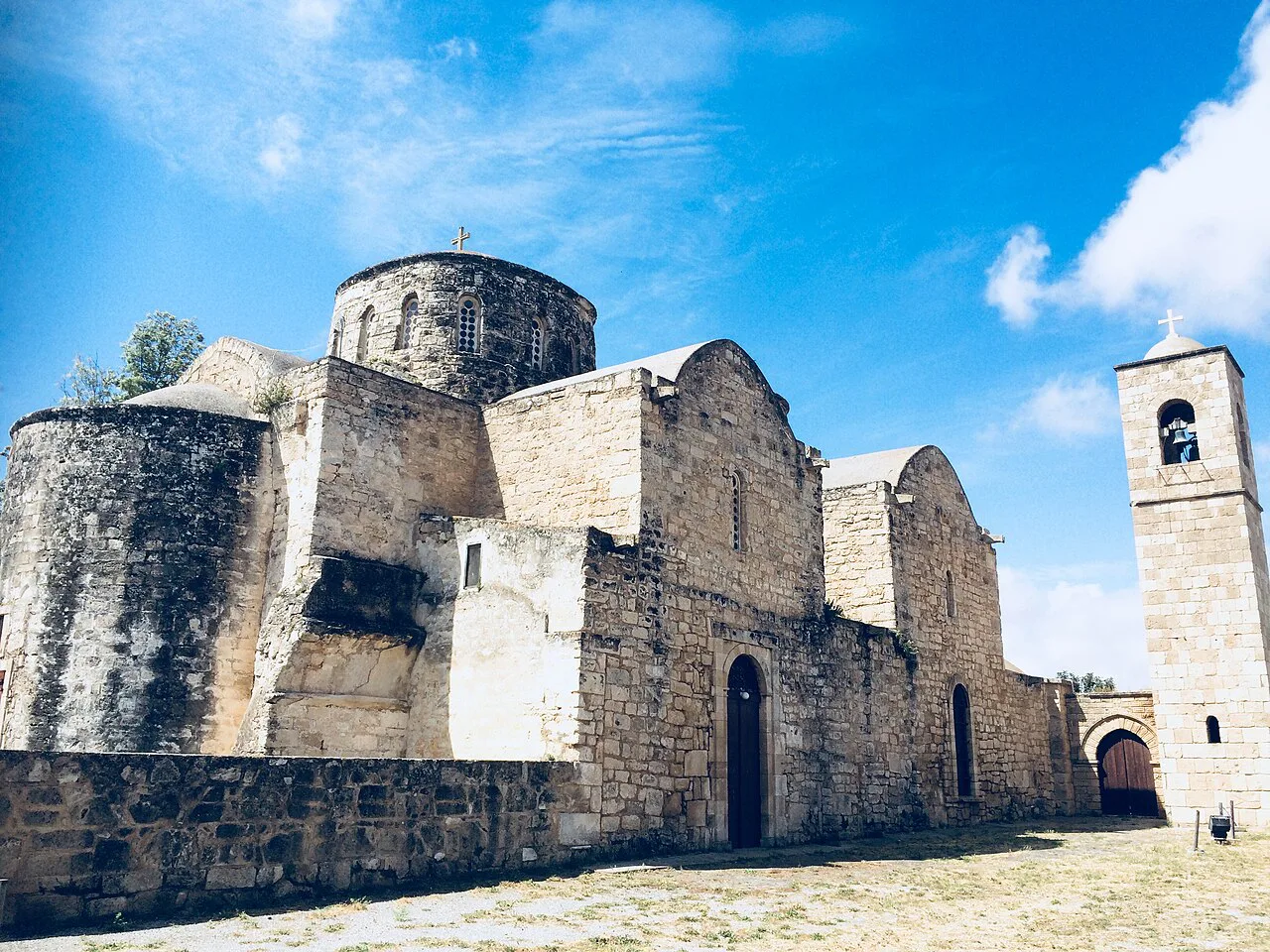
The Icon Museum and archaeological collection
The church no longer houses a monastic community and now serves as an icon museum, with the archaeological collection in the former premises. Together they hold one of the best collections of Bronze and Early Iron Age antiquities in northern Cyprus, plus Cypriot artefacts dating back to the 7th century BC, and material from the nearby ancient city of Engomi from the period of Ancient Egyptian influence.
The chapel holding the saint's tomb is part of the church where the archaeological collection is now kept, so the tomb and the display cases sit in the same visit rather than in separate wings. Budget the bulk of your time here rather than at the tomb itself.
The tomb of St Barnabas
Barnabas was a Jew from Salamis, born Joseph, who studied in Jerusalem and became Archbishop of Salamis; he converted the Roman ruler Sergius Paulus, which made the island one of the first regions with a Christian ruler. On a later visit in 75 AD he was arrested in the synagogue at Salamis and stoned, and his followers buried him secretly in a tomb under a carob tree west of the Salamis necropolis, with a copy of the Gospel of Matthew on his chest.
The burial stayed undiscovered for more than four centuries until Archbishop Anthemios found it in the 5th century, which is what prompted the original basilica. The rock tomb in the chapel is the reason the site exists, and it is a plain, close-up thing to see rather than a monument.
Opening hours and closed days
The monastery and museum open Monday to Saturday from 09:00 to 17:00 and close on Sunday, per cyprus-faq.com. Treat those times as the published schedule for the complex as a whole rather than for the church and museum separately.
Arrive by early afternoon so the museum rooms and the tomb chapel both fit inside the day, and check the hours again close to your visit before setting out, as they can change by season.
Getting there by car, taxi or dolmuş
By car, the monastery is roughly 10 km from Famagusta and sits near the ruins of Salamis, so it works as a short drive on the same road as the ancient city. Taxi drivers know the location; from Famagusta and İskele the ride is usually shorter and from elsewhere in northern Cyprus it costs more.
Without a car, take the dolmuş or bus between Famagusta and İskele and ask to be dropped at the roundabout opposite ancient Salamis, leaving about 1 km to walk to the monastery. That walk is on the open plain, so it is the part of the trip that heat affects most.
Pairing the monastery with Salamis
Most visitors combine the two because they sit within a few kilometres of each other: the monastery first, while the day is cooler, then the ruins of Salamis. The monastery's elevation gives you a view over the ancient city before you walk it, which helps you make sense of the layout.
If you only have half a day, the monastery is the tighter visit and the ruins need longer in the sun; if you have a full day, do both and keep the middle of the day for the museum rooms.
Heat, the walk from the road and the site's quiet
The monastery is a quiet stop compared with the ruins, which makes it a good place to slow down in the middle of a hot day, though the church and museum rooms are small and fill quickly if a coach party arrives. The open walk from the Salamis junction has no shade, so carry water and wear a hat if you come by dolmuş.
Summer heat on this plain is the main constraint on timing; early morning suits both the monastery and the ruins, and the site's calm is best before the middle of the day.
Practical points for drivers crossing from the Republic
Drivers coming from the Republic cross the Green Line at a designated crossing point with a passport, and the crossing rules and any hire-car restrictions are worth confirming with your rental company before you set out. The Republic uses the euro and northern Cyprus uses the Turkish lira, with euros and sterling widely accepted in the north.
Check that your hire-car insurance covers the north before you cross, since not every policy does, and keep the Green Line formalities in mind for the return leg.
Adding Famagusta's old town to the day
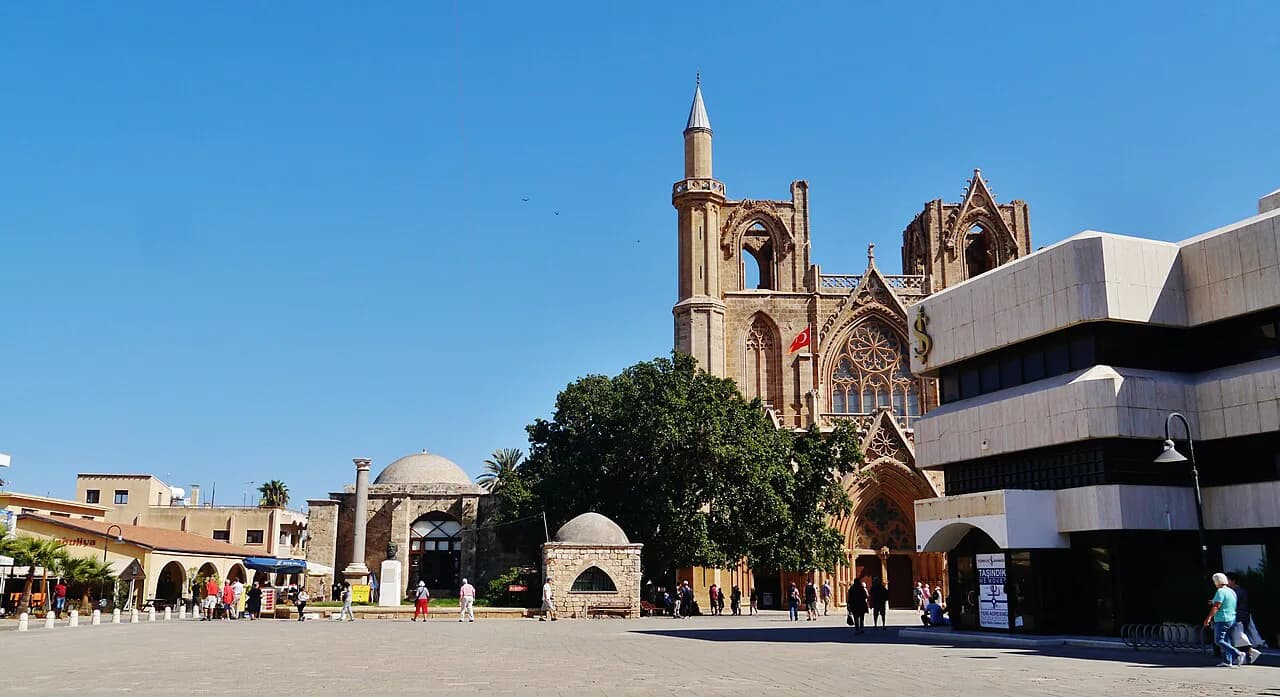
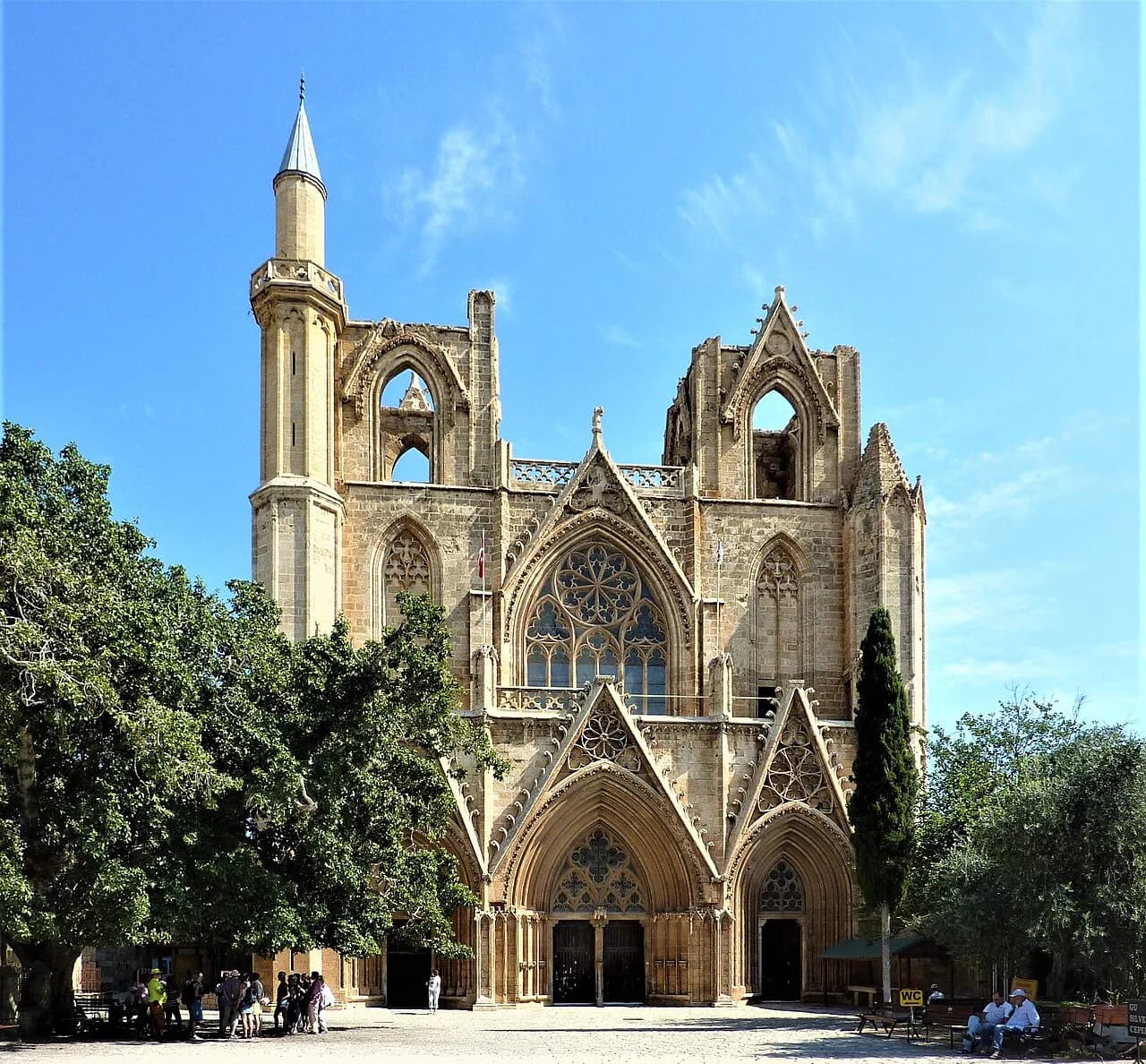
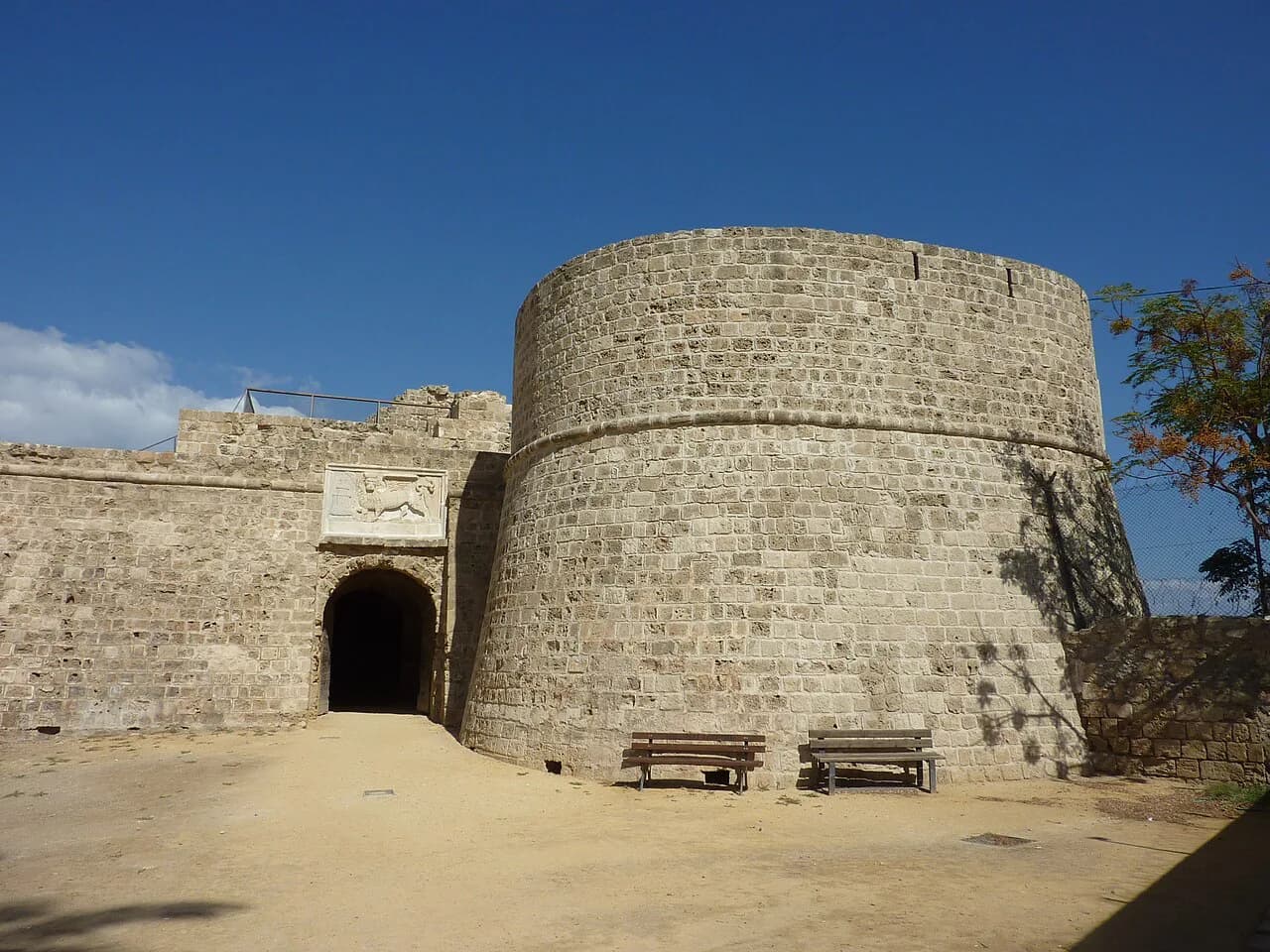
The walled old town of Famagusta is a short drive from the monastery and makes a natural end to the outing, with the Lala Mustafa Pasha Mosque, converted from the Gothic St Nicholas Cathedral, and Othello Castle in the Venetian walls. The Land Gate is the obvious place to start on foot, and the Varosha guide is the other half of the town's modern story if you have time for both.
Pick either the old town or Salamis as your second stop rather than trying to fit both, and keep the monastery as the fixed first call of the day.
Is the monastery worth the detour from Famagusta?
Yes, if you are already going to Salamis: the monastery adds a church, a strong collection of Bronze and Early Iron Age antiquities and the saint's tomb for about an hour of your day. Come by car or take the dolmuş to the Salamis junction and walk the last kilometre, and go in the morning before the heat builds.
Explore more Famagusta guides
Frequently Asked Questions
Do I need to book tickets for St Barnabas Monastery in advance?
The complex is open Monday to Saturday from 09:00 to 17:00 and closed on Sunday, and it is a small site rather than a timed-entry attraction. Check the times again before you travel, as they can change by season.
How long does a visit to St Barnabas Monastery take?
Allow about an hour for the church, the icon and archaeological collections and the tomb chapel. Add more time if you are continuing to the Salamis ruins, which need a longer visit in the sun.
Can I visit St Barnabas Monastery without a car?
Yes. Take the dolmuş or bus between Famagusta and İskele, get off at the roundabout opposite ancient Salamis, and walk about 1 km to the monastery. The walk is open and unshaded, so plan it for the cooler part of the day.
Sources
Notes for your Cyprus trip
Optional updates to our Cyprus guides.
You might also like
Continue reading
More guides you'll find useful