Othello Castle, Famagusta: What to See Inside the Citadel
Othello Castle in Famagusta is a Lusignan citadel rebuilt by the Venetians. Here's what you see inside, the Shakespeare link and how to reach it.
On this page
Othello Castle is a small, squat citadel in the middle of walled Famagusta, and an hour covers it comfortably. It is worth the stop for the Venetian rebuild, the courtyard of cannonballs and the marble Lion of Saint Mark over the gate, not for anything Shakespeare actually wrote about the place. This guide covers what stands there, the documented building phases, the naming story, and how to reach the entrance on foot or by car.
The castle sits inside the old town, close enough to pair with the cathedral-turned-mosque and the Land Gate in a single morning. Parking is tight, buses stop at the Anıt Park roundabout rather than the door, and there is a toilet by the ticket office you can use without buying a ticket. Hours shift between summer and winter, so the schedule below is the pattern to plan around.
Where Othello Castle sits in Famagusta Old Town
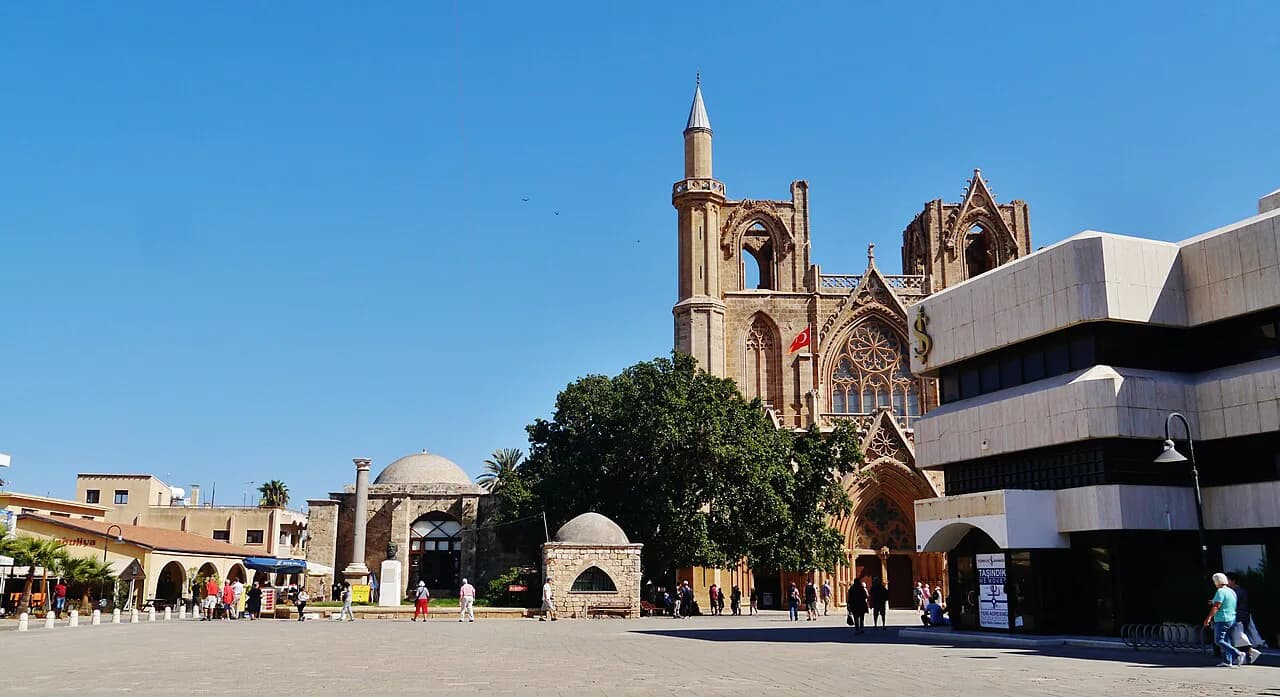
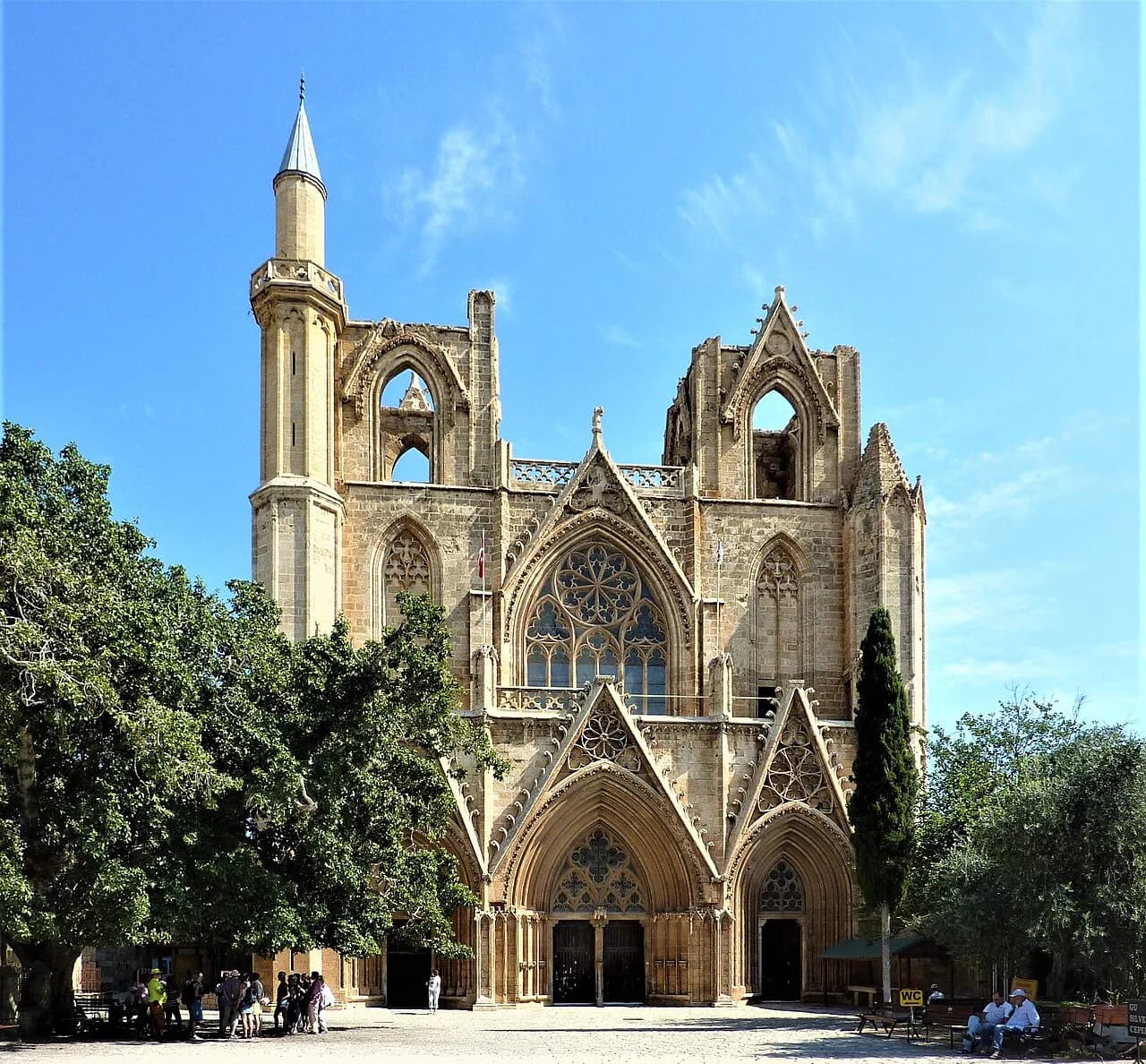
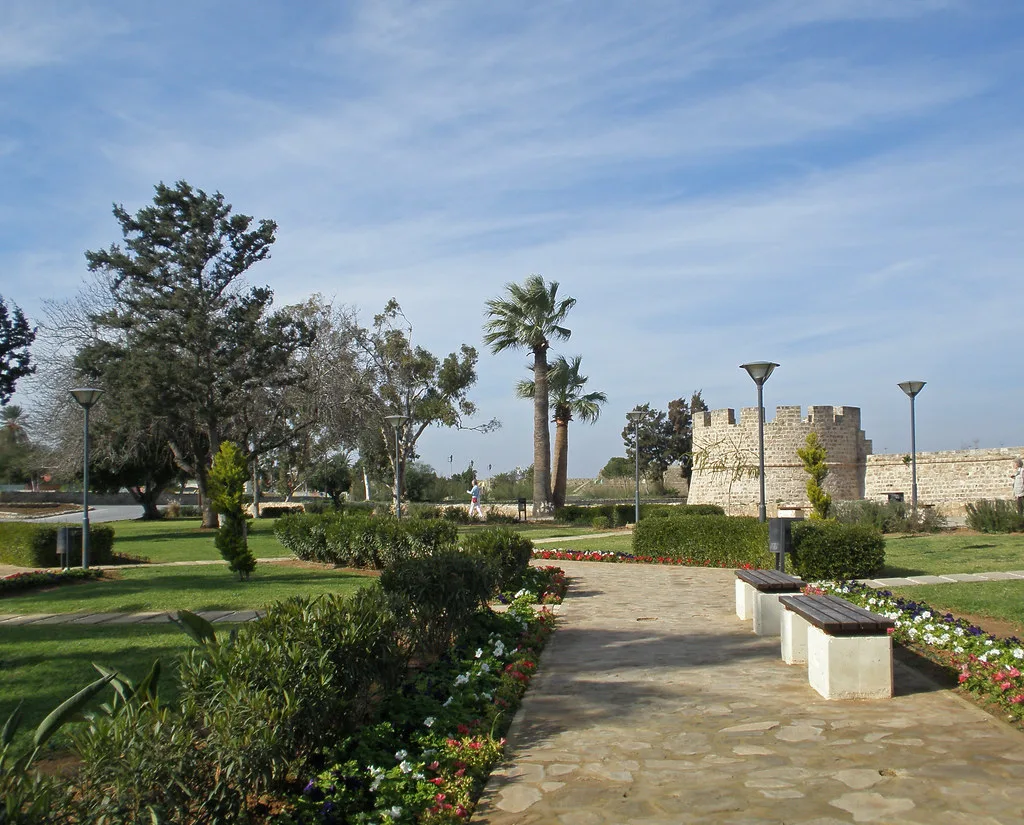
The castle stands in the centre of the walled city of Famagusta (Gazimağusa) in north Cyprus, a short walk from the main square and the Lala Mustafa Pasha Mosque. It began as the Harbour Citadel, built to guard the port, and the Venetians later folded it into the main circuit of city walls. That position is why it feels enclosed rather than commanding: the surrounding fortifications were designed as one system.
You approach it through streets rather than across open ground, so the towers appear suddenly. Treat the castle as one stop on a circuit of the old town rather than a destination in itself, and check it against the Famagusta map before setting out so you are not doubling back in the heat.
Opening hours in summer and winter
The castle keeps two seasonal schedules: 9:00 to 18:00 in summer and 10:00 to 15:00 in winter. Those times are the castle's own on-site schedule rather than a published guarantee, so a short winter window is the one to build your day around. Arrive in the morning if you are visiting between November and March, and keep the castle early in a summer day before the walls start throwing heat back at you.
There is an entrance fee, paid at a separate ticket office at the entrance rather than in advance. The charge is set locally and changes, so check the figure at the window when you arrive instead of budgeting a fixed amount. The toilet beside the ticket office is usable whether or not you go in.
The layout: four round towers, refectory and dormitory
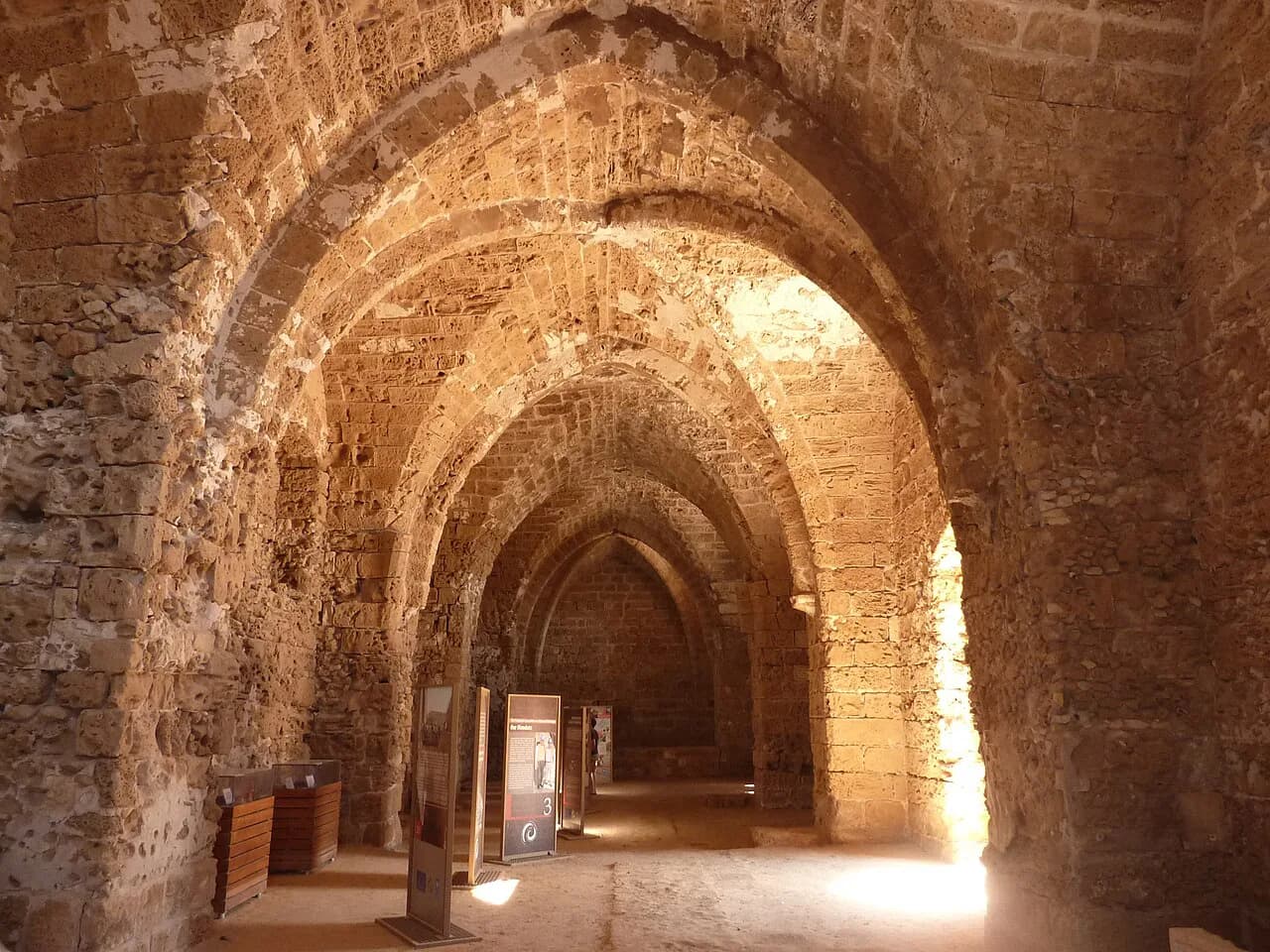
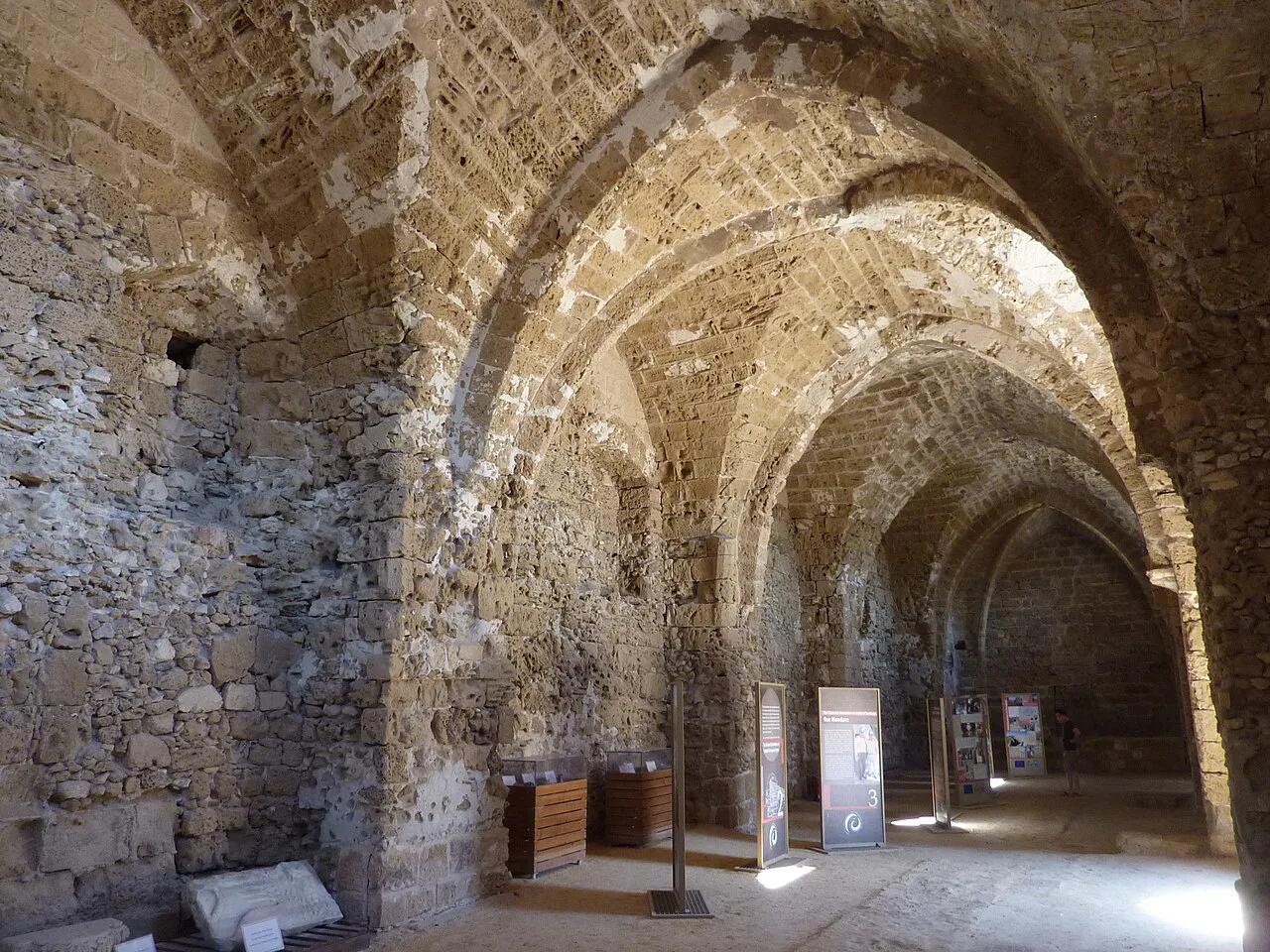
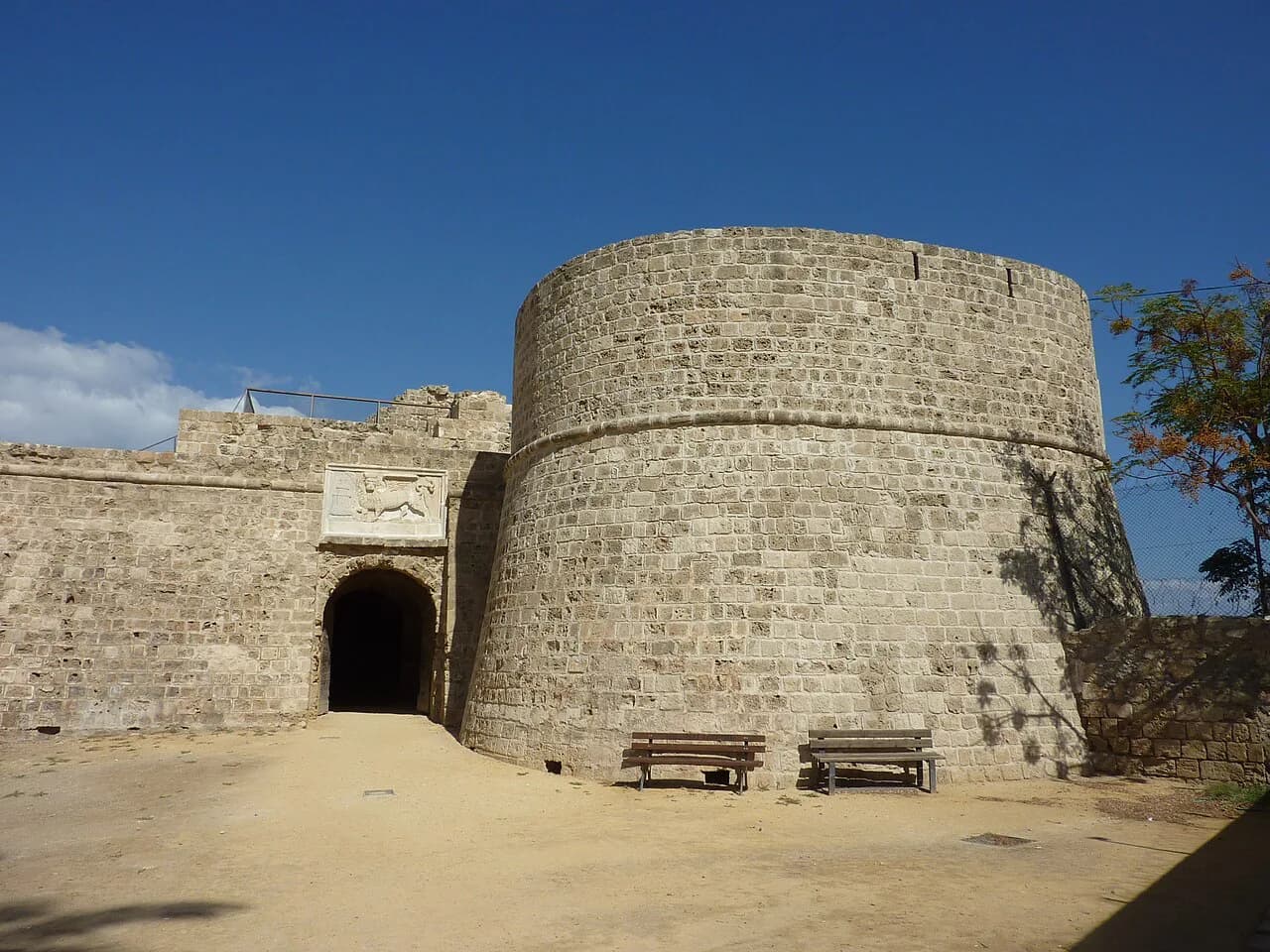
The plan is simple enough to grasp in a couple of minutes. Four round towers anchor the corners, and inside are a refectory and a dormitory that date from the Lusignan period, when the building served the garrison rather than artillery. Look for the change in masonry where medieval work meets the heavier Venetian walls.
This is not a museum with labelled cases: the interest is in the fabric and the courtyard. Expect to read the building rather than exhibits, and set your expectations for a short visit of well under an hour rather than a half-day.
Lusignan origins and the Venetian rebuild
The Lusignans, rulers of the Kingdom of Cyprus, built the castle in the 14th century, on a site fortified earlier by the Prince of Tyre at the end of the 11th century. When Cyprus passed to the Venetian Republic, the Venetians rebuilt the citadel outright as a military fortress. They removed the second floor and levelled the building with the surrounding walls so it could not be seen from outside the city.
The most visible change is the shape of the towers. The Venetians replaced the rectangular medieval towers with round ones because a square corner could be knocked away by cannon fire, and they integrated the citadel into the main city walls so the tower protected the harbour. The fortress also served as a prison in 1566.
The Lion of Saint Mark and the inscription
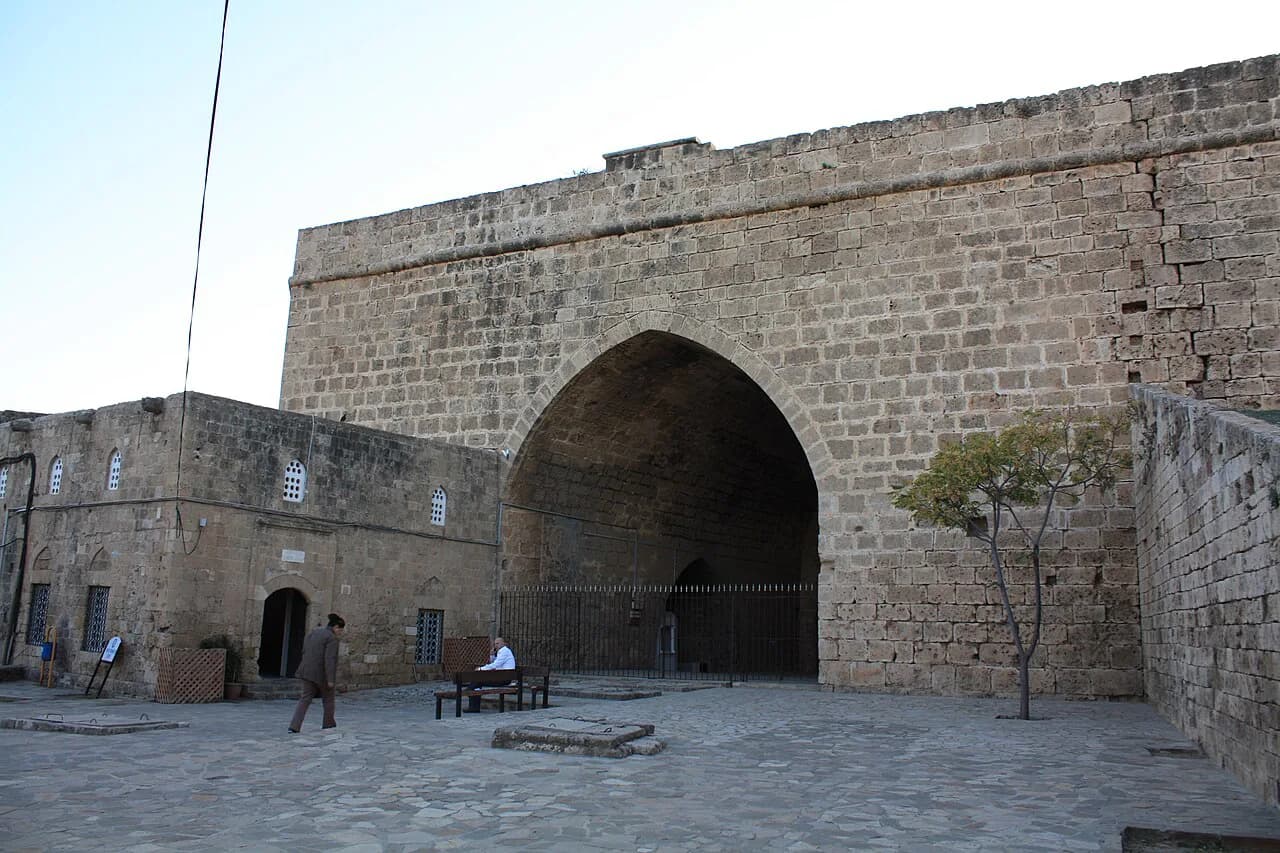
Above the main entrance is a marble winged Lion of Saint Mark, Venice's patron, carved in 1492. The pose carries a message: the front paws rest on land for Venice's terrestrial power, the rear paws in the sea for its maritime empire. The accompanying inscription names the Venetian captain Nicolao Foscareno, who oversaw the reconstruction.
After the rebuild the citadel was renamed for Giovanni San-Michele, the Venetian engineer responsible for much of the city's refortification. Look up before you go through the gate; the relief is easy to miss when you are watching your footing on the threshold.
The Shakespeare link and how firm it is
The castle's name comes from Shakespeare's Othello, a play set in a port city in Cyprus, but there is little evidence tying it to Famagusta specifically. A second story holds that Shakespeare was inspired by Cristoforo Moro, a fortress commander and Venetian governor whose surname could be read as 'Moor'; tradition says he killed his wife in jealousy. Both are stories about the name, not documented history of the building.
The practical upshot is that you should not arrive expecting Shakespearean relics. Visit for the Venetian military engineering and the harbour citadel, and enjoy the naming story as a footnote rather than the main event.
Cannonballs, the courtyard and the 2014–15 restoration
The courtyard holds cannonballs left by the Spanish and Ottomans, the most tangible trace of the sieges the city endured. They sit outdoors rather than behind glass, which suits the rough, working feel of the place.
Restoration began in 2014 and the castle reopened to visitors on 3 July 2015, so the surfaces you see have been consolidated in the last decade. Read those dates as history: they explain the condition of the masonry rather than confirming any current programme of works.
Getting there, parking and the nearest bus stop
No bus runs to the castle door; the nearest public transport stop is at the roundabout by Anıt Park. From there it is a walk into the old town. Drivers should head for the centre of the walled city and hunt for a space near the fortress, knowing that Old Town parking is limited and often taken by people who are not visiting the castle at all.
If you are coming from elsewhere on the island, a hire car gives you the most control over timing, since you are not tied to a bus that drops you several minutes away. Crossings, insurance and paperwork for north Cyprus are a separate matter worth sorting before you travel rather than at the castle gate.
How long to allow and what to pair with it
Give Othello Castle 30 to 45 minutes: the towers, the courtyard, the refectory and dormitory, and the relief over the gate. That leaves the rest of the morning for the cathedral-turned-mosque, the walls and the streets around them, all within walking distance inside the circuit.
Beyond the walls, the Varosha guide is the obvious second stop, reached by car or taxi from the old town and worth a couple of hours in its own right. Salamis, the Roman city to the north, makes a fuller day if you have the car and an early start.
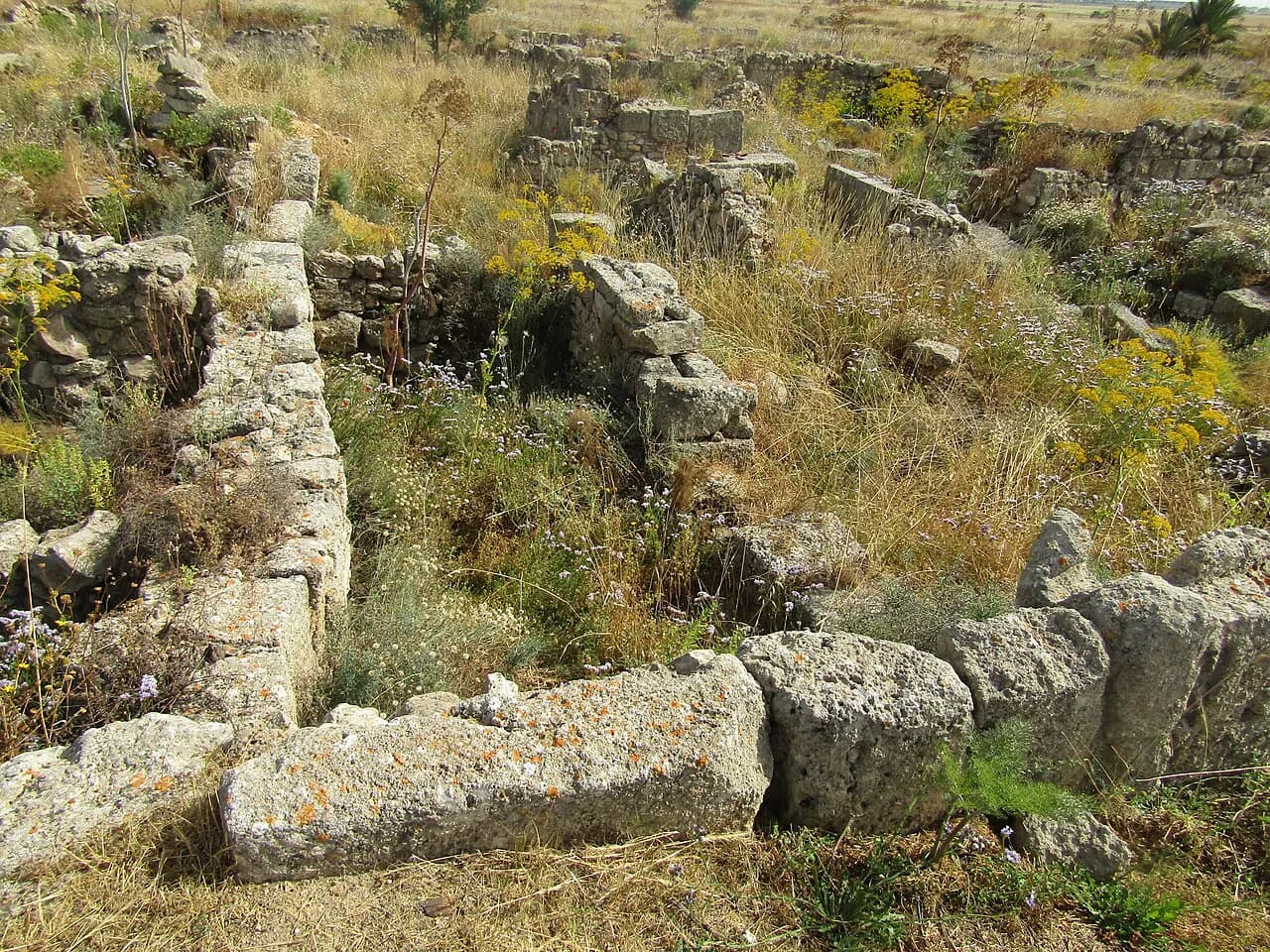
Other easy additions are the St Barnabas monastery and the Bronze Age city at Enkomi, both outside the walls and best combined with a car. Keep the castle itself short so the day does not stall in a single courtyard.
Is Othello Castle worth an hour of your Famagusta day?
Yes, if you are already inside the walls. The Venetian conversion, the round towers and the Lion of Saint Mark give you a compact lesson in how Famagusta was defended, and the entrance fee is paid at the door. It is not a headline sight on its own, and the Shakespeare connection is a naming tradition rather than evidence.
Build it into a circuit with the Lala Mustafa Pasha Mosque and the walls, arrive early in winter when the window shrinks to 10:00 to 15:00, and keep the car parked once rather than circling the Old Town twice. Varosha and Salamis make the fuller day if you have transport.
Frequently Asked Questions
Is Othello Castle the same place as Othello's Tower?
Yes. Othello Castle, Othello Tower and the Harbour Citadel all refer to the same fortified building in the centre of walled Famagusta. It was originally called the Harbour Citadel before taking the name it carries today.
Do I need to book Othello Castle in advance?
No advance booking is involved: you pay an entrance fee at a separate ticket office at the entrance. The amount is set locally, so ask at the window when you arrive rather than relying on a figure quoted elsewhere.
Can I visit Othello Castle without a car?
Yes, but no bus goes to the door. The nearest stop is the roundabout by Anıt Park, from which you walk into the old town. Everything inside the walls, including the castle and the mosque, is then on foot.
What is there to see inside Othello Castle?
Four round towers, a courtyard with Spanish and Ottoman cannonballs, a Lusignan refectory and dormitory, and the marble Lion of Saint Mark with its 1492 inscription above the main entrance. It is a short visit of under an hour rather than a museum.
Sources
Notes for your Cyprus trip
Optional updates to our Cyprus guides.
You might also like
Continue reading
More guides you'll find useful