Enkomi Archaeological Site: Cyprus's Bronze Age City Near Famagusta
Enkomi near Famagusta was a Bronze Age copper-trading city, possibly Cyprus's first capital. Here is what survives on site and how it fits a Famagusta trip.
On this page
Enkomi is a short archaeological stop north of Famagusta, near the village of Tuzla, best combined with Salamis and the Royal Tombs rather than treated as a half-day out on its own. The visible ruins are mostly a later rebuild of a city that traded copper across the eastern Mediterranean from around 2000 BCE. This guide covers where the site sits, why it mattered, what survives, where the famous finds went, and how to slot it into a day around Famagusta.
Where Enkomi is
Enkomi lies near the present-day village of Tuzla, north of Famagusta. The original settlement stood on a rocky plateau west of Tuzla, on the north bank of the Pedieos, the longest river in Cyprus. At the time of its Bronze Age trade the river was navigable, giving the city an inland harbour; its later silting is central to the story of why the city faded.
If you are basing yourself in Famagusta (Gazimağusa) for a few days, Enkomi sits in the same cluster of sites as the ancient city of Salamis and the Royal Tombs. Plan it as a stop of modest length on a morning or afternoon that already includes one of those, rather than a separate excursion. The Famagusta (Gazimağusa) guide sets out how the town itself is laid out for the rest of your day.
Why Enkomi mattered
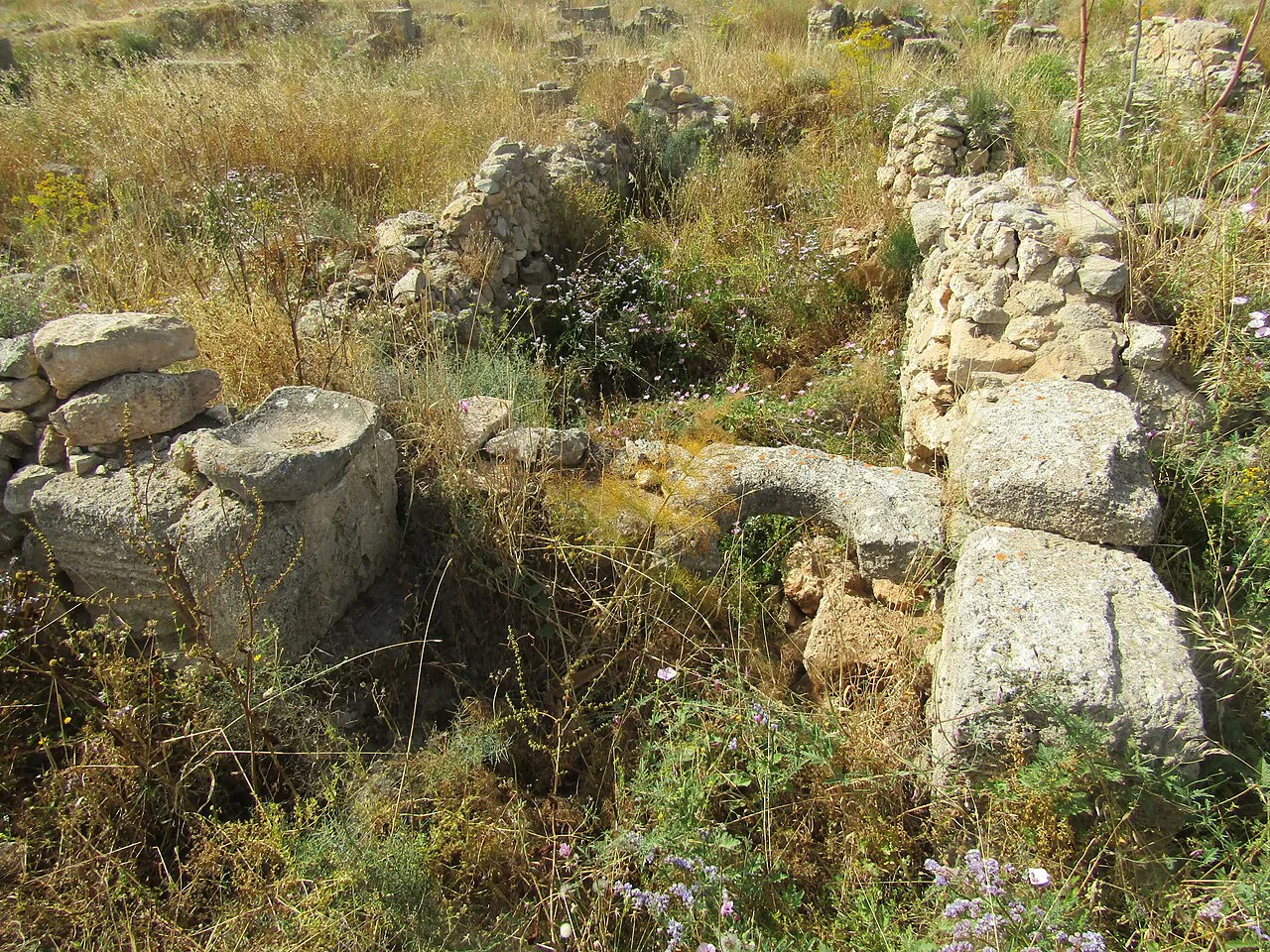
Copper ore was brought to Enkomi, smelted there and shipped out for export, and at the time the Pedieos was navigable, giving the city an inland harbour. Excavations have found several areas of the town where metallurgy took place. That combination of metalwork and water access made Enkomi a trading centre rather than a purely agricultural settlement.
The name Alasiya appears in Egyptian, Hittite, Akkadian, Mycenaean and Ugaritic texts, and correspondence between the Pharaoh and the King of Alasiya records Alasiya as a major supplier of copper to Syria and Anatolia. It is unclear whether Alasiya means Enkomi, the wider region or Cyprus as a whole, so treat any simple identification with caution. What the texts do establish is that this corner of Cyprus was plugged into long-distance Bronze Age trade.
The city is thought to have been the first capital of the island, with origins dating back to around 2000 BCE. It came under Egyptian influence first and later Mycenaean influence, growing into a large, orderly, fortified city with prosperous trade. The site's dating and identity are given in the Visit North Cyprus entry for Enkomi.
What you see today
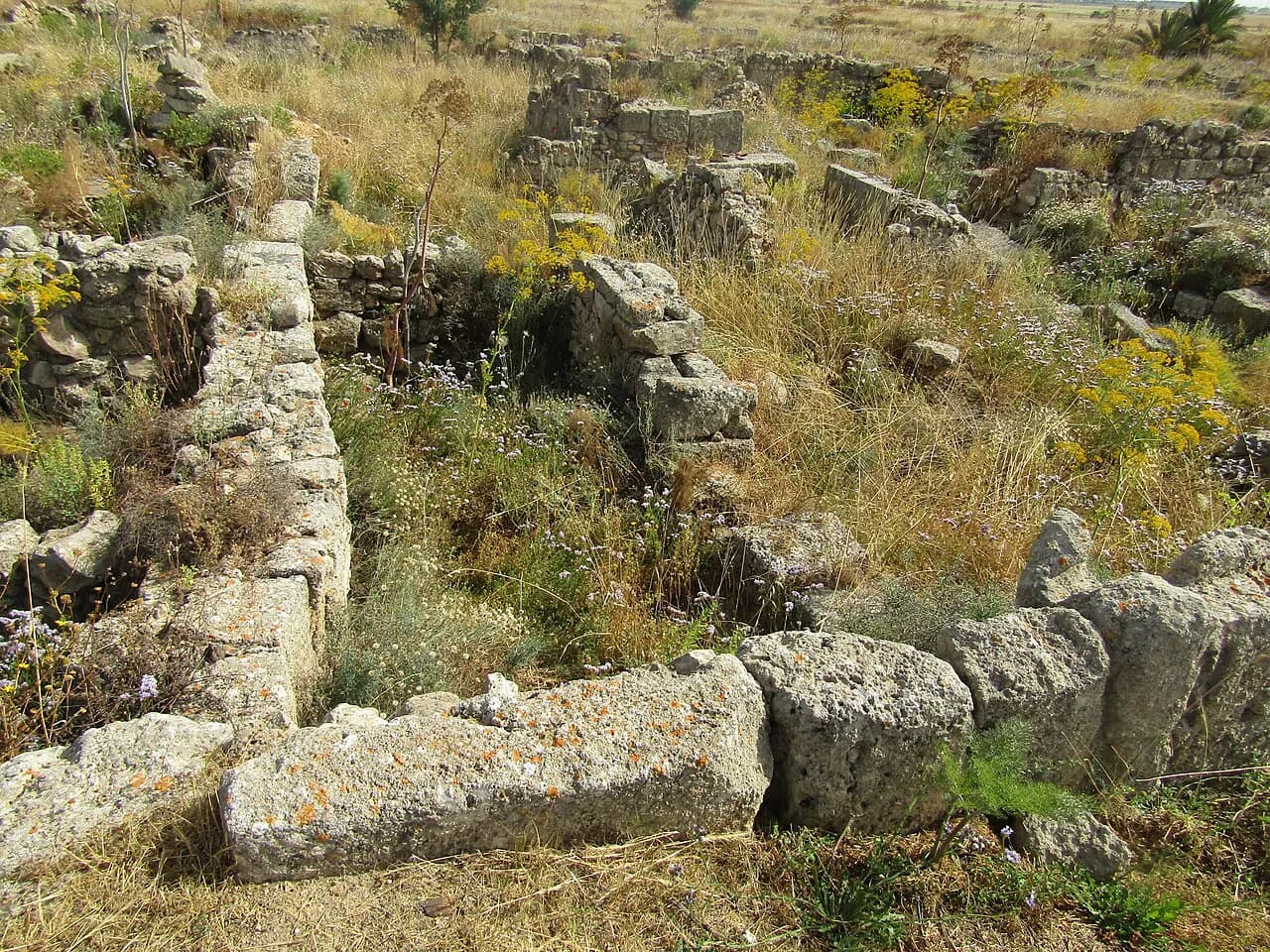
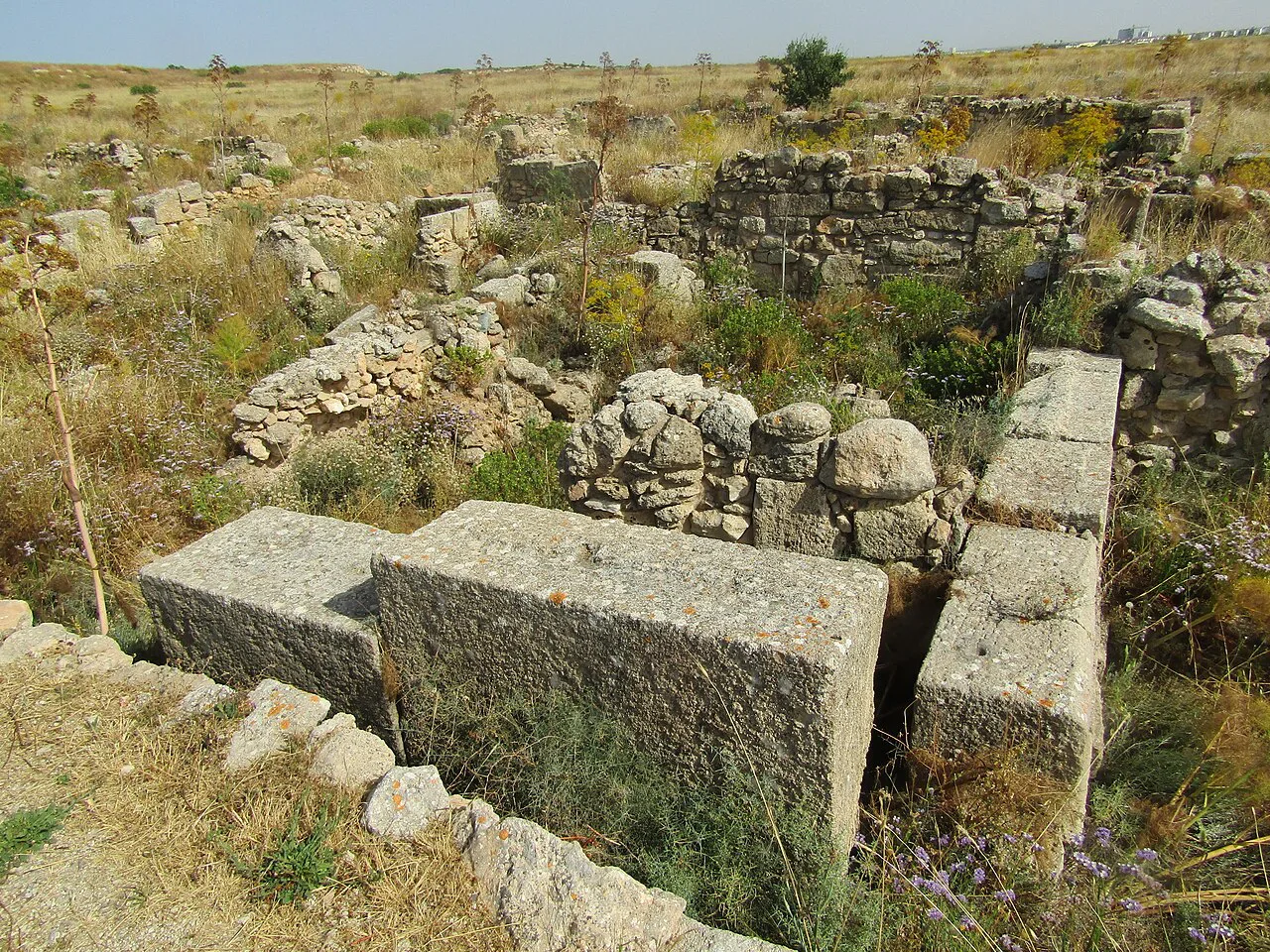
Most of what stands today belongs to the town rebuilt after the Sea People devastated the area around 1200 BCE. The earlier city had grown up ad hoc, but the replacement was laid out on a grid, with long east-west avenues crossed by a perpendicular main street. Older structures and tombs were covered over or removed to make way for it.
That rebuild is the reason the ruins read as low walls and street lines rather than grand monuments, and why the city never really regained its former grandeur. Enkomi was also hit by an earthquake in 1075 BCE and by the silting up of its inland harbour on the Pedieos. It continued to be inhabited until around 1000 BCE, after which its last inhabitants moved to Salamis as that city rose.
Set your expectations accordingly: this is an exposed archaeological site, so a hat and water are worth packing. Walk the surviving street lines with the grid plan in mind and the layout makes sense quickly. There is no reason to budget a whole morning here unless you are working through every Bronze Age site in the region.
The finds that left the island
Two solid Bronze statues of gods were found in what are thought to be ceremonial buildings on the west side of the main north-south street. The horned god wears a horned helmet and shows Hittite influence, possibly depicting a deity of Apollo. The ingot god wears a horned conical hat and greaves, carries a shield and spear, and stands on a miniature hide-shaped ingot.
Other notable finds include the decorated Enkomi Cup, which has been controversially claimed to use niello decoration, a technique that would make it one of the earliest uses of the method. Most discoveries were brought together as a collection of around 1,800 objects or fragments at the British Museum in London. The majority came from the 1896 Turner Bequest expedition to Cyprus, the island's first excavations conducted by the British Museum.
So the answer to where the treasures are is London rather than Tuzla: you come here for the streets, walls and setting, then follow the objects in a museum collection. That split is worth knowing before you arrive. Reading up on the horned god and ingot god first turns a field of low walls into a legible story.
Pairing Enkomi with Salamis and the Royal Tombs
Enkomi's decline is directly tied to the rise of Salamis, so seeing both on the same trip joins the dots: the harbour silted, the people moved, and the nearby city gradually thrived. The Salamis, Cyprus guide covers the columns, baths and theatre of that successor city. Allow Salamis the larger share of your time and treat Enkomi as the prologue.
The Visit North Cyprus site lists Enkomi alongside the Salamis Ruins, the Royal Tombs, the St Barnabas Monastery and Icon Museum and Soli Ruins as nearby places worth a stop. Grouping two or three of them makes a coherent morning without long drives between them. St Barnabas Monastery near Famagusta is the natural companion if you want art and history rather than more ruins.
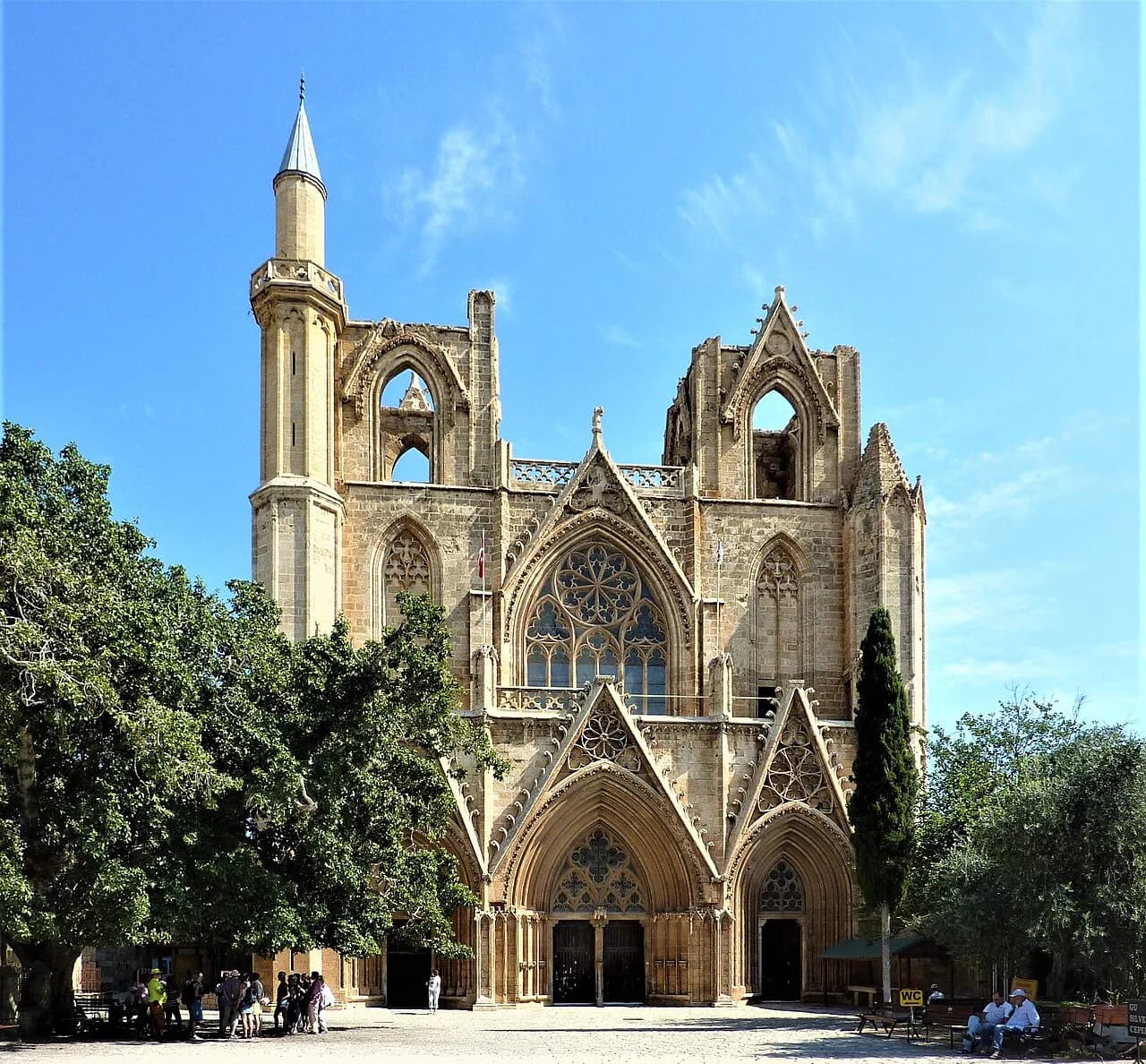
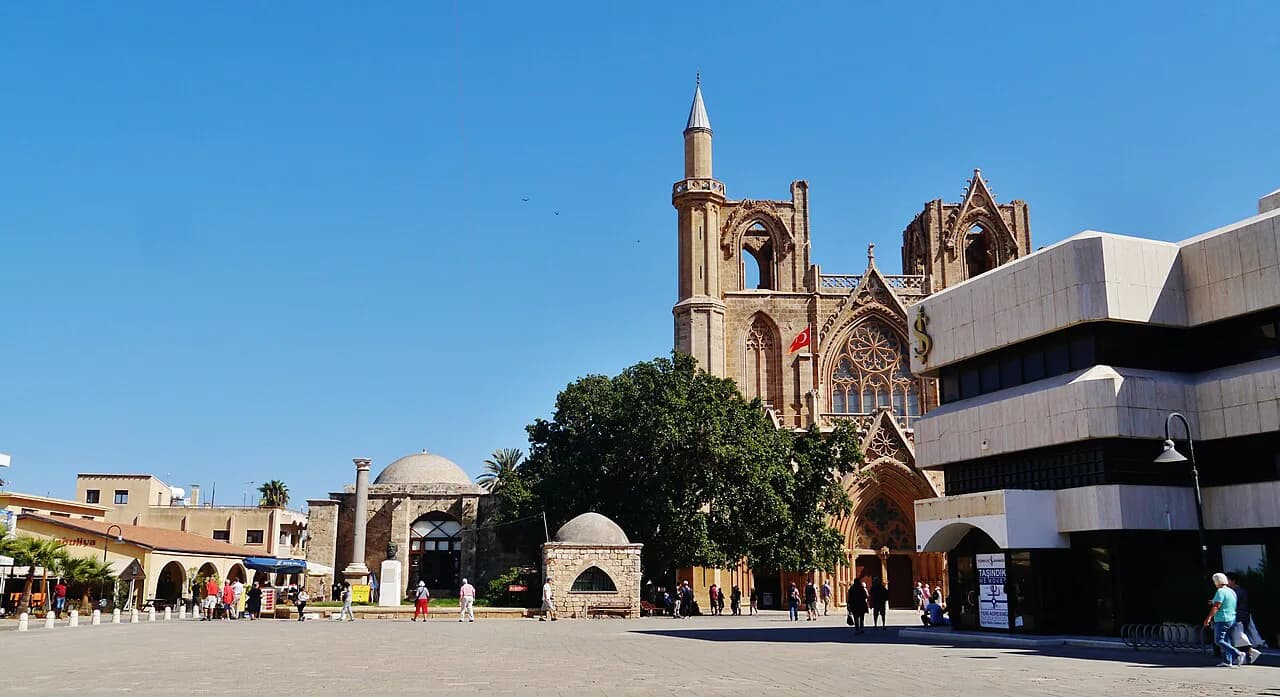
Back in town, the walled centre adds a different layer of history: the Lala Mustafa Pasha Mosque, the former St Nicholas Cathedral, and Othello Castle in Famagusta are within easy reach of each other. Famagusta old town rewards a slow walk after a hot morning among the ruins.
Getting there and what to expect on site
Enkomi is reached from the Famagusta area, with the site near Tuzla to the north of the city, and a hire car gives you the flexibility to link it with Salamis and St Barnabas in one run. North Cyprus uses the Turkish lira, with euros and sterling widely accepted in many places, so carry a mix rather than relying on a single currency. Check your hire-car insurance covers crossings before you plan any drive between the two sides.
Opening hours, ticket prices and closed days for Enkomi are not published in the Visit North Cyprus entry, so confirm them with the site or the local tourist office before setting out. Build the visit around what is open rather than the other way round.
A map helps here because the street grid is the main thing to read on site. The Famagusta map is a useful starting point for plotting the town and the surrounding sites.
Where Enkomi sits in a Famagusta itinerary
Famagusta rewards a split approach: one block for the walled old town and its cathedral-turned-mosque and castle, another for the ancient sites outside the walls. Enkomi belongs in the second block, squeezed between Salamis and St Barnabas. The Famagusta guide lays out the pieces so you can decide how many you want in a day.
Varosha, the fenced former resort south of the centre, is a separate draw and takes its own time. If you are working through Famagusta's layers, the Varosha guide explains the crossing and access rules. Keep it as a distinct visit rather than bolting it onto a ruins morning.
Is Enkomi worth the detour?
If you are already heading to Salamis or St Barnabas, yes: Enkomi adds an hour or so of Bronze Age context and the story of a copper city that moved its people to Salamis. As a standalone destination from Kyrenia or Nicosia, it is a long way for low walls and little shade. Pair it, keep it short, and see the objects in London in your mind rather than on site.
Explore more Famagusta guides
Frequently Asked Questions
Is Enkomi worth visiting?
Yes if you are already in the Famagusta area for Salamis or St Barnabas, because the site explains the Bronze Age copper trade and the city's move to Salamis. It is not worth a dedicated journey from elsewhere on the island.
Are the Enkomi finds in Cyprus or in London?
Most are in London. Around 1,800 objects or fragments from Enkomi are held at the British Museum, largely from the 1896 Turner Bequest excavations, so the site itself shows streets and walls rather than the famous bronzes.
When was Enkomi abandoned?
It continued to be inhabited until around 1000 BCE, by which point it had been hit by an earthquake in 1075 BCE and by the silting up of its inland harbour on the Pedieos. Its last inhabitants moved to Salamis as that city grew.
What are the opening hours and ticket prices for Enkomi?
They are not published in the Visit North Cyprus entry, so confirm with the site or the local tourist office before you go.
Sources
Notes for your Cyprus trip
Optional updates to our Cyprus guides.
You might also like
Continue reading
More guides you'll find useful