Salamis, Cyprus: The Ancient City Near Famagusta
Salamis is the Greco-Roman city on the coast near Famagusta, with a partly rebuilt theatre, gymnasium, baths and a long paved road.
On this page
Salamis is the largest and most rewarding ancient city site in Cyprus: a Greco-Roman complex spread across open ground on the coast just north of Famagusta, in north Cyprus, where a partly rebuilt theatre, a gymnasium, several bath houses and a long stretch of paved road survive. It suits travellers who are happy to walk between ruins for a few hours rather than tick off a single monument. This guide covers what stands on site, how to reach it from Famagusta and Kyrenia, how much time to give it, and what to combine with it.
Salamis at a glance: what it is and where it sits
Salamis lies on the coastal strip north of Famagusta, close enough to the walled city that the two fit into one day. Historically it was the island's leading commercial centre, and the ruins visible today are mainly from the Roman period, when trade and public building flourished.
The city was hit repeatedly by earthquakes and later by Arab raids, and its population eventually shifted to the settlement that became Famagusta. That abandonment is why the site reads as a city rather than a single temple: streets, baths and civic buildings are laid out across a wide area.
Because it sits in north Cyprus, plan your money accordingly: the north uses the Turkish lira, and your route to the site may cross the Green Line, so carry your passport and check what your hire-car insurance covers for the north before you set out.
What you see on site: theatre, gymnasium, baths and the paved road
The headline structure is the partly rebuilt theatre, where the seating and stage area give the clearest sense of the city's scale. The excavated bath houses follow, along with a long stretch of paved road lined with ancillary buildings, the gymnasium, and a second group of baths that retains fragmentary mosaics and a visible hypocaust, the underfloor heating system.
Reviewers describe the archaeological discoveries here as interesting, pointing to a large amphitheatre, a college and thermal baths among the visible remains, with the sheer scale of the complex the thing that surprises people.
Treat the site plan as a menu rather than a checklist. The theatre, main baths and paved road sit close together and are easy to cover even in warm weather, while the outer corners of the plan demand more walking and are better saved for a cooler day or a longer visit.
Getting there from Famagusta and Kyrenia
From Famagusta the drive is short and straightforward, which makes Salamis the obvious first stop before the walled city. From Kyrenia the journey is longer, so give yourself a full day if you are based on that coast and combine Salamis with the sights around it rather than doubling back.
Most travellers arrive by car and move on afterwards to the Royal Tombs and St Barnabas. The complex is large and explored on foot, with far more to see than the main clusters at the centre, so plan for walking between the different parts of the plan. Confirm the current route and any crossing arrangements for your hire car before you travel.
How long to allow and how the heat shapes the visit
Budget at least half a day for Salamis itself, and a full day if you add the Royal Tombs and St Barnabas Monastery. This is a walking site with little shade between the main clusters, so the visit is shaped more by temperature than by distance.
In summer, start as early as you can and cover the theatre and baths first while it is cooler; the exposed paved road and outlying buildings are the parts to postpone or skip if the heat builds. In spring the site is at its most photogenic, with the ruins set among wild flowers and grasses.
Wear shoes with grip for uneven stone and carry more water than you think you need, since there is a lot of ground between the highlights and the edges of the plan.
Opening hours and tickets at Salamis
Opening hours and ticket prices at Salamis can change with the season, so confirm them with the site or the north Cyprus tourist authority before you drive out rather than relying on an old figure.
Nearby: Royal Tombs, St Barnabas Monastery and Enkomi
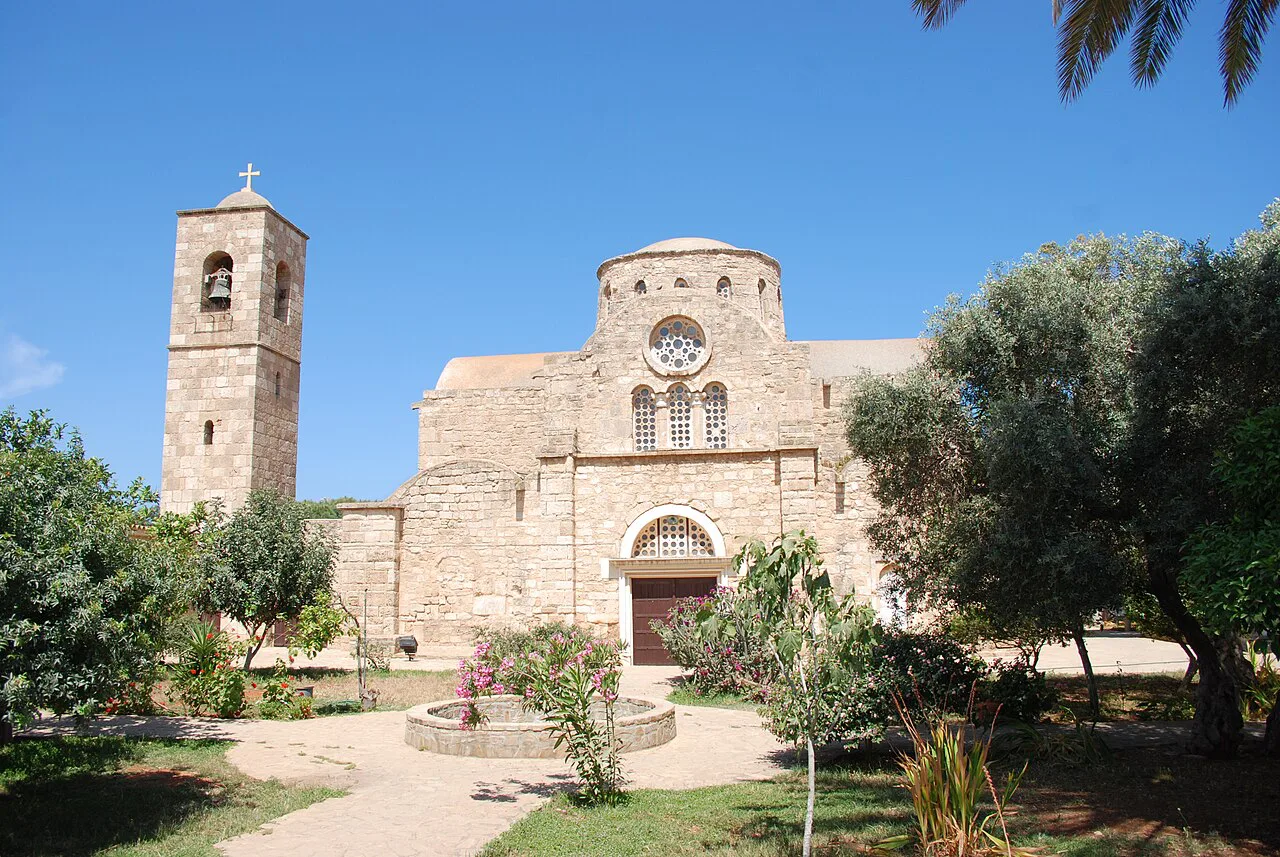
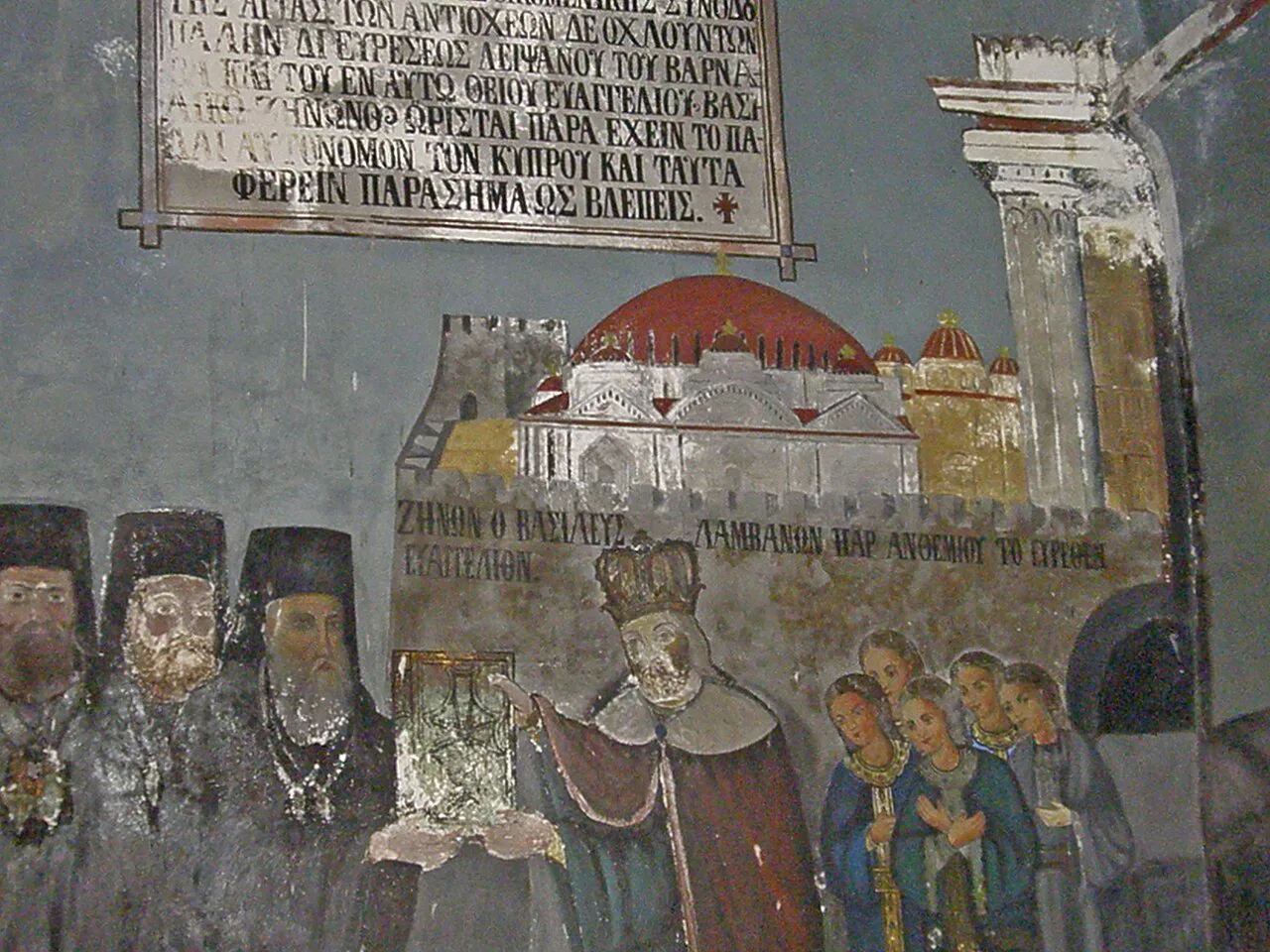
The Royal Tombs, the burial ground linked to Salamis, sit nearby and are usually visited on the same outing, adding perhaps an hour. St Barnabas Monastery, dedicated to Cyprus's patron saint, is a short drive away and gives context to the city's early Christian history.
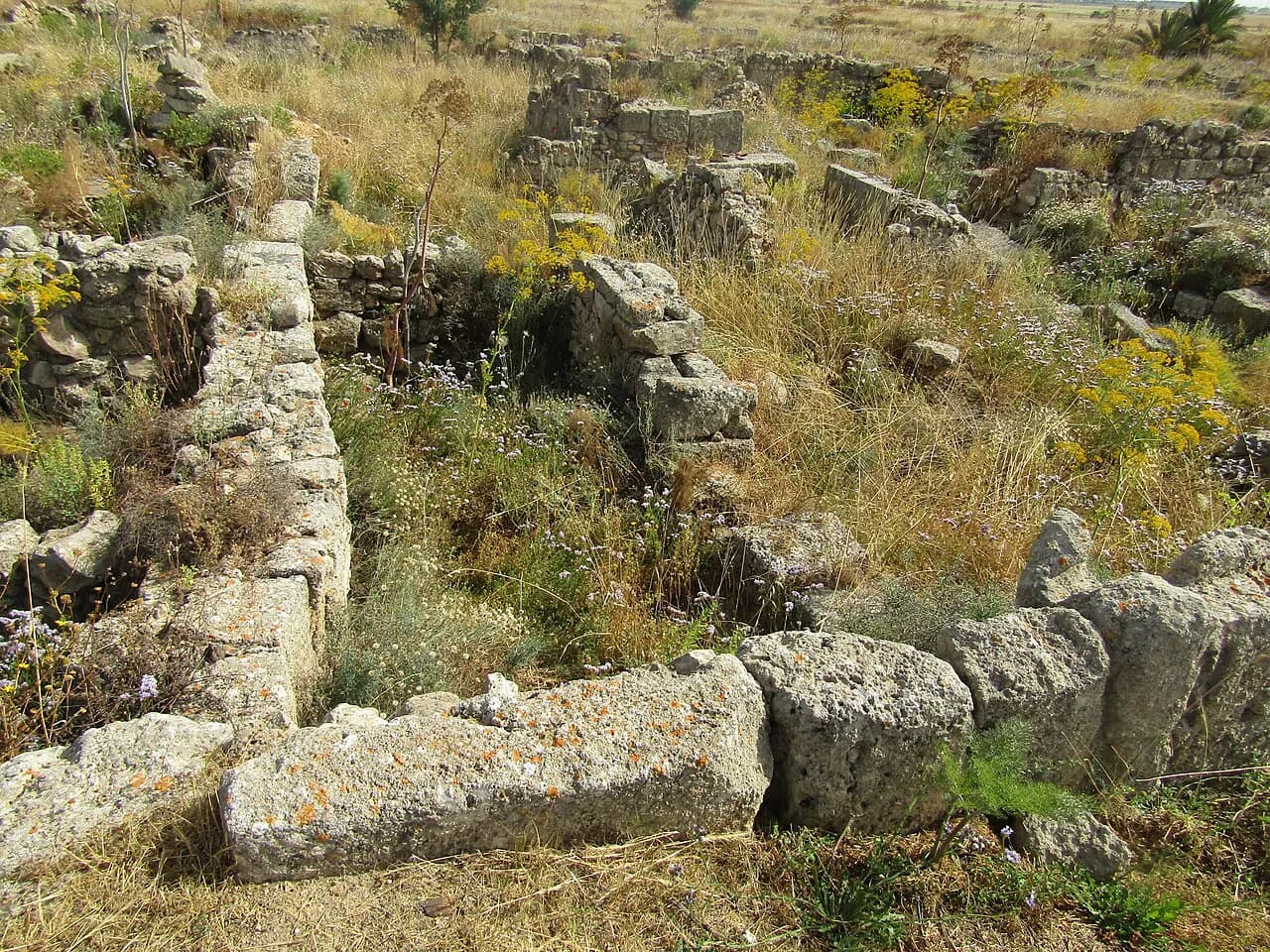
Enkomi, the Bronze Age city whose foundations predate Salamis, lies in the same area and rewards travellers interested in the deeper sequence of settlement on this coast. Read more in our guide to Enkomi Archaeological Site before you go.
Pairing Salamis with old Famagusta
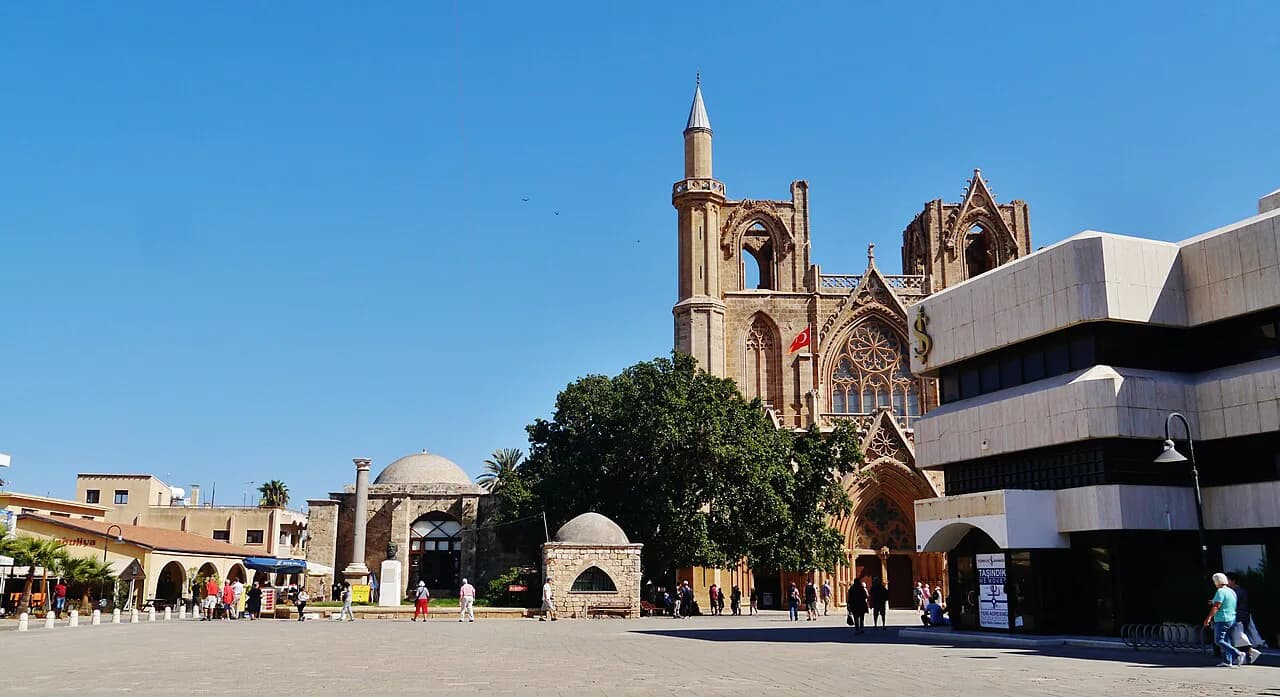
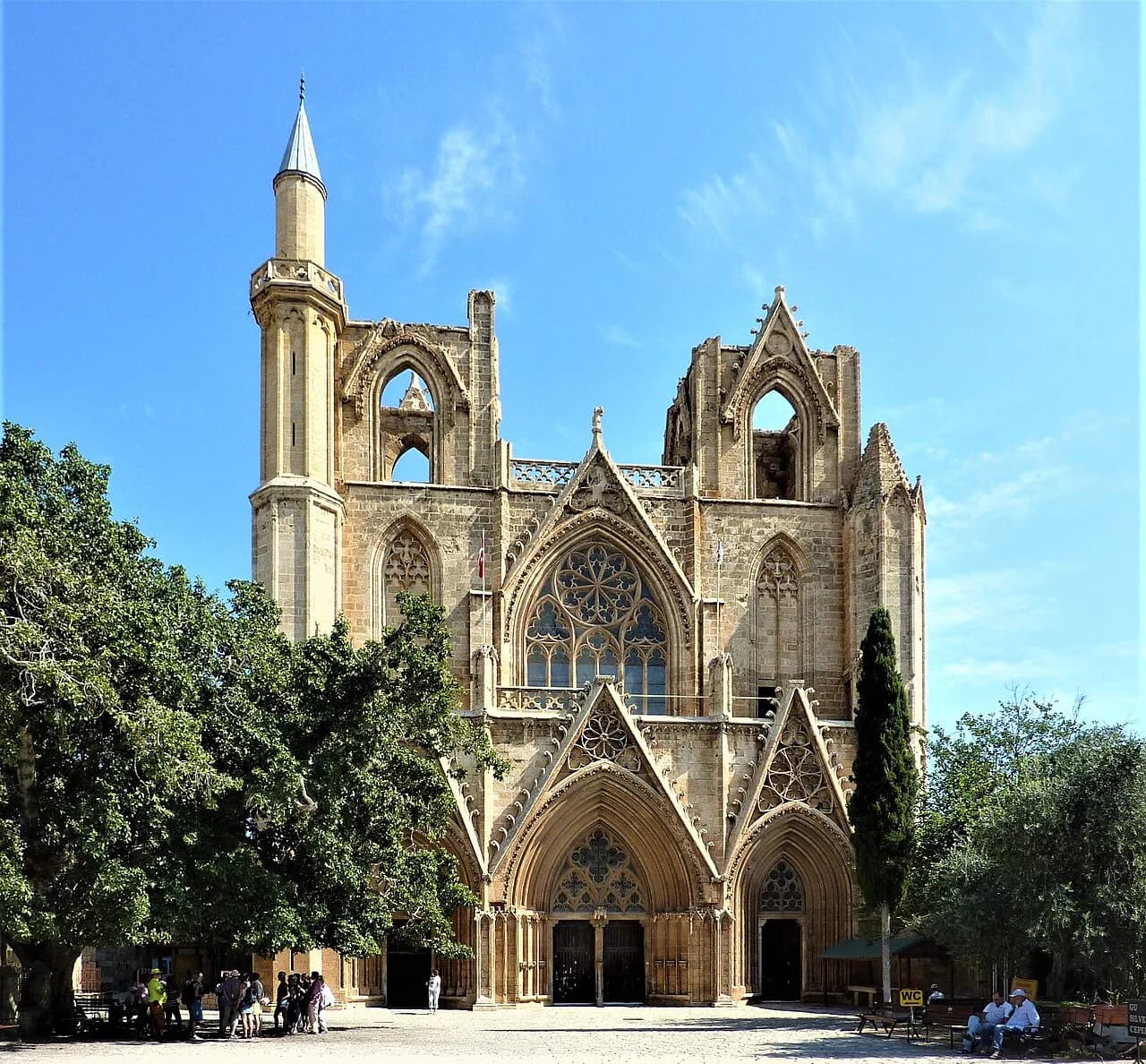
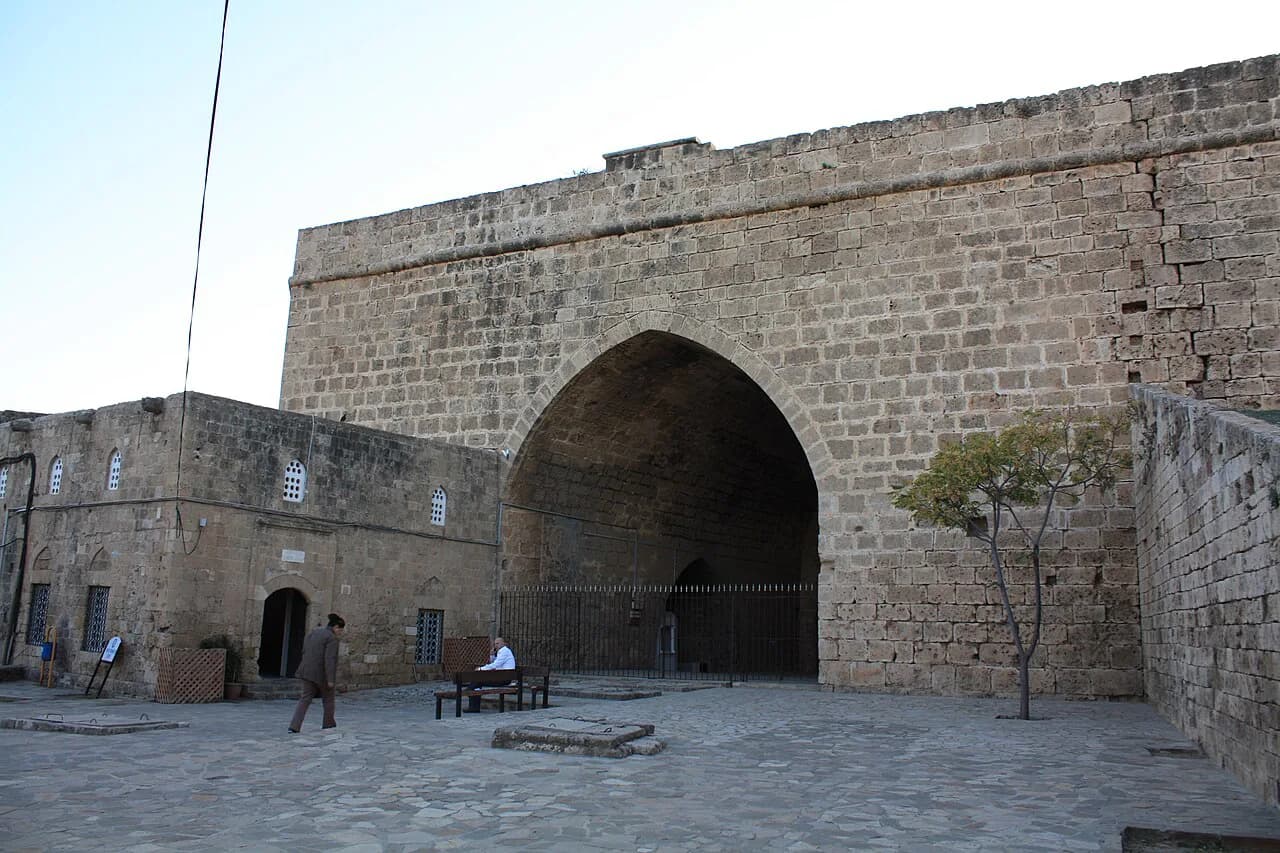
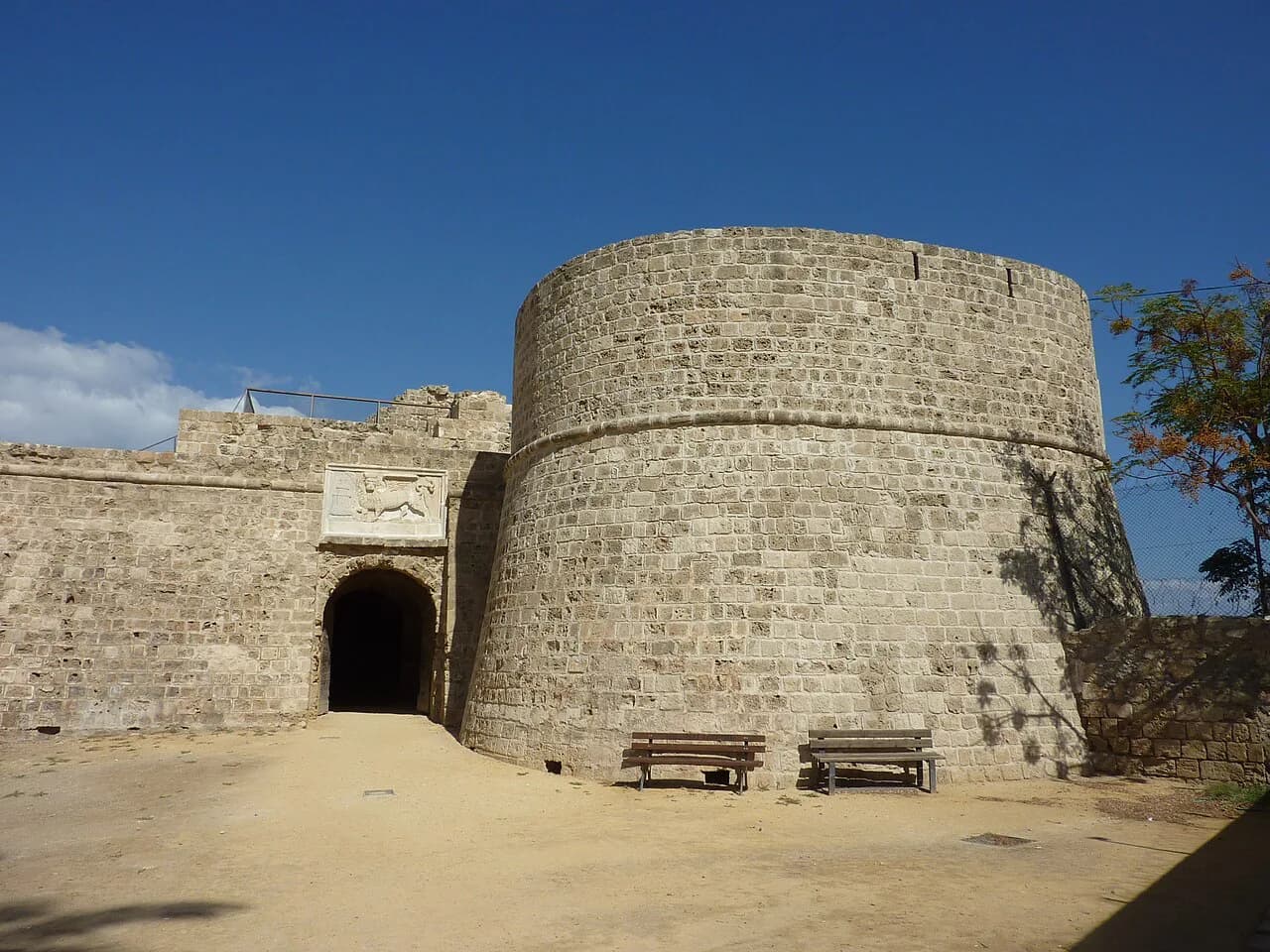
The natural way to finish the day is in the walled city of Famagusta, where the Lala Mustafa Pasha Mosque, the Venetian walls and Othello Castle sit within easy walking distance of each other. Our Famagusta (Gazimağusa) Guide sets out how the old town is laid out and what to see first.
If you want to see the abandoned resort district while you are in town, read the Varosha guide for the current access rules before you go.
Is Salamis worth half a day?
Yes, if you enjoy walking through a whole ancient city rather than viewing one monument behind a rope. Salamis rewards time and early starts, and it slots neatly alongside the Royal Tombs, St Barnabas and the walled city of Famagusta, so it earns its place as the anchor of a day in this corner of north Cyprus.
Sources
Notes for your Cyprus trip
Optional updates to our Cyprus guides.
You might also like
Continue reading
More guides you'll find useful