Dipkarpaz (Rizokarpaso): Karpas Peninsula Village Guide
Dipkarpaz, also called Rizokarpaso, is the Karpas Peninsula's main village. See its church and mosque, the cave tombs and monastery nearby, and how to reach it.
On this page
Dipkarpaz, also called Rizokarpaso, is the main population centre of the Karpas Peninsula and the base for the peninsula's tip. It sits in Famagusta district in northern Cyprus, a working village with shops and restaurants rather than a resort, and it earns its stop because of what lies beyond it on the road to Cape Apostolos Andreas.
This guide covers the village centre, the church and mosque that face each other there, the nearby Byzantine and ancient sites, and the driving decisions that shape a Karpas road trip. Distances on the peninsula are modest but the roads are not all equal, so the route you choose matters more than the kilometres.
What and where Dipkarpaz is
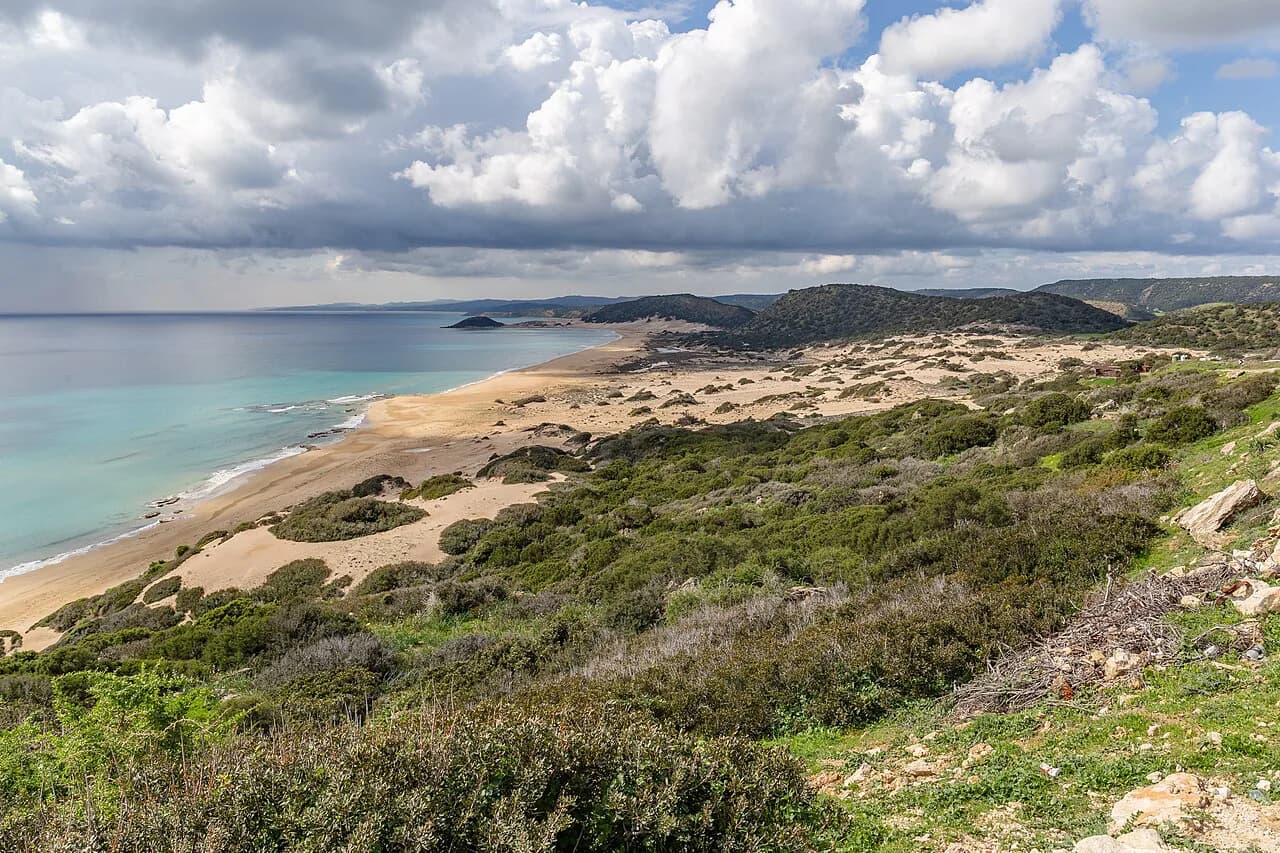
The peninsula runs roughly 80 km northeast from the rest of the island, mountainous inland with a long coastline of small harbours, cliffs and beaches, and Dipkarpaz is its largest village. The surrounding countryside is rural and thinly populated, with agriculture and fishing still shaping daily life alongside a developing eco-tourism trade.
The village sits at the entrance to the tip of the peninsula, which makes it the last place with a real choice of services before the land narrows toward the monastery and the cape. Treat it as a gateway rather than a destination in its own right: the reason to sleep or stop here is the run of sights and wild coast beyond.
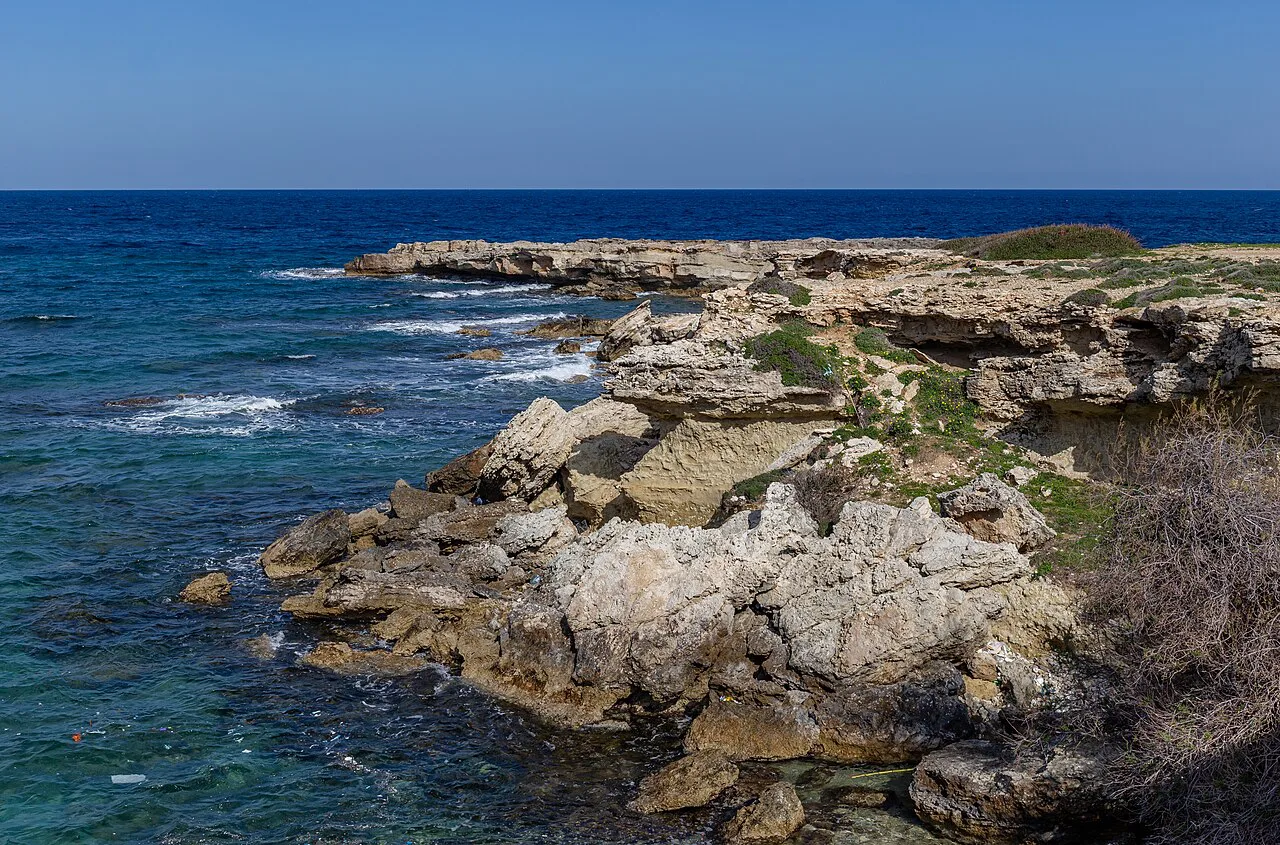
The village centre: church and mosque side by side
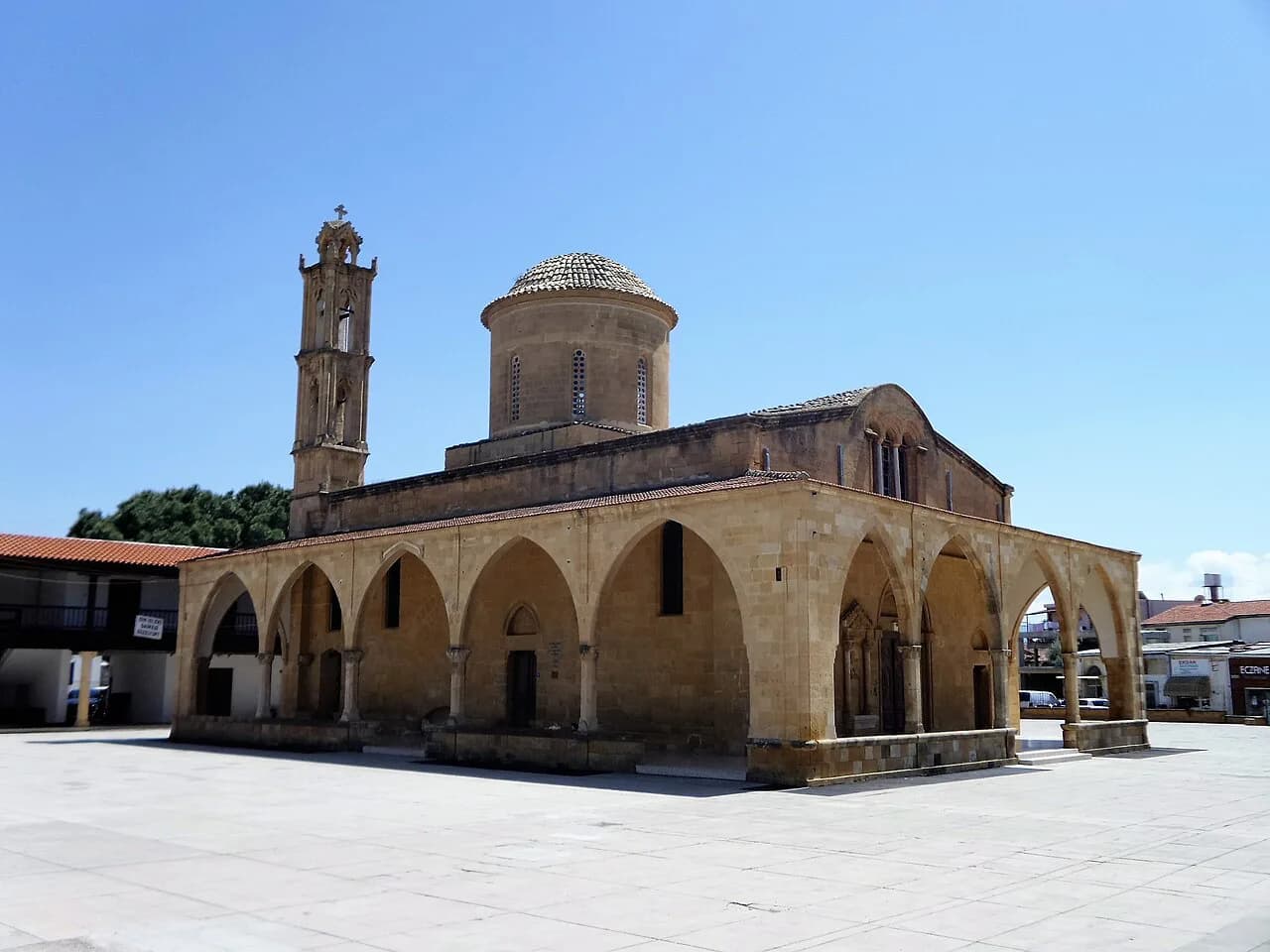
The centre's defining sight is a handsome Orthodox church and a mosque standing near each other, a pairing that says more about the village than any single building. Dipkarpaz is home to a notable Greek Cypriot community, and the two places of worship sit together in a way that visitors notice immediately.
Services are modest and village-scale: restaurants and small shops cover the basics, and there are some accommodation options in and around the village. Do not expect a resort strip; this is a place to fill the car, eat a proper meal and set out early.
Allow an hour to walk the centre and look at the church and mosque from outside, which is enough to get the measure of the place. The village's real weight is as a hinge between the settled south of the peninsula and the empty country beyond.
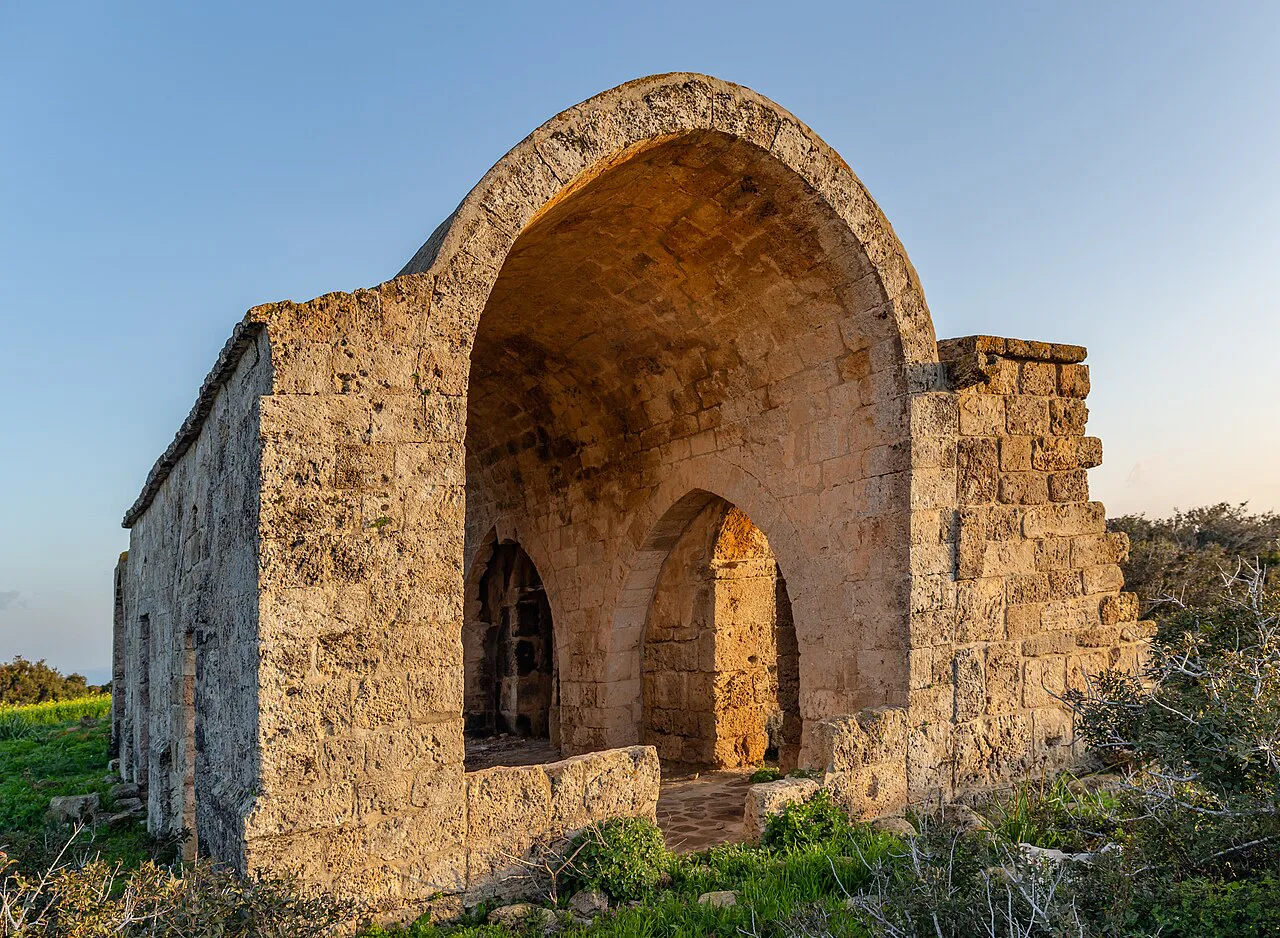
The gateway to the tip: the road south along the shore
From Dipkarpaz the main road to the tip of the peninsula runs along the southern shore, and it is the route most drivers take. It is the sensible default: it is the main road rather than a back track, and it links the village with the monastery and the sights along the way.
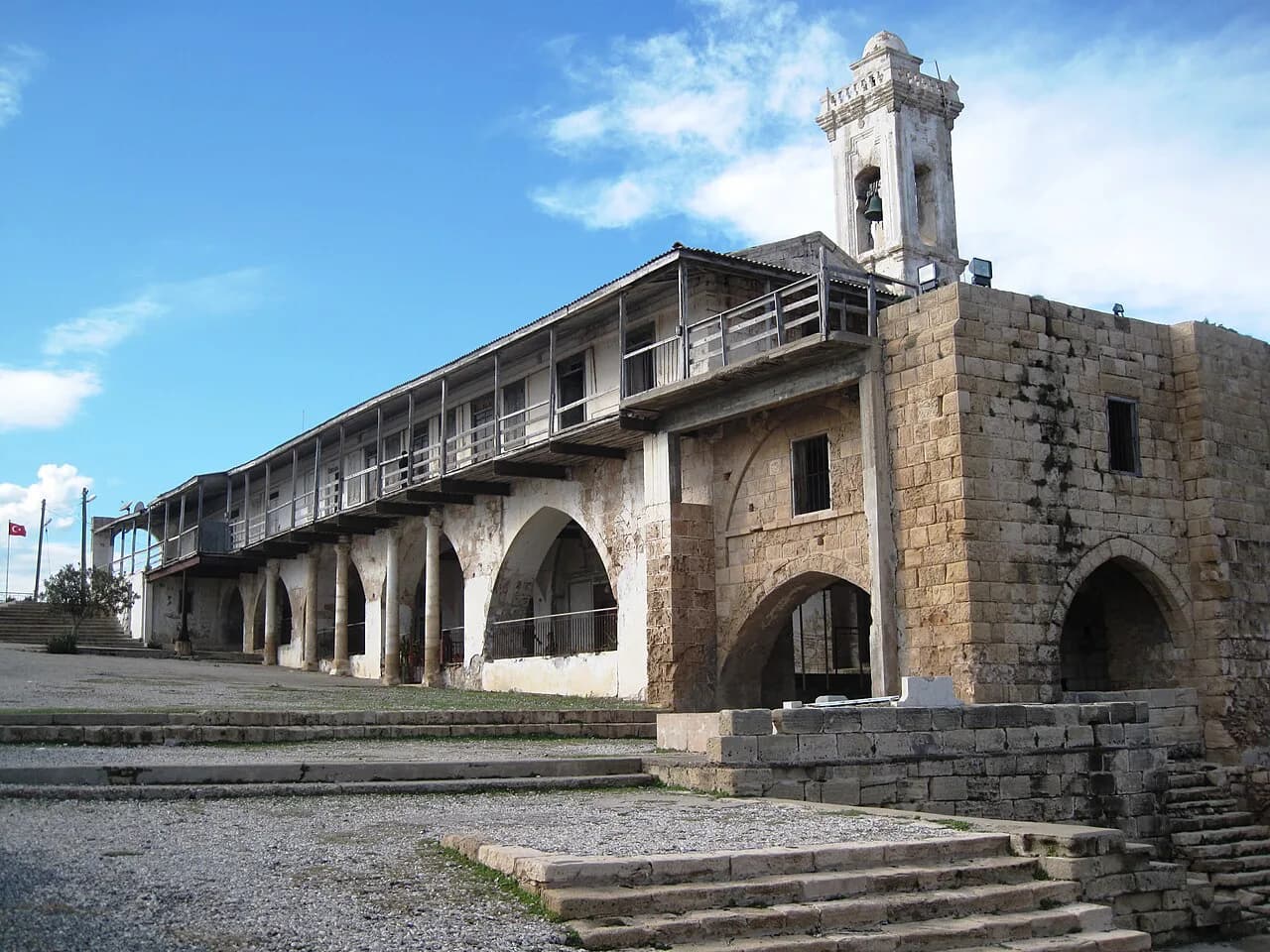
Apostolos Andreas monastery, near the tip and close to Cape Apostolos Andreas, is probably the most visited sight in the Karpas. It has long been an important resting place for Orthodox pilgrims, known for its healing holy waters, and people come from far afield to pray and make offerings.
Build the day around that monastery as the far point, then work back through the village for the return leg. Fuel and food are best sorted in Dipkarpaz before you head north, because the tip is empty country with nothing to fall back on.
Sights within reach of the village
Panaghia Kanakaria church lies just next to the village of Boltaşlı, and the site's oldest remains are those of a late 5th-century church and monastery, rebuilt several times, with the present church completed in the 14th century. Its famous early Christian mosaics are not in the church: they are held in the Byzantine Museum in Nicosia, so come for the setting and the surviving fresco of Jesus and Mary above the south door rather than for the mosaics themselves.
Near Avtepe, the Elisis Kastros cave tombs are cut into a cliff, reached by a staircase climbing about 20 metres to the opening. Inside, a central space around 26 metres long has tomb chambers on either side and a deep well at its end; the complex dates to the Classical-Hellenistic period and was apparently never finished or used for burials.
Walking access takes a couple of kilometres from the main road unless you are willing to try the dirt tracks with a 4x4 to get nearer the entrance. Budget two hours for the detour if you are on foot, and decide before you leave Dipkarpaz whether the cave tombs justify the extra time.
Wild donkeys and Karpaz National Park
Wild donkeys roam free in the remote national park that covers the peninsula's tip, in unknown numbers, and they are the peninsula's most memorable wildlife encounter. The park also shelters nesting turtles and endangered monk seals along the coast, so keep your distance and give animals the right of way on the road.
The park sits around the tip rather than at a single gate, so you drive through it on the way to the monastery and the cape. Go slowly, particularly where the road narrows, and accept that a donkey on the tarmac will set the pace.
Getting there and getting around
Dipkarpaz is reached by road through Famagusta district, and drivers coming from the west pass through Iskele (Trikomo) before turning northeast for the peninsula. The main southern shore road is the route to plan around, linking the village with the monastery at the tip.
A dirt road runs from Dipkarpaz to the 10th-century Ayios Philon church and the ruins of Ancient Aphendrika on the northern shore, country that rewards a vehicle with proper clearance. If you want those two sites, a 4x4 is the difference between a comfortable visit and a slow, cautious one, and you should ask your hire company explicitly what its insurance covers on unsurfaced tracks.
The island drives on the left, and northern Cyprus uses the Turkish lira. Carry some cash for small village businesses, and sort out your hire-car paperwork and crossing arrangements before you set out for the north.
How long Dipkarpaz needs
Give the village itself a morning or an afternoon, then add a full day for the run to the monastery and the cape with stops. Most travellers treat Dipkarpaz as one or two nights on a Karpas loop rather than a standalone break, which suits the pace of the place.
Kantara castle, perched on the Kyrenia range further west, makes a natural bookend to a northern Cyprus circuit if you are approaching the Karpas from that direction. The peninsula rewards an early start: out of the summer months you can have most of the sights largely to yourself.
Is Dipkarpaz worth a night, or just a fuel stop?
Sleep in Dipkarpaz if you want the monastery and the cape without a long approach drive, and treat the village as the base it is. If time is tight, a fuel-and-food stop on the way north still works, but you will see the peninsula in a hurry.
Either way, plan the southern shore road as your spine, decide in advance whether the northern dirt track and the cave tombs are worth the extra hours, and carry cash in Turkish lira for the small places along the way. Check current crossing and hire-car rules with your operator before you travel.
Explore more North Cyprus guides
Frequently Asked Questions
What language is spoken in North Cyprus?
Turkish is the everyday language of northern Cyprus, and place names appear in both Turkish and Greek forms, which is why the village is signposted as Dipkarpaz and known as Rizokarpaso. English is widely understood in places that deal with visitors.
Why isn't Northern Cyprus recognised?
The northern part of the island is recognised as a state only by Turkey, while the Republic of Cyprus and the rest of the world treat it as an area of Cyprus occupied by Turkey. That status helps explain the quieter visitor numbers, and for travellers it means checking your route and insurance before you go.
Do I need a 4x4 for the Karpas Peninsula?
No for the main route to the tip: from Dipkarpaz the main road to the monastery follows the southern shore and ordinary cars use it. A 4x4 helps on the dirt road to Ayios Philon church and Ancient Aphendrika on the northern shore, and on the dirt tracks near the Elisis Kastros cave tombs.
How far is Dipkarpaz from the monastery at the tip?
The monastery and Cape Apostolos Andreas lie at the far end of the roughly 80 km peninsula, beyond the village, and the drive from Dipkarpaz follows the southern shore road. Allow most of a day for the round trip with stops for the donkeys, the coast and the monastery itself, and start early.
Sources
Notes for your Cyprus trip
Optional updates to our Cyprus guides.
You might also like
Continue reading
More guides you'll find useful