Kantara Castle, North Cyprus: Visiting the Eastern Kyrenia Castle
Plan a visit to Kantara Castle in North Cyprus: the drive up, the walk through the ruins, the views over both coasts and how it compares with St Hilarion.
On this page
Kantara Castle is the easternmost of the three defensive castles built along the Kyrenia range in North Cyprus, with Buffavento and St Hilarion strung out to its west. It sits at about 630 metres above sea level on a rocky outcrop with a full circle of view, which is why it rewards the drive east rather than a quick stop on the Kyrenia coast.
This guide covers what the castle is, how the visit physically works from the car park to the gate, the layout of the ruins in walking order, the views in each direction and the choice between Kantara and its two sister castles. It is written for travellers already heading towards Famagusta or the Karpas peninsula, since Kantara makes little sense as a detour from anywhere else.
Where Kantara sits in the Kyrenia range
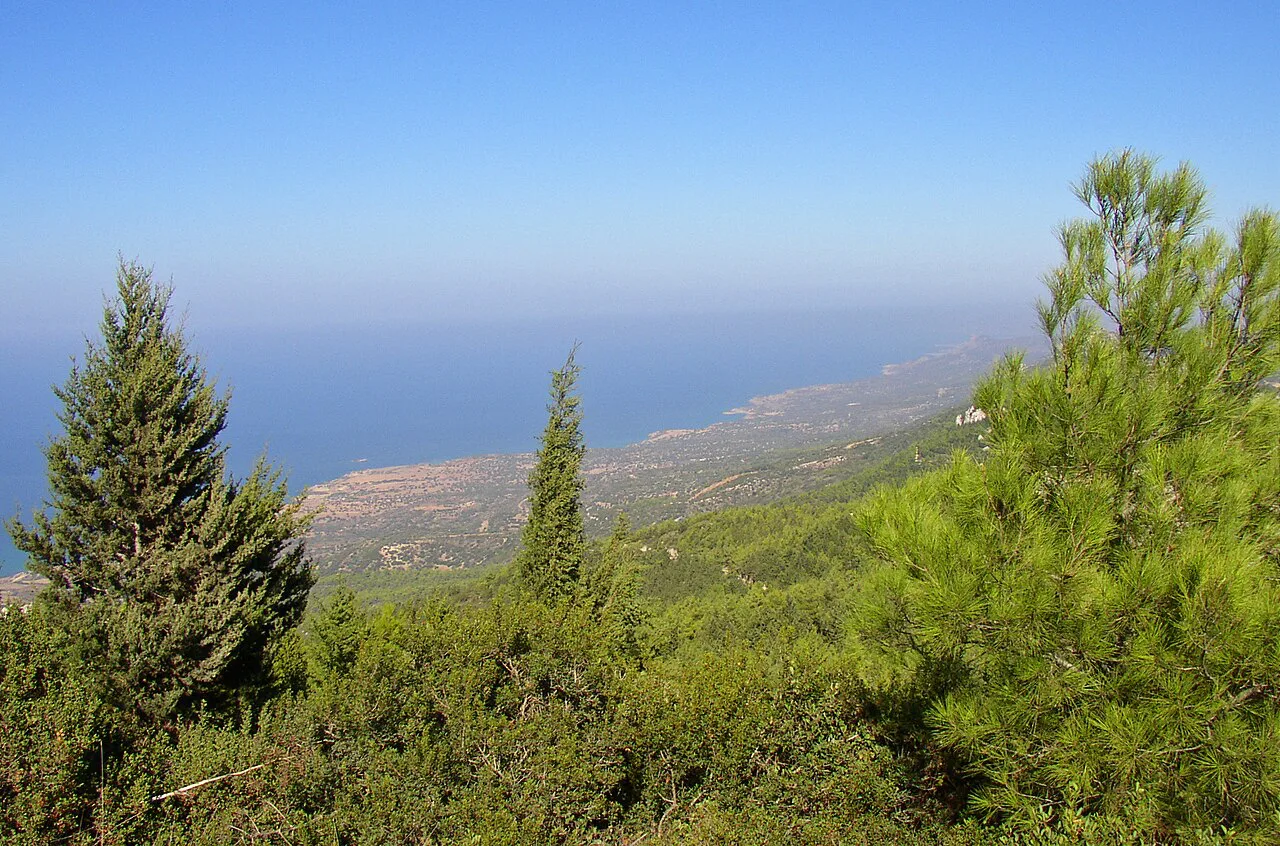
The Kyrenia range runs along the northern spine of the island, and Kantara guards its eastern end above the neck of the Karpas peninsula. From the summit the land falls away towards Famagusta to the south and the sea to the north, which is why the site was chosen as a lookout rather than a residence.
Unlike St Hilarion and Buffavento, which sit closer to Kyrenia and its harbour, Kantara pairs naturally with a run out to the Karpas rather than a day based in Kyrenia. If your trip is centred on the north coast around Kyrenia Castle and the harbour, the western two castles are the shorter excursion.
Why it was built: a Byzantine watchpost above the Karpas and Famagusta
Kantara is believed to have been built in the 9th or 10th century to protect the northern part of the island from Arab raids, and it was the last of the three Kyrenia range castles to be erected. It first appears in historical sources in 1191, when Isaac Comnenos took refuge there during Richard the Lionheart's campaign on the island.
The castle was severely damaged by royalist forces in 1228 during the struggle between the Emperor Frederick II and John d'Ibelin, then rebuilt and later remodelled in the Lusignan and Venetian periods. The Lusignans used it as a summer palace, and much of what survives today dates from the refortification after the Genoese peace treaty of 1373.
It was abandoned in 1525 and had fallen into ruin by the 1560s. Local storytelling gives the castle 101 rooms, of which all but one have been counted, with the last said to lead to Paradise; treat it as folklore to enjoy while you pick through the store rooms and barracks.
The drive up and the walk from the parking area to the gate
You can drive most of the way up the mountain, but a significant stretch of walking remains before you reach the ruins. Come with the car fuelled and cool drinks already in the boot, because the approach road climbs steadily and the last section is on foot.
Allow more time than the map suggests: the castle ruins cover a deceptively large area once you are through the gate, so the walk is not over when the climb is. The 5.6-mile, two-and-a-half to three-hour figure sometimes quoted for Kantara refers to a hiking trail in the area, not to a visit to the castle itself.
Driving in North Cyprus is on the left, and the north uses the Turkish lira. Fuel up before the climb, and keep the drive for daylight rather than planning it around dusk.
Inside the ruins: cistern, gatehouse, lower wards and battlements
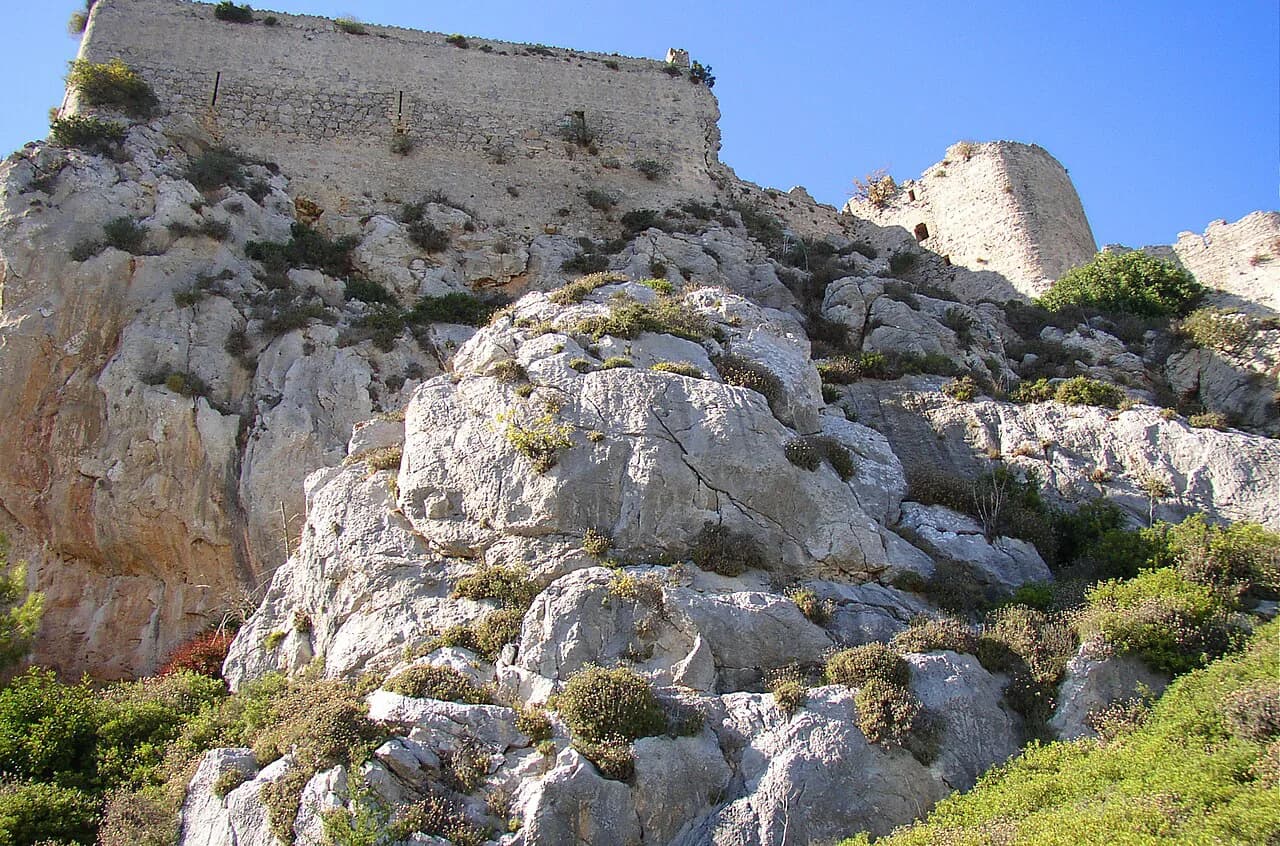
The winding path arrives first at the area originally used as the cistern, where you can still make out the remains of a gatehouse that once supported a portcullis. From there the stronghold sits a level above, centred within the surviving walls.
The lower wards are the most intact part of the site, and the line of the outer walls shows how far the castle once spread. Guard rooms remain identifiable, and arrowslits punctuate the battlements that gave the position its defensive value.
Rooms shift between store rooms, guard rooms and barracks across the castle's long history, so many spaces need some educated guesswork to read. Walk the circuit slowly and use the walls and ledges to orient yourself rather than expecting labels at every turn.
The views: north to Turkey, east over the Karpas, west along the coast
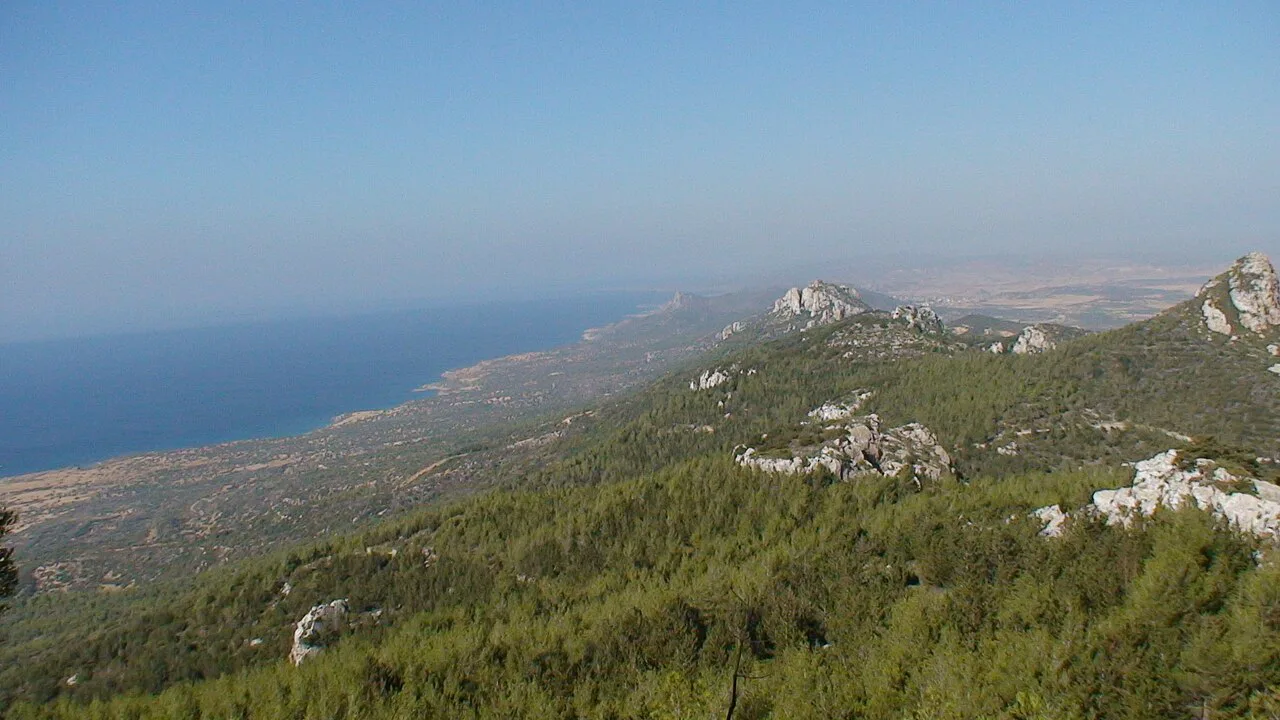
The northern view runs across the sea towards Turkey, while on a clear day the east looks over the panhandle of the Karpas with the landscape stretching south to Famagusta. To the west the eye follows the island's northern coastline until it falls into line with Buffavento and St Hilarion.
This is the reason to make the climb: the castle reads as a single vantage point over the whole eastern end of the north. If you plan to continue onto the peninsula, the view gives you a useful sense of the distance still ahead towards the Apostolos Andreas monastery at the tip.
Sturdy footwear, water and unrailed ledges
Wear sturdy footwear and carry plenty of water, because the rocky ground and the climb combine to make this a proper walk rather than a stroll around a monument. The ruins sit on a mountainside with numerous unmarked ledges, crevices and walkways that end suddenly.
There are no railings or safety notices along much of the site, so it is possible to walk right to the very edge of the ledges. Children need supervising at all times, and anyone unsteady on rough ground should keep back from the outer edges rather than testing them for a photograph.
Kantara compared with Buffavento and St Hilarion
If you are doing only one Kyrenia range castle, pick by location rather than by reputation. St Hilarion shows the most perfect ramparts and turrets, Buffavento stands higher, and Kantara offers the strangest, most atmospheric ruin on its pillar of rock, with the east and the Karpas on its doorstep.
Travellers based around Kyrenia Harbour should take St Hilarion or Buffavento and save the long eastern drive. Those heading for Famagusta, Boğaz or the Karpas should make Kantara the castle stop, since it sits on the way rather than at the end of a separate excursion.
Getting there from Kyrenia, Famagusta and the Karpas
Kantara works best as a stop on the road east rather than a standalone day out. From the Kyrenia side it is a long haul along the north coast; from Famagusta and the villages at the neck of the peninsula it is a short detour, which makes it a natural first stop before Iskele and the Karpas.
A sensible shape for the day is Kyrenia or Famagusta as a base, Kantara in the morning while the light is clear, then the coastal run out through Dipkarpaz towards the monastery. Coming from the west, factor in the distance and treat the castle as the far point of the drive rather than an add-on.
Opening hours and tickets
The only published figures for Kantara in wide circulation are old ones: a 2013 account lists roughly 4 Turkish lira for adults and the same for concessions, with winter hours of 09.00 to 14.45 from September to April and summer hours of 10.00 to 17.00 from May to August. Treat those as history rather than current information.
Ticket prices and seasonal opening times at North Cyprus antiquities sites change, so confirm the day's hours and the entry fee at the gate or through the authority responsible before making the drive. Bring Turkish lira in cash in case card payment is not available at the entrance.
Is Kantara worth the eastern detour?
Yes, if your route already bends east towards Famagusta or the Karpas; no, if you are based on the Kyrenia coast and only have time for one castle. The climb, the unrailed edges and the drive make Kantara a commitment, and its reward is a commanding view over the eastern end of the north, with both coasts in sight.
Build the day around the castle rather than squeezing it in: sturdy shoes, water, an early start and enough daylight left for the run out to the peninsula. Pair it with the Karpas Peninsula Guide for the rest of the drive and a stop at the monastery at the tip.
Explore more North Cyprus guides
Frequently Asked Questions
How long does a visit to Kantara Castle take?
Allow for the drive up, the walk from where you park to the gate and a slow circuit of the ruins, which cover a deceptively large area. Most of the time goes on the climb and on reading the lower wards and battlements, so build in a buffer rather than treating it as a quick photo stop.
Can you drive right up to Kantara Castle?
You can drive most of the way up the mountain, but a significant amount of walking remains before you reach the ruins. The final approach is on foot over rough ground, so sturdy footwear matters more than the car journey.
Is Kantara Castle suitable for young children?
The site has numerous unmarked ledges, crevices and walkways that end suddenly, with no railings or safety notices along much of it. Children need supervising at all times, and it is sensible to keep everyone back from the outer edges.
Sources
Notes for your Cyprus trip
Optional updates to our Cyprus guides.
You might also like
Continue reading
More guides you'll find useful