North Cyprus: Kyrenia, Famagusta, Castles and the Karpas
Plan a North Cyprus trip with this practical guide to Kyrenia, Famagusta, Bellapais, St Hilarion and the Karpas, plus currency, flights and ferries.
On this page
North Cyprus suits a four to seven night trip built around two bases: Kyrenia/Girne on the north coast for the harbour, castle and Bellapais Abbey, and Famagusta/Gazimağusa in the east for the walled city and Salamis. Neither town is large, but the distances between them are real, and the Karpas Peninsula is a long day out from either. This guide splits the north into those bases, then covers flights, ferries, money, climate and driving so you can decide where to put your nights.
The Turkish lira is the currency here, though sterling, euros and dollars are also widely used according to the Cyprus Turkish Building Contractors Association. Arrivals come through Ercan International Airport, reached on flights via Türkiye, or by ferry to Kyrenia and Famagusta from Mersin, Taşucu and Alanya. Use the North Cyprus map before booking anything, because the drive from Kyrenia to the Karpas tip is what determines whether you need three nights or six.
What North Cyprus covers and how the north is laid out
The north occupies roughly a third of the island, some 3,355 square kilometres, and holds about half of Cyprus's coastline. Its towns are small and distinct: Kyrenia/Girne is the harbour and castle town on the north coast, Nicosia/Lefkoşa is the divided capital inland, and Famagusta/Gazimağusa is the walled port in the east. Güzelyurt (Morphou) anchors the west, while İskele and the Karpas Peninsula stretch far out to the northeast.
For planning purposes, treat it as three zones. The Kyrenia range, with Bellapais and St Hilarion above the coast, is the most concentrated cluster of sights. The east around Famagusta and Salamis is a separate day or two. The Karpas is a long, thin peninsula with one road out and back, and it deserves its own day rather than being bolted onto a Famagusta morning.
Getting there: Ercan International Airport and the ferries
The main air gateway is Ercan International Airport serving Nicosia, reached on direct flights from a spread of Turkish cities including Istanbul Sabiha Gökçen, Ankara, İzmir, Antalya and Trabzon. Pegasus runs regular services into Ercan from those airports, so most UK and Irish travellers connect through Türkiye rather than flying non-stop.
By sea, ferries run to Kyrenia and Famagusta from Mersin, Taşucu and Alanya, and Pegasus also notes the Taşucu Seka Harbour sailing from Mersin Province. Sailing times and seasonal frequency change, so check the operator's own timetable before you build a trip around a ferry. If you are combining the south and north in one holiday, read the guide to crossing to north Cyprus before you book car hire, because insurance terms differ across the line.
Currency and everyday costs
The Turkish lira is the official currency. Sterling, euros and US dollars are also widely used, which makes the north easier for a UK traveller than the exchange desk suggests. Carry some lira in cash for small purchases and village stops, and keep card payments in lira where the terminal offers you a choice.
Costs move with the exchange rate, so pinning a budget to a figure from an old trip is unwise. Budget in lira, check live rates before you travel, and treat any euro price you see quoted in a hotel or tour office as indicative. For fuel and car hire, compare quotes for the same dates rather than relying on a headline daily rate.
Kyrenia (Girne): harbour, castle and marina
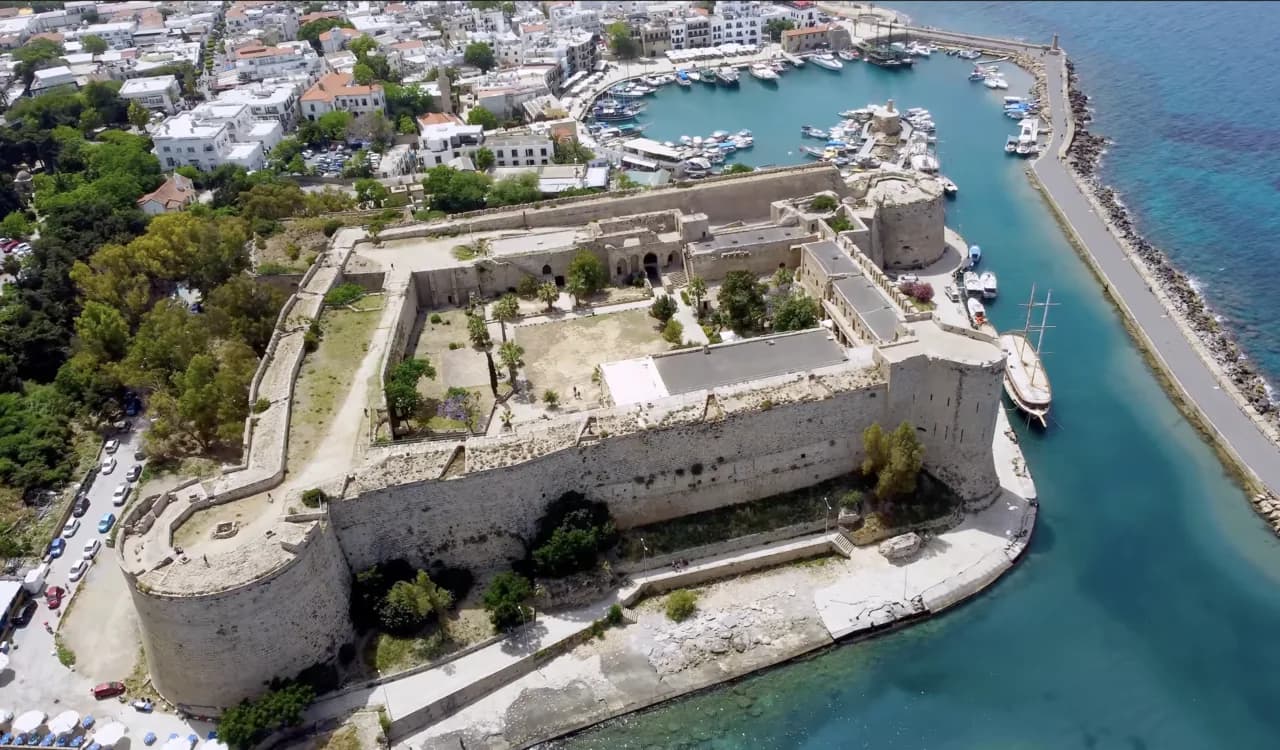
Kyrenia/Girne is the natural first base. The old harbour with its curved stone quay, the marina and Kyrenia Castle sit within a short walk of each other, and the castle is the town's single strongest sight. Allow the better part of a day for the harbour area plus the castle, and a second half-day if you want to linger over the marina.
The town is compact enough to explore on foot, but the coast road out towards the Karpas and the mountain villages is where a car earns its keep. Independent travellers who fly into Ercan and pick up a car there can drive straight to Kyrenia and use it as a base for the whole western half of the north. Read up on North Cyprus castles before you commit, since Kyrenia Castle, St Hilarion and the eastern fortresses reward quite different amounts of time.
Bellapais Abbey, St Hilarion Castle and Karmi village
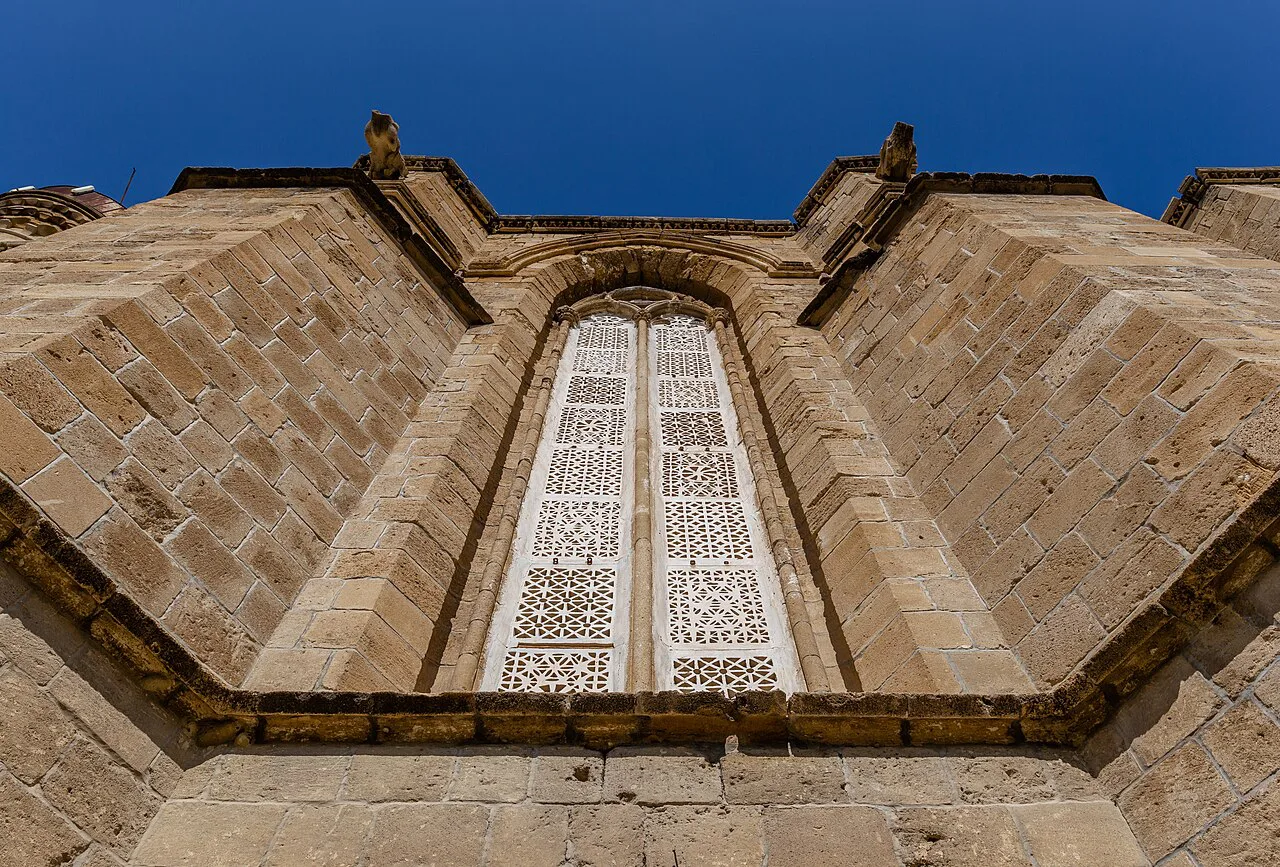
Above Kyrenia, Bellapais Abbey is the ruin most visitors remember, its Gothic cloister set among houses and citrus trees, with long views down to the coast. Pair it with St Hilarion Castle, which climbs a rocky spur in the Kyrenia range and is the most dramatic of the northern castles. Karmi village sits nearby and makes a natural stop between the two.
This is a half-day by car, or a full day if you walk properly around the abbey and take the castle slowly. The climb at St Hilarion is steep in parts, so go early rather than at midday in summer. Opening hours and admission change by season, and the castle and abbey are the sort of places to confirm locally the day before rather than assume.
Nicosia/Lefkoşa: the north side of the capital
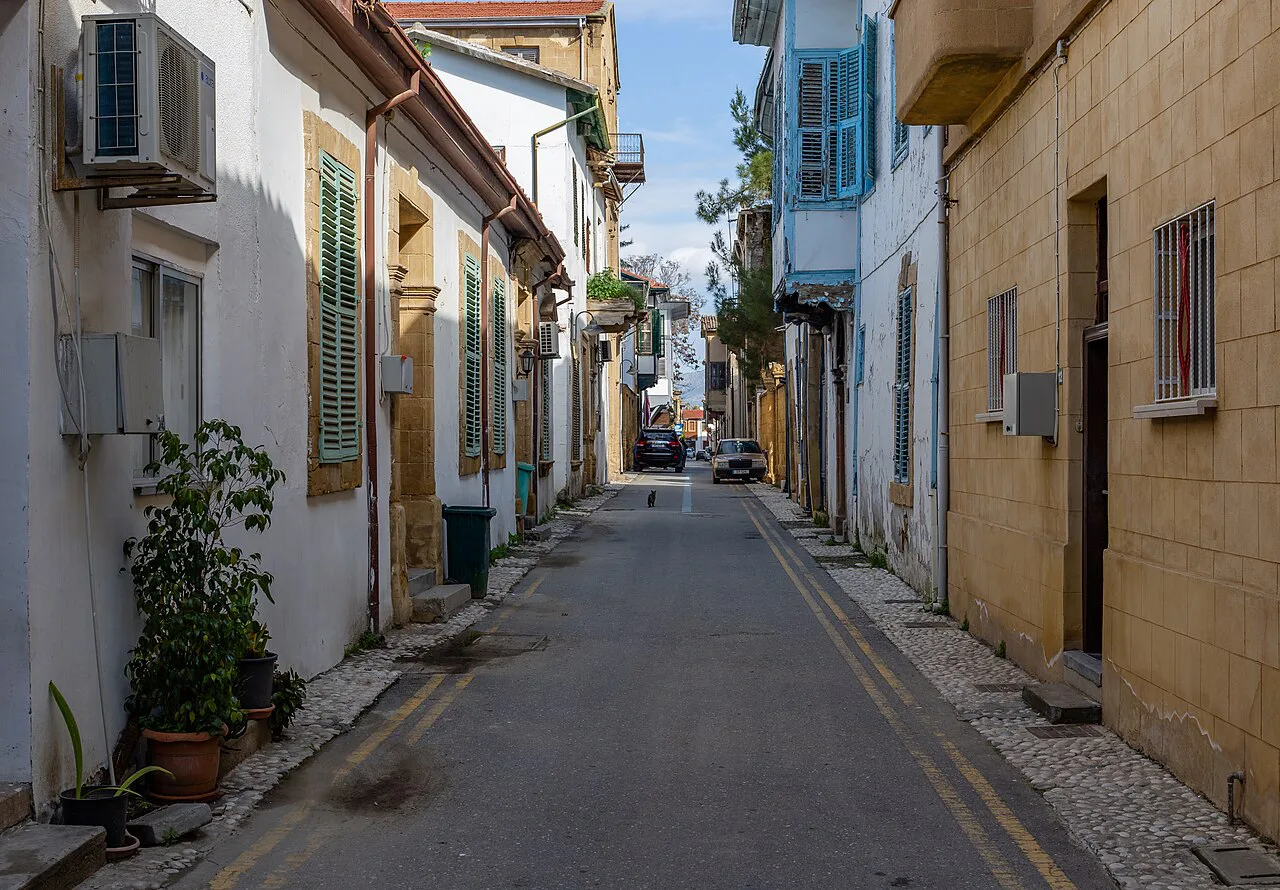
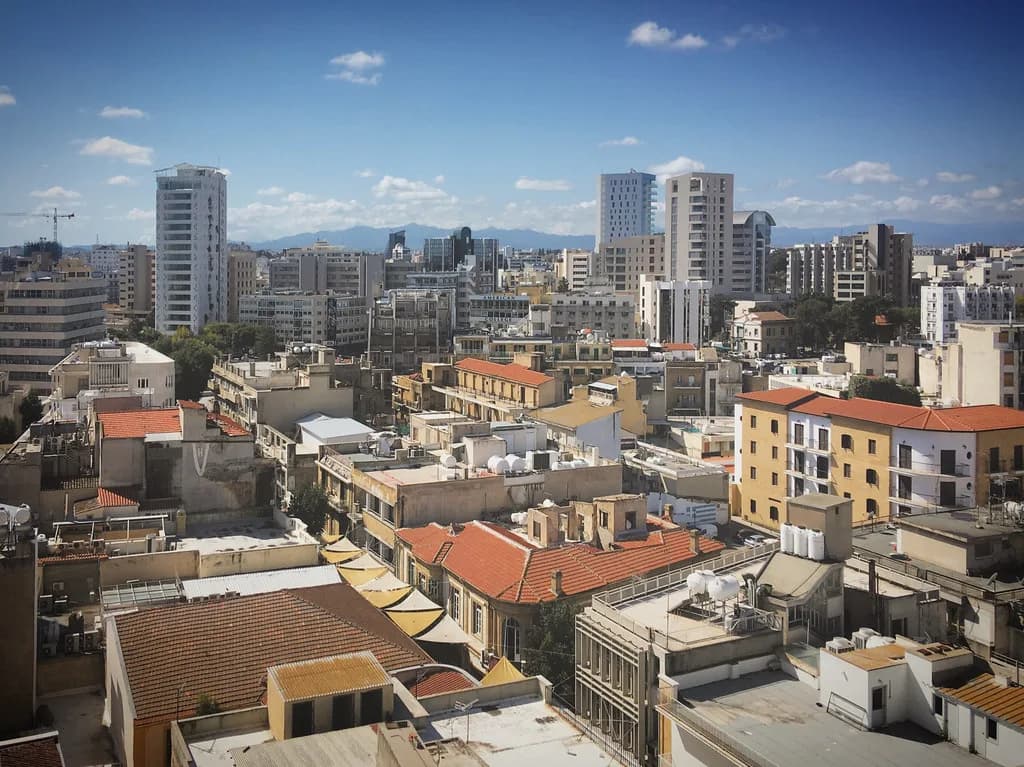
Lefkoşa is the last divided capital in Europe, and the northern half is dense with Ottoman and Lusignan monuments within the Venetian walls. Selimiye Mosque, formerly St Sophia Cathedral, dominates the old centre, with the Great Caravanserai, Lokmacılar Bazaar and the Venetian Column all within a short walk. Kyrenia Gate marks the old road out to the coast.
The Arab Ahmet district adds a quieter quarter of old houses and a mosque, and the Surlariçi streets inside the walls are where the city's atmosphere sits. A day covers the northern old city comfortably on foot. If you want to step across to the southern side, do the paperwork and insurance checks through the official crossing point rather than assuming your hire car is covered; the Ledra Palace crossing is one of the central options.
Famagusta/Gazimağusa: the walled city
Famagusta/Gazimağusa is the north's great walled city, and its centre reads almost like an open-air museum. Lala Mustafa Pasha Mosque, the former St Nicholas Cathedral, is the centrepiece, with Othello Castle, the Venetian walls, St Francis church and the royal palace remains close by. Allow a full day for the old city if you want to see them properly, and use our Famagusta guide to plan the order of the sights.
Famagusta works well as a second base rather than a day trip from Kyrenia, since the drive eats into the morning. Staying a night here also puts Salamis and the Karpas within easier reach. Confirm mosque visiting times and any restoration closures locally, as religious buildings and walled-city monuments change access without much notice.
Salamis ruins outside Famagusta
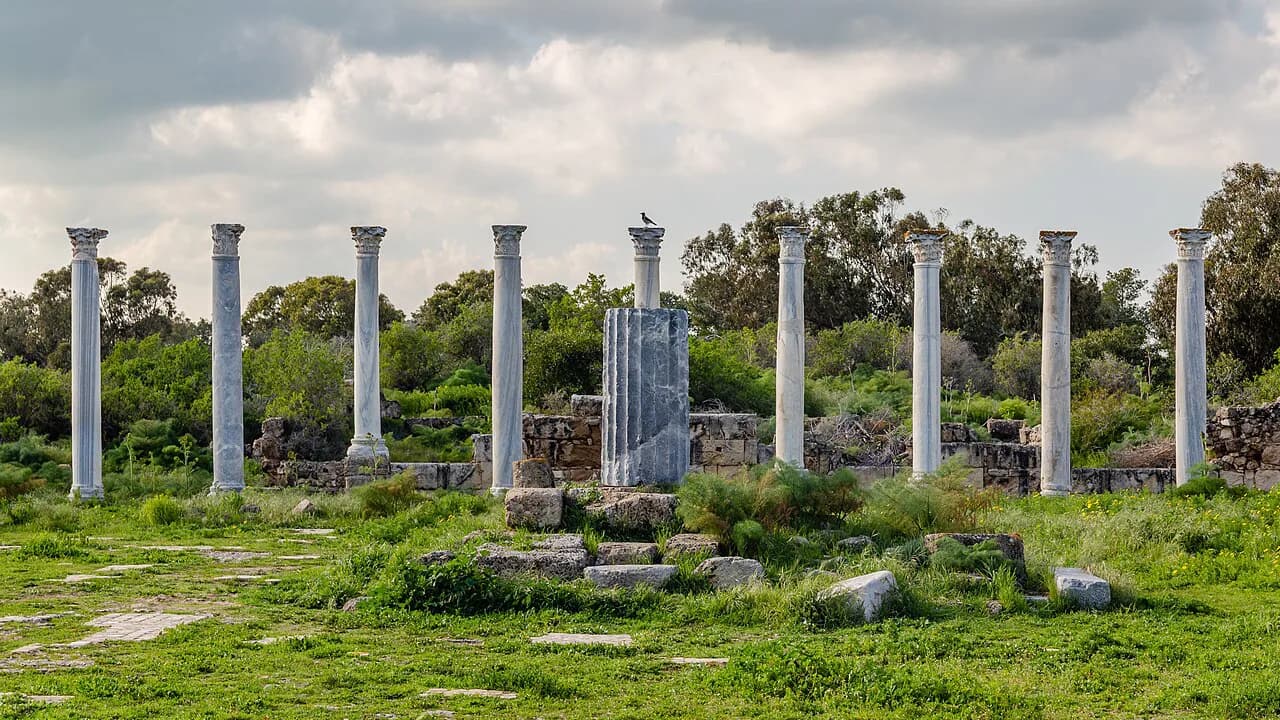
Salamis, a few kilometres north of Famagusta, is the largest archaeological site in the north, with a long colonnaded street, a theatre and bath complexes spread across a wide coastal plain. It adds a half-day to any Famagusta stay and is best done early, before the site's exposed ground heats up.
Bring water and sun protection even in shoulder season, and expect a fair amount of walking on uneven stone. Combine Salamis with the city walls in one day if you start early, or split them across two mornings if you want to see both without rushing. Entry arrangements are set by the site authorities, so check at the gate rather than relying on an old guidebook.
The Karpas Peninsula and the Altınkum coast
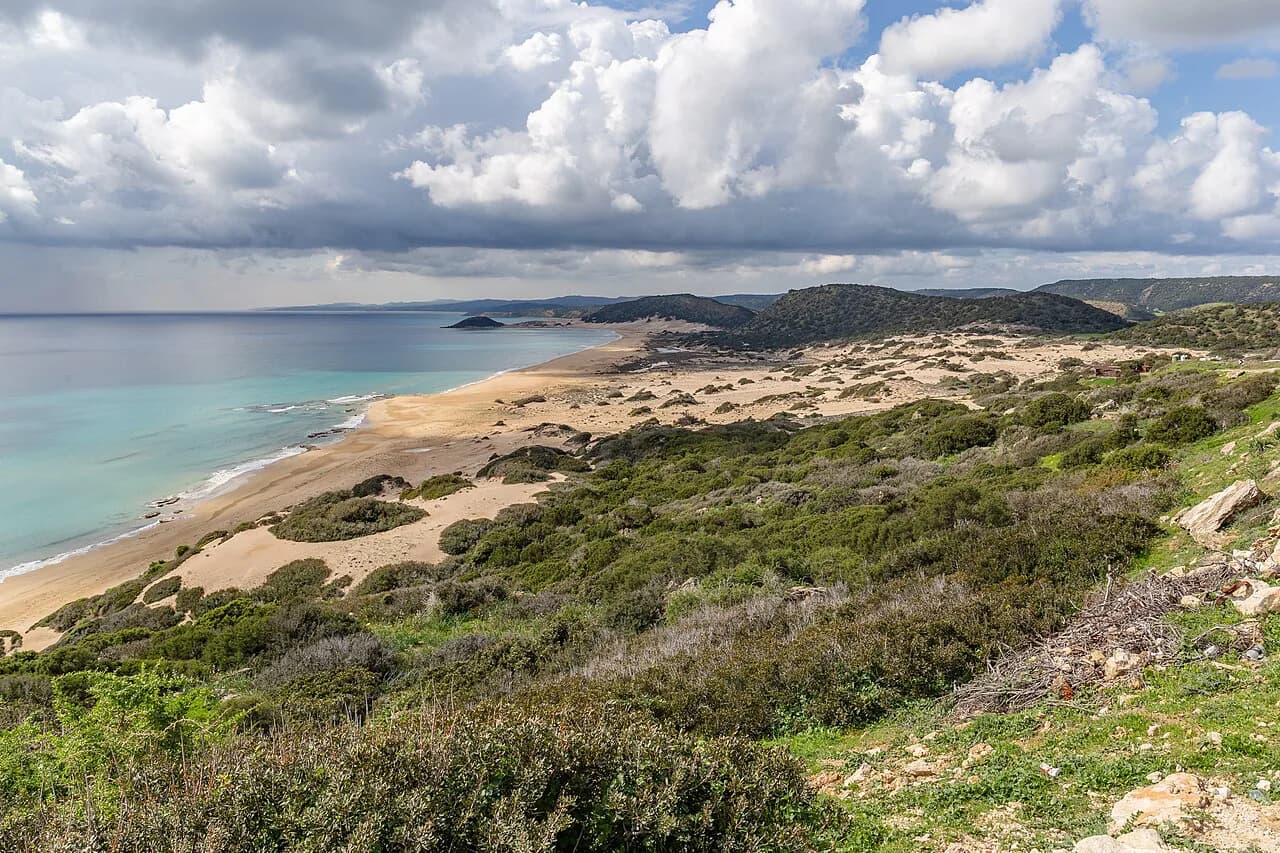
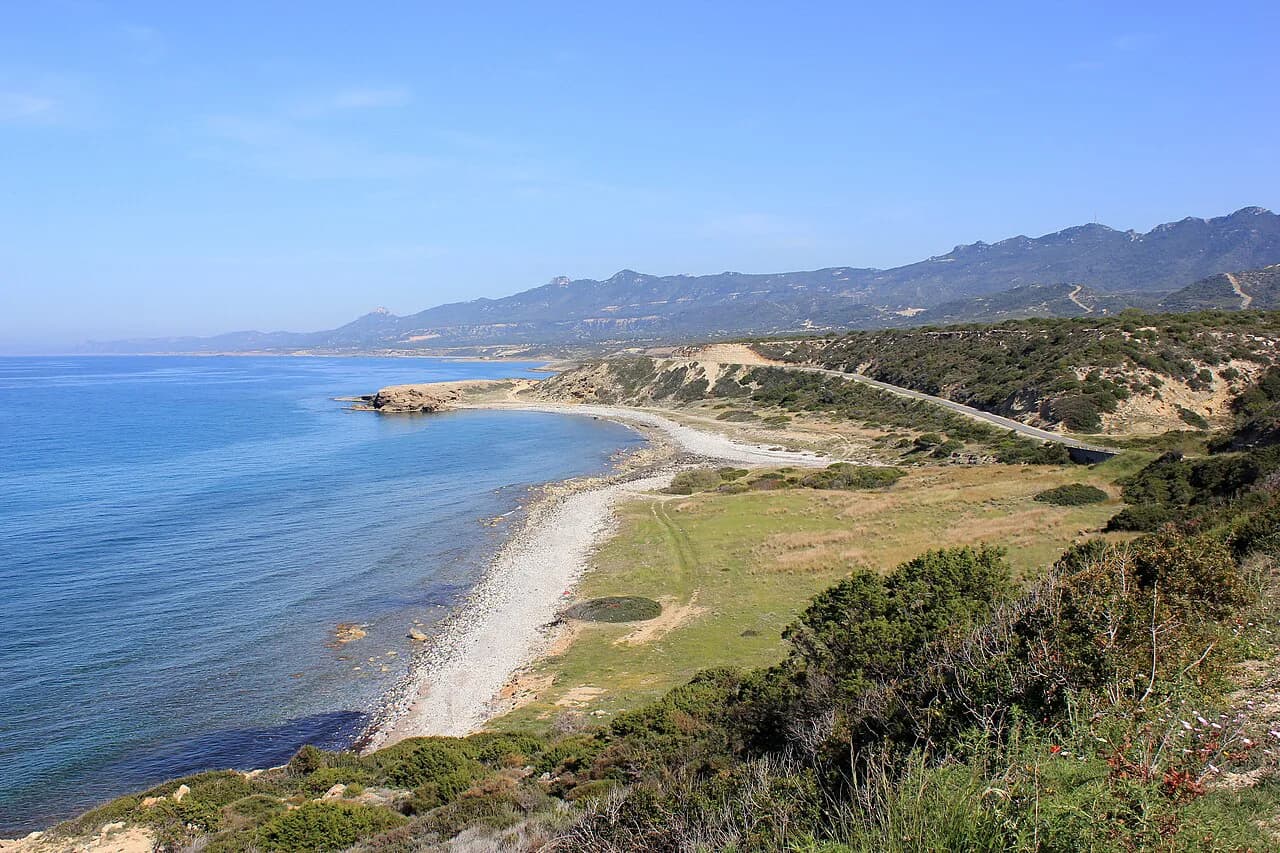
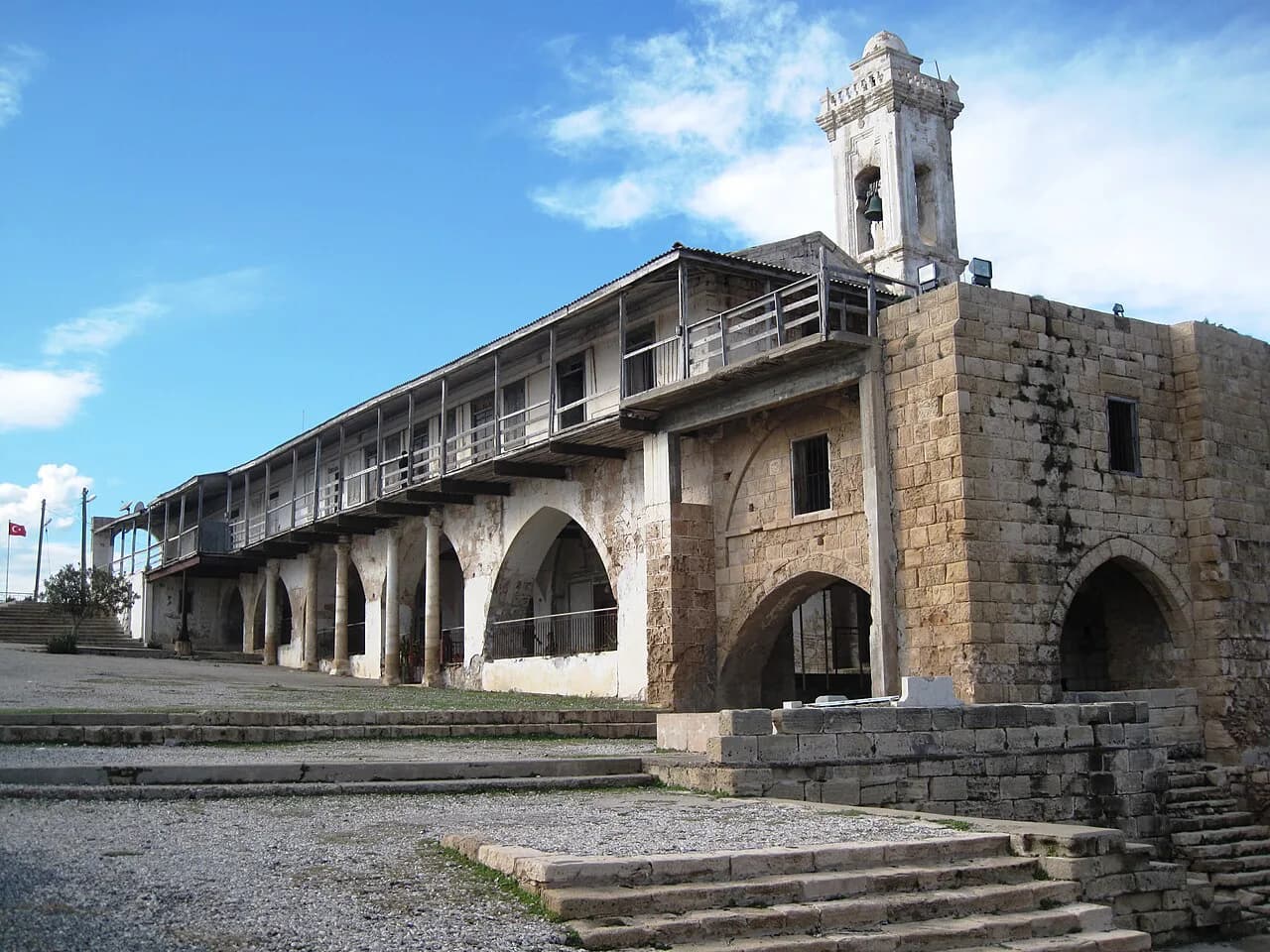
The Karpas Peninsula is the long finger of land reaching northeast, with the Altınkum coast and its long sandy beach among its draws. The drive out is the point as much as the destination: wilder, emptier country with villages, monasteries and views along the way. Give it a full day from Famagusta or İskele, and longer if you plan to stay over.
Fuel up before heading out, carry cash for small stops, and do not count on late-night services at the far end. The roads are slower than the map suggests. Golden Beach at the tip is the usual turning point, and the return drive in the dark is best avoided.
Güzelyurt and the west: Soli, Vouni and St Mamas
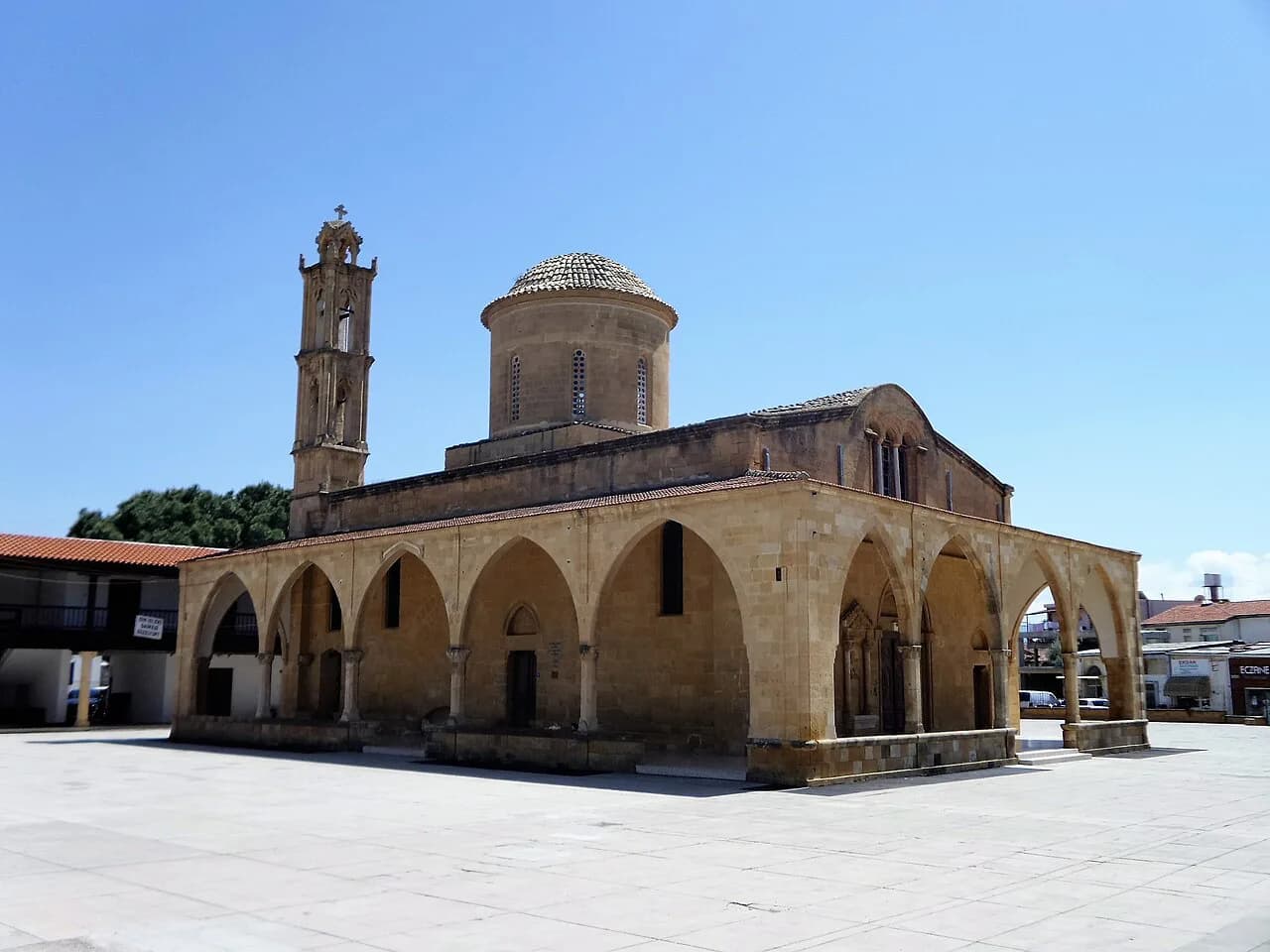
The west around Güzelyurt (Morphou) is citrus country and far quieter than the Kyrenia coast. St Mamas Church is the town's best-known monument, while the ancient city of Soli and Vouni Palace sit in the hills to the north-west. Allow a day to see the three without rushing, or two if you want to add the surrounding villages.
Lefke, inland from Güzelyurt, makes a good add-on for its citrus groves and old houses, and pairs naturally with Soli. This corner of the north is car territory: buses exist but are sparse, and the sites are spread out. Plan the loop so you finish before dusk.
Soli and Vouni sit in the Nicosia District hill country, and both reward a slow visit rather than a quick photo stop.
When to go: climate and seasons
North Cyprus has a typical Mediterranean climate with an average temperature of about 19°C across the year. The travel trade favours May to June and September to October for calm seaside holidays, when the heat is gentler than high summer. July and August are hot and busy along the coast, so plan sightseeing for mornings and keep afternoons for shade.
Spring and autumn also suit the castles and archaeological sites, where there is little shade. For a month-by-month picture, the guide to North Cyprus in October covers what late season looks like in practice.
Getting around: car hire and driving
Cyprus drives on the left, which most UK and Irish visitors find familiar. Picking up a hire car at Ercan is the most flexible way to reach Kyrenia, Famagusta and the Karpas, since public transport between the towns is thin. Book ahead in high season, and check what the policy says about crossing the Green Line before you sign.
Distances are short on paper but slow on mountain roads, so do not over-plan. A Kyrenia to Famagusta transfer, a Famagusta to Salamis run, and a Karpas day are each realistic. Trying to fit Güzelyurt, Kyrenia and the Karpas into three days is not.
How long to spend in North Cyprus
A short break of three or four nights works if you stay in Kyrenia and limit yourself to the harbour, castle, Bellapais and St Hilarion, with perhaps a day in Lefkoşa. Add two more nights in Famagusta for the walled city and Salamis. A week lets you add the Karpas and the west around Güzelyurt without spending every day in the car.
If you are combining north and south, remember that the Republic uses the euro and the north uses the lira, and that hire-car insurance across the line needs checking in advance. Build in a buffer day rather than a tight transfer, and keep your passport accessible for the crossing.
Practical points for UK and Irish travellers
The north runs on GMT+3, uses the +90 392 dialling code and has Type G electrical sockets, the same three-pin plugs used in the UK, so adapters are usually unnecessary. The official language is Turkish. Keep a note of these for arrival day, when small details cause the most friction.
Entry formalities are set by the authorities and change, so check the current rules with the nearest representative office before booking flights. The north is not the same jurisdiction as the Republic of Cyprus, and the Turkish Cypriot community has its own administration. Treat travel advice as a live question to check close to departure.
For anyone weighing a separate eastern trip on the island, Ayia Napa and its attractions sit south of the line and are a different holiday to plan; it is worth comparing with Ayia Napa Attractions if you are deciding how to split your time between the two sides.
Kyrenia or Famagusta for your base?
Choose Kyrenia/Girne if this is your first trip north: the harbour, castle, Bellapais and St Hilarion all sit within half an hour, and Lefkoşa is reachable for a day. Choose Famagusta/Gazimağusa if the walled city and Salamis are your priority, with the Karpas as a long day out from there. Two bases over five or six nights covers both comfortably.
Book flights through Türkiye into Ercan and a car for the whole stay, keep some lira in cash, and leave the Karpas for a clear, unhurried day. Confirm castle and abbey hours locally the day before each visit.
Explore more North Cyprus guides
Sources
Notes for your Cyprus trip
Optional updates to our Cyprus guides.
You might also like
Continue reading
More guides you'll find useful