Güzelyurt (Morphou) Guide: St Mamas, the Town and Citrus Country
Plan a visit to Güzelyurt in North Cyprus: the old town, St Mamas church, Güzelyurt's citrus groves, and how the town fits a drive to Soli and Vouni.
On this page
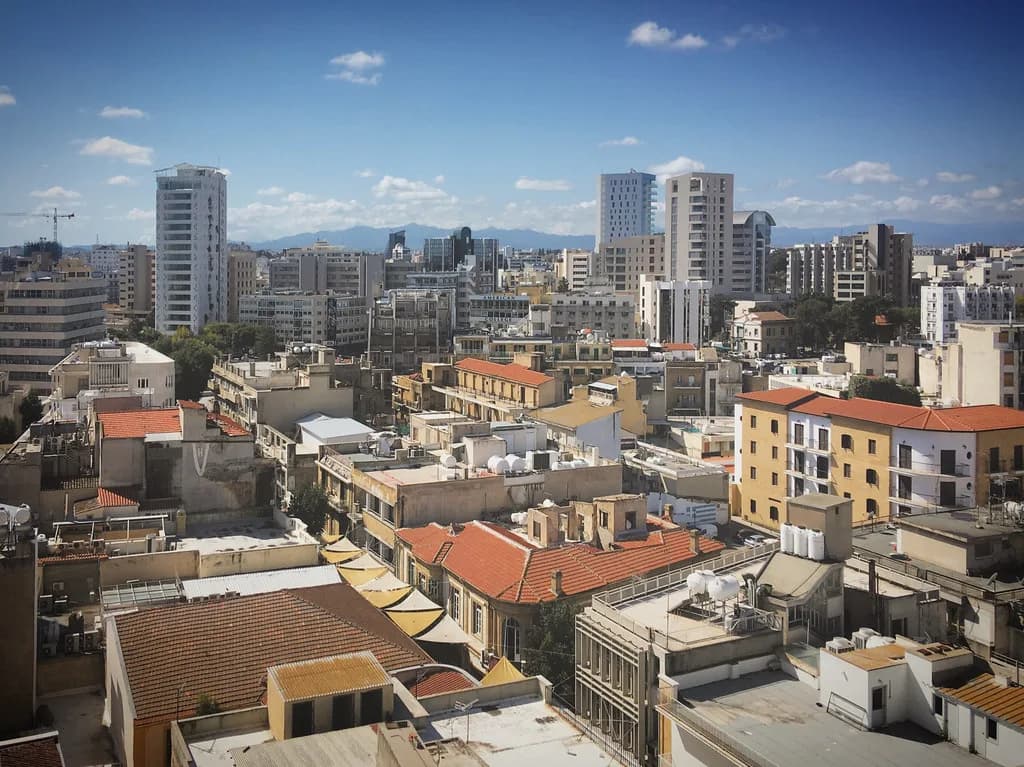
Güzelyurt is worth half a day on its own and a full day once you add Soli and Vouni. The town, still marked as Morphou on older maps and road signs, sits in the north-west of Cyprus among citrus groves and makes a natural turning point on a loop out from Nicosia/Lefkoşa or Kyrenia/Girne.
This guide covers where Güzelyurt sits, how to reach it by road, what to see in the compact centre, and how to build the drive around St Mamas church and the nearby archaeological sites. It also covers how long to allow and which season suits a town walk in north Cyprus.
Where Güzelyurt is and how it fits north Cyprus
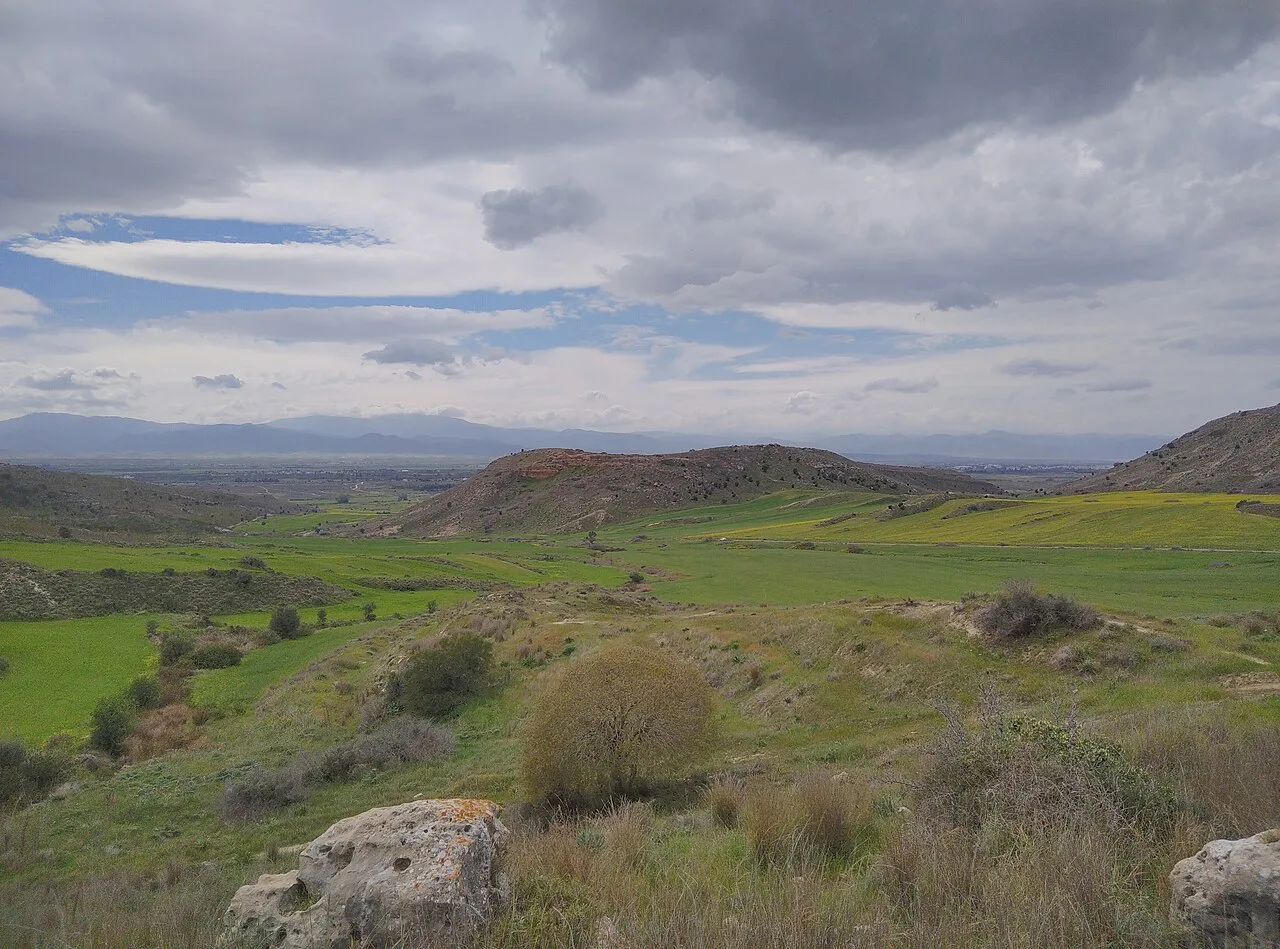
Güzelyurt lies in the north-western corner of the island, inland from the coast and west of Nicosia/Lefkoşa, on the road that leads on to Lefke and the citrus-growing villages of the west. The town's role as the hub of this belt is why it appears on itineraries that also take in Soli, Vouni Palace and the coast around Kyrenia/Girne.
The north uses the Turkish lira rather than the euro used in the Republic; Turkish is the official language, the country code is +90 392 and the time zone is GMT+3.
British travellers sometimes ask about the town's older name, Morphou, which still appears on older maps and in older guidebooks. Expect to see both forms in signage and online listings, and use Güzelyurt when asking for directions or searching for the town on a map.
Getting there by road and whether you need a car
A car is the practical way to reach Güzelyurt: the town is inland, and the attractions that make the trip worthwhile, Soli, Vouni and the groves, are spread out around it. Drive on the left as you would at home, and keep the north Cyprus map open for the turning off the main road.
From Nicosia/Lefkoşa the drive west is the most direct approach and suits a half-day out; from Kyrenia/Girne the road runs west along the coast before turning inland, making Güzelyurt a natural last stop before returning to the harbour. Those arriving from Famagusta/Gazimağusa should plan the route via Nicosia, as the town sits on the opposite side of the island.
If you are coming from the Republic, read up on crossing to north Cyprus before you set off, and check that your hire car's insurance covers the north. Many rental policies exclude the north by default, so sort the paperwork at the crossing rather than assuming it is included.
The old town on foot
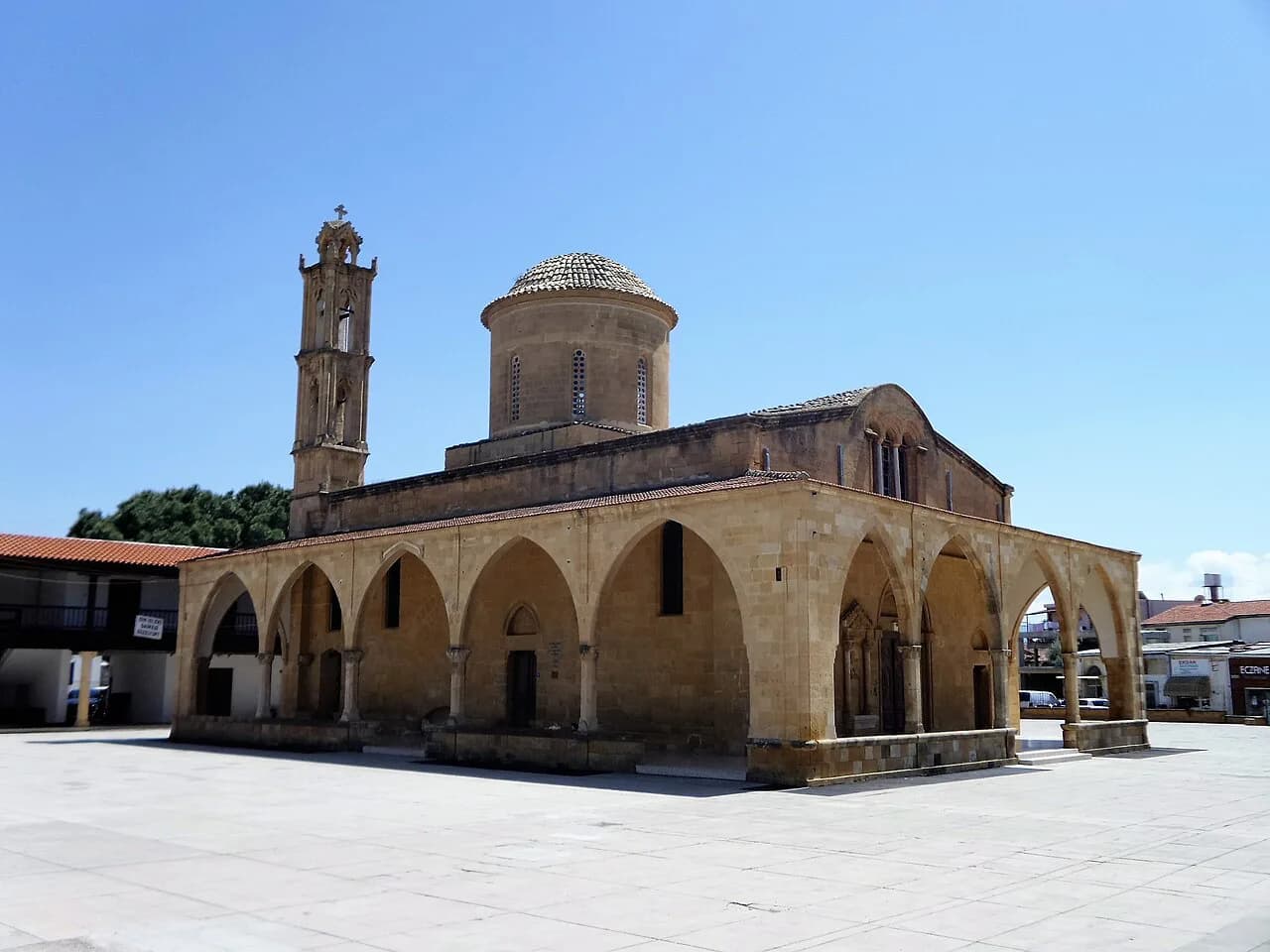
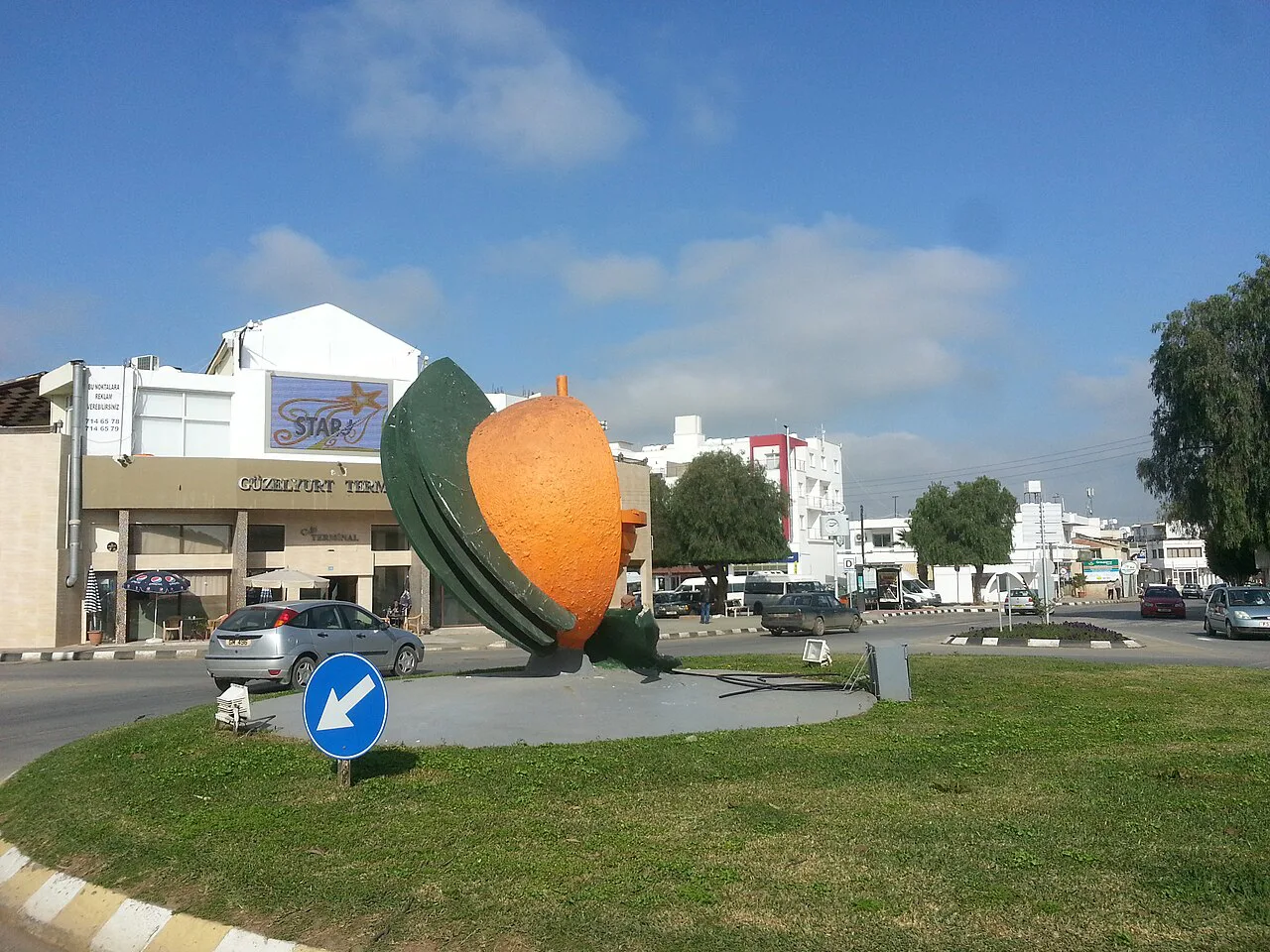
The centre is compact and made for walking: a handful of streets, a small square and the church of St Mamas form the core of a wander that takes under an hour without stops. Leave the car on the edge of the centre and continue on foot rather than trying to thread through the narrow streets.
Allow time for the market streets and the citrus stalls rather than treating the centre as a single sight: the town's identity is tied to the surrounding groves, and produce sold locally is part of the appeal. A short loop through the centre and back to the car park is a sensible way to see Güzelyurt without overcommitting a day.
St Mamas church and the museum
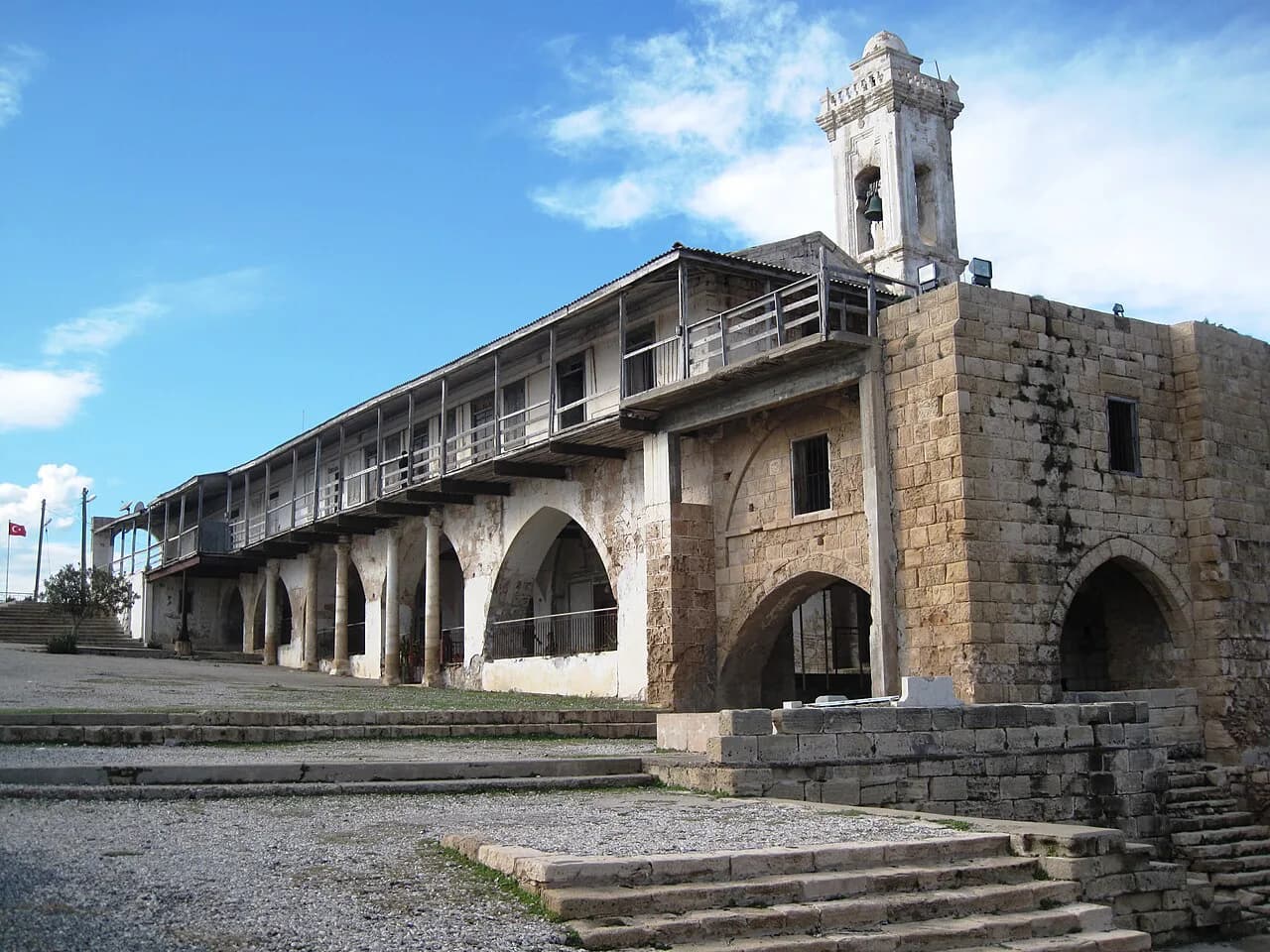
The church of St Mamas is the anchor sight in Güzelyurt and the reason most visitors make the detour. Inside, you see the church interior and the collection associated with the town's saint, which is what draws visitors from across the island and beyond.
St Mamas Church is listed among the landmarks of the island in the Turkish Airlines guide to the north, in the same company as Soli and Vouni Palace, so it is easy to build a single loop that takes in all three. Visit the church first while the centre is quiet.
Güzelyurt's own historic core is built around St Mamas church and the small streets of the old town. Further east, on the other side of the island, the town of İskele, formerly Trikomo, preserves two historic churches: Panayia Theotokos, a 12th-century church that now serves as a museum, and the tiny cross-shaped church of Ayios Iakovos (St James) from the 15th century.
The icon of St Mamas and why it draws visitors
The tradition of St Mamas centres on the town's patron saint and the church that bears his name. Visitors come to see the interior and the works associated with him, and the church is the one sight that justifies the drive on its own.
The church is a working place of worship, so dress modestly and keep voices low when a service is under way. Ask at the door about photography inside, and treat anything you leave as a donation rather than an entry charge.
Güzelyurt as citrus country
The groves around Güzelyurt are the reason the town is known as the hub of the north-west's citrus belt, with oranges and lemons filling the fields on the approach roads. Drive slowly on the lanes between the groves to see the scale of the industry, and look for roadside stalls selling the season's fruit.
The island's kitchen draws on several culinary traditions, and the citrus and dairy produce of the region underpins much of what you see in the markets. The groves are working agricultural land rather than visitor attractions, so stay on the road and respect the property lines.
Pairing Güzelyurt with Soli and Vouni Palace
Soli and Vouni Palace sit close enough to Güzelyurt to make a single loop, and together they turn a short town stop into a proper day out. Both are named alongside St Mamas Church in the Turkish Airlines guide to the north, which lists them as landmarks of the Güzelyurt area.
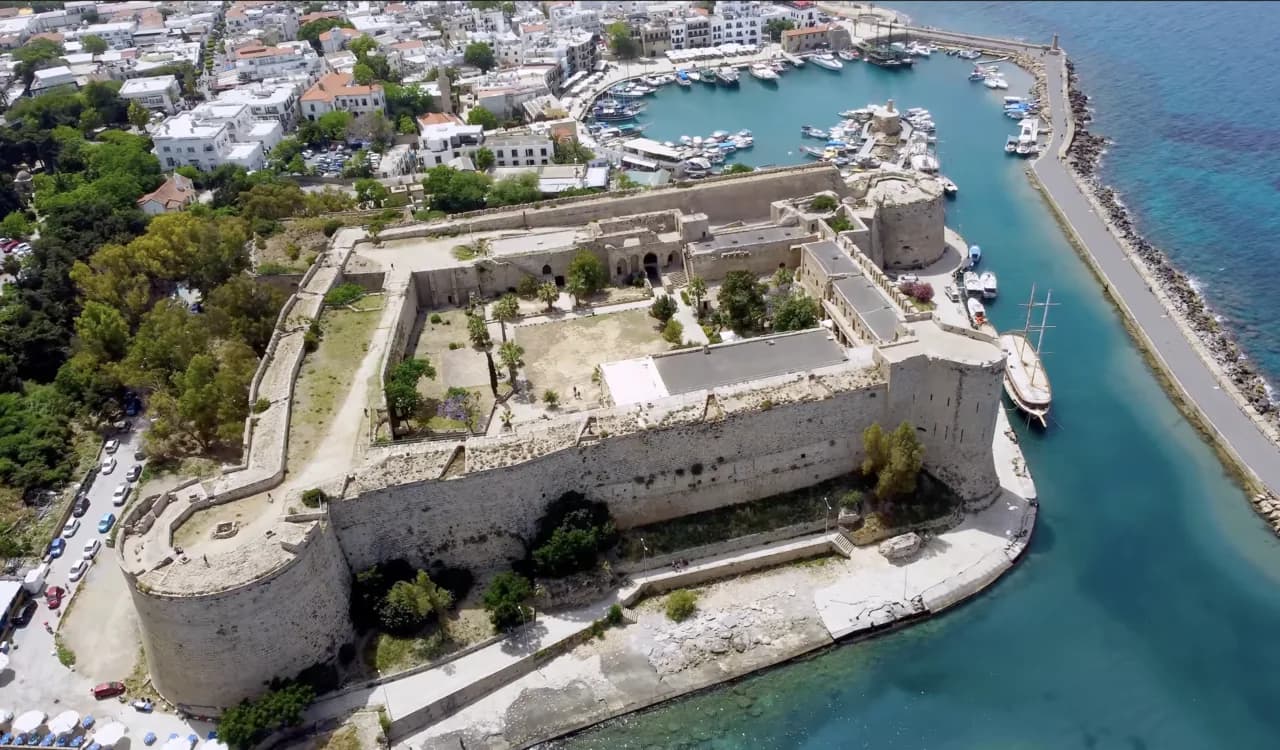
Work the loop in the order of town, St Mamas, Soli and Vouni, then head back to Kyrenia/Girne or Nicosia/Lefkoşa. Kyrenia Castle and the ruins at St Hilarion Castle make an alternative day on the coast, so pick one loop rather than trying to fit both into a single drive.
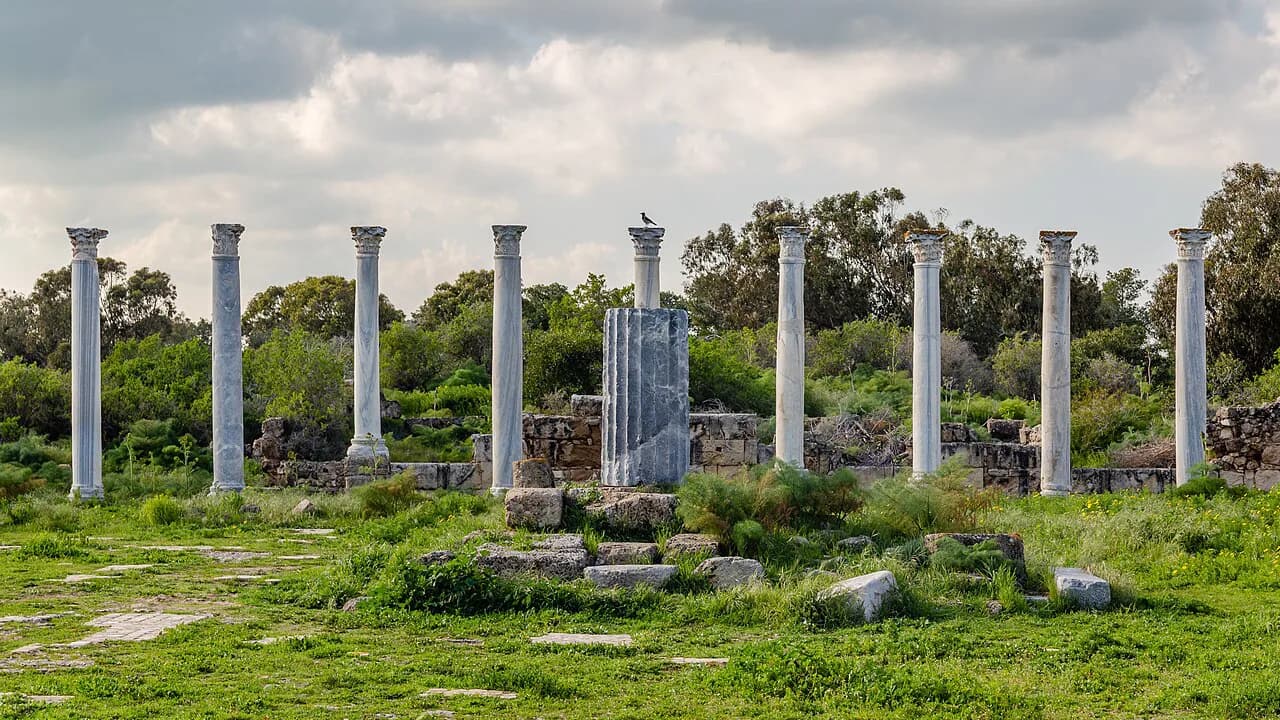
Soli, south of Güzelyurt in the Morphou plain, is a natural extension of the same drive for those who want archaeological ruins and a theatre. Read our guides to Soli and Vouni for what to see at each site.
How long to allow and when to go
Budget two to three hours in Güzelyurt for the centre and St Mamas, then add another two to three hours for Soli and Vouni if you are driving on to them. The town is not a full-day destination on its own, and the drive is what justifies the fuel.
May–June and September–October are ideal for a calm seaside holiday in northern Cyprus. Peak summer heat makes outdoor sites uncomfortable at midday, so plan Soli and Vouni for the cooler ends of the day and read our notes on north Cyprus in October before you fix dates.
The climate runs to long dry summers from mid-May to mid-October and mild winters from December to February. That pattern makes the shoulder seasons the sensible choice for a mix of town walking and outdoor sites without the full heat of July and August.
October suits a Güzelyurt day particularly well, as the heat eases while the sea and skies stay warm. In February, almond trees are in bloom across Cyprus and conditions are ideal for snow skiing on the Troodos range.
Currency, language and practical notes for a day in the north
Carry Turkish lira for Güzelyurt, because the north trades in the Turkish lira while the Republic of Cyprus uses the euro. Day-trippers crossing to north Cyprus should carry both currencies, as changing money in a small town centre is not always straightforward.
Turkish is the main language, and English is widely understood in tourist-facing businesses, but a few words of Turkish go a long way in the market. Keep cash for the market and roadside stalls, where smaller sellers may not take cards.
Where to go next: Soli, Vouni and the road back
The road west from Güzelyurt leads towards Lefke and the citrus-growing villages of the west. Plan the return to Kyrenia/Girne along the coast, or cut back to Nicosia/Lefkoşa for the evening.
For the return drive, allow extra time in the late afternoon as traffic builds on the approach to Nicosia/Lefkoşa, and fill up in Güzelyurt rather than on the smaller country roads. The coastal run back to Kyrenia/Girne is the more scenic option if the light holds.
Is Güzelyurt worth the drive?
Güzelyurt is worth the detour if you plan it as part of a loop with Soli and Vouni rather than as a standalone destination. The church of St Mamas is the one sight that justifies the fuel on its own, and the groves and the small centre fill the rest of a relaxed half-day.
Allow two to three hours in town and another two to three on the archaeological sites, drive the loop in the shoulder seasons, and keep Turkish lira in your pocket. Read up on Crossing to North Cyprus and hire-car cover before you set off so the paperwork does not eat into the day.
Explore more North Cyprus guides
Sources
Notes for your Cyprus trip
Optional updates to our Cyprus guides.
You might also like
Continue reading
More guides you'll find useful