Lefke, North Cyprus: A Guide to the Hill Town and Soli
Plan a visit to Lefke in north-west Cyprus: Ottoman-era mosques and old houses, citrus country, and the nearby ruins of Soli and Vouni.
On this page
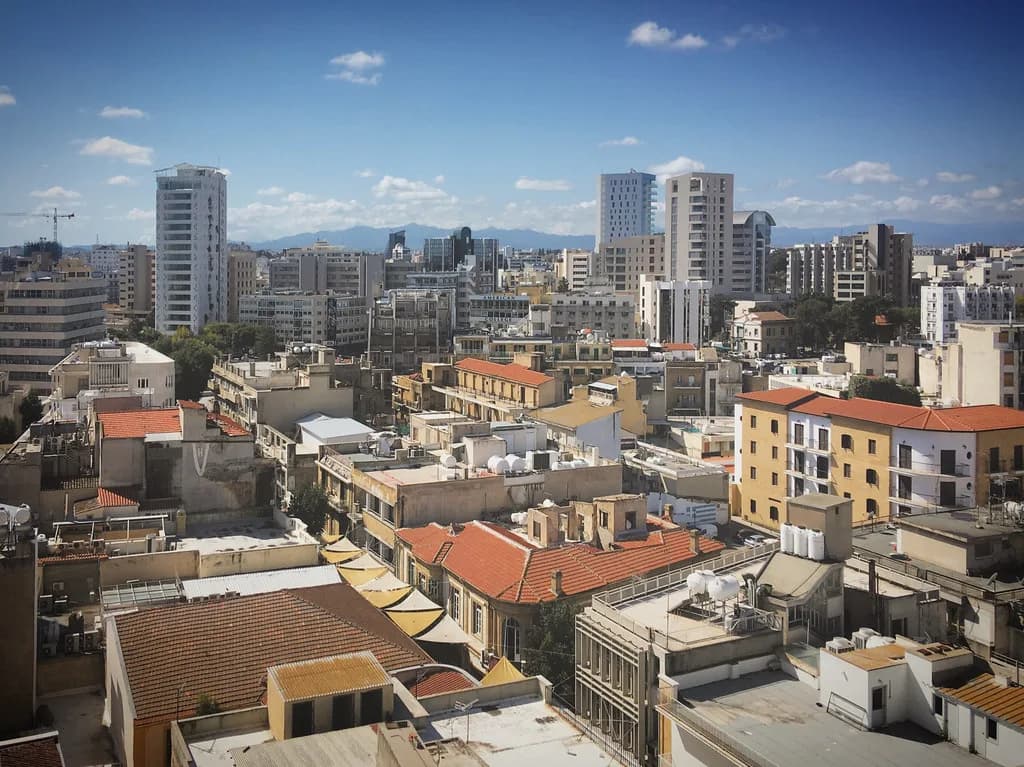
Lefke is a small hill town above Morphou Bay in the north-west of Cyprus, and half a day is enough for its centre — provided you keep the rest of the day for Soli and Vouni. The town sits at the edge of the Troodos foothills, with citrus groves and reservoirs on the plain below, and it works best as a loop by car rather than a stand-alone destination. This guide covers the Ottoman-period mosques and older houses, the landscape around town, the two archaeological sites on its doorstep, and the practical framing for a visit from the south or from Kyrenia.
Where Lefke is and what kind of place it is
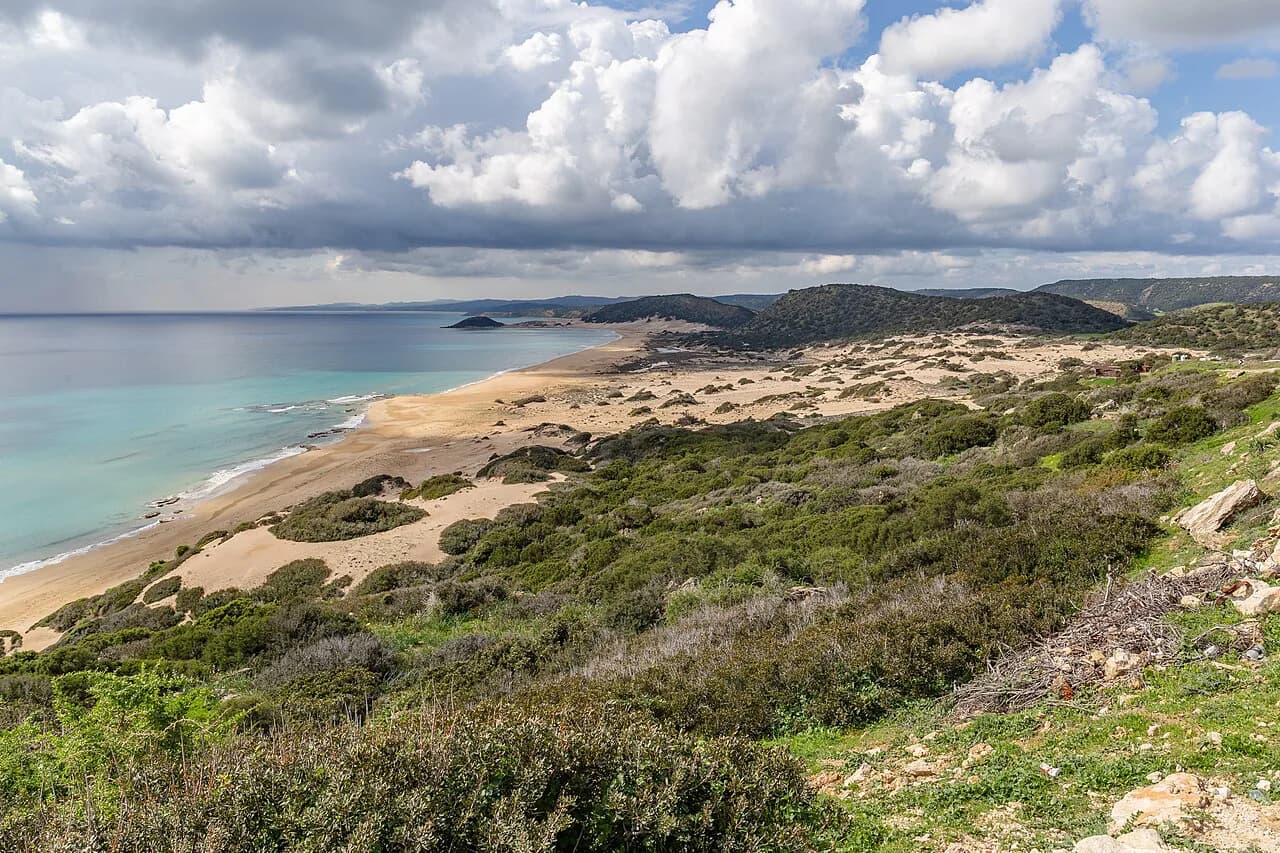
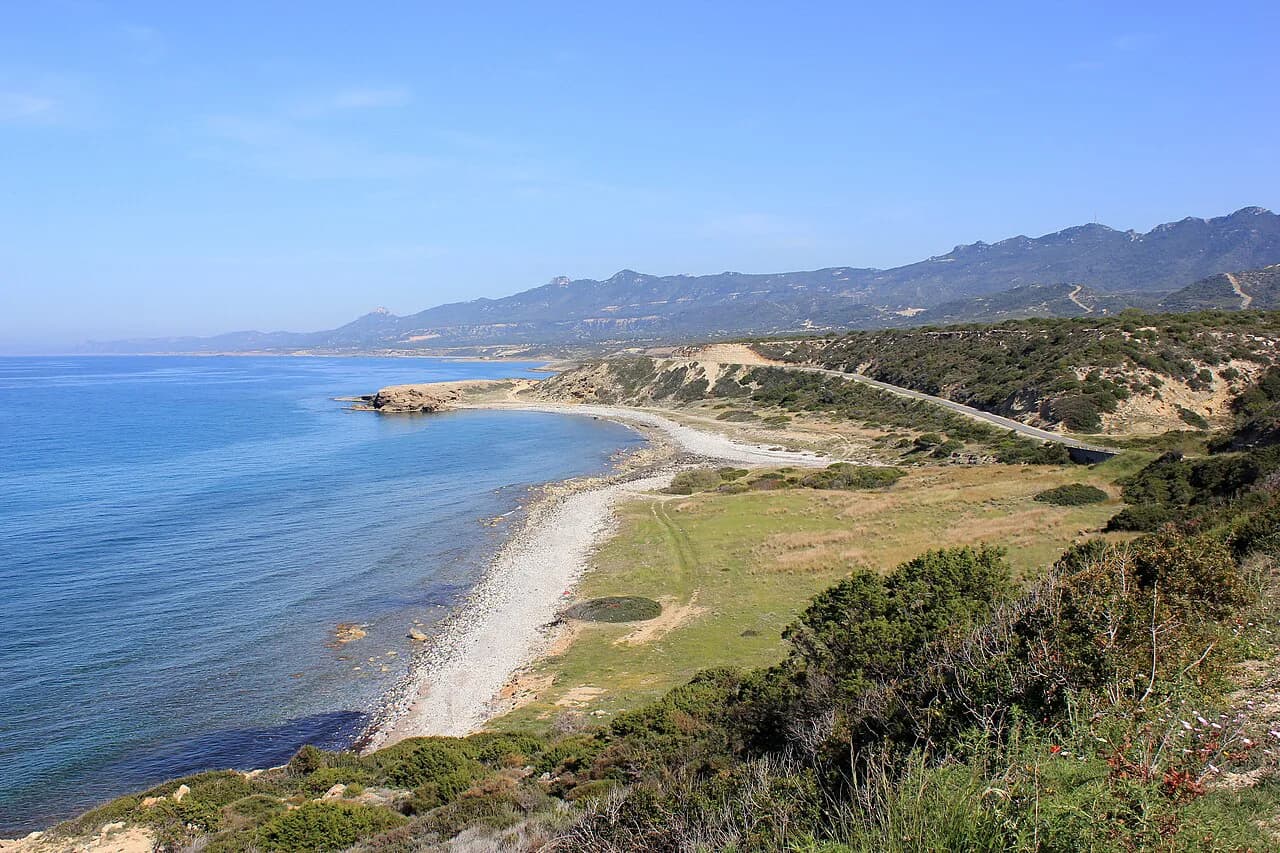
Lefke — Lefka in Greek — overlooks Morphou Bay and lies under the de facto control of Northern Cyprus, which is the neutral way to describe its position when you are planning a route. The tourism board frames the town as a small place whose outer margins take in a stretch of coastline, the lower slopes of the Troodos Mountains, lakes and reservoirs. That spread-out geography is the key point: the historic core is compact, but the scenery and the ruins are reached by road.
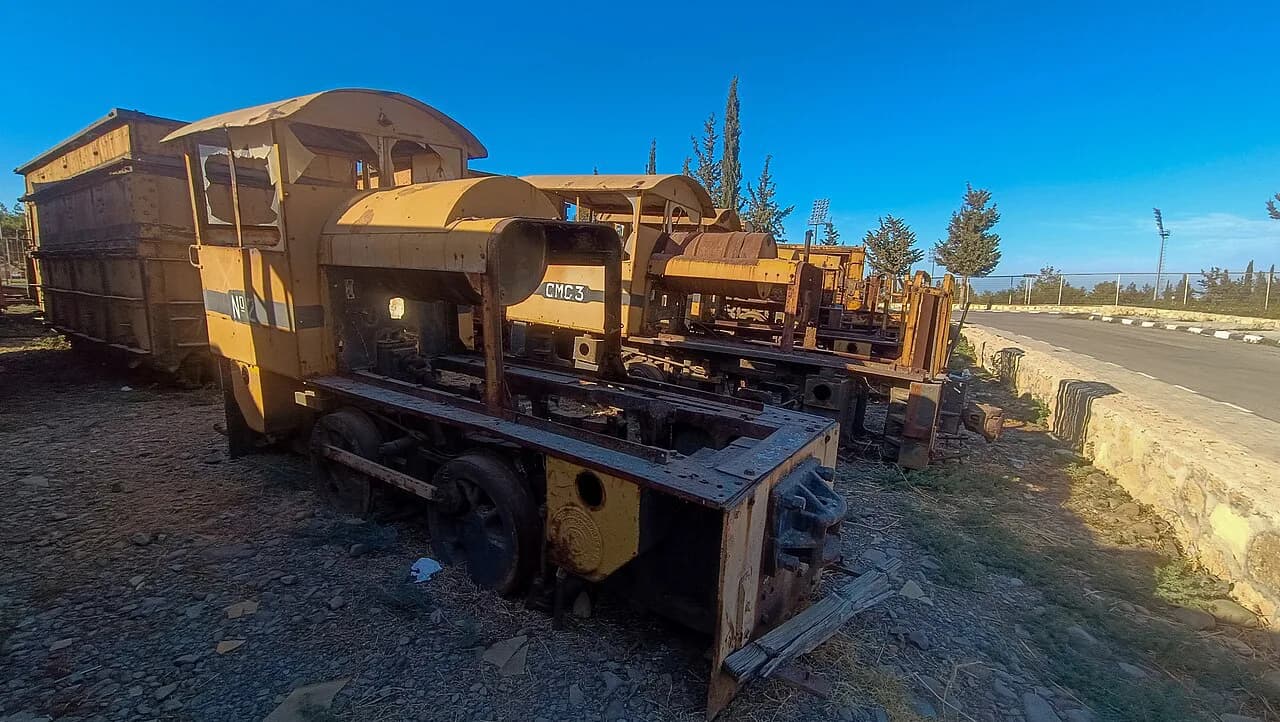
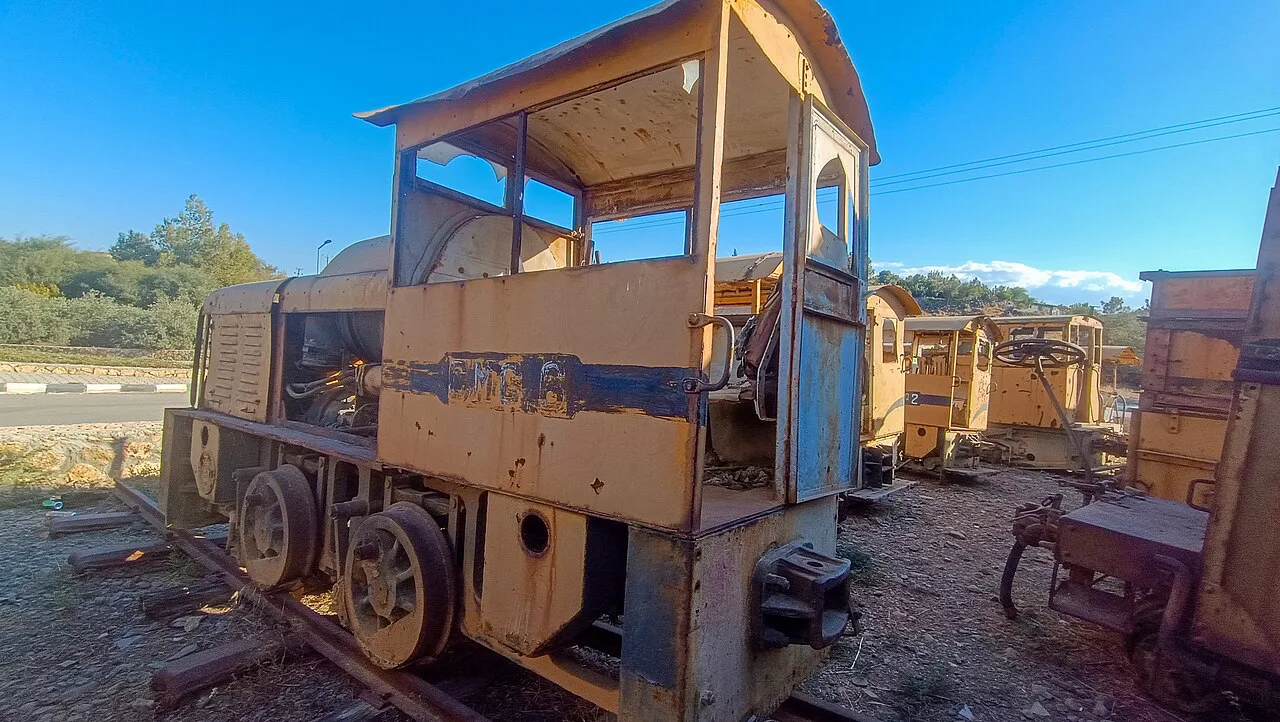
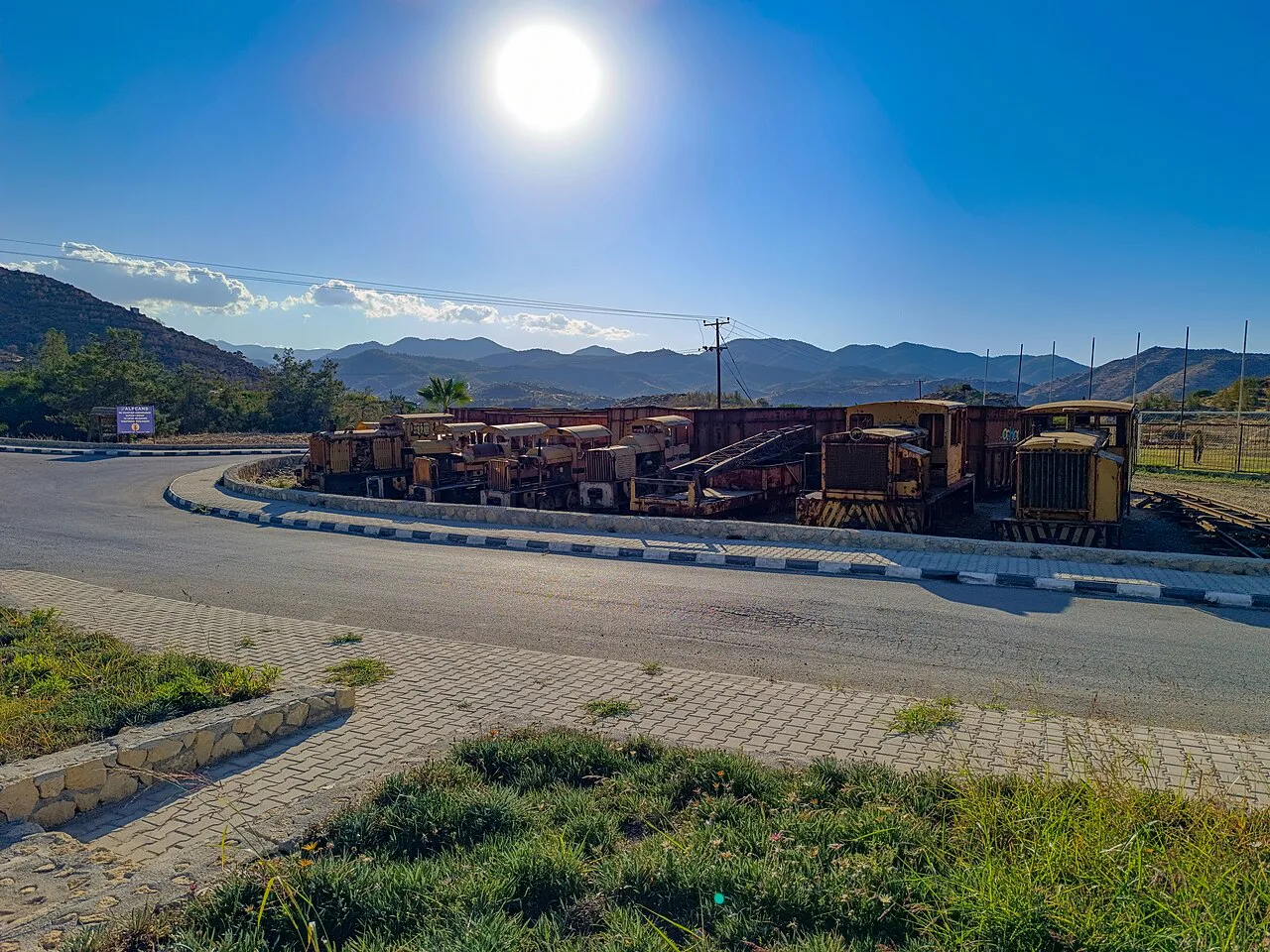
The old wealth of the area came from copper and gold mining, in Roman times and again more recently, and vestiges of that industry survive around the town. Three Ottoman-period mosques and houses in the centre reflecting the town's colonial past are the main set pieces you can see on foot. Expect a working town rather than a museum piece: the pleasure is in the streets, the older houses and the views.
The municipality promotes Lefke as a green, slow-paced place and states that it is working to join the Cittaslow network of small towns; the snail logo marks member towns. Treat that as context rather than a promise of visitor facilities, and read it as a signal about the town's character. If you are touring the wider region, our guide to north Cyprus sets Lefke alongside Kyrenia and Famagusta as one of the area's distinct stops.
Getting there and getting around
Lefke sits in the north-west, so the sensible approach is by hire car from Kyrenia/Girne or Nicosia/Lefkoşa, with the last stretch on the roads that lead down towards the coast and the ruins. Cyprus drives on the left, and a car is what makes the pairing of town, Soli and Vouni work in a single day. If you are coming from the Republic, work out your crossing before you book the car, because the route and the formalities affect the day.
Crossing points on the Green Line connect the two sides, and the practical details — passports, the crossing you choose and what your hire-car insurance covers — are worth settling in advance rather than at the barrier. Our guide to driving in north Cyprus covers the car side of that decision, including what to confirm with the rental company about crossing the line. Build in slack: a crossing plus the drive to Lefke is a half-day in itself from the south.
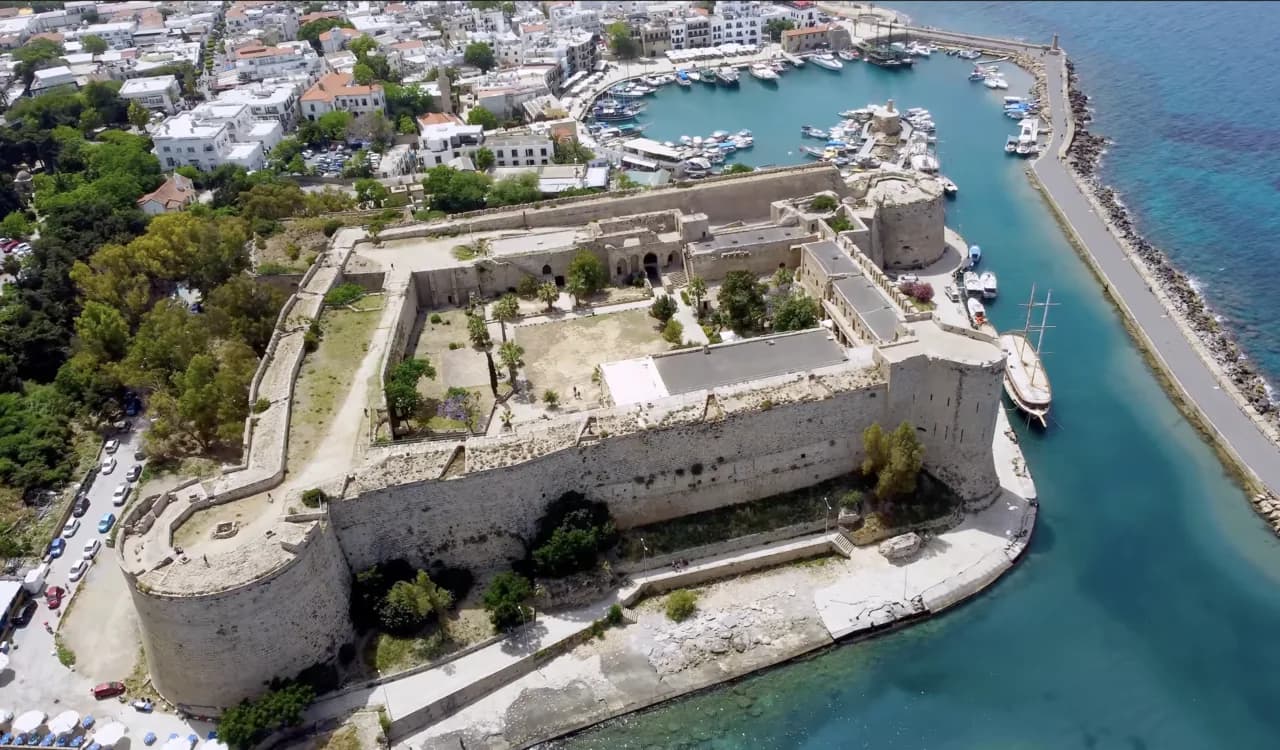
If you are anchoring the trip in the north, Kyrenia Harbour and Kyrenia Castle make a natural base for the western loop, with Lefke and the ruins as a day out. From there the drive follows the coast and then turns inland. A north Cyprus map is worth having open on the phone before you set off, since the signposting switches between Turkish and English names.
The town centre on foot
The centre is a short walk: the three Ottoman-period mosques and the older houses that reflect the town's colonial past are the things to look out for, and the streets themselves are the attraction. Give the core an hour to ninety minutes at an unhurried pace, including a stop for coffee, and you will have seen what the town offers a visitor. Calibrate expectations accordingly: Lefke is a small town rather than a collection of major sights.
Walk without a fixed route and let the slope dictate the shape of the morning: the town rises above the plain, so the lanes that climb give the best views over the groves and reservoirs. The municipality publishes a places-to-visit section and a what's-where page on its own site, which is the page to check for any local arrangement that changes.
Citrus groves, springs and the plain below
The countryside around Lefke is the reason many people rate the detour. Water from mountain springs runs down to a fertile coastal plain, and the area's fruit and nuts — citrus above all — have earned it the label 'The Fruit Basket of Cyprus'. Driving in, you pass groves and reservoirs rather than resort development, which is exactly the contrast with the coast that makes the day worthwhile.
Allow time to stop at a viewpoint on the way in or out; the combination of plain, bay and foothills is the photograph most visitors take home. The coastline here is quiet and not the point of the trip, so treat any beach stop as a brief add-on rather than the plan for the afternoon. The mountain scenery continues east towards the Troodos massif if you are extending the drive.
Soli: the basilica and the amphitheatre
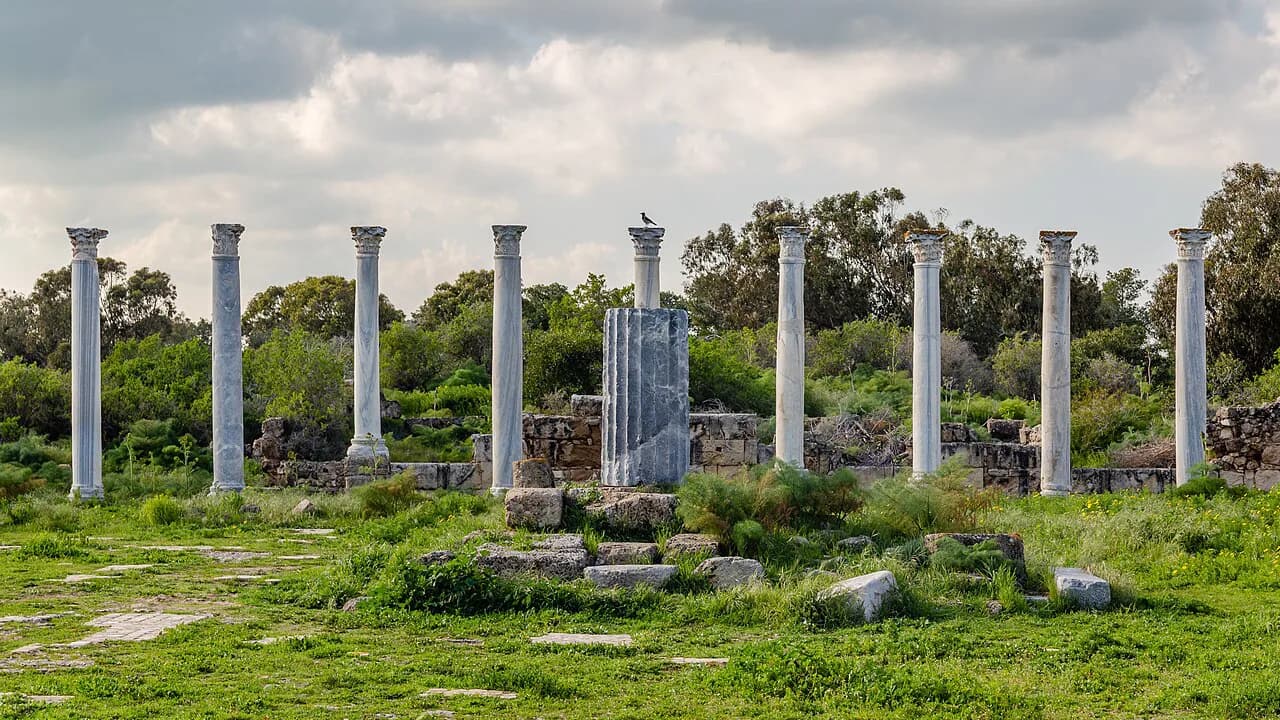
Soli, the ancient city, is the strongest single reason to make the trip. It is known for its Roman remains, particularly a basilica with a mosaic floor, and an amphitheatre that has been restored and, according to the tourism board, now presents plays and concerts. The combination of mosaics and a restored theatre in one compact site makes it easy to see in an hour or so, if it is open when you visit.
Pair Soli with Vouni rather than choosing between them: the two are close enough to visit on the same outing, and the contrast — a coastal city below and a palace site on a cliff — is the point. Our Soli Ruins, North Cyprus guide sets out the layout and the practicalities of the site so you know what you are walking into. Because Department of Antiquities arrangements can change by season, confirm the day's arrangements at the entrance or with the authority before building the day around a fixed slot.
Vouni: the palace above the coast
The palace at Vouni occupies a spectacular cliff-top position facing the sea, and the ruins are best understood as a walk around a site rather than a single building. Go for the setting as much as the masonry: the views along the coast are the reason the detour is worth the drive. The terrain is exposed, so a hat and water matter more here than in town.
Give Vouni a relaxed hour, more if you like photographing a site from every angle, and drive between the two sites rather than attempting to walk the link. If you enjoy castle and palace settings, the castles of the north make a natural second day; St Hilarion Castle is the obvious companion for anyone following a fortification trail across the island.
How long Lefke needs, and how to pair it
Plan on half a day for the town and the two archaeological sites, and a full day once you add the drive from Kyrenia or Nicosia. The town centre takes an hour to ninety minutes; Soli and Vouni take the rest. If you are based in the north-west, an early start leaves the afternoon free for the coast road back.
Güzelyurt (Morphou) is the obvious companion stop on the same loop, and pairing it with Lefke gives the day more shape than the town alone. Our Güzelyurt (Morphou) Guide covers what to see there, including its own archaeological collection. If you are travelling across the island, treat the Soli and Vouni pair as one outing and Lefke's lanes as the gentle bookend to it.
When to go
Summer is hot on this plain, so start early and treat the middle of the day as time for the shaded lanes or a long lunch. The town's events cluster in the warm months: the tourism board names an Orange Festival in June and a Walnut Festival in July, while the municipality lists a Traditional Lefke Festival, a Children's Festival and Kite Festival, and an Orchid Valley memorial walk. Treat these as seasonal markers and confirm any given year's arrangements with the municipality or the North Cyprus Tourism Centre before you plan around one.
For milder walking weather at Soli and Vouni, autumn and spring suit the exposed sites better than high summer. Our guide to North Cyprus in October explains what the temperatures typically feel like and why the shoulder months work for ruins. Whichever season you choose, the ruins have little shade, so timing the visit for the morning or late afternoon pays off.
Mining history and what survives of it
Lefke was once a thriving copper and gold mining town, in Roman times and more recently, and vestiges of that industry remain in and around the town. The mining story explains the town's older prosperity and sits alongside the Ottoman mosques and colonial-era houses as layers of its past. Look for the traces as you drive in rather than expecting a dedicated mining museum.
Practical points for a day in the north
Drive on the left as you do in the UK and Ireland, and keep your documents with you for the Green Line crossing. Settle your hire-car insurance position before you cross, since not every policy covers the north. Carry cash for small purchases, as this is rural country and card acceptance is not guaranteed everywhere.
Mobile coverage and ATMs are more reliable in the larger towns than on the road to Soli and Vouni, so draw cash and download your map before leaving Güzelyurt or the coast. Fuel up before the last stretch, since this is rural country with fewer stations. If you are doing the trip from the south, allow the crossing formalities on the way back as well.
Is Lefke worth the detour?
Yes, if you come for the combination rather than the town alone: the Ottoman mosques and older houses take an hour, and Soli and Vouni justify the drive. Come with a car, start early in summer, and leave the rest of the day for Güzelyurt (Morphou) or the coast road back to Kyrenia. If you only have time for one archaeological stop, make it Soli for the mosaics and the amphitheatre.
Sources
Notes for your Cyprus trip
Optional updates to our Cyprus guides.
You might also like
Continue reading
More guides you'll find useful