Driving in North Cyprus: Rules, Roads and Cross-Border Insurance
Driving in North Cyprus means left-hand traffic, Turkish road signs and separate hire-car insurance. Here are the rules, limits and practical points to plan around.
On this page
Driving in North Cyprus is straightforward once you accept three things: traffic keeps left, signs switch to Turkish, and a hire car insured in the Republic is not covered once you cross the Green Line. The rewards are the quiet roads between Kyrenia, Famagusta and the Karpaz, where a car turns a short break into a proper tour. This guide covers the rules that apply north of the line, what carries over from the south, and where driving simply is not worth the hassle.
Which side of the road do you drive on in North Cyprus?
Traffic keeps to the left in North Cyprus, as it does across the Republic, so British and Irish drivers have no mental gear change at the crossing point. Local drivers can be bolder than you expect, particularly in towns and on the main routes between Kyrenia and Nicosia, so give yourself room and treat junctions defensively. If you are still deciding how to cross, the practical detail on the crossing to north Cyprus is worth reading before you set a date.
The bigger adjustment is not which lane you use but which rules and which insurance apply. Road signs and markings switch to Turkish north of the line, fuel is sold in Turkish lira, and hire cars rented in the south generally cannot be taken across without separate arrangements. Plan the crossing as its own step rather than assuming your Republic rental covers the whole island.
Speed limits and road types
Speed limits in the Republic are generally 50 km/h in towns, 65–80 km/h on rural roads and 100 km/h on motorways, according to a UK expat driving guide published in 2018. Treat those figures as the pattern the island follows rather than a current legal schedule, and read the signs on the road you are actually on. Motorways carry green signs and an A prefix, with the A1 linking Limassol and Nicosia and the A6 running along the south-west coast.
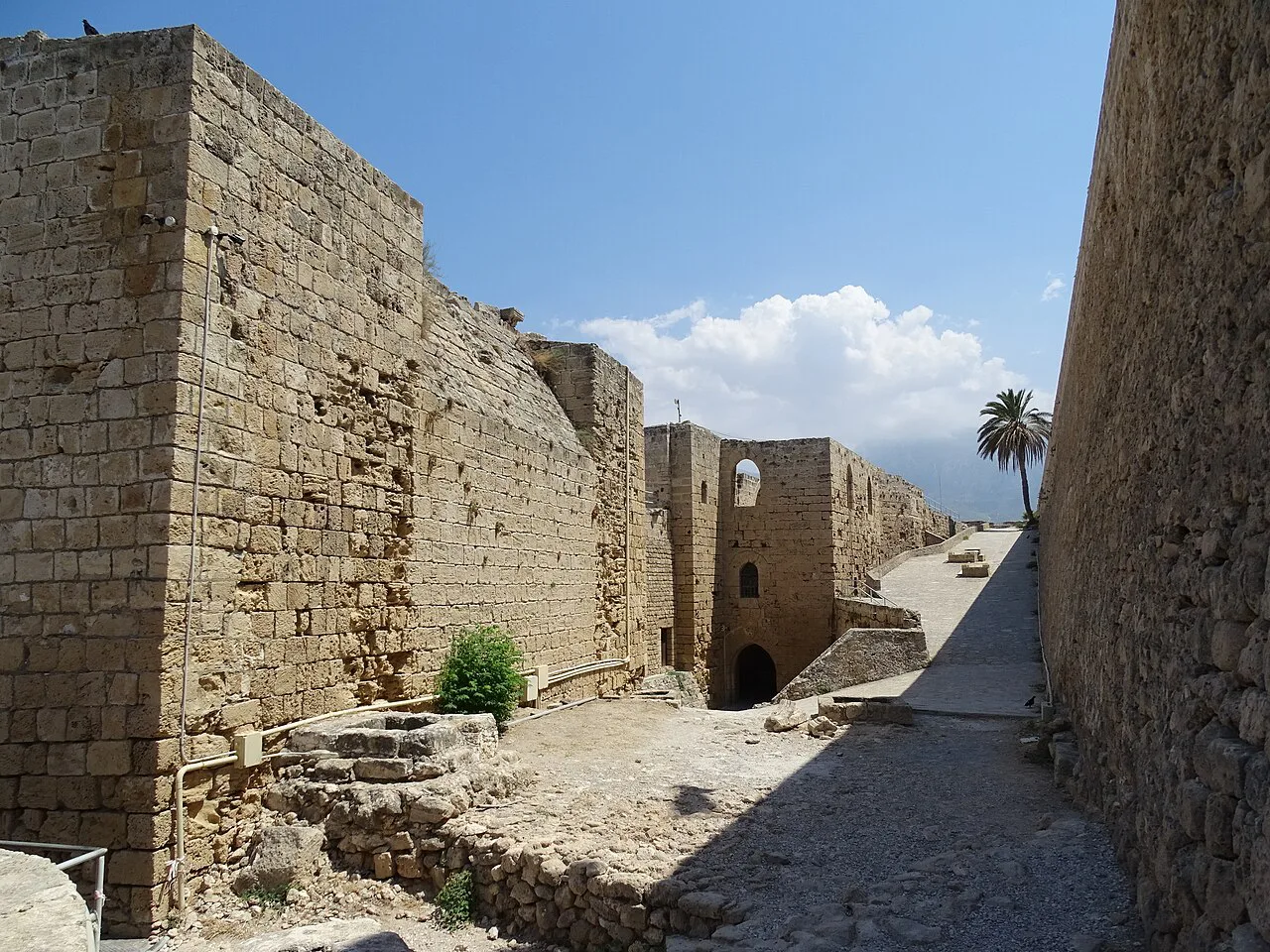
The main roads between Kyrenia, Nicosia and Famagusta are the working routes at lower speeds, and mountain roads such as those feeding St Hilarion Castle and the ridge above Kyrenia are narrow and twisting. Build the drive into the day rather than treating it as dead time between sights.
Documents and licence rules
Drivers in Cyprus must be at least 17 and hold a full licence, carrying it at all times along with insurance, vehicle registration and photo identification such as a passport; the same guide notes that failing to produce the paperwork when stopped means a trip to the station. In a hire car most of this is in the folder the rental desk gives you, so keep it in the glovebox rather than the boot. A UK or Irish photocard licence is normally enough for a short break, but confirm the rental company's own requirements when you book.
On the rental side, the same source gives a minimum age of 25, or 21 with three years' driving experience, with a possible surcharge for younger drivers. Those terms date from 2018 and individual operators set their own, so check the age band and excess on your booking confirmation before you pay. If you are hiring for a week of castle-hopping, the age surcharge is often the line that changes the total most.
Hire-car insurance when you cross between south and north
South Cyprus car insurance does not cover a car in the north, and north Cyprus cover does not extend south, so a single rental agreement will not carry you across the line. The usual solution is to arrange cover at or for the crossing, or to rent separately on each side, and to be honest with the rental company about your route. Ask in writing before you collect the car rather than discovering the gap at the barrier.
For a short northern stay, renting locally in Kyrenia or Famagusta and leaving the southern car behind is often the least complicated option. It costs a second rental but removes any argument about where your cover ends. Either way, the crossing formalities themselves are handled on foot or in the vehicle at the checkpoint, and the process is quicker than most first-timers expect.
Reading the signs: Turkish lettering and place names
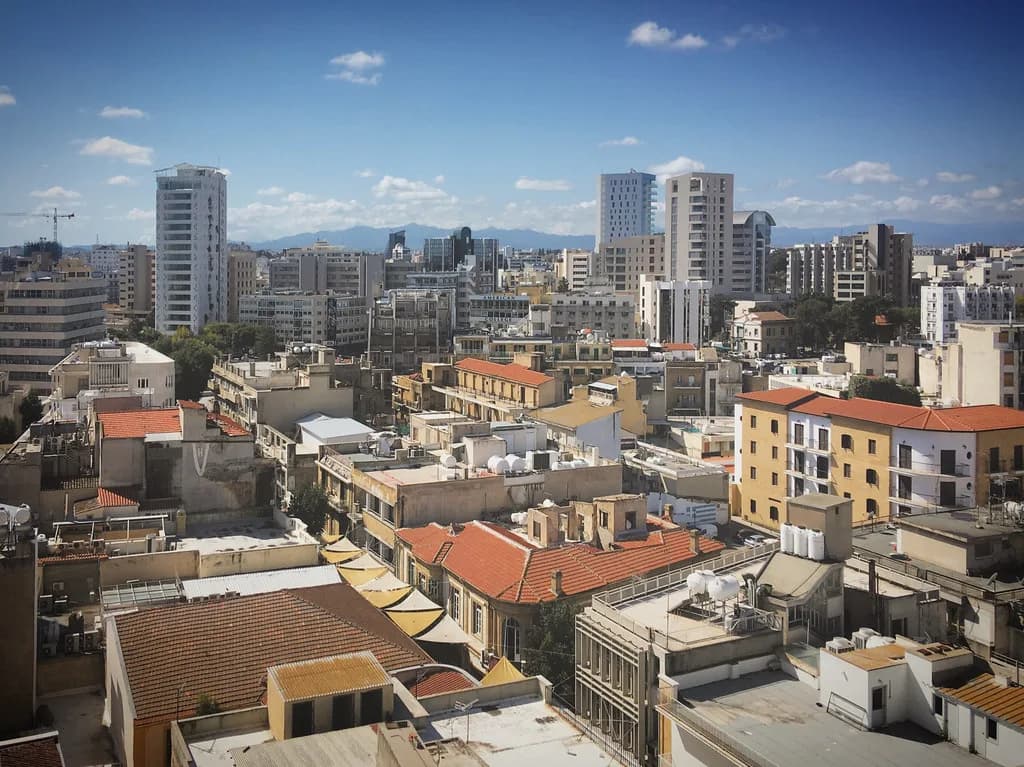
North of the line, signs are in Turkish, so Kyrenia appears as Girne, Famagusta as Gazimağusa and Nicosia as Lefkoşa. Learn those three pairs and most route-finding looks after itself. Turkish place names also appear on the north Cyprus map, which is the simplest way to plan a loop before you drive it.
In the Republic, motorway signs are green and printed in both Greek and English, which makes the southern network easy for UK drivers to follow. The change of alphabet at the line is the clearest signal that you have moved between systems, and it is worth glancing at a map before a first crossing rather than after.
Roundabouts, mountain roads and parking
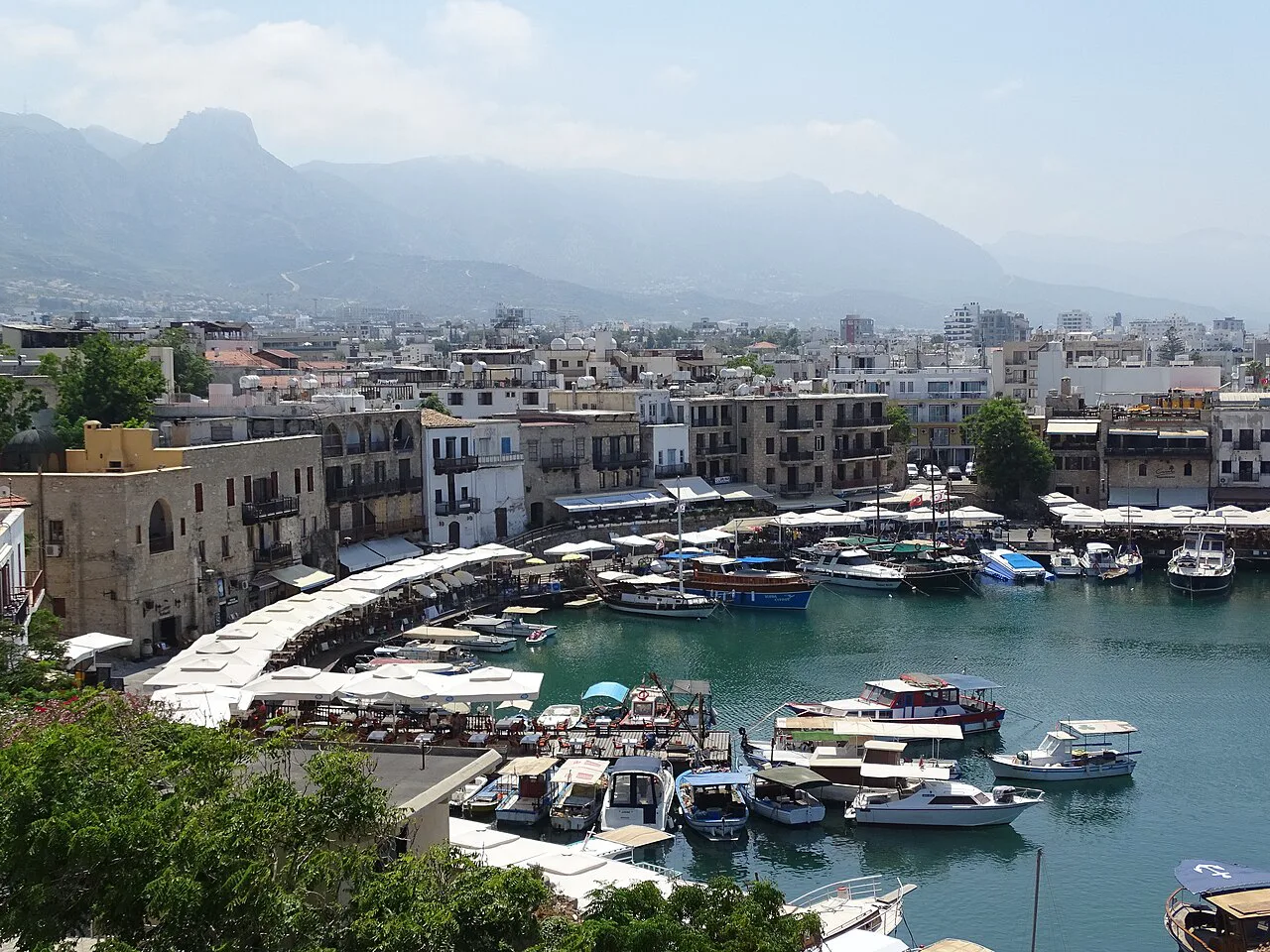
Roundabouts are common on the main routes and follow the same left-hand traffic as everywhere else in the north, so read each one as you approach rather than relying on habit. In towns, parking in resort centres can be tight; use signed official car parks and avoid leaving a car on an unmarked verge, particularly around harbour areas where space is short.
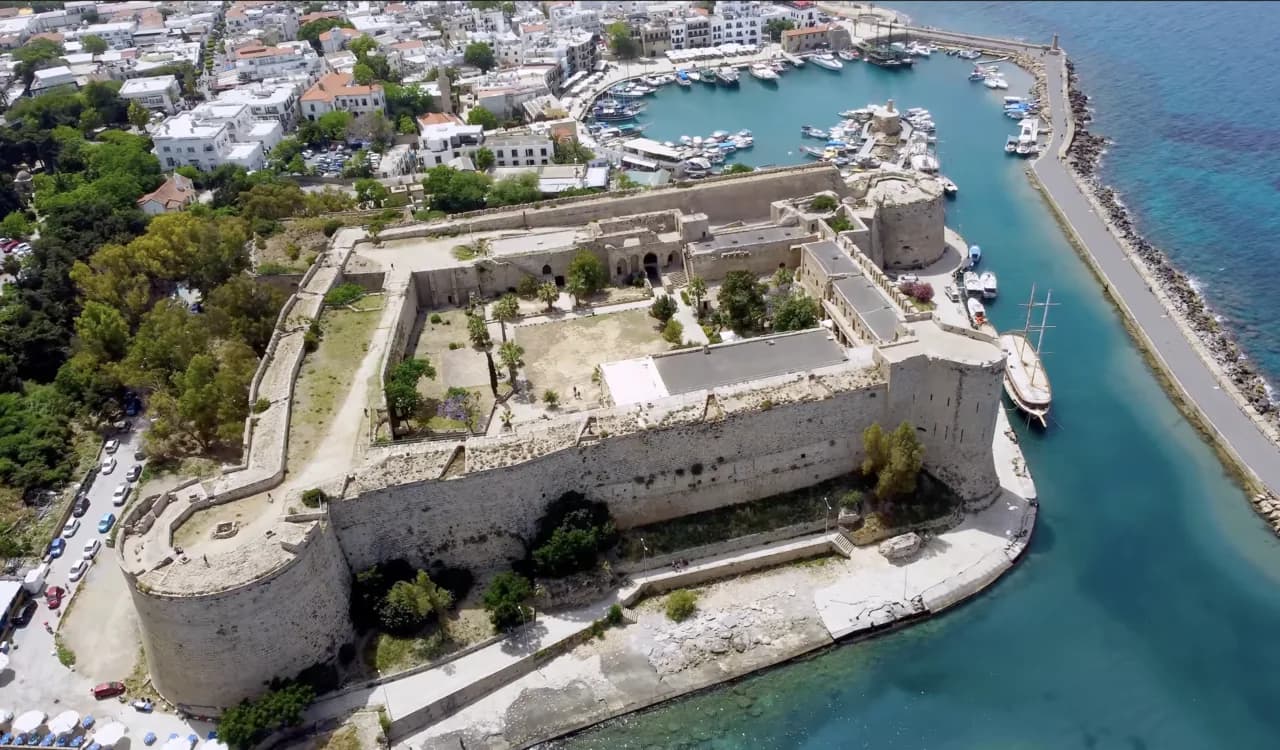
Old-town streets in Kyrenia and Famagusta were not built for modern cars, and many are one-way or too narrow to be worth entering. Park on the edge and walk in; the Kyrenia Castle and harbour quarter is a ten-minute stroll from the nearest practical parking. The same logic applies in hill towns, where a car is useful for arrival but a liability once you are inside.
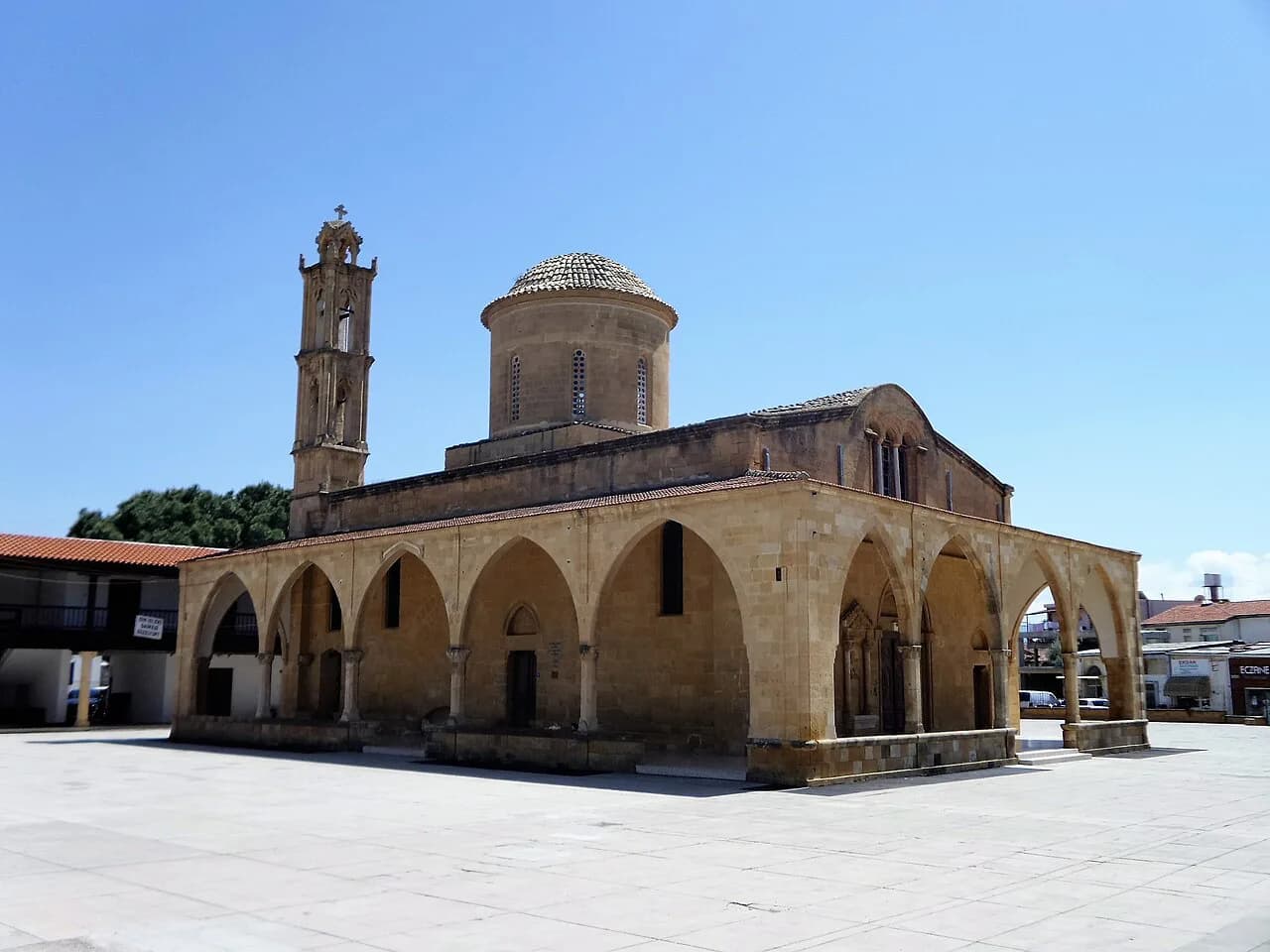
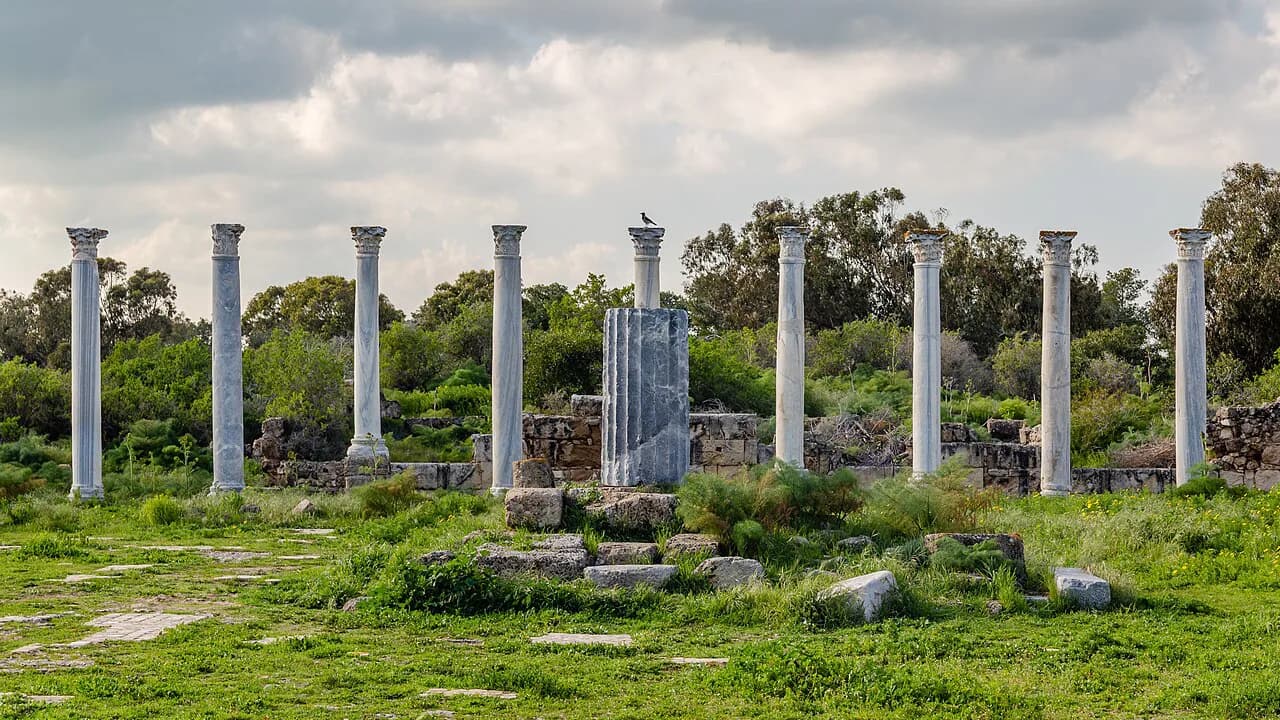
Further west, Güzelyurt (Morphou) and Lefke are easy to reach by car and reward it with quiet streets and citrus groves; both sit on routes where a wrong turn costs minutes rather than an hour. Driving between them makes a comfortable half-day, with the Soli ruins on the way for anyone following the coast road west of Kyrenia.
Fuel: why filling up north of the line is cheaper
Fuel is cheaper in the north than in the Republic, so a fill before you head back south is a small saving worth making. Prices are set locally and move, so check the pump rather than budgeting from an old figure. North of the line you pay in Turkish lira, while the Republic uses the euro, which is another reason to carry both.
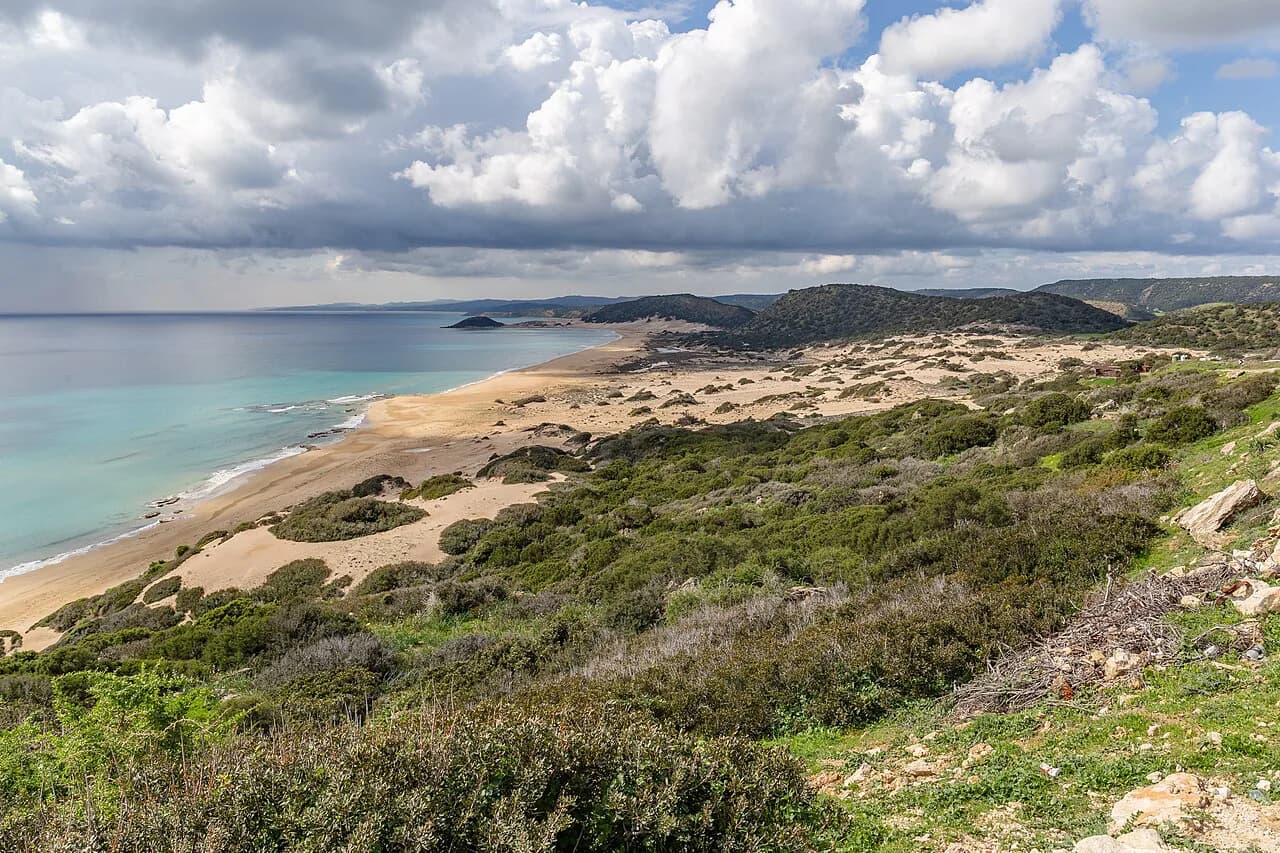
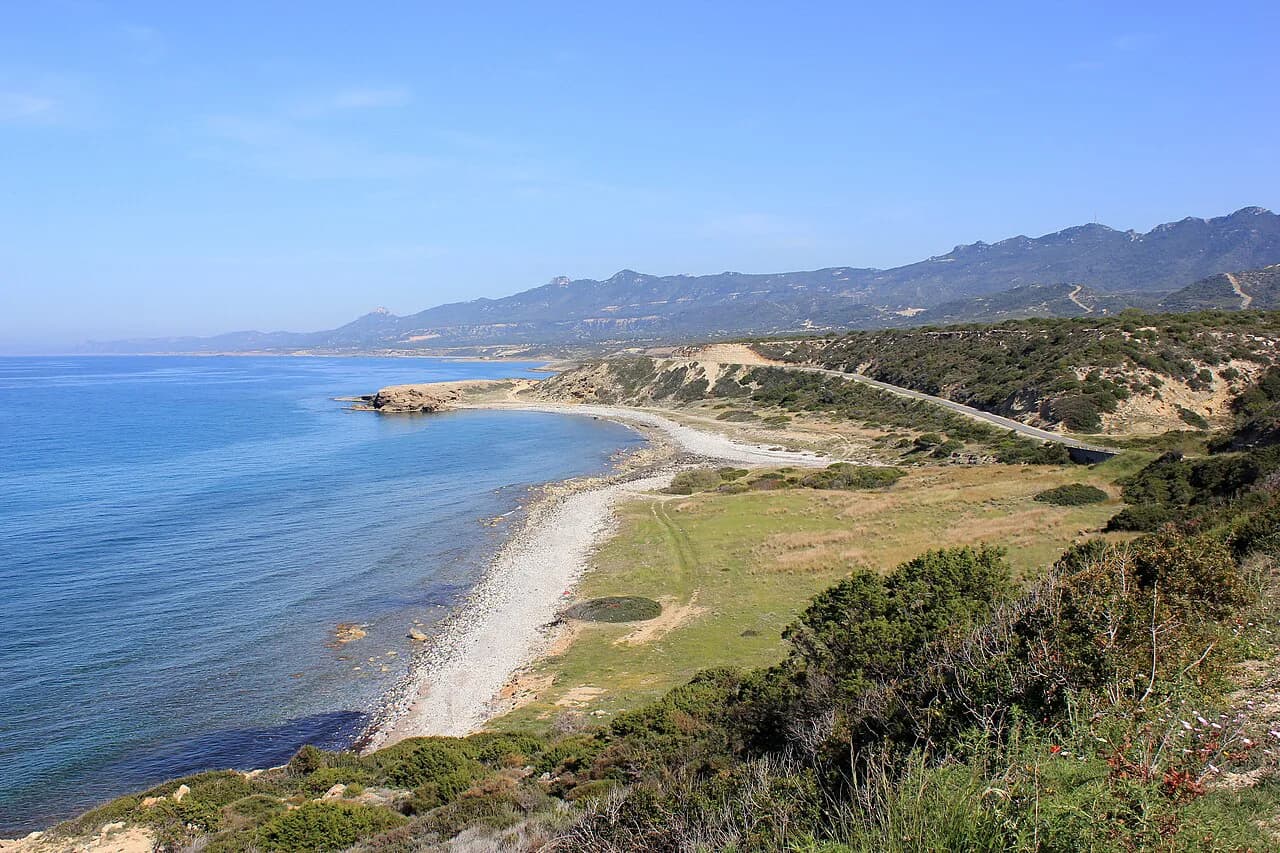
On a loop east towards the Karpaz Peninsula, plan fuel around the larger towns rather than the villages; stations thin out as the roads narrow. The long empty stretches are the best driving in the north and the worst place to run low.
What the rules mean for your day-to-day plan
Treat the north as a separate driving domain: pick up a locally rented car or arrange cross-line cover, keep left, and expect Turkish signage and lira at the pump. Build days around one or two clusters rather than crossing the island twice, because the mountain roads eat time. A morning at the castles and an afternoon in Kyrenia is a realistic shape for a first day.
Distances are short on paper and longer in practice, so leave slack for heat, parking searches and the odd closed site. In October, when the north Cyprus weather October brings is milder, driving is far more comfortable than in high summer, and the same roads take noticeably less out of you.
Should you rent a car in North Cyprus?
Yes, if your plan reaches beyond one base: Kyrenia and Famagusta reward a car, and the western towns of Güzelyurt (Morphou) and Lefke are only really practical with one. For a stay confined to Kyrenia harbour and its castle, you can leave the keys alone and walk.
The decision that matters most is insurance, not driving style. Sort cross-line cover or a local rental before you cross, then the rest is left-hand traffic, Turkish signs and a full tank. Confirm the cover and the rental age terms with your operator when you book, as both are set by the company rather than by a fixed island-wide rule.
Sources
Notes for your Cyprus trip
Optional updates to our Cyprus guides.
You might also like
Continue reading
More guides you'll find useful