North Cyprus Weather in October: What to Expect
October in North Cyprus brings warm days, cooler evenings and a sea still warm enough for swimming. Here is what the typical climate means for planning a visit.
On this page
October in North Cyprus usually delivers warm, bright days, noticeably cooler evenings and a sea still warm enough for swimming, which makes it one of the most comfortable months for sightseeing. This guide sets out what the typical climate means in practice: how the day is paced, how the coast differs from the interior and the mountains, and what to carry when you set off.
Every figure here describes long-term averages for Cyprus, not a forecast for particular dates, so treat them as the pattern to plan around and check a short-range forecast as your trip approaches. The focus is the northern part of the island, with the same broad Mediterranean rhythm applying on the Kyrenia coast, around Famagusta and inland at Nicosia.
What October weather in North Cyprus is like
Cyprus has an intense Mediterranean climate with long dry summers running from mid-May to mid-October and mild winters from December to February, separated by short autumn and spring seasons. October therefore sits at the tail of the dry season, when the long cloudless stretch is giving way to milder conditions and the occasional shower rather than a settled heatwave.
Summer heat is the thing October relieves you of. July and August bring average daily temperatures of about 30°C on the central plain and 24°C in the Troodos Mountains, with average maxima between 38°C and 27°C. October is cooler than that peak but still warm by UK standards, which is why it suits walking round old towns and archaeological sites far better than high summer.
The trade-off is variability: an October day can feel like late summer or like a fresh autumn day, and evenings cool down quickly once the sun drops. Build some slack into your plan rather than booking every hour, and keep a light layer within reach.

Typical daytime and evening temperatures
The climate record gives firm seasonal anchors rather than month-by-month figures for October. In January, the coolest month, the indicative daily temperature is 10°C on the central plain and 3°C on the higher parts of the Troodos Mountains, with average minima of 5°C and 0°C. October sits much closer to the summer end of that range than the winter one.
In practice, expect a warm middle of the day and a distinct drop after sunset, so a day that starts in short sleeves may end with something over your shoulders. Inland Nicosia runs hotter by day than the Kyrenia coast, while higher ground in the Troodos range is consistently cooler, so a single day can span several felt temperatures if you drive between them.
Sea temperature and whether swimming is realistic
The open sea stays above 22°C from June to November and climbs to 27°C in August, so October water is genuinely swimmable rather than bracing. Near the coast, water three or four metres deep tracks the open sea closely, ranging from 15°C to 17°C in February and from 23°C to 28°C in August, with no significant daily swings except in very shallow water.
That makes October a sensible month for combining swimming with sightseeing: a morning at a castle or ruin followed by an afternoon in the water. The Visit Cyprus guidance notes that swimming, sunbathing and watersports remain at their best through September and October, with light clothing for the day and medium-weight layers for October evenings.
If you plan to drive between coastal stops, sort out your paperwork before you travel; our guide to driving in north Cyprus covers car hire, insurance and the Green Line.
Sunshine hours and how much of the day you can spend outdoors
Cyprus gets about 11.5 hours of bright sunshine per day across the six summer months, and even in December and January there are around six hours daily. October does not fall into either bracket exactly, but it retains plenty of daylight, which leaves room for a long outdoor morning and an afternoon outside without rushing.
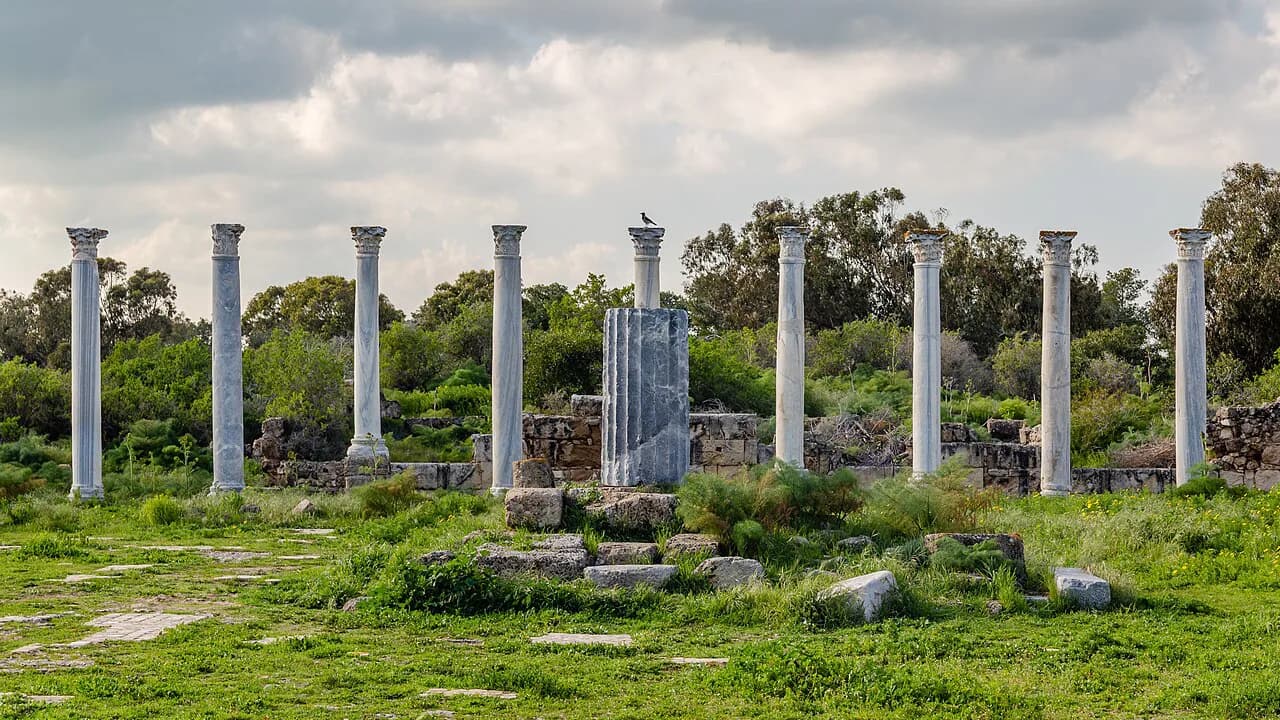
The practical consequence is that you can plan two separate outdoor blocks in a day. Pair a morning at a site such as the ruins at Soli with a late-afternoon harbour walk, and you avoid spending the whole day on your feet in the warmest hours.
Where October sits in Cyprus's seasons
The official seasonal breakdown puts the long dry summer from mid-May to mid-October and mild winter from December to February, with short autumn and spring seasons between them. October therefore straddles the changeover: the first half behaves like late summer, the second like early autumn, and the difference matters when you are deciding what to pack.
For travellers from the UK and Ireland it is a month that feels like a good British summer with warmer sea, so lighter clothing works by day and a medium-weight layer earns its place in the evening. The wider island guide to north Cyprus sets out how the main towns and harbours fit together if you are still choosing a base.
What the weather means for visiting sites and old towns
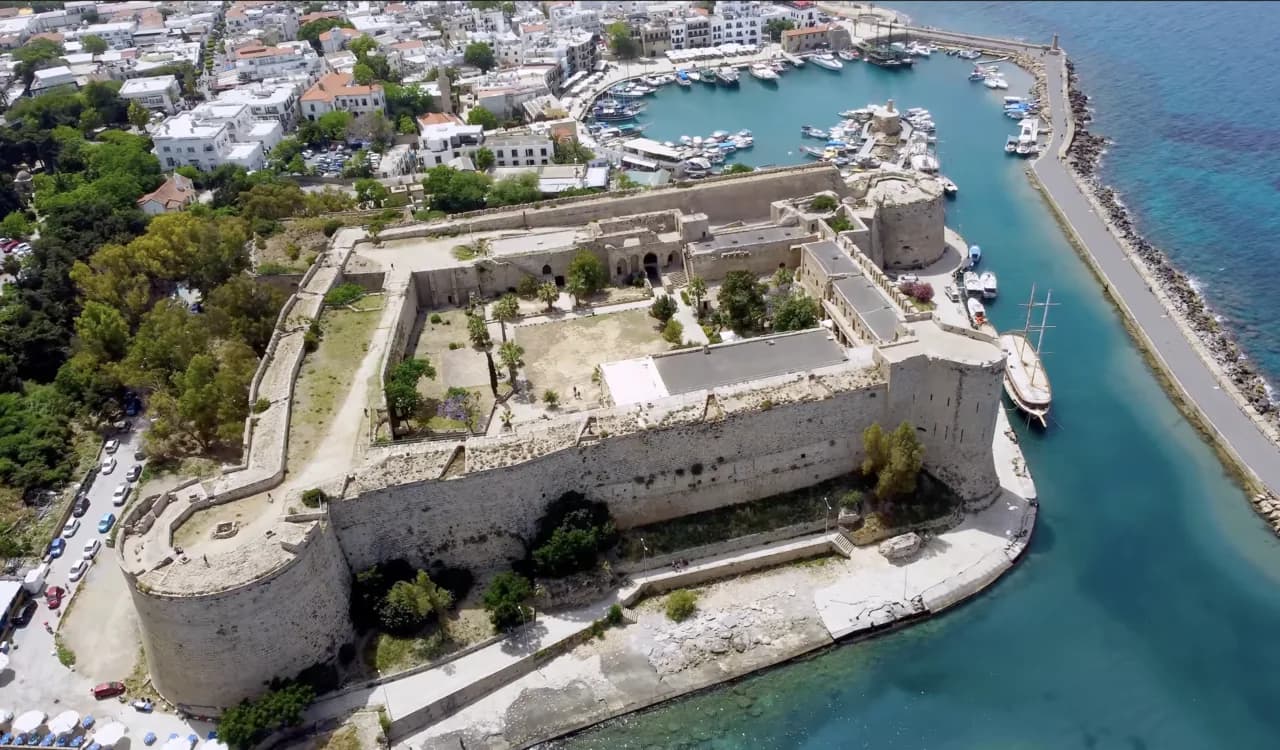
Old towns and ruins are exposed, and October's gentler heat makes a walking circuit realistic in a way that July does not. In Kyrenia, the harbour and castle sit within an easy stroll of each other, so you can start early, take the shadiest stretch at midday and finish by the water in the afternoon.
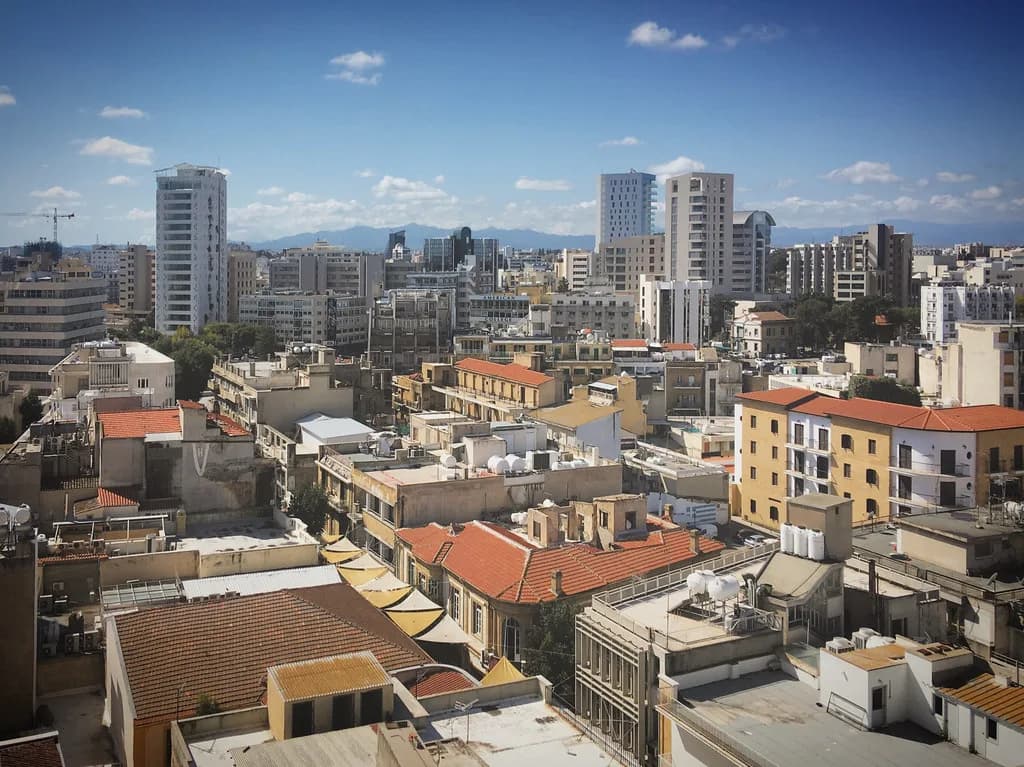
Inland, Nicosia/Lefkoşa holds heat longer than the coast, so an early start pays off there. Famagusta/Gazimağusa is a natural half-day on foot, with the old town's walls and streets best taken before the afternoon warms up.
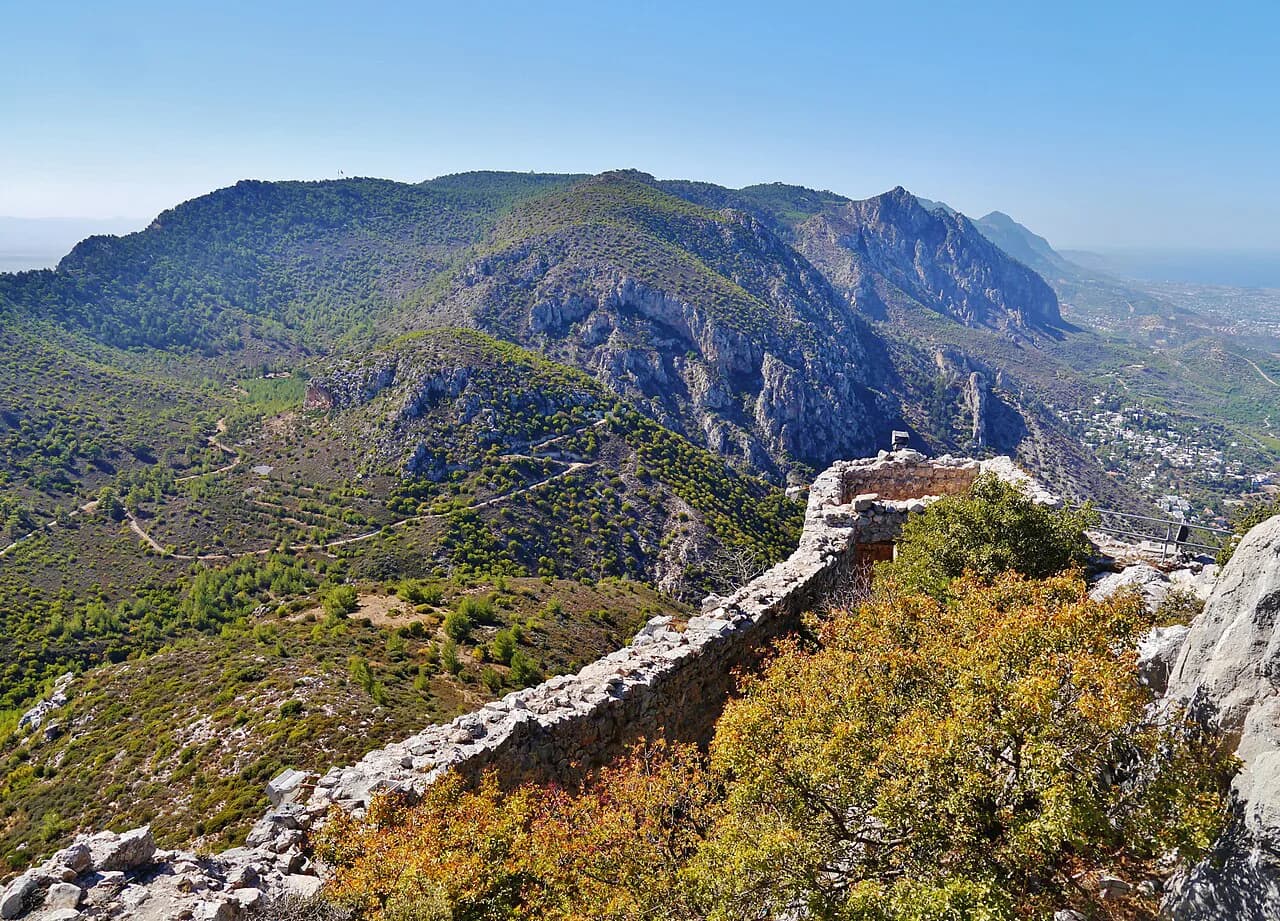
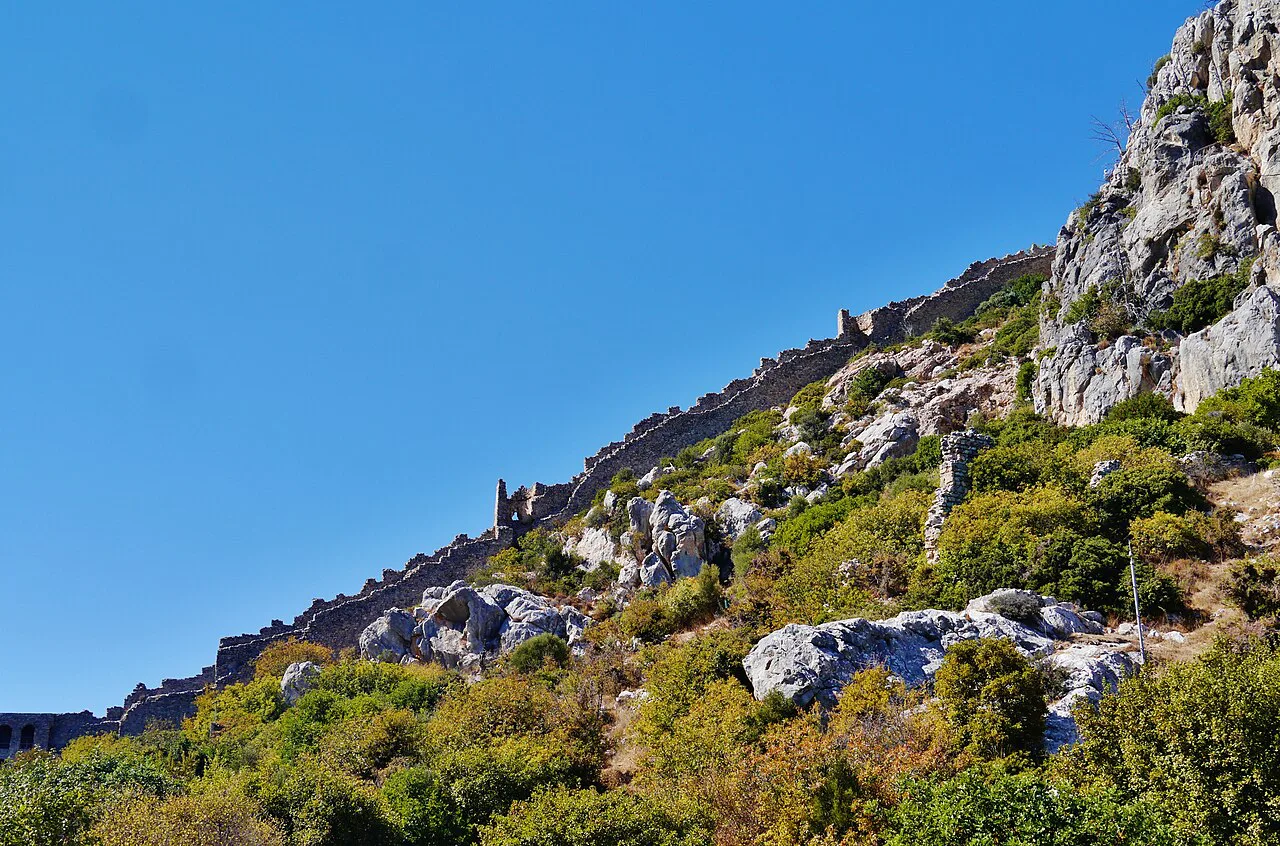
Opening hours and ticket prices at individual sites change with the season, so confirm them with the site or the relevant authority before you set out; the same applies to castles on higher ground, where cloud and wind can make a difference. Our guide to north Cyprus castles compares the main ones, including St Hilarion Castle.
Rain and wind patterns to expect
Summer in Cyprus is marked by cloudless skies, with the sea breeze keeping coastal areas pleasant and isolated thundershowers possible over the mountains in the early afternoon. In the cooler months rain becomes more likely, and snow falls on the Troodos Mountains, usually starting before Christmas.
Winds across the island vary in direction and strength with elevation and local temperature, so a breezy headland can feel quite different from a sheltered harbour a short drive away. Fog is rare and tends to occur in the early morning.
Humidity is another seasonal marker: in summer it drops very low near midday, ranging from 15% to 30% on the central plain, while winter days and nights run higher. October sits between the two, so a hat and water still matter on a bright afternoon even when the air feels milder.
When to go out: heat, shade and the middle of the day
Structure October days around light rather than clock time: start early for exposed sites, take a long lunch or a shaded harbour stop in the middle of the day, and head back out in the late afternoon. That rhythm also fits the way towns work, with old quarters best explored on foot when the sun is lower.
Hilly inland towns reward the same approach. Lefke, set among citrus groves and old houses, is a comfortable half-day on foot in October, and the drive there through the interior shows how much cooler the higher ground feels than the coast.
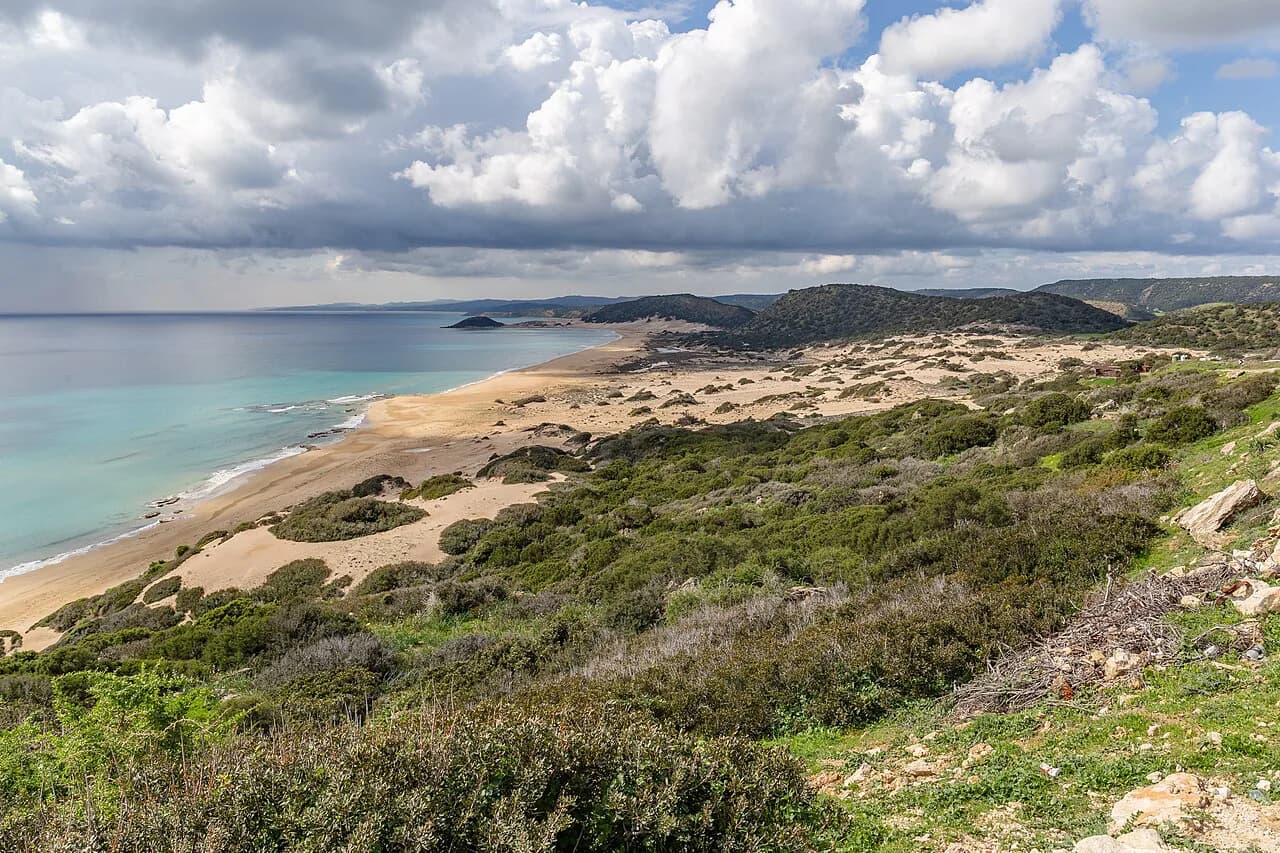
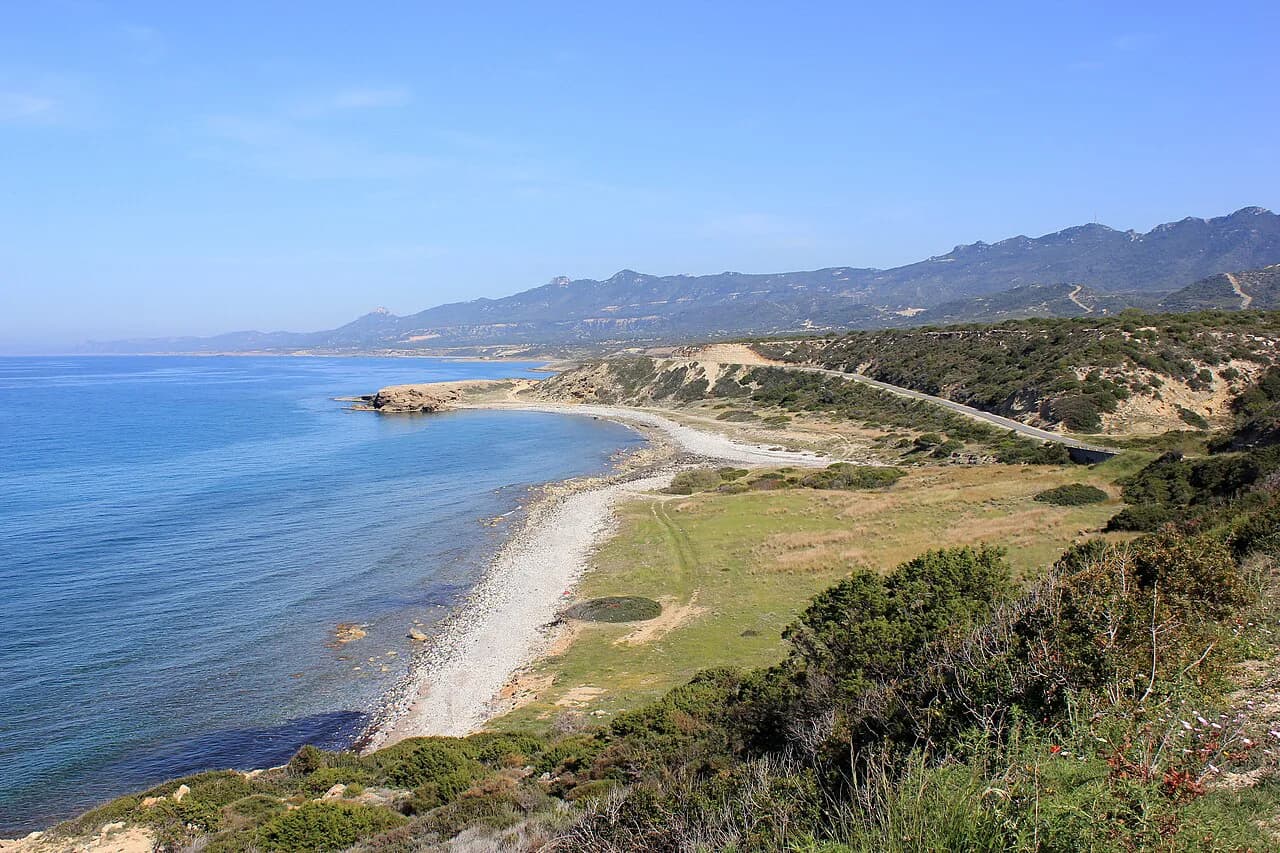
If you want to see the island's shape before you commit to a route, our north Cyprus map covers the coast, the interior and the Karpaz Peninsula, where the drive itself takes up a good part of the day.
Practical kit for a warm, occasionally showery month
Pack for two seasons in one trip: very light clothing for the warm middle of the day, a medium-weight layer for October evenings, and something that handles a shower. The Visit Cyprus clothing guidance for September and October says exactly that, adding medium-weight apparel for October evenings.
Sun protection still earns its place, since the sun stays strong on clear days even as air temperatures ease. Add water, comfortable shoes for uneven old-town streets and a light rain shell you will not resent carrying.
If your trip involves moving between the two sides of the island, read up on the crossing to north Cyprus before you go, including which crossing points apply to hire cars and what identification you need at the Ledra Palace crossing in Nicosia.
Is October the right month for your North Cyprus trip?
October suits travellers who want warm days and a swimmable sea without the full weight of summer heat, and who are happy to plan around a little variability. If you want guaranteed wall-to-wall heat, the summer months deliver it; if you want gentler conditions for walking round castles, harbours and ruins, October is the better bet.
Build a loose itinerary with one outdoor block in the morning and another in the late afternoon, keep an evening layer handy, and confirm opening hours and ticket prices with each site before you travel. Check a short-range forecast in the final week, since averages describe the month rather than your particular dates.
Explore more North Cyprus guides
Sources
Notes for your Cyprus trip
Optional updates to our Cyprus guides.
You might also like
Continue reading
More guides you'll find useful