Karpas Peninsula Guide: Driving North Cyprus's Long Peninsula
Plan a Karpas peninsula trip in North Cyprus: the drive to Apostolos Andreas, Dipkarpaz, ruined churches, wild donkeys and how long to allow.
On this page
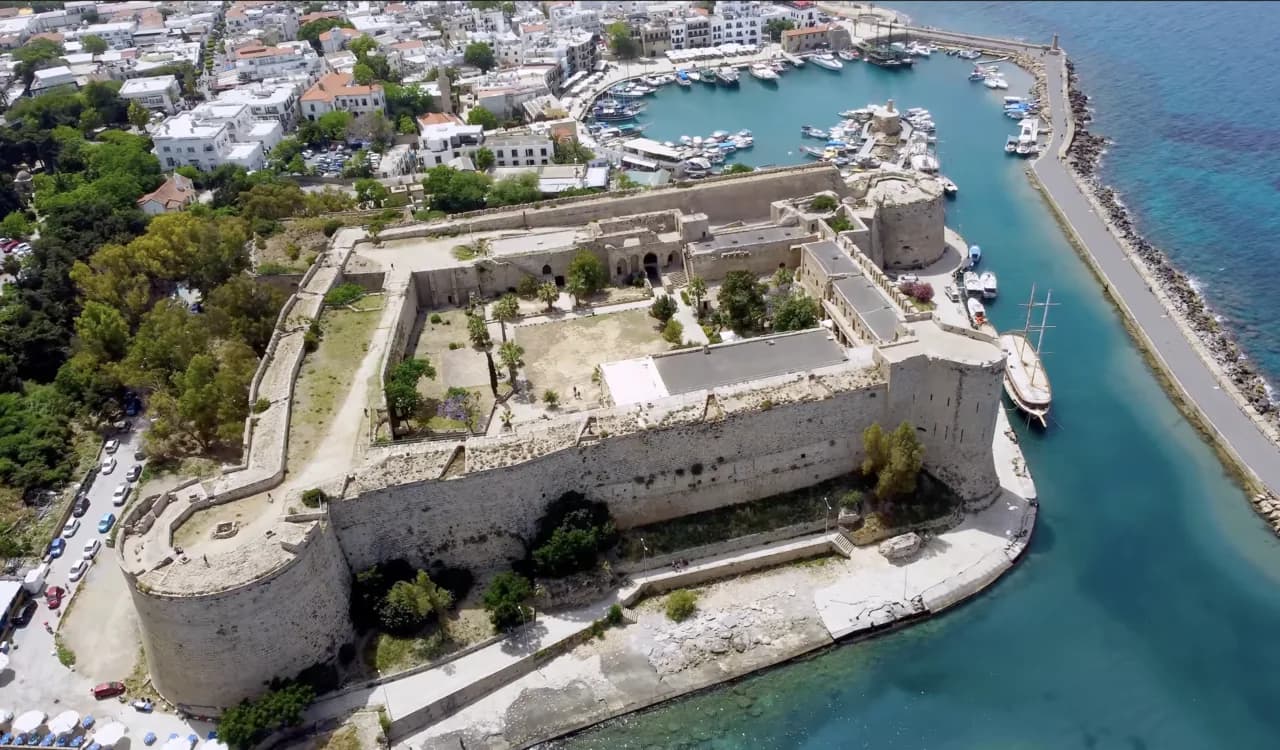
The Karpas peninsula is the long, slender peninsula that reaches northeast from Northern Cyprus towards the sea, roughly 80 km from its base to its tip, thinly populated and mostly rugged. This guide treats it as a driving itinerary from Kyrenia or Famagusta, working east through Dipkarpaz to Apostolos Andreas and Zafer Burnu, with the detours that justify a full day or an overnight stop. If you are basing yourself at the southern end, our Famagusta guide covers the walled city and Varosha before you head for the peninsula.
Plan around distance rather than a checklist: the peninsula's sights sit along a single road spine, so every stop adds to the return drive. Fuel up before you commit to the far end and carry cash, in Turkish lira, for everyday stops.
What the Karpas peninsula is and where it sits
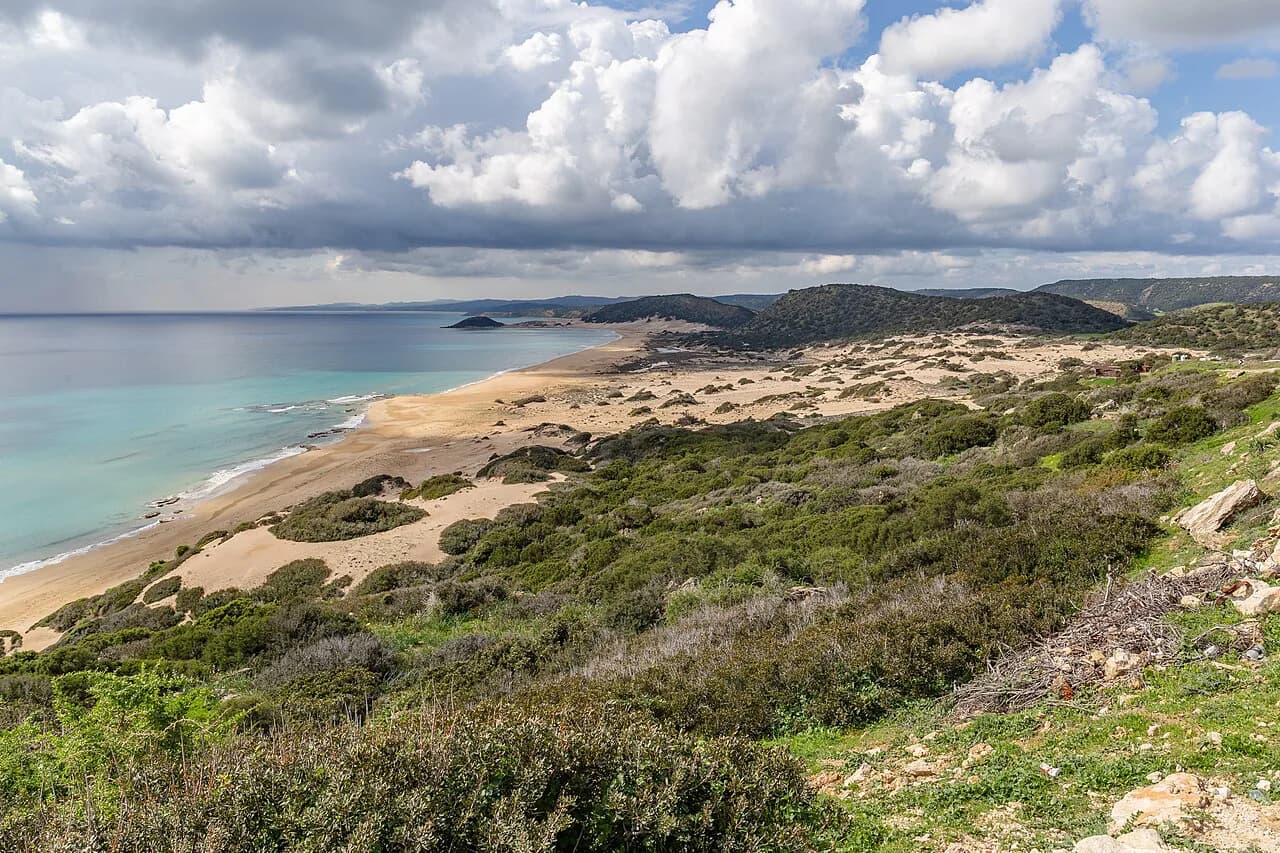
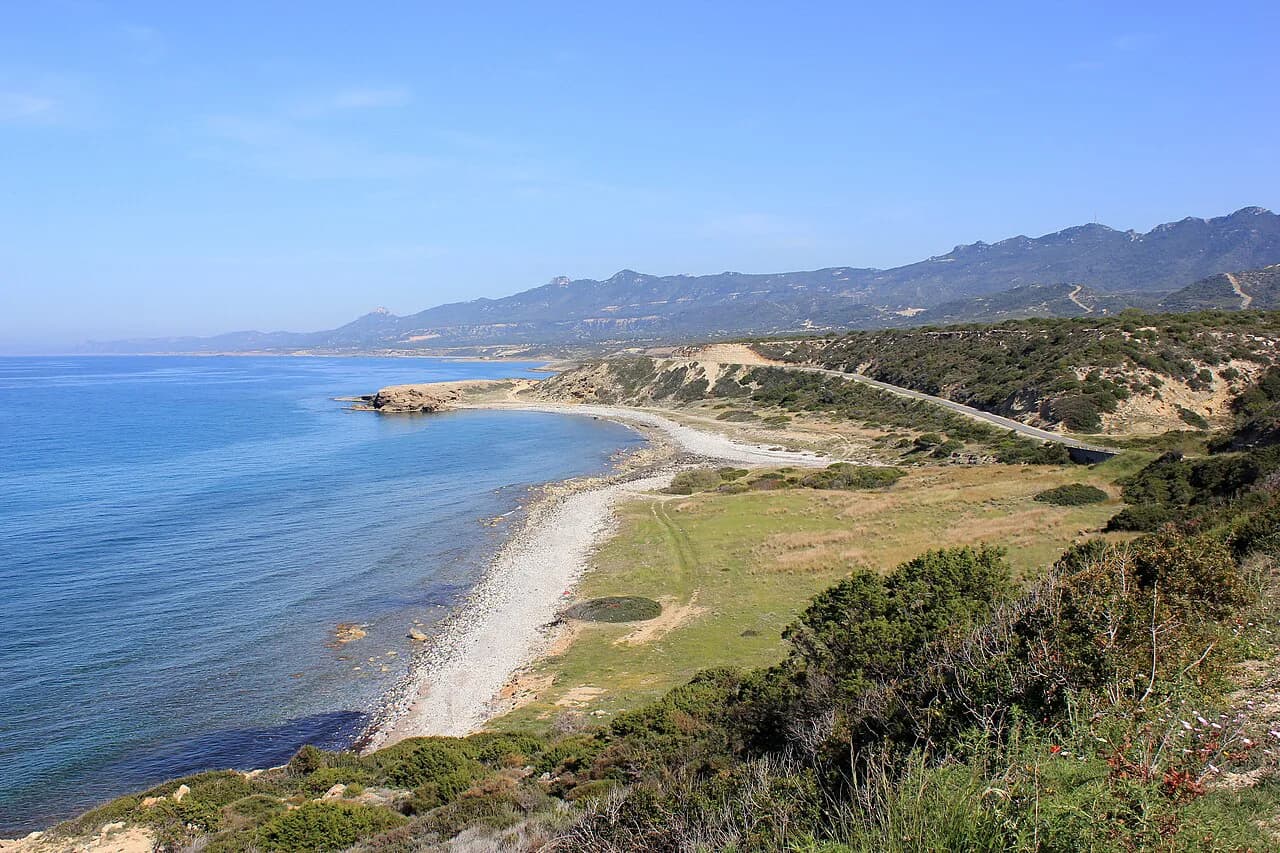
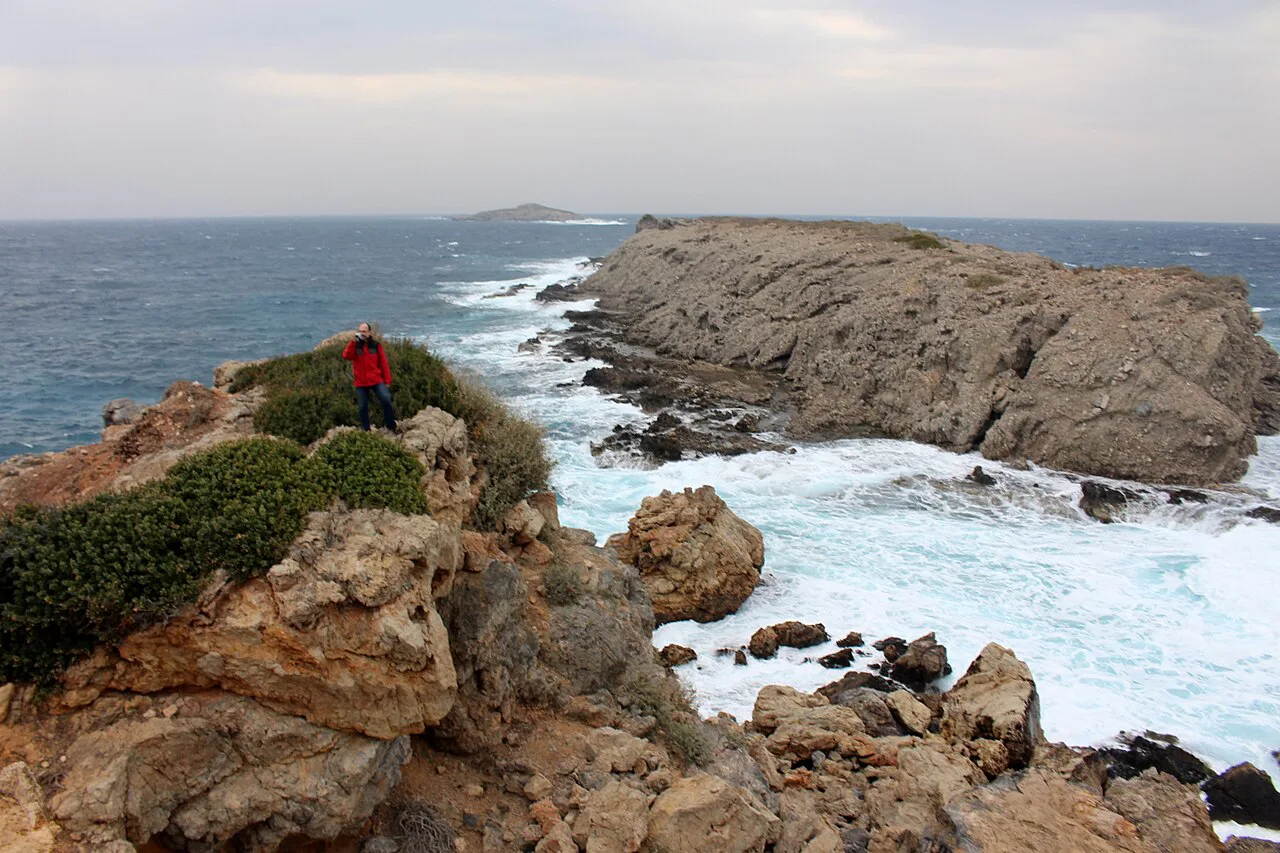
The peninsula runs northeast from the plain behind Famagusta and narrows into a finger of land with sea on both sides. Known as the 'finger' of Cyprus, it is described as the island's most untouched and natural region, with traditional villages, olive groves and long stretches of coast between them.
Its centre is Dipkarpaz, a village of Orthodox Christians and Muslims whose church and mosque stand side by side. The peninsula lies wholly in the north, so the practical setting is the north's roads, currency and hire-car arrangements rather than those of the Republic.
How long you need: a day trip versus staying overnight
A day trip from Kyrenia or Famagusta covers the spine road, Dipkarpaz and Apostolos Andreas, but a single day leaves little room for Aphendrika, Ayias Trias or the far tip. Treat the peninsula as a day's drive with two or three chosen stops, not a day of sightseeing at every site.
Staying the night in or near Dipkarpaz buys you the quietest hours at Golden Beach and an earlier start for Zafer Burnu. Places to stay in the area range from very basic to luxury small villas with full facilities.
The drive: routes from Kyrenia and Famagusta towards Dipkarpaz
From Kyrenia/Girne the natural approach is east along the coast road, passing Boğaz where the peninsula begins, then turning north-east towards Dipkarpaz. Boğaz is a harbour village at the start of the Karpas and works as a coffee stop before the longer empty stretch.
From Famagusta/Gazimağusa the route heads north through Iskele (Trikomo) before joining the peninsula road. Either way, fill the tank before the last substantial town and keep a printed or offline map, because signposting thins out beyond the main junctions.
Driving times depend on traffic, roadworks and how often you stop; no timetable is worth trusting for the far end. Allow the outbound leg to take the morning and the return to take the late afternoon, and do not schedule the tip for the last light of day.
Dipkarpaz: mosque and Ayios Synesios church side by side
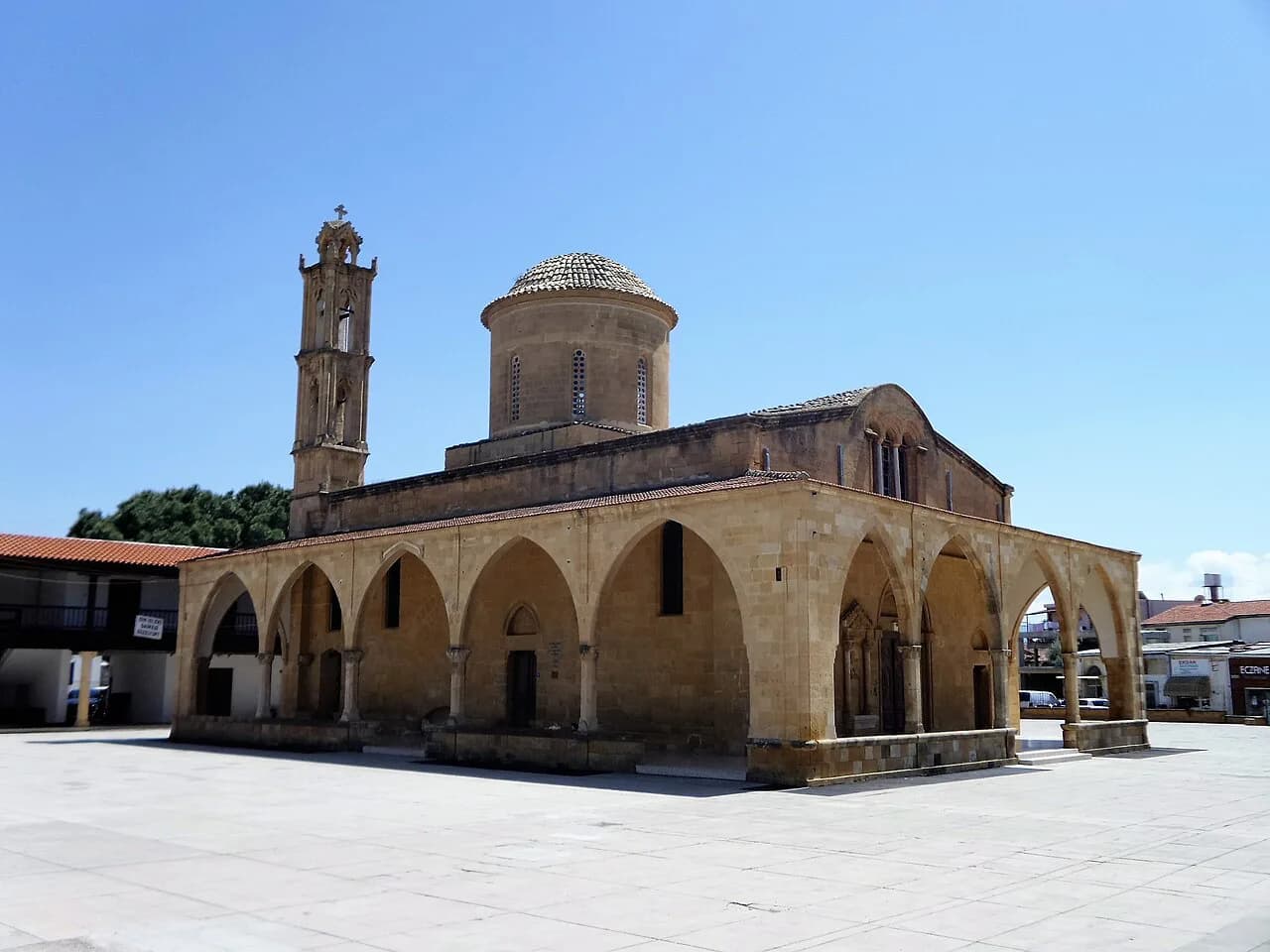
Dipkarpaz (Rizokarpaso) is the service centre of the peninsula and the best place to break the drive. Its mosque and the church of Ayios Synesios sit next to each other, and the community is a mixed one of Orthodox Christians and Muslims who stayed when the island was partitioned in 1974.
Farming and animal husbandry continue here as they have for generations, and facilities along the rest of the peninsula are sparse by comparison. Give the centre 45 minutes on foot to see the mosque and the church, then push on east.
Ancient Carpasia and the Ayios Philon basilica by the sea
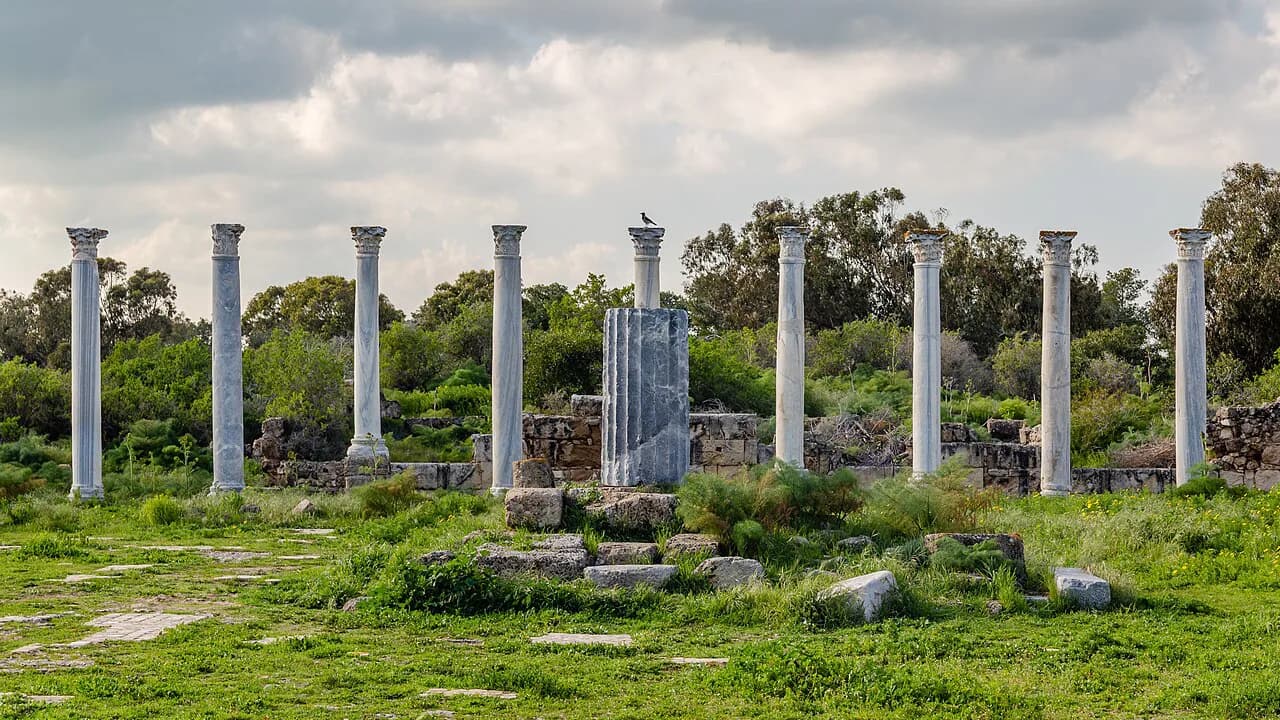
Close to Dipkarpaz lies the site of ancient Carpasia, where the ruins of Ayios Philon overlook the sea. The attraction is the surviving opus sectile floor, a patterned stone inlay that rewards a slow look rather than a quick photograph.
The basilica is a short detour from the village road, so pair it with Dipkarpaz rather than treating it as a separate stop. Allow about half an hour on site, more if you want to read the floor's patterns properly.
Aphendrika: the three ruined churches and where to look for wild donkeys
East of Ayios Philon, a turning leads to Aphendrika and a group of three ruined churches: Ayios Georgios, Panayia Chrysiotissa and Panayia Asomotos. Seeing them by name helps you read the site, because the three stand close together and are easy to blur into one ruin.
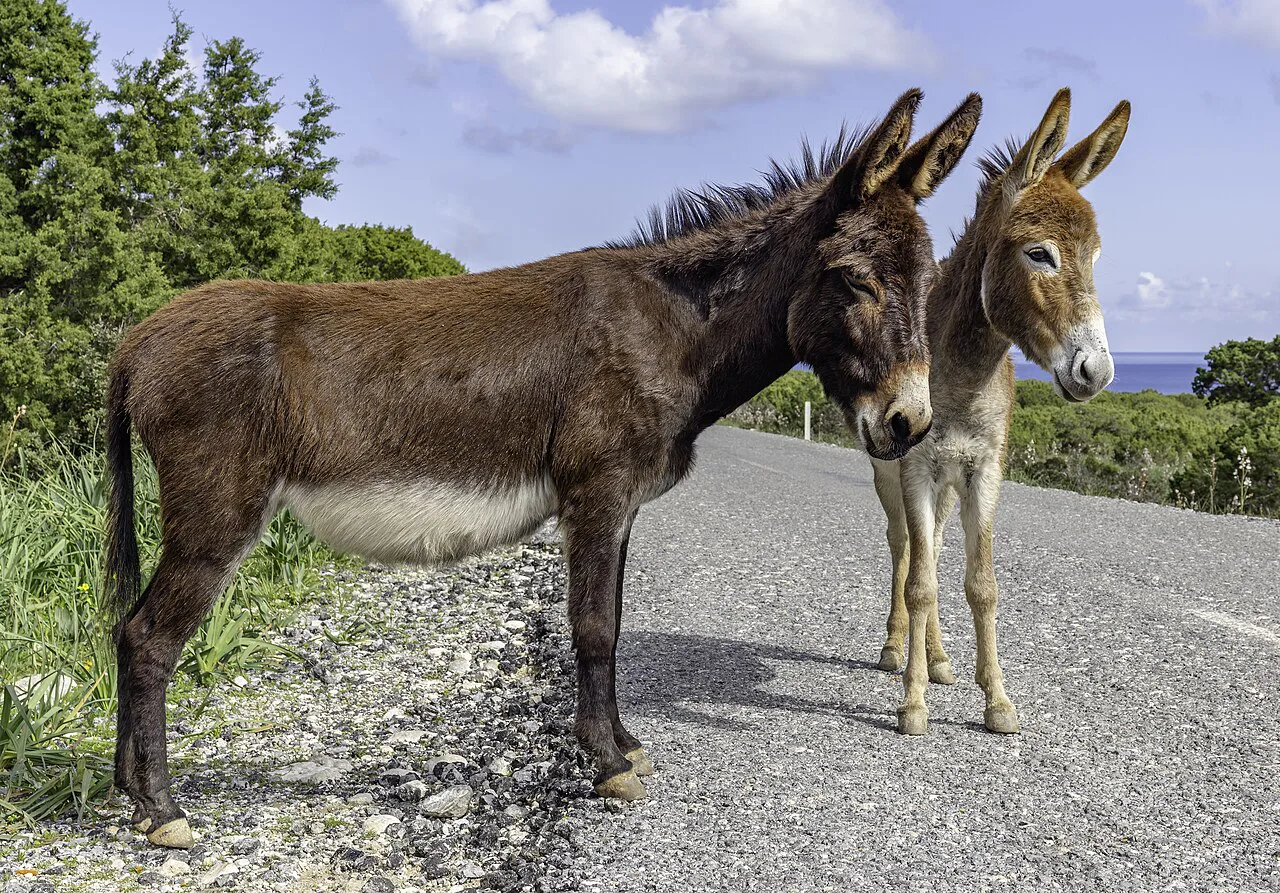
This is a good spot to watch the wild donkeys, and because it is so quiet you may also spot lizards and chameleons sunning themselves. Do not feed the animals, and remember they have right of way on the road.
Apostolos Andreas Monastery and the spring of Saint Andrew
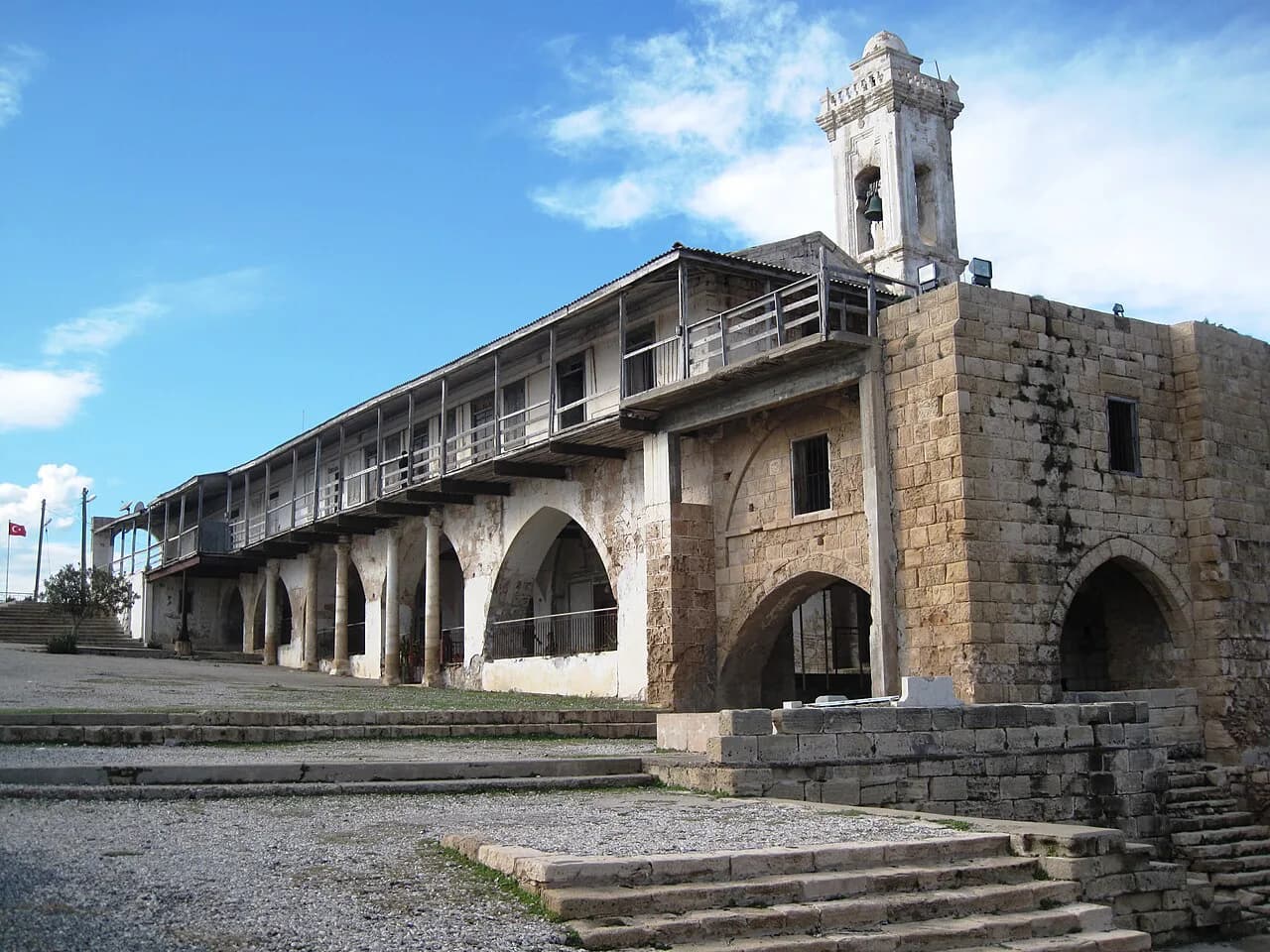
Continuing east from Dipkarpaz, the Apostolos Andreas Monastery is the peninsula's main pilgrimage site and impossible to miss. Christians and Muslims both regard it as sacred, and a freshwater spring is associated with Saint Andrew and is held to have miraculous power.
This is where the driving effort pays off, and it deserves more than a car-park photo. Dress respectfully and allow 45 minutes to an hour.
Zafer Burnu at the tip: seabirds and dangerous currents
Beyond the monastery the road ends at Zafer Burnu, the far tip of the peninsula and the home of seabirds, with dangerous sea currents offshore.
The final stretch is the loneliest part of the drive, with little in the way of services or shelter. Go only with a full tank and daylight to spare, and turn back if the surface or the weather starts to look doubtful.
Ayias Trias mosaic floor and Yeni Erenkoy's tobacco and carob warehouses
Heading west from Dipkarpaz, a signposted left turn leads to Ayias Trias, where the floor of a long-gone basilica holds the finest mosaic work in North Cyprus. The patterns are varied and intricate, and a slow look repays the detour more than a hurried photo stop.
Yeni Erenkoy still shows the remains of its tobacco industry, with warehouses in the village centre and, near the shoreline, old carob warehouses and tobacco smokehouses. It is a working village rather than a museum, so walk the centre respectfully and keep to public lanes.
Golden Beach and where swimming fits into the day
Golden Beach, the most famous beach on the peninsula, is the obvious place to swim and relax, with soft sands and turquoise water.
Slot it into the middle of the day, after Dipkarpaz and before the monastery, so you are not driving back in the dark. Bring water and your own shade.
Fuel, roads and driving times across the peninsula
Fuel up at Dipkarpaz or before you leave the Famagusta plain, and carry Turkish lira for fuel and small purchases. The peninsula road is a single spine with few junctions, so a paper map or offline navigation is more dependable than a phone signal in the empty eastern stretches.
Drive on the left, keep your speed down for livestock and donkeys, and plan the return leg before dusk. Getting back to Kyrenia or Famagusta is a long, dark run if you leave the tip late.
Guided tours versus self-driving: what a Karpaz tour includes
A guided Karpaz tour from Kyrenia covers the peninsula's main sights and removes the stress of the final empty stretch. Visit North Cyprus publishes a full-day tour with adult prices from £75, so confirm the price and itinerary with the operator before booking.
Self-driving gives you more stops and the flexibility to linger at Ayias Trias or Aphendrika, but you carry the fuel, the map-reading and the drive home. A tour is the better choice if you have one day, want the commentary and do not mind the fixed schedule.
Should you drive to the tip or tour the peninsula?
Self-drive if you have two days, want to see Aphendrika and Ayias Trias and can start early; book a tour if you have a single day and want the far end handled for you. Either way, treat the peninsula as a full day's driving rather than a series of short hops.
Check the hire car's insurance and fuel arrangements before you set out, and confirm any tour's timetable with the operator. For walkers and swimmers alike, the honest verdict is that the Karpas rewards patience more than speed.
Explore more North Cyprus guides
Frequently Asked Questions
Can you drive the Karpas peninsula in a day?
Yes, but only as a focused drive with two or three stops. The peninsula is roughly 80 km from base to tip, so a single day covers the main road, Dipkarpaz and Apostolos Andreas, while Aphendrika, Ayias Trias and Zafer Burnu need an earlier start or an overnight stay to do them properly.
What currency is used on the Karpas peninsula?
The peninsula is in Northern Cyprus, which uses the Turkish lira. Carry cash for fuel and small purchases, and check with your hire-car company about insurance cover for crossing to the north before you travel.
Are there wild donkeys on the Karpas?
Wild donkeys roam the peninsula and are most often seen around the Aphendrika ruins. Do not feed them and give them space on the road.
Sources
Notes for your Cyprus trip
Optional updates to our Cyprus guides.
You might also like
Continue reading
More guides you'll find useful