Cyprus Donkeys: Where to See Them on the Karpas Peninsula
Where the free-roaming Cyprus donkeys live on the Karpas Peninsula, how to behave around them and what to know before driving out to Apostolos Andreas.
On this page
Cyprus donkeys are free-roaming animals of the Karpas Peninsula, the long finger of land that reaches north-east towards Apostolos Andreas Monastery, and that is where you have the best chance of meeting them. They wander open ground and roadside, often in loose groups rather than staying put. This guide covers the two strains you may see, how to behave around them, the Republic-side home at Prastio near Limassol, and the practical business of driving out from Kyrenia or Famagusta.
The trip suits travellers with a hire car and a day to spare, since the peninsula is remote and public transport is thin. Read the wider Karpas Peninsula guide for villages and coast, or the separate page on the Apostolos Andreas Monastery for the site itself.
What the Cyprus donkey is
Two strains make up the Cyprus donkey, and they are easy enough to tell apart once you know what to look for. The larger type carries a dark coat with a pale belly, and its size is what makes people mistake it for a pony at a distance. The smaller type is typically grey and less imposing. Both turn up across the peninsula.
The animal is closely tied to the island's image, which is why Cypriots on both sides speak of it fondly. If you are sketching a route around the north, build a donkey sighting into the eastern run rather than treating it as a roadside curiosity.
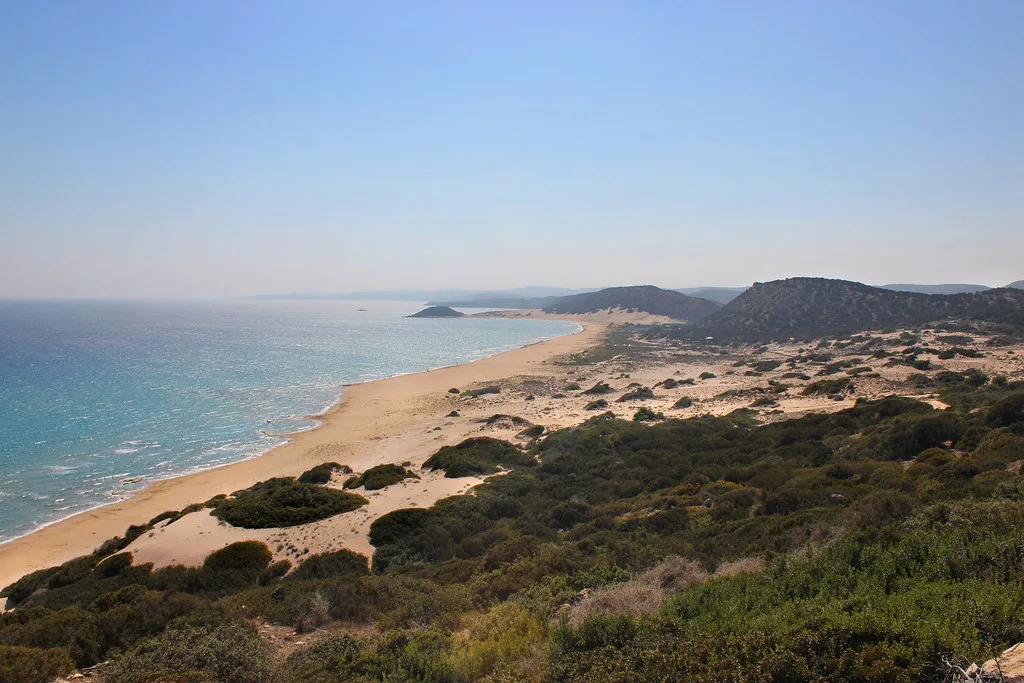
Where to see Cyprus donkeys on the Karpas
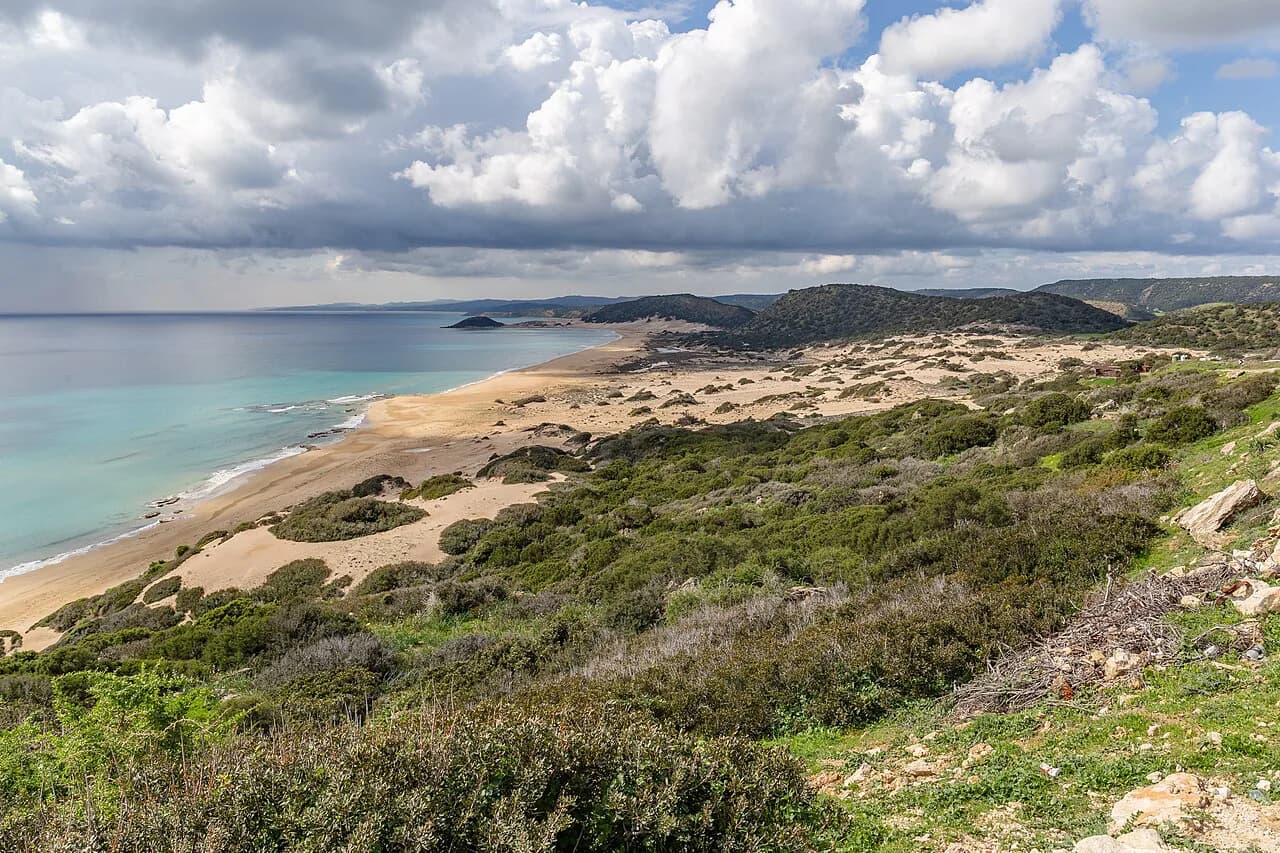
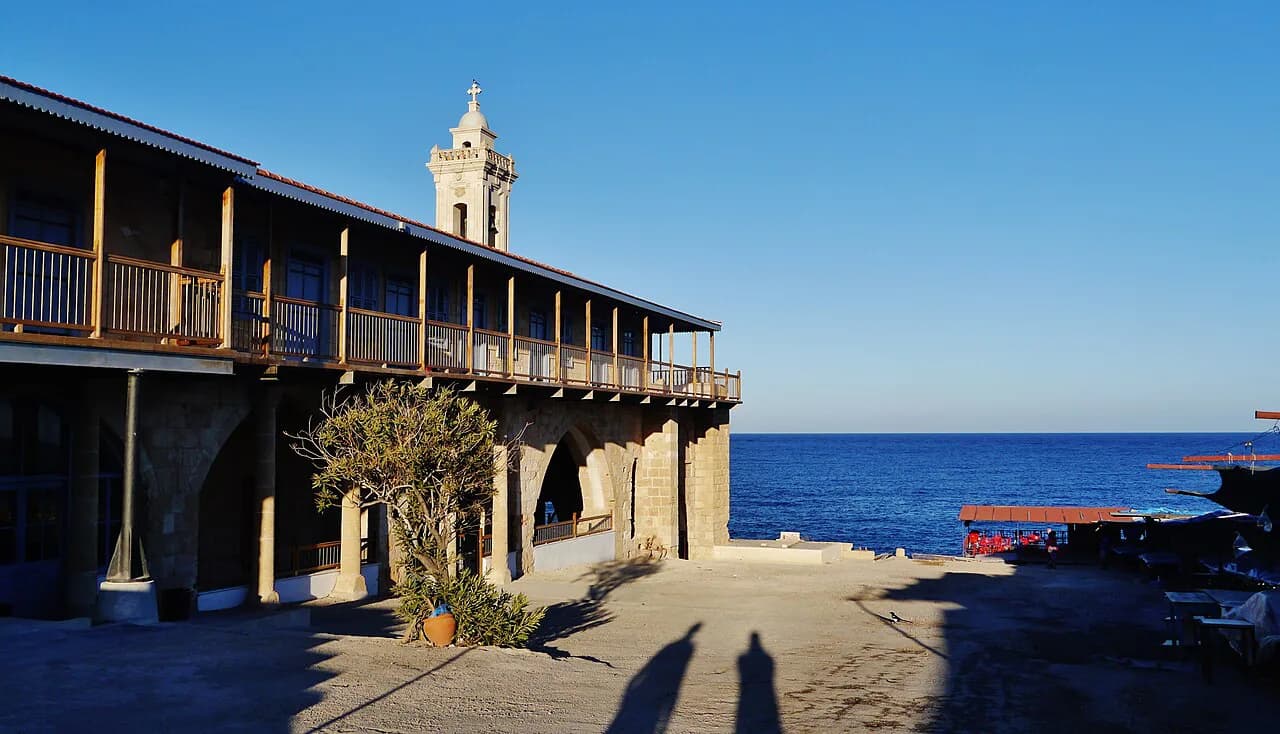
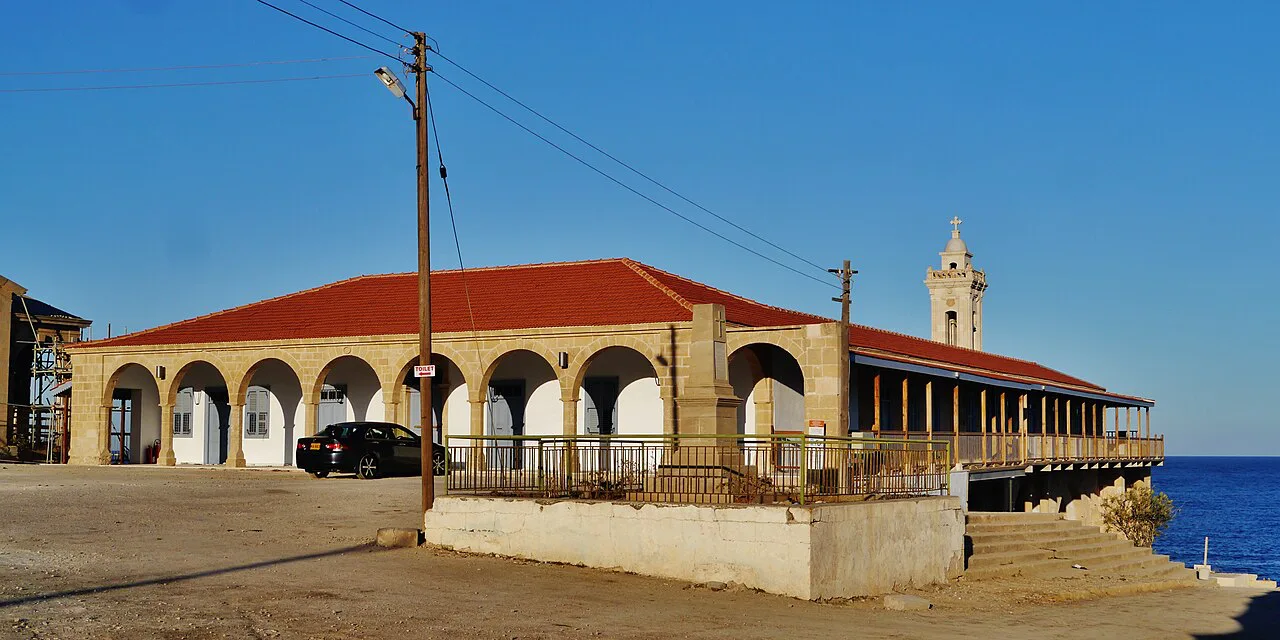
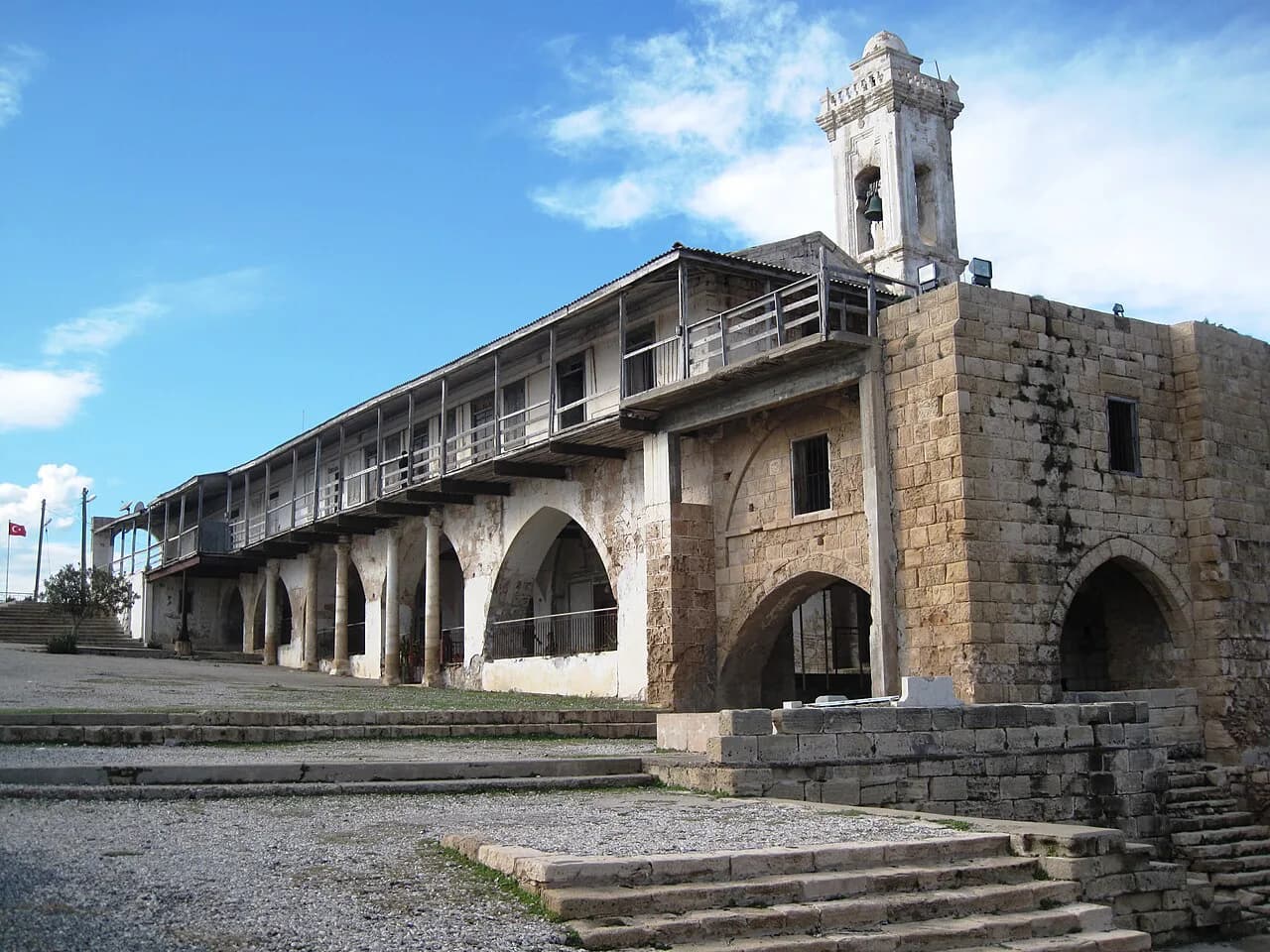
The reliable ground is the Karpas Peninsula itself, especially the open country approaching Apostolos Andreas Monastery at the very tip. Visitors exploring that landscape, or calling at the monastery, commonly run into the donkeys on the way. They gather near roads and in fields, so watch the verges once the villages thin out.
A sensible base for the day is Dipkarpaz (Rizokarpaso), the largest village on the peninsula, from which the run to the monastery is straightforward. Settle the day's plan before you set off, because services thin out and you do not want to be improvising fuel or food late in the afternoon.
Donkeys in the Republic: the Prastio haven near Limassol
The Donkey Sanctuary Cyprus programme has now closed, but the charity continues to provide a permanent, caring home for donkeys at Prastio in the Limassol district. That makes Prastio a different proposition from the Karpas: animals kept and looked after, not a stretch of open country where herds roam. The distinction matters when you weigh a south-side stop.
Treat the Prastio site as a working home for animals rather than a visitor attraction with a published programme, and do not assume public visiting is available. If you are based in Limassol, plan the rest of the day around the old town and waterfront instead.
Why donkeys matter to Cypriots
When news broke in 2008 that donkey numbers were declining, the reaction among Cypriots was strong enough to prompt one of the first collaborations between the two sides of the island in a long time. That is the history behind the conservation efforts that followed, and it explains why the animal carries more weight than its size suggests.
Conservation work since then has included sanctuaries where visitors can observe Cyprus donkeys under professional care. The free-roaming herds of the Karpas are the other half of the picture: one is managed, the other lives wild on open land, and knowing which you are looking at shapes how you behave.
How to behave around wild donkeys
The Karpas donkeys are friendly and sociable, accustomed to people and unbothered by a quiet approach. Carrots are the traditional offering, and a bag of them is the single most useful thing you can put in the car before you drive east. They enjoy being patted and given treats, so a calm, unhurried manner works well.
There is a limit, though. Don't squeeze them or crowd into their comfort zone, because these are large animals with their own space and a sharp sense of when it has been breached. Let the donkey come to you rather than chasing it for a photograph. The Apostolos Andreas Monastery page covers what to expect at the site itself.
Driving the Karpas: the Green Line, insurance and the left
Cyprus drives on the left, which will feel familiar to drivers from the UK and Ireland and needs a moment's adjustment for everyone else, particularly on the peninsula's narrow rural roads. The Republic uses the euro and the north uses the Turkish lira, so carry both if your trip crosses the Green Line. Plan your crossing at an official point, carry your passport, and confirm with your hire-car company in writing that your insurance covers the north; cover is not automatic, so ask the rental firm directly.
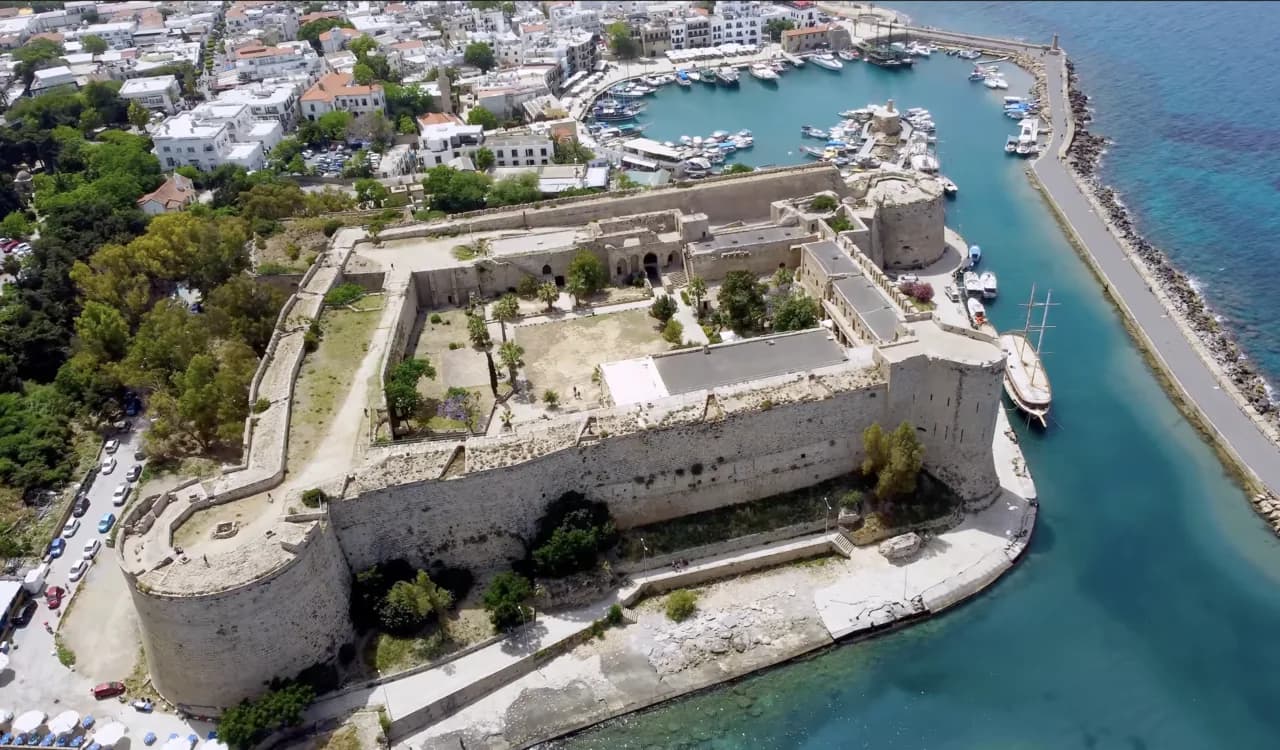
Route your day through Iskele (Trikomo) if you are coming from the Famagusta side, or along the coast from Kyrenia by way of Boğaz, the harbour village at the start of the Karpas. Boğaz, North Cyprus makes a natural lunch stop before the long eastern run. Fill the tank before the roads empty out, and allow more time than the distance suggests.
Other animals you might see
The Cyprus mouflon is the island's other signature animal, a wild sheep classified as vulnerable by the International Union for Conservation of Nature, and it lives in higher, forested country rather than the peninsula's open flats. The Mediterranean monk seal is the rarer sighting, classed as endangered and recorded along Cypriot shores with increasing frequency over the past decade, though it is not unique to Cyprus. Neither is a realistic target on a Karpas day out.
Is the Karpas donkey drive worth the day?
Yes, if you have a car and a full day, and if you treat the animals as the point of the trip rather than a bonus on the way to the monastery. The drive is long, the roads are quiet and the reward is a genuine encounter with free-roaming animals in open country.
Skip it if your time in the north is short or you are relying on buses, and treat the Prastio home near Limassol as a working animal home rather than an attraction if you are based in the south. Confirm your hire-car cover for the north before you go.
Explore more North Cyprus guides
Frequently Asked Questions
Is the donkey the national animal of Cyprus?
The Cyprus donkey is the island's own breed and is often called its unofficial mascot, but it is not formally the national animal. The Cyprus mouflon is the wild species most often cited as the island's signature animal, and it lives in mountain forests rather than on the Karpas.
Can I see donkeys without crossing to the north?
The charity that ran the Donkey Sanctuary Cyprus programme has closed it but still keeps donkeys at a permanent home in Prastio, in the Limassol district of the Republic. That is the southern option, though it is a working animal home rather than a public attraction; the free-roaming herds are on the Karpas Peninsula in the north.
Sources
Notes for your Cyprus trip
Optional updates to our Cyprus guides.
You might also like
Continue reading
More guides you'll find useful