Iskele, North Cyprus: A Guide to Trikomo and the Start of the Karpas
Iskele, formerly Trikomo, is a modest North Cyprus town with two historic churches and a harbour nearby. Here is what to see and how long it needs.
On this page
Iskele, known in Greek as Trikomo, is a modest coastal town in North Cyprus best treated as the gateway to the Karpas peninsula rather than a destination in its own right. Two historic churches in the centre justify a stop of an hour or two, and the harbour village of Boğaz lies just along the coast. This guide covers what to see, how the town is laid out and how it fits a day heading north from Famagusta.
Where Iskele sits and why it matters
Iskele lies on the main road from Famagusta to the Karpas Peninsula, which makes it the natural first stop on any drive north-east. Visit North Cyprus describes it as one of the largest towns in the north, with golden beaches and fish restaurants close by, and notes the old name Trikomo. Treat the town as a staging point: you see the churches and the centre, then continue towards the peninsula.
The road position is the practical argument for stopping. If you are heading for the Karpas Peninsula and the Apostolos Andreas Monastery at the tip, the coast beyond Iskele stretches longer and emptier. Skipping the town means missing the two churches described below, which are its main historic sights.
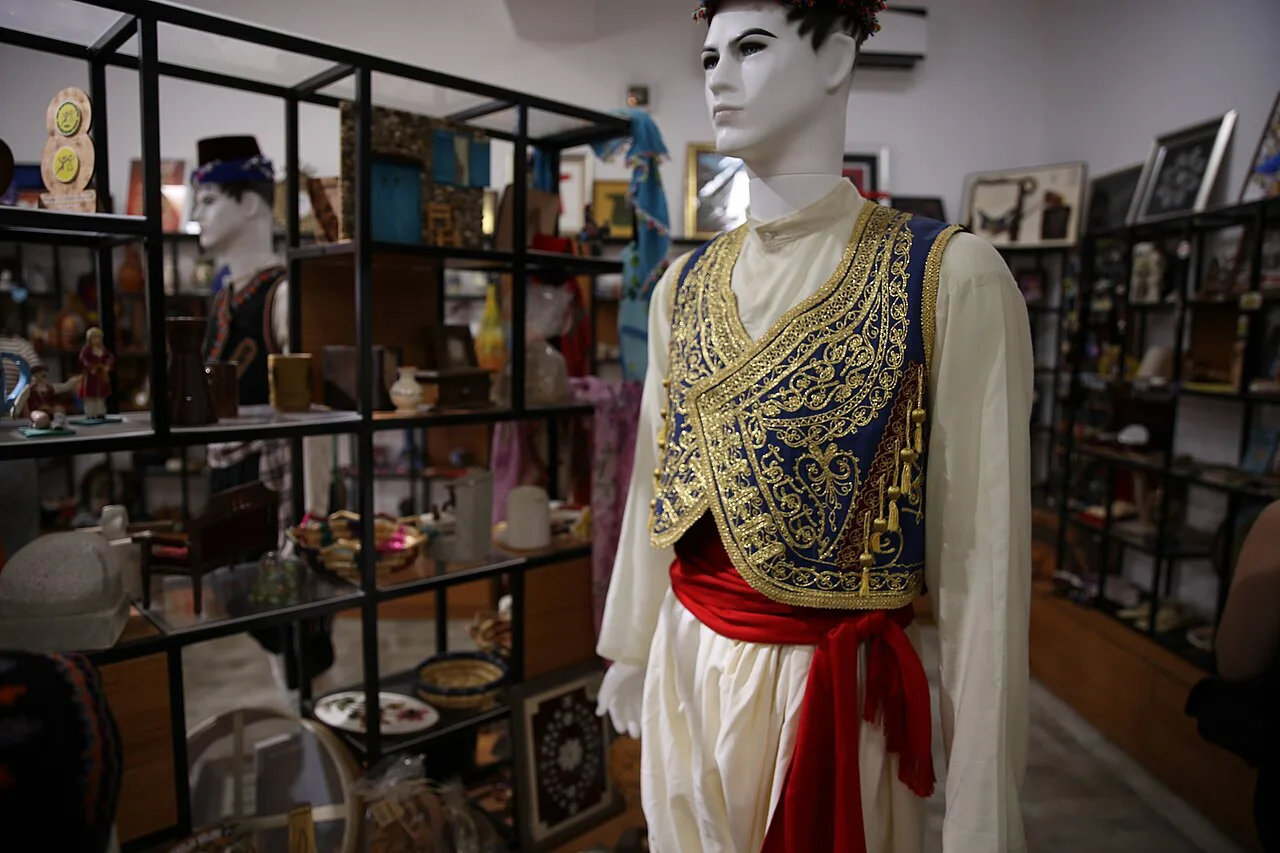
Iskele's layout: centre, main road and coast
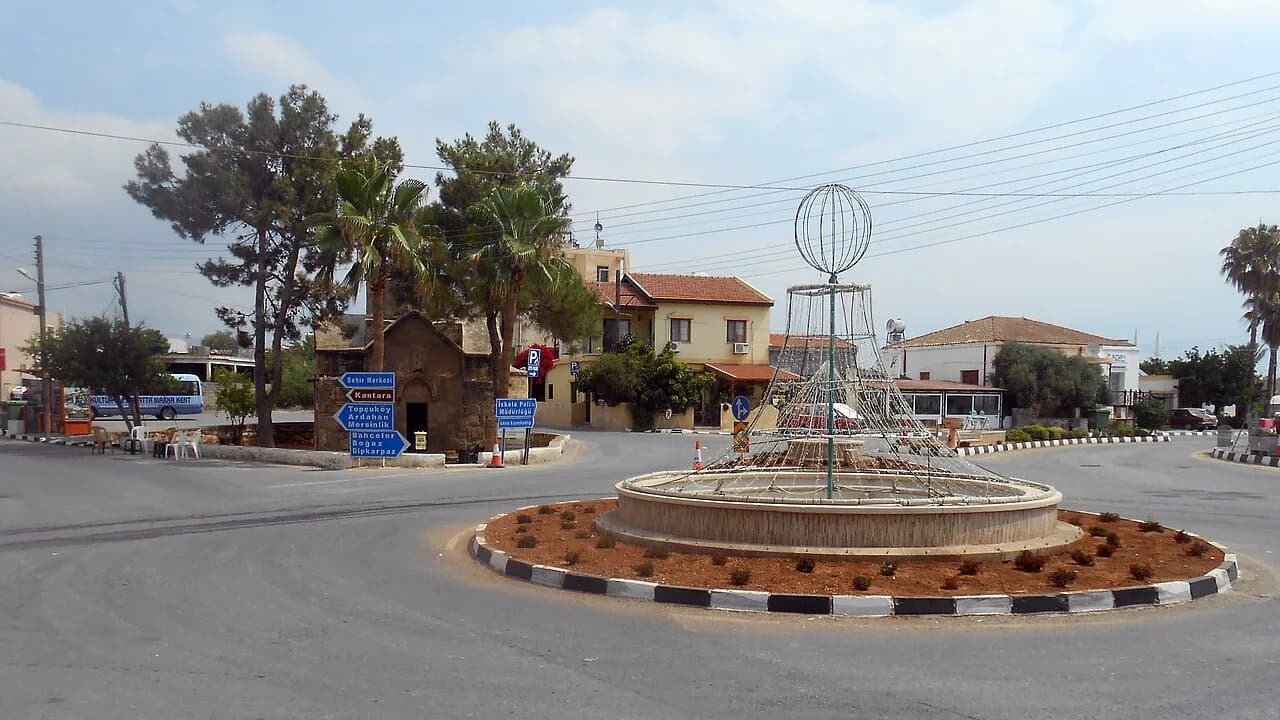
The town centre is compact, with the two churches close enough to visit on foot in one short circuit. The main Famagusta–Karpaz road runs through the area, and the coast sits a short distance away rather than in the middle of town. Park once near the centre and walk between the sights rather than moving the car.
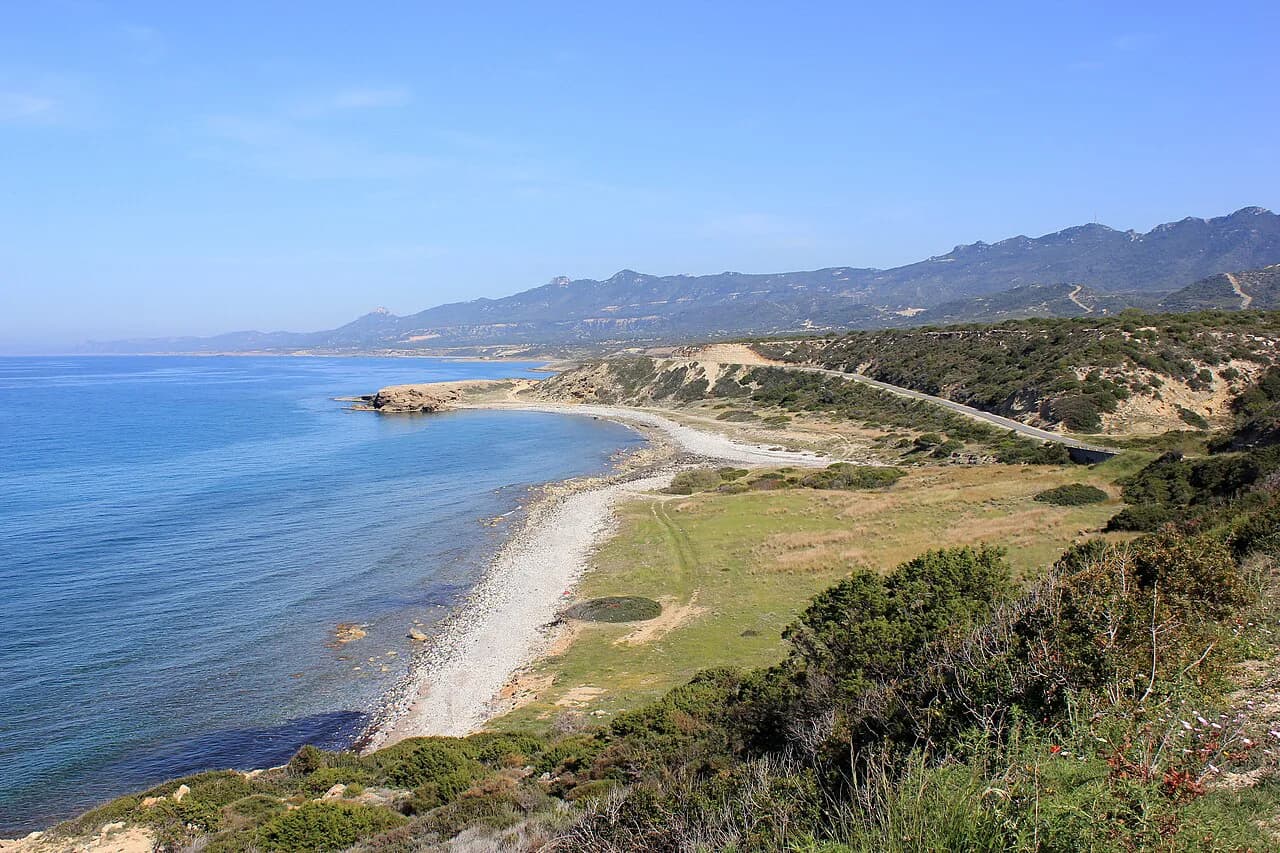
Beyond the centre, the coast splits into two distinct stretches. Boğaz, the adjacent fishing village, has fish restaurants ranged around its harbour, while Bafra further north has sandier shores and clear water that have drawn high-class hotels. Knowing this helps you decide whether to tack a harbour lunch or a beach stop onto your church visit.
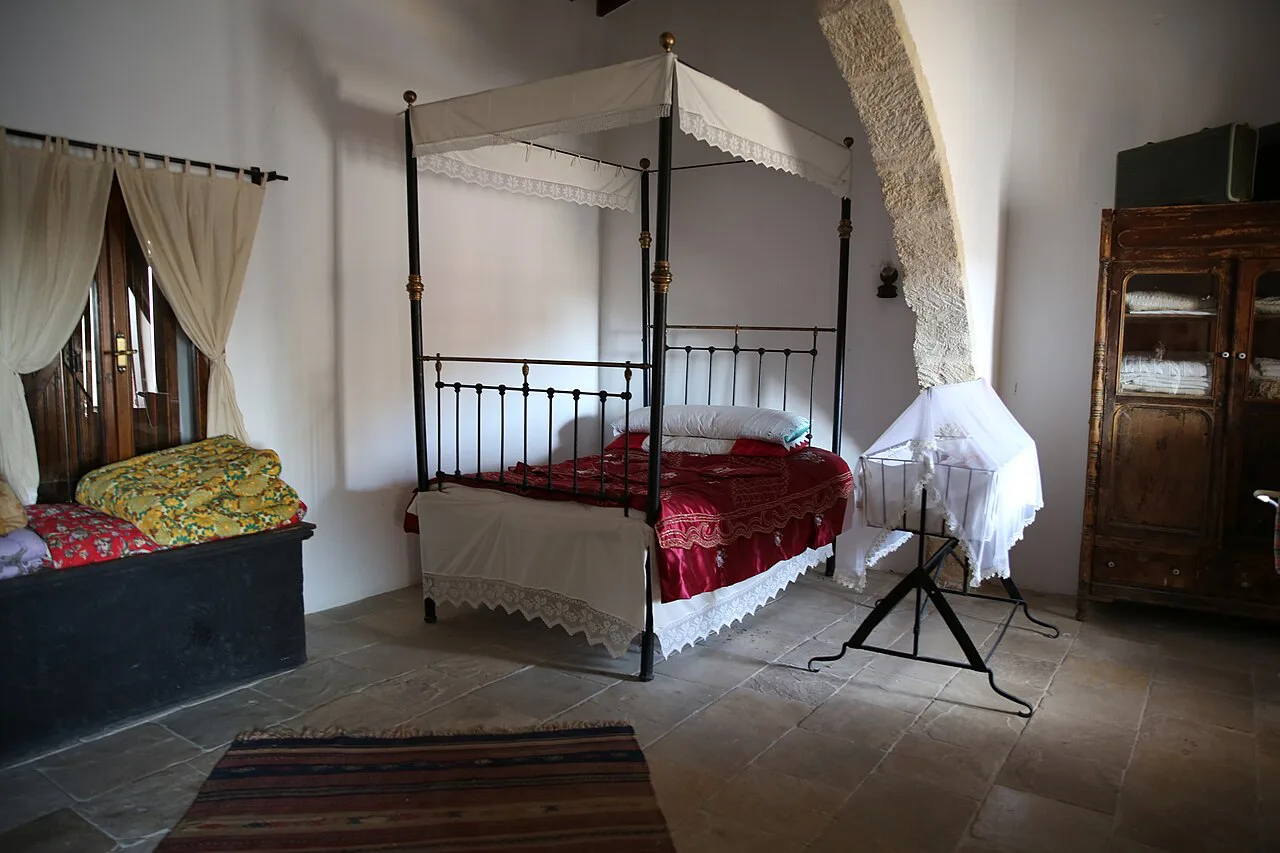
Panayia Theotokos: the 12th-century church and museum
Panayia Theotokos is the more substantial of Iskele's two churches and the one to prioritise. Visit North Cyprus describes it as built in the 12th century and functioning also as a museum, which makes it the closest thing the town has to a heritage attraction. Budget the bulk of your time here rather than splitting it evenly between the churches.
Because it serves as a museum, expect a visitor-facing set-up rather than a working parish church. Opening arrangements are not published in the sources consulted, so confirm locally or with the North Cyprus tourism office before making a special trip.
Ayios Iakovos (St James): the small cruciform church
Ayios Iakovos, or St James, is the second of the pair and a very different experience. Visit North Cyprus describes it as a tiny cruciform church erected in the 15th century, so it is later and far smaller than Panayia Theotokos. Visit it second, as a quick complement rather than a standalone sight.
Its size is the point: a cruciform plan in a chapel-scale building tells you more about the village's modest past than any museum label. Allow ten to fifteen minutes unless you find it open and want to linger.
Boğaz harbour and its fish restaurants
Boğaz, the fishing village next to Iskele, is the obvious place to eat after the churches. Visit North Cyprus describes an amazing array of fish restaurants ranged around its harbour, which makes it a natural lunch stop rather than a sight in itself. It is also covered in more detail in the Boğaz, North Cyprus guide.
Bafra's sandier shore further north
Bafra lies further north along the same coast and offers a different scene. Visit North Cyprus notes that its sandier shores and clear Blue water have turned what was an old village into a tourism hotspot with high-class hotels. If you want a swim after the town, this is the stretch to aim for.
How long Iskele needs and how it fits a Karpas or Famagusta day
Two hours covers the centre comfortably: the two churches, a short walk between them and a pause for coffee. Adding Boğaz for lunch pushes that to half a day, and adding Bafra for a swim fills a full day. The town itself is modest, so do not build an itinerary around it alone.
The best fit is a day that starts in Famagusta and runs north-east, with Iskele as the first stop and the peninsula beyond. If you are heading deeper into the Karpas, plan the rest of your route around the Dipkarpaz (Rizokarpaso) page and the monasteries and villages further on. Readers coming from the west can also break the journey at Kantara castle on the Kyrenia range.
Getting there and around: driving from Famagusta
Iskele sits on the main road from Famagusta to the Karpas Peninsula, which is the simplest approach by car. No bus, minibus or ferry timetables for the town are published in the sources consulted, so plan on driving or arrange transport locally. Cyprus drives on the left throughout the island, which matters most when you first pull out of Famagusta.
Parking in the centre is straightforward for a short visit, and walking between the two churches saves moving the car twice. If you are continuing to the peninsula, fill up before leaving the Famagusta area rather than relying on finding a station in the villages.
When to go: summer heat and the shoulder season
Spring and autumn are the comfortable months for walking between the churches and exploring the harbour. High summer brings strong heat, which makes an early start sensible if you plan to combine Iskele with Boğaz and Bafra. The town has little shade in its open streets, so build in a long lunch by the water.
What the name means and why you see both Iskele and Trikomo
The town is known by two names. Visit North Cyprus introduces it as İskele, formerly called Trikomo, and the older Greek name Trikomo is still used alongside the Turkish one. Map and sign lettering may show either, so read them together rather than assuming they are different places.
Should you stop at Iskele or drive straight to the Karpas?
Stop if you have any interest in the two churches, because Panayia Theotokos in particular is a genuine 12th-century building with a museum inside. Drive past only if you are racing for the peninsula and the Apostolos Andreas monastery at the far end. For most travellers, an hour in the centre plus lunch at Boğaz is the right balance.
Explore more North Cyprus guides
Frequently Asked Questions
What other name does Iskele go by?
Iskele was formerly called Trikomo, its Greek name, which is still used alongside the Turkish one. Visit North Cyprus introduces the town under both names, so maps and signs may show either.
Sources
Notes for your Cyprus trip
Optional updates to our Cyprus guides.
You might also like
Continue reading
More guides you'll find useful