Lefkara Lace (Lefkaritika): How It's Made and Where to See It
Lefkara lace, or lefkaritika, is a hand-embroidered Cypriot craft inscribed by UNESCO in 2009. Here is how it is made and where to see it in Pano Lefkara.
On this page
Lefkara lace is a hand-embroidered linen craft from Pano Lefkara in southeastern Cyprus, inscribed on UNESCO's Representative List of Intangible Cultural Heritage in 2009 as lefkaritika. A finished piece combines four techniques — hemstitch, cut work, satin stitch fillings and needlepoint edgings — worked in cotton thread on linen. This guide covers how the craft is built up, what a piece should look like, and how to plan a half-day there from Larnaca or Limassol; for the village itself, see Lefkara: A Guide to the Lace and Silver Village of Cyprus.
What lefkaritika actually is
Lefkaritika is embroidery rather than bobbin or machine lace: linen cloth is drawn and cut, then stitched with cotton thread into patterns that sit somewhere between openwork and fine needlepoint. The four elements named by UNESCO are the hemstitch, cut work, satin stitch fillings and needlepoint edgings, and a single tablecloth can use all four across different bands. Knowing the terms helps at the point of sale, because cut work that has been hand-finished shows tiny irregularities at the edges rather than the uniform grid of a machine punch.
The tradition in Pano Lefkara goes back at least to the fourteenth century. The designs grew from a mix of local craft, ancient Greek and Byzantine geometric patterns, and the embroidery of Venetian courtiers who ruled the country from 1489, which is why you will see both repeating crosses and scrolling florals on the same stall.
How a piece is made, step by step
Cloth is worked by hand with linen and cotton thread. The lace-maker designs as she goes, drawing on the traditional vocabulary and then adding her own touches, so two cloths with the same border can differ in the centre panel. The practical consequence for a buyer is that no two hand-worked pieces are identical.
The hems are stitched to fix the cloth, then the cut work opens the ground and the satin stitch fills the motifs, with needlepoint edgings finishing the border. A large show piece takes far longer than a set of napkins, so scale and density of stitching tell you more than the size of the label when you compare two items in the same shop.
Why UNESCO listed it in 2009
The 2009 inscription recognised a living social practice, not just a textile: the committee cited the way the craft is passed down between generations and the aesthetic and economic value it gives the women of Lefkara. Safeguarding measures attached to the listing include an archive, contests, scholarships, research and a lacemaking school.
Lefkara work is also held in the heritage archives of the Municipality of Lefkara and in the oral tradition archives of the Scientific Research Centre of Cyprus. For a visitor, that mainly means the village treats the craft as its identity rather than as tourist merchandise, which shows in how readily makers will explain a stitch if you ask.
Who makes it, and where you see them working
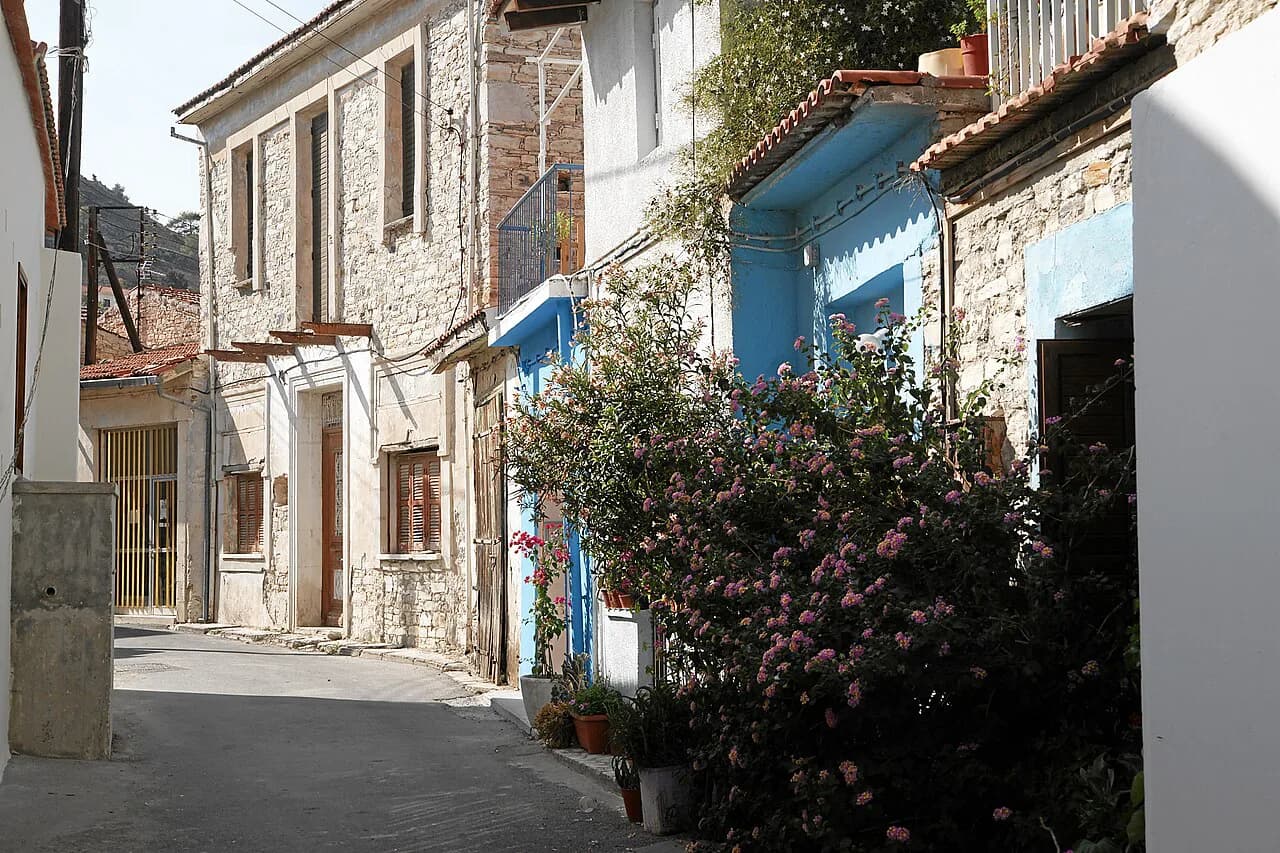
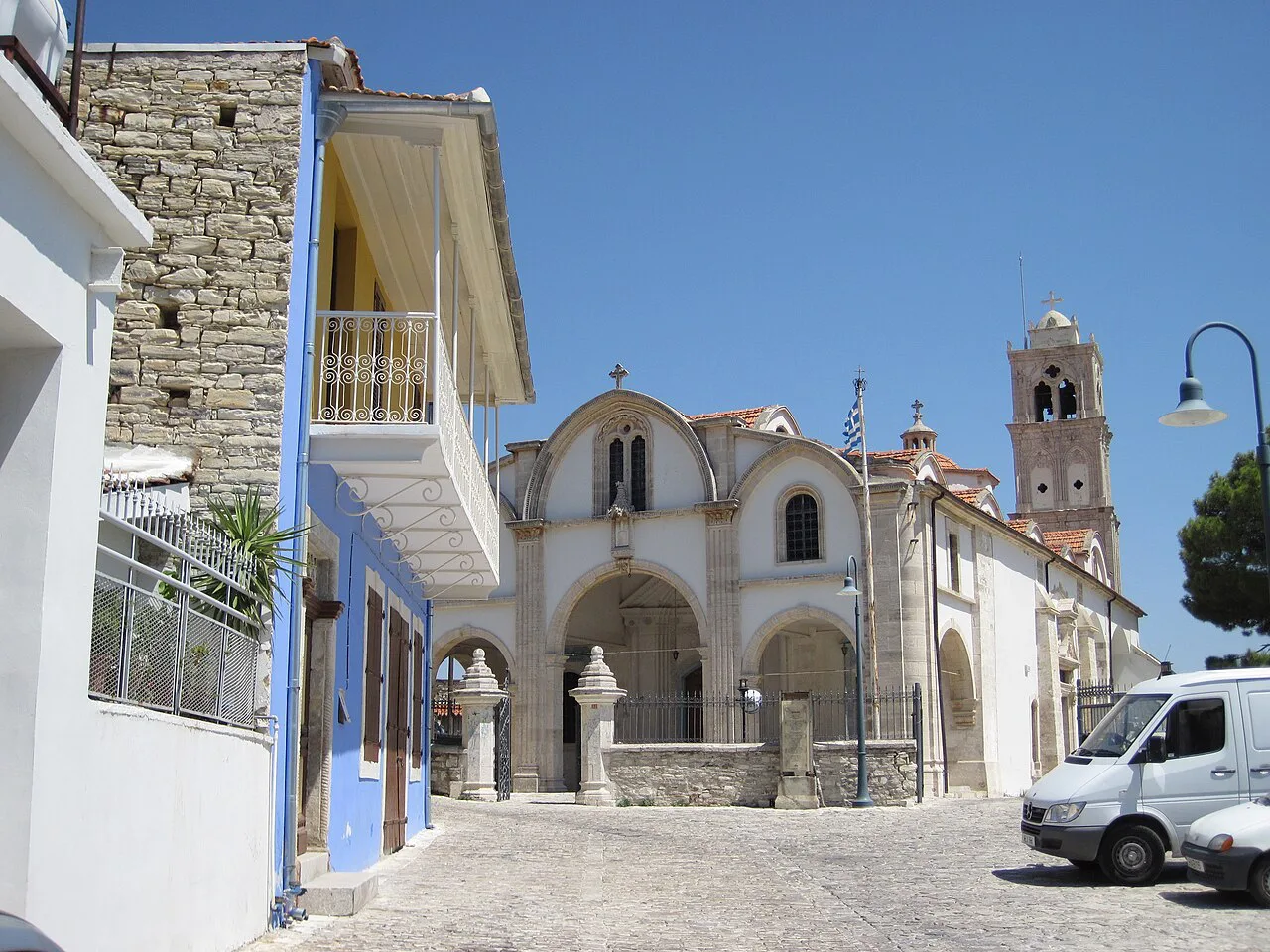
Lefkara lace is still made by hand in the village, and the working habit is communal: the women sit together in the narrow streets or on covered patios with cloth on their laps, talking as they stitch. That is the most direct way to see lefkaritika — walk the centre of Pano Lefkara slowly and look for the women working outside, rather than treating the village as a set of shops. The village also has a long silversmithing trade alongside the lace.
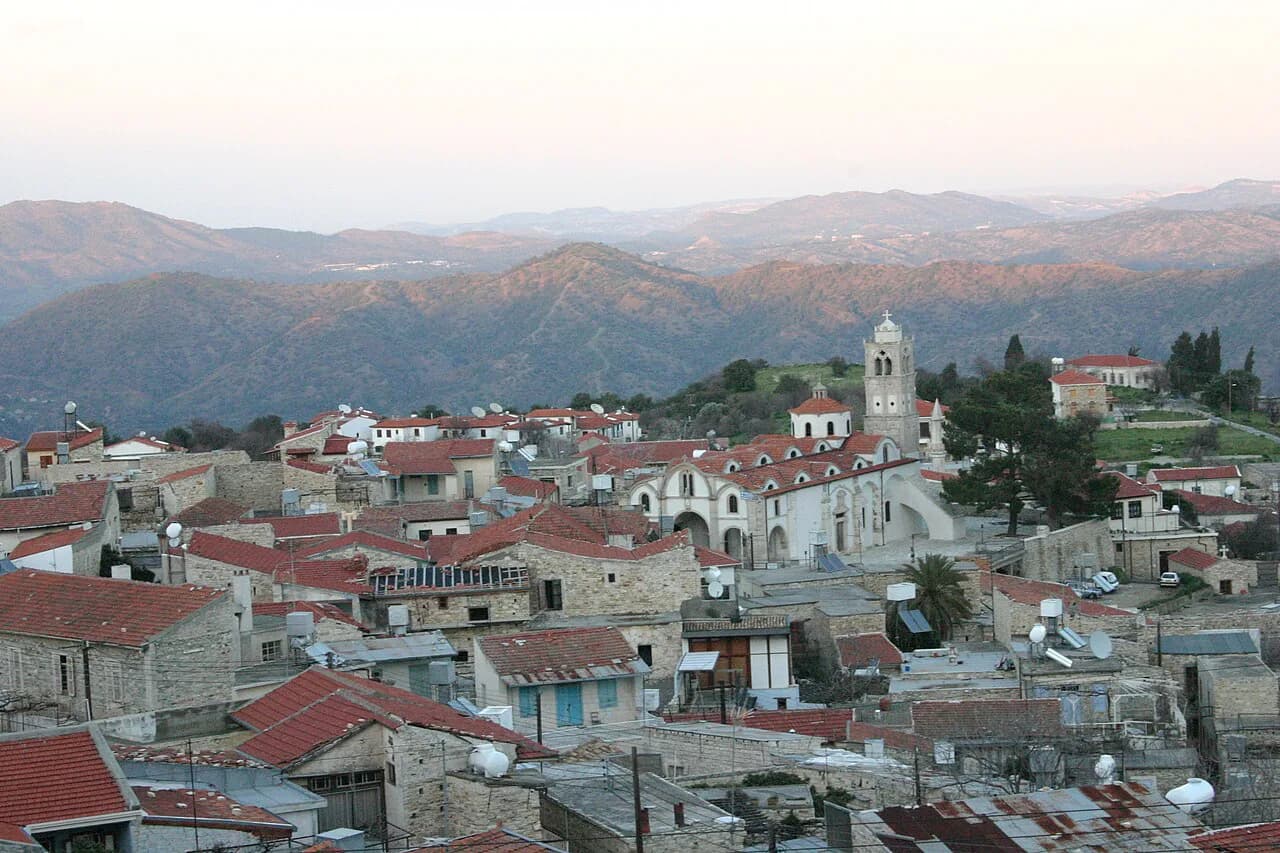
Pano Lefkara is the upper village, and the lace and silver trade clusters in its old core. Below it on the same hillside sits Kato Lefkara, with its own small streets and chapels, worth an hour if you have come this far; the Kato Lefkara guide sets out what is there.
Allow about half a day for the pair. That is enough for the lace streets, a museum, a coffee stop and the lower village without rushing, and it leaves the rest of the day free if you are driving back to Larnaca or on towards Limassol.
The hands-on option: a lace workshop
Lefkara.Travel runs a Create your Lefkaritiko workshop in Pano Lefkara where a local master demonstrates the stitches and you make your own piece to take home. The operator lists roughly two hours, all materials included, English or Greek instruction, groups of two to six, and no prior sewing experience needed. It is priced at 50 euros per person per hour, with a minimum of two participants, and dates are arranged on request rather than on a fixed timetable.
Two points are worth settling before you build a day around it. Confirm whether older children can join and what the current meeting point is, since the operator sends the location after reservation, and check the session time for your month because it shifts with the season. A two-person minimum means a solo traveller should ask to be paired with another guest rather than assume a place.
What to buy, and how to judge a piece
The staple buys are tablecloths, napkins and show pieces, the categories UNESCO names for the village's output. Hold a piece up to the light: hand cut work shows small variations in the bridles and the satin stitch has a slight sheen and direction, while a machine imitation reads as a perfectly regular grid with a flatter surface. Borders stitched by hand will also sit fractionally differently on each side, which is a feature rather than a fault.
Price scales with hours of work, so a large cloth with dense filling and a wide border costs many times a small mat. Decide your budget and size before you go in, ask what proportion of the work is by hand, and compare a few sellers on the same street before committing — the village centre is compact enough that this takes minutes.
Lefkaritika is also sold abroad, including through online craft listings that describe the work as traditional Cypriot embroidery. Buying from a village workshop keeps the money with the maker and lets you inspect the stitching, which an online photograph cannot show.
Getting there from Larnaca or Limassol
Pano Lefkara sits in the hills of Larnaca district, inland from the coast, and is normally done as a drive: a hire car gives you the flexibility to combine it with the lower village and the surrounding countryside. From Larnaca the run is short enough for a morning, and from Limassol it works as a half-day loop up into the foothills. If you are going without a car, check current rural bus timetables, and note that Cyprus drives on the left and the Republic uses the euro, so fuel and workshop payments are in euros.
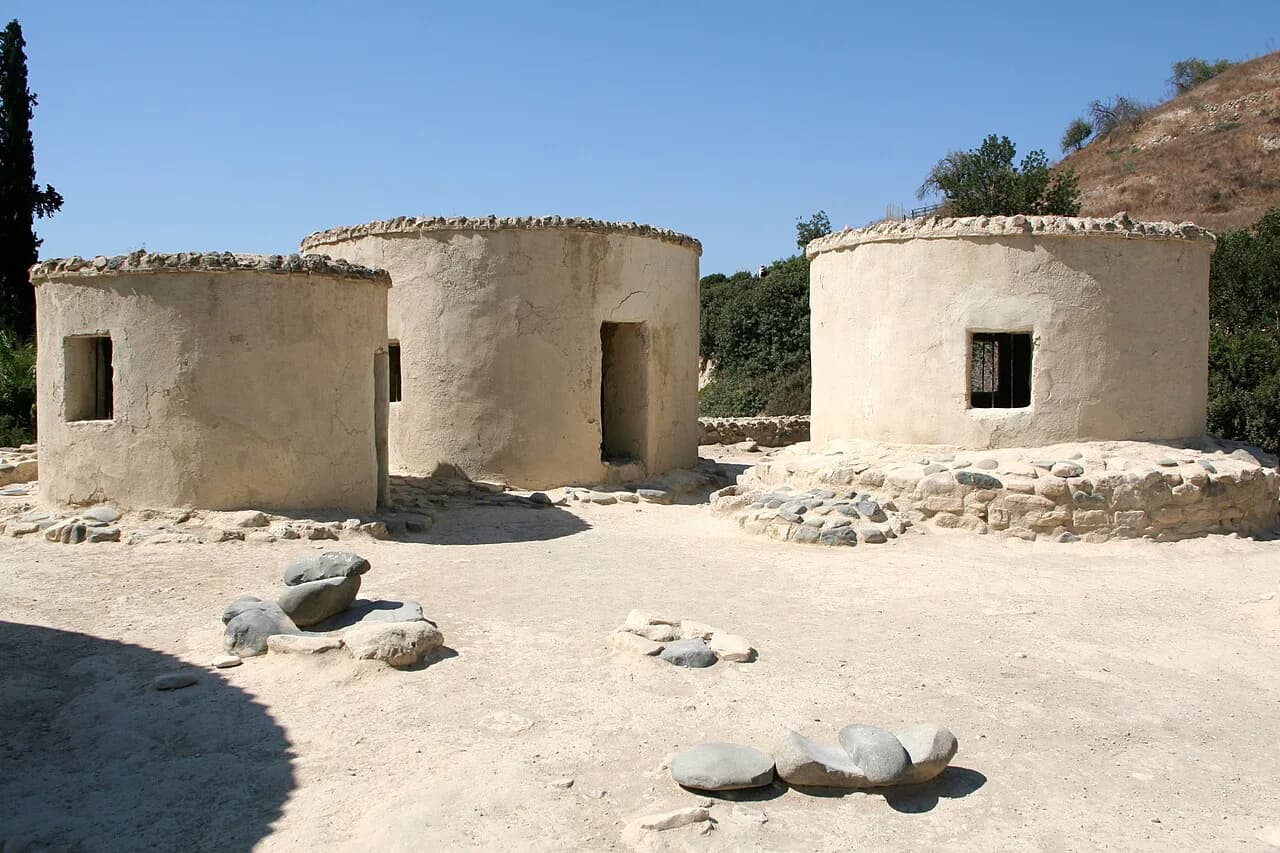
Once parked, the lace streets are walked rather than driven, and the gradient between the upper and lower villages is steady. Wear shoes with grip for the stone lanes, and carry water in summer because shade between the houses is intermittent. If you are stringing together several inland stops, the villages of Choirokoitia, with its Neolithic settlement, and Kalavasos lie on routes that work as add-ons rather than a full second day.
Kiti, closer to Larnaca, is a sensible stop on the way home if you want a change from hill villages and a look at its old church.
When to go and how to pace it
Summer afternoons in the hills are hot and the lace streets are busiest in the middle of the day, so an early start gives you cooler walking and quieter conversations with the makers. Spring and autumn are the comfortable seasons for a village half-day, and winter visits depend on the day. Lace-making rewards a slow pace: the point is to watch a stitch being worked and ask questions, not to tick off a square and drive on.
If the craft leaves you wanting the smaller, quieter version of the same landscape, Tochni and Maroni are stone villages within easy reach of the Larnaca district routes and make a natural pairing with a Lefkara morning.
Is Lefkara lace worth the detour?
Yes, if you want to see a craft being worked rather than a shelf of souvenirs: the narrow streets, the women stitching outside and the explanations of both the lace and the silver trade justify a half-day from Larnaca. Skip it if your schedule only allows a rushed coach stop, because the value is in the unhurried conversation and the comparison shopping.
Book the lace workshop in advance if you want to make something, build the rest of the morning around the old core of Pano Lefkara and Kato Lefkara below, and keep your expectations on price realistic: hand work is priced by the hour of labour it contains.
Explore more Larnaca guides
Frequently Asked Questions
What is Lefkara famous for?
Lefkara is known for lefkaritika, the hand embroidery inscribed by UNESCO in 2009, and for silversmithing, which shares the village's old core. Its lace is worked in linen and cotton using hemstitch, cut work, satin stitch fillings and needlepoint edgings.
Where is Lefkara village in Cyprus?
Pano Lefkara is in the hills of Larnaca district in southeastern Cyprus, inland from the coast. It is usually reached by car from Larnaca or Limassol, and Kato Lefkara sits on the same hillside below it.
How long does the Create your Lefkaritiko workshop take?
The operator lists roughly two hours, with all materials included and instruction in English or Greek. It runs with two to six participants, so couples and small groups fit best, and dates are arranged on request.
Sources
Notes for your Cyprus trip
Optional updates to our Cyprus guides.
You might also like
Continue reading
More guides you'll find useful